


Author: Elliott Garber, DVM
Starting or scaling a cattle operation takes more than buying a few cows and hoping for the best. A lot of people get into this without a clear picture of the costs, the margins, or how long it takes to see a return. Cattle can be a rewarding business, but it is a thin-margin one, and the producers who do well treat every dollar of cost and every marketing decision seriously.
This guide breaks down how cattle operations actually earn money in 2026, from traditional beef and dairy sales to alternative revenue streams. The goal is an honest look at the numbers so you can plan around real cash flow instead of optimistic guesses.
Understanding How Cattle Operations Make Money
According to USDA’s National Agricultural Statistics Service, there are roughly 94 million head of cattle and calves on U.S. farms. Success in that crowded field depends on careful management that balances animal health, land use, and marketing. Run well, a herd becomes more than a single product. It can provide several income streams across the year, which is part of what makes a small operation resilient.
The Three Traditional Ways to Earn From Cattle
Three income sources form the backbone of most cattle operations:
- Beef production: selling animals for meat, whether at auction or directly to customers.
- Dairy products: selling milk, and sometimes value-added products like cheese, butter, and yogurt.
- Breeding stock sales: selling bulls, heifers, and cows for other producers to breed.
You do not have to pick just one. Many operations combine these approaches, and they tend to reinforce each other, which spreads your risk if one market softens in a given year.
Beef Production
This is what most people picture when they think about cattle: raising animals for meat. The work is not only about keeping cattle healthy, but about raising them efficiently and selling them at the right time.
Timing matters because calf prices follow seasonal patterns. A large share of Southeastern calves are weaned and sold during the fall, which tends to push fall prices down as supply floods the market. University extension marketing data shows a 500-pound calf sold in late winter or early spring often brings a few percent more than the same calf sold during the fall run. On a 50-cow operation, capturing that spread can add meaningful revenue over a year, if you have the forage and cash flow to hold or background calves rather than sell into the fall low. For more, see the best time to sell cattle.
| Weight Class | Tends to Peak | Tends to Bottom | What This Means |
| 500-600 lbs | Late winter / early spring | Fall run | Spring sales often capture a seasonal premium |
| 700-800 lbs | Mid to late summer | Fall months | Holding through summer can pay if forage allows |
| 300-500 lbs | Late winter / early spring | Fall marketing season | Often targeted by stocker and backgrounding programs |
These are tendencies, not guarantees. Cattle prices move with drought, feed costs, and the larger cattle cycle, so treat seasonal patterns as one input.
Dairy Operations
U.S. milk production for 2026 is projected at roughly 231 billion pounds, a slight increase over 2025 according to USDA’s Economic Research Service. A large share of that milk is processed into cheese, with the rest split among butter, fluid milk, and other products like yogurt and specialty dairy.
Dairy offers steady monthly income, but it means milking twice a day, every day, with no real off days. You will need specialized equipment and strict cleanliness standards. In exchange you get predictable cash flow, easier to plan around than the lump-sum rhythm of selling beef calves once or twice a year.
Dairy also rewards scale. Larger operations spread fixed costs (equipment, facilities, labor) across more producing cows, which lowers the cost per pound of milk. That is part of why many dairy farms run sizable herds.
Breeding Stock Sales
Breeding stock can be one of the more profitable corners of the cattle business if you have the genetics and reputation to back it up. As the cattle cycle shifts toward expansion, USDA projects more producers will retain heifers, invest in genetics, and rebuild herds, which opens demand for registered bulls, replacement heifers, and proven bloodlines.
A quality breeding bull can sell for several thousand dollars, and the best for considerably more. This takes patience, recordkeeping, and real expertise. You are selling the promise of future performance, so health records, registration, and a track record matter as much as the animal in front of the buyer. You can list breeding stock or find buyers through the Creatures Marketplace.
Marketing Your Cattle Products
The market offers real choices in how you sell. You can move raw animals and commodity milk, or process and market directly to consumers. Each path has different economics.
Direct-to-Consumer Meat Sales
Instead of selling a finished steer at auction, some operations process the animal and sell beef directly to customers by the cut, the quarter, or the half. Retail and direct sales can gross more per animal than the auction barn, sometimes substantially more, because you capture the margin a processor and retailer would otherwise take.
That higher gross is not the same as higher profit. Direct sales add real costs: USDA-inspected processing, cold storage, packaging, marketing, and your own time selling and delivering. They also require you to find and keep customers. Done well, a direct channel can stabilize income because loyal customers keep buying even when auction prices swing. Run the numbers honestly before you switch. Our Help Center walks through an animal’s finances and ROI if you want a framework for comparing channels.
Value-Added Dairy Products
Making cheese, butter, and yogurt lets you command higher prices than commodity milk while building a direct relationship with customers. Specialty and artisan dairy products generally sell for a multiple of the commodity milk price, though the gap varies widely by product and market.
Niche markets are another way to protect margins. Dairies that offer organic, A2, or lactose-free milk, or supply local cafes and shops, can differentiate from the bulk commodity market. You will need additional equipment and food-safety certifications, so weigh the overhead against the premium your market will actually pay.
Alternative Ways to Earn From a Cattle Operation
A working farm has assets beyond the herd. By renting pasture, offering tours, or sharing equipment, some operations create extra income without buying more cattle.
Agritourism
Farm tours, workshops, and seasonal events can bring in money from people who want a hands-on connection to where their food comes from. Pricing varies a lot by region and by what you offer; some operations build a meaningful side income while others find it is not worth the disruption. Common offerings include farm tours, educational workshops, seasonal activities like pumpkin patches, a small gift shop, and group events.
Turning Byproducts Into Income
- Manure and compost: Composted manure can be sold to gardeners and organic growers. Some operations charge by the cubic yard or the truckload, turning a disposal task into a modest revenue line.
- Grazing services: Some landowners pay to have cattle clear brush and reduce fire fuel. Rates vary, but your cattle get forage while you get paid for the service.
Before planning any of these, get familiar with the requirements of different cattle breeds so your animals fit your land, climate, and the way you intend to earn from them.
Building a Cattle Farm Financial Plan
A working operation needs a real financial plan. People who get into cattle without one tend to underestimate the costs and run into trouble when cash flow gaps appear. This business takes serious upfront investment and margins per animal are thin, so plan carefully before you buy. Starting a small cattle farm can cost anywhere from about $10,000 to well over $100,000, depending heavily on location, herd size, and what land and infrastructure you already have.
Land and Infrastructure
If you are starting from scratch, land and fixed infrastructure are where most of your money goes upfront. Decent pasture runs roughly $2,000 to $5,000 per acre depending on region. On top of that you need fencing (often $3 to $8 per linear foot), basic shelter, handling facilities, and water systems. For how much ground you actually need, see how much land for cattle.
| What You Need | Small (20-30 cows) | Medium (50-100 cows) | Large (200+ cows) |
| Fencing (per linear foot) | $3-5 | $4-6 | $5-8 |
| Basic shelter / barn | $8,000-15,000 | $20,000-40,000 | $50,000-100,000 |
| Handling facilities | $5,000-10,000 | $15,000-25,000 | $30,000-60,000 |
| Water systems | $3,000-8,000 | $8,000-15,000 | $15,000-30,000 |
| Total infrastructure | $15,000-30,000 | $40,000-80,000 | $100,000-200,000 |
For a 20 to 30 cow operation, that is $15,000 to $30,000 just for infrastructure, and that assumes you keep things modest.
Buying Your First Cattle
Quality-bred cows commonly cost between $1,500 and $3,000 each, and a decent breeding bull often runs $3,000 to $8,000, though prices move with the cattle cycle. Starting with 20 to 30 cows can mean $40,000 to $60,000 on livestock alone. Think of that as your foundation, not a one-time expense. Cheap, poorly bred cattle tend to stay that way and cost you in calves and culls down the road.
Recurring Monthly and Annual Expenses
Feed Is Your Largest Cost
Feed typically accounts for the majority of operating costs, often well over half. Good pasture might support one cow on 2 to 5 acres, while poor or arid ground can require 10 acres or more per cow. Supplemental feed and hay commonly add a few hundred dollars per cow per year, more in a drought year when hay is scarce and expensive.
Healthcare and Vet Bills
Budget roughly $100 to $200 per cow per year for routine care like vaccines, deworming, and hoof care. When something goes wrong, costs climb fast, so prevention pays. A good working relationship with a veterinarian is one of the better investments you can make.
Labor
Good facilities let one person manage a far larger herd than poor ones do, which keeps labor costs in check. Proper handling equipment tends to pay for itself through saved labor and fewer injuries.
When You Will Actually Make Money
Most cattle operations take three to five years to become genuinely profitable, and you might break even in year two or three if you manage well. Margins per cow are slim. In a cow-calf operation, the gross revenue from a weaned calf is often several hundred to roughly a thousand dollars in a typical year, and after feed, hay, vet, and other costs, the net per cow is a fraction of that. Some years it can be negative. That is the reality of a thin-margin business, and why cost control matters so much.
The gap between operations is mostly management. University extension benchmarking has found the lowest-cost cow-calf producers run their cost of production roughly 40 percent lower per cow than the highest-cost producers. That difference is what separates an operation that clears a profit from one that quietly loses money. Tracking each animal’s cost basis is the foundation of knowing where you stand; our Help Center explains cost basis and starting values.
Running a Profitable Operation
A cattle farm needs systems that hold up when the first hard year arrives, because one will.
Pick the Right Cattle for Your Conditions
Choose breeds based on what works in your climate and market, not on looks or what your neighbor runs. Things to weigh include local temperature and humidity, rainfall and drought frequency, heat tolerance versus cold hardiness, forage quality, regional disease resistance, and market preference for specific breeds. Fighting your climate with the wrong genetics costs you every day.
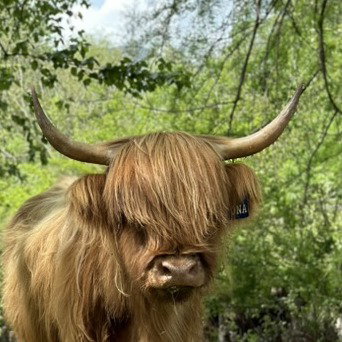
For challenging climates, certain breeds have real advantages. Brahman and Brahman-influenced cattle tolerate heat and humidity well, while Highland cattle do well in cold, wet conditions where other breeds struggle. New to all of this? Start with our guide to raising livestock for beginners.
Invest in Genetics That Pay
Focus on the traits that move your bottom line: feed efficiency, growth rate, reproductive performance, and carcass quality. Better genetics today compound into better calves and better margins for years. You can find reputable sellers in the Creatures cattle breeder directory.
Use Rotational Grazing
Managed rotational grazing can meaningfully improve how many animals a piece of ground supports, commonly on the order of 25 to 40 percent more carrying capacity than continuous grazing, by giving pasture time to recover and improving forage use. It is not a magic multiplier; results depend on your soil, rainfall, and how disciplined you are about moving cattle. It takes more management, but it can lower feed costs and build healthier pasture over time.
Protecting Your Operation From Real Risks
Like any business, cattle farming carries risks that can set you back hard: market downturns, disease outbreaks, drought, and other natural disasters. Cattle prices in particular swing on factors well outside your control.
Price Protection Tools
Futures, options, and programs like Livestock Risk Protection insurance are not only for large operations. Used carefully, they can help you lock in a price floor months ahead. They add cost and complexity, so learn how they work first.
Keep Disease Out
Simple biosecurity prevents expensive disasters. A few basic practices go a long way:
- Quarantine new animals for about 30 days
- Use disinfectant boot baths for visitors
- Keep separate equipment for quarantine areas
- Maintain visitor logs and health declarations
- Have an emergency response plan for outbreaks
- Schedule regular veterinary health checks
Plan for Drought
Build water storage, identify backup feed sources, and plan your destocking strategy in advance. Having a drought plan in place before the drought hits is often what keeps an operation solvent through a bad year.
Set Your Cattle Farm Up for Success
Making money with cattle is not a quick win. It is a real business that rewards people who learn the fundamentals, invest wisely, and manage tightly. Whether you run a small direct-sales operation or a larger commercial herd, the basics hold: good genetics, efficient feed management, animal health, and smart marketing. Connecting with experienced producers helps too. Creatures gives aspiring cattle farmers a place to find reputable cattle breeders, browse breeding stock from verified sellers, and review the health records and registration that travel with each animal.
Good recordkeeping ties it all together, and it is how you actually know your numbers. Creatures helps you track every animal.
- Add your herd: create profiles for your cattle with breed, registration, and tag information.
- Log records: track weights, vaccinations, calving dates, and expenses.
- Buy or sell cattle: use the Creatures Marketplace to connect with verified buyers and sellers.