

Red Factor (Extension)
Controls the base color to start as black or red.
- ed Recessive red; ed/ed = red/sorrel only.
- Ed Produces black-based pigment.

Estimate foal coat colors for miniature donkeys based on Extension, Dun, Agouti, and Brown genetics.
Donkey colors are determined by Extension, Dun, Agouti, and Brown genes.
Controls the base color to start as black or red.
Softens the base color.
Ranges from white spots to nearly all white coats.
Controls brown coloration intensity.
Controls pale muzzle/eye rings, belly, and inner legs.
White hairs interspersed throughout coat.
Genetic data referenced from UC Davis Veterinary Genetics Laboratory.
Miniature donkey colors are shaped by a handful of genes: Extension for a red or black base, Agouti and a brown modifier for the shade, and a dominant white pattern that produces ivory. Pick the jack and jenny above to estimate a foal, then use the guide below to read the result. A genetics lab test confirms what each parent carries.
The common colors, from the widespread gray to the striking ivory (frosted white).
A few plain rules explain most foal color surprises.
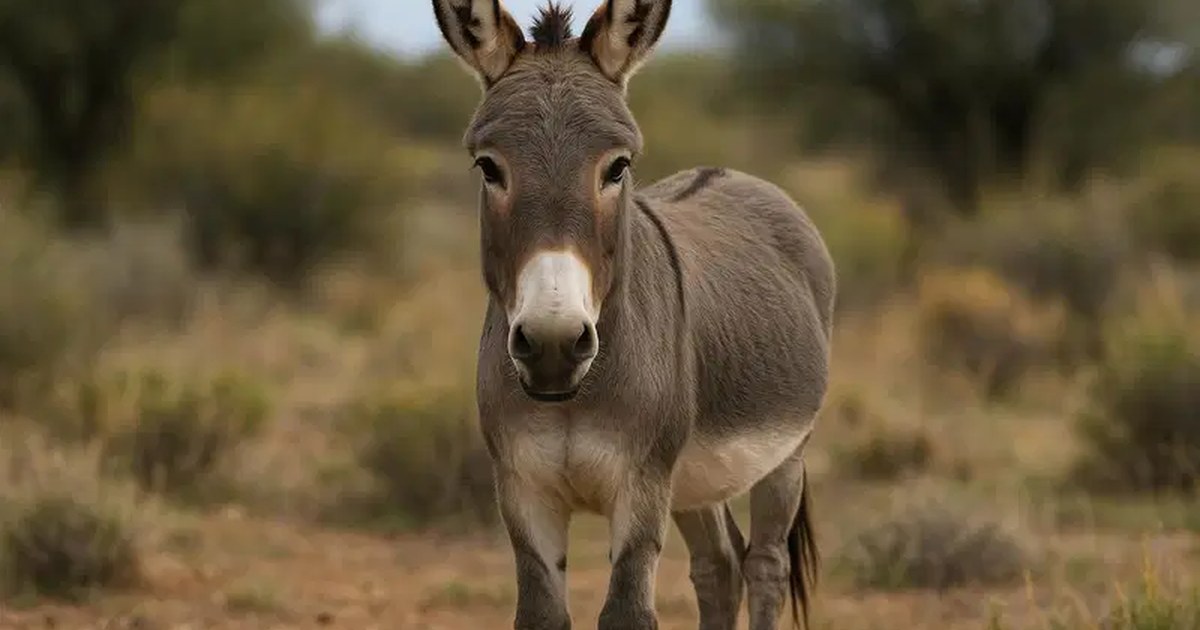
Common colors include gray, black, red (sometimes called sorrel), brown, and ivory, plus spotted patterns that sit on top of a base color. Gray is by far the most common, and most donkeys show frosted lighter points around the eyes and muzzle along with the classic dorsal cross.
No. Red is recessive, so a red donkey carries two red alleles and can only pass red on, meaning two red parents produce a red foal. The opposite catches people out: two dark parents can each carry a hidden red allele and produce a red foal.
Ivory comes from a dominant white pattern that lightens the coat toward cream or white. Because it is dominant, a single copy is enough to show, and it can mask the base color the donkey carries underneath. A genetics test is the reliable way to learn what an ivory donkey can pass on.
If foal color matters to your breeding plan, a DNA test through a recognized genetics laboratory reveals the hidden Extension, Agouti, brown, and pattern alleles that a coat alone cannot show. This calculator is an educational estimate and does not replace laboratory testing or professional advice.