


Where to Buy Maine Coon Kittens: How to Find and Vet a Breeder (Safely)
Author: Elliott Garber, DVM
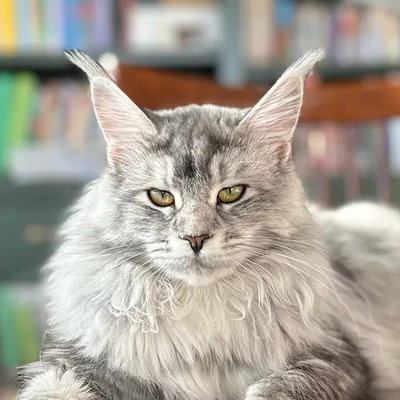
The honest first step in buying a Maine Coon kitten is to slow down. This is one of the largest domestic cat breeds, a slow-maturing, long-lived animal with a handful of well-documented genetic health risks, and the difference between a good source and a bad one is not the price on the listing. It is whether the person you buy from does the health testing, lets you meet the kittens and the parents, and keeps the kittens with their mother long enough. A responsibly bred Maine Coon from a health-testing breeder, a purebred surrendered to a breed rescue, or the occasional Maine Coon or Maine Coon mix in a shelter are all legitimate ways to bring one home. What you want to avoid is the fast, no-questions transaction, because that is where sick kittens, unverifiable “registered” claims, and outright scams live.
This guide covers where to responsibly find a Maine Coon, exactly how to vet a breeder, the red flags that should end a conversation, and how adoption compares to buying from a breeder. If you also want to understand the money side, our companion guide on how much Maine Coon cats cost breaks down purchase price, setup, and lifetime vet costs.
Where to responsibly find a Maine Coon
There are three honest paths to a Maine Coon, and the right one depends on whether you specifically want a kitten with known genetics or you are open to an adult who needs a home.
A reputable, registered breeder. For a Maine Coon kitten with known parentage and health-tested lines, a small breeder registered with a recognized cat association is usually the best route. The Cat Fanciers’ Association and The International Cat Association both register Maine Coon catteries and publish the breed standard, so a serious breeder can tell you their cattery name, their registration, and the health testing behind their breeding cats. A good breeder produces a few litters a year, not a constant supply, and treats you as a long-term contact rather than a one-time sale. You can search trusted Maine Coon breeders in the Creatures breeder directory.
A breed rescue. Purebred Maine Coons and Maine Coon mixes do end up in rescue, often because a previous owner underestimated the size, grooming, or vet costs of a large, long-lived cat. Breed rescues frequently place adult cats whose temperament is already known, and adoption fees are far lower than a kitten’s purchase price. If a settled adult suits your household better than a kitten, this is a genuinely good option.
A shelter surrender. Maine Coons and Maine Coon type cats occasionally turn up in general shelters. You will not usually get paperwork or a verified pedigree, so treat a shelter cat as a wonderful pet rather than a documented purebred. If breed papers do not matter to you, a shelter adoption is the lowest-cost and most immediate route.
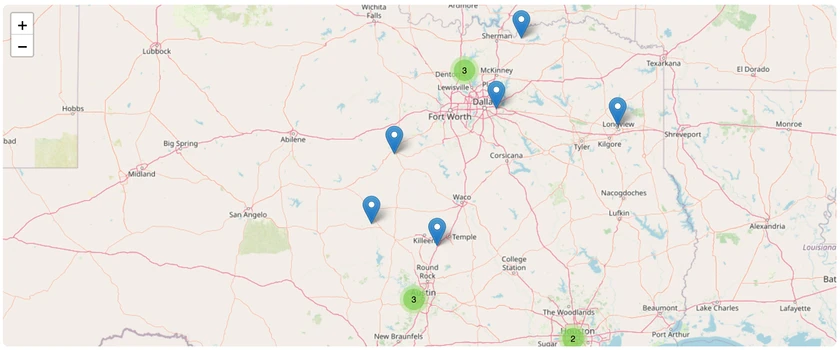
Whichever path you choose, you can watch for Maine Coons posted near you on the Maine Coon marketplace, and set a free alert so you hear about new listings without refreshing all day.
How to vet a Maine Coon breeder
This is the part that actually protects you. Maine Coons carry a handful of well-known inherited conditions, and a responsible breeder tests for them and shows you the results. Here is what to ask for, and why each item matters.
Ask about HCM, and expect two answers. Hypertrophic cardiomyopathy (HCM) is the most common heart disease in cats and Maine Coons are genetically predisposed to it. A specific mutation in the MYBPC3 gene (the A31P mutation) has been identified in the breed, and the University of California, Davis Veterinary Genetics Laboratory offers a DNA test for it. Cats carrying two copies of the mutation are at markedly higher risk of developing HCM. But here is the honest nuance a good breeder will volunteer: a clear DNA result does not guarantee a cat will never develop HCM, because the A31P mutation is not the only cause. That is why responsible breeders combine the genetic test with periodic echocardiogram (heart ultrasound) screening of their breeding cats by a veterinary cardiologist. If a seller only mentions one and dismisses the other, that is a gap.
Ask about SMA and PKD. Responsible Maine Coon breeders test their breeding cats as genetically clear for spinal muscular atrophy (SMA) and polycystic kidney disease (PKD) as well, aiming for negative results on the DNA panel. These are straightforward genetic tests, and a breeder who runs them can tell you the results.

Ask about hips. Hip dysplasia is usually associated with dogs, but it occurs in cats too, and because the Maine Coon is a large, heavy breed, hip structure is worth screening. Some breeders X-ray and submit hips for evaluation. It is a reasonable question to ask, especially for a cat you expect to be big.
Ask to see registration and pedigree. A breeder should give you the cattery name and the registered names of the parents. Do not accept a vague “TICA registered” line at face value, because that claim on its own is unverifiable. Ask which association, ask for the cattery and parent names, and confirm them through the association rather than trusting a screenshot.
Ask when kittens go home, and insist on 12 weeks or more. Well-run catteries keep kittens with their mother and littermates until roughly 12 to 14 weeks, sometimes longer, for immune, behavioral, and social development. Many quality Maine Coon breeders will not release a kitten before that window. A kitten offered at 6 or 8 weeks is a warning sign, not a bargain.
See the kittens, in person or on a live video call, and meet the mother. Visiting the cattery tells you more than any listing. You want to see the environment the kittens grew up in, watch how they behave, and meet at least the mother. If an in-person visit is not possible, a live video call where the seller shows you the actual kittens and the parents is the minimum. A seller who refuses any live look at the animals is one to walk away from.
Get it in writing. A trustworthy breeder provides a written contract, a health guarantee, and records of vaccinations, deworming, and the first veterinary exam. Read the contract before you pay anything.
Red flags that should end the conversation
Some signs reliably separate a responsible source from a backyard operation or an outright scam. Any one of these is a reason to pause; several together mean walk away.
- No health testing. The seller cannot name a single test, or brushes off HCM, SMA, and PKD as things that “don’t happen in my cats.” For a breed with documented cardiac risk, this is the biggest red flag of all.
- Always available, endless supply. Kittens available on demand all year, several breeds sold from the same place, or dozens of litters advertised, point to volume breeding rather than careful, health-tested litters.
- Ships anywhere, sight unseen. A seller who will send a kitten to you without ever letting you meet it, in person or live on video, and without meeting the parents, is a serious warning.
- Unverifiable claims. “TICA registered” or “champion lines” with no cattery name, no parent names, and no way to confirm them. Real registration can be checked.
- Price too good to be true. A Maine Coon kitten priced far below the going rate is a classic scam hook, often paired with a story about why it must go fast.
- Payment and pressure signals. A large deposit demanded immediately, payment only by wire, gift cards, or apps with no buyer protection, and pressure to decide today. Legitimate breeders do not rush you into an irreversible payment.
- Backyard or kitten-mill signs. Kittens sold from a car park or handed over in a parking lot, no clean home environment shown, sick or dirty animals, or a seller who cannot answer basic questions about the breed’s care and health.
When you do make an offer or place a deposit, keeping the conversation and any payment on-platform gives you a record of the agreement. Our help center walks through making an offer on a listing so the terms are clear before money changes hands.
Adoption versus a breeder: which is right for you
There is no single correct answer, only the honest tradeoffs.
Choose a breeder if you specifically want a kitten with known parentage, a documented pedigree, and health-tested lines, and you are prepared to wait for a litter and pay accordingly. A health-testing breeder is the surest way to reduce (not eliminate) the risk of inherited disease, and to get a kitten raised and socialized well from birth.
Choose adoption if you are open to an adult, want a known temperament, care less about papers, and want a lower up-front cost. Rescue and shelter Maine Coons still deserve the same veterinary once-over and, if the cat is a purebred with cardiac history in the breed, the same awareness of HCM that any Maine Coon owner needs.
Whichever route you take, budget for a veterinary exam soon after you bring the cat home, and understand that the purchase or adoption fee is the smallest number in the lifetime cost. For the full breakdown of setup and ongoing vet spend, see our guide on how much Maine Coon cats cost, and for care, grooming, and temperament, the Maine Coon breed guide covers the day-to-day of living with one.
What to check before you commit
Before you pay a deposit or sign anything, run through a short list. Have you seen the kittens live and met the mother. Can the seller name the HCM, SMA, and PKD testing and, for HCM, the echocardiogram screening behind the breeding cats. Have you confirmed the registration and parent names with the association rather than a screenshot. Is the kitten at least about 12 weeks. Do you have a written contract, a health guarantee, and vaccination and vet records. Is the payment method one that leaves you a record and some protection. If the answer to any of these is no, it is worth another conversation or another breeder. A good Maine Coon is a 12 to 15 year companion, and the extra week of checking is nothing against that.

Frequently asked questions
Where is the safest place to buy a Maine Coon kitten?
From a small breeder registered with a recognized cat association who health-tests their breeding cats, lets you meet the kittens and the mother, and keeps kittens until about 12 to 14 weeks. Breed rescues and shelters are good alternatives if you are open to an adult and do not need papers. Avoid any seller who ships sight unseen, cannot name their health testing, or pressures you to pay fast.
What health tests should a Maine Coon breeder have done?
At minimum, a genetic test for the MYBPC3 HCM mutation plus echocardiogram screening of breeding cats, and genetic tests for SMA and PKD. Hip screening is a reasonable extra for such a large breed. A clear HCM DNA result lowers but does not eliminate the risk, which is why the heart ultrasound matters too.
How can I tell if a breeder is a scam?
Watch for prices far below normal, refusal to let you meet the kitten or the parents, unverifiable “registered” claims with no cattery or parent names, demands for fast deposits by wire or gift card, and kittens supposedly available all year. Verify registration through the association directly, and keep payment on a platform that leaves a record.
Is it better to adopt or buy a Maine Coon?
Both are legitimate. Buy from a health-testing breeder if you want a kitten with known genetics and a pedigree. Adopt from a breed rescue or shelter if you are open to an adult, want a known temperament, and prefer a lower up-front cost. Either way, plan for a vet exam and the ongoing costs of a large, long-lived cat.
How old should a Maine Coon kitten be before coming home?
Commonly around 12 to 14 weeks or older. Reputable breeders keep kittens with their mother and littermates for immune and social development, so a kitten offered at 6 to 8 weeks is a red flag.
Do this next on Creatures
Whether you are hunting for a specific Maine Coon kitten, comparing breeders, or getting ready to bring one home, Creatures is the marketplace, directory, and records layer to do it in one place.
Get alerted when a Maine Coon is listed. Waiting for the right kitten from the right breeder? Set a free Maine Coon listing alert and we will tell you when one is posted near you. No account needed to start, and you can learn more in saving searches and using your watchlist.
Browse what is available now. See current Maine Coons on the marketplace and search trusted breeders and rescues in the Creatures directory. When you find one, our guide to making an offer on a listing keeps the terms clear.
Add your Maine Coon. Already have one, or bringing a kitten home soon? Create a free animal profile in a few minutes. No account needed to start, and the walkthrough is in adding an animal to Creatures.
Keep the health records that matter. With HCM screening and a 12 to 15 year lifespan, records count. Add a health record on Creatures. The record sheet opens for any visitor to look around, and a free account saves what you enter. See adding a record and health and medical records for the full how-to.
Breed or rescue Maine Coons? Create a breeder or rescue profile so people searching for a Maine Coon can find you. No account needed to start.