Bottle-Feeding a Calf: Colostrum, Milk Replacer, and Schedule
Author: Elliott Garber, DVM
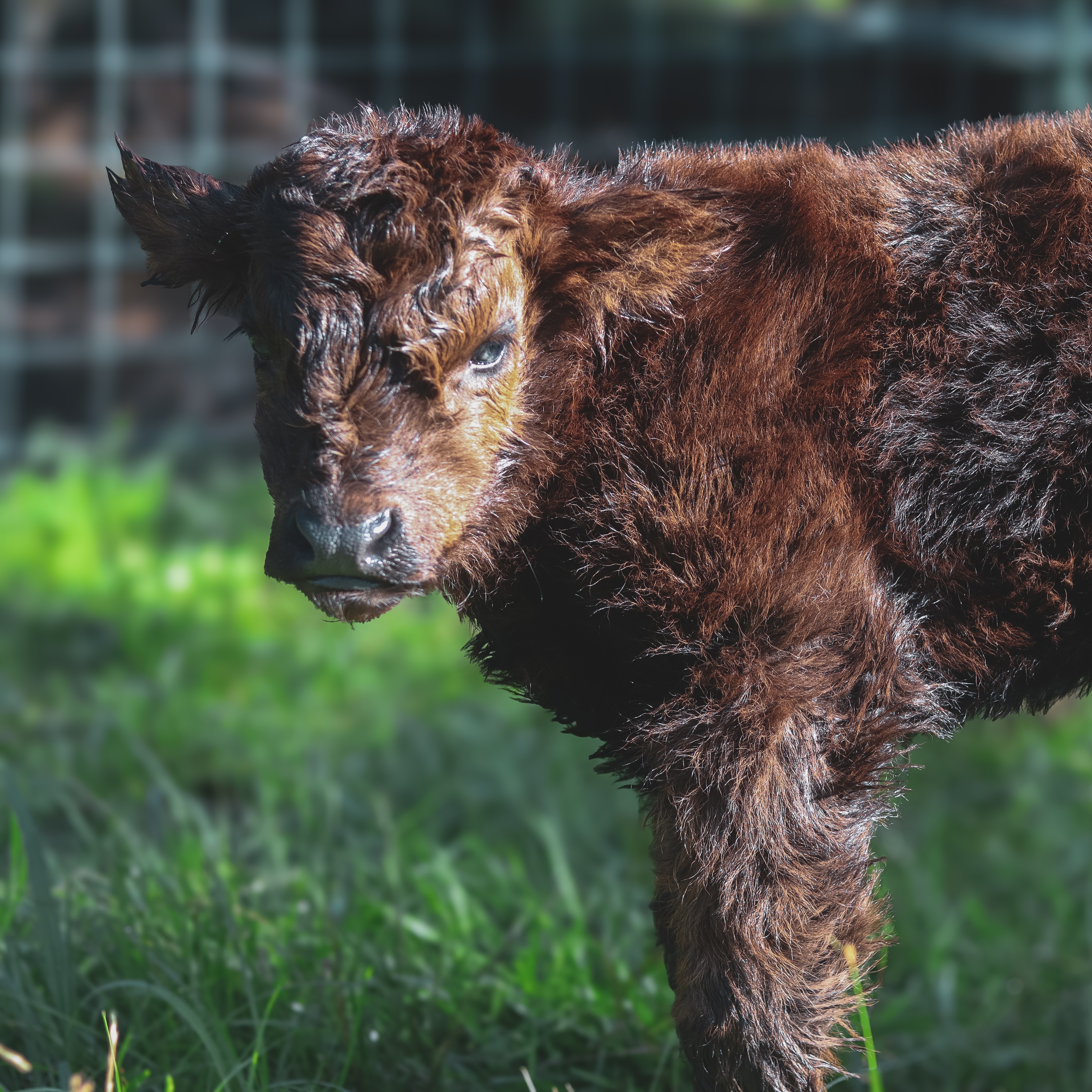
Start with colostrum, not milk. A newborn calf that cannot nurse its dam needs a large feeding of quality colostrum within the first couple of hours of life, because the calf’s gut can only absorb protective antibodies for a short window that closes fast. Once colostrum is handled, a bottle-fed calf is typically raised on about 10 percent of its body weight per day in whole milk or a quality milk replacer, split into two warm feedings at consistent times, with a calf starter grain and clean water offered early so the rumen develops. Weaning follows starter intake, commonly around 6 to 8 weeks, rather than a calendar date alone. This guide walks through each of those steps for cattle. It applies across breeds, from dairy calves to a beef breed like the Highland. Treatment of sick or scouring calves is always a conversation with your veterinarian.
Colostrum comes first, and timing is everything
The single most important feeding in a calf’s life is its first one. Colostrum is the thick first milk that carries the antibodies a newborn calf needs, because calves are born without meaningful immune protection of their own. They can only get it by absorbing antibodies from colostrum through the gut wall, and that ability fades quickly.
A widely used target is to feed the first colostrum within about 1 to 2 hours of birth, and at the latest within about 6 hours. Penn State Extension notes that within 6 hours the gut’s average ability to absorb immunoglobulins drops by about a third, and by 24 hours the walls absorb less than 10 percent of what they could at birth, a process called gut closure. In practice that means the clock starts at birth, and every hour of delay costs the calf protection it cannot get back.
Amount matters alongside timing. A common recommendation is to feed roughly 10 percent of body weight in quality colostrum across the first feedings, which for a typical calf works out to several quarts, often delivered as one large first feeding followed by more. Penn State Extension frames the goal as at least around 4 quarts of clean, quality colostrum for a larger calf. Quality here means colostrum from a healthy dam, kept clean, and fed at body temperature. If the dam’s own colostrum is not available, sources include a frozen colostrum bank, colostrum from another healthy cow, or a colostrum replacer product. This is a good moment to record the birth, dam, and colostrum details on the calf’s profile so the history travels with the animal. On Creatures you can log those first-day events against the calf’s record.

When a calf needs bottle-feeding
Most calves nurse their dam without help. Bottle-feeding, or feeding from a nipple bucket, becomes necessary in a handful of situations:
- The calf is orphaned, or the dam died calving.
- The dam rejects the calf and will not let it nurse.
- The dam has no milk, has mastitis, or is otherwise unable to feed the calf.
- Twins, where one dam cannot support both calves well.
- A dairy calf pulled from the dam for management reasons and raised on milk or replacer.
In each of these cases the same principles apply: colostrum first, then a consistent milk feeding routine. If you are taking on an orphan or a bottle calf you did not raise from birth, try to confirm whether it received colostrum, because a calf that missed that window is at much higher risk and may need veterinary attention.
Choosing milk or milk replacer
After the colostrum period, a bottle calf is raised on either whole milk or a quality calf milk replacer. Both can work well when handled correctly.
Whole cow’s milk is a complete, natural feed and many small operations use it. The main cautions are consistency and safety: feed it fresh and clean, and keep the temperature and volume steady from feeding to feeding.
If you use a milk replacer, quality is where calves are won or lost. Look for a replacer built on milk-based protein sources rather than cheap fillers. The Merck Veterinary Manual notes that milk replacer protein typically runs 20 to 25 percent on a dry-matter basis, with fat commonly in the 15 to 20 percent range, and that milk-derived proteins like whey and dried skim milk are preferred for very young calves. A practical target for many calves is a replacer around 20 to 22 percent protein with appropriate fat, from all-milk protein sources. Avoid the cheapest replacers, which often rely on plant proteins a young calf digests poorly.
Whatever you choose, mix replacer exactly to the label, feed at a warm and consistent temperature at every feeding, and do not switch products abruptly. Sudden changes in concentration, temperature, or timing are a common trigger for digestive upset.
The feeding schedule
A common starting point is to feed about 10 percent of the calf’s body weight per day in milk or reconstituted replacer, divided into two feedings. The Merck Veterinary Manual describes the traditional system as roughly 4 liters daily for a 40 to 50 kg calf, split between two feedings per day. Larger calves, cold weather, or higher-growth programs may call for more volume or a third feeding.
Keep the routine boringly consistent:
- Same times each day, morning and evening.
- Same temperature every feeding, at body temperature, never cold.
- Same concentration if you are mixing replacer.
- Clean equipment, always.
Consistency is not a nicety. It is how you keep a young calf’s digestion stable and how you notice quickly when something is off, because a calf that suddenly refuses a bottle is telling you something.
Building the rumen: starter and water
A newborn calf is functionally a simple-stomached animal. Its rumen, the large fermentation chamber that lets a mature cow digest forage, is small and undeveloped at birth. Milk alone does not build it. Dry feed does.
Offer a good calf starter grain and clean, fresh water from the first days of life, even though the calf will eat and drink very little at first. The Merck Veterinary Manual notes that solid feed can be introduced by about 3 days of age and that calf starter stimulates rumen development as the calf begins to eat it. Fresh water is part of this: calves need water in addition to milk, and water intake supports starter consumption. Keep starter fresh and clean, and refresh water daily.
Starter intake is not just about nutrition today. It is the engine of weaning, which is why you want the calf eating meaningful amounts of dry feed well before you plan to take it off milk.

Scours: the biggest threat, and where the vet comes in
Scours, the common name for calf diarrhea, is the leading cause of illness and death in young calves. The danger is not the diarrhea itself but the dehydration it causes. Minnesota Extension and others describe dehydration as what actually kills scouring calves, and correcting it as the most important part of any treatment.
A few principles hold across most cases, but this is medical territory, so involve your veterinarian promptly rather than managing a sick calf alone:
- Do not simply stop milk. Extension guidance is clear that milk should not be withheld from a scouring calf, because electrolytes alone do not meet the calf’s energy needs and the calf needs milk’s nutrition to fight the illness.
- Offer oral electrolytes in addition to milk, alternating electrolyte feedings between the regular milk feedings rather than replacing them.
- Call your veterinarian early. They decide which electrolytes, how often, and whether other treatment is needed, and they can catch systemic illness a bottle alone will not fix.
Prevention is mostly sanitation and colostrum. Clean bottles, nipples, and buckets after every use, keep the calf’s area clean and dry, and remember that a calf that got quality colostrum on time starts with a real advantage against scours.
Weaning on starter intake, not the calendar
Weaning a bottle calf is driven by rumen development, which you read through starter intake, not by age alone. A calf eating a good, steady amount of starter each day has a rumen developed enough to run on dry feed. A calf that is not eating starter is not ready, whatever the date says.
In practice many calves wean around 6 to 8 weeks, consistent with the traditional 4 to 8 week window the Merck Veterinary Manual describes, but let the calf’s starter consumption be the deciding signal. Wean gradually rather than cutting milk off all at once, for example by dropping to one milk feeding a day for a stretch before stopping, so the calf leans harder on starter and water. Watch for any dip in the calf’s condition or appetite through the transition.
If you are building a herd or looking for calves and cattle to raise, you can browse the cattle marketplace or find sellers through the breeder directory, and keep each animal’s feeding, health, and weaning history on its record from day one.
Frequently asked questions
How much should I feed a bottle calf each day?
A common target is about 10 percent of the calf’s body weight per day in milk or reconstituted milk replacer, split into two feedings at consistent times. Larger calves, cold weather, or higher-growth programs may need more volume or an added feeding. Always feed warm and to the replacer label.
Can I use regular cow’s milk instead of milk replacer?
Yes. Whole cow’s milk is a complete feed and works well when kept clean, fresh, and fed at a steady warm temperature and volume. If you choose a replacer instead, pick a quality one built on milk-based protein, commonly around 20 to 22 percent protein, and mix it exactly to the label.
What if my calf gets diarrhea?
Scours is common and dangerous because of the dehydration it causes, so contact your veterinarian promptly. In general, do not stop feeding milk. Offer oral electrolytes in addition to milk, alternating them between milk feedings, and let your vet direct the treatment. Keep all equipment clean to reduce spread.
When should I wean a bottle calf?
Wean based on starter grain intake, not age alone, since starter drives the rumen development a calf needs to live on dry feed. Many calves reach that point around 6 to 8 weeks. Wean gradually rather than abruptly.
What if I do not know whether the calf got colostrum?
Assume it is at higher risk and watch it closely, especially for scours and weakness. A calf past about 24 hours of age can no longer absorb antibodies from colostrum, so the window has closed. Talk to your veterinarian about assessing the calf and its immune status.
Do this next on Creatures
Whether you are managing the herd’s day-to-day care, planning a breeding, or buying and selling stock, Creatures is the records, marketplace, and directory layer to do it in one place.
Add your cattle. Create a free profile for each animal and store its tag, EID, and other identifiers on the profile. No account needed to start, and the walkthrough is in adding an animal to Creatures.
Track weights, calvings, and health. Keep weights, calvings, treatments, and vaccinations on each animal’s record. The record sheet opens for any visitor to look around, and a free account saves what you enter. See adding a record and health and medical records.
Stay ahead of routine work. Vaccination timing, preg checks, and calving dates are easy to lose track of. Set reminders so they do not slip. See reminders and upcoming care.
Buying or selling stock? Browse cattle on the marketplace and search trusted farms and ranches in the Creatures directory. Looking for something specific? Set a free listing alert and we will tell you when a match is posted. No account needed to start.
Run a ranch or farm? Add your operation so buyers can find you, then read getting listed in the breeder directory.