


What to Feed Cattle: Forage, Hay, and Supplement Basics
Author: Elliott Garber, DVM
Feed cattle forage first. Cattle are ruminants, built to turn grass and other forages into meat and milk, so the base of nearly every beef diet is grazed pasture in the growing season and conserved forage (hay, silage, or baleage) through winter. Everything else, protein and energy supplements, minerals, and grain, exists to fill the gaps forage leaves behind for a given class of animal at a given time of year. Get the forage program right, match it to body condition, and you have solved most of cattle feeding before you buy a single bag of anything.
Why forage comes first
A cow, steer, or heifer runs on a four-compartment stomach whose largest chamber, the rumen, is a fermentation vat full of microbes that break down fiber the animal cannot digest on its own. Those microbes are the reason cattle thrive on grass that would starve a pig or a chicken. It also means the rumen wants a steady supply of roughage to stay healthy and stable, which is exactly why forage sits at the center of the plan and why sudden swings in diet cause trouble.
In the growing season, well-managed pasture can meet the full nutritional needs of many mature cattle on its own. When grass stops growing, you conserve it: hay is forage cut and dried, while silage and baleage are forage fermented at higher moisture. All three carry the pasture season into winter. The quality varies enormously with the plants, the soil, the cutting stage, and the weather at harvest, so a forage test is the single most useful number you can put on a load of hay. It tells you the protein and energy you are actually working with, and therefore what, if anything, you need to add.
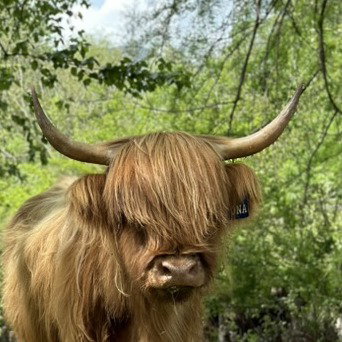
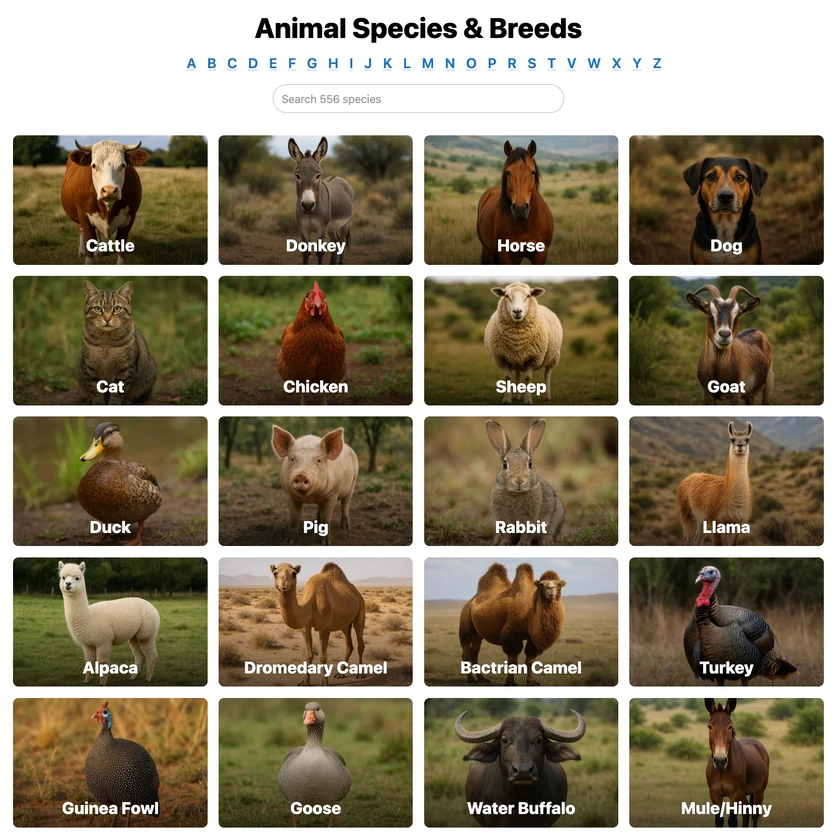
If you are still choosing which cattle fit your ground and forage, the cattle species guide is a good starting point, and hardy foragers such as Highland cattle are often kept specifically for their ability to do well on rougher pasture.
Let body condition drive the ration
The most practical feeding tool in the beef world is not a feed tag, it is your own eye and hand on the animal. Body condition scoring rates fatness on a 9-point scale, where 1 is emaciated and 9 is obese. A score of 5 describes a cow in average flesh and is a sensible target for most herds, with 5 to 6 the working range through calving and rebreeding, according to Nebraska Extension.
Condition is what you feed to. A cow in good flesh on decent forage may need nothing extra, while a thin cow heading into winter needs to gain, and changing condition on forage alone is slow work: Nebraska Extension notes that feeding alfalfa hay well above maintenance can still take more than two months to move a cow up a single score, so it pays to catch thin animals early rather than trying to rescue condition in late gestation. Score the herd at weaning, again before calving, and adjust while you still have time to act.
Protein and energy: matching feed to stage
Two things forage delivers, in varying amounts, are energy and protein, and the gap between what the forage provides and what the animal needs is the entire supplementation question.
A mature, non-lactating cow on reasonable forage has modest requirements and often needs little or no supplement. Requirements climb sharply for growing cattle putting on frame, for lactating cows feeding a calf, and for any thin animal that needs to regain condition. Poor or dormant winter forage, low in both protein and energy, is the classic case where supplementation earns its keep. When dry winter grass or mature hay is short on protein, a modest protein supplement helps the rumen microbes digest the forage itself, so the animals extract more from what they are already eating.
Water belongs in this conversation too, because intake drives everything else. A 1,100-pound dry cow needs roughly 9 gallons of water a day at mild temperatures, and a lactating cow closer to 20, per Nebraska Extension. Restrict water and feed intake falls with it. Clean, reliable water is covered in more depth in a separate waterer guide, but treat it as feed number one.

Minerals and salt
Forage and grain rarely supply every mineral cattle need in the right balance, and the shortfalls are regional: they depend on your soils, your forage species, and the season. The standard answer is a free-choice mineral appropriate to your area and forage, offered alongside salt so cattle can meet their needs on their own schedule.
One caution worth knowing is that cattle do not eat minerals according to what their bodies need. Intake is driven largely by their appetite for salt, so a mineral placed too far from water or paired with a competing plain-salt source can be badly under-consumed, Nebraska Extension points out. Placement, fresh product, and checking that the herd is actually eating the target amount matter as much as which bag you buy. Choosing and siting a feeder is its own topic, and a separate mineral-feeder guide goes deeper on that.
Grain and concentrates: careful, not casual
Grain and other concentrates (corn, barley, byproduct feeds) are energy-dense and have their place, mainly in finishing cattle for market and in targeted supplementation of high-demand animals. What they are not is a casual top-up you pour over a forage diet.
The reason is the rumen. A sudden load of readily fermented starch causes a rapid spike in acid production that the rumen microbes are not adapted to buffer, which leads to acidosis and can trigger bloat, according to the Merck Veterinary Manual. The prevention is not complicated but it is non-negotiable: introduce grain gradually, over a couple of weeks, so the microbial population can shift, and keep enough roughage in front of the animals to sustain rumination. Merck describes stepping feedlot cattle onto concentrate over two to three weeks starting from a roughage-heavy mix for exactly this reason.
The practical rules for most producers: do not free-feed grain to forage-based cattle, do not make abrupt jumps in the amount fed, and feed on a consistent schedule so hungry animals do not gorge. If you are finishing animals, work the ration up in steps and lean on your veterinarian or a nutritionist for the target intakes.

Hazards to keep on your radar
A few feeding problems cause an outsized share of losses, and awareness prevents most of them.
Moldy or spoiled hay is the everyday one. Feed clean, dry, well-stored forage, and do not try to salvage badly molded bales into a cattle diet. Sudden diet changes of any kind, forage to grain, one hay source to a very different one, dry lot to lush pasture, unsettle the rumen; make transitions gradual.
Several plant and forage hazards deserve a general mention, with specifics left to your local extension office and veterinarian, since they are regional and seasonal. Some pasture plants are outright toxic. Stressed forages, plants hit by drought, frost, or heavy fertilization, can accumulate nitrate, and certain species can release prussic acid (cyanide) after frost or drought. These are real risks worth learning for your area rather than guessing at.
Mineral imbalances round out the list. The best-known is grass tetany, a magnesium-related disorder seen on lush spring (and sometimes fall) grass, where fast-growing forage high in potassium and nitrogen impairs magnesium absorption and can kill quickly. Penn State Extension and the Merck Veterinary Manual both describe managing it with a high-magnesium mineral through the risk window. Any sudden onset of staggering, twitching, or down animals is a call-your-vet situation, not a wait-and-see one.
Life stages at a glance
- Calf and weaned calf: starts on milk, gradually adds forage as the rumen develops; at weaning, high-quality forage matters most, with supplement to keep growth steady through the transition.
- Growing cattle (stockers, replacement heifers): building frame and muscle, so they need more protein and energy than a mature dry cow, from good forage plus supplement as needed.
- Cows: the swing class. Dry and mid-gestation cows often coast on forage; late gestation and lactation raise the bar sharply, which is why condition scoring pays off here most.
- Bulls: maintain condition without letting them get fat; they need to be in working shape for breeding season, not overfed.
Match the ration to the class and the season, keep water and minerals in front of them, and let body condition tell you whether you have it right.
Frequently asked questions
Can cattle live on grass and hay alone?
Many can. A mature, non-lactating cow in good condition on decent-quality forage often needs no more than forage, water, and free-choice minerals. Growing, lactating, or thin cattle, and poor winter forage, are what create the need for supplemental protein or energy.
How do I know if my cattle need supplement?
Score body condition and test your forage. If cattle are holding a body condition of 5 to 6 and the forage test shows adequate protein and energy for their stage, you likely do not need to add much. Thin animals, high-demand stages, or a weak forage test point toward supplementing.
Why can’t I just feed grain?
Cattle rumens are built for fiber, and a sudden load of grain spikes rumen acid and risks acidosis and bloat. Grain has a role in finishing and targeted supplementation, but it must be introduced gradually with plenty of roughage, and never free-fed to forage-based cattle.
What minerals do cattle need?
It depends on your region, soils, and forage, which is why a free-choice mineral matched to your area is the standard approach. Your local extension office can tell you the common shortfalls where you farm, and a vet can advise on specific deficiencies.
Where can I find cattle or connect with other producers?
You can browse animals in the cattle marketplace and find sellers through the breeder directory. Creatures is the records, marketplace, and profile layer where owners keep pedigrees and health records and connect with each other.
Do this next on Creatures
Whether you are managing the herd’s day-to-day care, planning a breeding, or buying and selling stock, Creatures is the records, marketplace, and directory layer to do it in one place.
Add your cattle. Create a free profile for each animal and store its tag, EID, and other identifiers on the profile. No account needed to start, and the walkthrough is in adding an animal to Creatures.
Track weights, calvings, and health. Keep weights, calvings, treatments, and vaccinations on each animal’s record. The record sheet opens for any visitor to look around, and a free account saves what you enter. See adding a record and health and medical records.
Stay ahead of routine work. Vaccination timing, preg checks, and calving dates are easy to lose track of. Set reminders so they do not slip. See reminders and upcoming care.
Buying or selling stock? Browse cattle on the marketplace and search trusted farms and ranches in the Creatures directory. Looking for something specific? Set a free listing alert and we will tell you when a match is posted. No account needed to start.
Run a ranch or farm? Add your operation so buyers can find you, then read getting listed in the breeder directory.