


Corriente Cattle: The Rodeo Roping Breed Explained
Author: Elliott Garber, DVM
The Corriente is a small, lean, athletic cattle breed descended from the Spanish cattle brought to the Americas in the 1500s, and today it is best known as the roping and steer wrestling stock of the rodeo arena. It is light framed and long legged, carries a set of heavy based horns that curve out and up, and comes in almost every color except white. This is not a heavy beef breed. It is a fast, agile, low maintenance survivor, and it is one of the oldest cattle types on the continent. Below you will find what the Corriente is, where it came from, how it is built, what it is used for, how it differs from its Texas Longhorn and Florida Cracker cousins, and what to check before you buy one.
What is a Corriente?
The Corriente is a small American breed of cattle used principally for rodeo events. It belongs to the wider family of Criollo cattle, the Spanish-descended cattle that developed across the Americas after the Iberian conquest, and it is the type that ranchers in northern Mexico and the southern United States kept, selected, and eventually registered as roping and bulldogging stock.
Two things make the breed distinctive. First, it is genuinely small and athletic. A Corriente is built for speed, stamina, and agility rather than for pounds of beef, which is exactly why the rodeo world reaches for it. Second, it is hardy and low input. The Livestock Conservancy notes that Corriente remain forage efficient and will eat many plants that other cattle refuse, which makes them useful on rough, dry, or marginal ground where a conventional beef breed would struggle.
It is worth being clear about the name. In Central and South America, the various descendants of the early Spanish cattle are generally called Criollo. In parts of northern Mexico the same animals are often called Corriente, a word that has historically been applied loosely to any small cattle of mixed or indiscriminate breeding, not only to the specific registered type. When breeders and rodeo producers in North America say Corriente today, they usually mean the recognized breed maintained by the North American Corriente Association, and that is the animal this page describes. If you are comparing breeds, the broader Creatures cattle species page is a good place to weigh the Corriente against other cattle.
Origin and history
The Corriente traces back to the first cattle brought to the New World by Spanish expeditions, animals selected to survive the ocean crossing and adapt to a new land. The Livestock Conservancy records that by 1529 the Spanish colonies no longer needed to import cattle from home, and that these herds spread across Mexico’s central plateau as semi-feral populations and reached the present US border region by 1539. For centuries they lived and reproduced with little human management in the arid country of northern Mexico and the Southwest, and that long, unassisted natural selection is what forged the breed’s hardiness.
Their numbers later collapsed. Beginning in the 1800s, ranchers across the Americas upgraded their herds with European beef breeds, and the pure descendants of the original Spanish cattle very nearly disappeared. Small pockets survived in remote areas of Mexico, Central and South America, and in limited numbers in the southern United States.
The modern chapter is a preservation story driven by rodeo. As it became harder to find good, healthy Mexican steers of true Corriente type to rope and bulldog, a small group of ranchers formed the North American Corriente Association (NACA) in 1982 to preserve the traditional type. One of the association’s first acts was to establish a breed registry so that pedigrees could be documented and breed characteristics standardized, giving breeders and buyers a reliable record of what they were raising and purchasing. NACA remains the official breed association and purebred registry for Corriente cattle in the United States and Canada.
What a Corriente looks like
A Corriente reads at a glance as a small, fine, alert animal that is clearly built for movement.

- Small, fine, long legged frame. Corriente are narrow and fine in conformation compared with other beef breeds, with the head, neck, forequarters, and hindquarters in balanced proportion. They are light, leggy, and agile rather than deep and blocky. Adults commonly run from roughly 600 to 1,000 lb, with cows generally around 750 to 1,000 lb and bulls heavier.
- Heavy based, up-curving horns. Both sexes are horned. The horns typically grow out to the side, then turn upward and slightly forward. Breeders value a heavy horn base, but extreme horn length is not the goal, and the up-and-forward growth pattern keeps the horns from becoming too wide too fast for working pens and roping chutes. This is a key point of difference from the Texas Longhorn, covered below.
- Any color except white. The breed has no fixed color. Corriente may be solid or mixed and appear in browns, blacks, brindles, duns, reds, and spotted patterns. Some breeders prefer black animals, but the standard simply excludes solid white.
- Alert, active temperament. The breed is generally described as alert and active with a gentle, workable disposition, which matters in an animal handled repeatedly in an arena.
The overall impression is the opposite of a modern feedlot steer. Where a commercial beef animal is bred to put on weight, the Corriente is bred, or rather was shaped by survival, to stay light and quick.
What Corriente cattle are used for
The Corriente’s headline job is rodeo. Its size, its horn shape, its stamina, and its temperament make it the standard stock for the timed roping and wrestling events, and it is used across the sport for team roping, steer wrestling (bulldogging), team penning, and cutting. The Professional Rodeo Cowboys Association uses Corriente in its roping and steer wrestling events. A light, fast, sturdily horned steer that can take repeated handling is precisely what those events require, and heavier or longer horned cattle are less suitable.

Beyond the arena, the Corriente earns its keep in two more ways. It produces a lean beef, and because the animals are hardy and forage efficient, they can be raised on rough or marginal land at low cost. Producers who run them on brushy or drought-prone ground value their willingness to browse tough vegetation that conventional cattle leave behind. Some are also kept simply as heritage or conservation animals, since the breed is a living link to the earliest cattle in the Americas.
Corriente versus Texas Longhorn and Florida Cracker
The Corriente, the Texas Longhorn, and the Florida Cracker all descend from the same Spanish cattle brought over by the conquistadors, then developed separately in different regions. They are cousins, and confusing them is easy, so here is the honest distinction.
Texas Longhorn. The Longhorn is defined by its horns, which can span more than eight feet from tip to tip, and it was developed largely as beef and trail cattle. A Corriente is smaller, and its horns are moderate in length and grow up rather than out to that extreme spread. If you see very long, wide, laterally sweeping horns, you are almost certainly looking at a Longhorn, not a Corriente.
Florida Cracker. The Florida Cracker is another small Criollo cattle breed, similar in size to the Corriente and also smaller than the Longhorn. Cracker horns tend to go up rather than out, an adaptation to Florida’s brush and low tree limbs. Cracker cattle developed in the humid Southeast as all-purpose homestead and range cattle, while the Corriente was shaped in the arid Southwest and Mexico and became specialized as rodeo sport stock.
So the quick test is size plus horns plus purpose. Small, light, up-curving moderate horns, and a rodeo job point to Corriente. Very long lateral horns and a beef history point to Longhorn. A small Southeastern homestead animal with up-swept horns points to Florida Cracker. All three are worth preserving, and none is a substitute for the others.
Temperament and handling
Corriente are generally described as alert, active, and gentle to handle, which is what you would expect from an animal that is worked repeatedly in an arena and moved through pens and chutes. As with any cattle, disposition varies with individual animals, handling, and how much low-stress stockmanship they receive, and horned cattle of any breed call for care around handlers, gates, and each other. Intact bulls are a different proposition from steers and cows and should be managed accordingly. Treat these as general observations about the breed’s reputation among the people who raise and rope them, not a guarantee about any single animal.
Husbandry and care
The Corriente’s appeal to a keeper is that it is a low-input animal. It was shaped by generations of survival on rough country, and it holds up well on forage and management that would not sustain a high-output beef breed. That said, low input does not mean no input, and the basics of good cattle care still apply. Defer all medical decisions to a veterinarian who can examine your animals.

Grazing and feed
The breed’s strength is forage efficiency. Corriente do well on pasture and browse, including tougher plants that other cattle avoid, and they can be run at lower cost on marginal or drought-prone ground. They still need clean water at all times, adequate forage or hay through the year, and appropriate mineral supplementation for your region and soils. Body condition should be monitored, especially through late pregnancy, lactation, and winter, and thin animals fed accordingly.
Fencing and handling facilities
Because Corriente are athletic and can be quick, sound fencing and well-planned handling facilities matter more than raw strength does. They are light enough to be easy on ground and infrastructure, but agile enough to test a weak fence. Their horns are a working consideration too: pens, chutes, gates, and feeders should give horned animals room so they do not catch or bruise.
Health
Routine cattle health management applies: a parasite control plan suited to your climate and grazing, hoof care, biosecurity for new arrivals, and the core vaccinations your veterinarian recommends for your area and your operation’s purpose. Rodeo stock that travels and mixes with other cattle warrants particular attention to biosecurity and to any event or transport health requirements. Keep clear records of vaccinations, treatments, breeding, and any injuries so you can make decisions on evidence rather than memory. You can track those on a free animal profile on Creatures.
Breeding
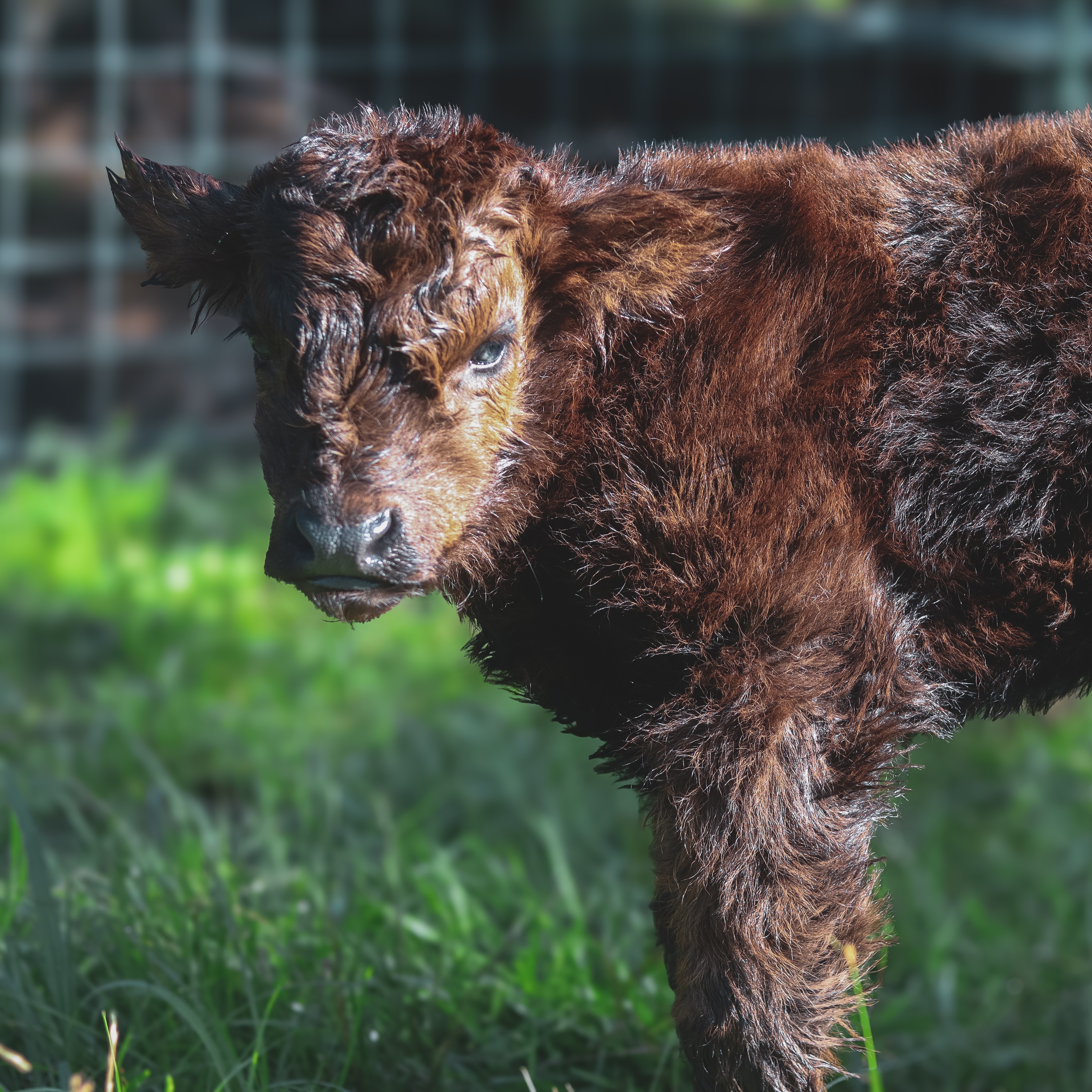
Corriente calve readily and the calves are typically small and vigorous, which suits low-intervention management. If you are breeding for rodeo stock, temperament, correct horn growth, soundness, and athleticism are the traits that hold value, and registering breeding stock with NACA gives buyers a documented pedigree. Select for the working animal, not for novelty.
Lifespan, cost, and availability
Like most cattle, a healthy Corriente can live and produce for many years under good management, though there is no single authoritative breed-specific lifespan figure, so treat longevity as the general cattle expectation rather than a breed guarantee.
On cost, there is no single reliable public price for a Corriente, and we will not invent one. Value depends heavily on purpose. Roping and dogging steers are priced as sport stock and turn over regularly through rodeo channels, breeding animals and registered purebreds are priced on pedigree, conformation, and quality, and a small starter animal for grazing or heritage keeping is a different transaction again. Expect prices to track the local market and the animal’s intended job rather than any headline figure.
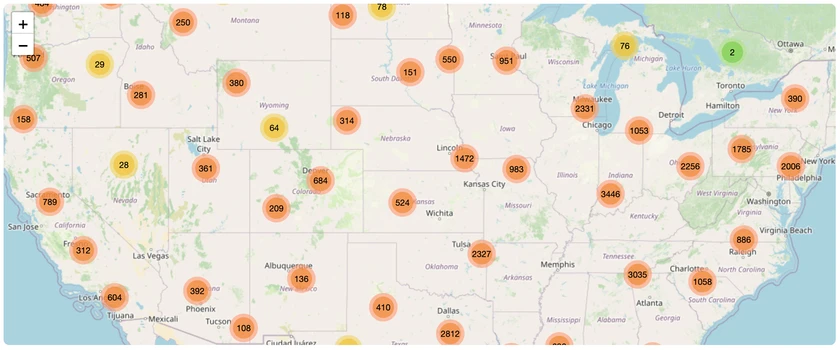
Availability is the real constraint. The Corriente is listed as Threatened by The Livestock Conservancy, with fewer than 1,000 purebred animals registered in the United States each year and an estimated global population under 5,000. There is a large working population of roping-type steers, but genuine registered purebred breeding stock is comparatively scarce. If you want documented purebreds, plan to search deliberately, verify pedigrees through NACA, and be patient. A saved listing alert, described below, is a practical way to catch animals as they are posted.
Buying considerations
Because Corriente is both a registered breed and a loose catch-all term for small mixed cattle, the single most important thing you can do is be clear about what you are buying and why.
- Match the animal to the job. Roping and dogging steers, breeding purebreds, and low-input grazers are different purchases. Decide which you want before you shop, then judge the animal against that use.
- Verify pedigree for purebreds. If you are paying for registered stock, confirm the registration and pedigree through the North American Corriente Association rather than taking the word “Corriente” at face value, since the term is used loosely.
- Assess soundness and conformation in person. Look for correct feet and legs, good structure, and the light, athletic frame the breed is known for. For rodeo stock, temperament and how the animal handles matter as much as looks.
- Check horns for the breed pattern. Heavy based horns that grow up and forward at a moderate length fit the breed. Extreme lateral length points toward Longhorn influence.
- Confirm health and paperwork, including any vaccination records, transport requirements, and event health rules if the animals will travel.
You can browse current listings on the Creatures cattle marketplace and look for breeders and farms in the Creatures directory. If you are weighing the Corriente against other hardy or heritage cattle, the Highland cattle pillar and the Maine-Anjou cattle pillar cover two very different alternatives, and the Belfair cattle guide covers a small homestead cross for buyers who want a compact dual-purpose cow rather than sport stock.
Frequently asked questions
What are Corriente cattle used for?
Primarily rodeo sport. They are the standard stock for team roping and steer wrestling, and they are also used for team penning and cutting. Beyond the arena they produce lean beef and make hardy, low-input grazers on rough ground.
How big do Corriente cattle get?
They are small. Adults commonly run from roughly 600 to 1,000 lb, with cows generally around 750 to 1,000 lb and bulls heavier. They are light, fine boned, and long legged, built for agility rather than beef.
Are Corriente the same as Texas Longhorns?
No. Both descend from Spanish cattle, but the Corriente is smaller and its horns are moderate in length and grow up and forward, while the Texas Longhorn is larger and famous for very long, wide horns. They developed separately and are used differently.
What colors are Corriente cattle?
Any color except white. They may be solid or mixed and appear in browns, blacks, reds, duns, brindles, and spotted patterns. There is no single breed color.
Are Corriente cattle a good beef breed?
They produce a lean beef and are prized for hardiness and low-cost grazing, but they are small and not a high-output feedlot breed. Their main economic value is as rodeo sport stock and as efficient foragers, not as heavy beef animals.
Are Corriente cattle rare?
Purebred registered Corriente are considered Threatened by The Livestock Conservancy, with fewer than 1,000 registered in the US each year and a global population estimated under 5,000. Working roping steers are more common than documented purebred breeding stock.
Do this next on Creatures
Whether you are researching the breed, hunting for roping steers or registered breeding stock, or already running Corriente, Creatures is the records, marketplace, and directory layer to do it in one place.
Find stock. Browse Corriente cattle on the marketplace and search trusted breeders and ranches in the Creatures directory. New to buying here? See making an offer on a listing.
Get alerted. Registered purebred Corriente can be scarce, so set a free Corriente listing alert and we will tell you when one is posted. No account needed to start, and you can learn more in saving searches and using your watchlist.
Add your cattle. Already running Corriente? Create a free animal profile in a few minutes. The walkthrough is in adding an animal to Creatures. No account needed to start.
Track health and breeding. Add a health or breeding record for your cattle. The record sheet opens for any visitor to look around, and a free account saves what you enter. See adding a record for the full how-to.
List your ranch. Run a herd, rodeo string, or ranch? Add your operation as an organization so buyers searching for this breed can reach you, and get listed in the breeder directory. No account needed to start.
Sell with confidence. Planning to sell stock? Learn how seller payout works before you list.