


Egyptian Fayoumi Chicken: Breed Profile, Eggs, and Buying Guide
Author: Elliott Garber, DVM
The Egyptian Fayoumi is a small, ancient landrace chicken from the Fayoum region of Egypt, prized for exceptional heat tolerance, hard foraging instincts, and an unusual degree of natural disease resistance that has made it one of the most studied breeds in poultry science. It is a light, upright, Mediterranean-type fowl: silver-white head and neck hackles set against a finely barred (penciled) black-and-white body, a single red comb, large dark eyes, and slate-blue legs. If you are weighing whether a Fayoumi belongs in your flock, the honest short answer is that it is a superb hot-climate forager and a fascinating heritage bird, but it is flighty, lays small eggs, and is not the pick for someone who wants a calm, high-volume layer. Below is what the breed is, where it comes from, how it looks, how it behaves, why researchers care about it, and what to check before you buy.
What is an Egyptian Fayoumi chicken?
The Egyptian Fayoumi is a landrace chicken from the Fayoum governorate, an agricultural region southwest of Cairo and west of the Nile, and it takes its name directly from that place. It is widely described as an ancient breed, and genetic work on mitochondrial DNA points to the Fayoumi being one of the oldest indigenous chicken populations in Egypt. In its home country it is often known as the Bigawi. This is not a modern hatchery composite; it is a bird that has been living, foraging, and reproducing in a hot, dry landscape for a very long time, and almost every trait that makes it distinctive traces back to that.
Functionally, the Fayoumi is a light, active, dual-purpose landrace that most keepers outside Egypt run as a forager and a novelty layer rather than as a commercial egg or meat bird. It is not the breed you choose to fill an egg carton every day, and it is not a placid pet. What it offers instead is toughness: it thrives in heat, ranges hard for much of its own food, matures faster than almost any other chicken, and carries a genuinely unusual resistance to several poultry diseases. If you are still comparing breeds, the broader Creatures chicken species page is a good place to line the Fayoumi up against calmer, higher-output layers before you commit.
Origin and history
The Fayoumi has been kept in the Fayoum region for a very long time, and it is routinely described as one of the oldest domestic chicken breeds still in existence. The exact antiquity is hard to pin to a single year, and you should treat the dramatic “3,000 years old” figures that circulate online as tradition and estimate rather than a precisely dated fact. What is well supported is that the breed is an ancient Egyptian landrace, shaped by centuries of survival in a hot climate on whatever the land provided, with modern genetic studies confirming it as a distinct, long-established indigenous population.
The breed’s second life, and the reason it is famous in laboratories rather than show halls, is American. In the 1940s a dean of agriculture at Iowa State University arranged for hatching eggs to be imported from Egypt to the United States, and the birds were initially crossed with American breeds. A dedicated Iowa State research line has been maintained since 1954, and it has been so tightly inbred (sib-mated for well over 70 generations) that it now functions as a near-genetically-uniform research population. That is unusual and deliberate: a highly inbred line is a powerful tool for studying which genes drive traits, because the background variation is stripped away. The breed also reached the United Kingdom later, with imports recorded in 1984.
That research history is worth keeping in mind, because a lot of the specific, credible claims about Fayoumi disease resistance come out of controlled university studies on these lines rather than from folklore. We lean on that work below and flag where a claim is a research finding versus a general reputation.
What an Egyptian Fayoumi looks like
The Fayoumi is a small, tightly feathered bird with an alert, upright, almost pheasant-like carriage. Its silhouette is one of the quickest ways to recognize it: the body is carried high, the tail is held up at a jaunty angle, and the whole animal reads as light and quick rather than heavy and blocky.
- Silver-penciled plumage. The most common and best-known variety is silver-penciled. The head, neck, and hackles are clean silver-white, and that pale front contrasts sharply with a body of fine black-and-white barring, or penciling, that carries a greenish (beetle-green) sheen in good light. This silver hackle against a penciled body is the breed’s signature look. A gold-penciled variety also exists, with warmer, gold-toned hackles in place of the silver.
- Single red comb. The comb is single and upright with even serrations, and the comb, wattles, and earlobes are red (some birds show paler earlobes). A large single comb helps a chicken shed heat, which fits the breed’s hot-climate background.
- Large dark eyes and horn-colored beak. The eyes are dark brown and prominent, and the beak and toenails are horn-colored.
- Slate-blue legs, four toes. The shanks are slate-blue (sometimes described as willow-toned), clean of feathering, with four toes per foot.

In size the Fayoumi is firmly a light breed. Hens weigh roughly 0.9 to 1.6 kg (about 2 to 3.5 lb) and roosters roughly 1.35 to 1.8 kg (about 3 to 4 lb), so even the cocks are small by the standards of dual-purpose farm chickens. A bantam version exists as well, with birds around 400 to 430 grams. Do not expect a meaty carcass from this breed; its value is in eggs, hardiness, and genetics, not in the roasting pan.
Temperament and behavior
The Fayoumi is an intelligent, intensely active bird, and prospective keepers should go in clear-eyed about what that means day to day. These chickens are flighty and fast, they are strong fliers, and they are widely described as escape artists that will clear a low fence or roost in a tree without hesitation. Many will shriek loudly if you try to catch them, and they generally do not settle into the calm, handleable temperament some backyard keepers want.
None of that makes them bad birds; it makes them a particular kind of bird. Raised with early, gentle handling, some individuals become reasonably tame, and their alertness makes them wary and quick to take cover, which can help against predators when they free-range. But if your goal is a docile flock that tolerates a lot of holding and confinement, or a bird that is calm around small children, the Fayoumi is not the obvious match. We flag this as consistent keeper and breeder experience rather than a formally quantified trait, and as always, individual birds vary with handling and environment. For a contrast in this same species cluster, the Rhodebar chicken is an auto-sexing dual-purpose bird bred for a steadier, more utility-focused temperament, and the compact Azteca Bantam is another small heat-adapted option worth comparing.
Egg laying and productivity
Fayoumi eggs are small and white to cream, and the breed is an early, willing layer rather than a heavy-volume one. Annual output is commonly cited at roughly 150 to 200 eggs, but treat that as an approximate keeper-reported range rather than a figure from a formal breed standard, and expect real numbers to swing with feed, heat, daylight, and line. The eggs themselves are notably small, so even a hen laying steadily will not produce the volume, by weight, of a purpose-bred laying hybrid.
Where the breed genuinely stands out is speed to maturity. Fayoumis develop faster than almost any other chicken: hens can begin laying at around four and a half months, and cockerels are reported to start crowing as early as five or six weeks of age. That early development is part of why the breed has been valuable in research and in crossbreeding programs, where reaching productive age quickly matters. Broodiness is uncommon in young hens; Fayoumis tend not to go broody as pullets and are more likely to sit only once they are two or three years old, so if you want them to hatch their own chicks you may be waiting, and an incubator or a broody hen of another breed is the more reliable route.

Disease resistance and why researchers study the breed
The Fayoumi’s reputation for hardiness is the most interesting thing about it, and it is better documented than the reputation of most breeds because universities have spent decades testing it directly. Iowa State University has maintained the highly inbred Fayoumi line specifically as a research tool, and geneticists there, notably Susan Lamont, have used it to probe the genetic basis of disease resistance. The recurring finding is that Fayoumis are often less susceptible than commercial-type breeds such as the Leghorn to a range of poultry pathogens, including Marek’s disease virus, Newcastle disease virus, avian influenza virus, Salmonella, and the Eimeria parasites that cause coccidiosis.
Two cautions are important here. First, “less susceptible” is not the same as “immune.” These are comparative research results, usually against a susceptible reference breed under controlled challenge, and they do not mean a Fayoumi in your yard cannot get sick, spread disease, or need veterinary care. You should still run the same biosecurity, vaccination where appropriate, and parasite management your veterinarian recommends for any flock. Second, the value of the breed to science is partly about biodiversity: because its genetics are so distinct from mainstream production lines, it serves as a reservoir of resistance traits that breeders and researchers may draw on to strengthen commercial poultry against future disease challenges. In other words, part of why the Fayoumi matters is precisely that it is not like other chickens.
Paired with that disease resistance is real heat tolerance. This is a bird evolved for a hot, dry climate, and it handles heat far better than many heavy northern breeds. That combination, heat tolerance plus disease resistance plus hard foraging, is the practical case for the Fayoumi in a hot region or a low-input, free-range system.
Housing, care, and management
A Fayoumi is a low-input bird by chicken standards, but low-input is not no-input, and its specific temperament shapes how you house it.
Space and containment. Because these birds are such strong fliers and determined escapers, containment is the first thing to plan. Fully open runs will not hold them; you need a covered run or clipped wings, tall fencing, and secure roosting, or genuine free-range space where flying up and out is acceptable. They are happiest with room to range and forage, and they will convert a lot of bugs, seeds, and greens into their own upkeep when allowed to.
Shelter and climate. The breed suits hot, dry conditions and copes with heat well, but it still needs shade, constant clean water, and good ventilation in high temperatures. In cold, wet, or hard-freezing climates a single large comb is vulnerable to frostbite, so in cold regions provide dry, draft-free housing and watch comb condition through winter.
Feeding. Fayoumis forage exceptionally well and will offset part of their diet on good range, but they still need a complete, balanced poultry feed appropriate to their stage (starter, grower, layer), along with grit and, for laying hens, a calcium source such as oyster shell. Do not assume a foraging breed can live on scraps and pasture alone if you want healthy birds and steady eggs.
Health and records. Give them routine flock care: a parasite plan suited to your climate, clean water and housing, predator-proofing, and the vaccinations and biosecurity your veterinarian advises for your area and flock size. The breed’s natural resistance is a bonus, not a substitute for management. Keeping clear records of hatch dates, laying, treatments, and any health events makes it far easier to make culling, breeding, and biosecurity decisions on evidence rather than memory. Defer all medical decisions to a veterinarian who can examine the bird.

Lifespan
There is no authoritative breed-specific lifespan figure for the Fayoumi, so treat any single number with caution. As a hardy, light landrace kept safe from predators and disease, a Fayoumi can be expected to live within the normal range for backyard chickens, commonly several years and sometimes considerably longer, rather than any breed-special span. Productive laying life, as with most chickens, is shorter than total lifespan and tapers after the first couple of years. If you see a precise “Fayoumis live X years” claim, read it as a general chicken expectation applied to the breed, not a documented breed statistic.
Cost and availability
For a rare-sounding ancient Egyptian breed, the Fayoumi is surprisingly obtainable in the United States, because several hatcheries maintain it and sell day-old chicks. In practice that means the entry cost is usually modest, on the order of typical straight-run or sexed chick prices rather than the premium you would pay for a rare heritage breed, though prices vary by source, sexing, quantity, and season, and we will not quote a single figure that will drift out of date. Started birds and adults cost more than chicks, and genuinely good breeding stock from a careful breeder will command more than hatchery chicks.
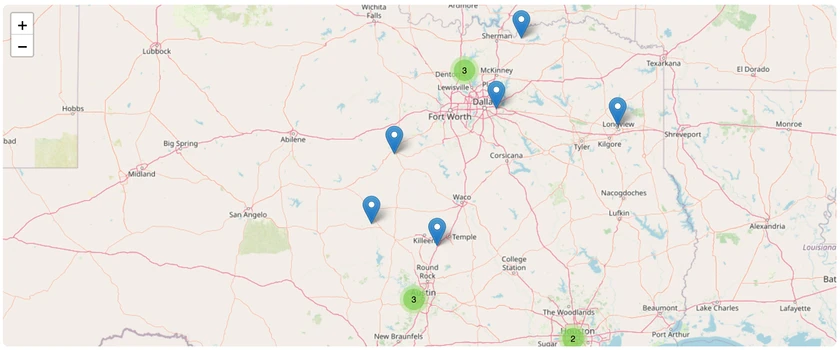
Because chicks are commonly sold straight-run (unsexed) and the breed is flighty and small, the things that actually cost you are downstream: containment that a strong flier cannot defeat, the patience to raise a bird that will not be cuddly, and the acceptance of small eggs in modest numbers. If you want a specific, sexed bird of known age or a particular variety, expect a smaller pool of sellers and a bit of searching. You can browse current listings on the Creatures marketplace and look for breeders and farms in the Creatures directory, and because availability is seasonal, a saved listing alert (below) is often the simplest way to catch birds when they are offered.
Buying considerations
The Fayoumi rewards buyers who know exactly why they want the breed and buy on evidence rather than on the “ancient Egyptian chicken” romance.
- Buy for the right reasons. Choose a Fayoumi for heat tolerance, foraging, early maturity, hardiness, and heritage interest. Do not choose it expecting a calm pet or a heavy egg or meat producer; other breeds do those jobs better.
- Plan containment before the birds arrive. These are strong fliers and escape artists. Confirm you have a covered run, tall secure fencing, or true free-range space, and decide in advance whether you will clip wings.
- Confirm the variety and source. Silver-penciled is the common variety and gold-penciled also exists. If a specific look matters to you, confirm which you are getting, and ask about the birds’ background and any health or vaccination history.
- Verify sex and age. Chicks are often sold straight-run, so if you need hens (or a limited number of cockerels for a residential area with noise rules), clarify sexing and age before you commit.
- Set up records from day one. For a breed valued for hardiness and used in genetics work, keeping accurate hatch, laying, and health records makes your own breeding and management decisions much stronger over time.
Frequently asked questions
Are Egyptian Fayoumis good for beginners?
They can be, but with caveats. They are hardy, disease-resistant, heat-tolerant, and largely self-sufficient foragers, which is beginner-friendly. But they are also flighty, loud when handled, and hard to contain, and they lay small eggs in modest numbers, which is not what many first-time keepers expect. A beginner who wants a low-fuss forager and does not need a tame, high-volume layer can do well with them.
How many eggs does a Fayoumi lay?
Roughly 150 to 200 small white to cream eggs a year is the range keepers commonly report, but this varies with heat, daylight, feed, and line, and it is not a figure from a formal breed standard. The eggs are small, so total volume by weight is lower than the count suggests.
Are Fayoumi chickens really disease resistant?
Yes, in a specific and well-studied sense. University research, much of it at Iowa State, has repeatedly found Fayoumis less susceptible than commercial-type breeds such as the Leghorn to several pathogens, including Marek’s disease, Newcastle disease, avian influenza, Salmonella, and coccidiosis-causing parasites. “Less susceptible” is not “immune,” so you still need normal flock health management and veterinary care.
Is the Egyptian Fayoumi recognized by the American Poultry Association?
No. The Fayoumi is not recognized by the American Poultry Association and is not included in its Standard of Perfection, even though it is well established in research flocks and available from hatcheries.
Do Fayoumis go broody?
Not readily as young hens. They tend not to go broody as pullets and are more likely to sit only at two or three years old, so hatching with an incubator or a reliably broody hen of another breed is usually more dependable.
How big do Fayoumis get?
They stay small. Hens run about 0.9 to 1.6 kg (roughly 2 to 3.5 lb) and roosters about 1.35 to 1.8 kg (roughly 3 to 4 lb), with a bantam version smaller still. This is a light breed, not a meat bird.
Do this next on Creatures
Whether you are researching the breed, hunting for chicks or started birds, or already keeping a Fayoumi flock, Creatures is the records, marketplace, and directory layer to do it in one place.
Find birds. Browse Egyptian Fayoumis on the marketplace and search trusted breeders and farms in the Creatures directory. New to searching? See saving searches and using your watchlist.
Get alerted. Fayoumi availability is seasonal, so set a free Egyptian Fayoumi listing alert and we will tell you when birds are posted. No account needed to start.
Add your bird. Already keeping Fayoumis? Create a free animal profile in a few minutes, no account needed to start. The walkthrough is in adding an animal to Creatures.
Track laying and health. Track eggs, molts, and health records on Creatures. The record sheet opens for any visitor to look around, and you will need a free account to save what you enter. See adding a record and health and medical records for the full how-to.
List your flock. Run a farm or hatchery flock? Add your operation as an organization and get listed in the breeder directory so buyers searching for this breed can reach you.
Comparing breeds in the same cluster? Look at the Rhodebar for an auto-sexing, steadier dual-purpose bird, or the Azteca Bantam for another small, heat-adapted option, then come back to the chicken species page to weigh them side by side.