


How Much Does a Ferret Cost? Purchase, Setup and Annual Expenses
Author: Elliott Garber, DVM
In 2026, most people in the US pay somewhere between $75 and $300 to buy a ferret. A common sable from a large pet store sits near the low end, a specific color or a private breeder near the top, and shelters usually ask less than either.
That is the easy number, and the least useful one. The ferret is almost always the smallest line in the budget. A proper multi-level cage and the gear that goes in it commonly runs $200 to $500 before the animal comes home, and because ferrets are unusually prone to specific chronic diseases in middle age, veterinary care decides what a ferret really costs. Plan on several thousand dollars per animal across a normal lifespan. If you are pricing this out now, see what ferrets are currently listed for on Creatures and compare it against the numbers below.
Everything here assumes one ferret, a US buyer, and 2026 prices. Purchase and supply figures are typical asking prices rather than a surveyed statistic, so treat them as a planning band. Veterinary figures vary most, because exotic-capable clinics are unevenly distributed and price very differently by region.
How much does a ferret cost to buy?
Purchase price depends far more on where the ferret comes from than on what it looks like.
Pet store, roughly $75 to $250. Most pet-store ferrets in the US come from a small number of large commercial farms. The Merck Veterinary Manual notes that in the USA the vast majority of ferrets are spayed or neutered before 6 weeks of age, and farm ferrets are typically descented at the same time, so the sticker price already includes two procedures. The trade-off is that you usually learn nothing about the animal’s parents or early history.
Descenting gets sold as a feature, but it does not make a ferret smell neutral. Merck is explicit that removing the scent glands does not affect the ferret’s musky odor, which comes from sebaceous glands in the skin. It is standard in the US, illegal in some other countries, and not worth a premium.
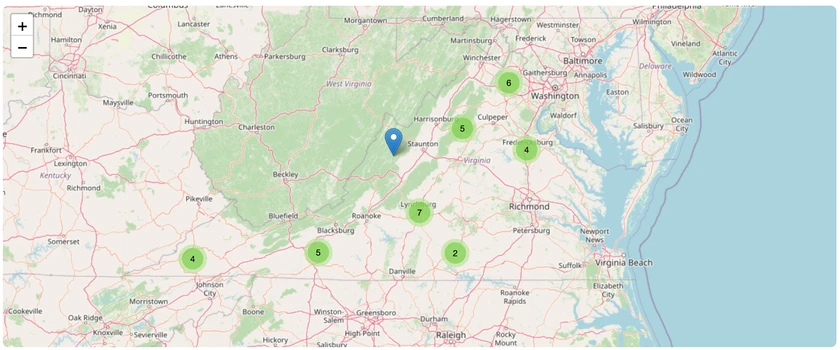
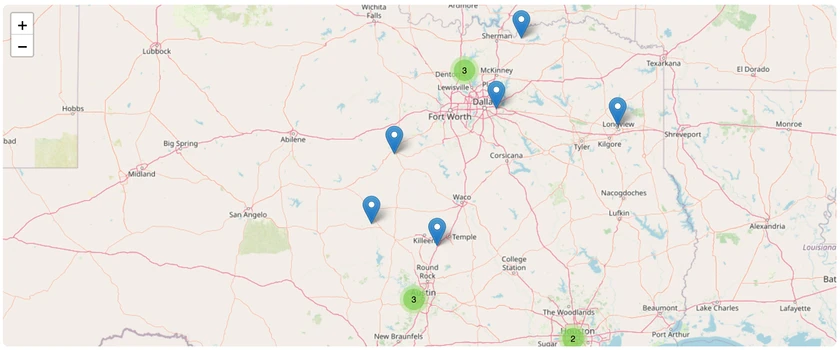
Private breeder, often $150 to $300 or more. A good breeder is the route if you want known lineage and a person you can call in year three. Price moves with color and line. Ask whether the kit is already altered before you agree a price: a breeder ferret may not be, and the surgery is then a separate bill on top of the purchase price. Price that procedure at a local exotic clinic rather than assuming a dog-and-cat rate. You can search trusted ferret breeders and rescues in the Creatures directory.
Shelter or rescue, commonly $50 to $150. Ferret rescues exist in large part because people underestimate exactly the costs this page is about. Fees are modest, most rescued ferrets are already altered, and many come with a cage and supplies, which knocks out the biggest setup line. Adopting an adult also skips the nippy kit stage. Whatever the source, book a first exam with an exotic vet, and see what is listed near you on the ferret marketplace.
Color barely moves the total. Sable, the classic dark-masked brown, is most common, and a rarer pattern like albino, cinnamon, chocolate, or panda adds only a modest premium.
Where you live changes the price, and sometimes the answer
Two geographic facts belong in a ferret budget.
The first is legality. A 2022 survey in the California Fish and Wildlife Scientific Journal, compiling state agency responses, found that only two states, California and Hawaii, ban importation and possession of domestic ferrets, and that a growing number of states and municipalities now regulate the ferret much as they regulate dogs and cats. California’s Department of Fish and Wildlife names ferrets among the exotic animals that are not allowed as pets in the state, prohibited under Fish and Game Code section 2118 because they pose a threat to native fish and wildlife, agriculture, public health or safety, and states plainly that permits are not issued to import or possess any wild animal for pet purposes. The prohibition is old: a CDFW history of the state’s ferret rules records the Fish and Game Commission absolutely prohibiting importation of ferrets in December 1933. Hawaii’s Department of Agriculture and Biosecurity lists ferrets among the animals prohibited from entry or possession by private individuals in the state. The same survey notes what separates the two: California and Hawaii classify the ferret as a wild or exotic animal, where the vast majority of state agencies treat it as a pet or domestic animal.
Cities can be stricter than their states. New York State law treats the domesticated ferret as a domestic animal: the State Sanitary Code groups “dog, cat, ferret or domestic livestock” together for ten day rabies observation, while any other animal “shall not be held for observation and shall be destroyed immediately,” and the state health department describes New York State law on rabies vaccination as covering all cats, dogs, and domesticated ferrets. New York City is stricter than the state around it: Health Code section 161.01 prohibits keeping “all fur bearing mammals of the family Mustelidae,” naming the ferret explicitly. Other counties and municipalities set their own rules and vaccination requirements, so confirm yours locally before you spend a dollar on a cage.
The second is veterinary supply. Ferrets need a vet comfortable with exotic small mammals, and those clinics cluster around cities and veterinary schools. If the nearest is two hours away, that drive is part of your real annual cost, and a serious problem at 9pm on a Sunday. Confirm a clinic sees ferrets before you buy.
The setup cost most new owners underestimate
Cage and supplies before the ferret comes home commonly total $200 to $500, frequently more than the ferret itself. Corners cut here tend to reappear as a vet bill.

- Cage, commonly $100 to $300. The largest single line. Ferrets climb, so the enclosure should be tall and multi-level with solid platform floors rather than bare wire underfoot. Merck’s housing specification is wire mesh with grids no larger than an inch, a sturdy floor, and a tight-fitting door that can be securely locked, because ferrets are notorious escape artists that can squeeze through the tiniest of gaps.
- Hammocks and bedding. Ferrets sleep most of the day and will sleep in fabric given the chance. Washable bedding is really a recurring cost.
- Litter pan and litter. Use paper-based or compressed pellet litter. Merck advises against hay, straw, and sawdust or wood shavings because inhaled dust irritates the upper respiratory tract, and separately warns owners to avoid the clumping types of cat litter, which can cause respiratory problems in ferrets. Put the pan away from the feeding and sleeping areas, or the ferret will not use it.
- Dishes and water. Heavy crocks or locking metal dishes a ferret cannot flip, plus a bottle and a weighted bowl.
- Tunnels, toys, and a carrier. A bored ferret is a destructive one, and the carrier is not optional because you will be making vet trips.
Budget for ferret-proofing too: it is the setup decision that most directly prevents an emergency surgery bill.
What a ferret costs every month
Running costs are moderate, roughly $30 to $60 a month per ferret for food, litter, and replacement bedding.
Food. Ferrets are obligate carnivores with a very short gut, so they need concentrated animal protein and very little plant matter. Merck’s guidance is 35 to 40 percent protein, under 25 percent carbohydrate, and under 2.5 percent fiber, and the veterinary literature puts fat at roughly 15 to 20 percent. That rules out most generic small-pet and rodent foods, and the sugary treats sold beside them. A quality ferret or high-protein kitten kibble, or a properly formulated whole-prey or raw diet if you are set up to feed one safely, is the base. Good food is not where the savings are.
Routine veterinary care, year after year

Ferrets need vaccines, and the schedule is front-loaded. Merck recommends vaccinating against canine distemper at approximately 8, 11, and 14 weeks of age, and giving rabies only to ferrets at least 3 months old. Because some canine distemper vaccines can cause severe allergic reactions in ferrets, Merck recommends giving only one vaccine at a time. So a kit’s first year means several separate clinic visits rather than one, each carrying its own exam fee.
After that, plan on an annual wellness exam plus boosters. An exotic exam fee typically runs above the same clinic’s dog and cat rate, and adding both vaccines commonly puts routine annual care in the low hundreds of dollars. Call two clinics near you and ask their exotic exam fee before you finalize a budget, because this line varies more by region than any supply cost here.
It is also the cheapest thing on this page relative to what it prevents. A ferret weighed and palpated every year is one whose adrenal or pancreatic disease gets caught while it is still cheap to manage.
The costs that define ferret ownership
Here is the honest heart of a ferret budget. Ferrets are strikingly prone to three specific tumors, and the odds of meeting at least one across a normal lifespan are not small. This is the species, not bad luck.
Adrenal disease. Hyperadrenocorticism is the most common endocrine tumor seen in ferrets. First signs are usually symmetrical hair loss, a swollen vulva in a spayed female, or the return of sexual behavior in a neutered male. Two treatment paths exist, surgery and a deslorelin implant, and neither reliably ends the problem. Merck’s pet-owner guidance says surgery is the more likely of the two to cure the disease, but that it returns in about 40 percent of affected ferrets. Its professional chapter reports an average disease-free period of about 13.6 months after surgery and about 16.5 months with the implant, which suppresses the hormone signals but, as Merck puts it, “does not affect the tumor itself,” and concludes that medical treatment has become preferred to surgical treatment. Either way, budget for a recurring cost every year or so, not a single bill.
Worth correcting a claim that circulates widely, including in older versions of this page: early neutering was long blamed for ferret adrenal disease, but Merck now reports that the time of neutering is no longer thought to play a significant role. The driver Merck does name is the hormonal consequence of neutering itself, the rise in gonadotropins that follows it and keeps stimulating the adrenal cortex. A veterinary reference chapter lists genetic factors and a lack of exposure to normal seasonal photoperiods as further possible causes, though that older chapter still counts early neutering among them, so the two sources agree on everything except the timing. Buying from a breeder who alters later does not buy you out of this risk.
Insulinoma. These pancreatic tumors drop blood sugar to dangerous levels and are, per Merck, very common in ferrets over 2 to 3 years old. Watch for staring spells, hind-end weakness, and drooling or pawing at the mouth. Management is usually lifelong: Merck lists prednisone and diazoxide as the most commonly used drugs, alongside frequent feeding and repeated blood-glucose checks. Merck’s pet-owner guidance is blunt that medical and surgical treatments are possible but there is no cure: surgery reduces the severity of signs and moderately increases survival time, but the tumors are often multiple and tiny, so most ferrets need continued medical treatment afterwards.
Lymphoma. Merck calls lymphoma the third most common tumor found in ferrets and notes it can be diagnosed as early as 9 months of age. Diagnosis means bloodwork, imaging, and aspirates, with ultrasonography preferred. The prognosis changes the money question: Merck reports survival from 2 weeks to 19 months, averaging 6 months, and states that treatment with glucocorticoids or chemotherapy does not significantly change survival time. What to spend here belongs to you and your veterinarian, not a price guide.
Swallowed objects. Merck notes that gastrointestinal foreign bodies are common in young ferrets, typically soft rubber or plastic, with hairballs a risk during molt. An obstruction is a genuine emergency, and Merck says treatment means surgical or endoscopic removal. Ferret-proofing is cheap. Neither of those is.
The practical point: diagnostics alone, meaning bloodwork, ultrasound, and imaging, run into the high hundreds, and a surgery or a year of medical management runs into the thousands. Exact figures come from your own exotic vet, because they vary by region and by how advanced the disease is when caught.
Pet insurance, and the emergency fund that actually works
Exotic pet insurance exists in the US, but the market is thin. Ferret cover is not something every pet insurer sells, and the plans that do offer it differ sharply in what they exclude. Two things matter before you shop.
Pre-existing conditions are a standard exclusion, and ferrets develop their expensive diseases in middle age, so a policy on a healthy young ferret can be meaningful while one bought after the first adrenal symptoms appear will not cover the thing you bought it for. And read the exclusions for endocrine and neoplastic conditions specifically, because adrenal disease and insulinoma are the kind of thing an exotic plan is most likely to carve out, and a plan that excludes them is close to useless for a ferret. Get that list in writing before you pay a premium rather than taking a summary page’s word for it.
There is also no authoritative average premium to quote. The industry’s own annual reporting, summarized by the AVMA, counted 6.4 million insured pets in the US in 2024, of which dogs were 75.6 percent and cats 23.5 percent, and it breaks the market down by product type, top claims paid, average annual premiums, and geography rather than by species. No ferret number falls out of that, so anyone quoting you a precise national average for ferret insurance is guessing.
Which leaves what most experienced ferret owners do: a dedicated emergency fund. Set aside a fixed amount monthly from the day the ferret comes home and treat it as untouchable, and an unpredictable four-figure shock becomes a predictable line item. Keeping the ferret’s health and weight records in one place matters here too, because adrenal and pancreatic disease announce themselves as trends, and a trend is only visible if someone wrote the numbers down.
What a ferret really costs over its life

Ferrets typically live 6 to 10 years according to Merck, and the FDA puts the average domestic ferret lifespan at eight years. Across that span, one ferret costs a small purchase price, a few hundred dollars of setup in month one, roughly $30 to $60 a month forever, an exotic-vet visit every year, and, on odds that are not small, the cost of managing at least one chronic condition. Added up honestly, that lands in the several-thousand-dollar range per ferret, higher in a year with a surgery or a new diagnosis.
Two multipliers. Ferrets are social and many owners keep a pair, which roughly doubles food, litter, and vet lines while barely changing the cage. And the expensive years are the last ones, so the budget is back-loaded: cheap at two, expensive at five.
The sticker price is the smallest number here, the setup is the one people underestimate, and the veterinary care decides what a ferret truly costs. Go in with real figures and an exotic vet already lined up, and a ferret stays one of the funniest animals you can share a house with.
Still deciding? The Creatures ferret species guide covers care, housing, and temperament. Settled on getting one? Where to buy a ferret covers finding a responsible source and avoiding scams.
Frequently asked questions
How much are ferrets?
In 2026, typically $75 to $300 in the US: pet stores around $75 to $250, breeders often $150 to $300 or more, rescues commonly $50 to $150. Setup adds roughly $200 to $500.
How much is a ferret at a pet store?
Usually $75 to $250, and in the US that price normally includes spaying or neutering and descenting, since Merck notes the vast majority of American ferrets are altered before 6 weeks of age.
Is it cheaper to adopt a ferret?
Usually yes, and not only on the fee. Rescue ferrets are typically already altered and frequently come with a cage and supplies, so the saving on setup alone can exceed the adoption fee.
Are ferrets illegal anywhere in the US?
Yes. California and Hawaii ban importation and possession statewide, and New York City prohibits them under its Health Code even though New York State law treats the domesticated ferret as a domestic animal, grouping it with dogs and cats and placing the same rabies vaccination duty on its owner. Counties and cities set their own rules elsewhere.
What is the most expensive part of owning a ferret?
Veterinary care, by a wide margin. Adrenal disease is the clearest case: Merck reports average disease-free periods of about 13.6 months after surgery and 16.5 months with a deslorelin implant, and puts recurrence after surgery at about 40 percent, so it usually means repeat treatment over years rather than one bill.
How long do ferrets live?
Typically 6 to 10 years per Merck, with the FDA putting the average at eight. Long enough that age-related disease becomes the defining cost.
Do ferrets need vaccines?
Yes. Merck recommends canine distemper vaccination at about 8, 11, and 14 weeks, rabies no earlier than 3 months, and only one vaccine at a time because of reaction risk. Boosters and an annual exam continue for life.
Is pet insurance worth it for a ferret?
It depends on the policy. Few carriers offer it, pre-existing conditions are a standard exclusion, and an exotic plan may well exclude the endocrine tumors ferrets are most likely to get. Read the exclusions, enroll while the ferret is young, and if you skip insurance, build an emergency fund instead.
Do this next on Creatures
Creatures is the marketplace, directory, and records layer for all of it.
Get told when one is listed. Waiting on a ferret near you, or a particular color? Set a free ferret listing alert and we will tell you when one is posted. No account needed to start, and saving searches and using your watchlist explains how it works.
Compare what is available now. Browse current ferrets on the marketplace and search trusted breeders and rescues in the Creatures directory, so the prices above turn into real ones. When you find the right animal, making an offer on a listing covers the next step.
Add your ferret. Already have one? Create a free animal profile in a few minutes. No account needed to start, and the walkthrough is in adding an animal to Creatures.
Track weight and health from year one. Adrenal disease and insulinoma show up as trends, so the records are the early-warning system. Add a health record. The sheet opens for any visitor to look around, and a free account saves what you enter. See adding a record for the how-to.
Do not miss a booster. Set reminders for the annual exotic-vet exam and the distemper and rabies boosters with reminders and upcoming care.
Breed or rehome ferrets? Create a breeder or rescue profile so people pricing out a ferret can find you. No account needed to start, and getting listed in the breeder directory covers the rest.