


Spotted Poland China Pig: The Spotted Breed Guide
Author: Elliott Garber, DVM
The Spotted, often still called the Spotted Poland China, is an American meat-type hog known for its large black-and-white spots, medium drooping ears, and heavy, muscular frame. It descends in part from the Poland China and from imported Gloucester Old Spots stock, and it is registered as a distinct breed by Certified Pedigreed Swine (formerly the National Spotted Swine Record). If you searched for “Spotted Poland China,” you are looking at a real, separately registered breed, not just a color variety of the solid-black Poland China. This guide covers what the breed is, where it came from, how it looks, how to raise it, and what to expect on size, lifespan, cost, and availability.
Spotted vs Poland China: the relationship explained
Because the breed carried “Poland China” in its name for decades, the two are often confused. They are related but separate.
The Poland China is a solid black hog marked by “six white points,” white on the nose, the tail, and the four feet, first bred in Warren County, Ohio, beginning around 1816 and named at the National Swine Breeders Convention in 1872 (Encyclopaedia Britannica). It is one of the oldest American breeds and is prized for putting on maximum weight at any given age.
The Spotted breed grew out of spotted hogs that traced part of their ancestry to that original Poland China line. In the early 1880s, breeders in Putnam and Hendricks Counties, Indiana, brought “Big China” stock back from Ohio and crossed it with their own spotted hogs, then later added two imported “Gloucester Old Spots” boars from England for fresh bloodlines (Certified Pedigreed Swine). The result kept the bold black-and-white spotting and was registered under its own record association.
So the short version: the Spotted shares Poland China ancestry but is registered as its own breed, with its own color standard, by the same parent organization (Certified Pedigreed Swine) that today registers the Poland China. If you are weighing the two, our companion guide to the Poland China pig covers the solid-black breed in full.
History and origin
The story starts with the foundation of so much American hog breeding: the Poland China of the Miami and Warren County region of Ohio. That breed itself was assembled from several types, including Big China, Berkshire, and other stock, and was sometimes called the “Warren County Hog” (Certified Pedigreed Swine).
In the early 1880s, three Indiana breeders from Putnam and Hendricks Counties imported Big China hogs from Ohio and crossed them with local hogs that already carried heavy black-and-white spotting. To strengthen the line, breeders later introduced two boars imported from England that were known as Gloucester Old Spots, a docile, hardy, white-with-black-spots English breed (The Livestock Conservancy). The combination locked in the spotted pattern and added vigor.
To track pedigrees, a record association was incorporated in Bainbridge, Indiana. It was originally the National Spotted Poland China Record. At the 1960 annual meeting, members voted to rename the organization the National Spotted Swine Record, Inc. and to refer to the breed simply as “Spotted Swine” or “Spots” (Certified Pedigreed Swine; Oklahoma State University breed records). The registry later moved to Lafayette, Indiana in 1985 and then to Peoria, Illinois in 1992. Today the breed is registered by Certified Pedigreed Swine, the organization that consolidated several historic American purebred swine records.
That name change is exactly why search traffic and old farm signs still say “Spotted Poland China” while the registry and most breeders now just say “Spotted.”
Appearance and breed standards

The defining feature is the coat: large, distinct black and white spots across a meaty body. The registry color rules are specific, and they matter if you ever plan to register or show stock (Certified Pedigreed Swine):
- The animal must be black and white. Any red-tinted or brown spots make it ineligible.
- There can be no solid black head from the ears forward.
- Ears must droop; erect ears are a disqualification.
Beyond color, the Spotted is a classic meat-type hog: long, deep-bodied, and heavily muscled through the ham and loin, with a strong top and good feet and legs. The ears are medium and fall forward, a trait inherited from both the Poland China and the Gloucester Old Spots side of the family.
For breeding and show eligibility, the registry also looks at underline: animals are expected to have a sound set of functional teats (commonly six on each side) so that maternal lines can actually raise large litters. Boars used for registered breeding are subject to DNA and stress-gene (porcine stress syndrome) identification requirements before use.
Temperament
Spotted hogs are generally docile and manageable, one reason commercial producers historically valued the females. Registry and extension descriptions consistently highlight sow productivity, docility, and durability as breed strengths (Certified Pedigreed Swine).
As with any large hog, temperament is shaped by handling and by the individual animal. A boar in breeding season, or a sow with a new litter, deserves respect and a solid barrier no matter how calm the line is. Pigs are intelligent and curious, so they respond well to routine, calm handling, and good fencing, and they will test a weak gate out of sheer boredom. Spend time with the specific animals you are considering, and watch how the seller’s stock behaves around people before you judge the temperament of your prospects.
Size, weight, and lifespan
The Spotted is a full-size production hog, not a miniature or pet breed. Published weight standards specific to the Spotted are limited, but it sits in the same class as the large American meat breeds it descends from. For reference, mature Poland China sows average around 500 to 650 lb and boars commonly run from roughly 550 to 800 lb (multiple breed references, including Encyclopaedia Britannica for the Poland China averages). Expect Spotted breeding stock to land in a similar range, with finished market hogs typically harvested far younger, around 250 to 290 lb live weight, which is the standard U.S. market window rather than a breed-specific figure.
On lifespan, a commercial market hog is raised to market weight in roughly five to eight months and is not kept long. A breeding sow or boar that is well cared for can remain productive for several years, and pigs in general can live well past a decade when kept as long-lived breeding or companion animals. Treat any single lifespan number with caution: how long a Spotted lives depends almost entirely on whether it is a market animal, a working breeder, or a kept pet.
Housing and fencing

Spotted hogs do well in the same systems that suit other large American breeds, from deep-bedded barns to managed pasture and woodlot. A few essentials:
- Shelter. Pigs need shade and a dry, draft-free place to lie down. They cannot sweat, so in warm weather they rely on shade and a wallow to cool off; in cold weather they need deep, dry bedding and a wind break.
- Fencing. Adult hogs are strong and persistent. Many keepers use a combination of woven wire or hog panels with a strand or two of electric wire low to the ground, since pigs work with their snout under a fence line rather than over it. Train pigs to electric fencing while they are young and in a secure pen.
- Footing and wallow. A clean wallow in summer is welfare, not a luxury. Site it so runoff does not foul feed or water, and rotate ground where you can to limit parasites and mud.
- Space. Pasture stocking varies widely with soil, climate, and rotation. Heritage-swine guidance commonly cites a modest number of pigs per acre on rotated pasture rather than continuous use of one paddock (The Livestock Conservancy). Plan rotation so ground gets a rest.
Feeding
A growing Spotted hog is a meat animal first, and the breed’s reputation rests on feed efficiency and rate of gain (Certified Pedigreed Swine). Feed to the stage of life:
- Growing and finishing pigs are typically fed a balanced grain-based ration (corn and a protein source such as soybean meal, with vitamins and minerals), with protein highest in young pigs and tapering as they approach finish weight. Many small farms supplement with pasture, garden surplus, or dairy, but pasture alone will not finish a hog efficiently.
- Gestating sows need a controlled maintenance ration so they do not get over-conditioned; extension feeding guides commonly describe a modest daily ration through early and mid gestation, increasing in the last third of pregnancy as the fetuses grow (university extension and pork-industry feeding guidance).
- Lactating sows need substantially more feed and constant fresh water to milk a large litter.
- Clean water at all times is non-negotiable. Pigs drink a lot, especially when lactating or in heat.
Always balance a ration to current life stage and body condition, and ask a livestock nutritionist or extension specialist if you are formulating your own mix rather than buying a complete feed.
Breeding and farrowing
The Spotted has long been used both as a maternal line and as a terminal sire, and sow productivity is one of its selling points (Certified Pedigreed Swine).
Key reference points, all standard swine biology rather than breed-specific quirks:
- Gestation in pigs is about 114 days, the familiar “three months, three weeks, three days.”
- Litter size varies, but a sound sow and boar can reasonably wean around ten piglets per litter, with litters ranging from a few to a dozen or more.
- Farrowing should happen in a clean, dry, draft-free space with supplemental warmth for the piglets, who chill easily. A creep area lets piglets stay warm and nurse without being lain on.
- Ear notching of registered piglets is done within the first week of life; the registry expects pigs to be notched within seven days of birth for identification (Certified Pedigreed Swine).
If you plan to register offspring, confirm that both parents are registered and that you meet the breed’s color, ear, underline, and DNA/stress-status requirements before you breed, because those rules govern eligibility.
Health and routine care
Spotted hogs are not known for breed-specific genetic disease, and the registry’s DNA and stress-gene screening of breeding boars is aimed squarely at keeping porcine stress syndrome out of pedigree lines (Certified Pedigreed Swine). General good practice applies:
- Parasites. Internal and external parasites are the most common everyday issue in outdoor pigs. Pasture rotation, clean wallows, and a vet-guided deworming plan keep them in check.
- Skin and sunburn. White-coated areas can sunburn. Shade and a wallow protect light skin in summer.
- Vaccination and biosecurity. Work with a swine veterinarian on a vaccination and herd-health plan suited to your region and your operation, and practice basic biosecurity when bringing in new animals.
- Lameness. Because these are heavy hogs, feet and leg soundness matters. Good footing, dry bedding, and selecting for sound structure prevent most problems.
Defer to a licensed veterinarian for any diagnosis, medication, or breeding-soundness decision. This guide is general information, not veterinary advice.
Cost and availability
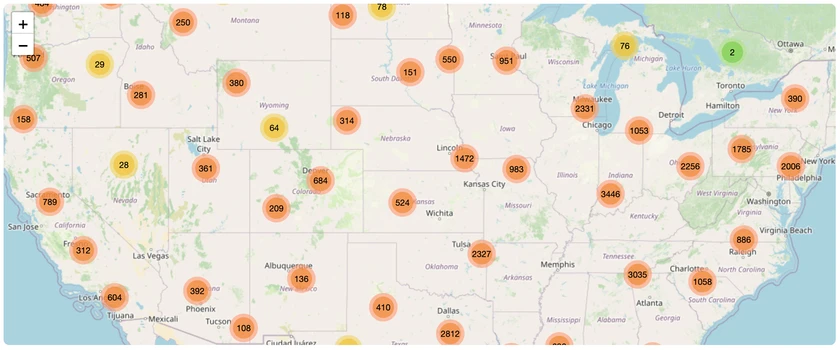
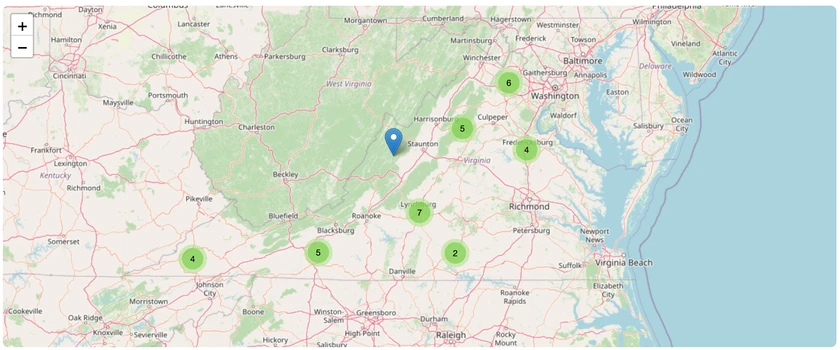
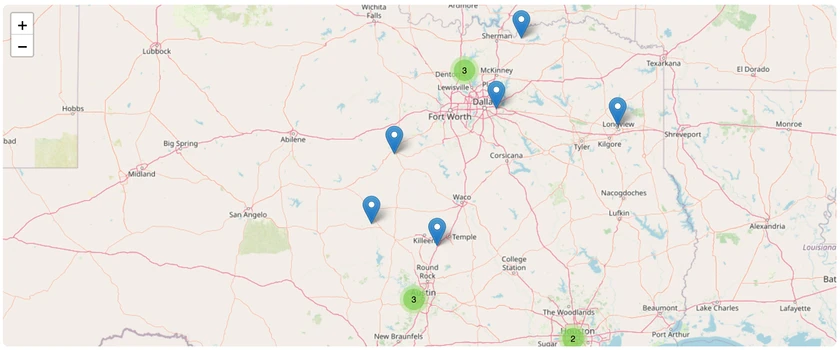
Because the Spotted is a working production breed registered through Certified Pedigreed Swine, availability is concentrated in the U.S. Corn Belt, with a long tradition of breeders in central Indiana, and around the junior livestock show circuit where Spots compete.
Pricing depends heavily on what you are buying:
- Feeder pigs (weaned pigs sold to raise for meat) are the most affordable entry point and are usually priced modestly, often in the low hundreds of dollars or less, depending on region and season.
- Registered breeding or show stock costs more, reflecting pedigree, structure, and show record. Expect registered heritage and show pigs to run from a few hundred dollars into the higher hundreds, with standout show prospects more.
Treat any single price as a starting point. Local auction reports, the breed registry, and direct contact with breeders give you a current, regional read. If you are comparing animals, look past the spots to structure, soundness, pedigree, and the seller’s herd health.
Buying considerations
Before you commit to a Spotted hog, work through a short checklist:
- Decide your goal first. Market meat, a breeding herd, a youth show project, and a homestead pig are four different purchases. Match the animal, and the price, to the goal.
- See the parents and the herd. Soundness, temperament, and health show up in the dam and sire and in how the herd is kept.
- Check registration if it matters to you. For show or breeding, confirm Certified Pedigreed Swine registration and that the animal meets color, ear, and underline standards.
- Ask about health and DNA/stress status on breeding boars, and about the farm’s parasite and vaccination program.
- Plan housing and fencing before the pig arrives, not after. A loose hog is a hard lesson.
- Keep records. A profile with photos, pedigree, weights, vaccinations, and breeding dates is worth its weight when you sell, show, or breed.
Frequently asked questions
Is the Spotted the same as the Poland China?
No. They are related, the Spotted descends in part from the Poland China line, but they are separate registered breeds with different color standards. The Poland China is solid black with six white points; the Spotted is boldly black-and-white spotted.
Why is it sometimes called “Spotted Poland China”?
That was the breed’s original registered name. The record association renamed itself the National Spotted Swine Record in 1960 and began calling the breed “Spotted” or “Spots,” but the older name persists in search and on farms.
What does the Gloucester Old Spots have to do with it?
Two boars imported from England, known as Gloucester Old Spots, were added to the developing Indiana line for fresh bloodlines. The Gloucestershire Old Spots is a separate English breed (white with black spots), but it contributed to the American Spotted’s foundation.
How big does a Spotted pig get?
It is a full-size meat hog. Mature breeding animals commonly reach several hundred pounds, broadly similar to the Poland China (sows roughly 500 to 650 lb, boars up to about 800 lb), while market hogs are usually harvested around 250 to 290 lb.
Are Spotted pigs good for small farms?
Yes, within reason. They are docile, efficient, and durable, which suits a homestead or pasture operation, but they are large production hogs, so plan for strong fencing, shelter, and a real feeding program.
Where can I buy one?
Look to breeders in the U.S. Corn Belt and the junior livestock show circuit, the breed registry’s breeder contacts, and local sale reports. Compare structure and health, not just markings.
Do this next on Creatures
Creatures is the records, profile, and marketplace layer that breeders and owners use to keep an animal’s history in one place and to find trusted farms. It sits alongside our broader pig breeds hub, so you can move between breed guides, listings, and records in one place. Here is where to go next depending on what you need.
If you already have a pig, or are about to bring one home, start its free profile and keep its weights, vaccinations, breeding dates, and pedigree in one place from day one.
Once the profile exists, you can log weights, vaccinations, deworming, and breeding dates as you go. The record sheet below opens for any visitor to preview; saving an entry takes a free account. See adding an animal and adding a record for step-by-step help.
Track your herd’s records on Creatures
More ways to use Creatures for Spotted (Spotted Poland China) pigs:
- Browse current Spotted pigs in the marketplace, and learn how to save a search and use your watchlist so new listings find you.
- Find trusted farms and breeders in the breeder directory, and see how to get listed in the breeder directory yourself.
- Run a farm or breeding program? Add your farm or breeder profile so buyers can find you. Our guide to creating an organization and adding your team walks through the setup, and how seller payout works covers getting paid when you sell. No account needed to start.
- Comparing breeds? Read our companion guide to the Poland China pig, part of the wider pig breeds collection.