

Citrus
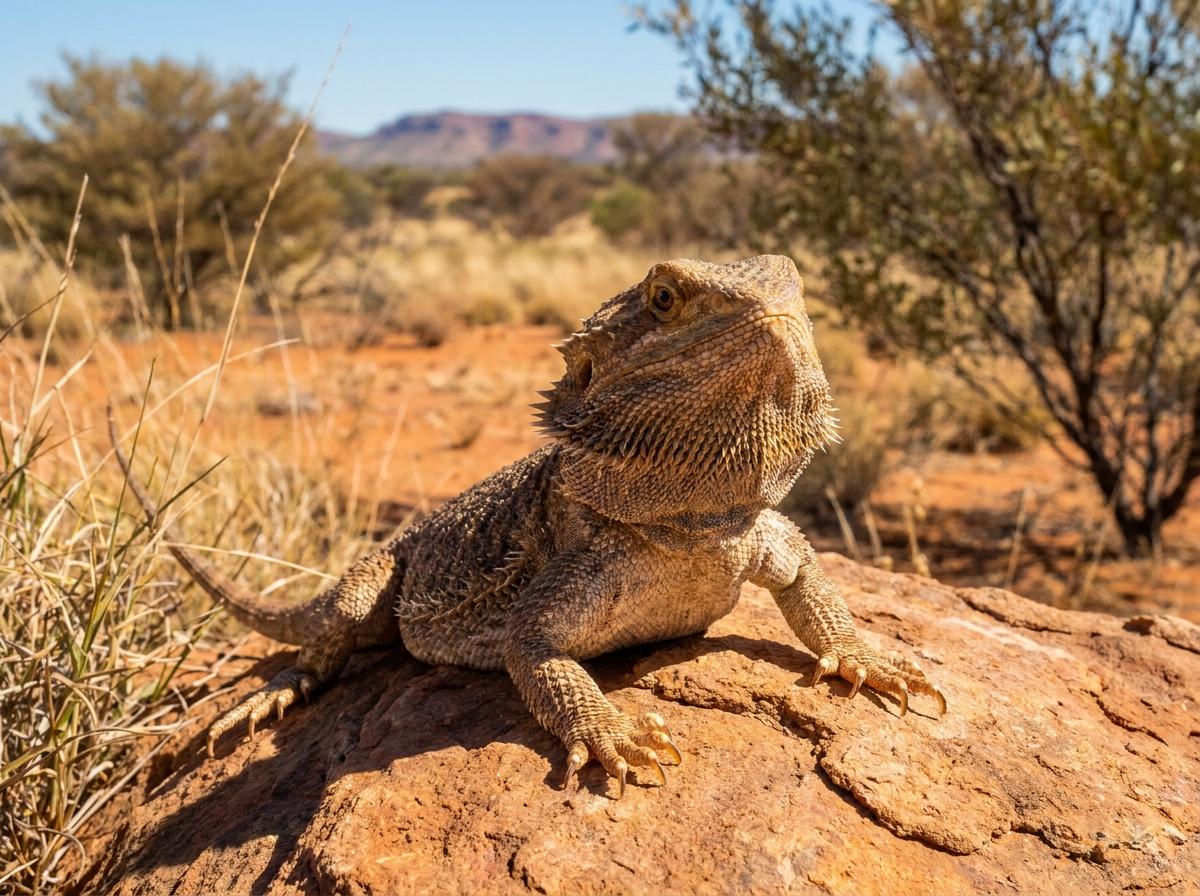
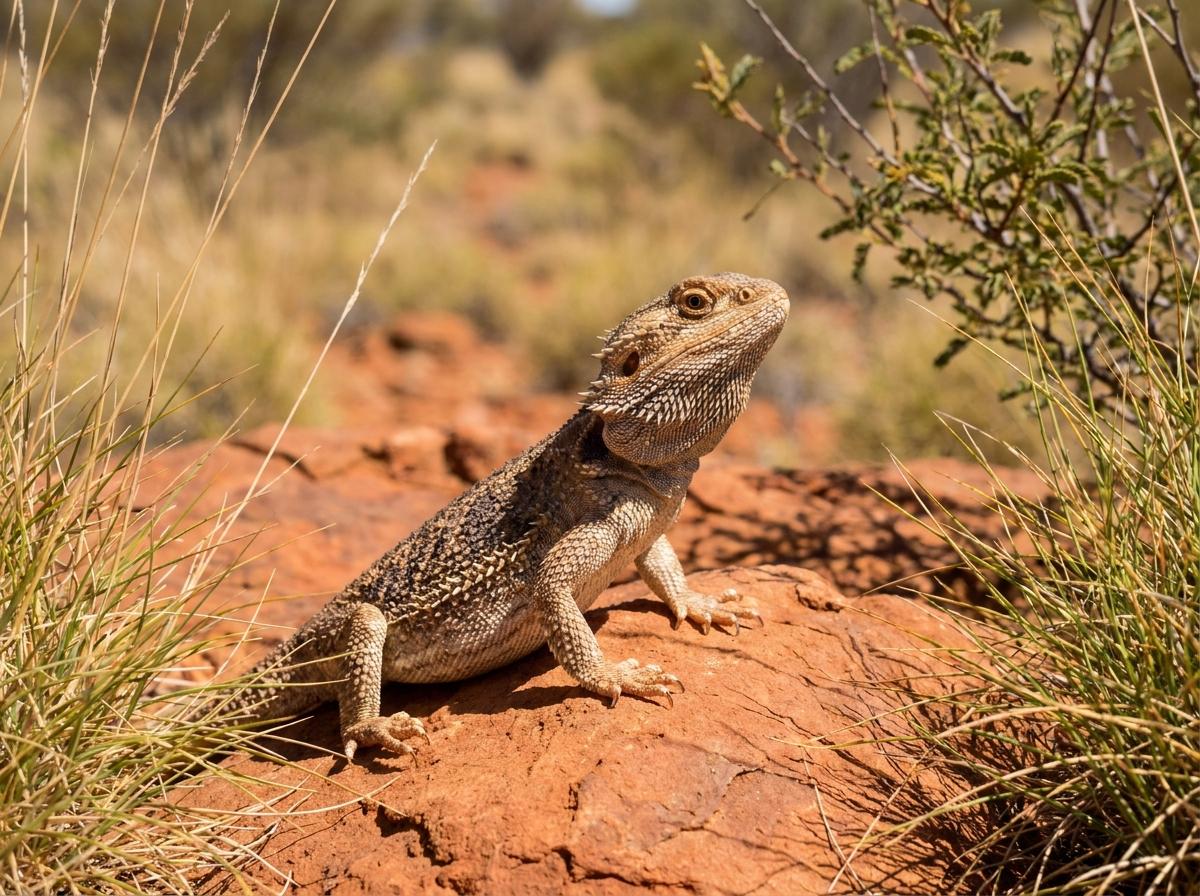
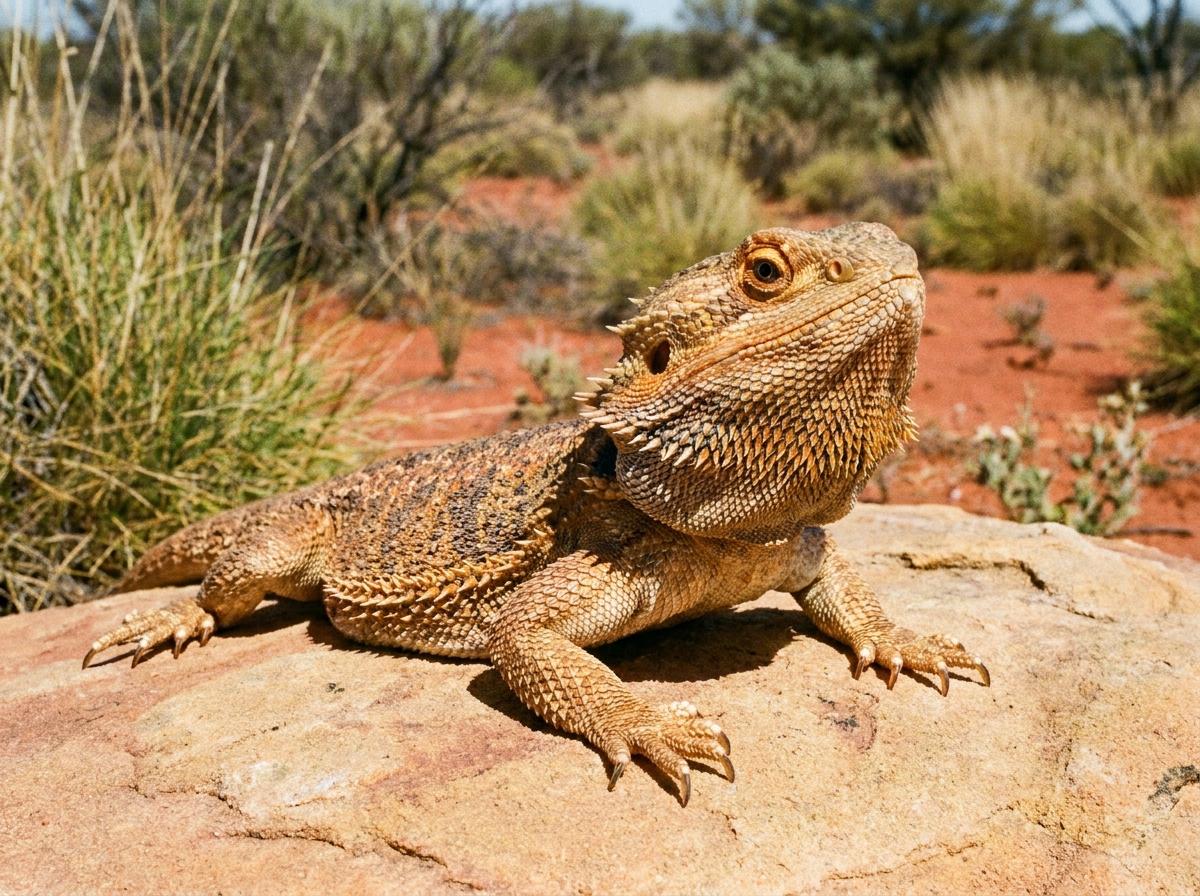
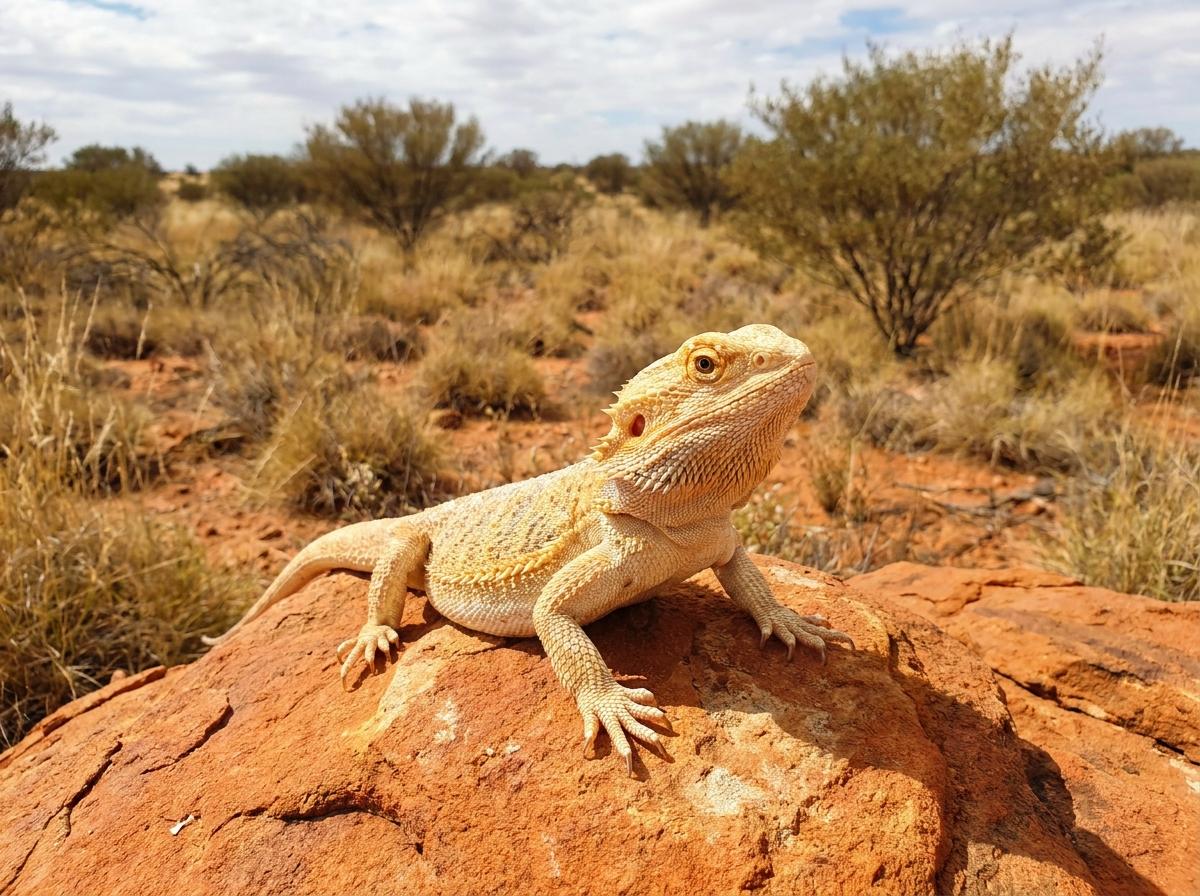
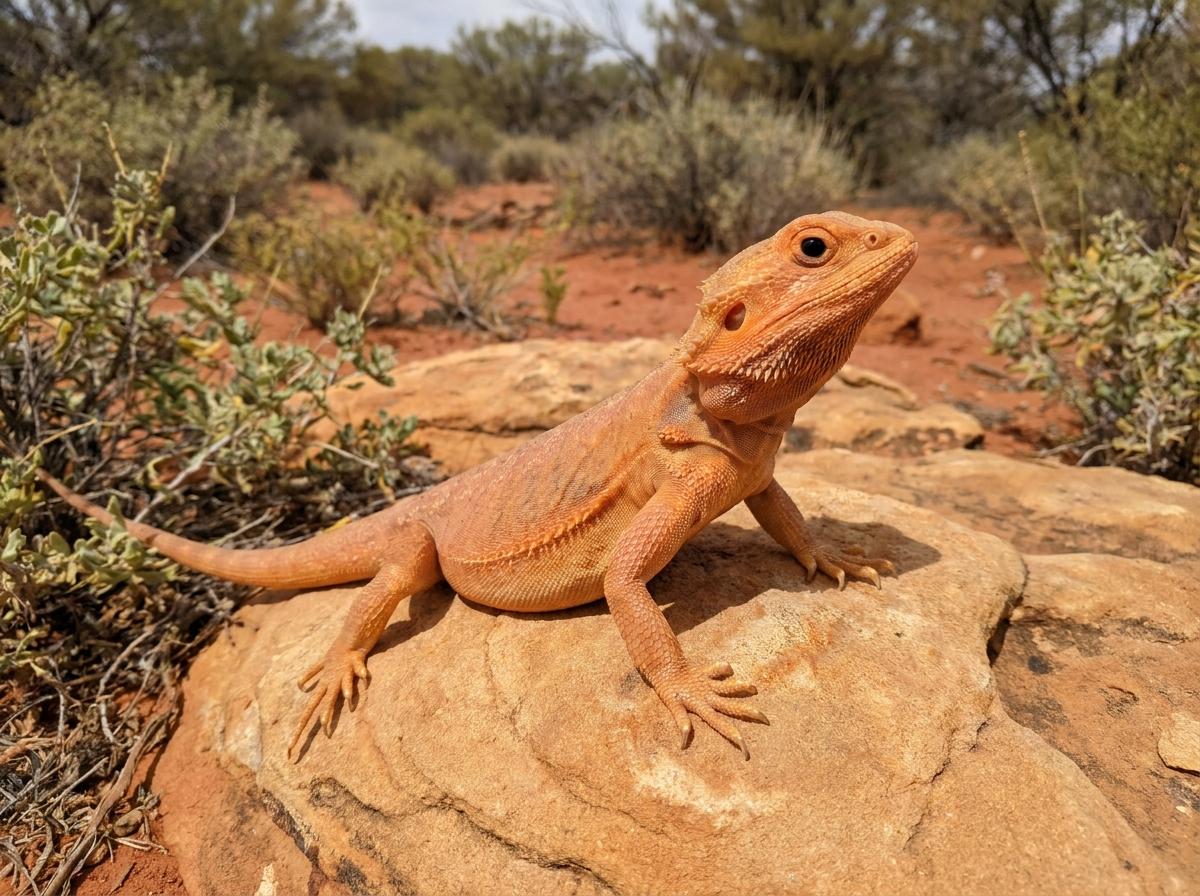
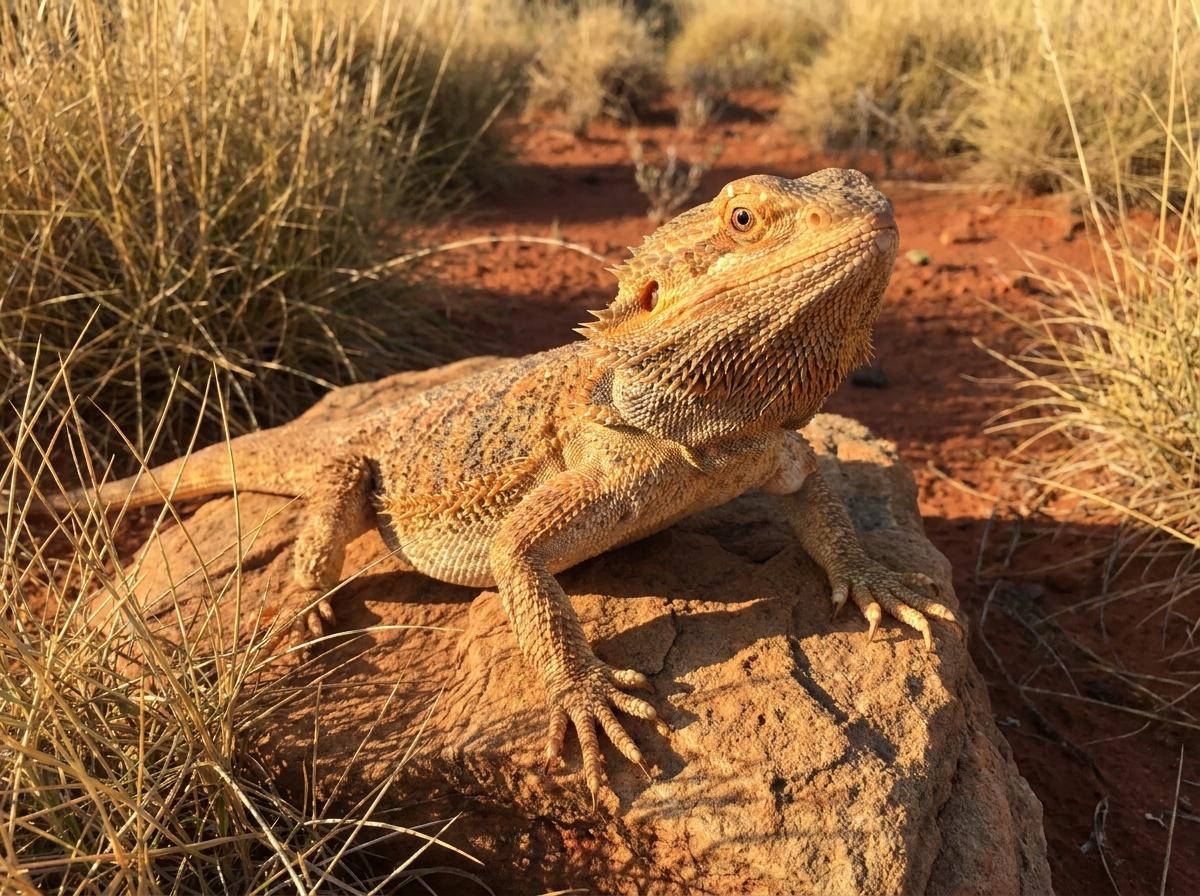
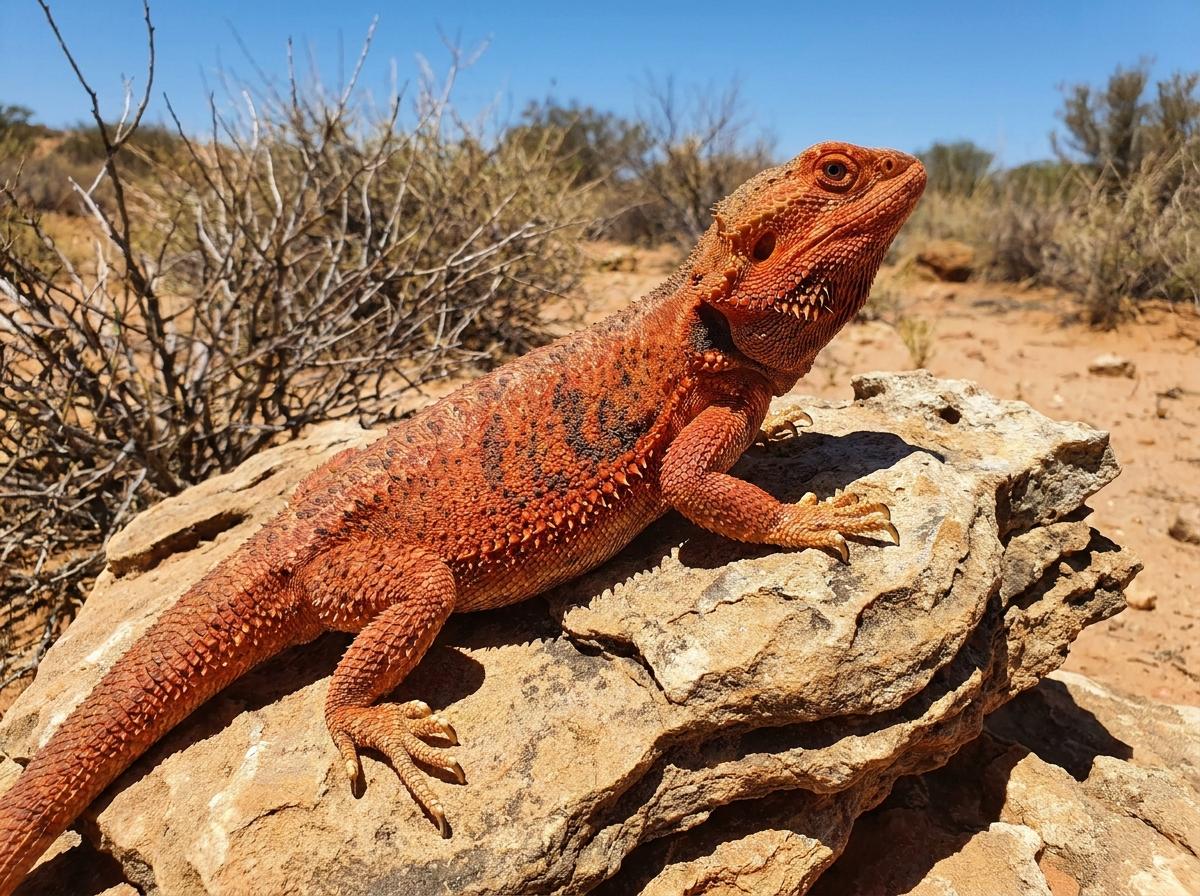
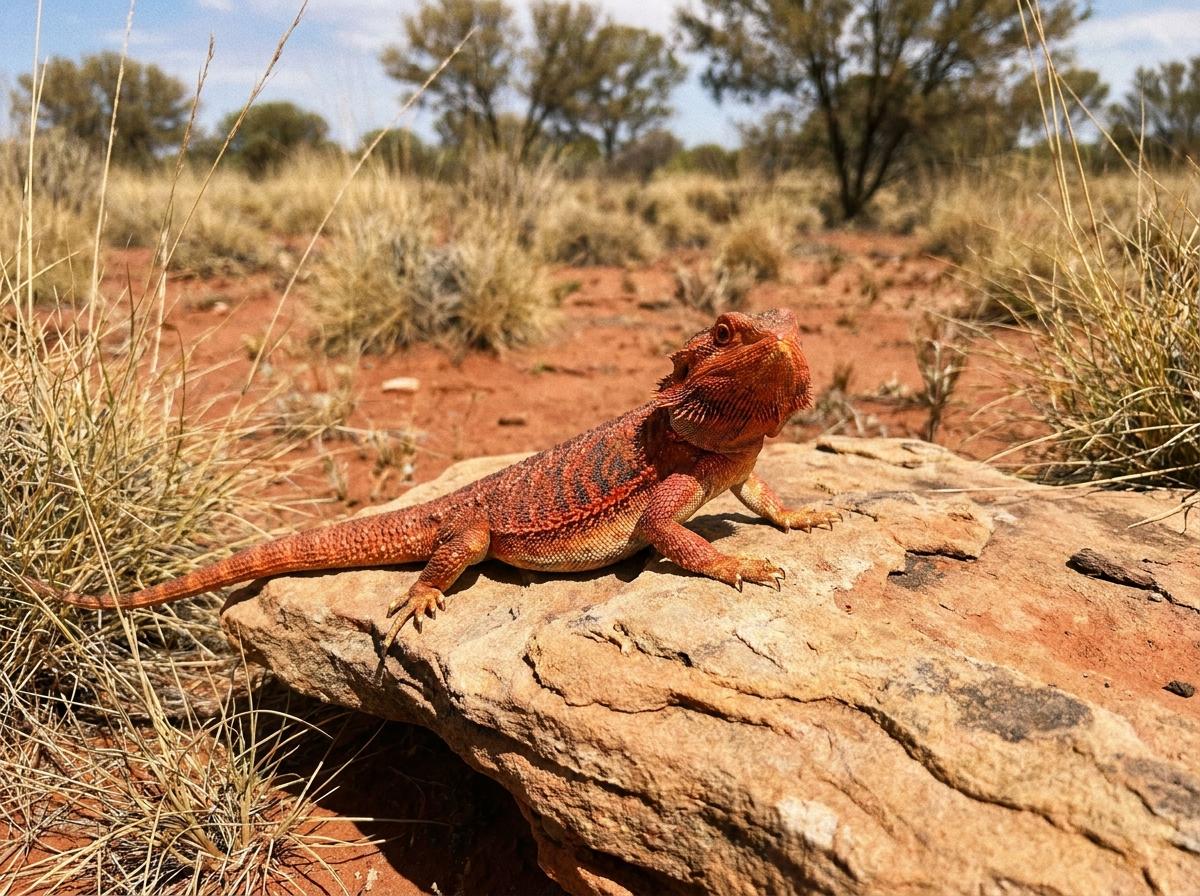
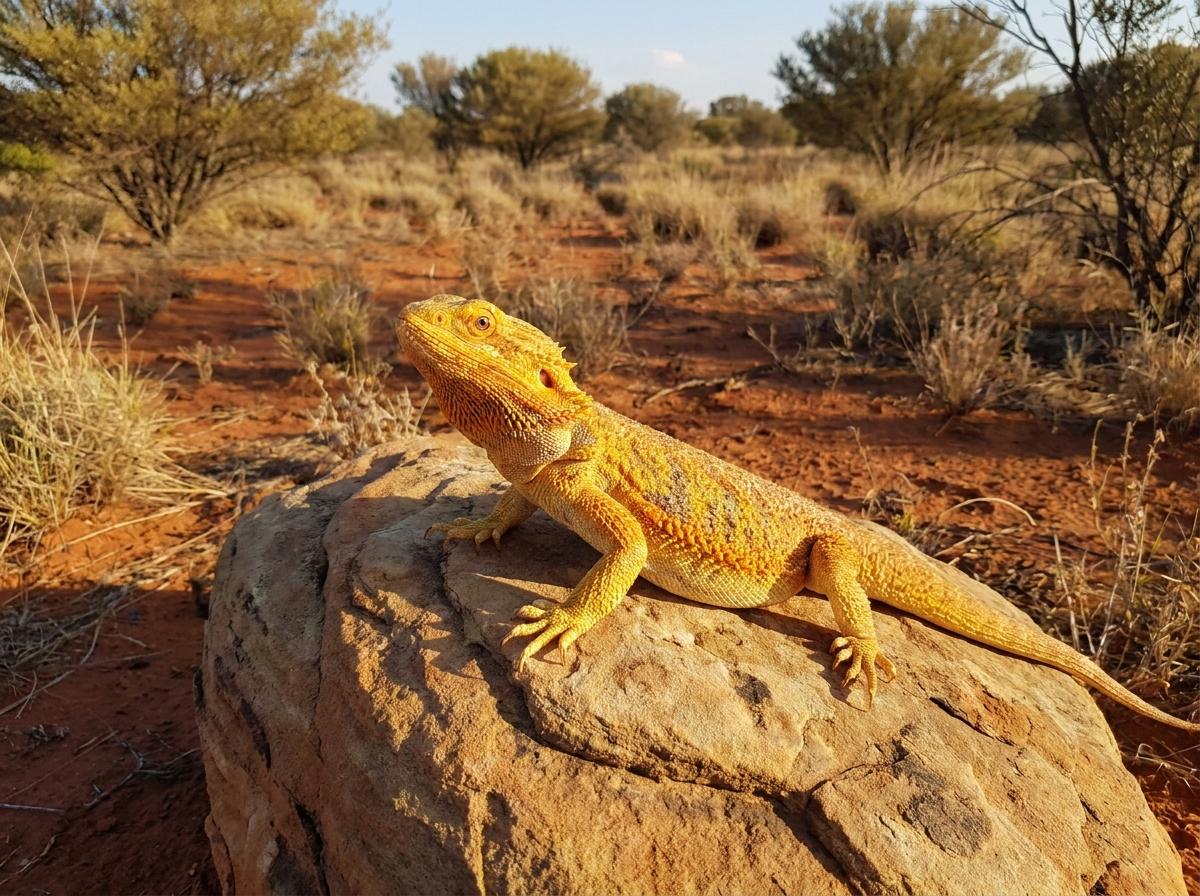
A citrus bearded dragon is a central bearded dragon, Pogona vitticeps, bred over generations for bright yellow to yellow-orange color. It is not a separate species, and it is not a breed in the sense that a Jersey cow or a Border Collie is a breed. Citrus is a herpetocultural trade name for a look, and that distinction matters more than it sounds, because the traits with real consequences for an animal’s body, such as leatherback and translucent, are inherited and tracked separately from color. A dragon sold as citrus may carry several of them or none. This page sets out what the name actually covers, how the color behaves in a living animal, how it stacks with the other lines you will see listed in front of it, what changes about care when pigment is reduced, and what to check before you pay for one. The species-level basics live on the Creatures bearded dragon page.

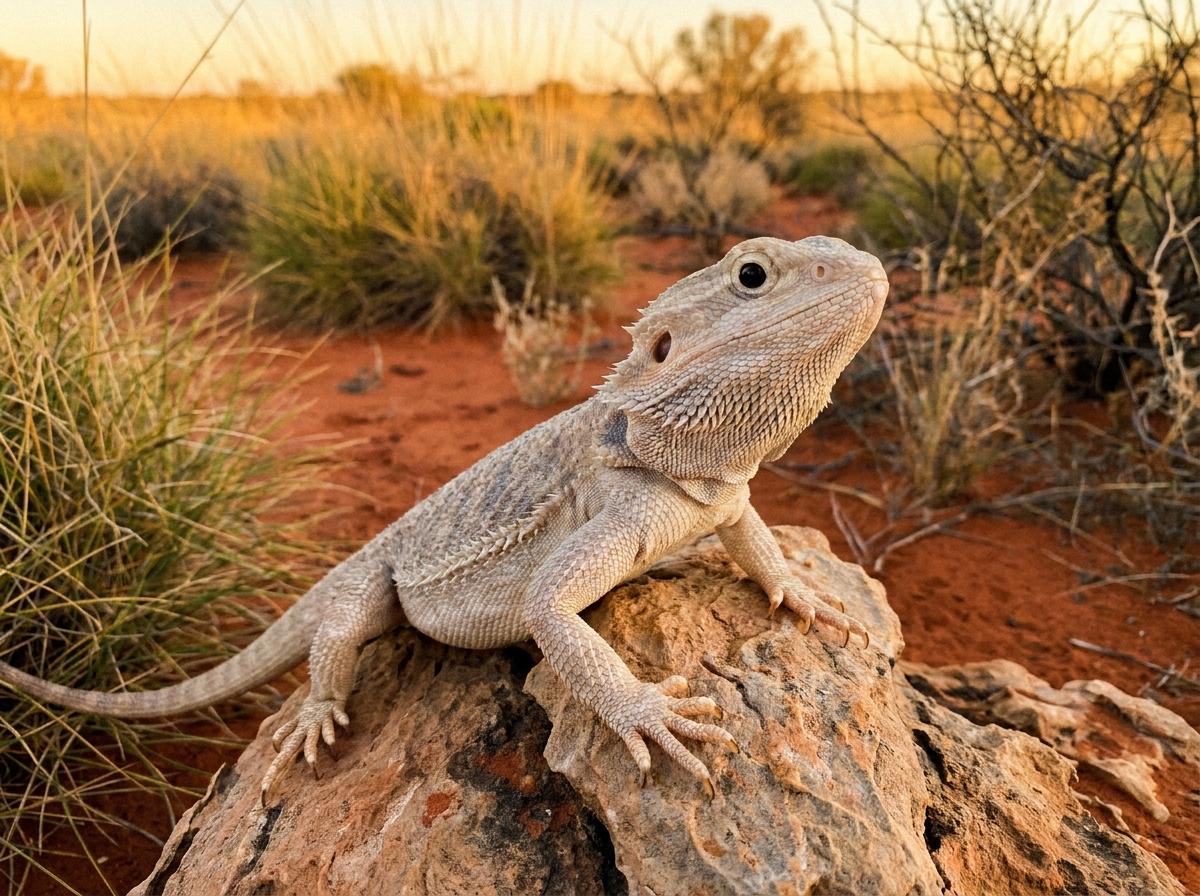
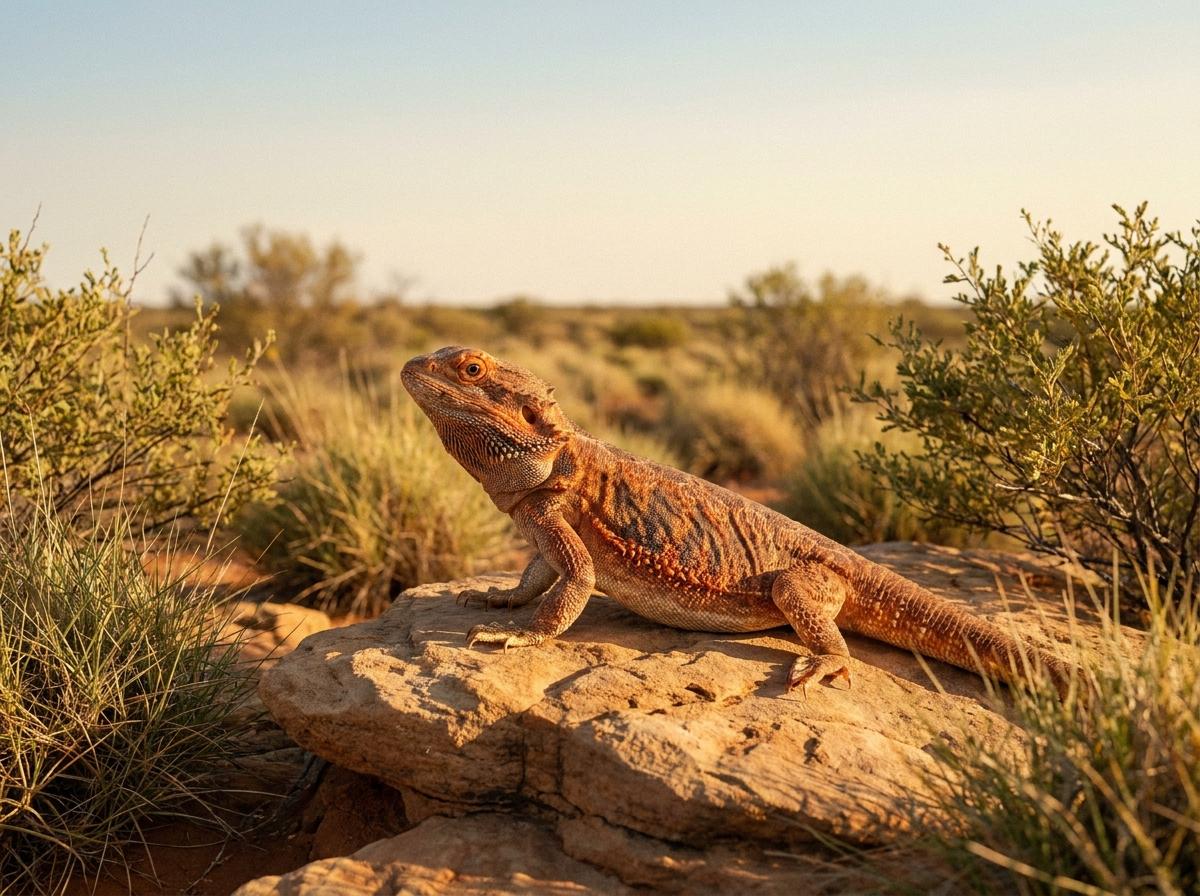
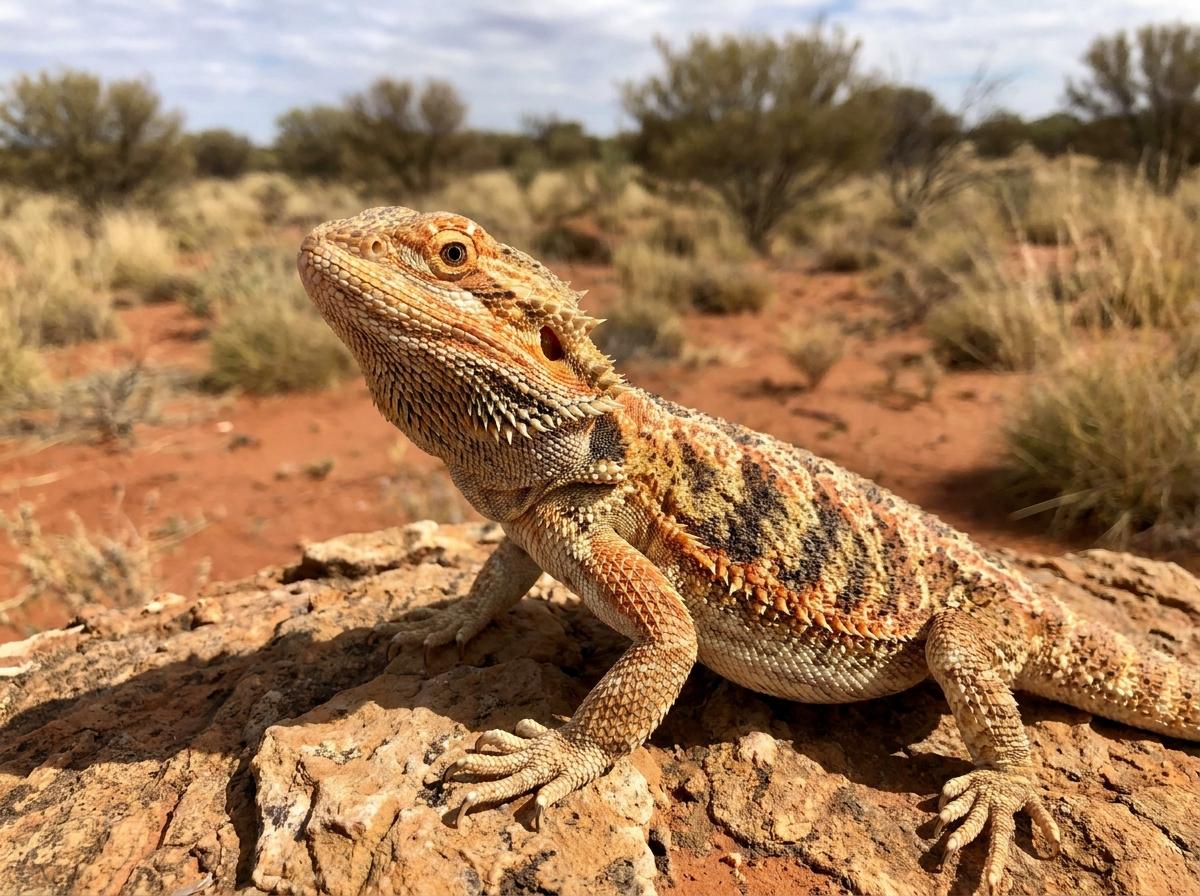
Color is also the thing owners misjudge most often, because it moves. A dragon photographed warm on its basking slab is a measurably different color from the same animal cool at eight in the morning, and a hatchling is rarely the shade it settles into. Dated photos and weights are the only honest way to see that, and a free Creatures animal profile gives one dragon a single place to keep them. No account is needed to start.
Browse listings, public profiles, breeders, or add your animal.
What a citrus bearded dragon actually is
Every citrus dragon is a central bearded dragon, also called the inland bearded dragon, Pogona vitticeps. The RSPCA describes the species as originating from dry scrublands and woodlands in Australia. Nothing about the citrus label changes the animal’s species, its adult size, its diet, its temperature and lighting requirements, or its lifespan.
What the label does describe is a color result that a breeder worked toward. Hobbyists use “morph” loosely. Here we distinguish discrete, single-locus trait morphs from selectively bred polygenic color lines, and the two are tracked separately. Citrus is a color line; leatherback and hypomelanistic are trait morphs. There is no governing body for those names, no written standard, and no studbook. Two breeders can both offer a citrus dragon and mean noticeably different animals, and a third can sell something very similar as yellow, gold, or lemon. That is not necessarily dishonesty. It is what happens when a naming system grows out of a hobby market rather than a registry.
Creatures files citrus as a category under bearded dragon because that is how buyers search. The category is a search term and a filing convenience, not a claim about genetics.
One practical consequence: ask which Pogona species you are looking at. The genus holds several, and color-line names like citrus belong to P. vitticeps. A seller who cannot answer that question is not a seller who can tell you what is behind the color.
What the name covers, and what it does not
Bearded dragon traits fall into two groups, and the difference is the single most useful thing to understand before spending money.
The first group behaves like discrete inherited traits in breeding practice. Hypomelanistic, translucent, leatherback, dunner, witblits and zero are all paired and predicted by breeders as individual traits with expected ratios in a clutch. Citrus is not in that group. It is a color intensity that breeders build by pairing the yellowest animals they have, generation after generation, and there is no published gene for it. Selection like that is real and it works, but it does not give you clean ratios, and it does not travel intact. Pair two excellent citrus dragons and you get a clutch that ranges, not a clutch that matches.
That has three consequences worth carrying into a purchase.
- Clutchmates differ. A photograph of the brightest sibling tells you what the line can produce, not what your animal will look like. Ask to see the actual animal, at a stated age.
- Lines are not comparable across breeders. Citrus from one project and citrus from another are two people’s judgments about the same word.
- The word is often doing two jobs. In listings, citrus frequently appears next to hypo, trans, leatherback or tiger. Those additions are the part that carries predictable inheritance, and, in the case of reduced scalation, the part that carries a measured physiological cost.

Why a citrus dragon is not one fixed color
Bearded dragons change color, and they do it on purpose. Smith and colleagues measured skin reflectance across body regions in this exact species and published the results in the Royal Society’s Proceedings B. Their finding, in short: the back and head change substantially with temperature, becoming lighter and more reflective when hot, while the beard and throat change for a different reason entirely.
The numbers are worth knowing because they are large. In their measurements the dorsum went from roughly 13.8 percent reflectivity at 15 degrees Celsius to about 21.2 percent at 40 degrees. The beard showed the greatest color change of any region, up to 30.8 percent, and it was not driven by temperature at all. That region is a social signal. Their biophysical model estimated that temperature-driven dorsal color change could cut the time to reach active body temperature by an average of 22 minutes per active day. You can read the full paper on PubMed Central.
So when a listing photo and the animal in front of you do not match, the animal is often not the problem. A cool, freshly woken, or stressed dragon is a duller dragon. A warm, settled, recently shed dragon in good light is the brightest version of itself. Judge color the way you would judge a horse’s condition: more than once, at a known time of day, in consistent light.
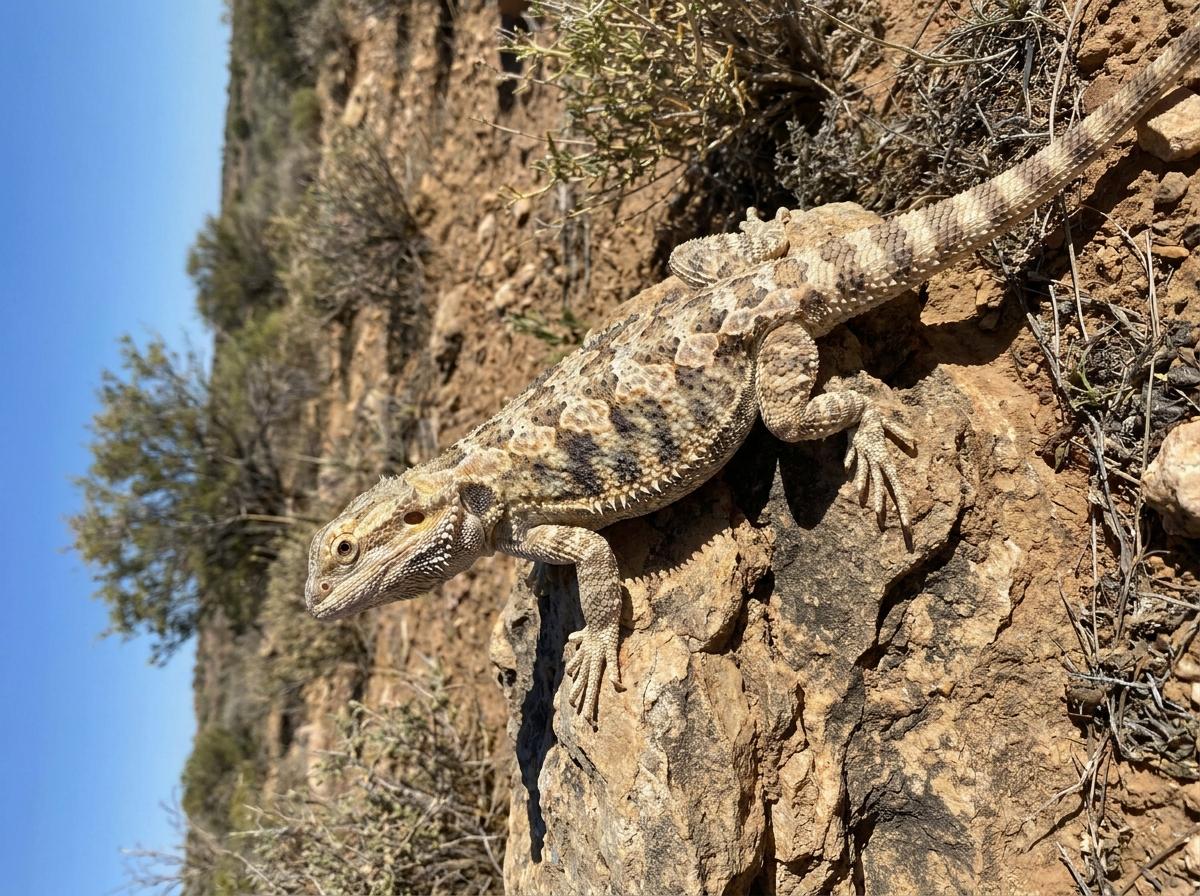
Age moves it further. Hatchlings and juveniles of a citrus line commonly look muted and banded, and color up across the first several months and several sheds. This is the single most common source of disappointment in morph buying, and it cuts both ways: a dull juvenile may improve, and a juvenile that photographs beautifully under a hot lamp may not hold it.

How citrus combines with the other lines
Color lines and trait lines get stacked, which is why listings run to four or five words. Here is what each addition actually means, with the honest limits of what is known about it.
Hypomelanistic (hypo)
Reduced melanin. Breeders identify it by pale or clear nails rather than the dark nails of a normally pigmented dragon, and pair it as a simple recessive. On a citrus animal the effect is a cleaner, brighter yellow, because there is less dark pigment sitting under it. Worth saying plainly: that recessive account is breeder practice, not published genetics. There is no peer-reviewed characterization of the hypo allele in this species. See the hypo and hypo trans categories for what turns up under those names.
Translucent (trans)
Juveniles show semi-transparent skin and spikes, and animals typically keep solid dark eyes into adulthood. Breeders also treat this as recessive, again without published genetics behind it. Combined with citrus it tends to deepen the look rather than brighten it. Browse translucent and leatherback trans listings to see the range.
Leatherback and silkback
This is the combination that carries a measured biological cost, and it is the one to think hardest about.
Leatherback dragons have reduced scalation: a smoother back and smaller spikes. Silkback dragons have essentially none. The underlying biology has been published. Di-Poï and Milinkovitch traced a scaleless bearded dragon to an in-frame deletion of 14 amino acids in the most conserved motif of the EDA protein, and their breeding experiments confirmed that scaleless dragons are homozygous for a codominant mutation. Those homozygous animals lacked all body scales and also showed absent femoral glands and reduced dentition. Their paper is open access in Science Advances.
Two honest caveats about how that maps onto the trade. The paper characterizes the scaleless animal and does not describe the single-copy phenotype, so the familiar account that leatherback is one copy and silkback is two is breeder practice consistent with a codominant single locus, not a published result. And at a single locus, pairing two single-copy animals is expected to produce a quarter double-copy offspring, which is the arithmetic behind the warning that leatherback to leatherback pairings produce silkbacks.
What has been measured directly is the cost. Sakich and Tattersall tested wild-type, leatherback and silkback bearded dragons in the Journal of Experimental Biology and found that silkbacks lost water evaporatively at nearly double the wild-type rate, with leatherbacks intermediate, and both differing significantly from wild type. Thermal preference barely moved between the three, by at most about one degree Celsius and not significantly, which the authors describe as a lack of plasticity in thermal preference in response to an increased rate of water loss. Read it in the Journal of Experimental Biology.
Put practically: a reduced-scale dragon dries out faster and does not change its own behavior to compensate. A silkback is an animal whose skin has lost its primary barrier, with no spikes to buffer contact and no scales to slow water loss. Do not deliberately produce them, and if you are offered a citrus leatherback, buy it knowing you are taking on a higher hydration and skin-injury burden for a cosmetic trait.
Pattern and size lines
Dunner is a scale-direction and pattern trait rather than a color. Tiger describes strong banding, and citrus tiger is a common pairing of the two words. Witblits and zero are described by breeders as patternless lines, and a zero animal is defined by the absence of color, so a listing offering a citrus zero is describing two opposite things and deserves a question. German giant is a size line, not a color line, and can sit alongside any of these. If you are trying to place a yellow animal against its warmer neighbors, sandfire and orange lines are the usual comparison.
Care: what stays the same, and the one thing pigment changes
Almost all of it stays the same. A citrus dragon needs the same enclosure, the same heat gradient, the same UVB, the same diet, and the same veterinary attention as any other Pogona vitticeps. The full setup, with every number attributed, is in the Creatures bearded dragon care guide. The headlines:
- Space. The RSPCA’s minimum for one adult is a vivarium 120 cm long by 60 cm high by 60 cm wide. It also says to house bearded dragons separately, because each occupies a range, males chase off visitors, and captive groups may fight.
- Heat, as a gradient. The RSPCA describes a hotter bright end at 38 to 42 degrees Celsius falling to a cooler shaded end at 22 to 26, with night not dropping below 20 to 22. Measure it rather than trusting a dial.
- Burn prevention. The basking bulb needs a wire mesh guard, and the RSPCA is specific that the dragon’s back should not get closer than 25 to 30 cm to the lamp.
- Furnishing. A hide at each end so the animal feels secure at both temperatures, stones and branches to climb, and clean fresh water.
- Substrate. NC State’s veterinary hospital takes the conservative line: because bearded dragons will eat bedding made of small particles, do not use sand, including biodegradable calcium-based sands, and do not use wood chips or gravel. It recommends newspaper, paper towels or reptile carpet. The RSPCA allows reptile-safe play sand or a sand and soil mix for healthy adults but calls calcium sand dangerous, because in an incorrect environment it can clog the digestive tract and cause a blockage. Flat slate or stone tile satisfies both positions, and NC State adds that insects should always be fed in a dish to avoid ingestion of substrate.
- Diet. The insect to plant ratio flips as the animal grows. The care guide sets the Washington State, NC State and RSPCA figures side by side, because they genuinely differ.
The one place the color line does change the conversation is ultraviolet. The RSPCA’s target for a typical dragon is a UV index gradient running from 3.0 to 5.0 in the basking zone down to zero in shade. It then adds a separate instruction: some morphs, and it gives albinos as its example, need lower UVB, with a gradient from zero in shade to a maximum of 3.0 in the basking zone.
A plain citrus dragon is a normally pigmented animal and the standard target applies to it. A citrus hypo is by definition a reduced-melanin animal, which sits somewhere between the two cases, and no published work settles where. The sensible response is not to guess. Own a UV index meter rather than relying on a bulb’s box, set the gradient toward the conservative end for a visibly low-pigment animal, make sure there is genuine shade to retreat into, ask the breeder what the animal was raised under, and put the question to a reptile-experienced veterinarian if you are unsure. Getting this wrong in the other direction is worse, and the next section explains why.

What actually goes wrong
Four problems come up again and again in this species, and most of them are decided by the enclosure rather than by the animal.
Metabolic bone disease. The Merck Veterinary Manual is blunt: secondary nutritional hyperparathyroidism is the most common bone disease encountered in reptile practice, caused by poor diet, meaning a low calcium to phosphorus ratio or vitamin D3 deficiency, or by poor husbandry, meaning lack of UVB light and inadequate thermal provision. Its caption on the illustrating photograph reads simply that this is a disease of mismanagement. The signs it lists include anorexia, lethargy, inability to walk normally, a swollen or distorted jaw or long bones, fractures of the limbs and spine, cloacal prolapse, muscle fasciculations and tetany. The encouraging half is in the same chapter: correcting diet and husbandry are the mainstays of therapy and the prognosis is favorable, particularly if the animal is still eating. Replace the UVB lamp on a schedule rather than when it dies, because output falls long before the visible light does. NC State says every 6 months even if the light is not burned out.
Impaction. Loose particulate bedding and oversized prey are the two routes in. NC State is explicit that small prey must be fed to baby bearded dragons to avoid health problems including impaction, starting with pinhead crickets and freshly molted worms and working up gradually.
Adenovirus. This one belongs in a buying guide rather than a care guide, because you inherit it. Merck’s viral diseases chapter notes that clinical signs are more common in juvenile dragons but can affect adults to a lesser extent, that the signs are vague and include lethargy, weakness, weight loss, diarrhea and sudden death, and that morbidity is high in young bearded dragons though survival improves with supportive care. It recommends that recovered lizards be quarantined for at least 3 months, discourages owners from selling or trading previously infected animals, and cautions that the duration of viral shedding after recovery is unknown. It also notes that identifying adenovirus by PCR from fresh feces may indicate shedding and infection but not necessarily disease. Ask a breeder directly about the health history of the collection, and quarantine any new arrival away from animals you already keep.
Dehydration in reduced-scale animals. Covered above, and the reason a citrus leatherback or silkback is a different husbandry proposition from a citrus with normal scalation.
One more that is about you rather than the dragon. Bearded dragons can carry Salmonella in their droppings while looking completely healthy, and the US Centers for Disease Control and Prevention has repeatedly traced multistate human outbreaks to pet bearded dragons, including a recurring Salmonella Cotham strain. Wash hands with soap and water after handling the animal or anything in its enclosure, keep the enclosure and its furnishings out of kitchens and bathrooms, and take particular care with young children, adults over 65, and anyone immunocompromised. The CDC’s guidance for keepers is on its reptiles and amphibians page.
Every medical decision here belongs to a veterinarian who can examine the animal, and ideally one with reptile experience. A lizard that is lethargic and off its food has told you something is wrong; it has not told you what.
Breeding a citrus line without making it worse
Two things separate a project worth buying from a project that is chasing a color.
Incubation temperature is not just about hatch dates. Pogona vitticeps has ZZ and ZW sex chromosomes, and that system is overridden by heat. Genetic males with ZZ chromosomes incubated above 32 degrees Celsius undergo sex reversal and develop as females, as summarized by Whiteley, Holleley and Georges in BMC Genomics. The practical consequence for anyone keeping breeding records is that a phenotypic female in a project is not necessarily a genetic female, and pairings involving sex-reversed animals push a line toward temperature-dependent sex determination. Record actual incubation temperatures per clutch rather than a set point you assume held.
Do not narrow the pool to chase a shade. Selecting hard for one visible quality over a small number of animals reduces the genetic variation behind everything you are not looking at. Keep pairings deliberate, keep parentage written down, and do not pair two leatherbacks unless you have decided in advance what you will do with the silkbacks that arithmetic predicts.
Records are the part most small projects skip and later wish they had. Clutch dates, incubation temperatures, hatch weights, first-shed dates and how color developed month by month are the only evidence that a line does what the listing says. You can add records against an animal on Creatures for weights, shedding, feeding and veterinary visits. The record sheet opens for any visitor to look at, and saving what you enter needs a free account.
What one costs, and where they turn up
Citrus dragons are captive bred, and price tracks color intensity, the traits stacked with it, the breeder’s reputation, and how well the individual animal actually shows the color. There is no reliable published price for a citrus bearded dragon and no registry that grades them, so any single number you read is one seller’s ask rather than a market rate. Expect a plainly marked citrus to sit above a normally colored dragon from the same breeder, and expect stacked animals to climb from there. The general purchase and setup arithmetic is in the Creatures guides on what a bearded dragon costs and where to buy one.
Supply is worth understanding too. Availability in color lines is seasonal and clutch driven rather than continuous, and a specific combination you want may simply not exist this month. That makes a standing alert more useful than repeated searching.
What to check before you buy
Color is the reason you clicked and the last thing you should decide on.
- Health and structure first. Bright eyes, an alert head-up posture, a firm rounded tail base rather than a hollow one, straight limbs and jaw, a clean vent, and a dragon that responds to you. Any suggestion of a soft or swollen jaw, twitching, tremor, or an inability to lift the body when walking is a reason to stop and consult a veterinarian, not to negotiate.
- Ask what it was raised under. Enclosure size, basking surface temperature, UVB lamp type and last replacement date, and substrate. A breeder who can answer that in one sentence is telling you a great deal.
- Ask about the collection, not just the animal. Health history, whether the collection has had adenovirus, and what quarantine looks like for new stock.
- Ask the age and see the animal. Color at eight weeks is a poor prediction. Ask what the parents looked like at the age the animal you are buying is now.
- Get the trait list separated from the color word. Is it hypo, trans, leatherback, dunner? Each has different consequences, and only one of them changes what the animal’s skin can do.
- Decide about reduced scalation deliberately. If you are buying a leatherback, you are accepting faster water loss for a cosmetic trait. If you are being offered a silkback, understand what that animal’s skin is.
- Confirm the species. It should be Pogona vitticeps.
Frequently asked questions
Is a citrus bearded dragon a different species?
No. It is a central bearded dragon, Pogona vitticeps, the same species as a normally colored one. Citrus names a selectively bred color result, not a species or a subspecies.
What makes a dragon citrus rather than yellow, gold, or sandfire?
The breeder’s judgment, mostly. There is no governing body, standard or studbook for bearded dragon color names, so the boundaries between citrus, yellow, gold and other warm lines are set by whoever is selling. Compare the actual animals rather than the words.
Will my citrus hatchling keep this color?
Probably not exactly. Juveniles of a citrus line commonly look muted and banded and color up over the first several months and several sheds. Adult color also shifts with temperature: research on this species found the back becomes lighter and more reflective when hot, so the same dragon looks different warm and cool.
Is a citrus bearded dragon harder to care for than a normal one?
Not on its own. The enclosure, heat, UVB, diet and veterinary needs are those of any Pogona vitticeps. The exceptions come from traits stacked with the color: a reduced-scale leatherback loses water faster, and the RSPCA gives low pigment morphs a lower UVB ceiling, so a visibly low-pigment hypo citrus deserves a UV meter and a conservative setting.
What is a citrus leatherback, and is a silkback the same thing?
A leatherback has reduced scalation, a smoother back and smaller spikes. A silkback is essentially scaleless. Published work in the Journal of Experimental Biology found silkbacks lost water at nearly double the wild-type rate with leatherbacks intermediate, and thermal preference did not shift to compensate. They are not the same animal and they are not the same welfare proposition.
Do citrus bearded dragons live as long as normal ones?
Color selection itself carries no known effect on lifespan. Published captive ranges vary by source, from NC State’s 7 to 10 years up to the RSPCA’s usually 10 to 15 years or more. The Creatures bearded dragon lifespan guide sets the sources against each other. What does change the number is husbandry, and the leading preventable killer is a lighting and diet failure rather than anything to do with color.
Do this next on Creatures
Whether you are working out what citrus really means, hunting for a specific combination, or already keeping one, Creatures is the records, marketplace and directory layer to do it in one place.
Add your dragon. Create a free animal profile in a few minutes and keep the color history, shed dates and weights in one place. No account needed to start, and the walkthrough is in adding an animal to Creatures.
Track weights, sheds and vet visits. Add a record against your dragon. The record sheet opens for any visitor to look around, and you will need a free account to save what you enter. See adding a record and health and medical records for the how-to.
Do not miss the UVB replacement. Output falls long before the lamp goes dark, so put the change date somewhere that will remind you. Reminders and upcoming care covers how.
Find stock. Browse citrus bearded dragons on the marketplace and search trusted breeders and keepers in the Creatures directory.
Get alerted. Color lines come and go with clutches, so set a free citrus bearded dragon listing alert and Creatures will tell you when one is posted. No account needed to start, and saving searches and using your watchlist explains how alerts and the watchlist fit together.
List your project. Breeding citrus lines? Create a breeder profile so buyers searching for a specific combination can reach you, and read getting listed in the breeder directory first.
Go deeper. The full setup, with every number attributed to a named source, is in the Creatures bearded dragon care guide. Naming a new arrival? Try the bearded dragon name generator.