

Sandfire
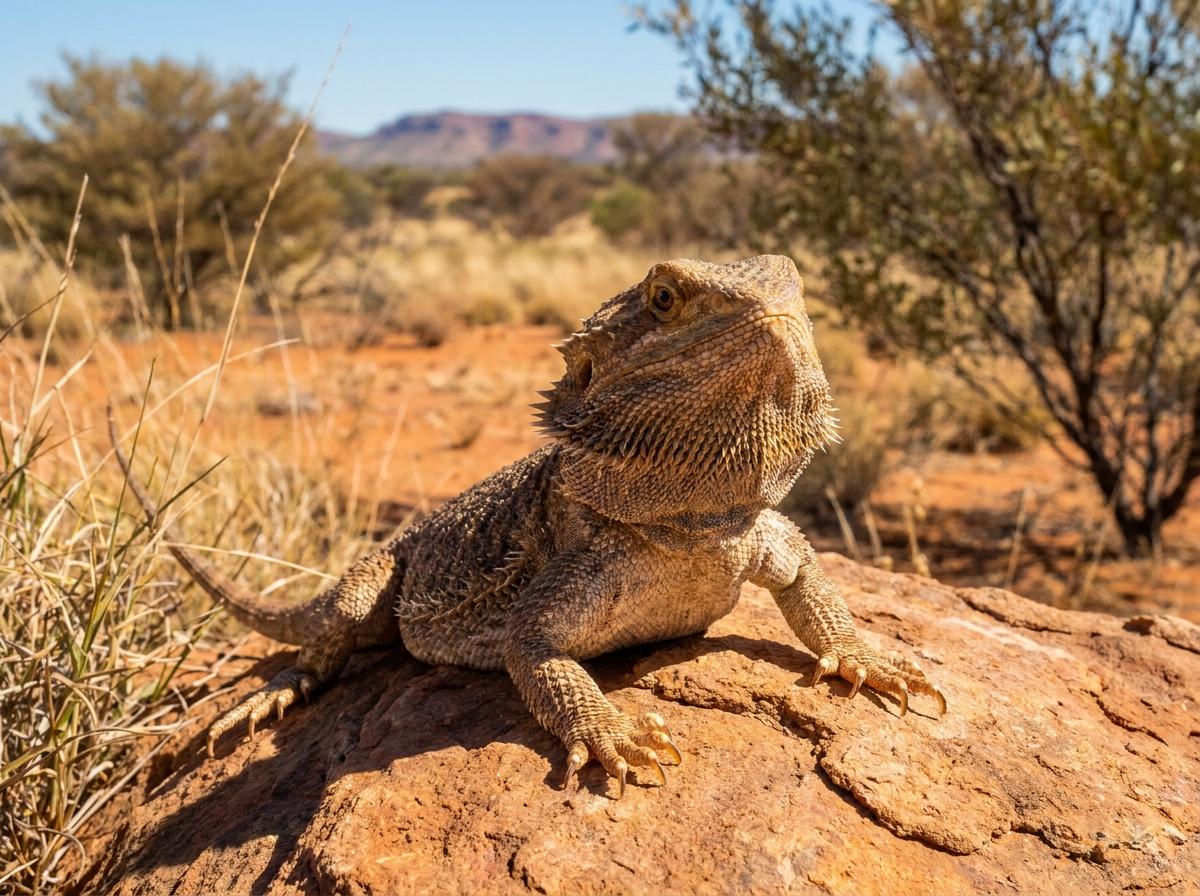
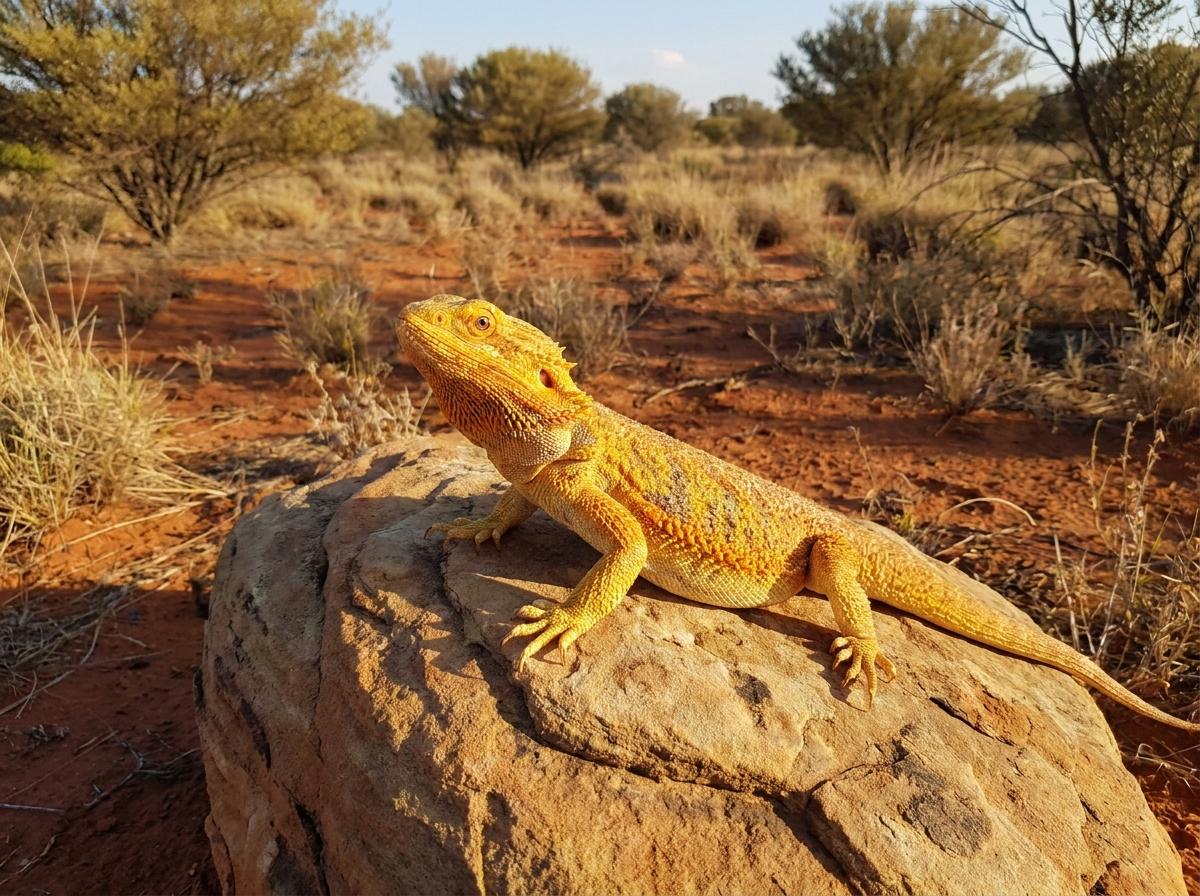
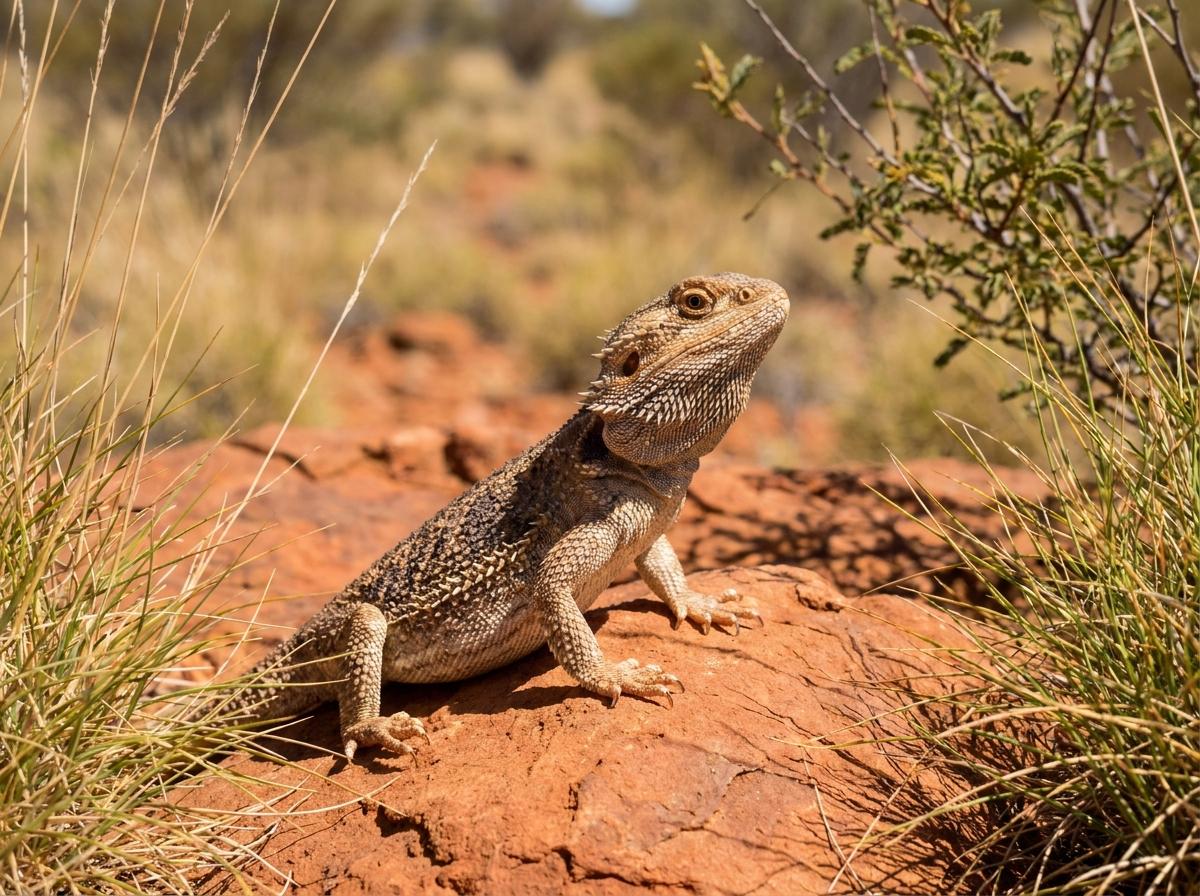
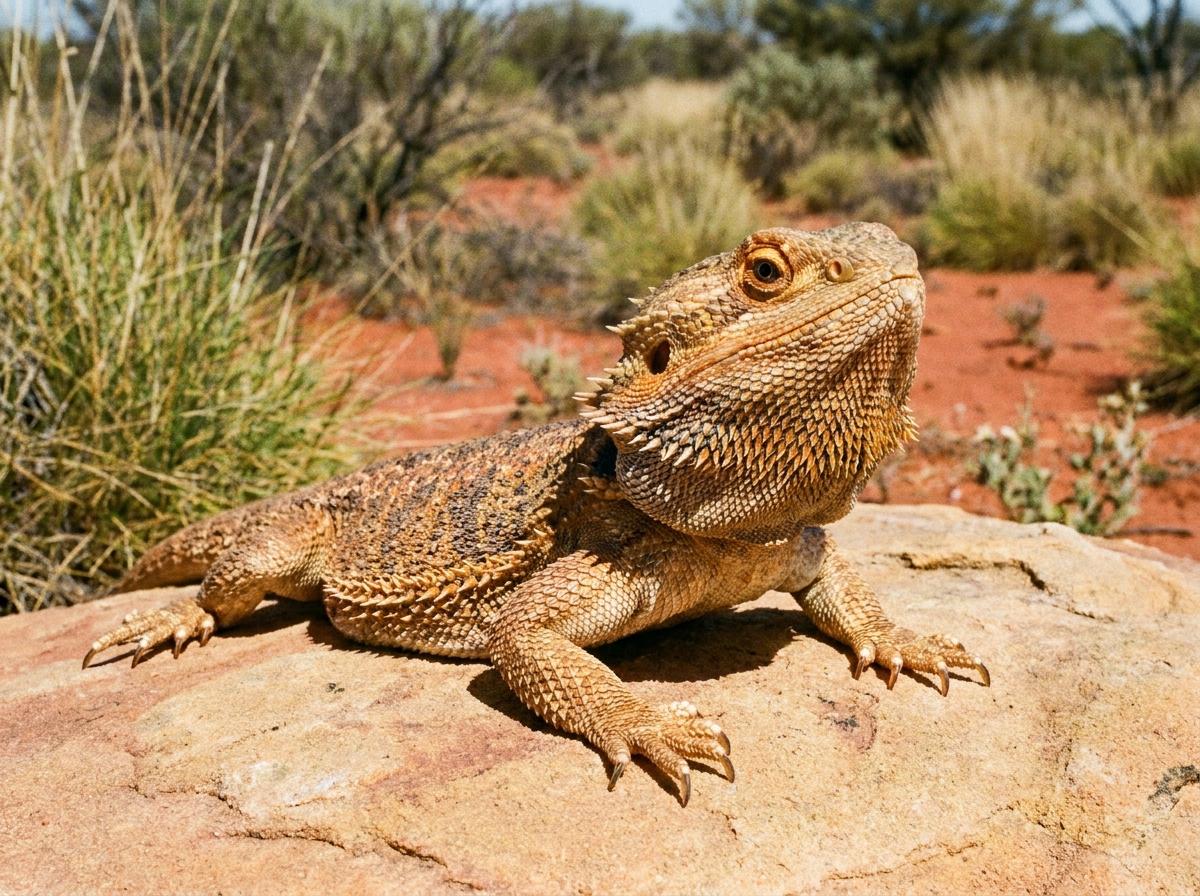
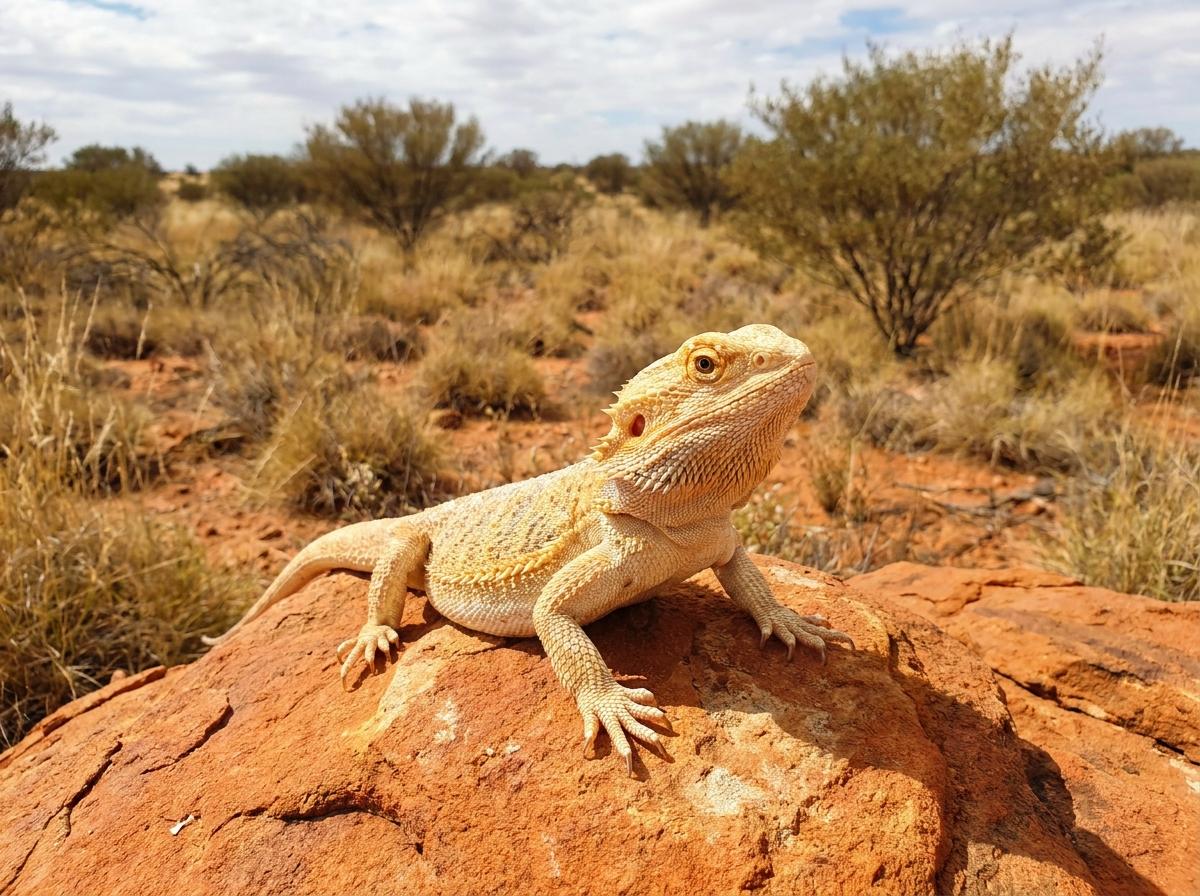
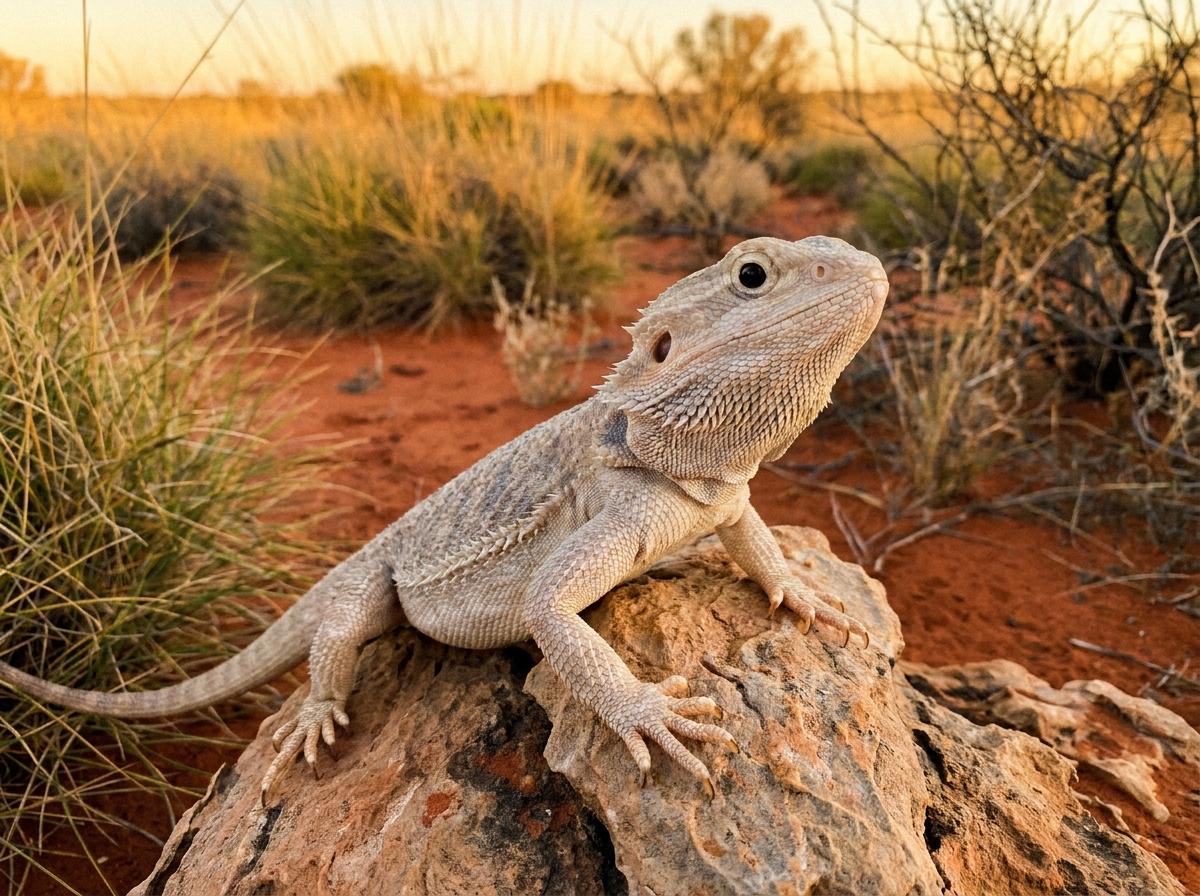
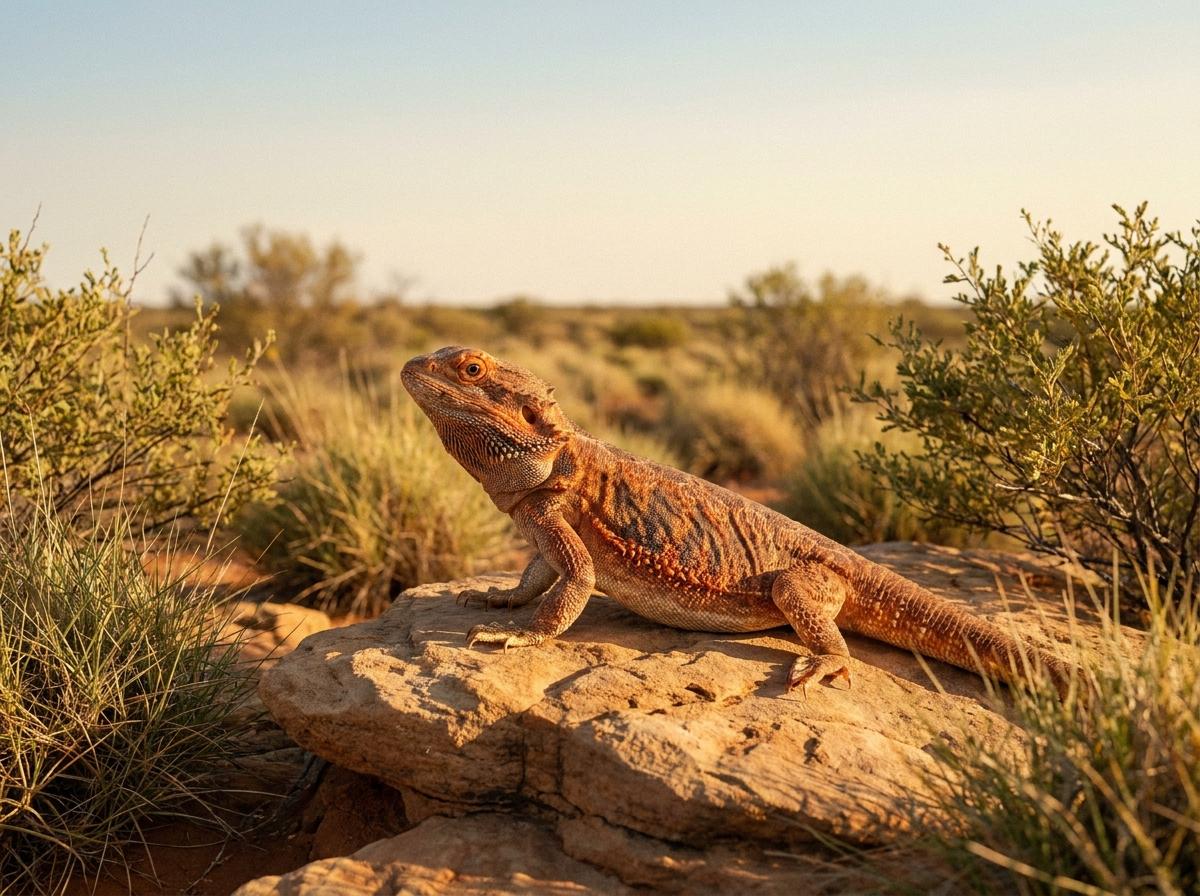
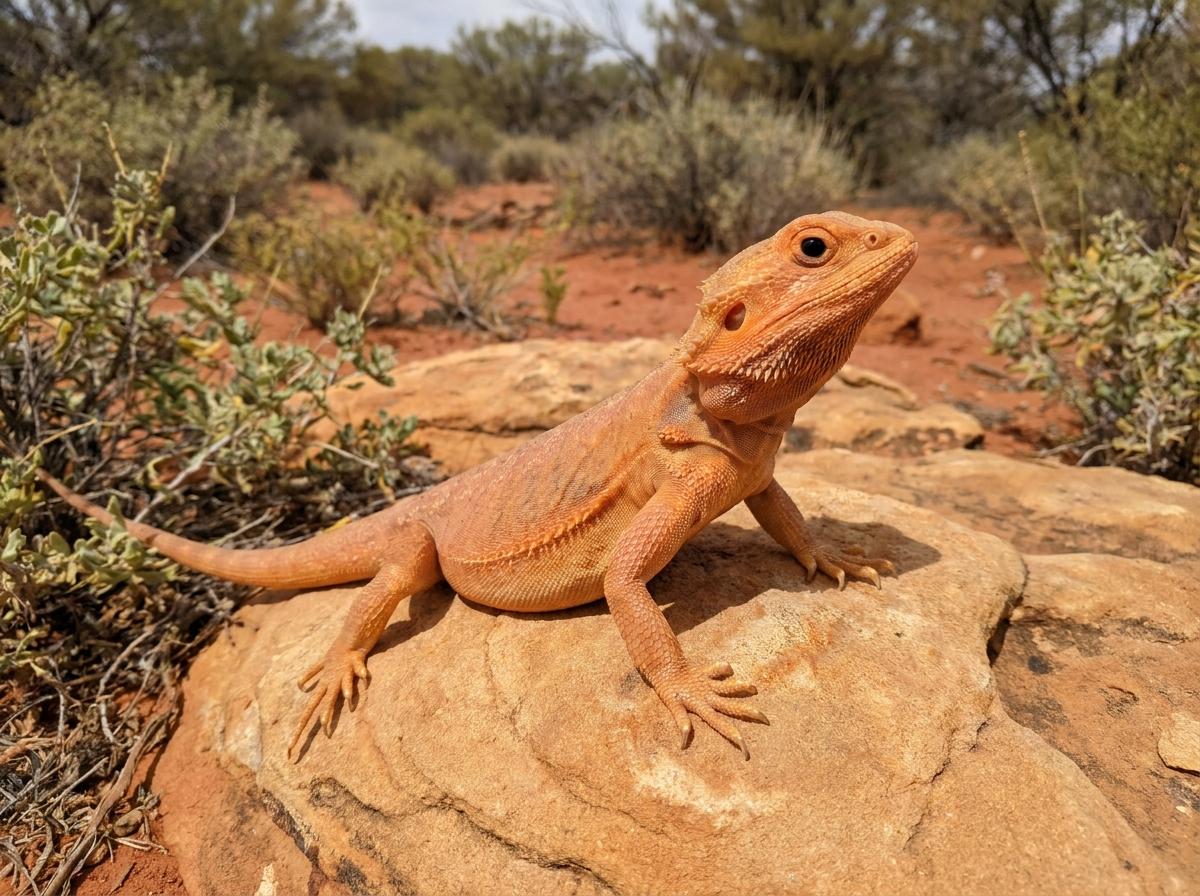
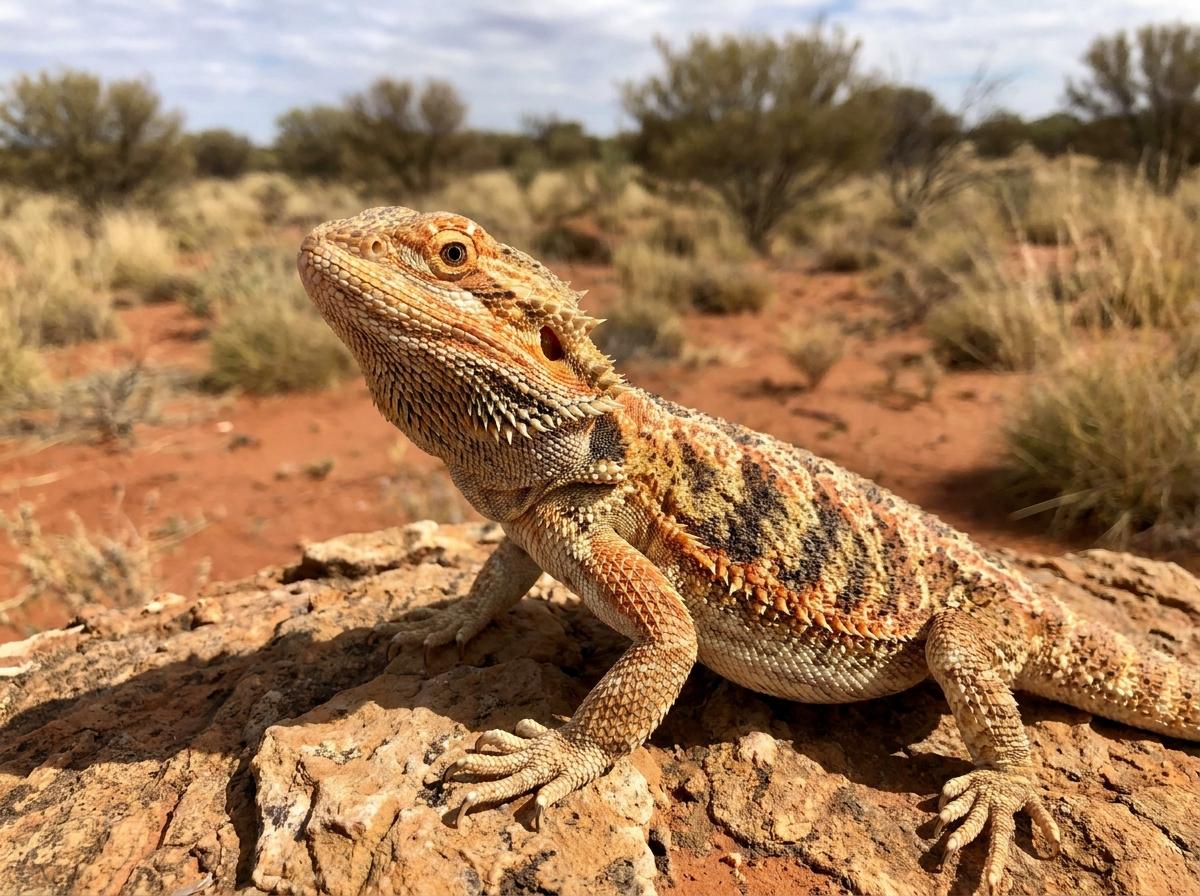
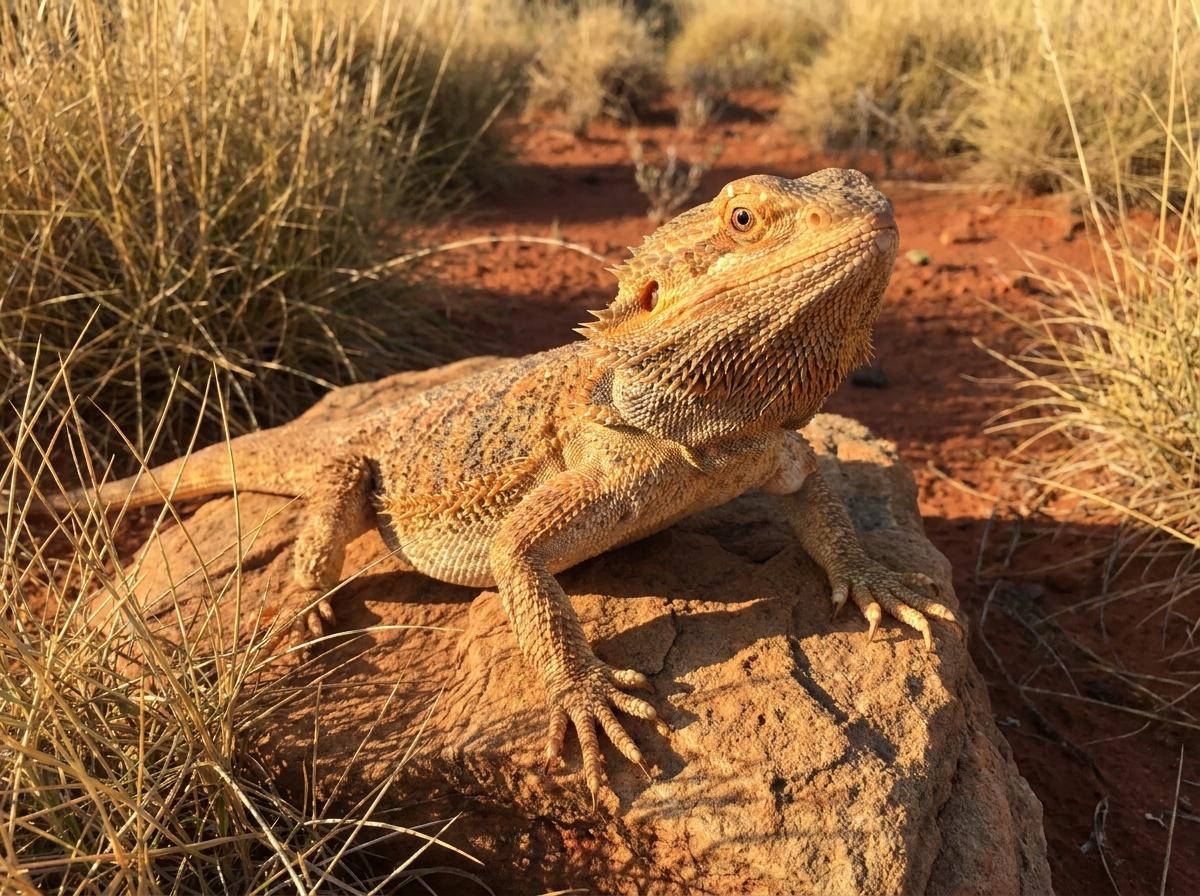
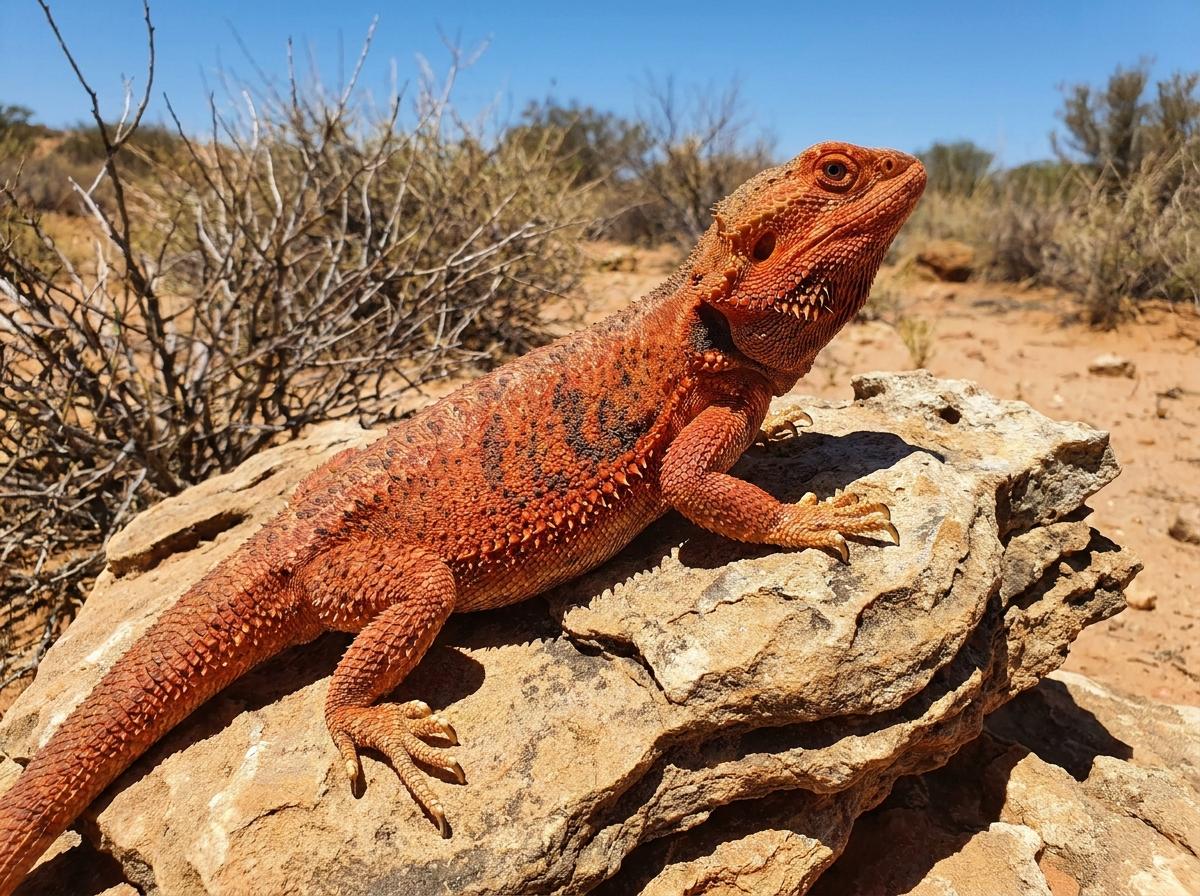
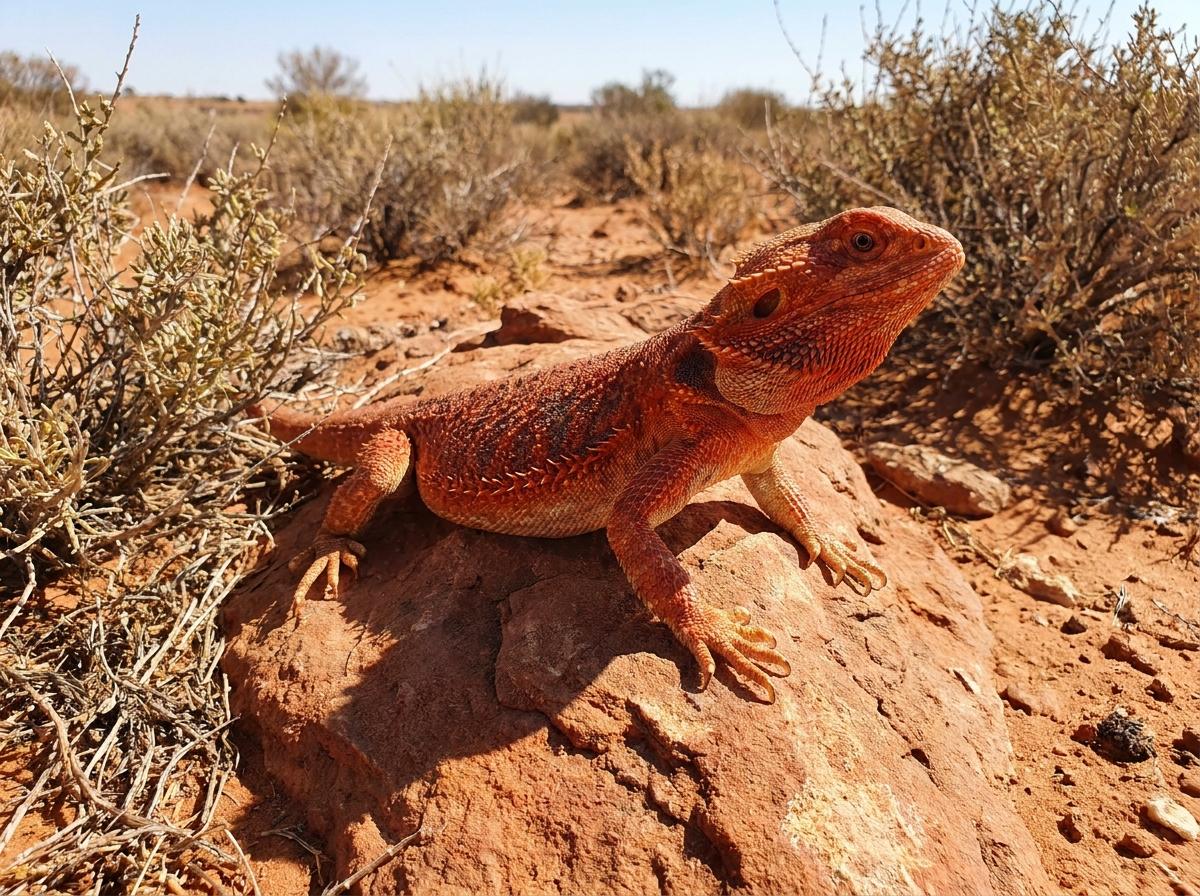
A sandfire bearded dragon is a central bearded dragon, Pogona vitticeps, from a captive line bred for warm orange to red color. It is not a separate species, it is not a breed the way a Jersey cow is a breed, and it is not a single gene. Sandfire is a line name, and it started life as the name of a breeding operation rather than as a description of an animal. That distinction carries more weight than it looks like it should. A trait name such as leatherback describes something you can see on the animal in front of you. A line name is a claim about where the animal came from, and nothing on the animal can confirm or refute it. This page covers where the name came from, what the published record does and does not say about red color in this species, why the red you see is not a fixed property of the dragon, and how to check a line claim before you pay for one. The species-level basics live on the Creatures bearded dragon page.

Because no registry governs the word, provenance is something a buyer has to assemble rather than look up. Ask for the parents, the hatch date and the clutch, then keep them somewhere they will still exist in three years, because that written trail is the only thing a line name can rest on. A free Creatures animal profile gives one dragon a single place for its parentage, hatch date, weights and color history. No account is needed to start.
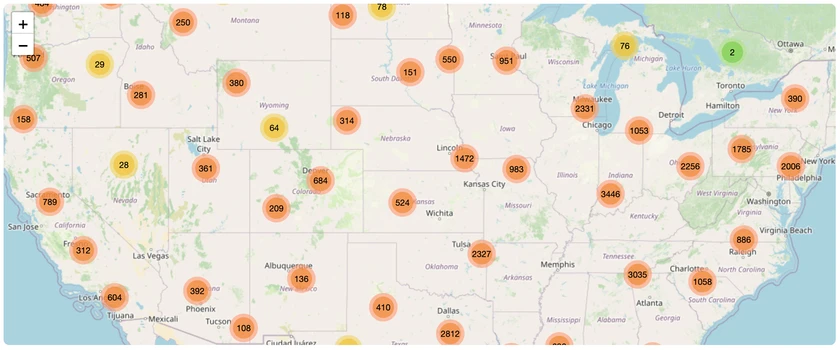
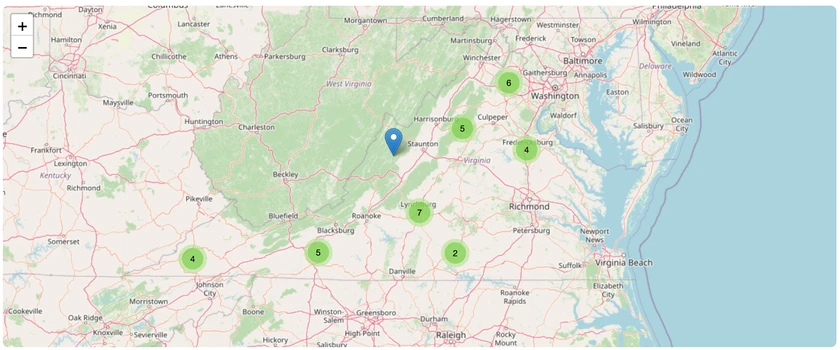
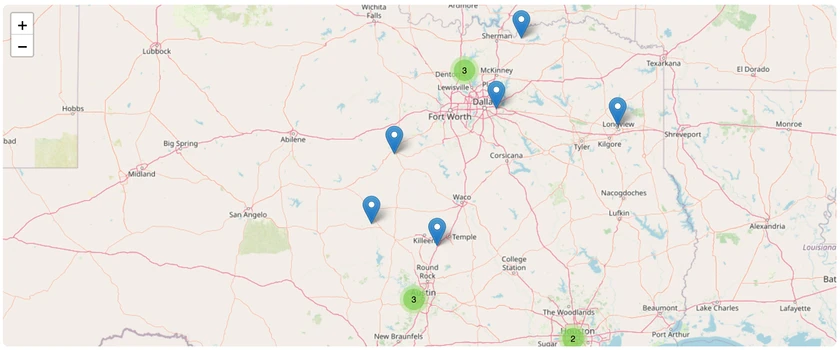
Browse listings, public profiles, breeders, or add your animal.
Where the name actually comes from
Almost every other color word in this hobby is a description. Sandfire is a proper noun that escaped.
Sandfire Dragon Ranch was the reptile breeding operation of Bob Mailloux, in Bonsall, in the north of San Diego County, California. The Seattle Times profiled it in October 1999, and the details in that piece are worth holding onto because they are contemporaneous rather than remembered. Mailloux had been breeding frogs as a hobby since about 1979. He met his first bearded dragon in 1982 and went on to build what the paper called the first large-scale breeding program in the United States. By 1999 the ranch was producing between 2,000 and 4,000 bearded dragons a year, with plans to reach 10,000, and was distributing 75,000 to 100,000 crickets a week.
What that article does not do is explain the color. For that, the clearest published account is the memorial the Museum of Aquarium and Pet History published for Mailloux, written by Gary Bagnall. It records that Mailloux set the operation up with Philippe de Vosjoli, that it “was the first lizard breeding farm to popularize the bearded dragon, taking it from an obscure, hard-to-find lizard to a common pet,” and, in one sentence, the origin of the term: “Bob also selectively bred bearded dragons for their red color, hence the ‘Sandfire’ color phase.”
Two honest caveats about that source. It is a memorial written by a colleague, not a technical record, so treat it as testimony about what happened rather than as a description of a breeding method. And it does not resolve whether the operation was named for the color or the color for the operation. What it does establish, from someone who was there, is that the word attached to deliberately selected red animals from one project.
The same Seattle Times piece records that Mailloux co-wrote books on bearded dragons and helped establish a magazine called Vivarium. That is worth knowing for one reason: the animals and a good deal of the early published husbandry came out of the same operation, at the moment the species was becoming a mainstream pet. A line name that starts in that position does not stay attached to its line for long.
What the word means now, and what it does not
Here is the part a buyer needs. A dragon sold as sandfire today is not necessarily descended from that project. There is no governing body for bearded dragon color names, no written standard, and no studbook. Nothing stops any seller anywhere from applying the word to a warm-colored animal, and nothing marks the difference between a breeder who can trace the ancestry and one who is describing a shade.
That is not automatically dishonesty. It is what happens when a founder’s line name becomes the general word for a look, which is a thing that happens to successful lines in every kind of animal breeding. But it does mean the word carries two different meanings in the same listings, and only one of them is checkable:
- Sandfire as a description. “This dragon is warm orange to red.” Verifiable by looking, with the caveats in the next section.
- Sandfire as a provenance claim. “This dragon descends from that line.” Verifiable only by written parentage, and worth nothing without it.
If a seller means the first, they can say so and the animal will speak for itself. If they mean the second, the reasonable question is which animals, in which generation, and what was written down. A seller who can answer that is telling you something real. A seller who treats the question as rude is telling you something too.
Creatures files sandfire as a category under bearded dragon because that is how buyers search, and because the alternative, refusing to index a word that ranks, does not help anyone find an animal. The category is a search term, not a claim about ancestry.

Line, morph, and species: getting the three words right
These three words get used interchangeably in listings and they mean genuinely different things.
Species is the animal. Every sandfire dragon is Pogona vitticeps, the central or inland bearded dragon. The genus holds several other species, and color-line names belong to this one. Ask a seller which Pogona they are selling. It is a fair question and the answer is diagnostic of how much else they know.
Morph. Hobbyists use “morph” loosely. Here we distinguish discrete, single-locus trait morphs from selectively bred polygenic color lines, and the two are tracked separately. A trait morph is a heritable appearance that breeders pair and predict as a discrete trait: leatherback, translucent, hypomelanistic, dunner, witblits, zero. You can look at the animal and read the trait off it, and clutch outcomes follow ratios.
Line is a population one breeder built by selecting for something over generations. Sandfire is a line. So is any breeder’s house project. Selection like that is real, it works, and it is heritable, but it does not produce clean ratios and it does not travel intact. Pair two excellent sandfire dragons and the clutch will range rather than match, which is why a photograph of the brightest sibling tells you what the line can produce and not what your animal will look like.
The practical consequence: a line claim cannot be validated from the animal, only from the paperwork. That is the opposite of a trait morph claim, and it is the single most useful thing to carry into a purchase.
Where sandfire sits against its neighbors is a question of vocabulary rather than biology. Red and orange are plain descriptions of a shade. Citrus is the yellow end of the same selective effort, and the citrus page covers how these color words stack with the trait lines in detail. Wild type is the unselected starting point. German giant is a size line rather than a color line and can sit alongside any of them. A listing that reads “sandfire red hypo tiger” is stacking one line name, one shade, one trait and one pattern word, and each of the four is a separate question.
What the genetics record actually says
Very little, and being precise about that is more useful than repeating hobby genetics.
For a lot of bearded dragon traits the published record is simply empty. The most recent work on the genetics of reduced pigment in squamate reptiles, Beaudier, Ullate-Agote and Tzika in Genetics (2025), identifies TYR, SLC24A5 and OCA2 as the genes behind hypomelanistic morphs. It validated them in corn snakes and leopard geckos. Searching the full text for “Pogona”, “bearded dragon”, “vitticeps” and “agamid” returns nothing: the species was not sampled at all. So when a listing says a sandfire hypo carries a simple recessive, that is breeder practice, and it may well be right, but the peer-reviewed record does not carry it.
One bearded dragon morph has been characterized properly, and it is not a color. Di-Poi and Milinkovitch, in Science Advances, traced the scaleless bearded dragon to an in-frame deletion of 14 amino acids in the most conserved motif of the EDA protein, and confirmed that scaleless dragons are homozygous for a codominant mutation, with those homozygous animals also lacking femoral glands and showing reduced dentition. That is what a documented morph looks like. Nothing comparable exists for red.
As for the red pigment itself, the nearest evidence comes from a relative rather than from this species. In frillneck lizards, another Australian agamid, McLean and colleagues found that red frills owe their color to a higher proportion of ketocarotenoids relative to both dietary yellow carotenoids and to self-synthesized pteridine pigments, and that red frill skin showed higher expression of genes associated with carotenoid metabolism. Their own framing is the interesting part: they describe this as unlike other squamate reptiles, where red is more often built from pteridines the animal makes for itself. That study used the bearded dragon genome as its comparison reference, so the two species are close, but no equivalent pigment analysis has been published for Pogona vitticeps.
Which leads to a claim worth cutting off before it costs anyone money. There is no published evidence that feeding a bearded dragon carrots, paprika, or a carotenoid supplement makes it redder. The mechanism is plausible in a species whose red is carotenoid-based, and it is well established in fish, but it has not been tested in this species, and if bearded dragon red is built mainly from pteridines then diet would not be the lever at all. Feed for health rather than for hue, and treat any color-enhancing claim as unproven. Any change to a dragon’s diet on medical grounds belongs to a reptile-experienced veterinarian.
Why the red you see is not a fixed property of the dragon
Bearded dragons change color, and the research on how they do it is unusually good. Three findings change what a buyer should expect.
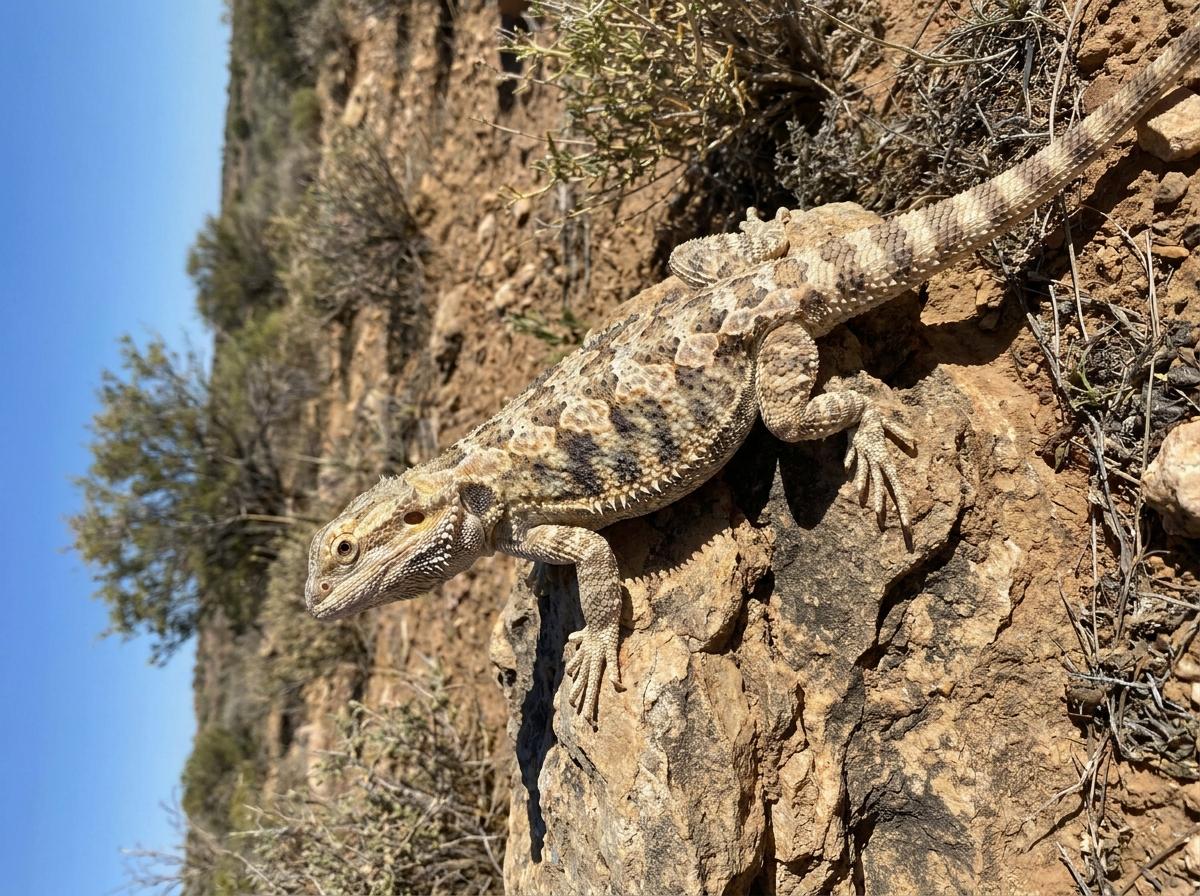
They match their background more than they match their temperature. Smith and colleagues radio-tracked wild Pogona vitticeps and published the results in The American Naturalist. Their finding: individual color “correlates strongly with background color and less strongly, but significantly, with temperature,” and they conclude that wild dragons “predominantly adjust for camouflage,” on the reasoning that compromising camouflage carries the greater immediate survival cost. Temperature moves color too, and the citrus page covers that thermal side in detail, but background is the stronger effect.
For anyone judging a listing photo, that is the whole ballgame. A dragon photographed on red desert sand and the same dragon photographed on grey slate are not going to read as the same animal. Neither picture is a lie. Ask for the animal on a plain neutral surface, and compare like with like.
Where a line came from changes the color it settles at. Cadena, Smith, Endler and Stuart-Fox tested two wild populations at the extremes of the species range in the Journal of Experimental Biology: Alice Springs, on red-orange desert sand, and Mildura, on yellow-cream sand. Both populations changed color across backgrounds by a similar amount, but at the endpoints of that change “each population showed greater similarity to backgrounds that were representative of the local habitat,” which the authors read as local adaptation to visual backgrounds. Two things follow. Warm red-orange coloration is native to this species in part of its range rather than being purely a captive invention. And color-changing ability and baseline color are separate things, so an animal is not simply “a red dragon” but a dragon with a range.
Color runs on a daily clock, not just on the thermostat. Fan, Stuart-Fox and Cadena held bearded dragons at a constant 30 degrees Celsius under four different photoperiods and reported the results in PLOS ONE. Dorsal reflectance followed an endogenous circadian rhythm of roughly constant amplitude, reaching its maximum during the dark phase and entraining to whatever light cycle the animals were given. Because the room was held at one temperature throughout, the authors note the rhythm is unlikely to be temperature driven.
Put those together and the practical rule is dull but reliable: judge a dragon’s color more than once, at the same time of day, under the same light, on the same neutral surface. Dated photographs in one place are the only honest way to see how an animal actually colors up. Age moves it further, since juveniles of a warm line are commonly muted and banded and take several months and several sheds to settle.

Care: standard for the species, with two things a color buyer should watch
A sandfire dragon needs the same enclosure, the same heat gradient, the same UVB, the same diet and the same veterinary attention as any other Pogona vitticeps. The full setup, with every number attributed, is in the Creatures bearded dragon care guide. The headlines:
- Space. The RSPCA’s minimum for one adult is a vivarium 120 cm long by 60 cm high by 60 cm wide, and it says to house bearded dragons separately.
- Heat, as a gradient. The RSPCA describes a hotter bright end at 38 to 42 degrees Celsius falling to a cooler shaded end at 22 to 26, with night not dropping below 20 to 22. NC State’s veterinary hospital gives a daytime range of 75 to 85 degrees Fahrenheit with a basking spot at 88 to 100. Measure it rather than trusting a dial.
- Burn prevention. The RSPCA is specific that the bulb needs a wire mesh guard and that the dragon’s back should not get closer than 25 to 30 cm to the lamp. NC State warns separately that under-tank heat mats may cause thermal burns, and the Merck Veterinary Manual notes that burns in reptiles are generally associated with unscreened incandescent lights or other heat sources.
- UVB that reaches the animal. NC State is blunt that UV rays cannot pass through glass or plastic, so nothing goes between the bulb and the dragon, and that bulbs should be replaced every 6 months even if the light is not burned out. Site the basking surface under the lit span of the tube rather than past its end, or the animal has to choose between heat and UVB.
- Furnishing. A hide at each end so the animal feels secure at both temperatures, something to climb, and a large shallow dish of clean fresh water at the cool end.
- Substrate. NC State takes the conservative line: do not use sand, including biodegradable calcium-based sands, and do not use wood chips or gravel, because bearded dragons will eat bedding made of small particles. It recommends newspaper, paper towels or reptile carpet, and adds that insects should always be fed in a dish to avoid ingestion of substrate. The RSPCA allows reptile-safe play sand for healthy adults but calls calci-sand dangerous, because in an incorrect environment it can clog the digestive tract and cause a blockage. Flat slate or stone tile satisfies both positions.
Now the two things specific to buying a color line.
Substrate is a color decision as well as a safety one. Given that these dragons background-match, the floor you choose changes how your animal looks day to day. A keeper who wants to see the color they paid for and also wants a substrate both cited authorities accept ends up in the same place: flat tile or slate, in a neutral tone, with the animal’s true color visible against it rather than pushed toward it.
A dull dragon is often a shedding dragon, not a disappointing one. Merck lists low humidity, external parasites, nutritional deficiencies, infectious disease, lack of suitable abrasive surfaces and reduced thyroid function among the causes of dysecdysis, or abnormal shedding, and warns that retained bands on the tail or toes are a common form of it. A retained shed flattens color completely, and a constricting band around a toe is a genuine injury rather than a cosmetic problem. Judge color on a recently shed animal, and take retained shed to a veterinarian rather than pulling at it.
One thing that does not apply here, despite applying to some other color lines. The RSPCA gives a lower UVB ceiling, a gradient from zero in shade to a maximum of 3.0 in the basking zone, for low pigment morphs such as albinos. A sandfire is a normally pigmented and often heavily pigmented animal, so the standard 3.0 to 5.0 basking target applies. If the animal you are looking at is a sandfire stacked with a visibly low pigment trait, that is a different conversation, and the citrus page works through it.

What actually goes wrong
Two problems belong in a buying guide for a color line specifically, because both are things you can inherit from a seller rather than cause yourself.
Yellow fungus disease. This is the disease that most deserves a mention on a page about color, because it presents on the skin. Washington State University’s Veterinary Teaching Hospital describes it as caused by Nannizziopsis guarroi, showing as yellow to brown crusted skin, thickened or swollen scales and rough or flaky patches. WSU is direct about three things a buyer should weigh: the fungus can spread between reptiles, poor husbandry increases risk, and the prognosis is “often guarded to grave,” with recurrence common and early intervention improving survival. Treatment can run to surgical removal of infected tissue plus months of systemic antifungal medication. Its advice is to isolate infected reptiles immediately and to quarantine every new reptile before introducing it to animals you already keep.
There is a further reason quarantine matters. Dalen and colleagues, writing in Animals in 2026, cultured viable N. guarroi from bearded dragon housing environments before any skin lesions appeared, in four of six enclosures, 7 to 28 days ahead of the first visible sign. In other words, an enclosure can be seeded while its occupant still looks perfectly healthy, and a clean-looking animal is not proof of a clean collection. Ask directly about the health history of the whole collection, quarantine anything new, and disinfect rather than just tidy.
Metabolic bone disease is one of the most common preventable diseases in captive bearded dragons, and it is decided by lighting and diet rather than by color. Washington State University’s Veterinary Teaching Hospital calls it one of the most common and preventable diseases in pet bearded dragons, typically caused by calcium deficiency, inadequate UV-B lighting, improper diet, or a combination of those. The care guide sets out the sourced detail, and the short version is that UVB output falls long before a lamp stops making visible light, so replace it on a schedule.
One more that is about you rather than the dragon. Bearded dragons can carry Salmonella while looking completely healthy, and this is not hypothetical. A 2025 report in the CDC’s MMWR describes a reoccurring Salmonella Cotham outbreak linked to pet bearded dragons across 14 states during 2024: 27 cases, 10 of the 24 patients with confirmed illness hospitalized, no deaths reported, a median age of 1 year among the 26 cases whose age was known, and 17 of those 26 patients children under 5. The CDC’s advice is to restrict reptiles from roaming freely, keep reptiles and their supplies away from food preparation areas, and wash hands and change clothes after handling a reptile before holding infants and young children.
Every medical decision here belongs to a veterinarian who can examine the animal, ideally one with reptile experience. A lizard that is lethargic and off its food has told you something is wrong. It has not told you what.
How to check a line claim before you buy
Everything above reduces to one asymmetry. You can verify the color yourself, with care. You cannot verify the ancestry at all unless someone wrote it down.
So the questions split into two groups.
On the animal, which you can judge:
- Health and structure first. Bright eyes, an alert head-up posture, a firm rounded tail base rather than a hollow one, straight limbs and jaw, a clean vent, and a dragon that responds to you. Any soft or swollen jaw, twitching, tremor, or inability to lift the body when walking is a reason to stop and consult a veterinarian rather than to negotiate.
- Skin, specifically. Crusted yellow or brown patches, thickened scales, rough flaky areas, or retained shed around the toes and tail tip.
- Color, judged properly. On a neutral surface, at a stated time of day, at a stated age, on a recently shed animal, and ideally more than once.
- Which species. It should be Pogona vitticeps.
On the line, which only records can answer:
- What does sandfire mean in this listing? A description of the shade, or a claim of descent? Both are legitimate. Being told which one is not optional.
- Who are the parents, and what did they look like at this animal’s current age? The second half of that question is the one that predicts what you are buying.
- What is written down? Hatch date, clutch, sire and dam, and how color developed month by month. A breeder who keeps this has evidence. A breeder who does not is asking you to take the word on trust.
- What was it raised under? Enclosure size, basking surface temperature, UVB lamp type and last replacement date, substrate.
- What else is stacked on it? Hypo, translucent, leatherback, dunner, tiger. Each has different consequences, and reduced scalation in particular changes what the animal’s skin can do.
- What is the collection’s health history? Including whether it has ever had yellow fungus disease or adenovirus, and what quarantine looks like for new stock.
This is also the argument for keeping your own records from day one rather than starting when something goes wrong. Dated weights, shed dates, UVB change dates and monthly color photographs turn an unverifiable word into an animal with a documented history, and if you ever breed or sell, that history is what lets the next owner believe you. You can add records against an animal on Creatures for weights, sheds, feeding and veterinary visits. The record sheet opens for any visitor to look at, and saving what you enter needs a free account.
What one costs, and where they turn up
Sandfire dragons are captive bred, and price tracks color intensity, the traits stacked with it, the breeder’s reputation and how well the individual animal actually shows the color. There is no reliable published price for a sandfire bearded dragon and no registry that grades them, so any single number you read is one seller’s ask rather than a market rate. Expect a plainly marked sandfire to sit above a normally colored dragon from the same breeder, and expect stacked animals to climb from there. It is also worth noticing that a documented pedigree, which is the only thing that makes the line half of the name real, is usually not what the price is being set on. The general purchase and setup arithmetic is in the Creatures guides on what a bearded dragon costs and where to buy one.
Supply is clutch driven rather than continuous, and a particular combination may simply not exist this month. That makes a standing alert more useful than repeated searching.
Frequently asked questions
Is a sandfire bearded dragon a different species?
No. It is a central bearded dragon, Pogona vitticeps, the same species as a normally colored one. Sandfire names a captive color line, not a species or a subspecies.
Is a dragon sold as sandfire actually related to the original Sandfire line?
Not necessarily, and usually there is no way to tell from the animal. The name began with Bob Mailloux’s Sandfire Dragon Ranch in California, but no registry or standard controls it, so any seller may use it. Treat it as a description of color unless someone can show you written parentage.
What is the difference between sandfire, red, and orange?
Mostly who is doing the naming. Red and orange describe a shade. Sandfire began as a line name and is now often used as a shade word too. Compare the actual animals, on a neutral surface, rather than the words.
Why does my sandfire look duller than the photo I bought from?
Several ordinary reasons. Wild bearded dragons match their background more strongly than they match temperature, so the surface an animal is photographed on changes how it reads. Color also follows a daily rhythm, measured under constant temperature, so the same dragon differs morning to evening. A dragon that is cool, freshly woken, stressed or mid-shed is a duller dragon, and juveniles of a warm line commonly color up over several months and several sheds.
Can I make my dragon redder by feeding carrots or a color enhancer?
There is no published evidence for it in this species. Work on a related Australian agamid found red came from ketocarotenoids rather than from self-made pteridine pigments, which is at least a plausible mechanism, but that study was on frillneck lizards and no equivalent has been published for bearded dragons. Feed for health, not for hue, and take diet questions to a reptile-experienced veterinarian.
Is a sandfire harder to care for than a normal bearded dragon?
No. Enclosure, heat, UVB, diet and veterinary needs are those of any Pogona vitticeps. The RSPCA’s lower UVB ceiling for low pigment morphs such as albinos does not apply to a normally pigmented sandfire, which takes the standard basking target. What can change the picture is a trait stacked with the color, such as reduced scalation.
Do sandfire bearded dragons live as long as normal ones?
Color selection itself carries no known effect on lifespan. Published captive ranges vary by source, from NC State’s 7 to 10 years up to the RSPCA’s usually 10 to 15 years or more, and the Creatures bearded dragon lifespan guide sets the sources against each other. What does change the number is husbandry.
Do this next on Creatures
Whether you are working out what sandfire means in a particular listing, hunting for a specific combination, or already keeping one, Creatures is the records, marketplace and directory layer to do it in one place.
Give the line claim something to rest on. Create a free animal profile and keep the parentage, hatch date, shed dates, weights and color history in one place. No account needed to start, and the walkthrough is in adding an animal to Creatures. Your animal’s profile page explains what each tab holds.
Track weights, sheds and vet visits. Add a record against your dragon. The record sheet opens for any visitor to look around, and you will need a free account to save what you enter. See adding a record and health and medical records for the how-to.
Do not miss the UVB replacement. Output falls long before the lamp goes dark, so put the change date somewhere that will remind you. Reminders and upcoming care covers how.
Find stock. Browse sandfire bearded dragons on the marketplace and search trusted breeders and keepers in the Creatures directory.
Get alerted. Color lines come and go with clutches, so set a free sandfire bearded dragon listing alert and Creatures will tell you when one is posted. No account needed to start, and saving searches and using your watchlist explains how alerts and the watchlist fit together.
List your project. Breeding a warm line and able to show the parentage? Create a breeder profile so buyers who care about that can find you, and read getting listed in the breeder directory first.
Go deeper. The full setup, with every number attributed to a named source, is in the Creatures bearded dragon care guide. Comparing warm lines? The citrus page covers the yellow end and how the trait lines stack. Naming a new arrival? Try the bearded dragon name generator.