


Norwich Canary
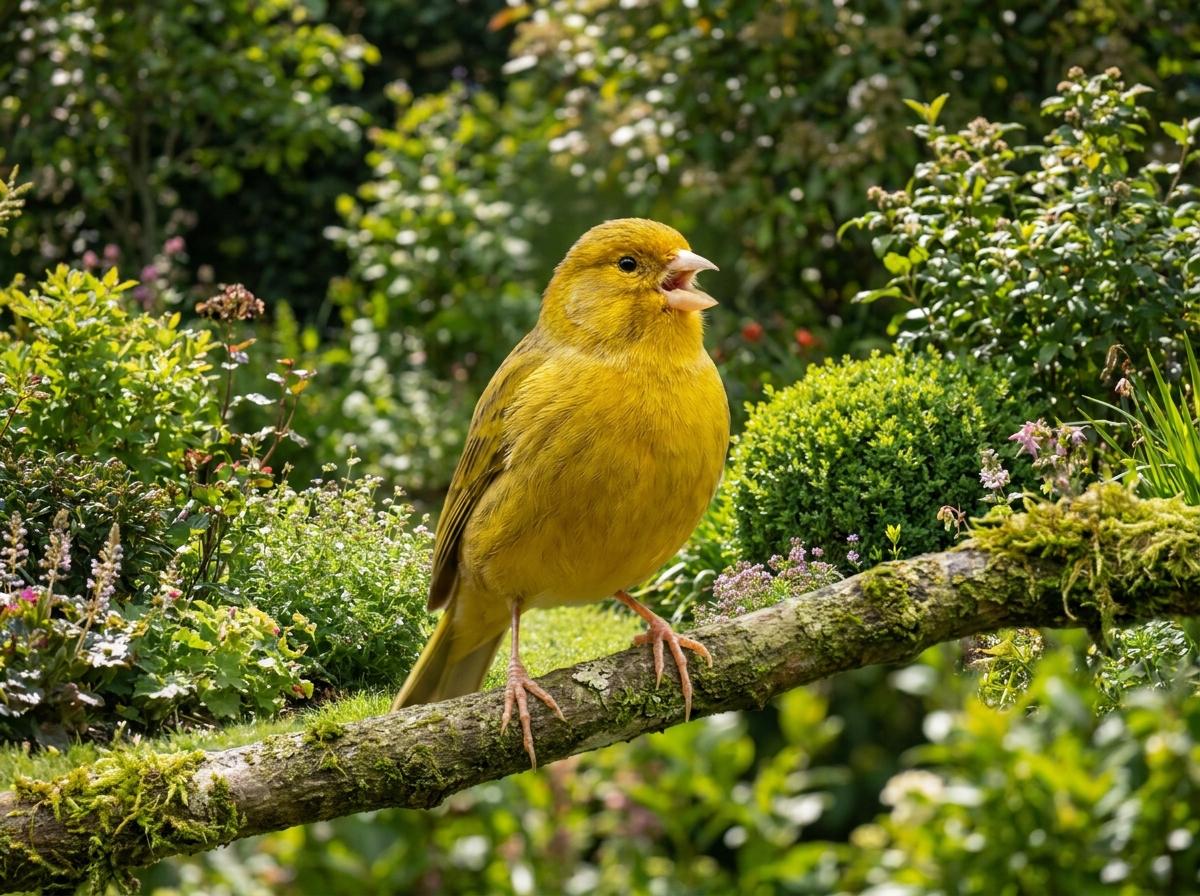
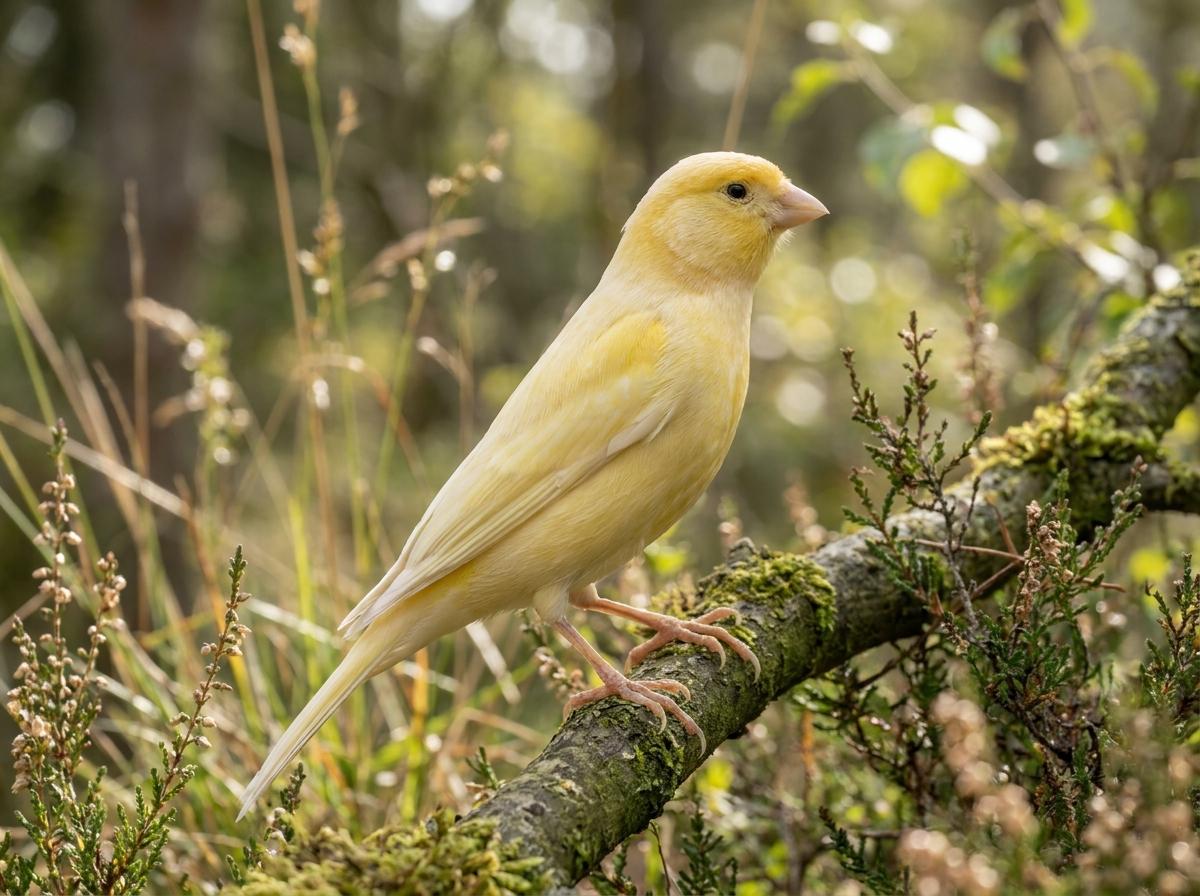
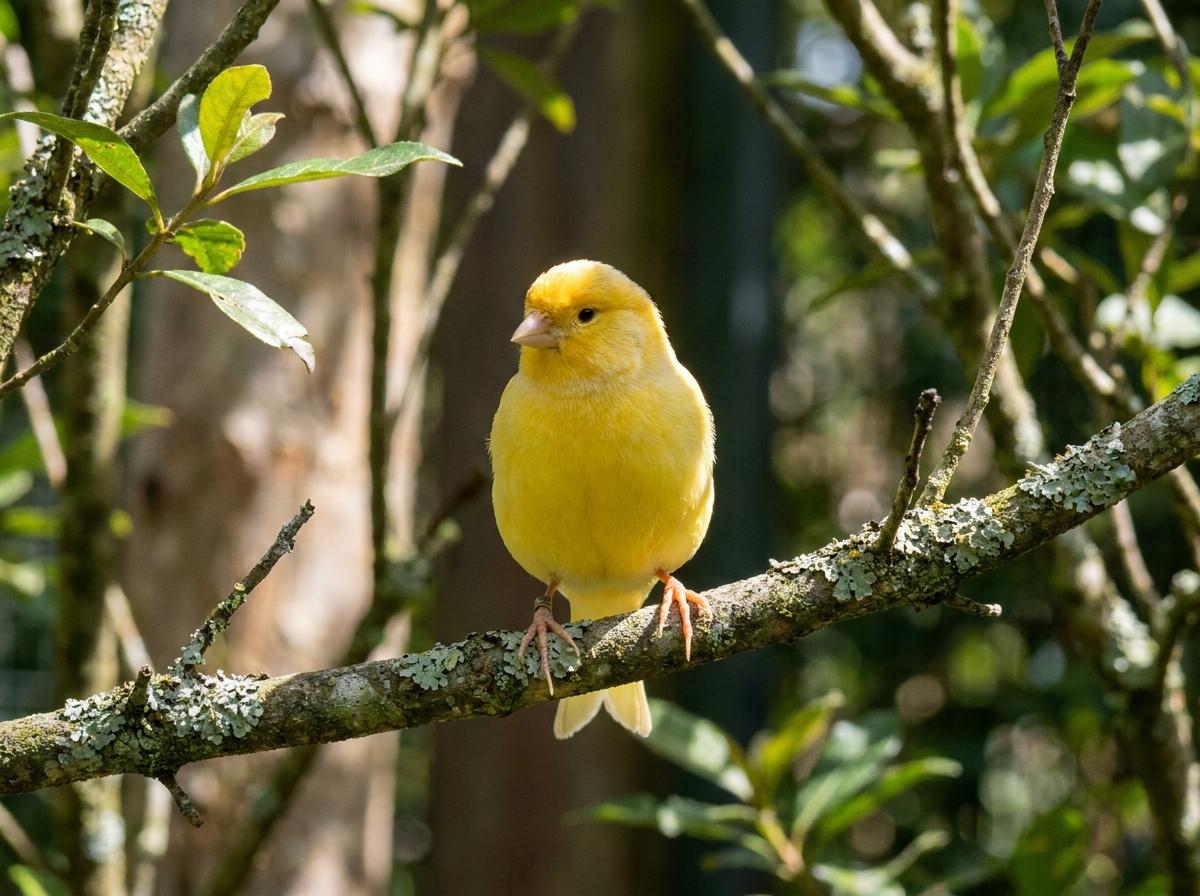
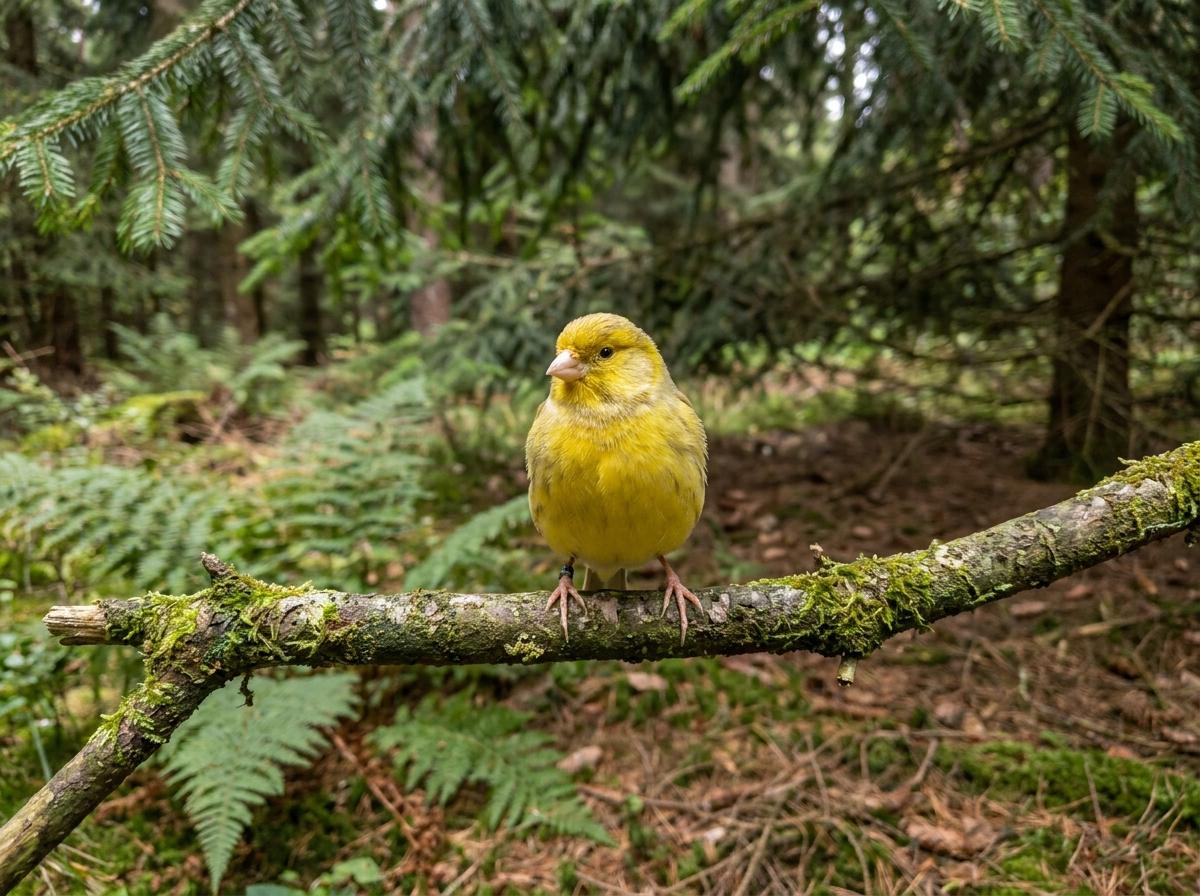
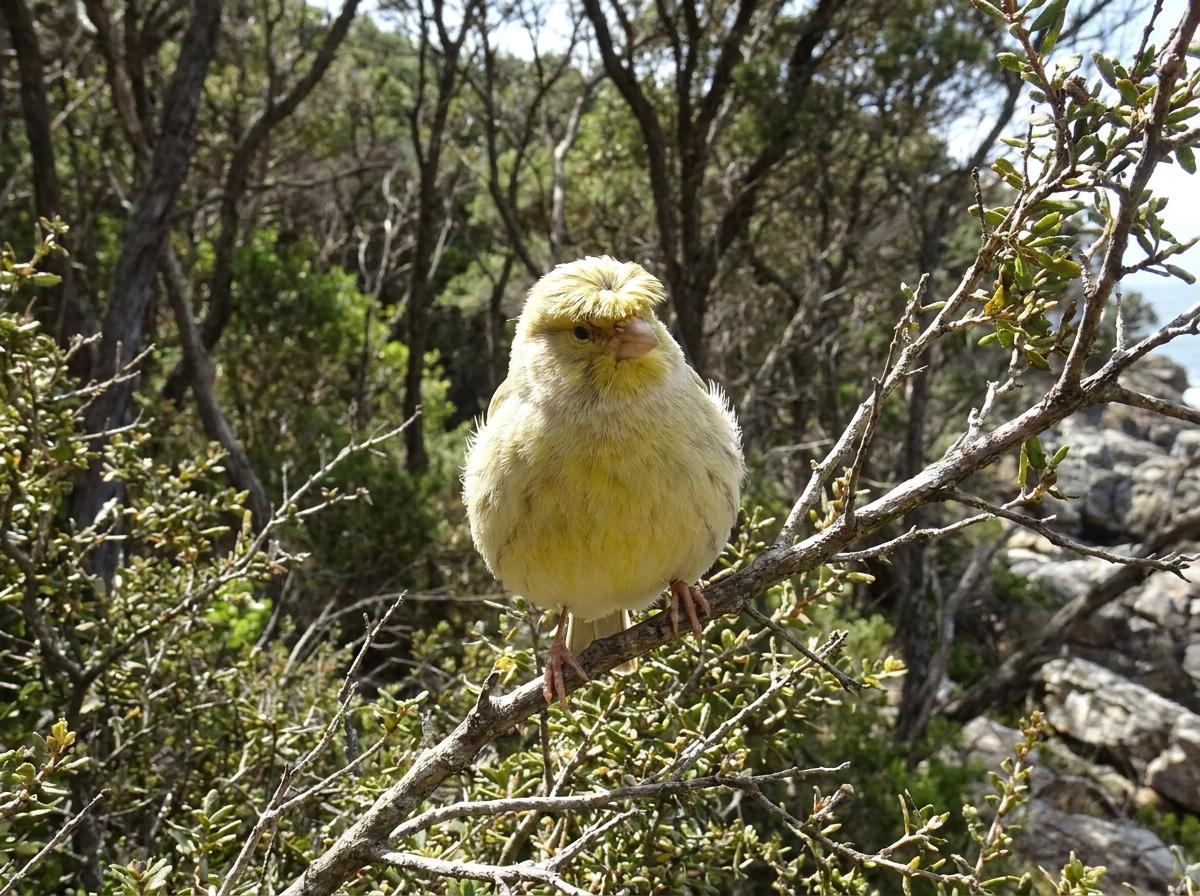
The Norwich canary is a large, stocky, heavily built British “type” canary, prized for a short, cobby, rounded body, a broad full chest, and a broad rounded head, all wrapped in dense, soft plumage that gives it a chunky, bullish outline. It is one of the oldest and most recognizable canary breeds, developed in and around the city of Norwich in England, and it is bred for shape and size (a “type” canary) rather than primarily for song. Its old nickname, the “John Bull of canaries,” captures the look exactly: stout, robust, and round. Below you will find what the breed is, where it comes from, how to tell it apart from other canaries, the famous show practice of color feeding, how it behaves, what it costs, and how to care for one, with links to related canary pages and a deeper set of tools at the end.

Browse listings, public profiles, breeders, or add your animal.
What is a Norwich canary?
The Norwich is a domestic canary (Serinus canaria domestica), one of the many breeds people have developed from the wild Atlantic canary over several centuries of captive breeding. What makes the Norwich distinctive is that it belongs to the group fanciers call “type” canaries: birds selected for a specific body shape and posture rather than for a particular song or a particular color pattern. A Song canary such as the Roller is judged by ear. A Norwich is judged by eye.
That eye-first standard is why the Norwich looks the way it does. Show standards describe a bird that is large and substantial, with a bold, chunky, rounded body, a broad chest, a broad and rounded head, and dense, soft, abundant plumage that fills out the whole silhouette into something round and full. The body is meant to be short, plump, and very rounded, a shape the fancy calls “cobby.” Put simply, a good Norwich looks heavy, blocky, and bullish rather than slim and slender. If you are still comparing canary breeds, the Creatures canary species page is a good place to line the Norwich up against the others.
One point of confusion is worth clearing up right away. You may have seen a chunky canary with a neat cap of feathers falling over its head and heard it called a “Crested Norwich.” Today that crested form is registered as its own breed, the Crest (and its plainhead partner, the Crestbred), which grew out of the same stock. The Norwich you meet in most modern listings is the plainhead: a smooth, un-crested, broad-headed bird. We cover that split in more detail below.
Origin and history
The Norwich takes its name from the city of Norwich in Norfolk, England, where it was developed. Canaries reached the area with Flemish weavers and refugees who settled in the region from the sixteenth and seventeenth centuries onward, and canary keeping became a popular home hobby among those weaving families. Kept close in the home for company and song, the birds were then bred selectively over generations, and the Norwich district gradually produced a larger, rounder, more robust bird than the canaries being developed elsewhere in Britain.
By the middle of the nineteenth century the Norwich had become distinct and consistent enough to be treated as its own breed, and canary clubs and formal standards followed. A commonly cited milestone is an 1890 gathering of hundreds of breeders at the Crystal Palace in London, where an agreed “type” standard for the breed was set down. During the 1870s breeders also crossed the Norwich with the Yorkshire and Lancashire canaries to add size, and, in the crested lines, to build a fuller crest.
The nickname that has stuck to the breed comes from this era. Fanciers dubbed the Norwich the “John Bull of canaries,” after John Bull, the stout, ruddy, robust figure long used to personify England. It is a fitting label for a bird bred to be short, thick set, and full bodied.

How to tell a Norwich apart
Because so many canaries are yellow, color alone will not identify a Norwich. Shape does. These are the features that mark the breed.
- A short, cobby, rounded body. This is the single most diagnostic trait. The Norwich body is meant to be short, plump, and very round, with a broad chest and full shoulders, so the bird reads as heavy and blocky rather than long and slim.
- A broad, rounded head. The head is large and round, sitting on a thick, short neck. Combined with the full body, it gives the bird its bullish, “John Bull” look.
- Dense, abundant plumage. The feathering is soft and full, and it fills out the outline, adding to the rounded, chunky appearance. Buff feathered birds in particular carry a heavier, frostier plumage.
- Real size for a canary. At roughly 15 to 16.5 cm (about 6 to 6.5 inches), the Norwich is one of the larger type canaries, noticeably bigger and heavier than a small song or color canary.
- No crest on the plainhead. The everyday modern Norwich is a smooth headed (plainhead) bird. A crest signals the separate Crest breed, not a Norwich.
A useful contrast is the Border canary, another British type breed and a close relative in the show hall. The Border is smaller and prized for a neat, tidy, well proportioned outline, where the Norwich is deliberately larger, rounder, and heavier set. If you want a big, round, cobby bird, that is the Norwich. If you want a smaller, trimmer type canary, look at the Border. You can also compare the Gloster canary, a compact breed famous for its neat corona crest, and the Yorkshire canary, a tall, slim, upright bird, to see just how different “type” can mean from one breed to the next.
The crested Norwich and the Crest breed
The story of the crest is a good illustration of how canary breeds split apart. By the mid nineteenth century crested birds were turning up within several breeds, the Norwich among them. Crested Norwich birds were being exhibited by around 1879, and the crest quickly caught on with fanciers. Over time the crested line was developed and separated out into its own breed, now known simply as the Crest, with a matching plainhead partner (the Crestbred) kept to breed good crests. For a while only the crested side was being shown; classes for the plainheads were added once fanciers recognized they were essential to keeping the line going.
The practical takeaway for a buyer today is simple. If you want a Norwich, you are almost always looking for the broad headed plainhead. A crested bird of similar build is properly a Crest, a related but distinct breed, so it helps to ask the seller which one you are actually looking at.
Color and color feeding
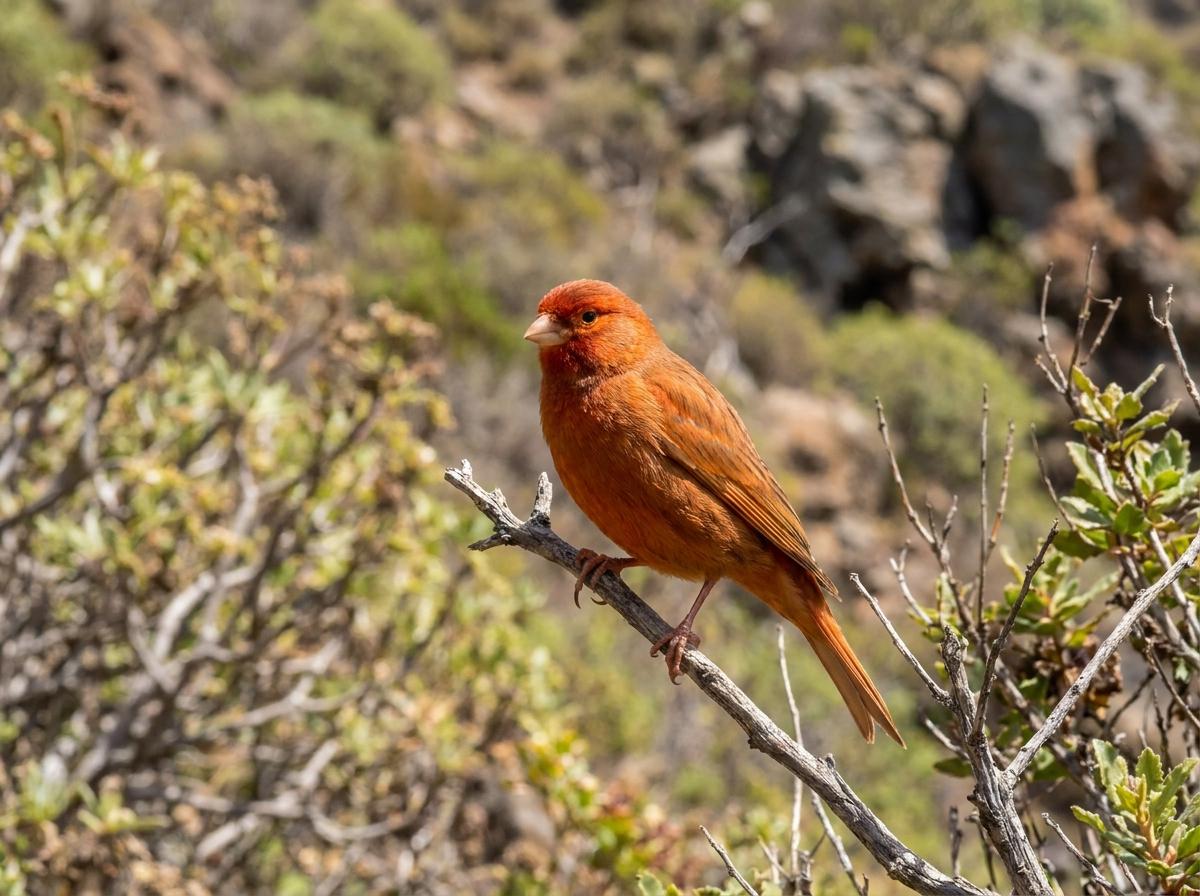
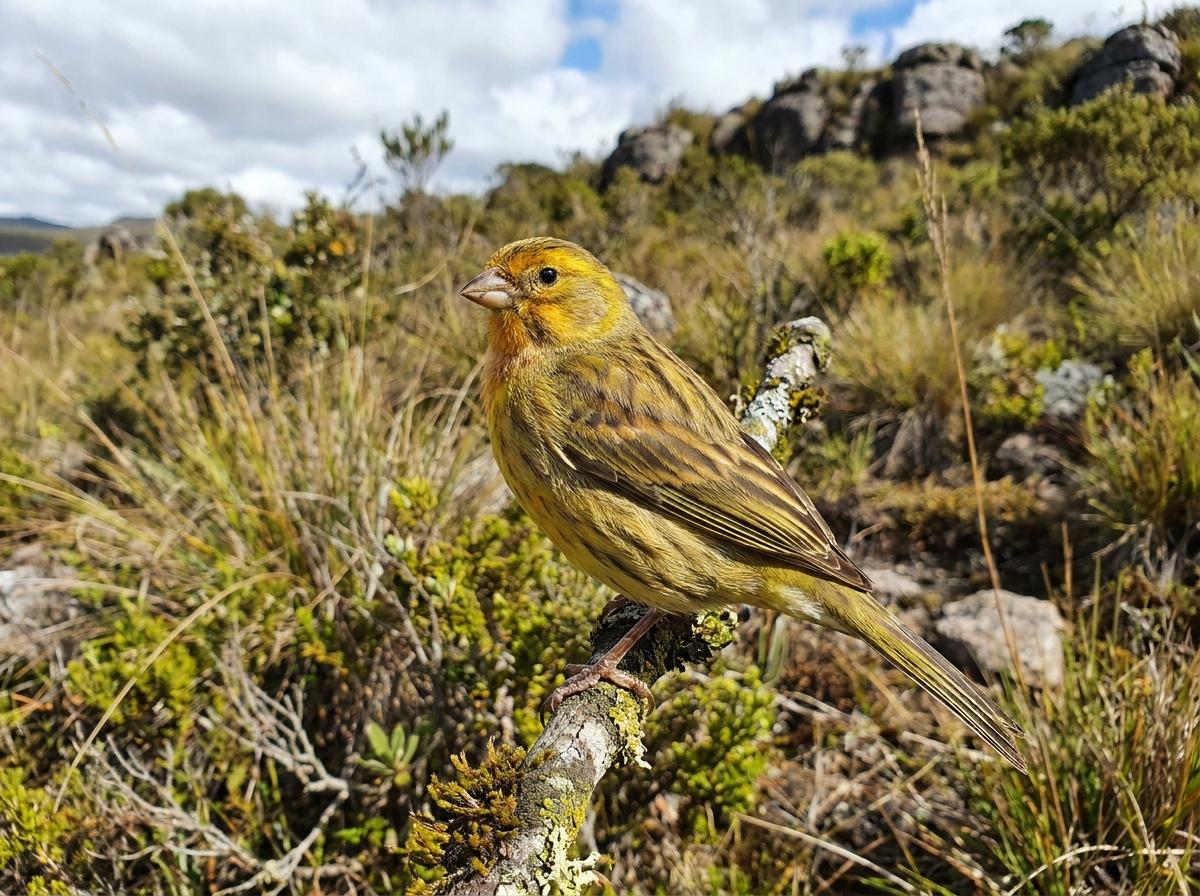
The Norwich is known for deep, rich color. Its classic look is a deep golden yellow, but the breed also appears in buff, cinnamon, white, green, and variegated (patched) forms, and it can carry orange to red tones. Here is where a famous and sometimes misunderstood show practice comes in: color feeding.
Canaries cannot manufacture red and orange pigments from nothing. Those colors come from carotenoids, pigments the bird takes in through its diet, carries in the bloodstream, and deposits into feathers as they grow. If a color fed diet rich in the right carotenoids is offered during a molt, when the bird is regrowing its feathers, the new plumage comes in far deeper and more intense. Traditionally breeders used naturally red carotenoid sources, and cayenne pepper became a well known color feeding aid in the Norwich fancy. Modern show breeders more often use standardized carotenoid supplements (canthaxanthin is a common one) to push a deep, even orange or red for competition.
A few honest points about color feeding. First, it only works while feathers are actually growing, chiefly during the molt, because you cannot recolor a feather that is already finished. Second, it changes the bird’s appearance, not its genetics: a color fed yellow Norwich is still genetically the same bird, just more intensely colored for the show season. Third, it is a show and hobby practice, and pigment products should be used sensibly and according to their directions. A pet Norwich kept simply for company does not need color feeding at all and will show its natural color on a good, balanced diet. If you have any doubt about a supplement, ask an avian veterinarian.

Do Norwich canaries sing?
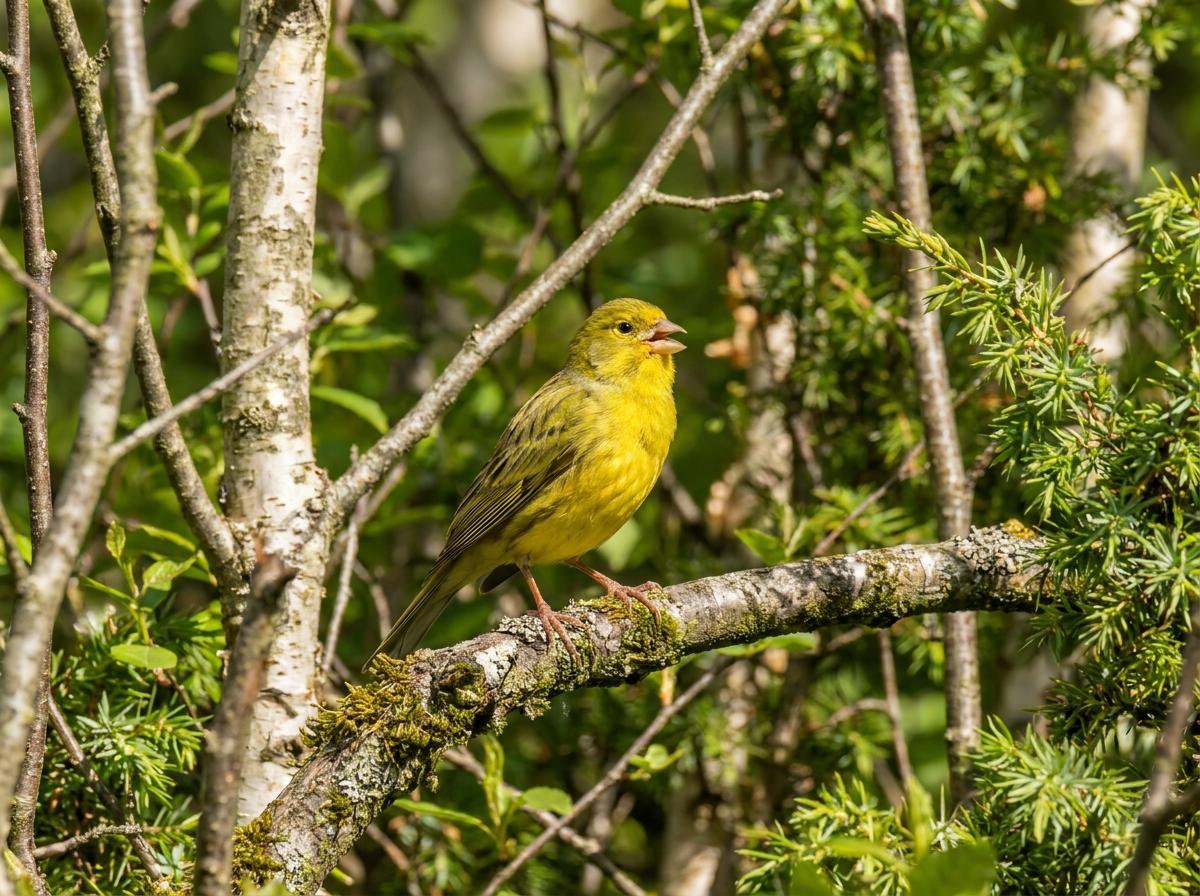
Yes, but with a caveat. Norwich canaries are canaries, and like other canaries the males sing. As a rule it is the cock birds that produce the sustained, warbling song; hens typically make shorter calls and chirps rather than a full song. What sets the Norwich apart from a dedicated song breed is what it was bred for. The Roller and other Song canaries were selected over generations specifically for the quality and structure of their song, and they are judged by ear. The Norwich was selected for shape and size and is judged by eye.
In plain terms: a male Norwich will usually sing pleasantly, but you are not buying a specialist songster the way you would with a Roller. If a rich, competition grade song is your main goal, a Song breed is the better match, and if a bold, round, showy bird is what you want, the Norwich delivers on looks. Many keepers happily enjoy both the appearance and the everyday singing of a cock Norwich without treating it as a show songster.
Temperament and keeping
Canaries in general are active, alert little birds that are usually kept for watching and listening rather than for handling, and the Norwich fits that pattern. They are not typically “cuddly” hands on pets in the way a hand raised parrot can be; most are happiest with a roomy cage or aviary, plenty to perch on, and a calm routine. That makes a canary, including the Norwich, a good choice for someone who wants a lively, singing, low contact bird rather than one that rides around on a shoulder.
They can be kept singly and will still sing, or in groups in a larger aviary, though during the breeding season cock birds can be territorial with each other, so pairings and space need thought. As with any bird, temperament varies with the individual and with how gently and consistently it is handled.
Care basics
A Norwich is a hardy little bird, but “hardy” is not “no effort.” The essentials below cover good general canary care. Treat this as an orientation, not a full medical manual, and take any specific health concern to an avian veterinarian.
Housing
Give a canary as much cage as you reasonably can, and favor width over height so the bird has room to fly from perch to perch rather than just hop up and down. General guidance for a single canary points to a cage on the order of a couple of feet in each dimension as a sensible minimum, larger if you can, and larger still for more than one bird. Provide several perches of varying diameter to keep feet healthy, keep the cage out of drafts and direct midday sun, and place it somewhere with a natural day and night light cycle, since day length drives molting and breeding behavior. A shallow dish for bathing is welcome; canaries enjoy a bath.
Feeding
The traditional canary diet is seed based, but a seed only diet is usually too limited on its own. A good modern approach is a quality canary seed mix or a formulated pelleted diet as the base, supplemented with fresh greens and vegetables (such as leafy greens, broccoli, and grated carrot) and small amounts of fruit, plus clean fresh water changed daily and a source of grit or a cuttlebone for minerals. Some foods are genuinely dangerous to birds and must be avoided entirely, including avocado, chocolate, caffeine, alcohol, and very salty foods. If you plan to color feed a show bird, that is a separate, molt timed practice layered on top of a sound everyday diet, not a replacement for it.
Health and molting
Canaries molt once a year, usually in late summer, and it is a demanding time: the bird regrows a full set of feathers, often sings less, and needs good nutrition and low stress to get through it well. Watch for the ordinary warning signs that a bird is unwell, such as fluffed up sitting, loss of appetite, labored breathing, or a change in droppings, and get an avian veterinarian involved early, because small birds hide illness and can decline quickly. Routine attention to clean cages, fresh food and water, and a stable environment prevents most everyday problems. Keeping simple records of molt timing, diet changes, breeding, and any health events makes it far easier to spot a pattern and to give a vet an accurate history.

Cost and where they fit
Norwich canaries are an established, widely kept breed, so they are not a rare or exotic purchase in the way some livestock breeds are. Price varies with quality, color, sex, and whether a bird is pet grade or show grade, and it also varies a good deal by region and by season (birds are more available after the breeding and molting season). Rather than quote a single figure that would be wrong somewhere, it is fair to say that a pet quality canary is generally an affordable bird, while a proven show line Norwich from a serious exhibitor costs more, sometimes considerably more, because you are paying for generations of selection toward the standard.
A few things affect what you should expect to pay and to get. Cock birds, which sing, often command more than hens. Color fed show birds and top exhibition lines sit at the higher end. And because “Norwich” is sometimes used loosely, it is worth confirming that a bird described as a Norwich actually has the breed’s build (the short, cobby, broad, un-crested type) rather than being a generic yellow canary. Buying from someone who knows the breed, and who can talk about their line, is worth more than chasing the lowest price.
Frequently asked questions
Why is the Norwich called the “John Bull” canary?
Because of its build. John Bull is the stout, robust figure long used to personify England, and the Norwich was bred to be short, thick set, broad, and round, so the nickname fits the breed’s heavy, bullish shape.
Is a Norwich canary a good singer?
Male Norwich canaries sing, and pleasantly so, but the breed was developed for shape and size, not for song. Dedicated Song breeds such as the Roller are the specialists if a rich, competition grade song is your main goal. Hens generally chirp and call rather than sing a full song.
Is the Norwich the crested canary?
Not the plainhead Norwich you will usually see. Crested birds that grew out of Norwich stock were developed into a separate breed now called the Crest (with a plainhead partner, the Crestbred). A modern Norwich is normally a smooth, broad headed bird with no crest, so it is worth asking a seller which one a given bird is.
What is color feeding, and do I have to do it?
Color feeding is offering a diet rich in red or orange carotenoid pigments while a bird is molting, so the new feathers grow in a deeper, more intense color. It is a show and hobby practice, it only works during feather growth, and it changes appearance, not genetics. A pet Norwich does not need it and will show its natural color on a good diet.
How big does a Norwich canary get, and how long does it live?
A Norwich is one of the larger type canaries at roughly 15 to 16.5 cm (about 6 to 6.5 inches). With good care canaries commonly live around 10 years, and some live longer.
How is the Norwich different from a Border canary?
Both are British type canaries, but the Norwich is larger, rounder, and heavier set (the cobby, “John Bull” build), while the Border is smaller and prized for a neat, well proportioned outline.
Do this next on Creatures
Whether you are choosing a first canary, hunting for a good show line Norwich, or already keeping a cage of them, Creatures is the records, marketplace, and directory layer to do it in one place.
Compare the breeds. See how the Norwich lines up against its relatives on the Creatures canary species page, the smaller Border canary, the crested Gloster canary, and the tall, slim Yorkshire canary.
Find a bird. Browse Norwich canaries on the marketplace and search trusted keepers and breeders in the Creatures directory. New to the marketplace? See saving searches and using your watchlist.
Get alerted. A good show line Norwich is not always in stock, so set a free Norwich canary listing alert and we will tell you when one is posted. No account needed to start.
Add your canary. Already keeping Norwich canaries? Create a free animal profile in a few minutes, no account needed to start. The walkthrough is in adding an animal to Creatures, and your animal’s profile page explains what each tab does.
Track molt and health. Track molt, diet, and health records on Creatures. The record sheet opens for any visitor to look around, and you will need a free account to save what you enter. See adding a record and health and medical records for the how-to.
List your birds. Breed or show Norwich canaries? Create a free breeder or aviary profile (no account needed to start) so buyers can find you, and read getting listed in the breeder directory.
If you keep or show canaries, you can also list your aviary in the Creatures directory so buyers searching for this classic British breed can reach you.