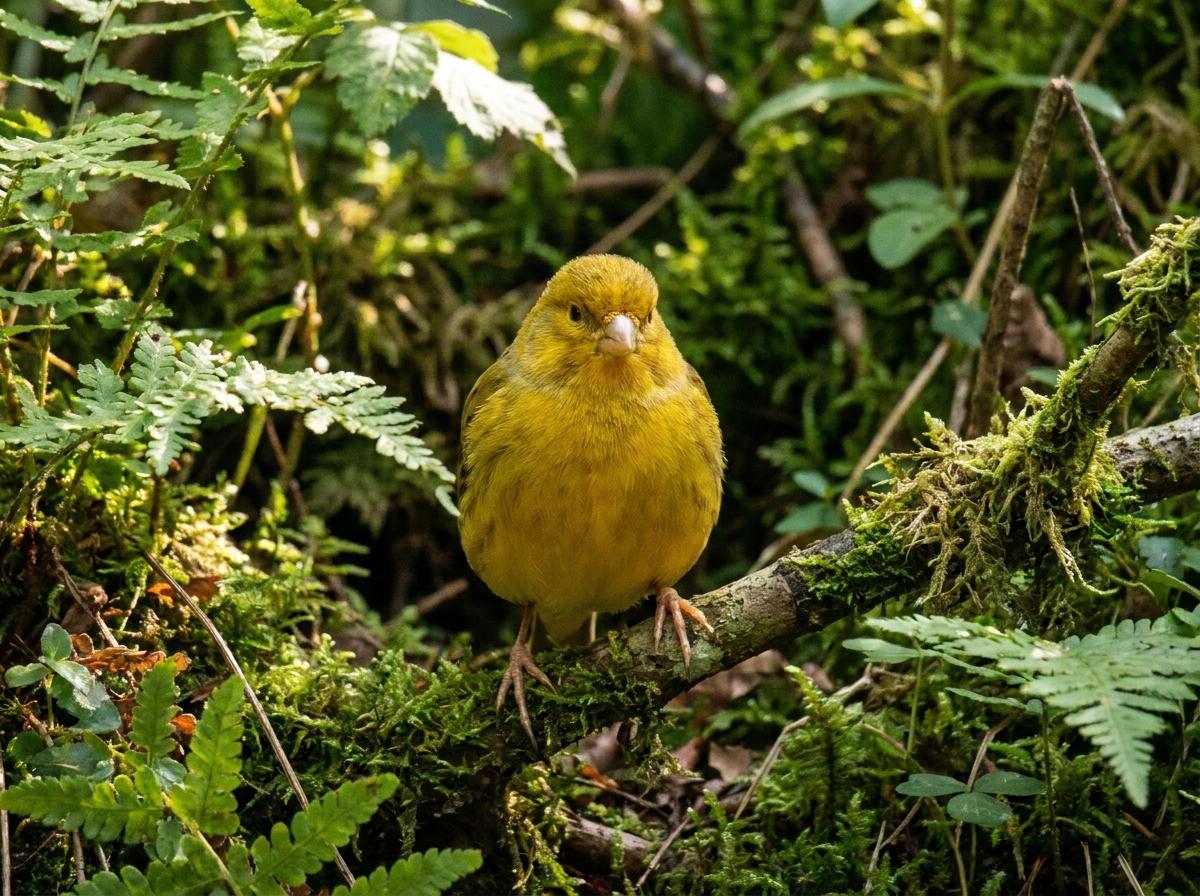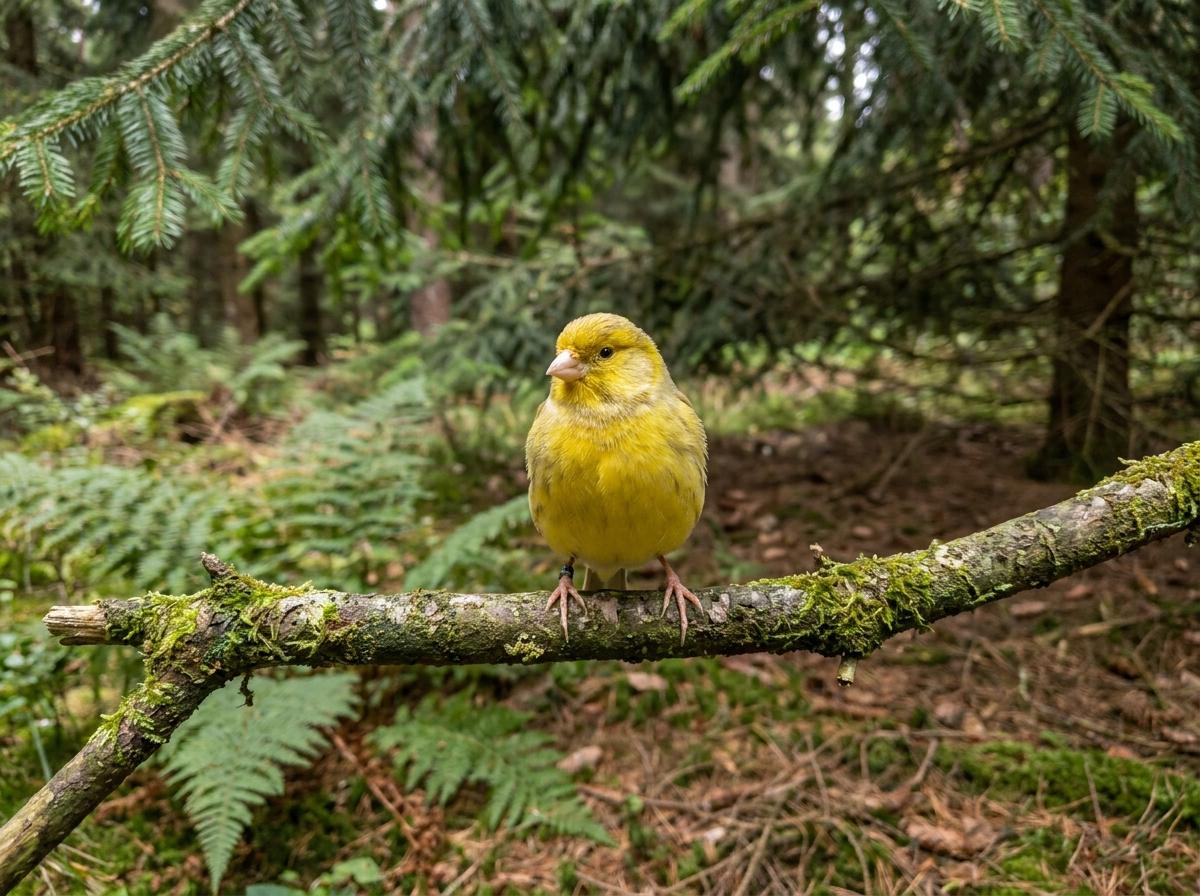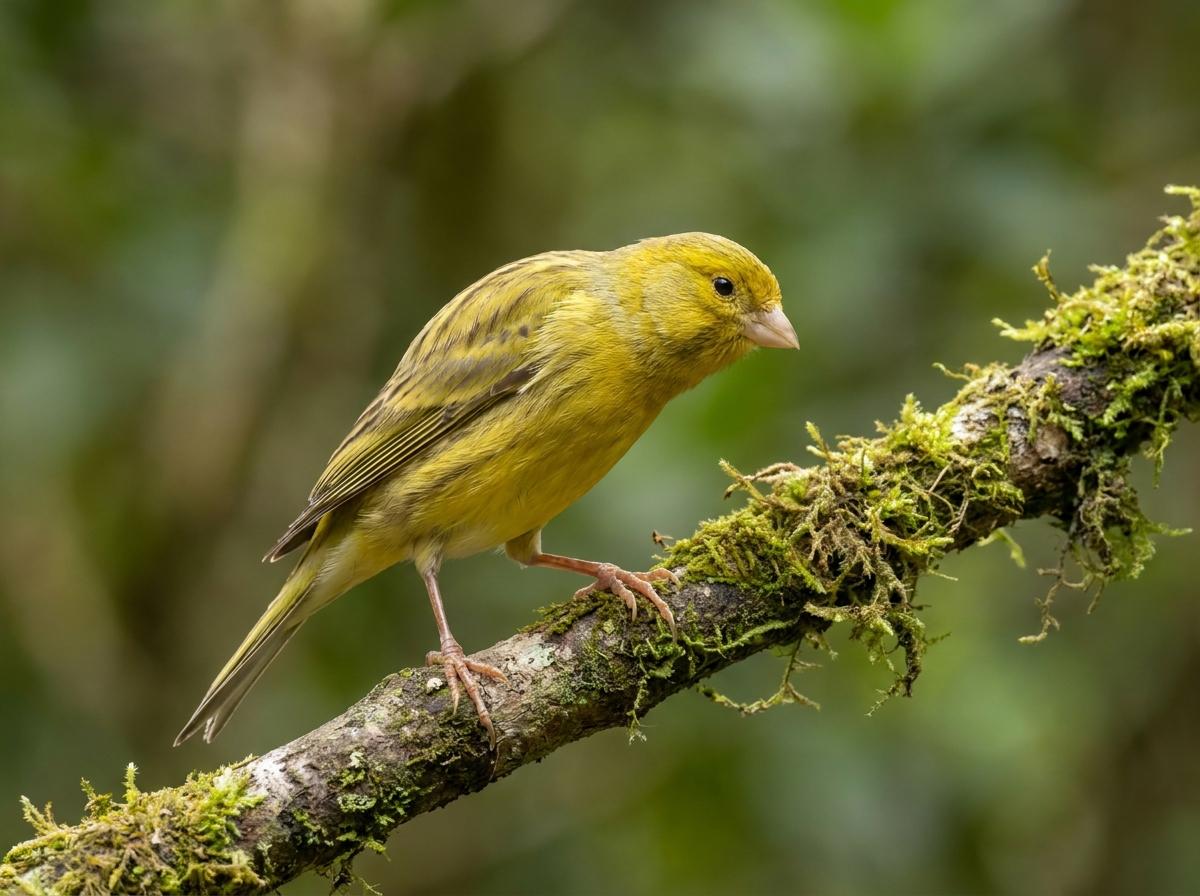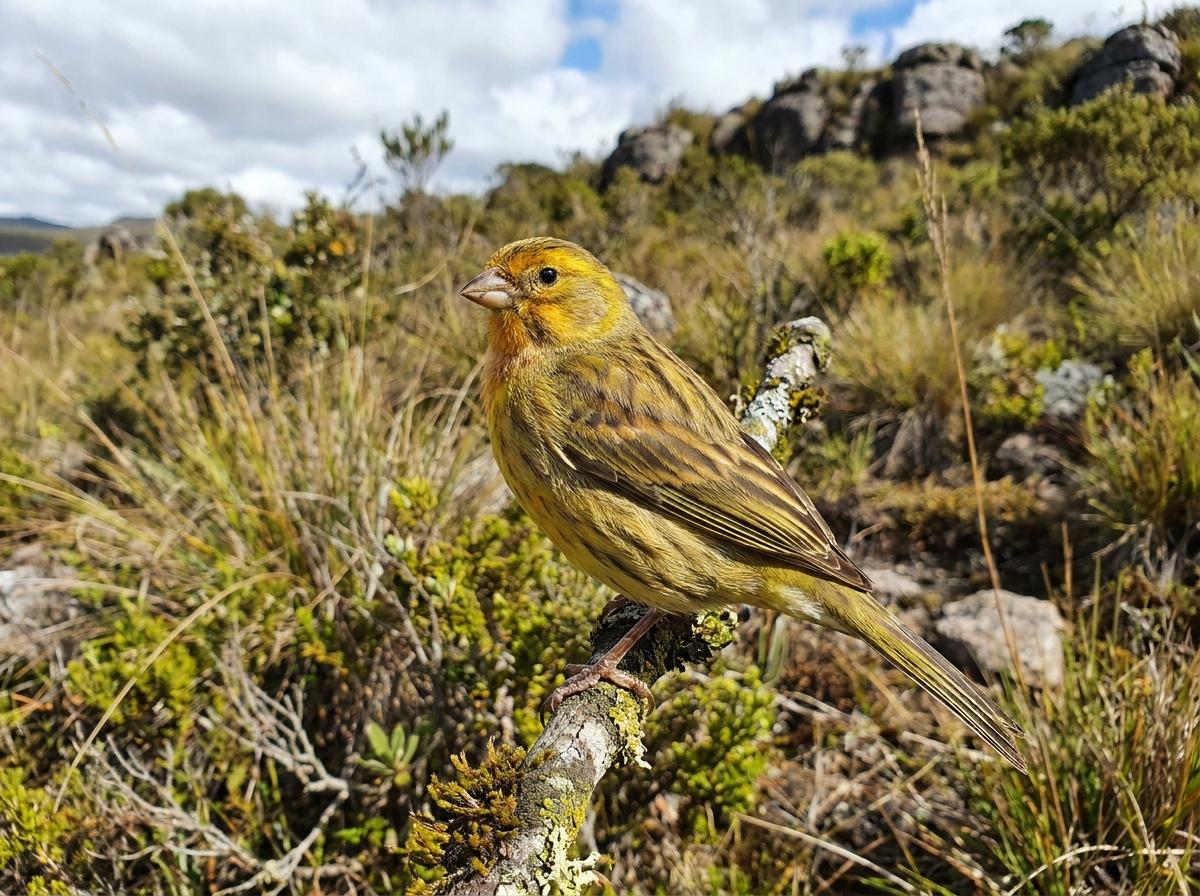






Scotch Fancy Canary
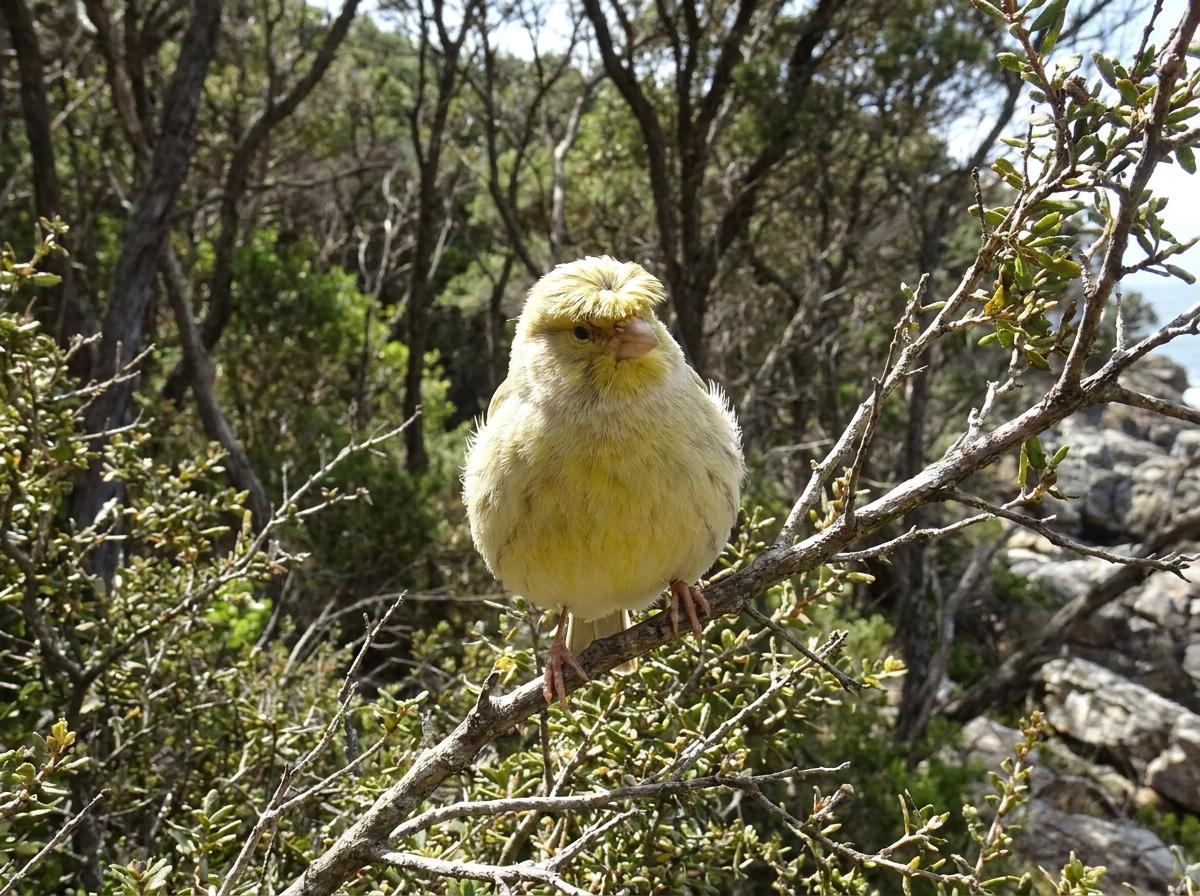
The Scotch Fancy is an old Scottish posture canary bred entirely for its shape and its dramatic curved outline, not for its song. At its best the bird forms a smooth crescent, a half-moon that runs from the tip of the beak to the tip of the tail, which is why nineteenth-century Glasgow fanciers nicknamed it the “Bird o’ Circle.” It is a slim, narrow-bodied, snake-headed canary that arches its head and tail downward toward the perch and holds a tense, quivering pose while it moves around the show cage. This page explains what the breed is, where it came from, how it differs from the upright Yorkshire and the Belgian it descends from, how to keep one, and what to know before you try to find one, because this is a rare heritage variety rather than a bird you will trip over in a pet shop.

Browse listings, public profiles, breeders, or add your animal.
What is a Scotch Fancy canary?
The Scotch Fancy is a domestic canary (Serinus canaria) bred for a very specific job: to stand and travel around a show cage in a smooth, arched, half-circle shape. Domestic canaries are usually sorted into three broad groups, those bred for song, those bred for color, and those bred for shape and posture, and the Scotch Fancy sits firmly in the last group. It is what fanciers call a “bird of position,” meaning judges assess how the bird holds and carries itself rather than how it sings or what color it is.
The ideal, as it was set down by Scottish breeders, is that from the tip of the beak to the tip of the tail the outline should follow the rim of a circle. The closer a bird comes to that clean curve, the more it is worth in the show cage. In practice a good Scotch Fancy has a small, neat, snake-like head on a long slender neck, a long tapering body, and a long narrow tail, and it draws all of that into a downward crescent with its head dropped below the level of its feet and its tail curling under. The bird is also expected to be “nervy,” moving with a quick, quivering, restless action that shows off the curve. If you want to see how this fits into the wider family, the Creatures canary species page is the place to compare it against the type and song breeds.
A useful thing to understand up front: the Scotch Fancy is not a color or a mutation you add to an ordinary canary. It is a distinct heritage breed defined by body shape and carriage, and keeping the shape true has always depended on careful, knowledgeable selection.
Origin and history: the Bird o’ Circle
The Scotch Fancy was built in Scotland out of Belgian raw material. In the early years of the nineteenth century, canaries were imported from Belgium, and for reasons that are now lost, these birds found particular favor around Glasgow and the central lowlands of Scotland. Local fanciers set about reshaping the Belgian stock into something of their own, and by the 1830s a distinctly new variety had emerged through selection.
That variety picked up several names. In Glasgow it was called the Glasgow Don, and more colorfully the “Bird o’ Circle,” a nickname that captures the whole point of the breed better than any formal standard could. It was also known as the Glasgow Hen. For a good stretch of the 1800s it was a genuinely popular cage bird in Scotland and beyond.
The Belgian ancestor matters here. Nearly all of the curved, arched posture canaries trace back to the Belgian Fancy, also called the Belgian Hunchback or, in its home languages, the Bossu Belge and Belgische Bult, both meaning “Belgian humpback.” The Belgian is a tall bird with a small head, a long slender extendable neck, high prominent shoulders, and a long tapering body. Scottish breeders took that raised-shoulder Belgian template and pushed the selection toward a continuous, smooth curve rather than a sharp shoulder hump, arriving at the half-moon Scotch Fancy. The same Belgian bloodline also fed into the development of the Yorkshire canary in England, which is why these breeds are cousins even though they look nothing alike today.
What a Scotch Fancy canary looks like
The Scotch Fancy is unmistakable once you know what you are looking at, because almost everything about it serves the curve.
- The crescent outline. The defining feature is the arched, half-moon posture. A good bird carries its head down and its tail down and forward, so the body reads as a C or a partial circle from beak to tail. Judges reward the birds that come closest to a smooth, unbroken curve.
- Small snake-like head and long neck. The head is small and neat, set on a long, slender, extendable neck. This long reach is what lets the bird drop its head well below its feet.
- Long, slim, tapering body. The body is narrow and long, tapering from the shoulders back, which keeps the outline clean rather than blocky.
- Long narrow tail. The tail is long and tight-feathered, and in the show pose it sweeps down and under the perch to close the bottom of the circle.
- Long legs. The legs are noticeably long, which raises the body and exaggerates the downward arch.

In length the Scotch Fancy runs to roughly 6.75 inches (about 17 cm), which is a long bird, but the impression is of slimness rather than size because it is so narrow. Coloration is described in the same terms breeders use for other canaries: birds are commonly clear yellow, clear buff, variegated yellow, or variegated buff. “Yellow” and “buff” here refer to feather type as much as shade. A yellow-feathered bird carries slightly smaller, more intensely colored feathers, while a buff-feathered bird has slightly larger, softer, frost-edged feathers that give it a paler, mealier look and a marginally bigger appearance. Variegated birds simply show a mix of colored and white feathering.
How it differs from the upright Yorkshire and the Belgian
It is easy to lump the tall, slim canaries together, so it is worth drawing the lines clearly.
The Yorkshire canary is a “type” canary judged largely on a proud, upright, well-filled carriage. A good Yorkshire stands tall and erect, almost like a small guardsman, with a full, rounded body. The Scotch Fancy is the opposite silhouette: where the Yorkshire stands up and out, the Scotch Fancy curves down and in. If a bird is holding an upright, chest-forward stance, it is not showing a Scotch Fancy pose.
The Belgian Fancy is the shared ancestor of both, and it sits between them in a sense. The Belgian is defined by high, prominent, sharply tucked shoulders and a long neck reaching forward and down, giving a distinct humped-shoulder profile. The Scotch Fancy smooths that hump into a flowing curve so that the whole bird, not just the shoulders, forms the arc. The Border Canary, another Scottish and border-country breed you can read about on the Border Canary pillar, went in yet another direction entirely, toward a small, neat, gently rounded type bird, which shows how differently the canary fancy has pulled on similar foundation stock.
Song and behavior
Because the Scotch Fancy is a posture breed, its song was never the point of its breeding, and you should not choose it expecting a bred-for-voice performer the way you might with a Roller or other song canary. That said, it is still a canary, and males will sing a pleasant warble. If a strong, trained song is your priority, a dedicated song variety is the better fit, and the canary species page can help you compare.
In the cage the Scotch Fancy is active and lively. The breed’s show requirement to move around with a quick, nervy, quivering action reflects a genuinely busy temperament, so these are not birds that sit still for long. Like most canaries they are generally best kept as a single bird or in compatible pairs rather than crowded, and they respond to a calm, quiet routine. Canaries are not typically hands-on, cuddly pets in the way a hand-reared parrot can be. Most are enjoyed as active, singing, watchable aviary and cage birds rather than birds that perch on a finger, and a heritage show breed like this is usually kept for its form and its history as much as anything.
Keeping a Scotch Fancy canary
Day-to-day care for a Scotch Fancy is broadly the same as for any canary, with the added note that show fanciers pay particular attention to condition and to the equipment that lets the bird show its pose. Always defer to an avian veterinarian for any health decision; the notes below are general husbandry, not medical advice.

Housing
Canaries need a cage that gives real room to move and, ideally, room to fly across rather than just hop. A common minimum guideline for a single canary is a cage on the order of 18 by 18 by 24 inches, with bigger always being better, and wider being more useful than taller because canaries fly horizontally. Perches of a suitable diameter, placed to allow clear flight between them, keep feet and legs healthy. For a long-tailed, long-legged posture bird, height and clean perch placement help the bird carry itself properly. Keep the cage out of drafts and away from kitchen fumes, which are dangerous to all birds.
Feeding
A good canary diet starts with a quality small-seed canary mix or a formulated pellet, supplemented with fresh greens and vegetables. Many keepers offer a seed mix daily because canaries take readily to it, while others build the diet around pellets for more complete nutrition; birds raised on seed often need to be transitioned to pellets gradually, since canaries do not always accept them at first. Safe fresh foods include leafy greens and various vegetables and fruits offered in moderation. Provide clean fresh water daily, along with a cuttlebone or another calcium source and access to grit as your vet advises. Sudden diet changes stress birds, so make any change slowly.
Health and routine care
Keep the cage clean, refreshing food and water daily and cleaning the tray regularly, because a clean environment prevents a lot of common problems. Watch for the general signs of illness in a small bird, which include fluffed-up posture, sitting low, changes in droppings, loss of appetite, laboured breathing, or tail-bobbing, and treat any of these as a reason to call an avian vet promptly, since small birds hide illness until they are quite sick. Canaries go through an annual moult, usually in late summer, during which they stop singing and need extra rest, good nutrition, and minimal disturbance. Establish a relationship with an avian or exotics vet before you have an emergency, and keep good records of moults, breeding, and any treatments so you can spot changes early.
Showing and breeding
If you keep a Scotch Fancy for exhibition, the breed is trained to enter and work a specialized show cage, moving through its curved travelling pose on command of the judge’s positioning. This is a skilled corner of the fancy, and new keepers are far better off learning it directly from an established Scotch Fancy or posture-canary breeder or a specialist club than from any single article. Because the breed’s numbers are small, responsible breeding, careful pairing, and attention to fertility and vigour are important to the variety’s survival, a point that ties directly into the breed’s history below.
Rarity, decline, and revival
The Scotch Fancy is a heritage breed with a genuinely fragile history, and any honest account of the breed has to say so.
After its nineteenth-century popularity, the Scotch Fancy declined. As numbers fell, the remaining birds were bred within a shrinking pool, and that inbreeding is generally blamed for a drop in fertility that made the situation worse. By the early twentieth century the breed had come to the brink of extinction, and dedicated fanciers have been working to preserve and rebuild it ever since. It survives today in the hands of a small number of specialist breeders rather than as a common cage bird.
This decline mirrors what happened to its Belgian ancestor. The Belgian Fancy was itself pushed to the edge of extinction in the early twentieth century, with the First World War devastating the remaining Belgian stock, and the modern Belgian was painstakingly reconstructed by a handful of dedicated breeders from the few birds that survived. Old posture varieties like these are, in short, living heritage that depends on a thin line of committed keepers. Organisations such as the Old Varieties Canary Association exist specifically to keep breeds of this kind going.
The practical upshot for a would-be owner is simple. This is not a bird you will find casually. Expect to search, expect a small pool of breeders, and expect to do some homework to make sure a bird sold as a “Scotch Fancy” genuinely shows the breed’s shape and carriage rather than just being a slim ordinary canary.
Cost and finding one
There is no reliable published market price for a Scotch Fancy, and given how few are bred, any single figure would be misleading, so we will not invent one. As a rough frame, ordinary pet canaries typically change hands for a modest amount, while show-quality and rare heritage birds command a premium that reflects their scarcity and the breeder’s work. What you pay for a true Scotch Fancy will depend heavily on the individual bird, its quality, and how far you have to look.
Because the breed is uncommon, the most practical routes to a bird are through specialist canary and posture-canary clubs, heritage breed networks, and breeders who exhibit the variety, rather than general pet retailers. When you do find a source, ask to see the parent birds, ask about the line’s fertility and health, and look for the genuine arched carriage, not just a long slim body. On Creatures you can watch for birds coming up for sale and connect with keepers directly, which is often the realistic way to find a rare variety like this one.
Frequently asked questions
Why is the Scotch Fancy called the “Bird o’ Circle”?
Because the breed’s whole ideal is a smooth curved outline. From the tip of the beak to the tip of the tail, a good Scotch Fancy forms something close to the rim of a circle, a downward half-moon, and Glasgow fanciers nicknamed it accordingly. It was also called the Glasgow Don and the Glasgow Hen.
Is the Scotch Fancy a song canary?
No. It is a posture or “position” canary, bred and judged on its shape and the way it carries itself, not on its voice. Males still sing a pleasant warble, but if song is your main goal, a dedicated song breed is a better choice.
How is it different from a Yorkshire canary?
The Yorkshire is judged on a tall, proud, upright carriage and a fuller body, so it stands up and out. The Scotch Fancy curves down and in, forming an arched half-moon. They share Belgian ancestry but represent opposite silhouettes.
Are Scotch Fancy canaries rare?
Yes. The breed nearly went extinct in the early twentieth century and survives today thanks to a small number of specialist breeders. It is a heritage variety, not a bird you will commonly find in pet shops.
How long do Scotch Fancy canaries live?
As with canaries generally, expect roughly 7 to 10 years, sometimes longer with excellent care. There is no separate breed-specific lifespan figure, so treat that as the general canary expectation.
What do they look like?
A long, very slim canary with a small snake-like head, a long slender neck, long legs, and a long tail, drawn into a downward crescent. Common colors are clear yellow, clear buff, and variegated forms of each.
Do this next on Creatures
Whether you are researching this rare Scottish posture breed, hoping to find one, or already keeping canaries, Creatures is the records, marketplace, and directory layer to do it in one place.
Compare the family. See how this breed sits against the type and song canaries on the Creatures canary species page, and read the related Scottish and border posture and type breeds on the Border Canary and Yorkshire Canary pillars.
Watch for one coming up. Genuine Scotch Fancy canaries are rare, so set a free Scotch Fancy listing alert and we will tell you when one is posted. No account needed to start, and you can read saving searches and using your watchlist to see how it works.
Browse and search. Check Scotch Fancy canaries on the marketplace and find trusted keepers and breeders in the Creatures directory.
Add your canary. Already keeping one? Create a free animal profile in a few minutes. The walkthrough is in adding an animal to Creatures.
Track moults and health. Keep moult, breeding, and health records on Creatures. The record sheet opens for any visitor to look around, and a free account saves what you enter. See adding a record and health and medical records for the full how-to.
List your birds. Breed or exhibit Scotch Fancy canaries? Create a breeder or organisation profile so keepers searching for this hard-to-find heritage breed can reach you.