

American Wirehair
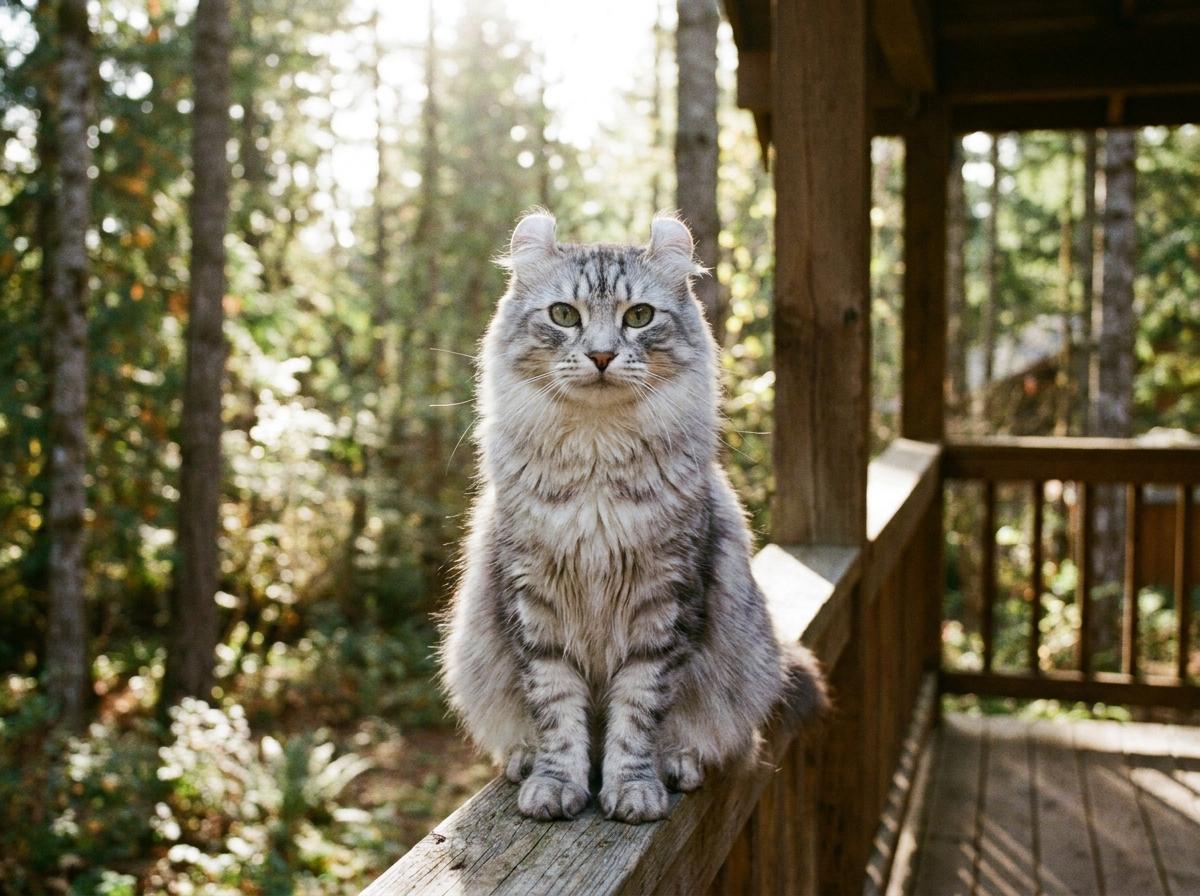
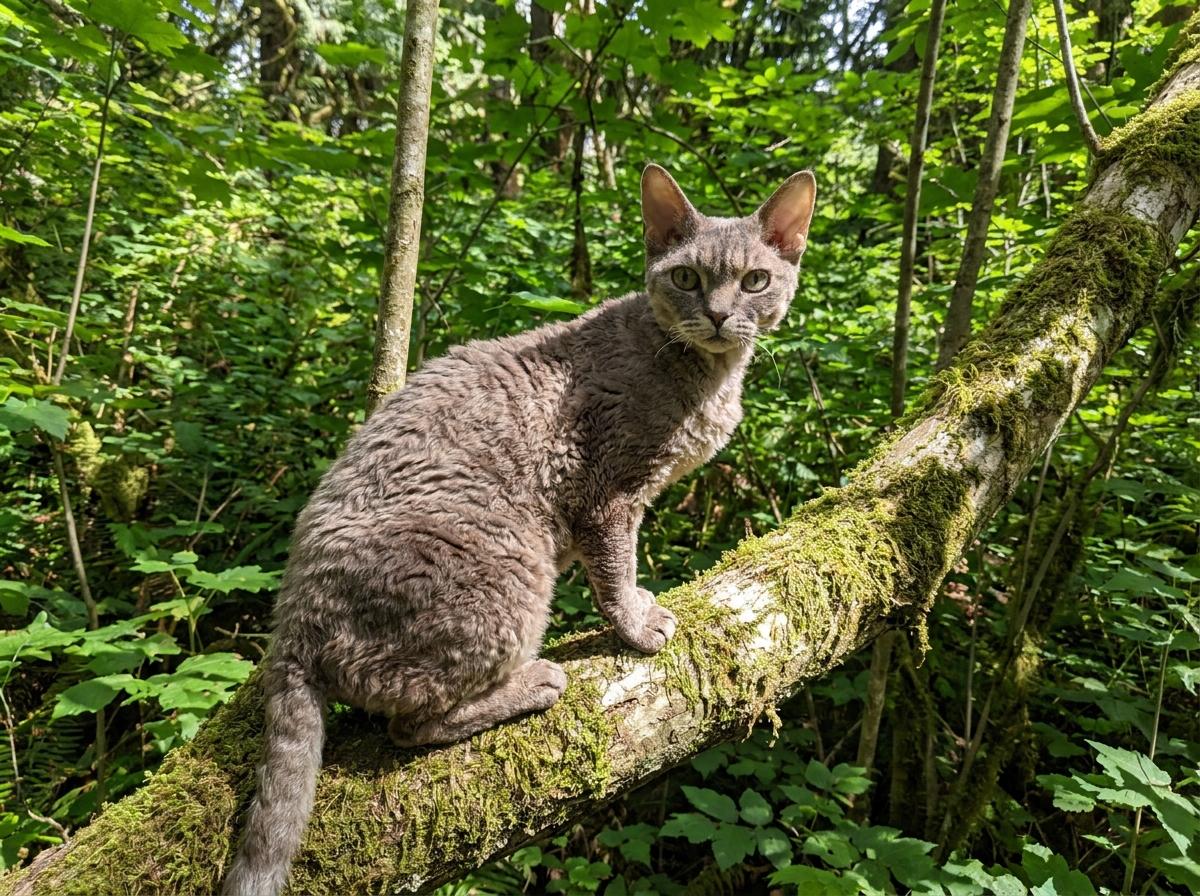
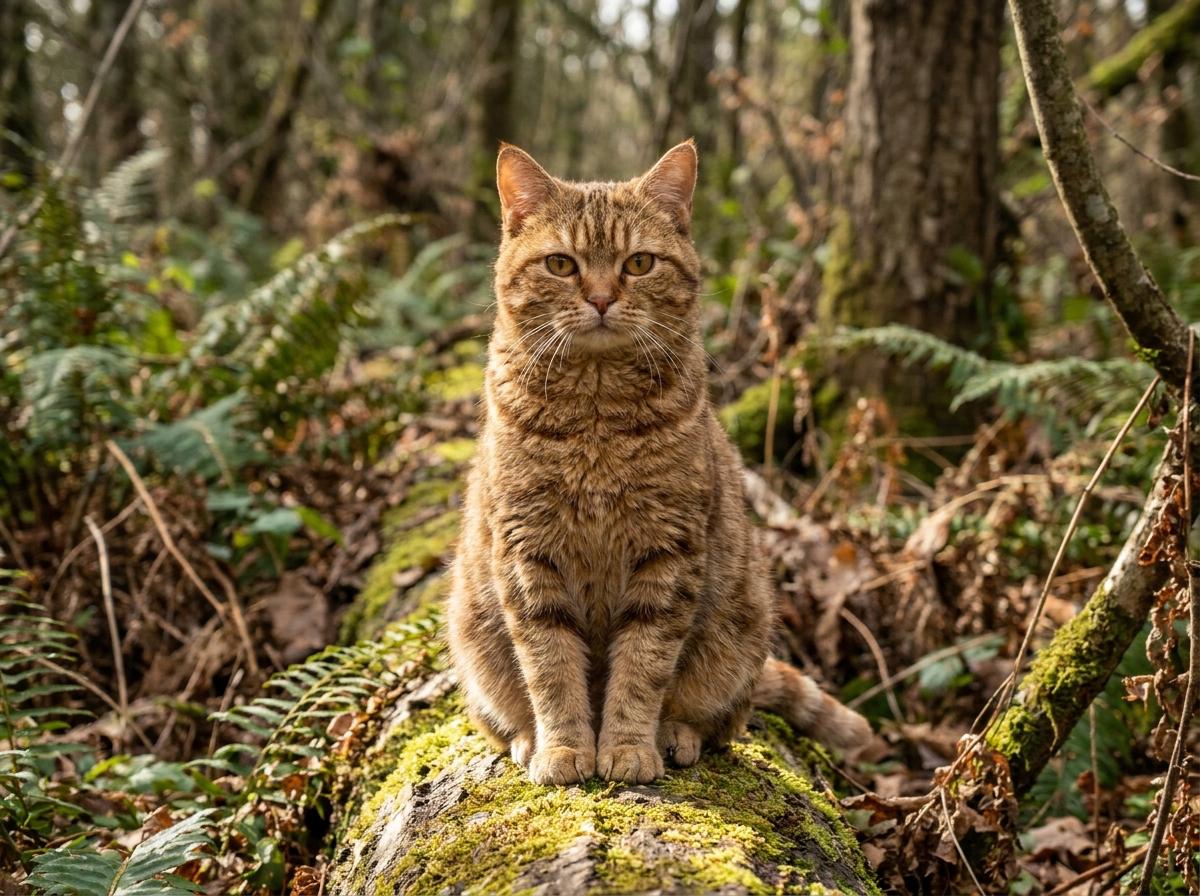
The American Wirehair is a rare domestic cat breed that started with a spontaneous coat mutation in a barn cat litter in upstate New York in 1966. The mutation gives the coat a springy, crimped texture; guard hairs, undercoat, and even whiskers may look hooked or bent. American Wirehairs share much of their body type with the American Shorthair, being medium to large, muscular, and rounded without looking heavy. Many colors and patterns occur, but texture is the trait that defines the breed.
Care differs from smooth-coated cats because harsh brushing can break the wiry hairs or make the coat look limp. A light comb, occasional bathing only when needed, and checks for oily skin or ear buildup are usually enough. Some breeding programs use American Shorthair outcrosses where registries allow, since the breed remains small in number and genetic diversity matters. Prospective owners may need patience finding a kitten and should ask whether the coat texture was clear, how the parents are typed, and what health screening has been done.
Colors: Bicolor, Black, Black Smoke, Blue, Blue-Cream, Blue Patched Tabby, Blue Point, Blue Smoke, Blue Tabby, Blue Torbie, Brown, Brown Patched Tabby, Brown Tabby, Brown Torbie, Calico, Cameo Smoke, Chinchilla Silver, Chocolate, Chocolate Point, Cinnamon, Classic Tabby, Cream, Cream Point, Cream Tabby, Dilute Calico, Dilute Tortoiseshell, Fawn, Flame Point, Golden, Harlequin, Lilac, Lilac Point, Lynx Point, Mackerel Tabby, Mink, Pointed, Red, Red Tabby, Seal Point, Sepia, Shaded, Shaded Cameo, Shaded Silver, Shell, Shell Cameo, Silver, Silver Patched Tabby, Silver Tabby, Silver Torbie, Smoke, Spotted Tabby, Tabby, Ticked Tabby, Torbie, Tortie Smoke, Tortoiseshell, Van, White