



Serengeti
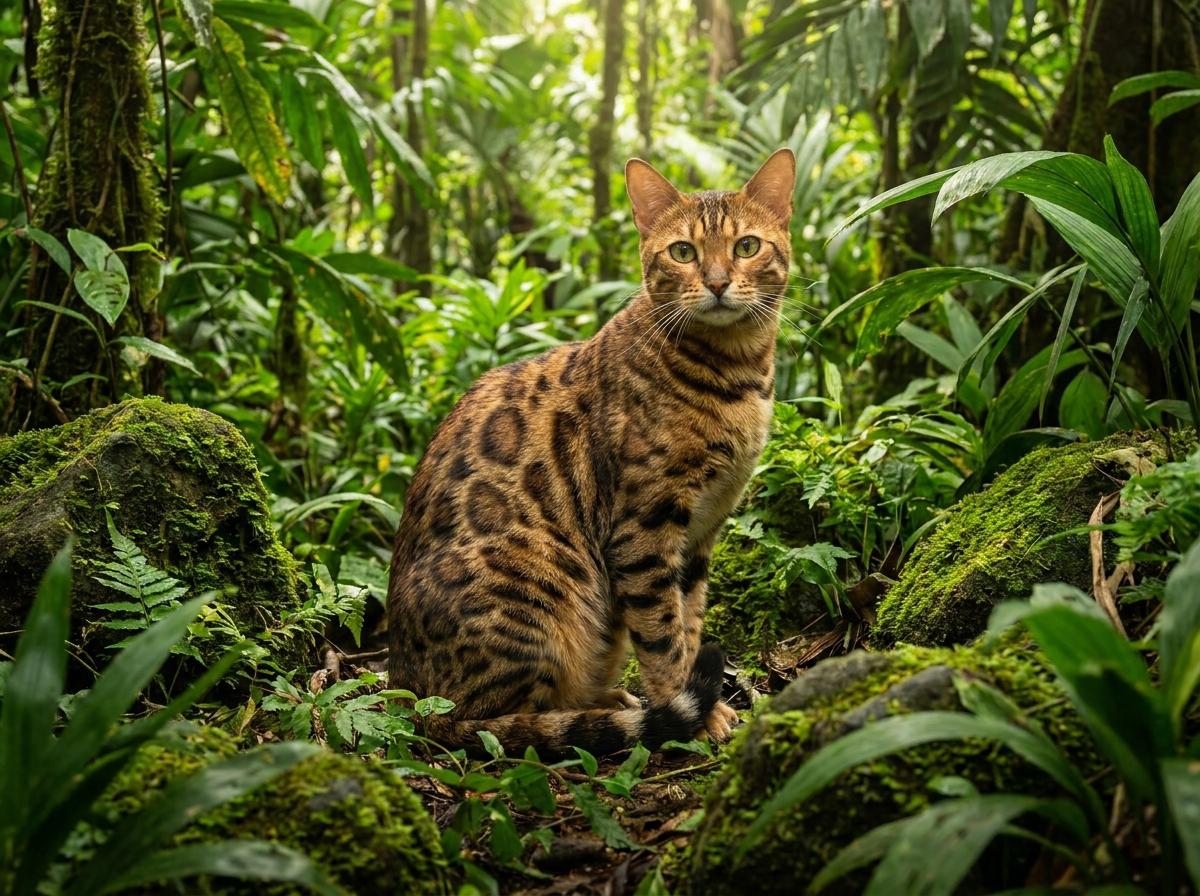
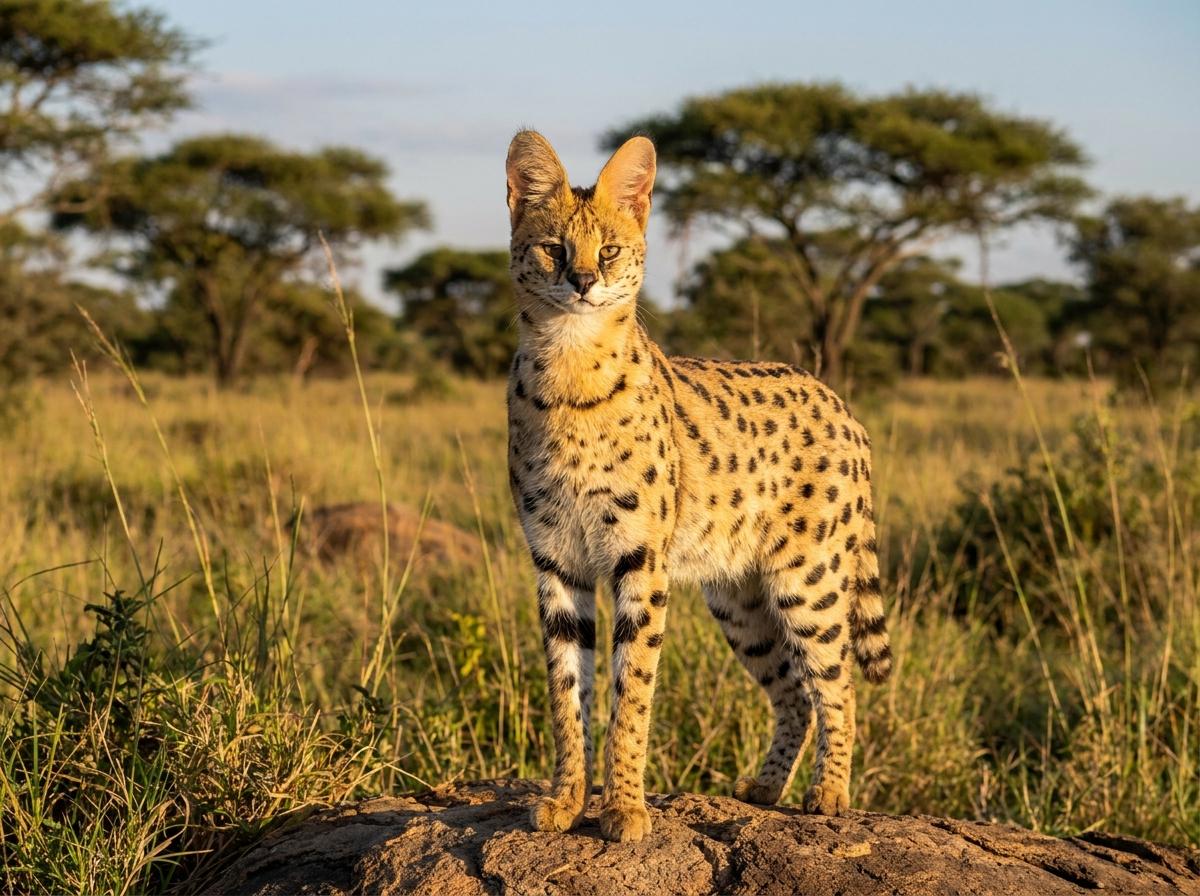
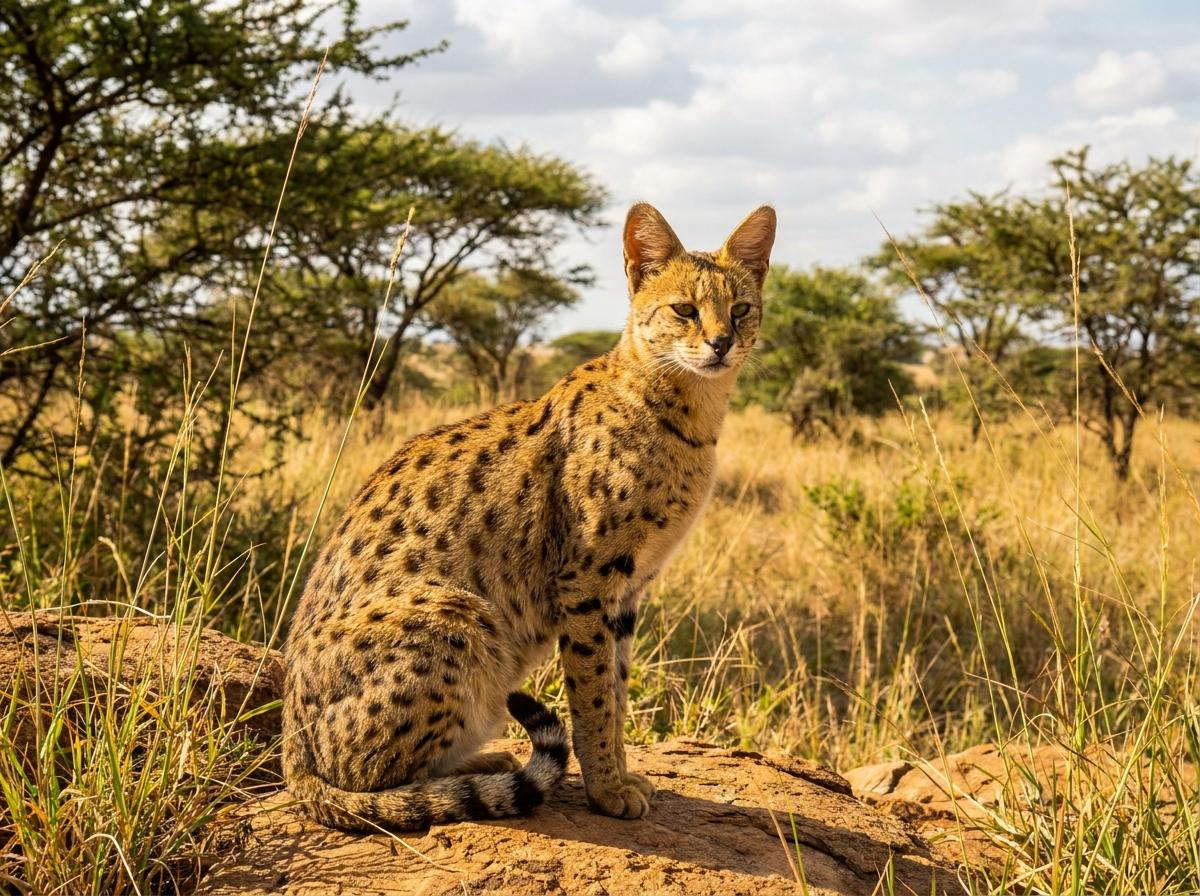
Serengeti cats were developed to suggest the look of a small spotted wild cat while remaining fully domestic, with Bengal and Oriental Shorthair influence commonly cited in the breed background. The type centers on long legs, large upright ears, a lean body, and clear spotting that creates a leggy, alert silhouette. Despite the name, the breed is not a serval hybrid, which is an important distinction for buyers comparing Serengetis with Savannah cats.
Care fits an active, people-oriented shorthaired cat. Serengetis need climbing space, puzzle play, and social attention because the same build that gives them height and spring can also make them busy household companions. Breeders work with a relatively limited breed community, so records, outcross history, temperament, and kitten socialization matter. The coat is easy to maintain, but the cat's exercise needs, noise level, and appetite for interaction should match the home. A household that enjoys daily play will usually understand the breed better than one shopping only for spots.
Colors: Bicolor, Black, Blue, Blue Point, Brown, Calico, Chocolate, Chocolate Point, Cinnamon, Classic Tabby, Cream, Cream Point, Dilute Calico, Dilute Tortoiseshell, Fawn, Flame Point, Golden, Harlequin, Lilac, Lilac Point, Lynx Point, Mackerel Tabby, Mink, Pointed, Red, Seal Point, Sepia, Shaded, Shell, Silver, Smoke, Spotted Tabby, Tabby, Ticked Tabby, Torbie, Tortoiseshell, Van, White