Abergele
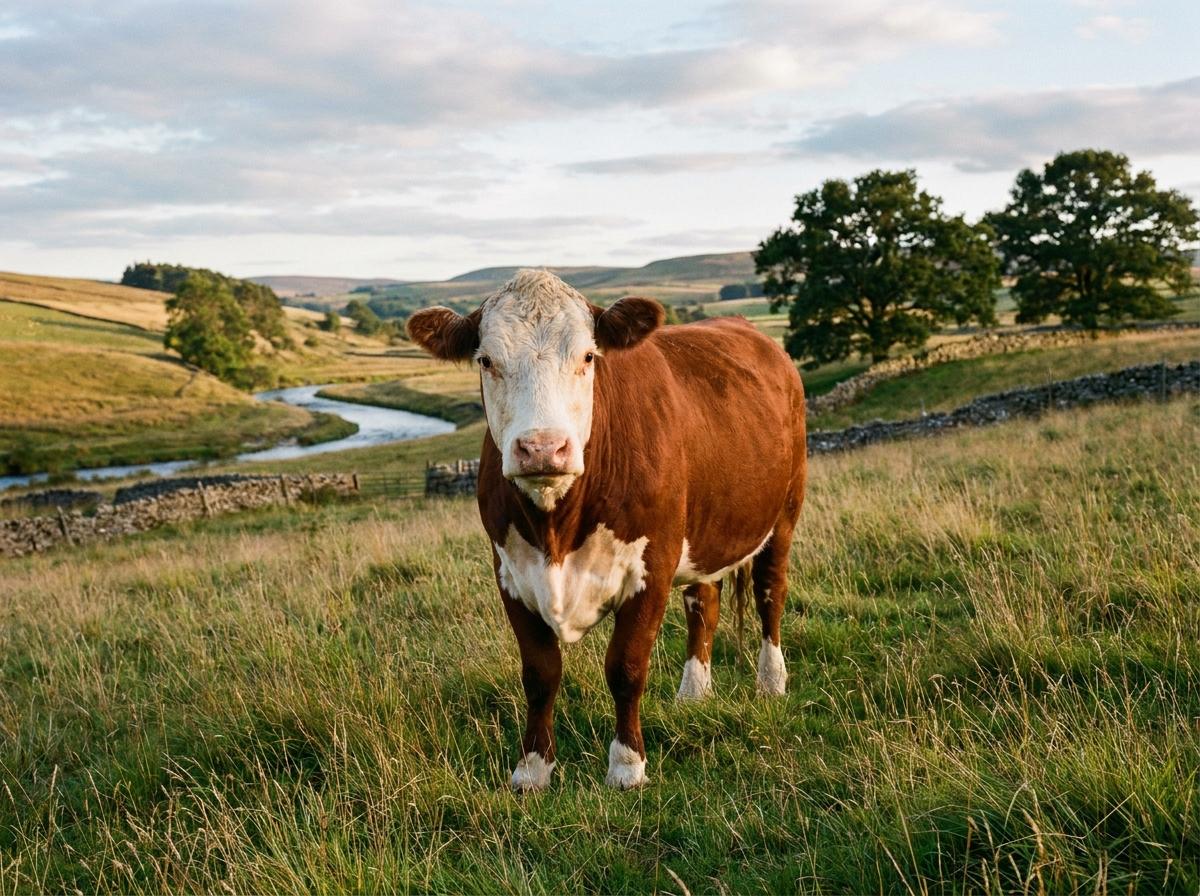
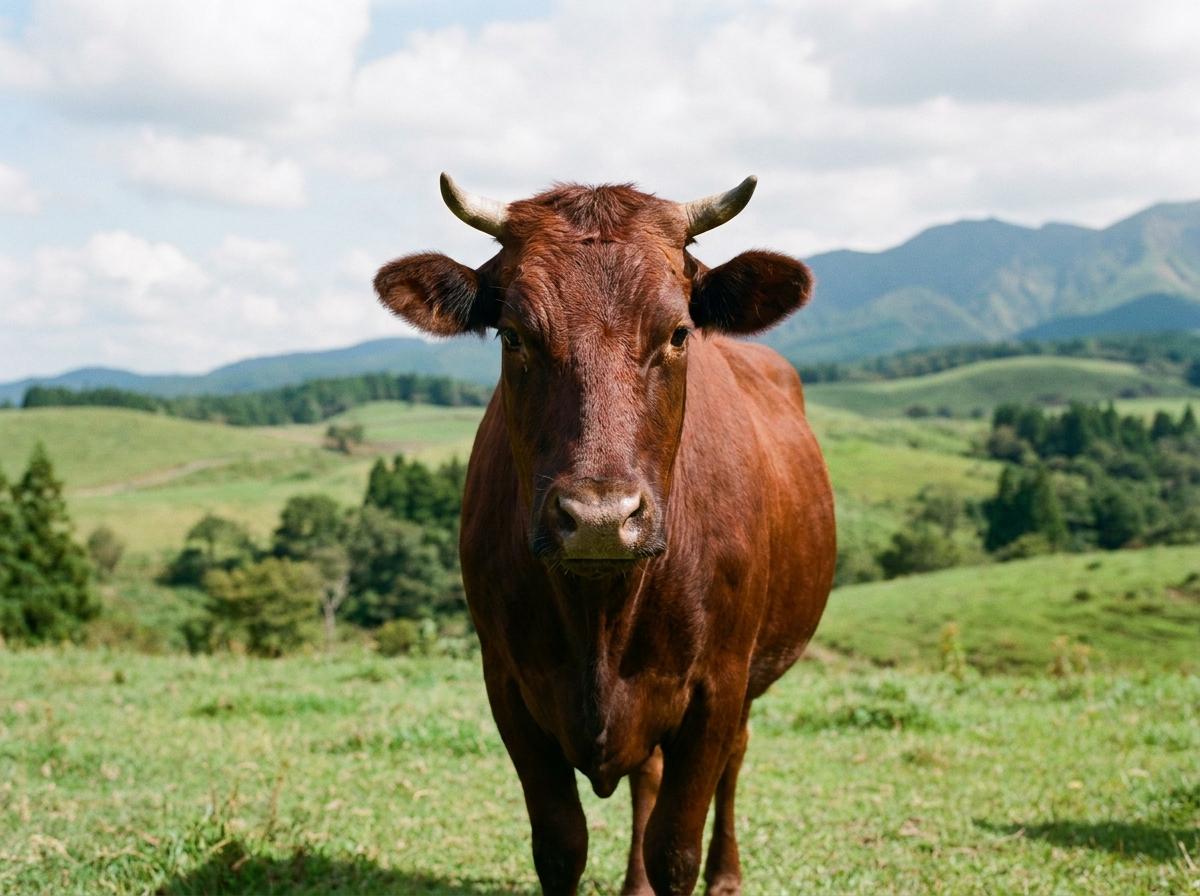
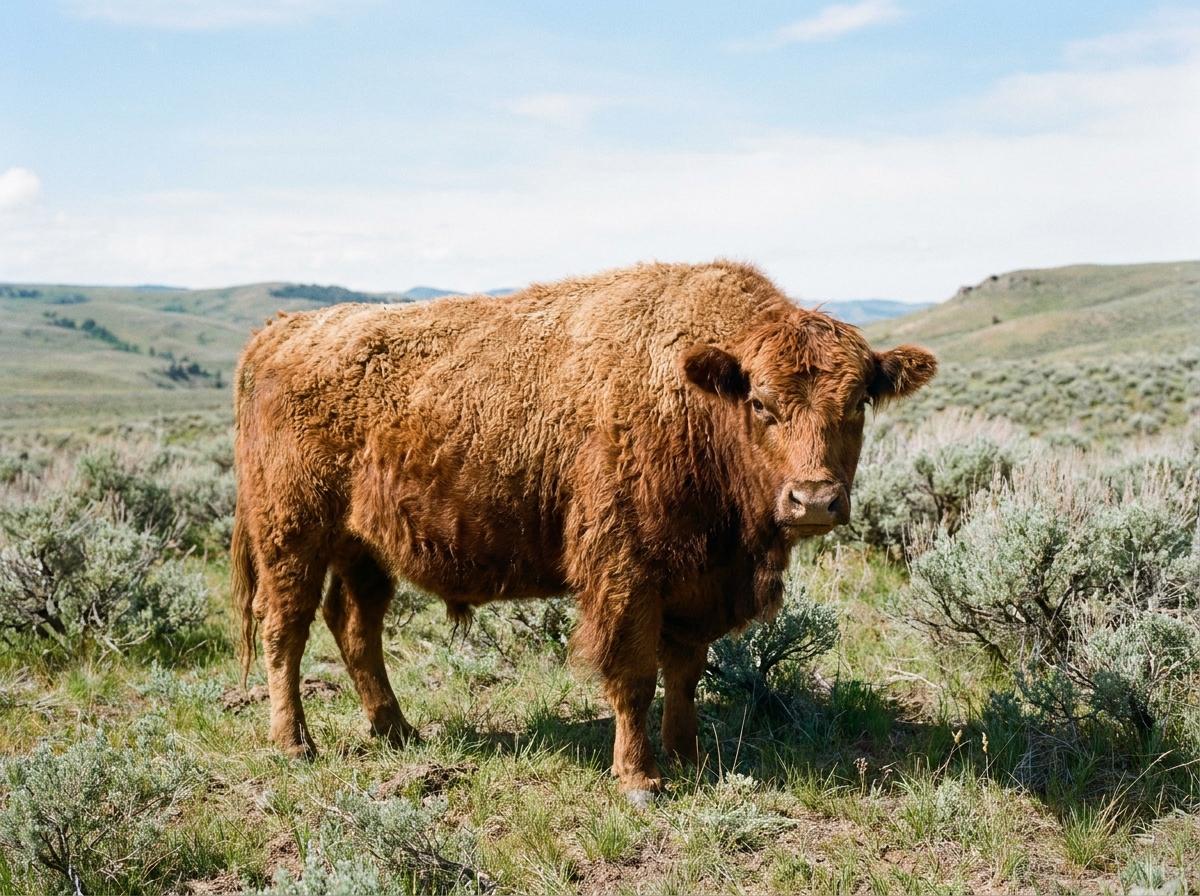
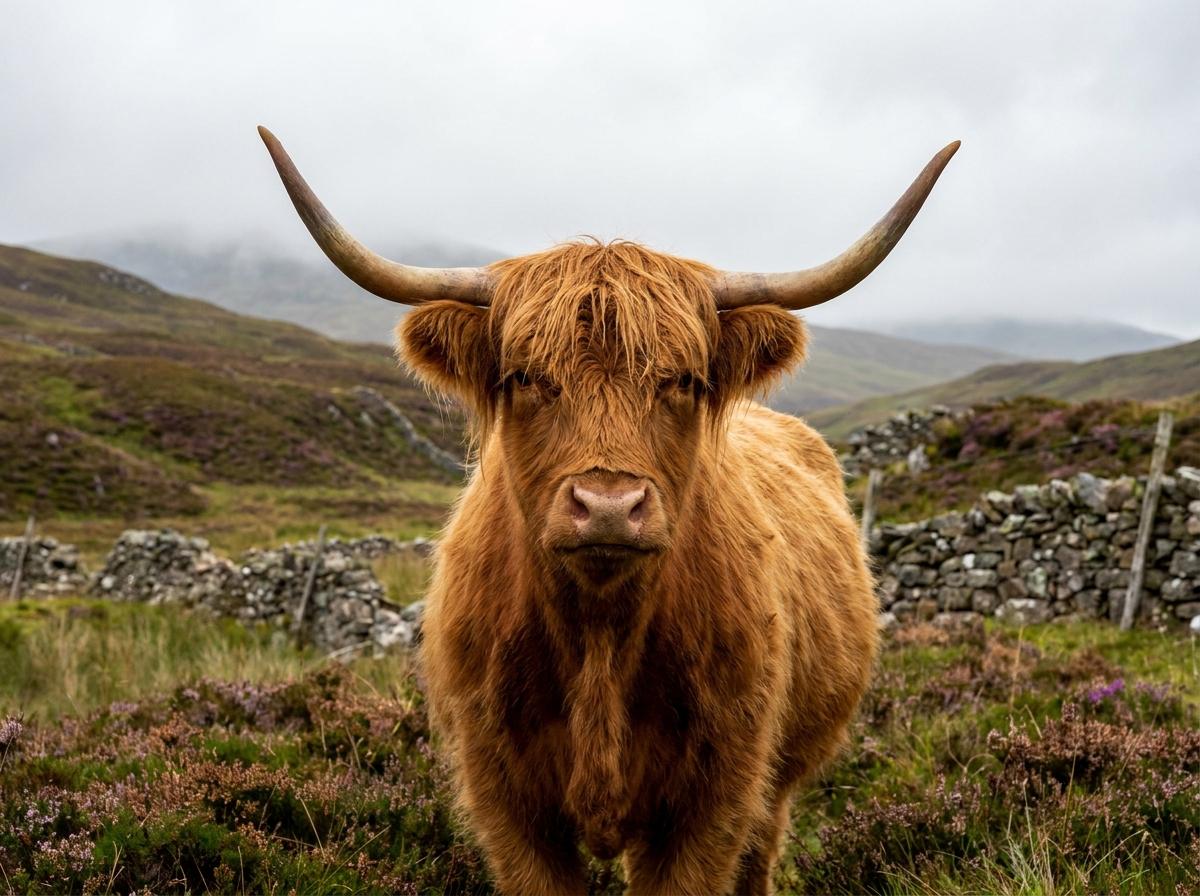
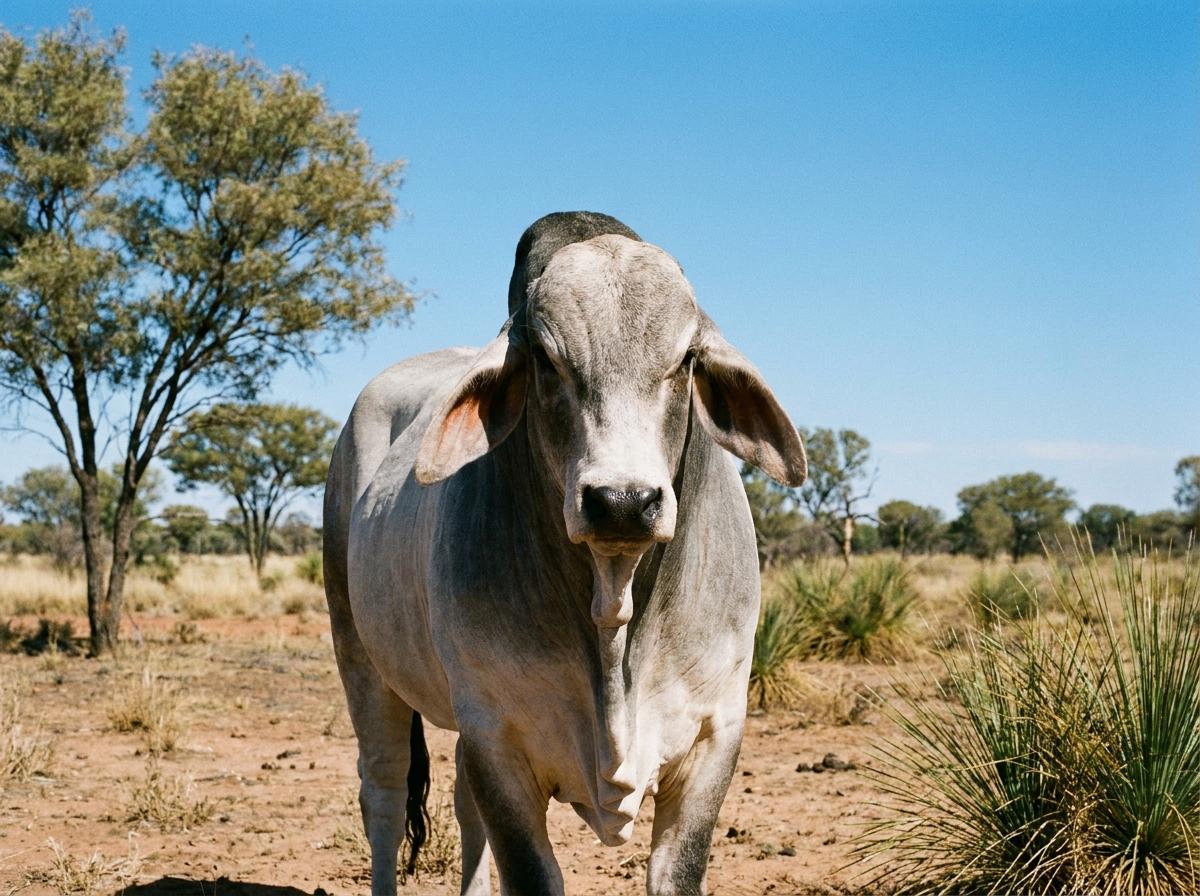
Abergele cattle, often spelled Abergelle in Ethiopian sources, are an indigenous cattle type associated with the Abergele area and surrounding lowlands of northern Ethiopia. They are generally small to medium animals shaped by dry-season feed shortages, heat, and long walking distances rather than by intensive selection for high output. Coat color and horn form vary between herds, but many are humped zebu-type cattle with a light frame, practical feet, and the ability to maintain themselves on rough grazing and crop residues. They are kept for milk, calves, meat, manure, and household asset value in mixed crop-livestock communities.
Management is usually low-input and seasonal, with herds moving between grazing areas and relying on stored residues when pasture is scarce. A buyer or development project evaluating Abergele cattle should look at local adaptation, fertility, mothering, and survival under village conditions, not only body size. Conservation work may focus on avoiding indiscriminate crossbreeding that replaces locally adapted cows before reliable feed, veterinary, and market systems are in place. For farmers, their value is often greatest where drought tolerance and modest maintenance needs outweigh peak milk or beef yield.
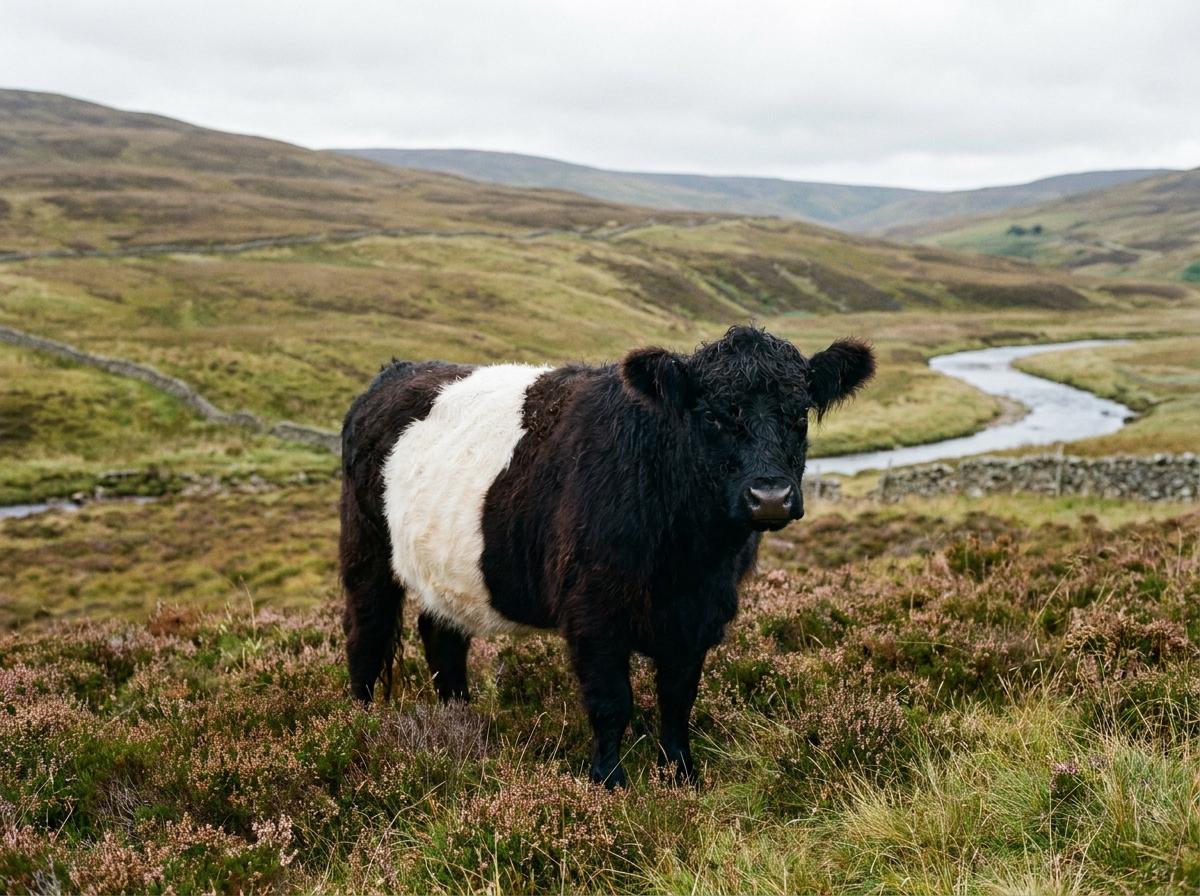
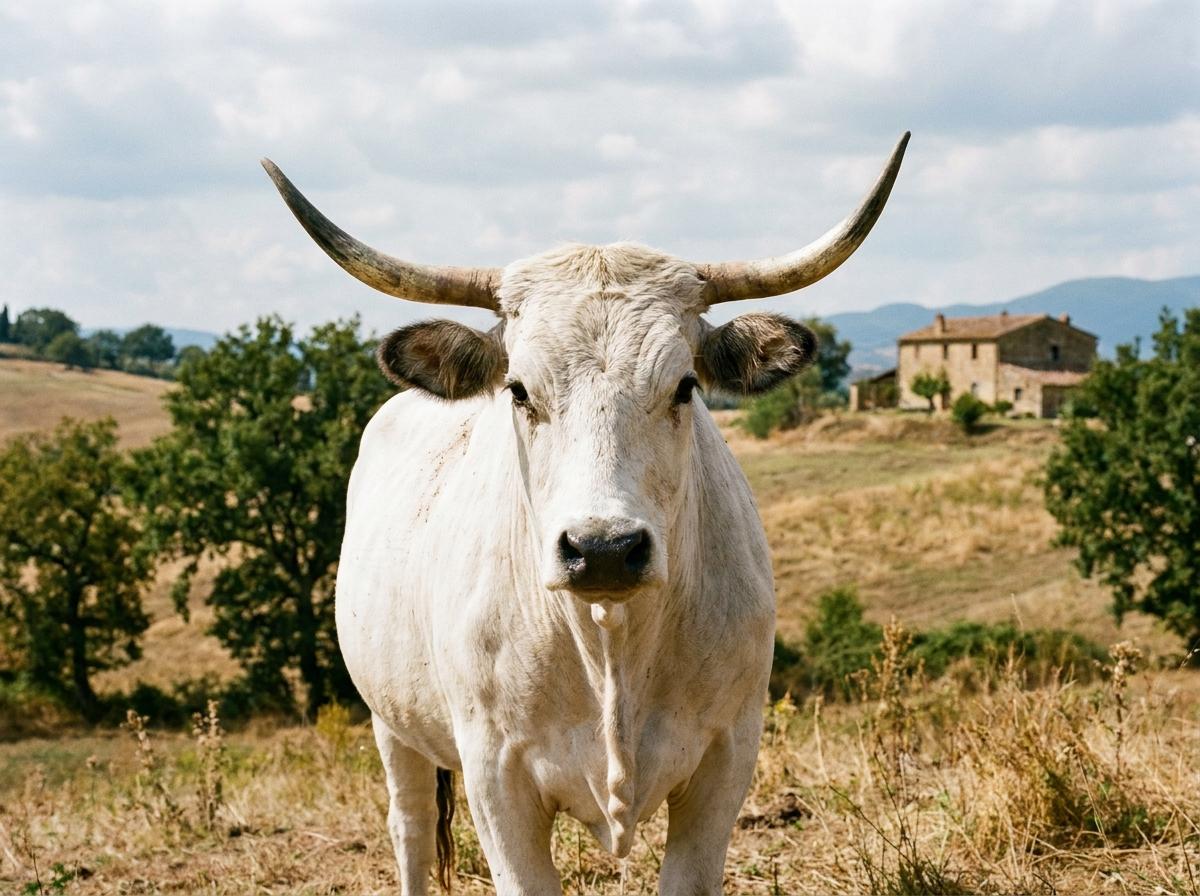
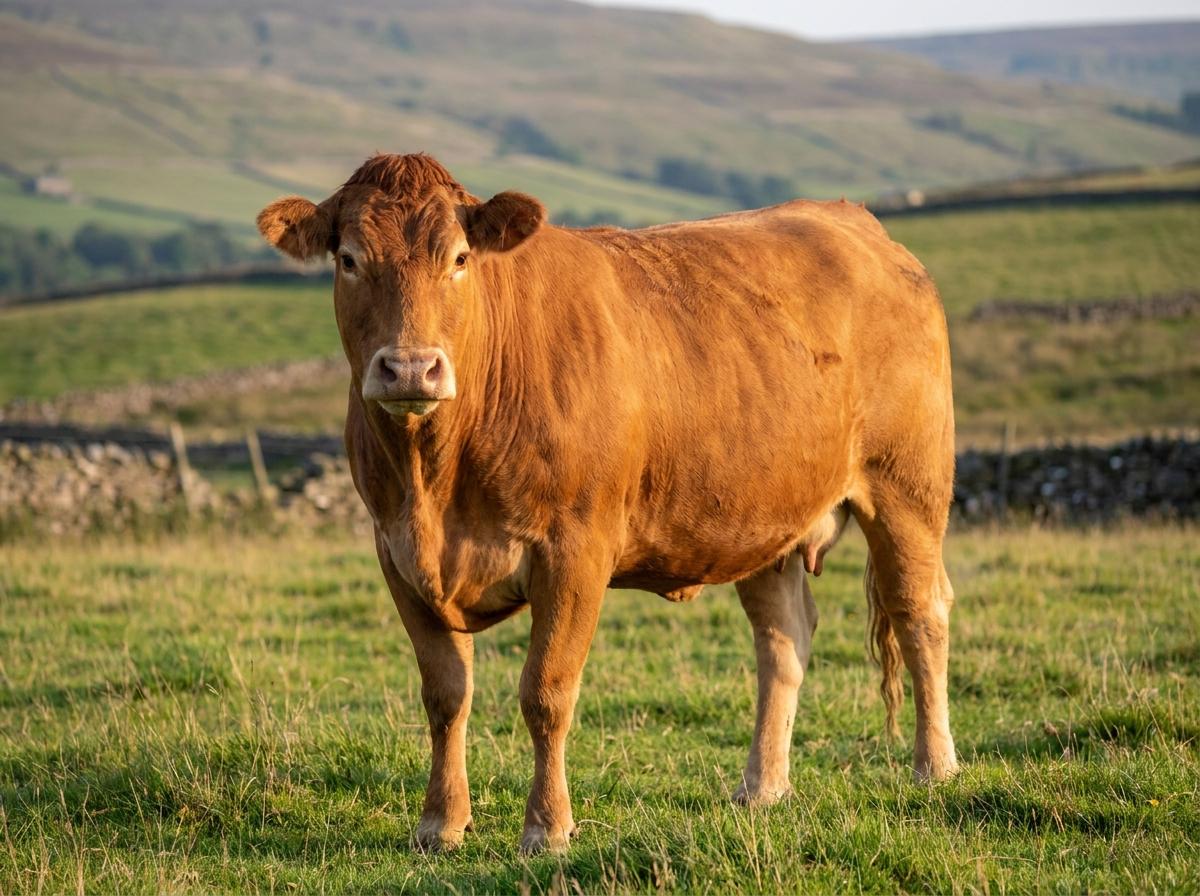
Colors: Belted, Black, Black and White, Blaze Faced, Blue Roan, Brindle, Brockle Faced, Brown, Brown and White, Dun, Gray, Grey, Highbelt, Highpark, Lineback, Mottled, Pied, Red, Red and White, Red Roan, Riggit, Roan, Silver, Solid Black, Solid Red, Solid White, Speckled, Spotted, White, White Faced, Yellow