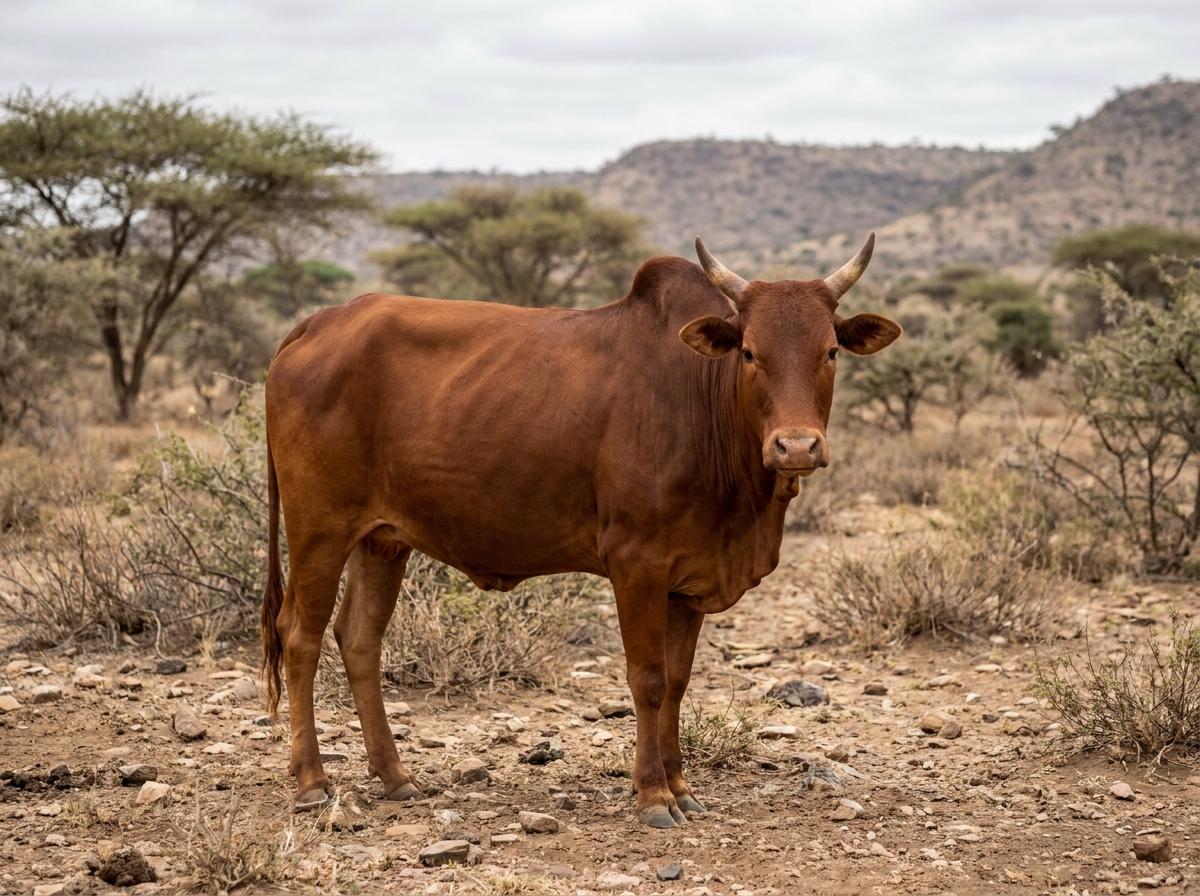
Abyssinian Shorthorned Zebu
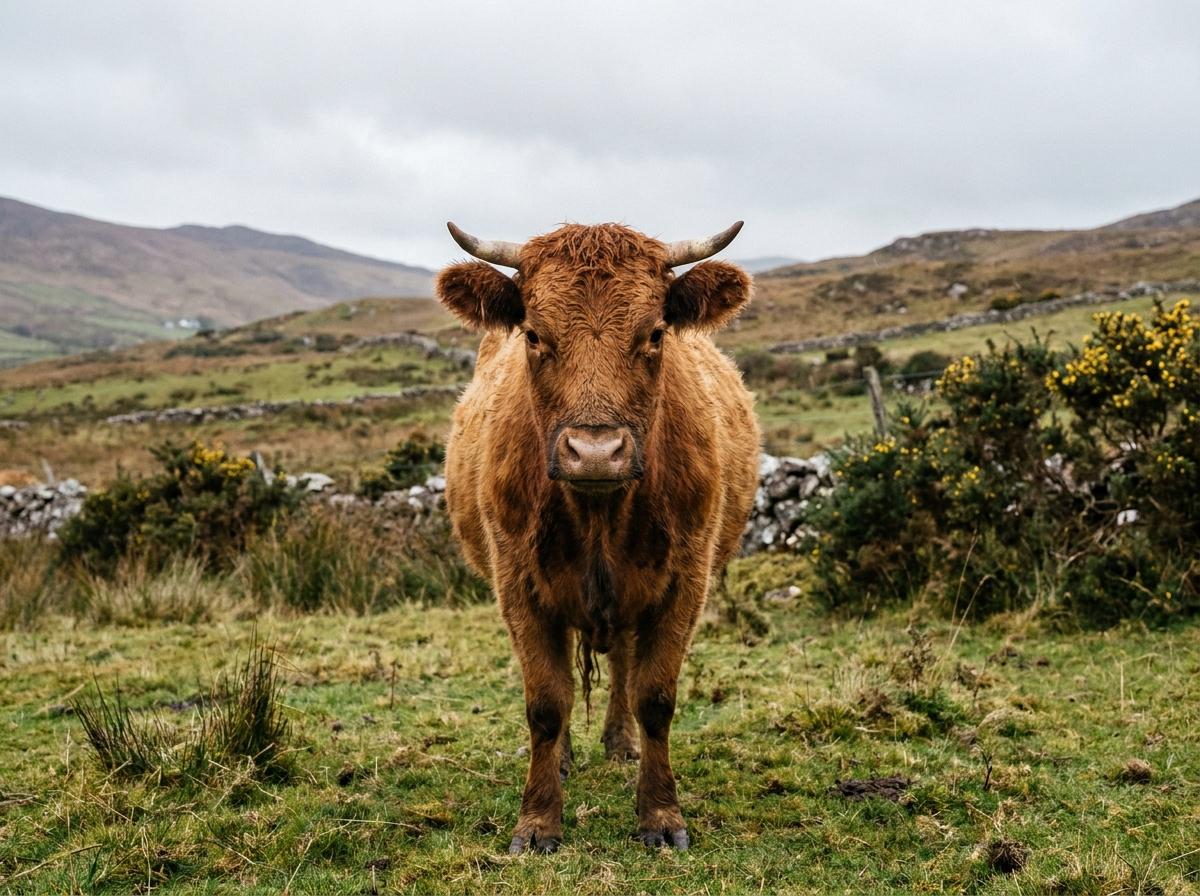
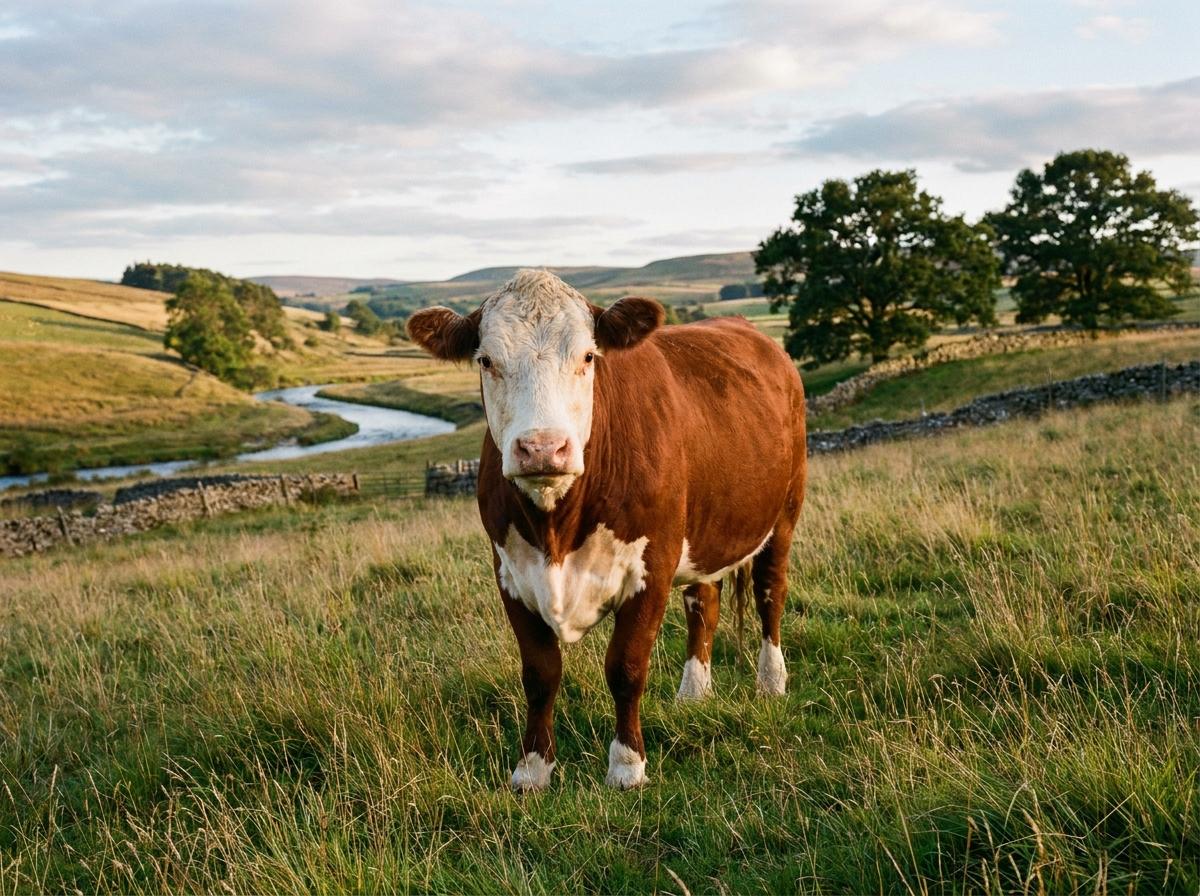
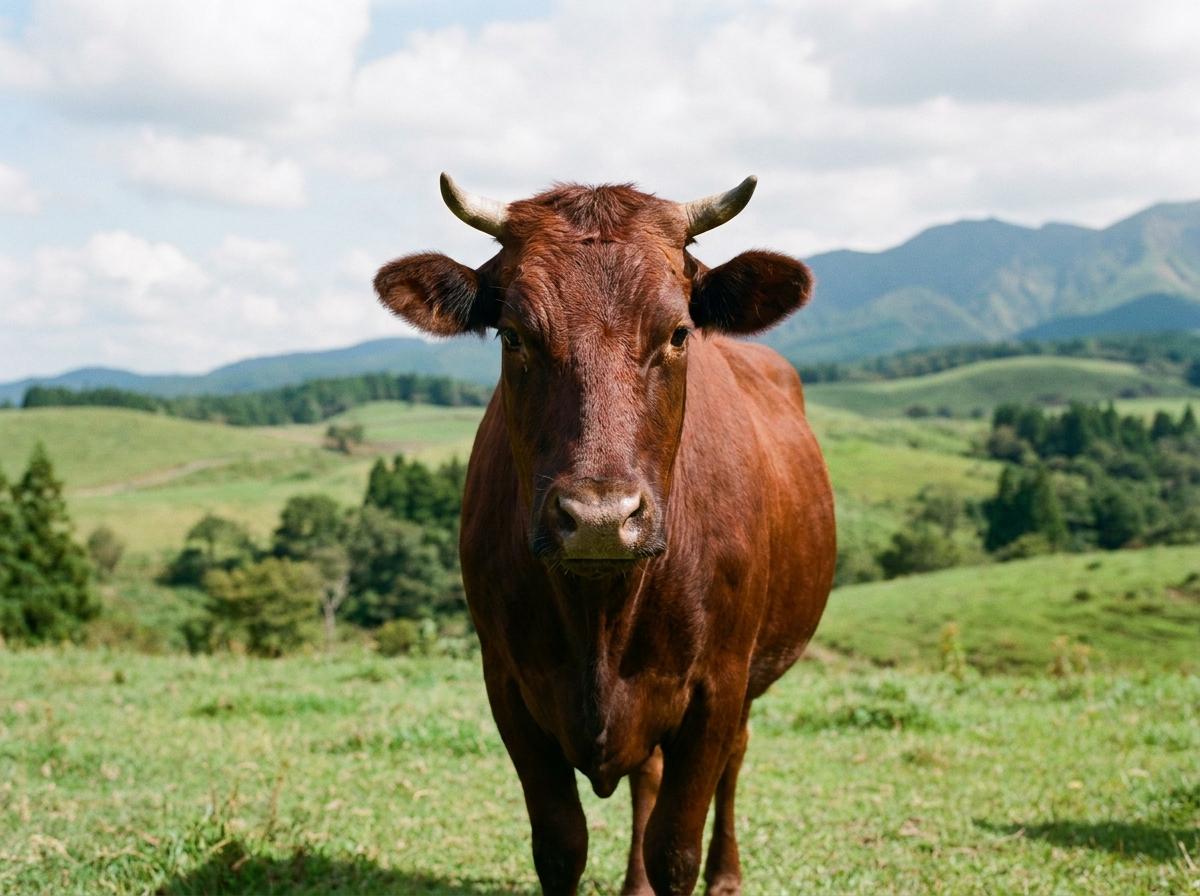
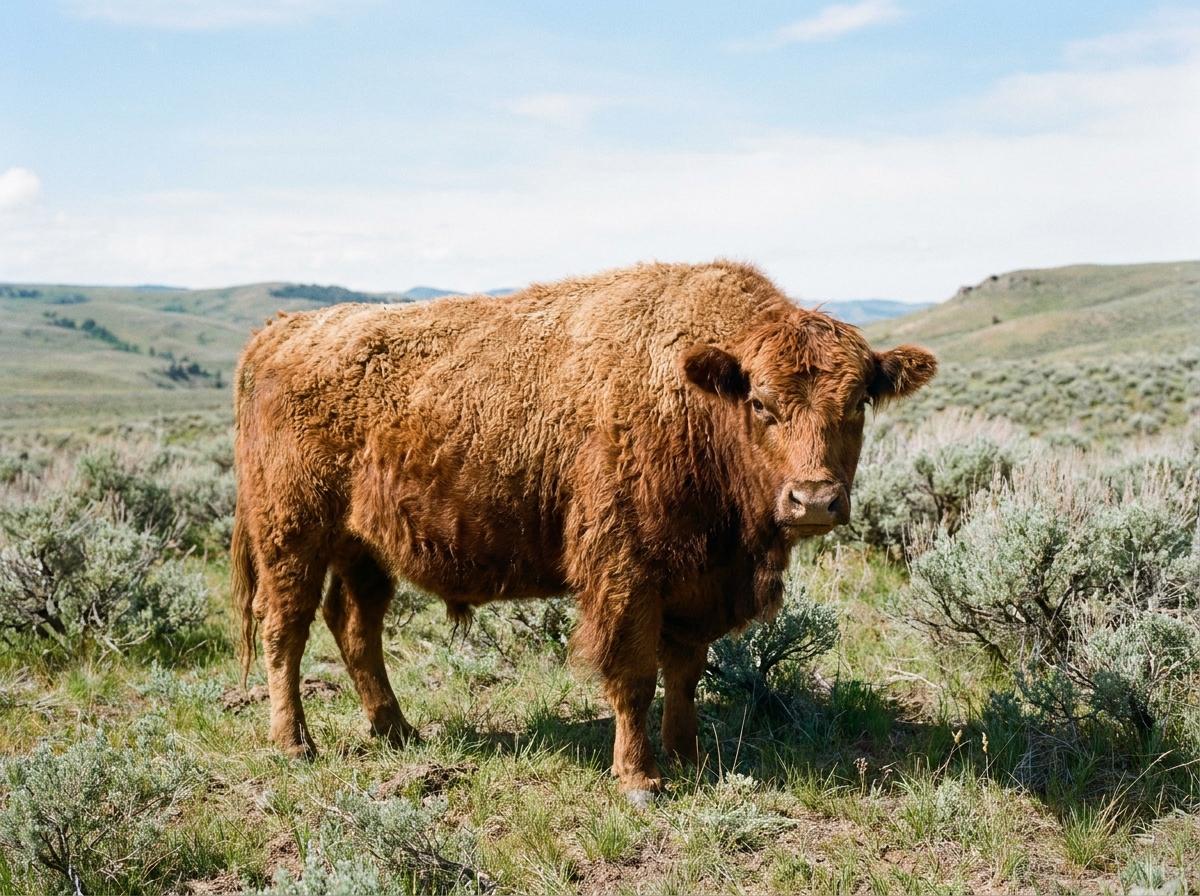
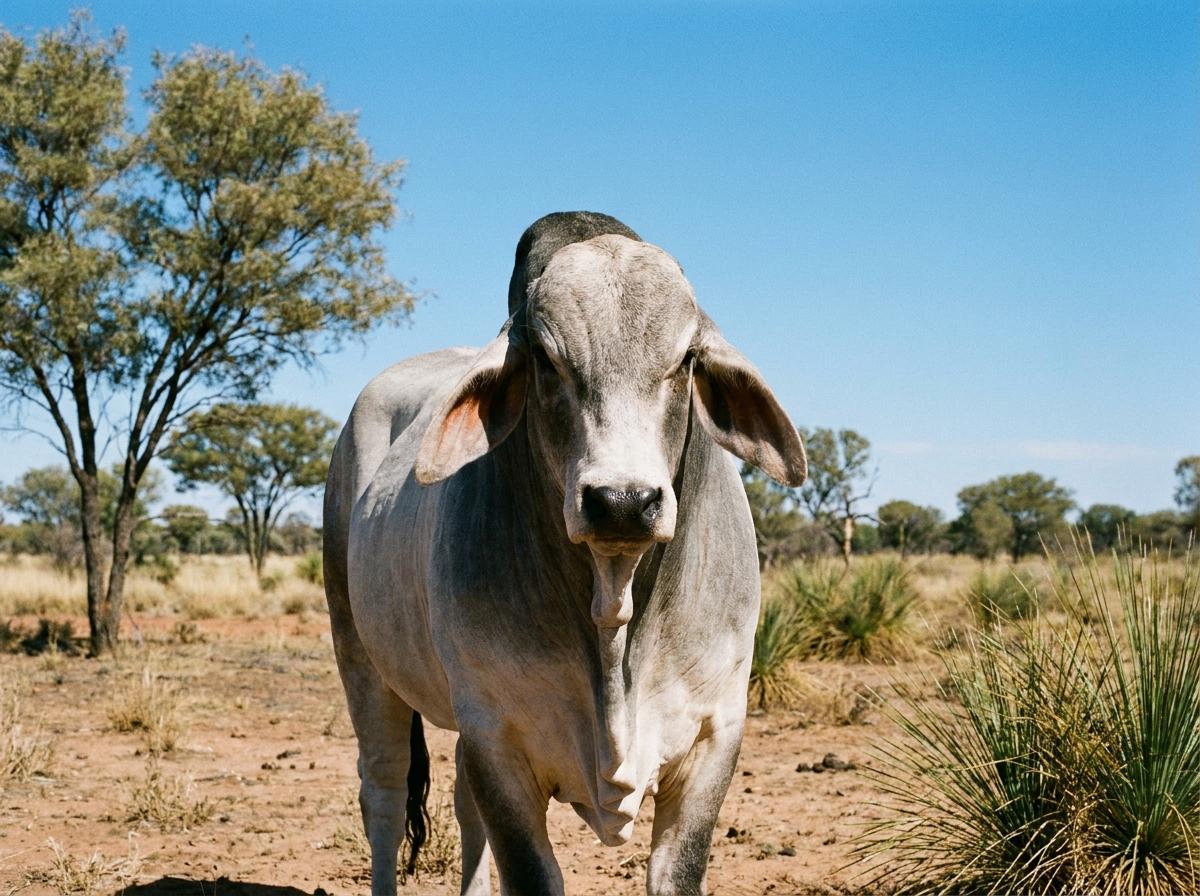
The Abyssinian Shorthorned Zebu is an Ethiopian and Eritrean humped cattle type, part of the wider East African shorthorn zebu group. It is usually small to medium in size, with a compact body, short horns, a hump, and a coat that can vary widely by district and family line. The old name Abyssinian points to the historical region rather than a single modern registry. These cattle developed under smallholder and pastoral conditions where animals had to cope with heat, long dry periods, uneven feed, and endemic disease pressure.
Households keep Abyssinian Shorthorned Zebu cattle for milk, meat, calves, manure, savings, and sometimes light draught work. They are not high-output dairy cattle, but cows that breed regularly and raise calves on rough forage can be more useful locally than larger imported breeds. Management is usually based on communal grazing, crop residues, and seasonal water sources, with veterinary care and parasite control making a large difference to survival. Conservation and improvement programs need to treat local ecotypes carefully, recording where breeding animals come from before crossing them with larger zebu or European dairy cattle.
Colors: Belted, Black, Black and White, Blaze Faced, Blue Roan, Brindle, Brockle Faced, Brown, Brown and White, Dun, Gray, Grey, Highbelt, Highpark, Lineback, Mottled, Pied, Red, Red and White, Red Roan, Riggit, Roan, Silver, Solid Black, Solid Red, Solid White, Speckled, Spotted, White, White Faced, Yellow