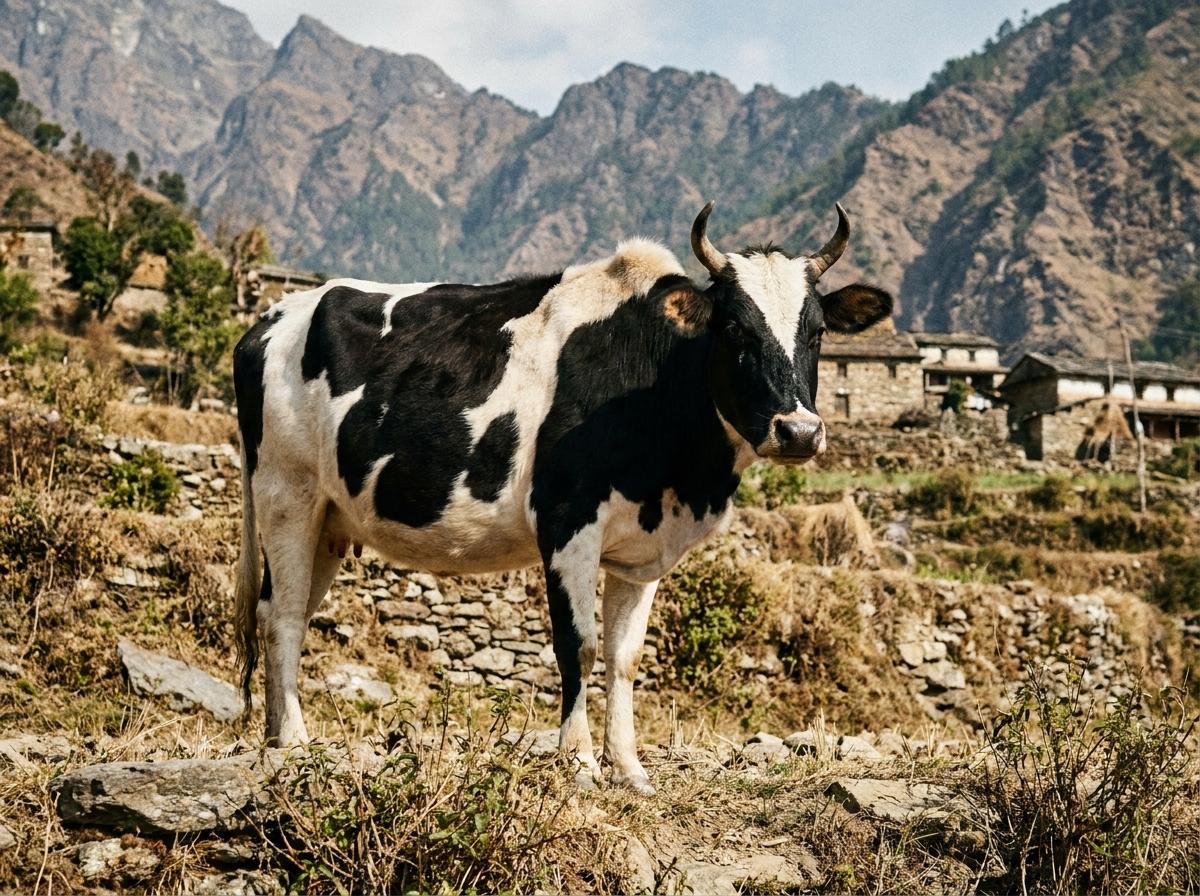
Achham
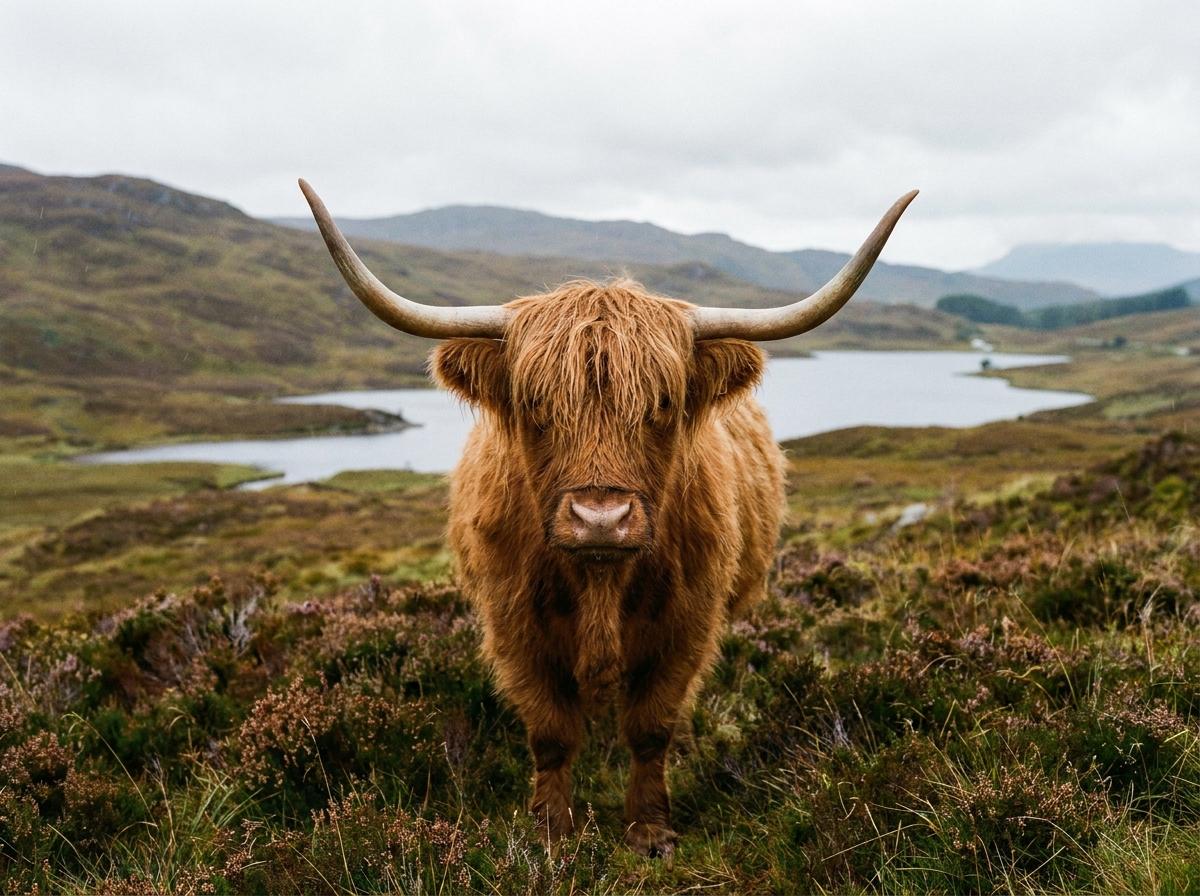
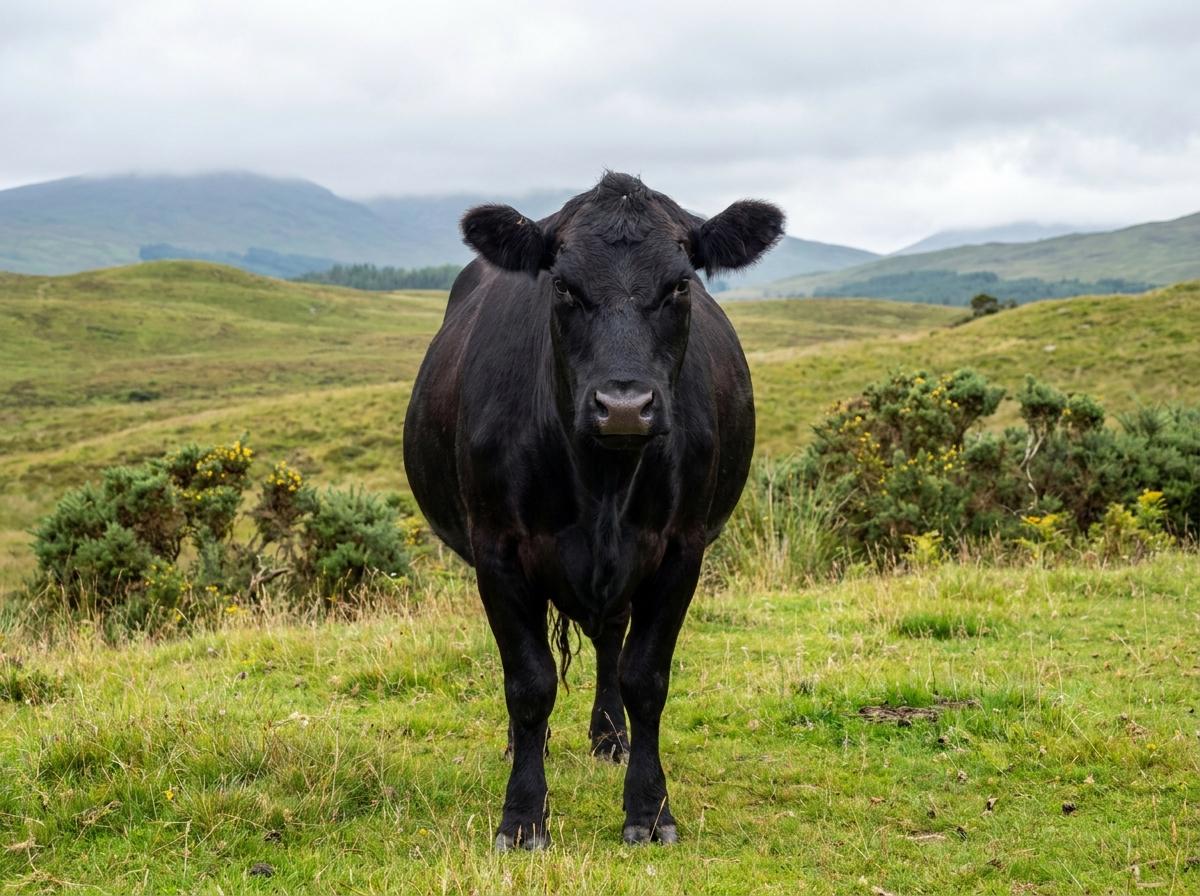
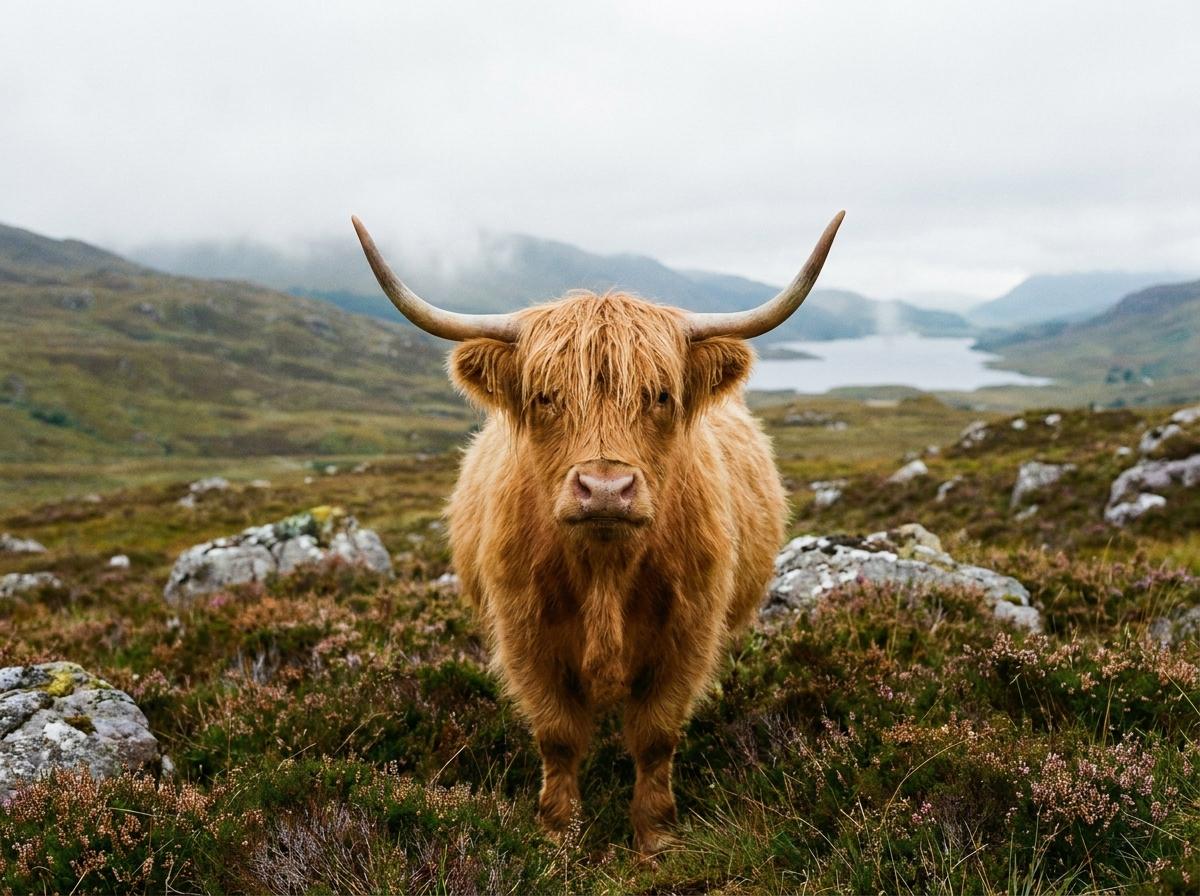
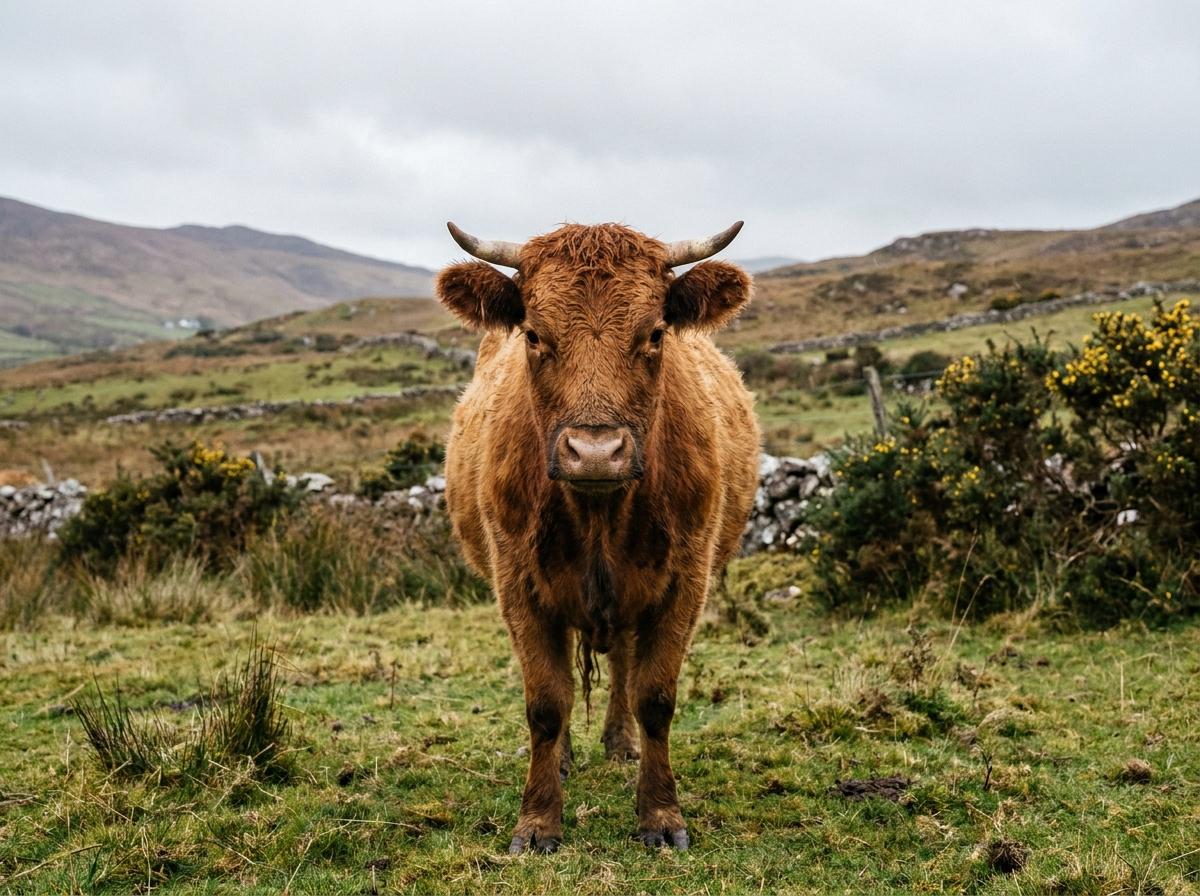
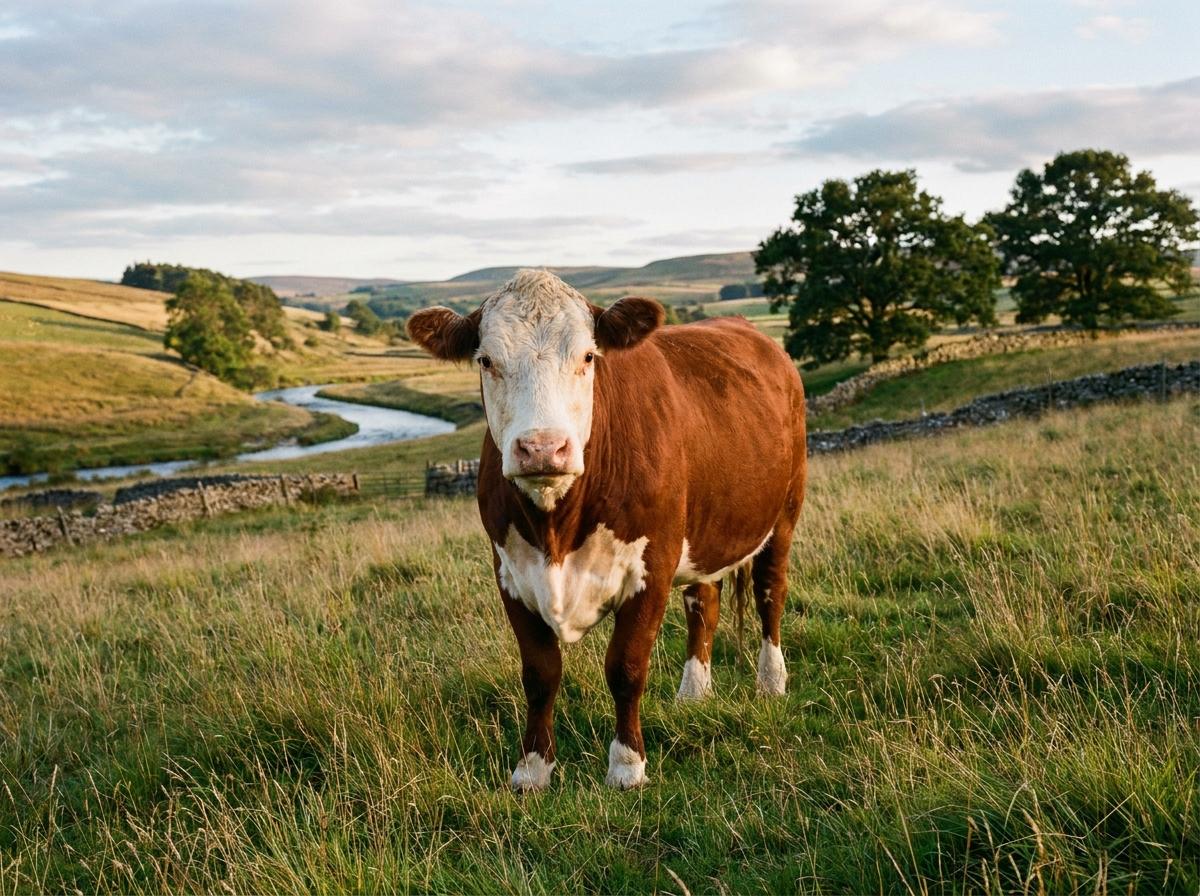
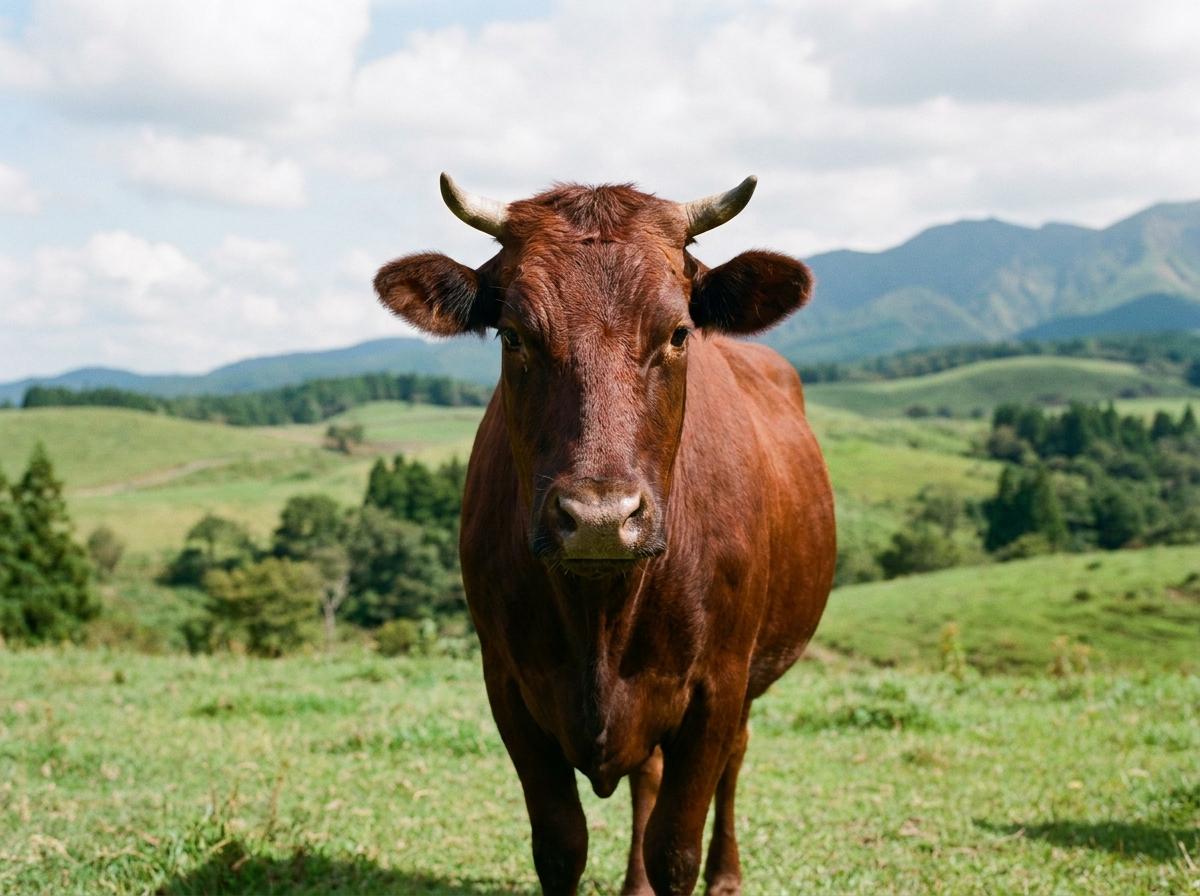
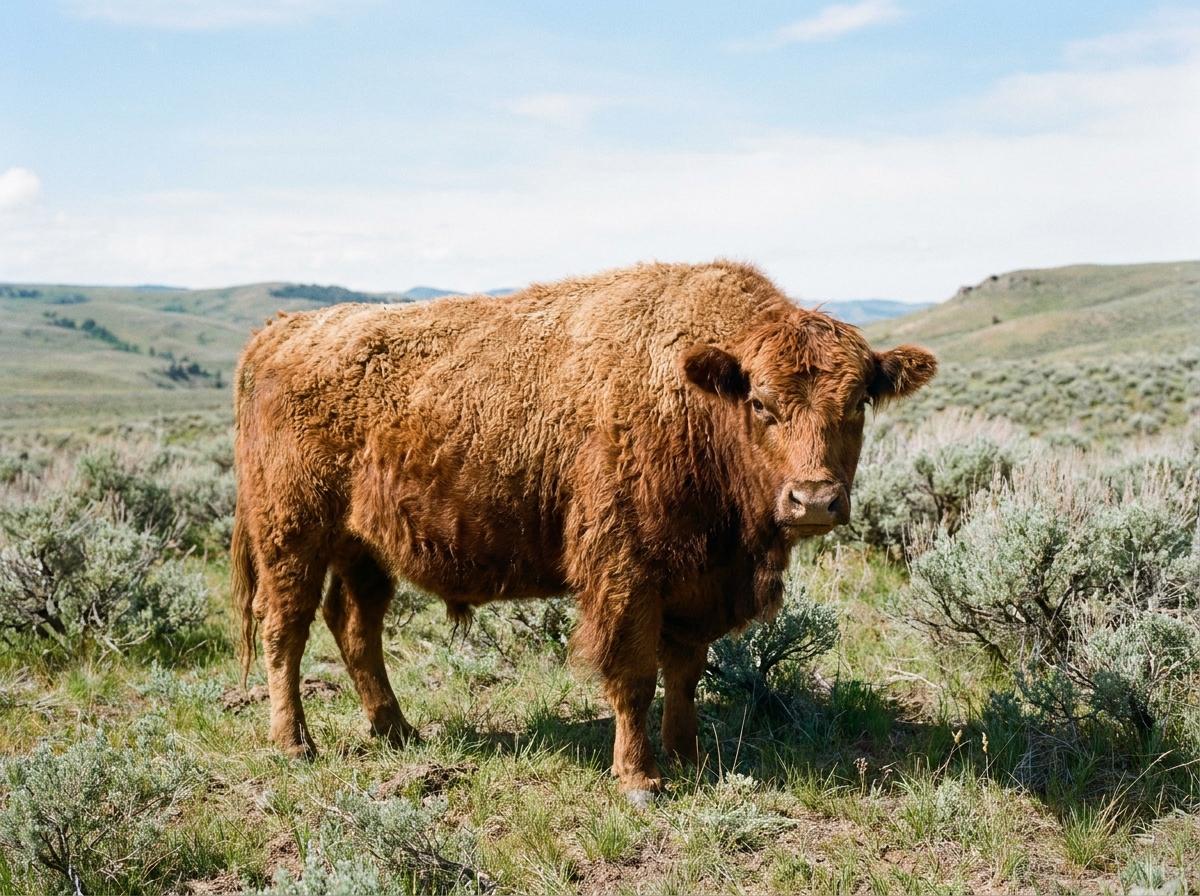
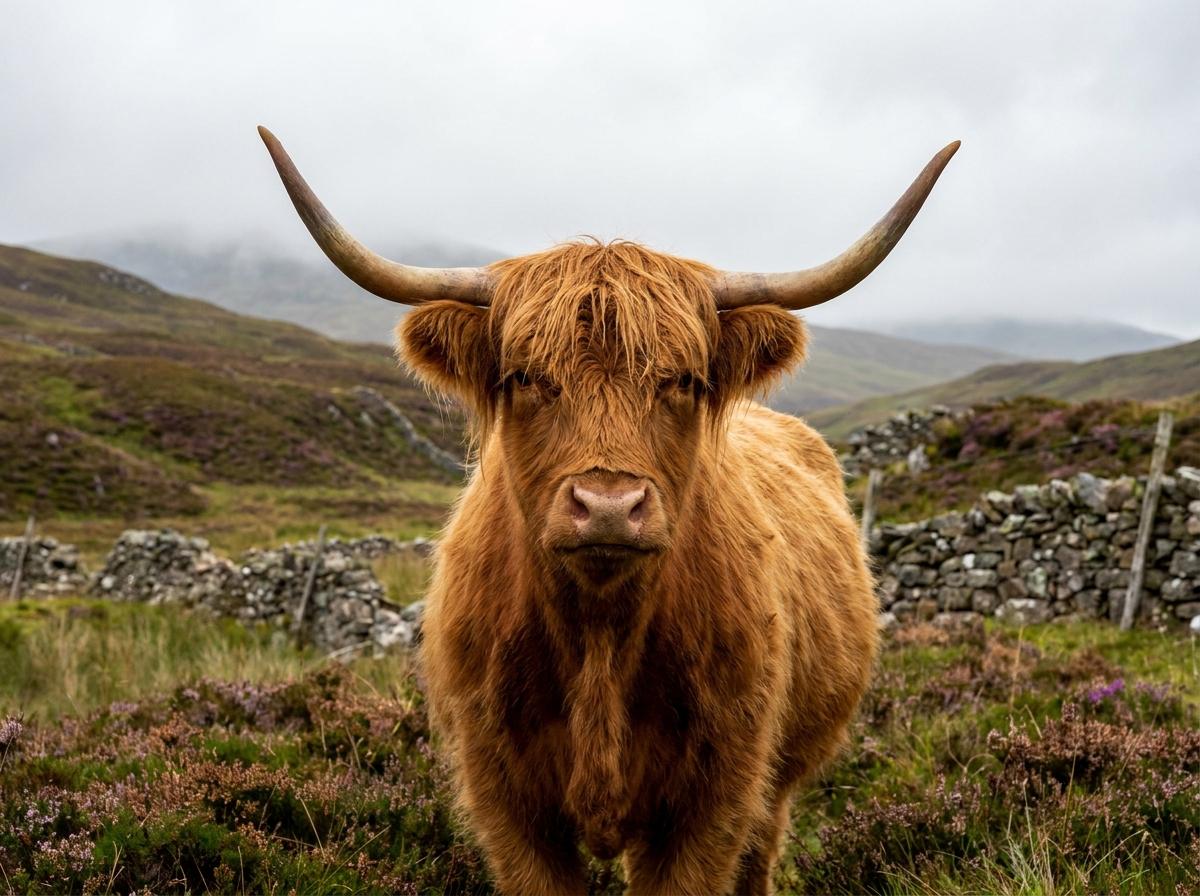
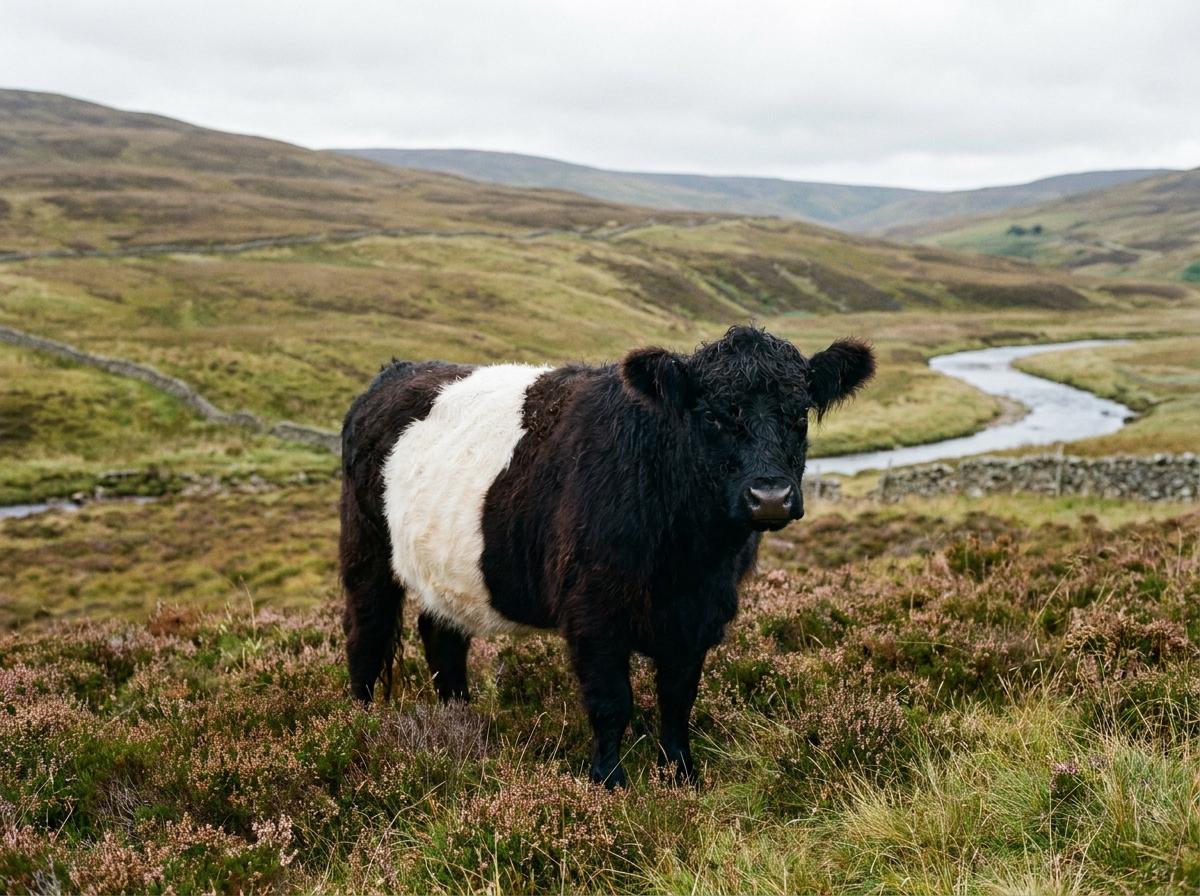
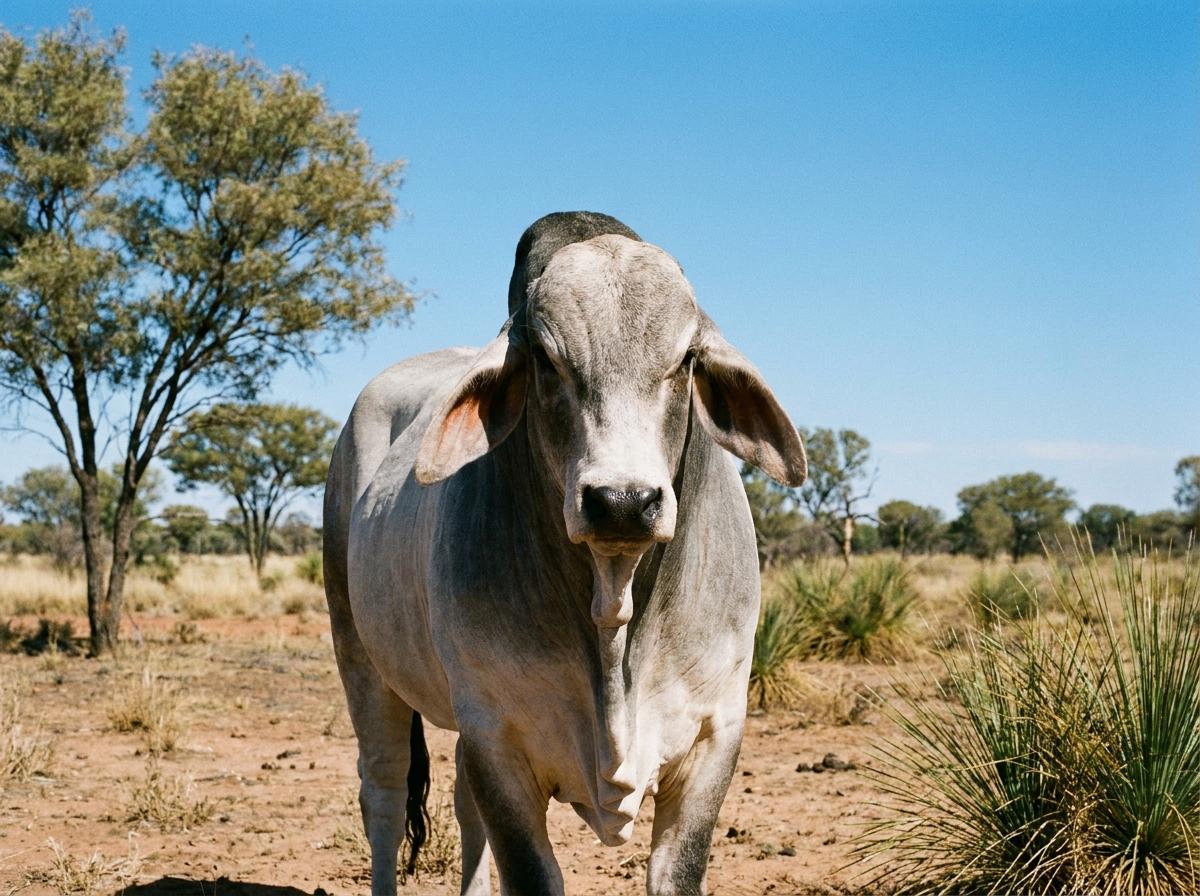
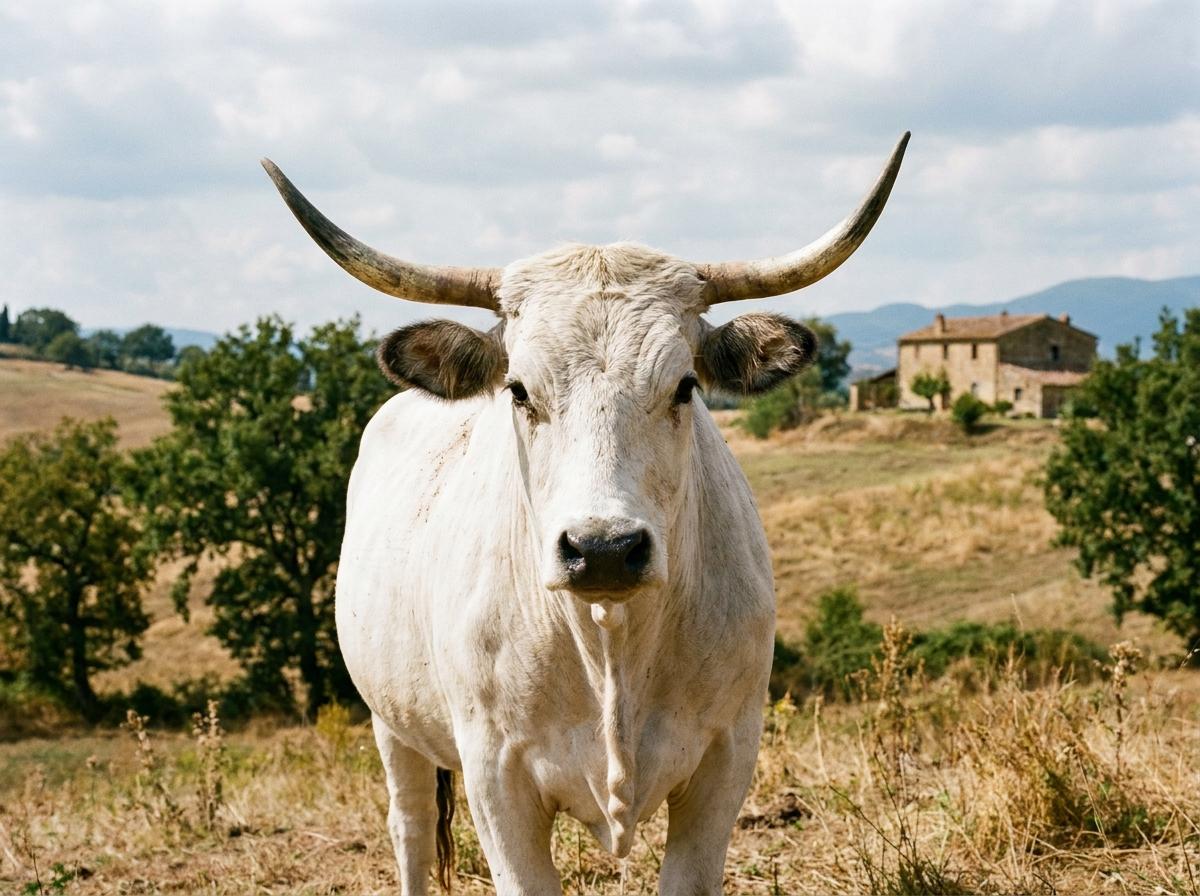
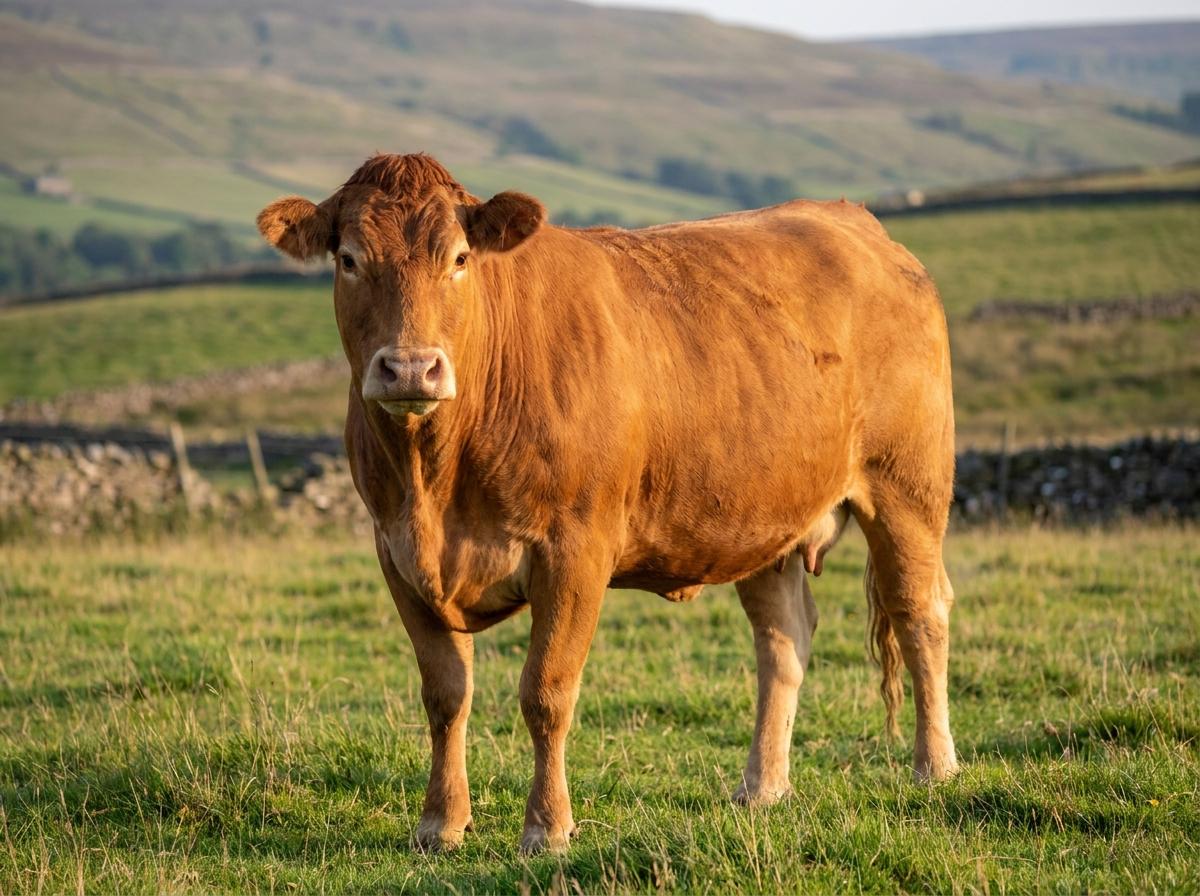
Achham cattle, also called Achhami cattle, are a small indigenous cattle breed from the Achham district and nearby mid-hill areas of far-western Nepal. They are among the smallest South Asian cattle, with a light frame, short legs, a small hump in many animals, and variable coat colors. Their size reflects generations of use on steep terraces, narrow paths, limited fodder, and household farms where a large cow would be hard to feed. Achham cattle are kept for calves, modest milk, manure, and light agricultural work, with cultural and genetic value beyond their sale weight.
In village conditions, the breed's main advantage is low maintenance rather than high production. Cows may give only small quantities of milk, but they can fit into mixed farming systems based on cut fodder, crop residues, forest grazing, and family labor. Care priorities include enough winter feed, protection from heavy rain and cold, parasite control, and avoiding injuries on steep ground. Conservation programs in Nepal have treated Achham cattle as a local genetic resource, so breeding animals should be identified carefully before crossbreeding with larger dairy or draught breeds.
Colors: Belted, Black, Black and White, Blaze Faced, Blue Roan, Brindle, Brockle Faced, Brown, Brown and White, Dun, Gray, Grey, Highbelt, Highpark, Lineback, Mottled, Pied, Red, Red and White, Red Roan, Riggit, Roan, Silver, Solid Black, Solid Red, Solid White, Speckled, Spotted, White, White Faced, Yellow