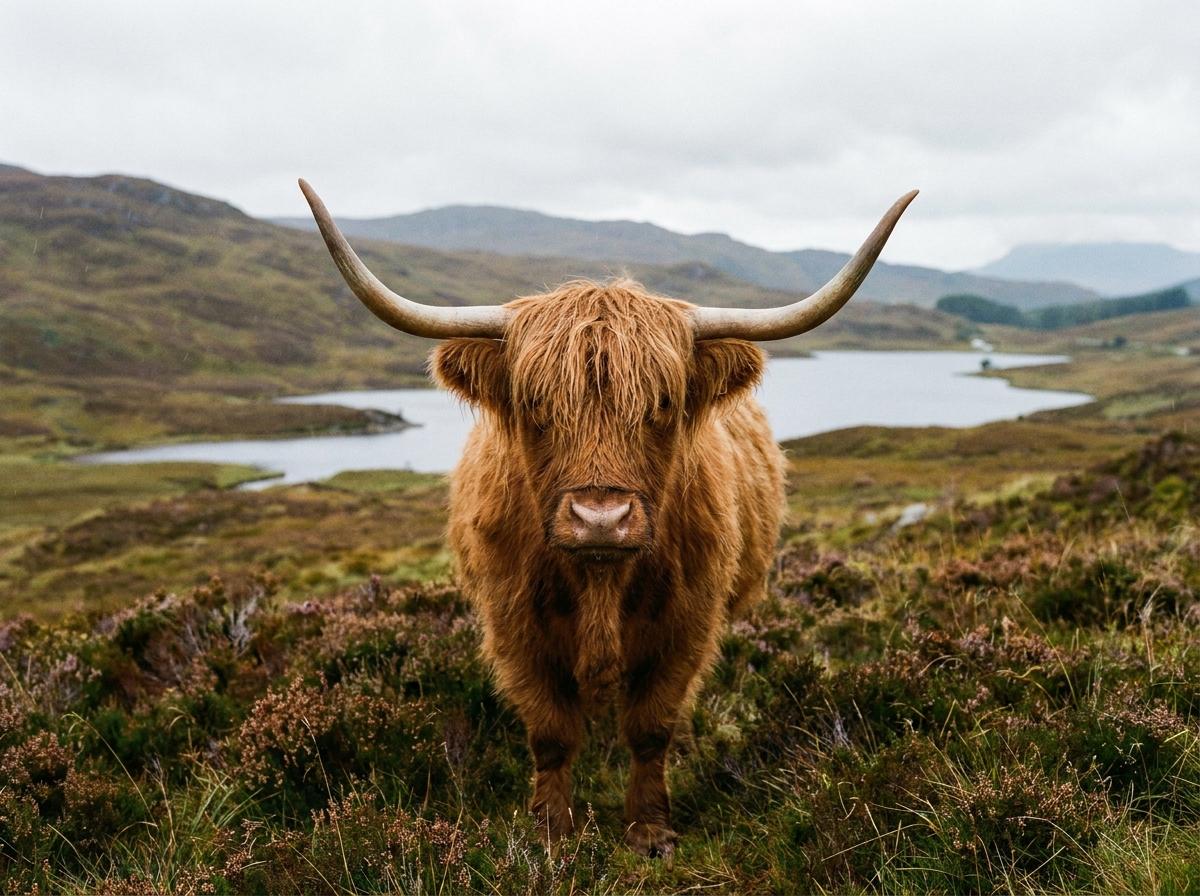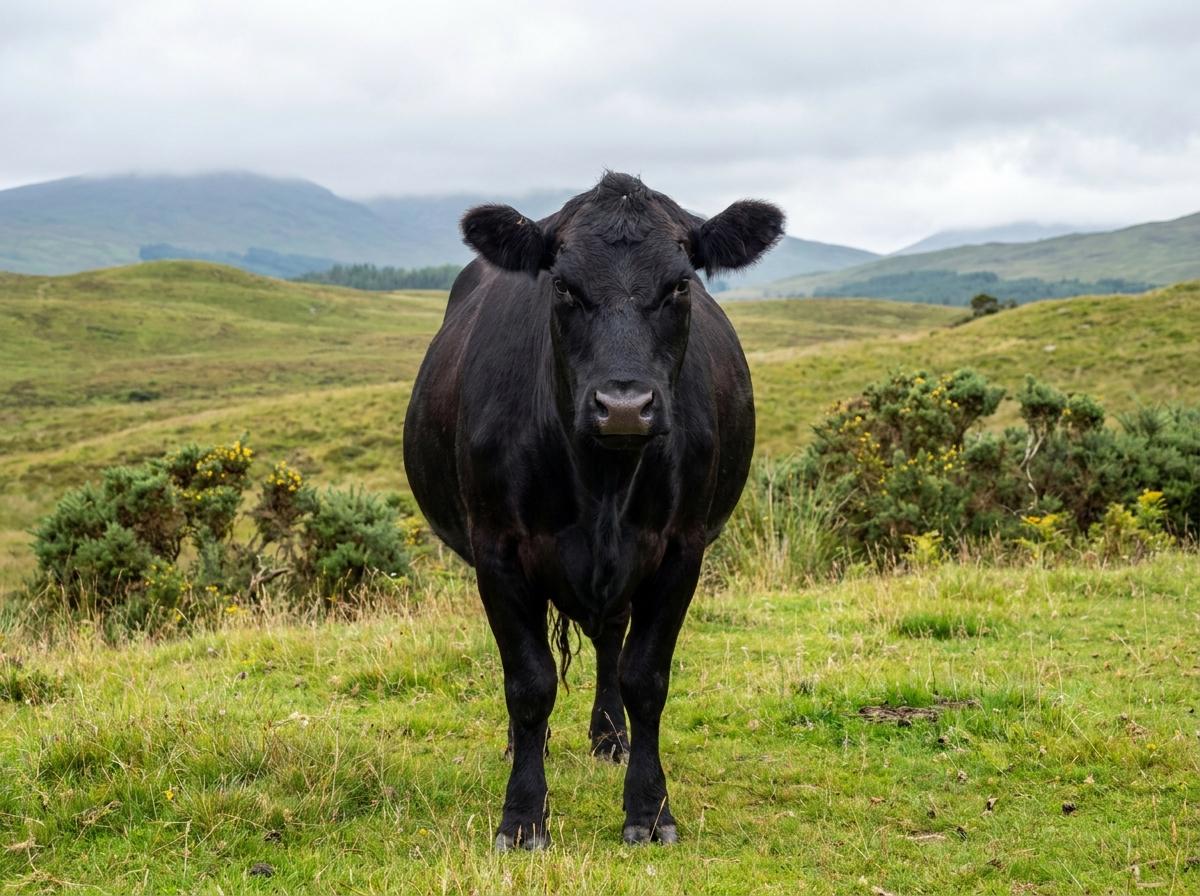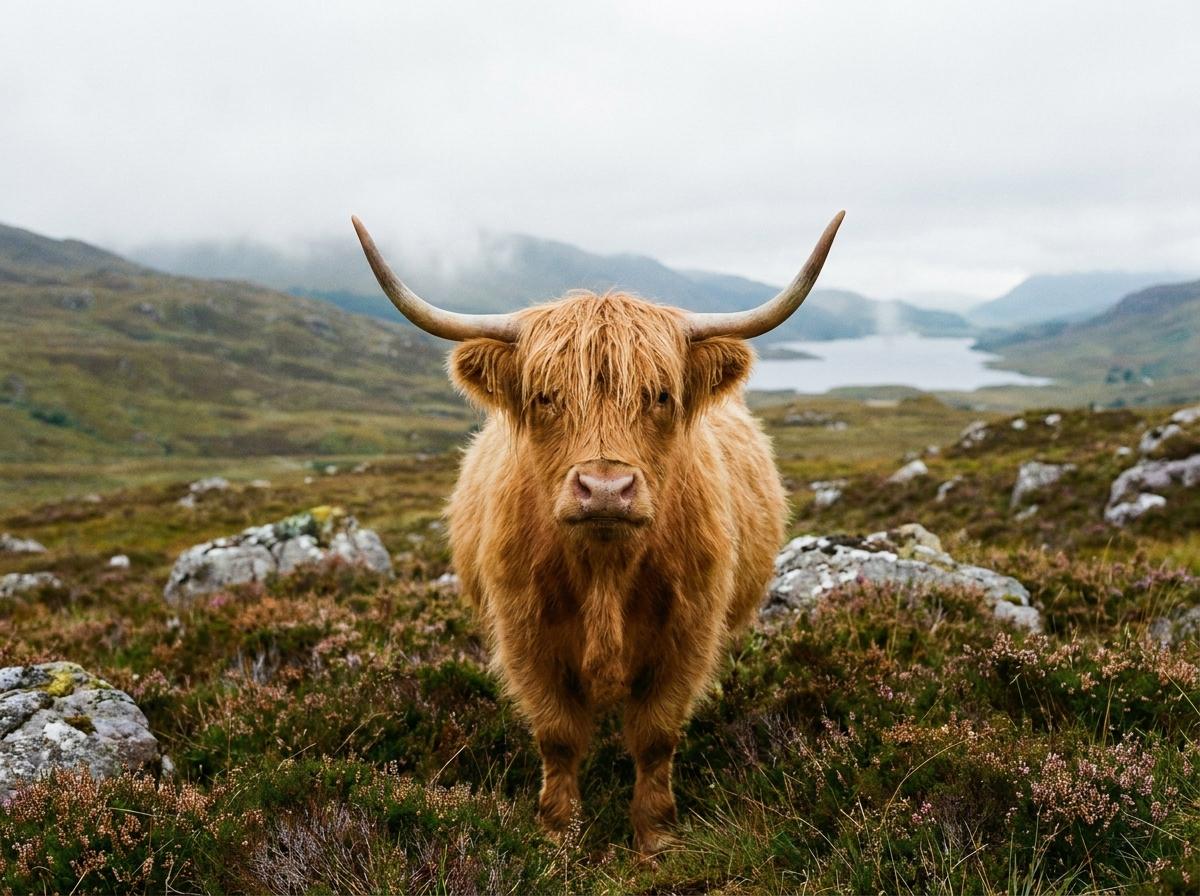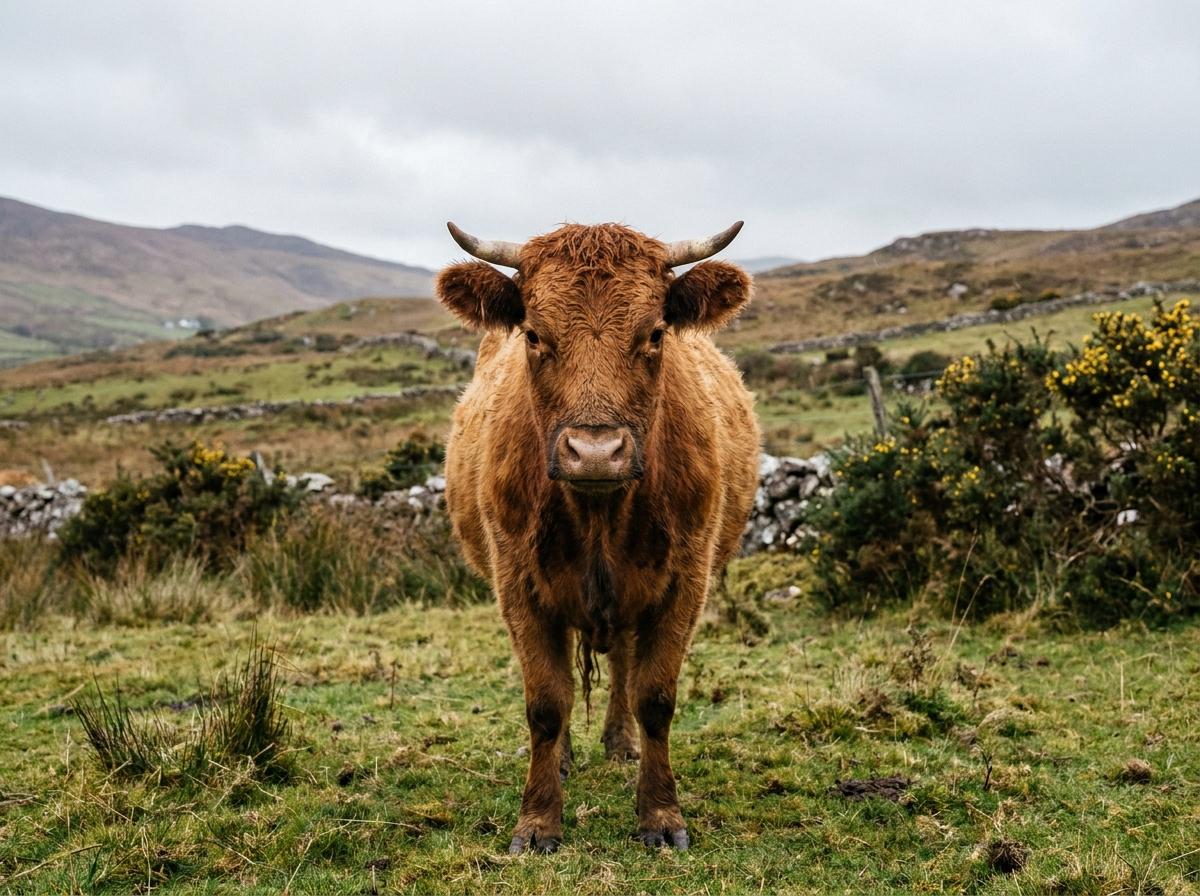


Adamawa
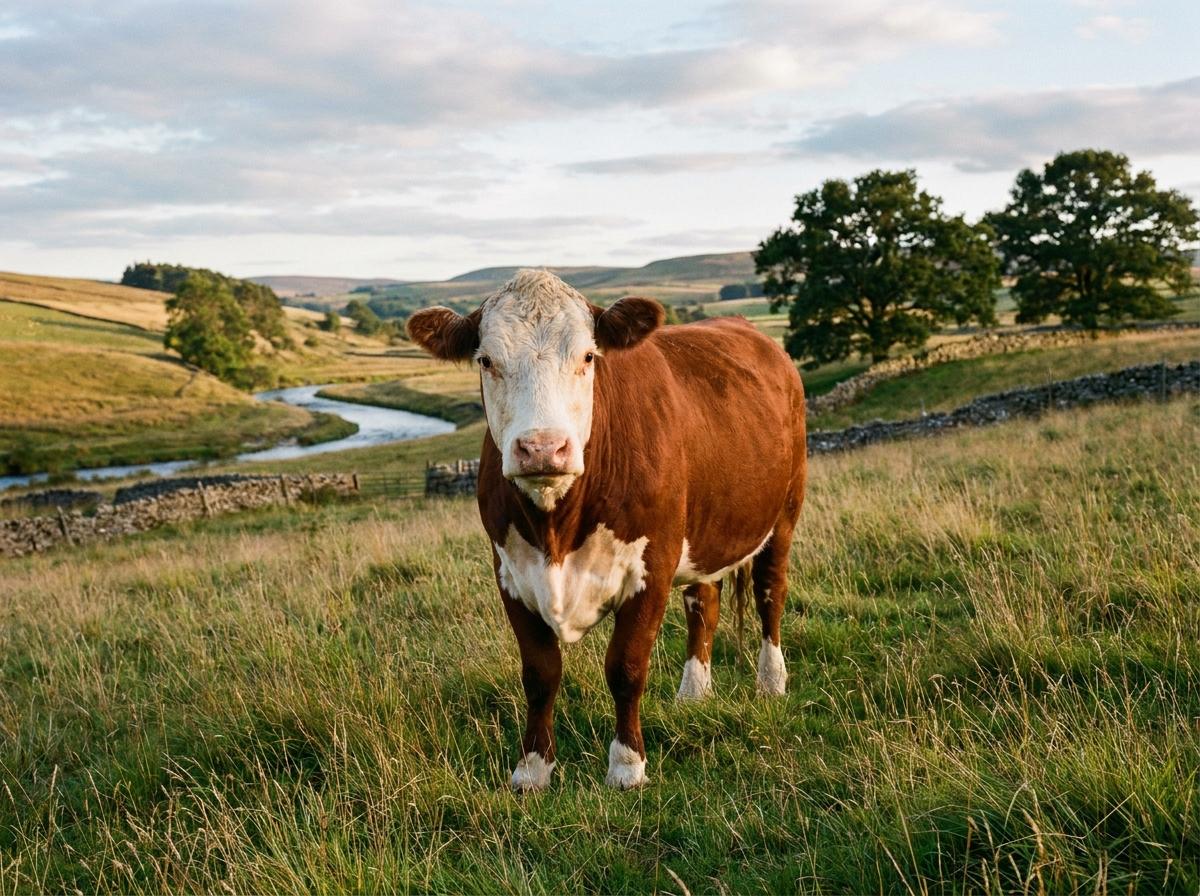
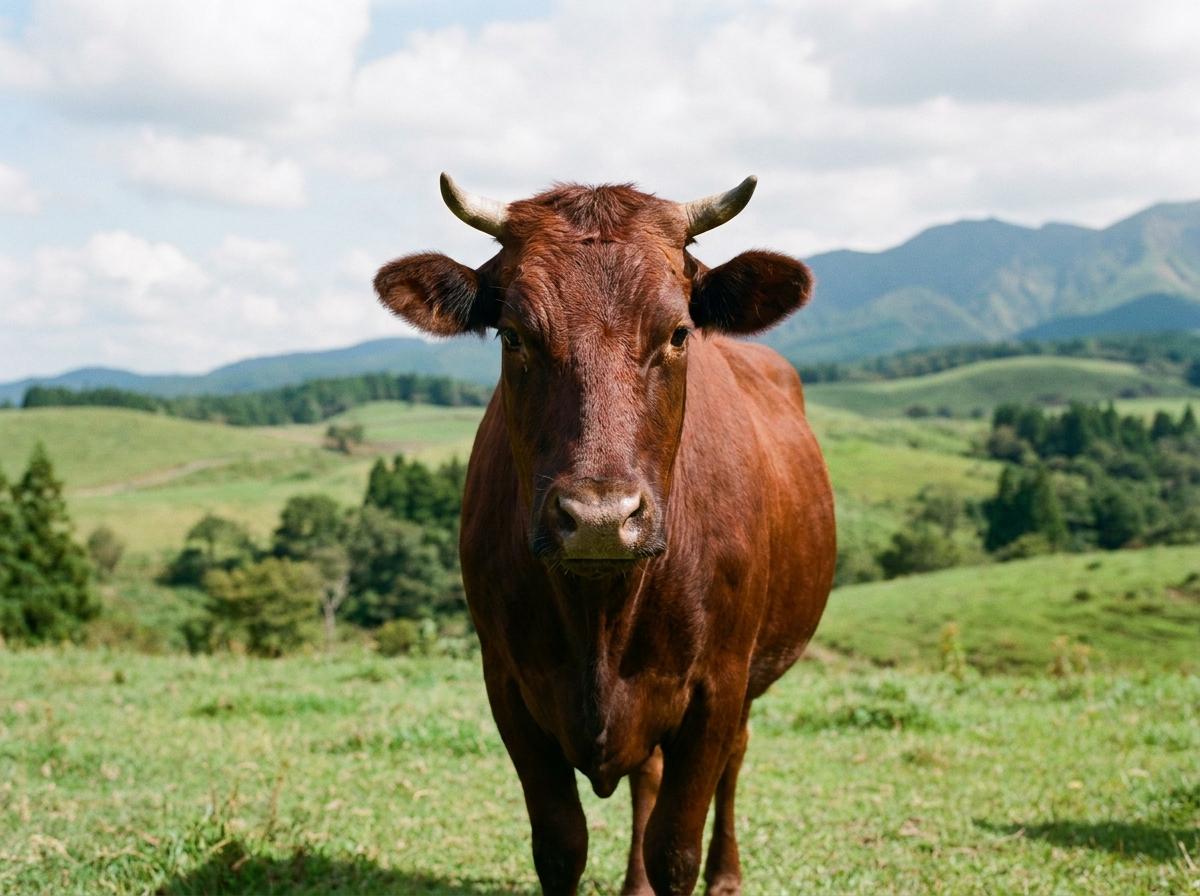
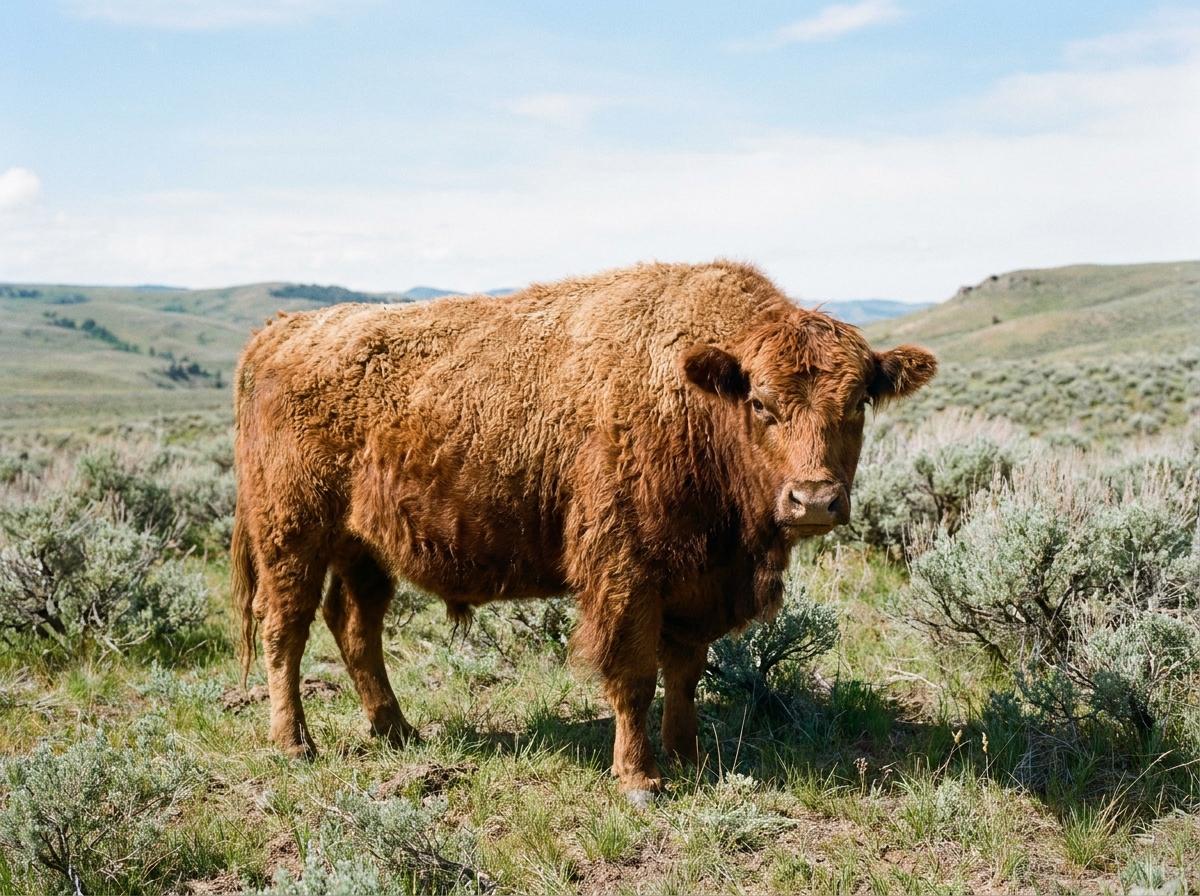
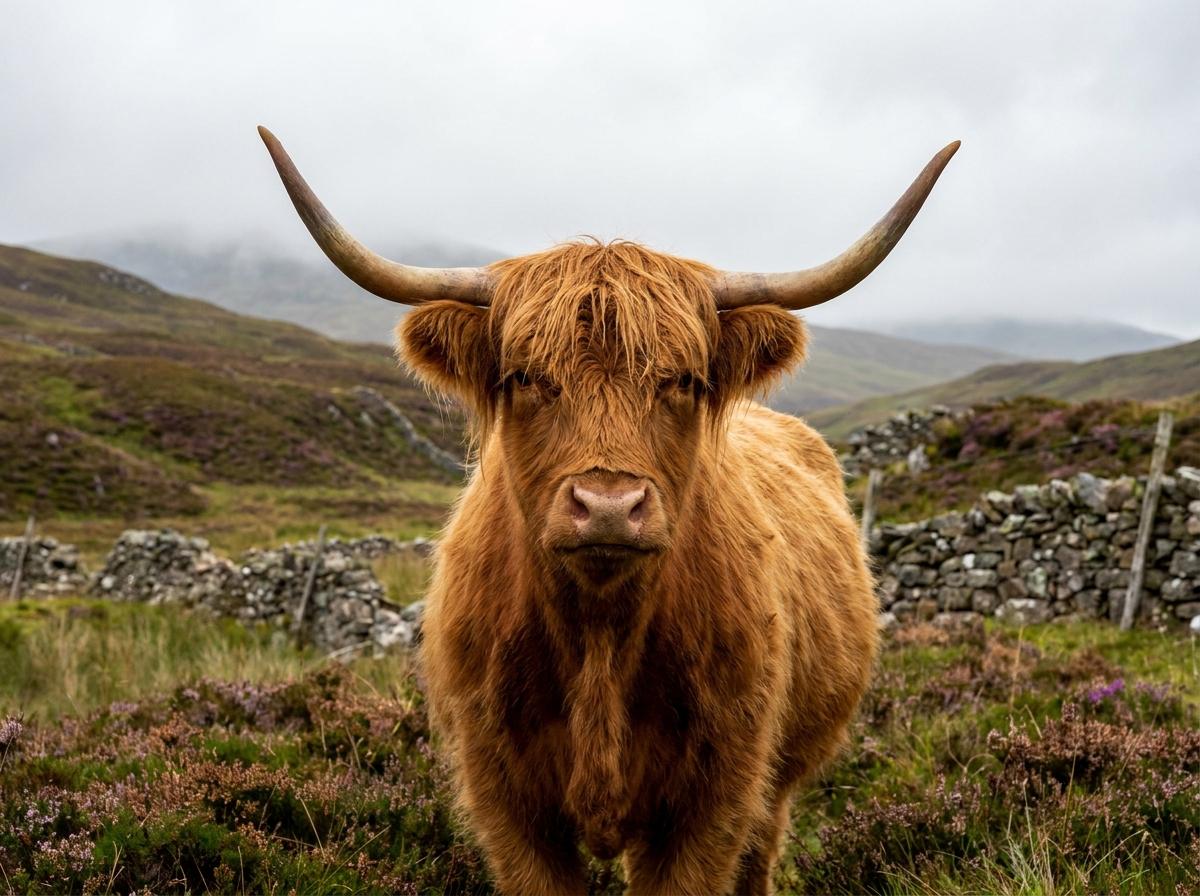
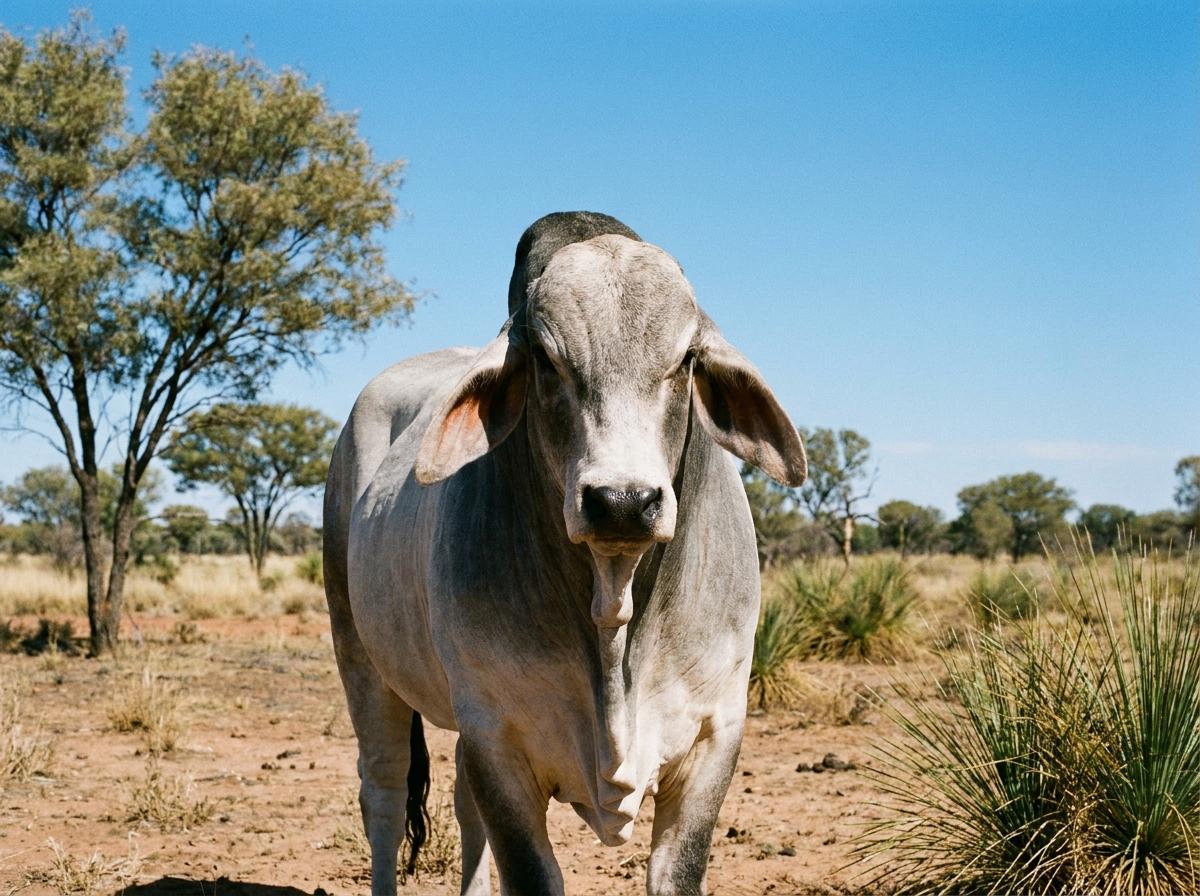
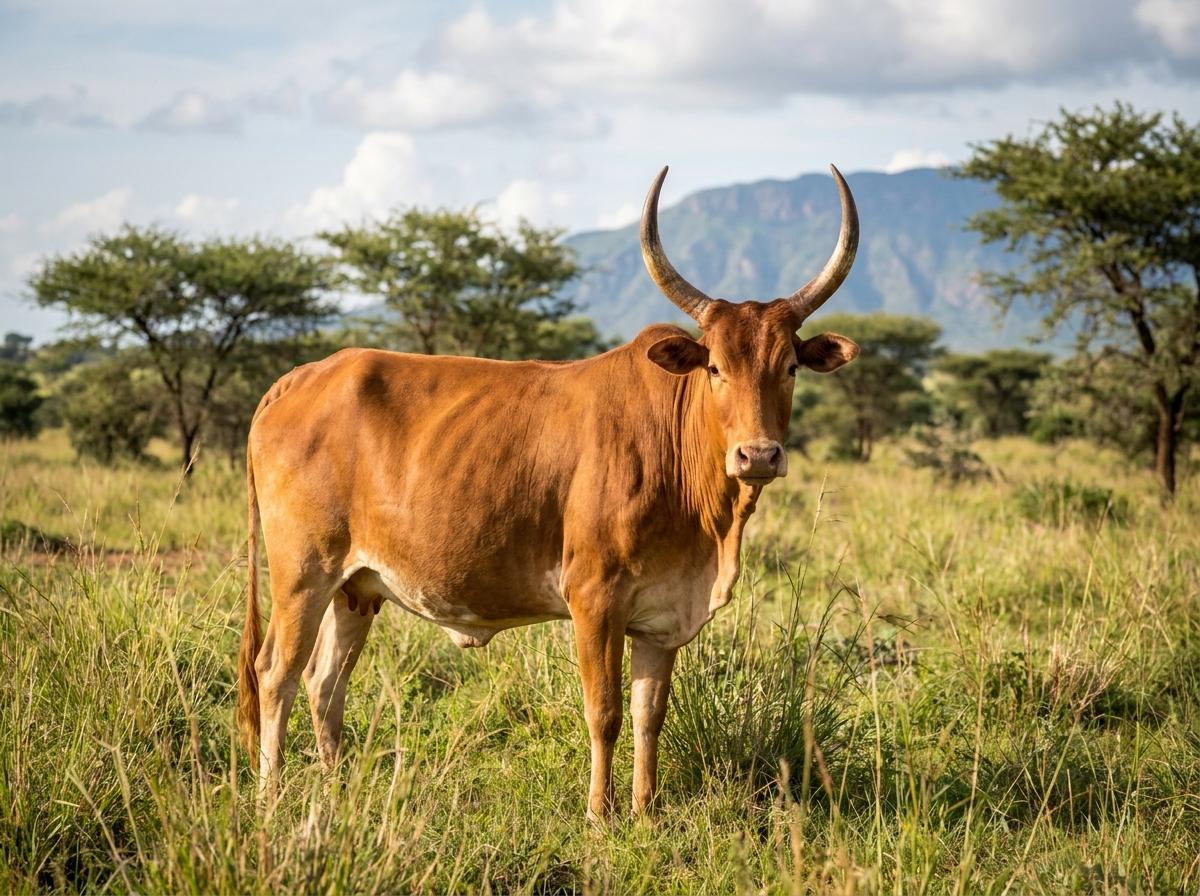
Adamawa cattle are West and Central African humped cattle associated with the Adamawa Plateau of Cameroon and Nigeria and adjoining savanna regions. The name is used somewhat variably, and in some contexts overlaps with Adamawa Gudali or Fulani-type zebu cattle. Animals are generally medium framed, heat tolerant, and suited to walking between seasonal grazing and water, with coat color, horn size, and body depth differing between herds. They are kept for beef, milk, calves, manure, and household wealth in pastoral and agropastoral systems.
Management of Adamawa cattle is closely tied to savanna grazing cycles, dry-season feed, tick and fly pressure, and access to veterinary services. They can perform well where European cattle struggle with heat and sparse forage, but they still need mineral supplementation, disease prevention, and careful handling during long treks or market transport. Breeding choices are often practical: cows must conceive again, raise calves, and keep body condition before traits such as show type matter. Projects using the Adamawa name should record local herd origin because it may refer to a regional population rather than a single closed breed.
Colors: Belted, Black, Black and White, Blaze Faced, Blue Roan, Brindle, Brockle Faced, Brown, Brown and White, Dun, Gray, Grey, Highbelt, Highpark, Lineback, Mottled, Pied, Red, Red and White, Red Roan, Riggit, Roan, Silver, Solid Black, Solid Red, Solid White, Speckled, Spotted, White, White Faced, Yellow