

Aliad Dinka
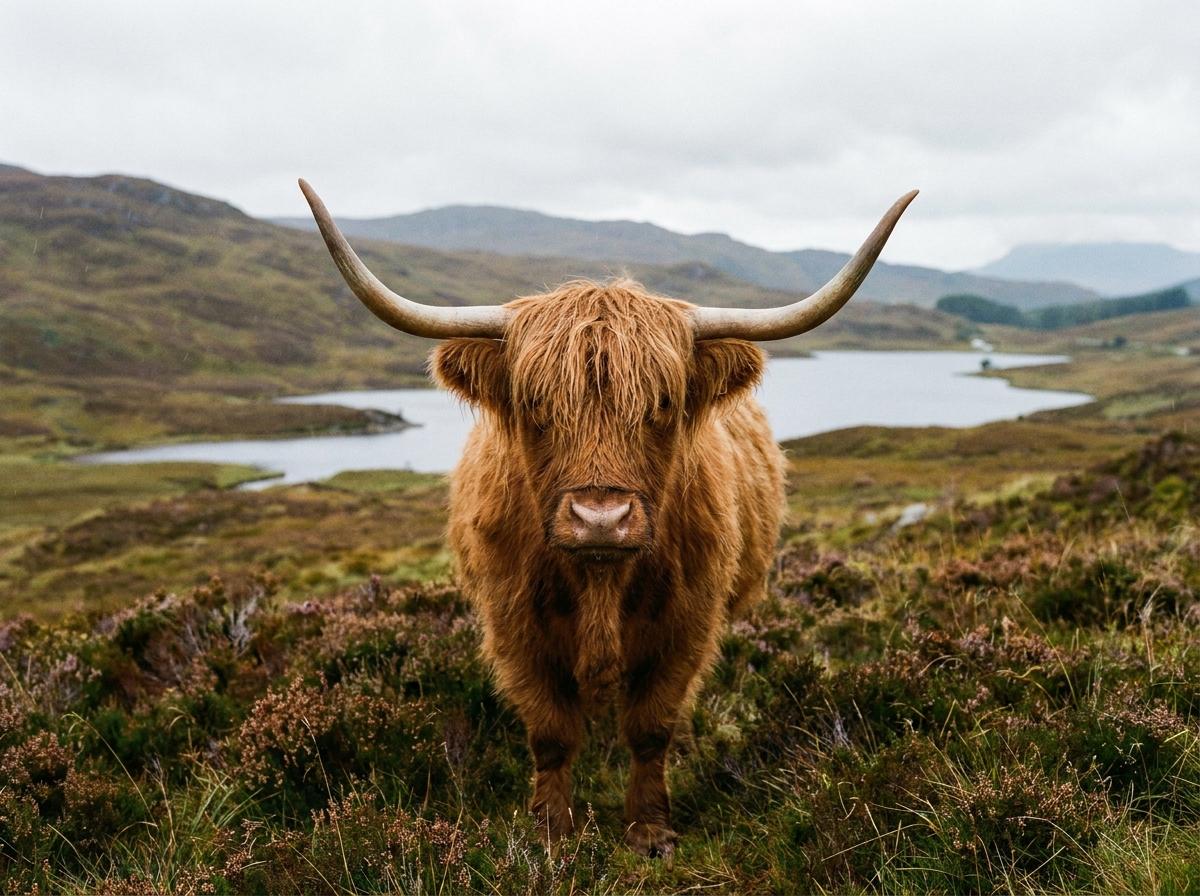
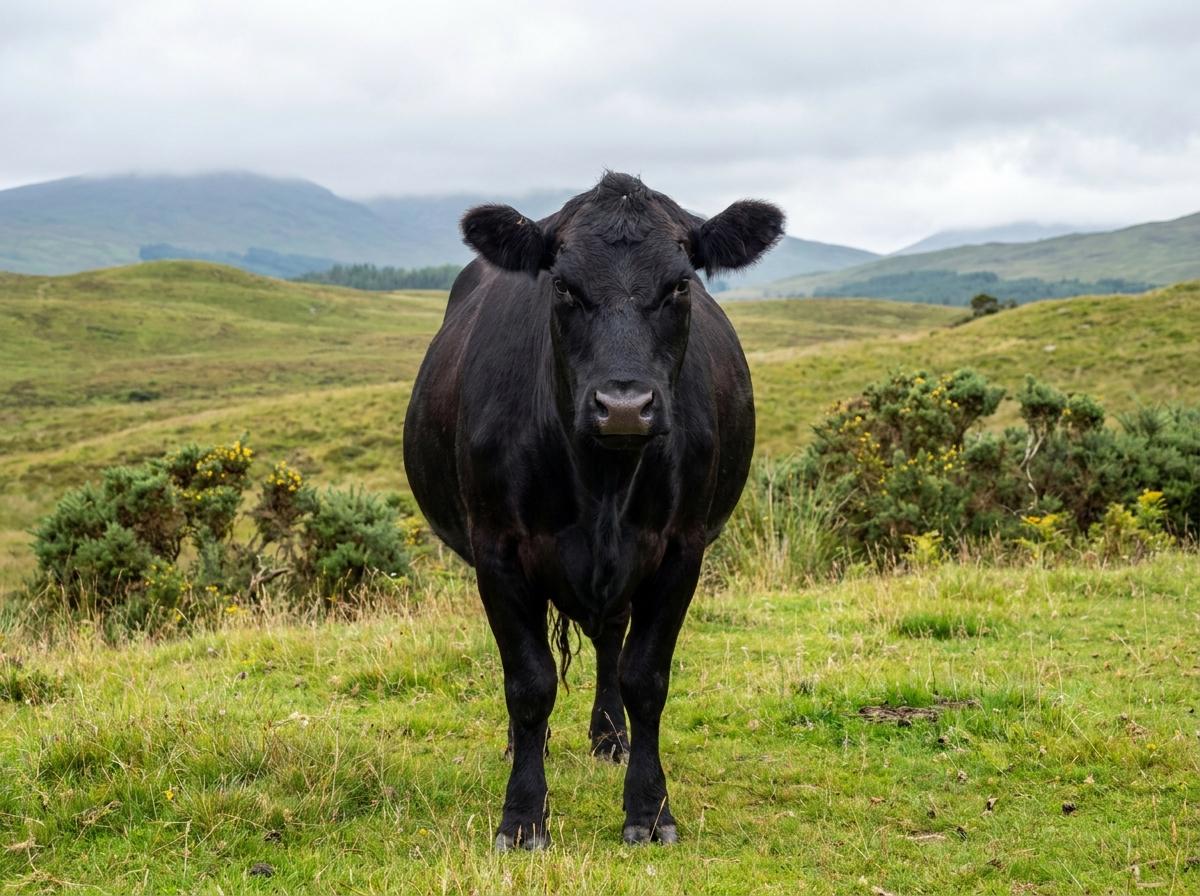
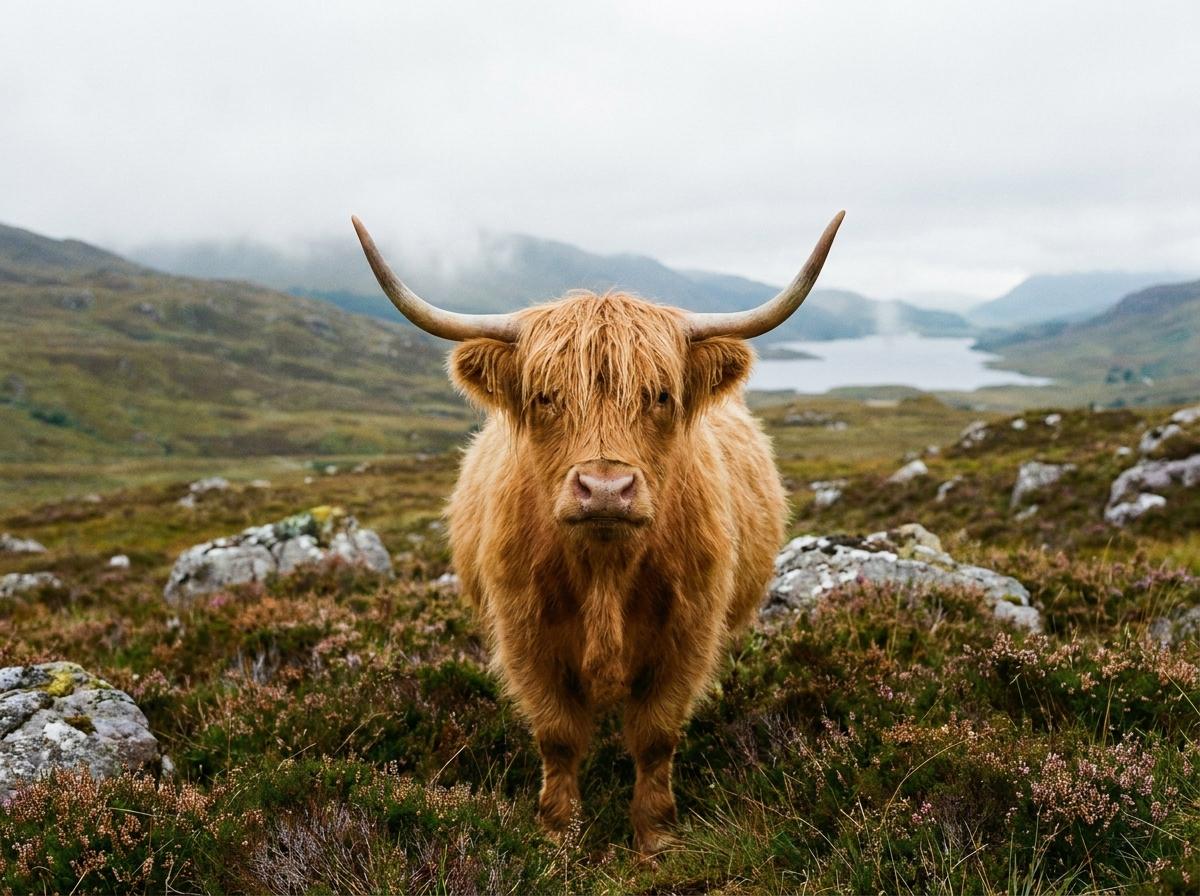
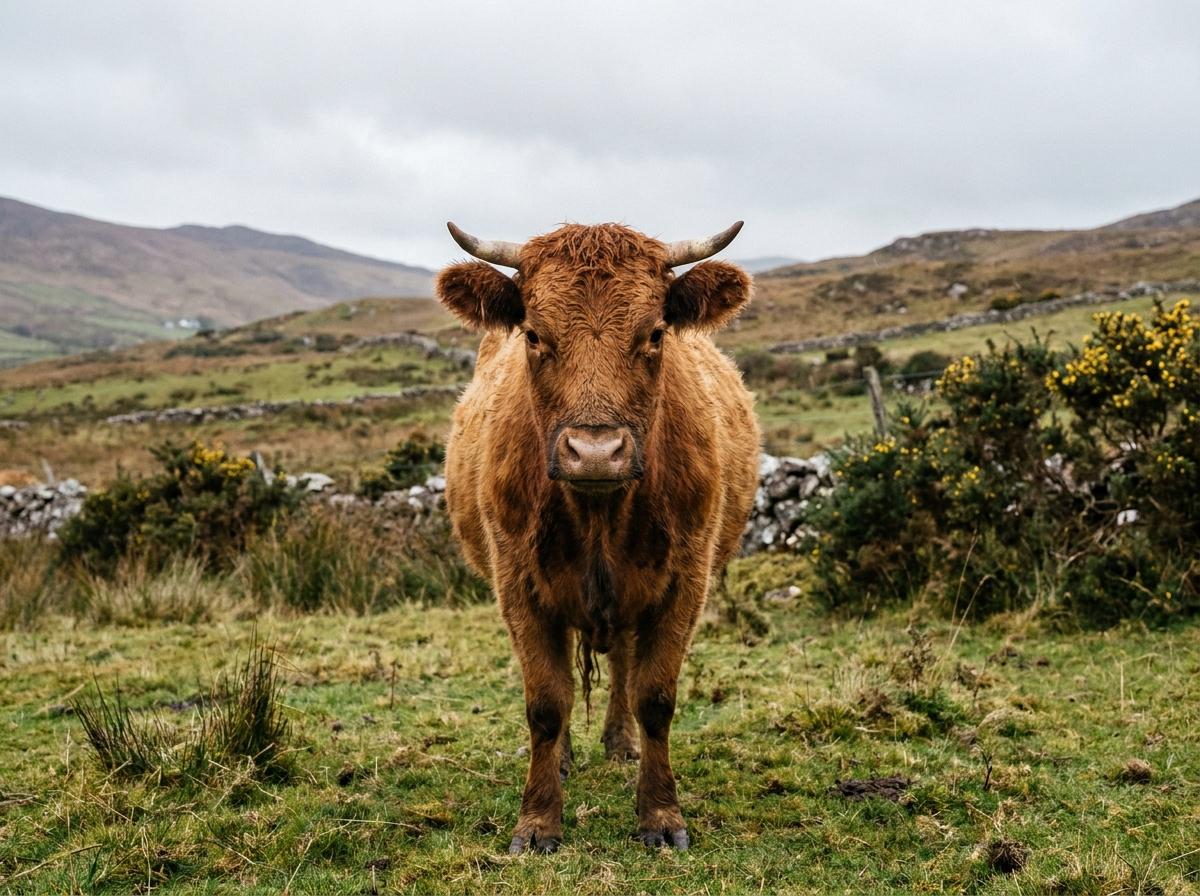
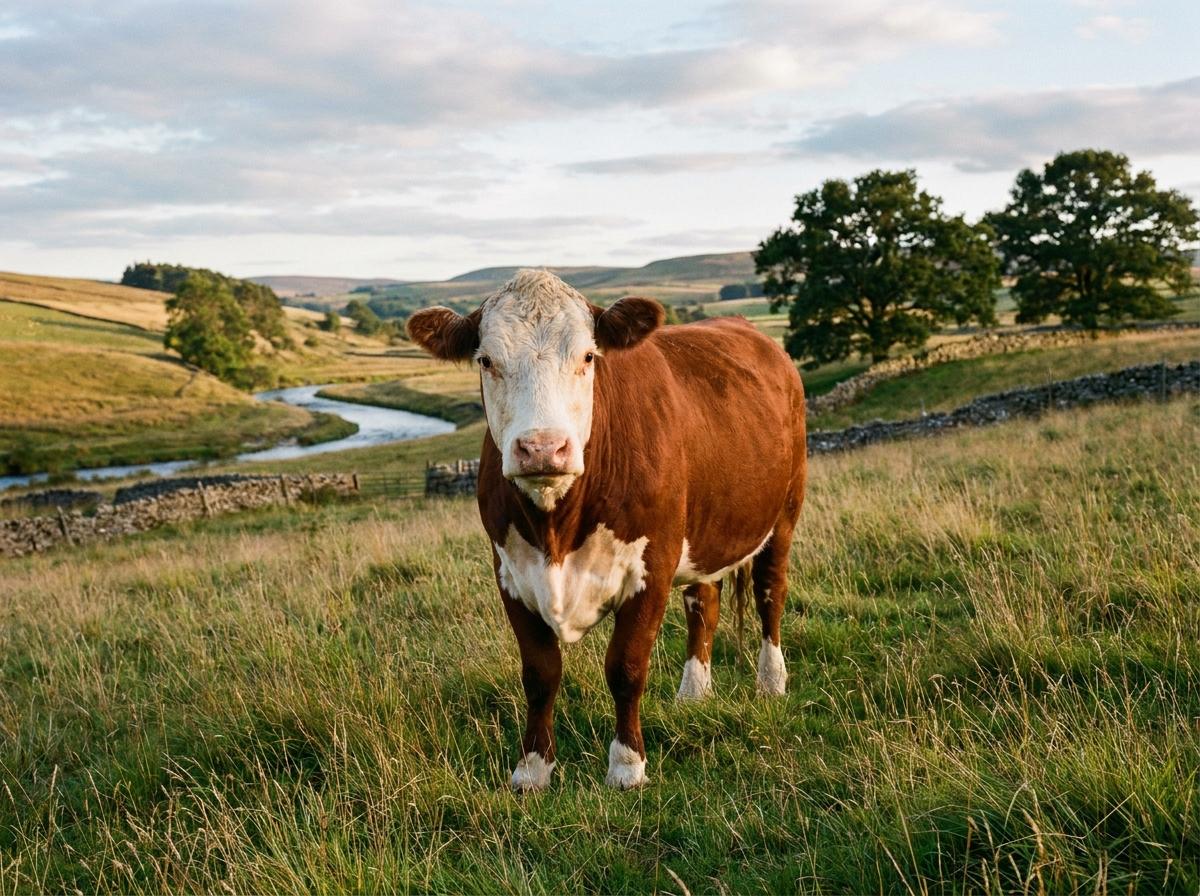
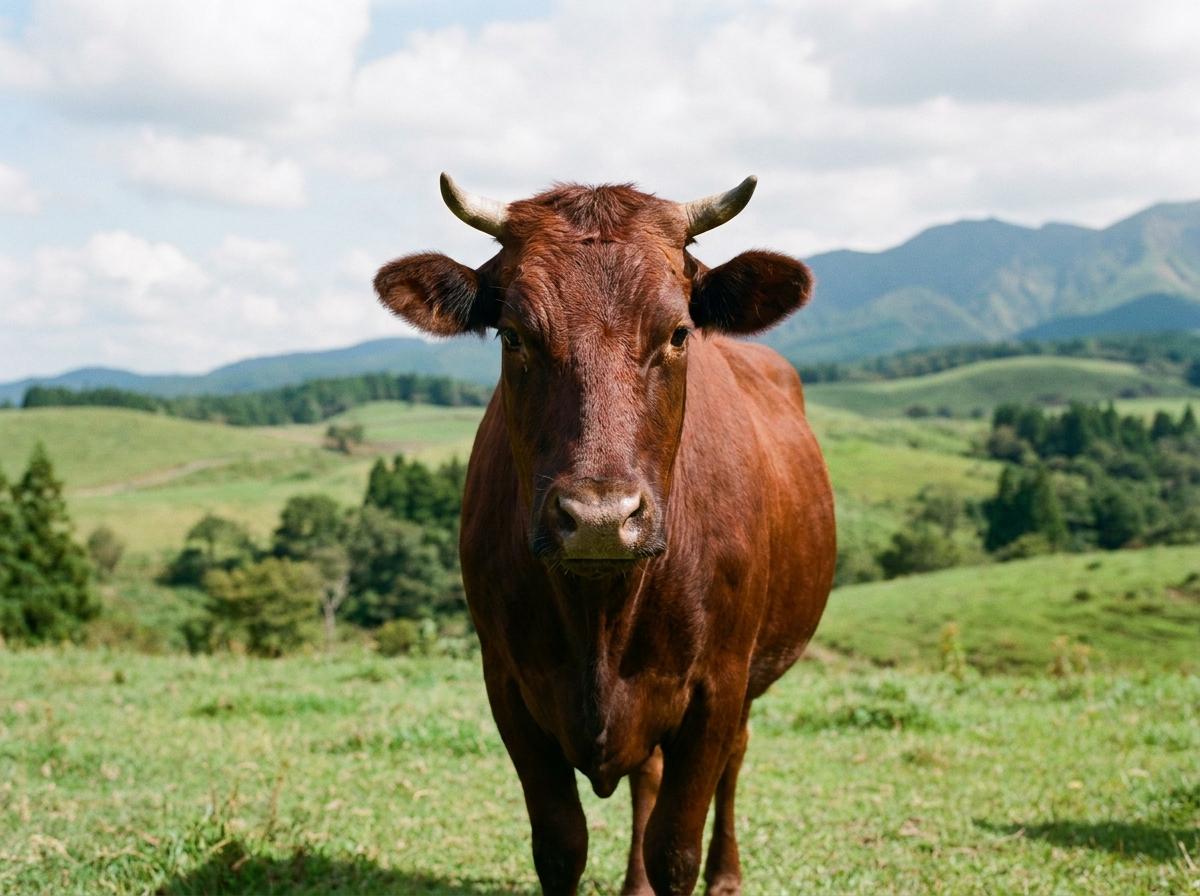
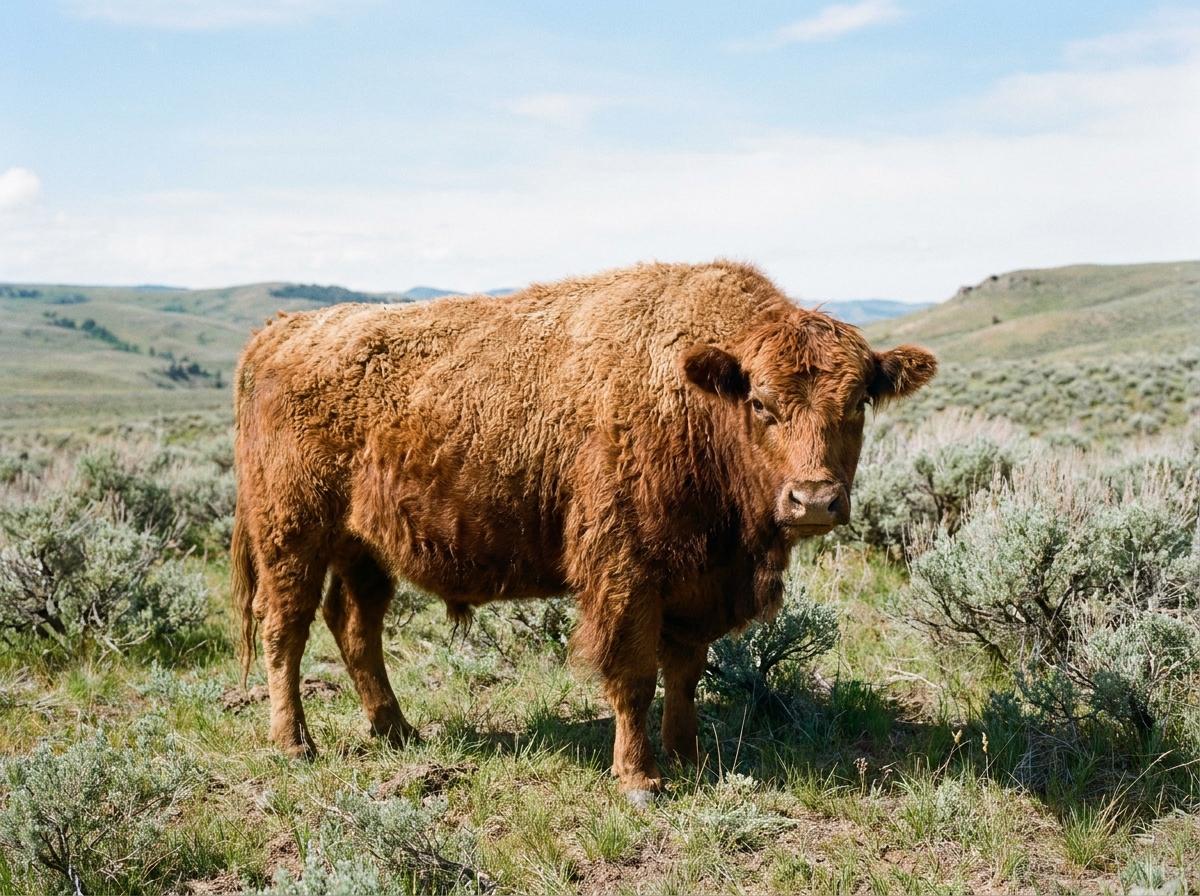
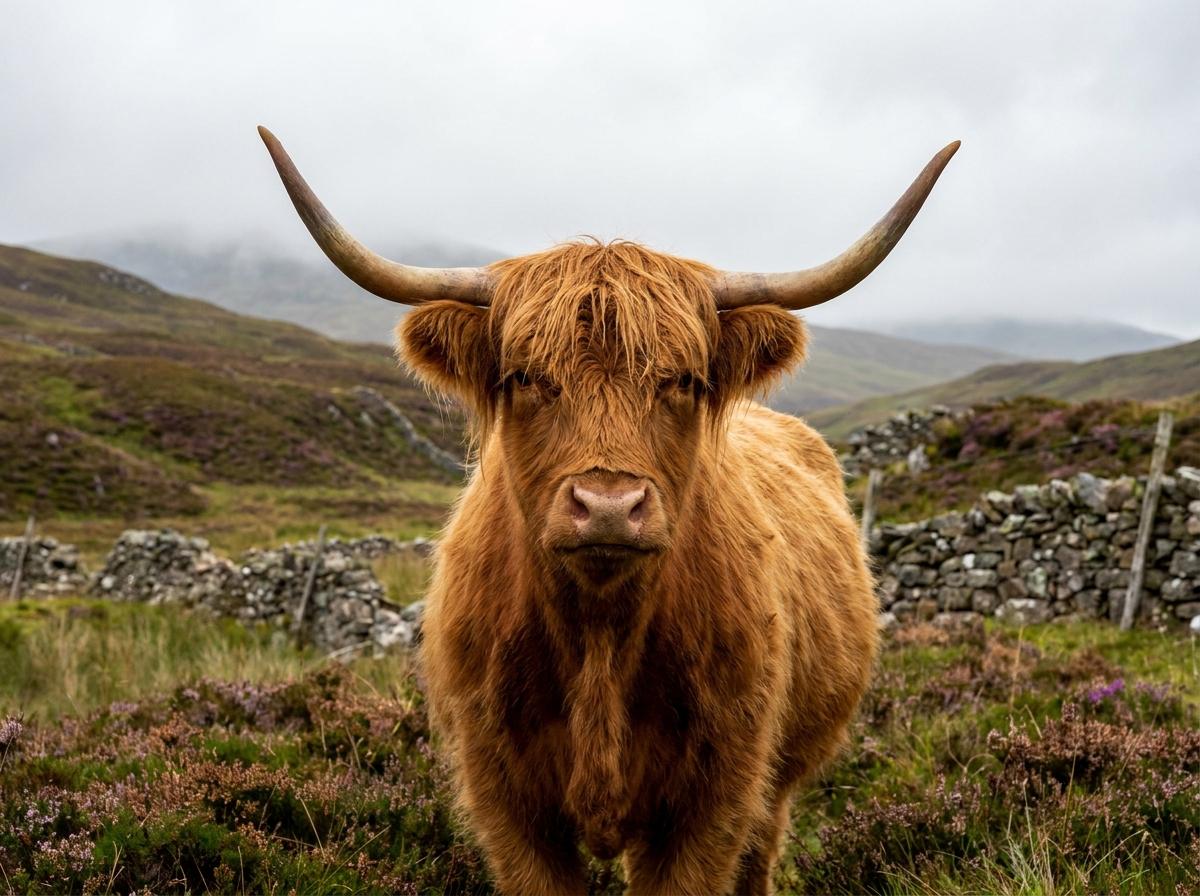
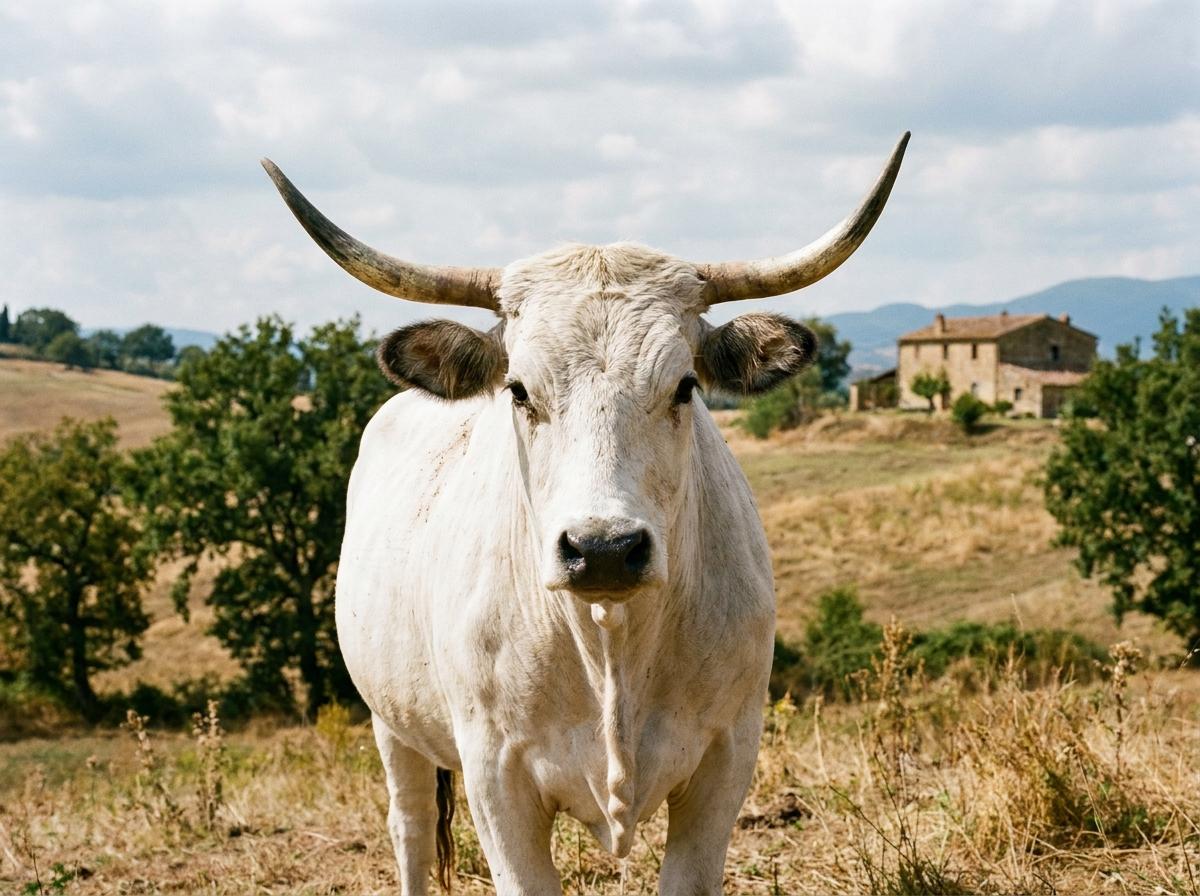
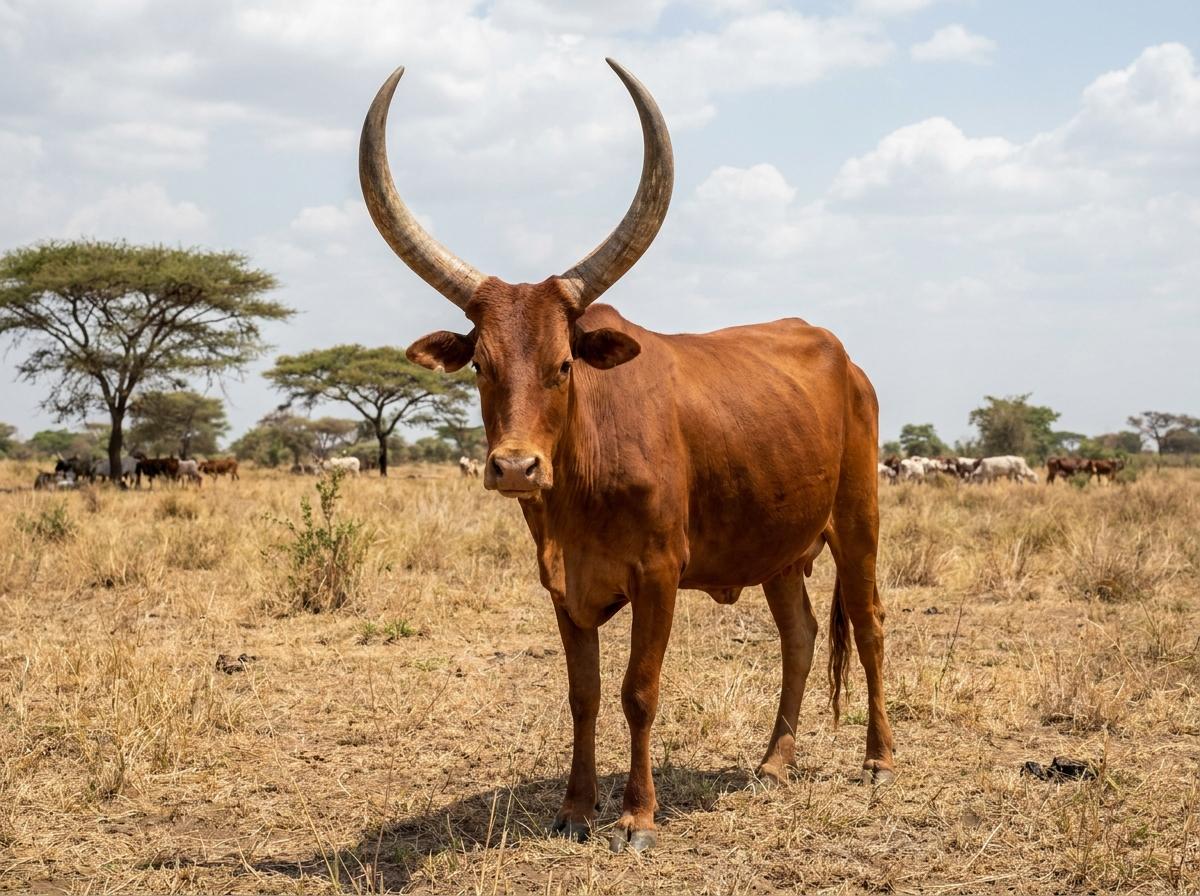
Aliad Dinka cattle are a regional Nilotic or Sanga-type cattle population associated with Dinka pastoral communities of South Sudan; the name appears in livestock references with local spelling variation. They are usually described as long-horned, variable-colored cattle kept for milk, meat, exchange, and social wealth rather than as a uniform show breed. Like other Dinka cattle, they reflect generations of selection under floodplain grazing, seasonal movement, heat, and disease pressure.
Management is traditionally based around cattle camps, communal herding, wet-season and dry-season grazing, and close knowledge of individual animals. Milk yield is modest by commercial dairy standards, but survival, mothering, and walking ability matter more in these systems. Veterinary access, tick control, water security, and conflict over grazing can strongly affect herds. For conservation or research, documenting community ownership and local names is as important as measuring horns or body size.
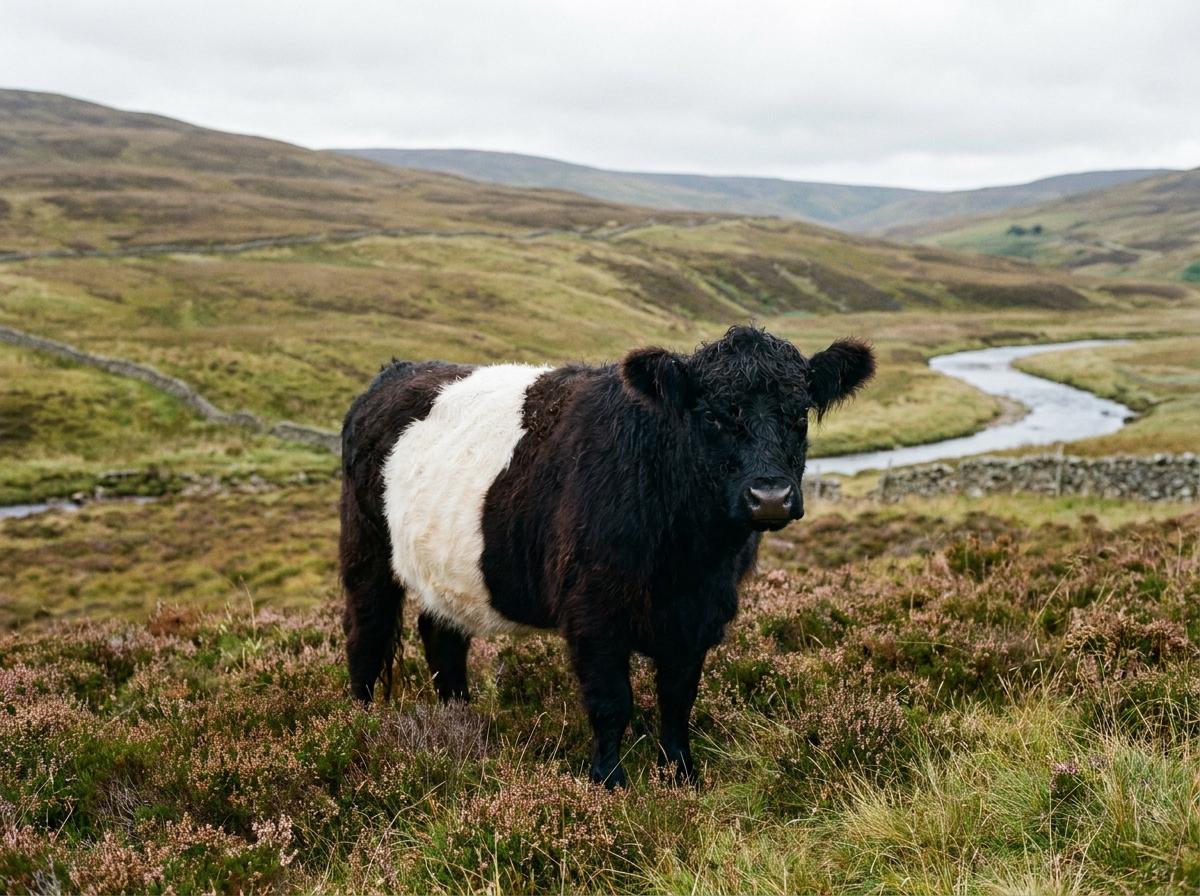
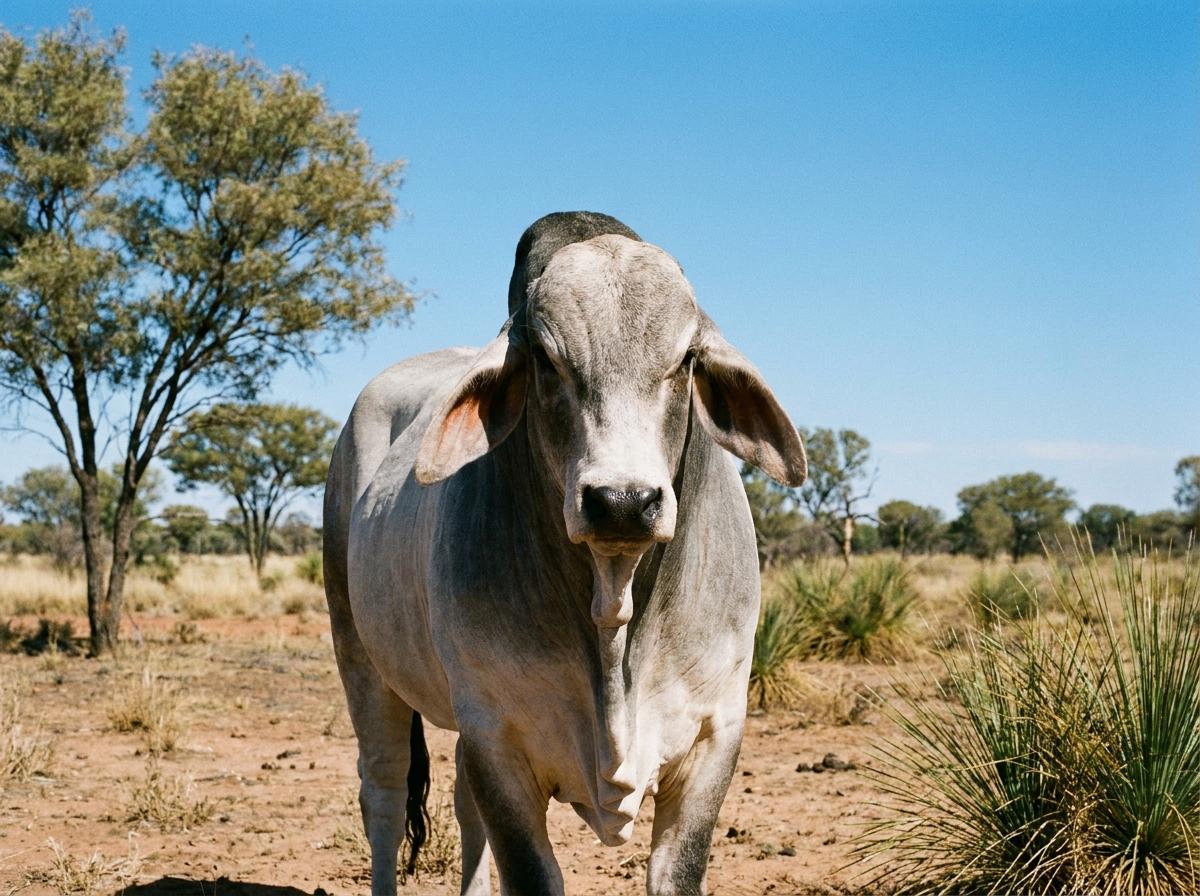
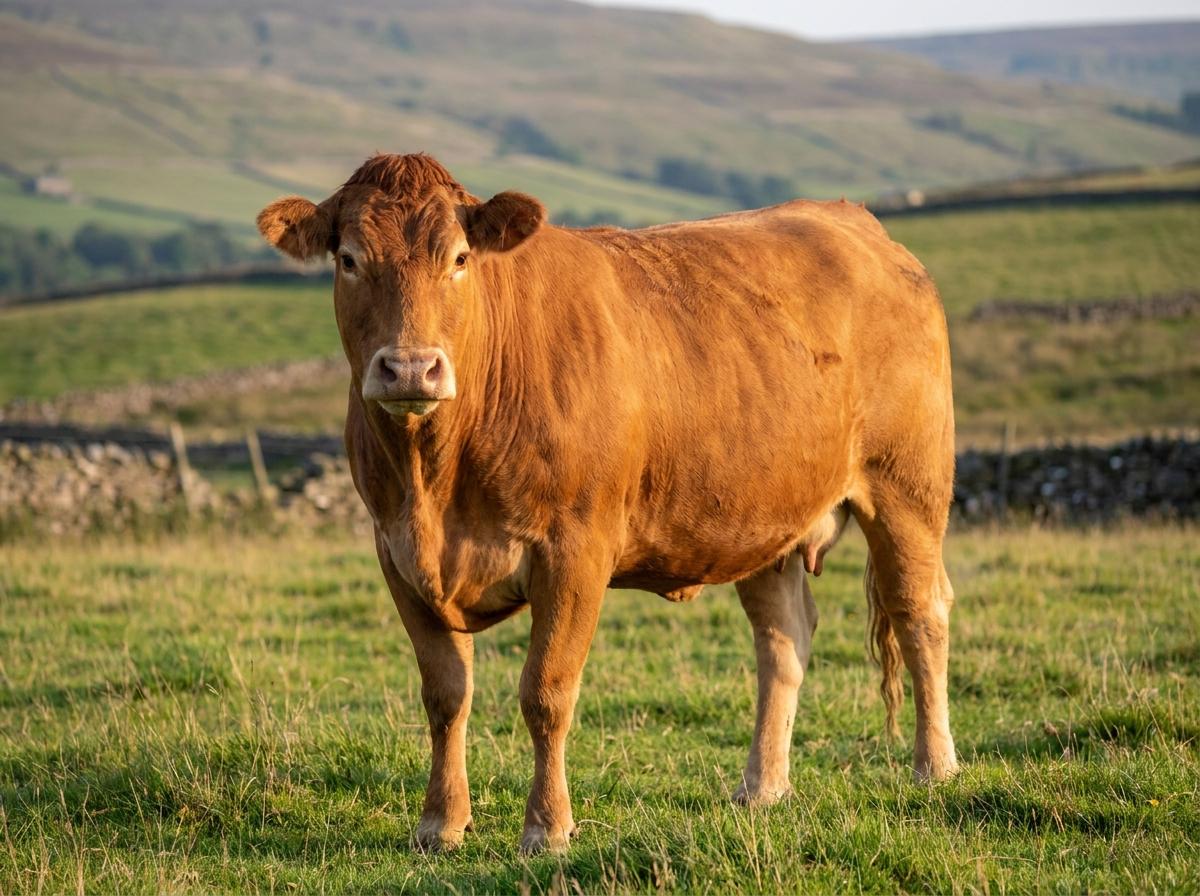
Colors: Belted, Black, Black and White, Blaze Faced, Blue Roan, Brindle, Brockle Faced, Brown, Brown and White, Dun, Gray, Grey, Highbelt, Highpark, Lineback, Mottled, Pied, Red, Red and White, Red Roan, Riggit, Roan, Silver, Solid Black, Solid Red, Solid White, Speckled, Spotted, White, White Faced, Yellow