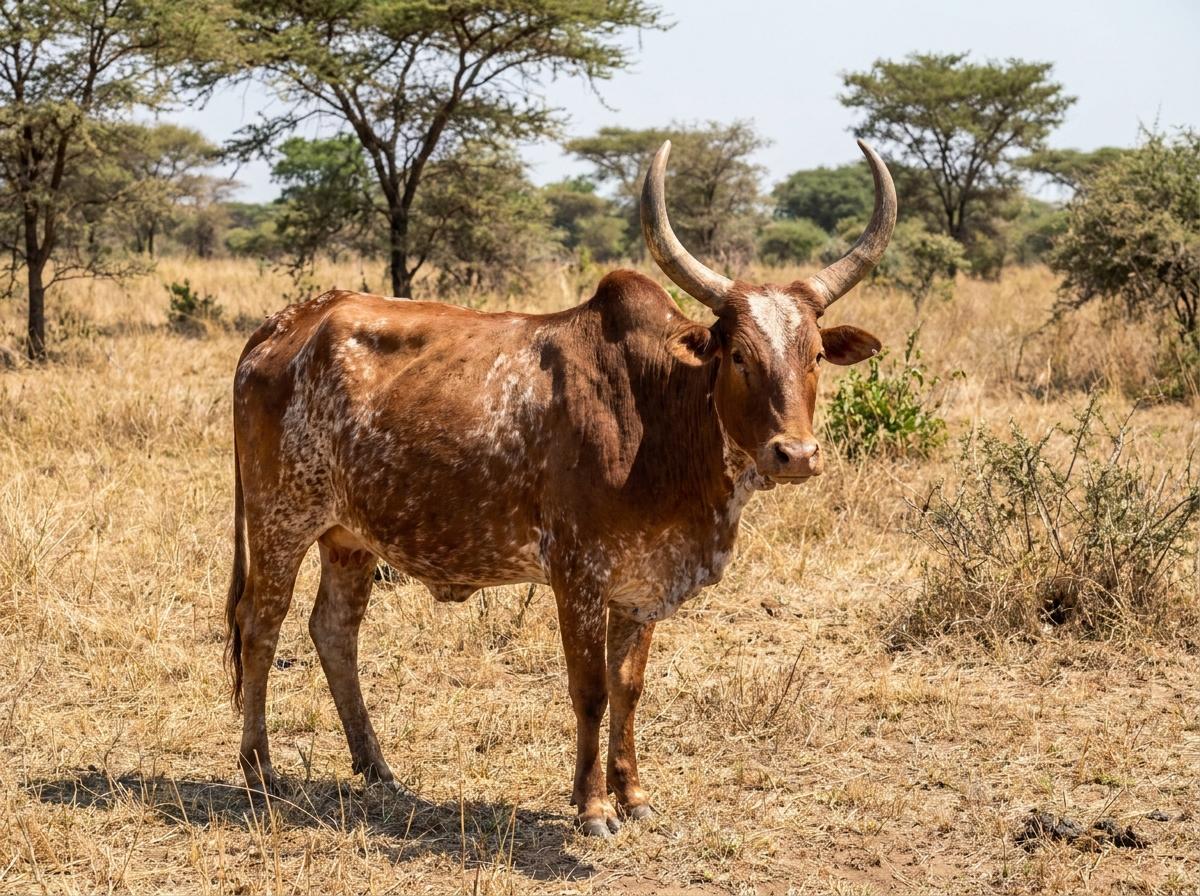
Alur
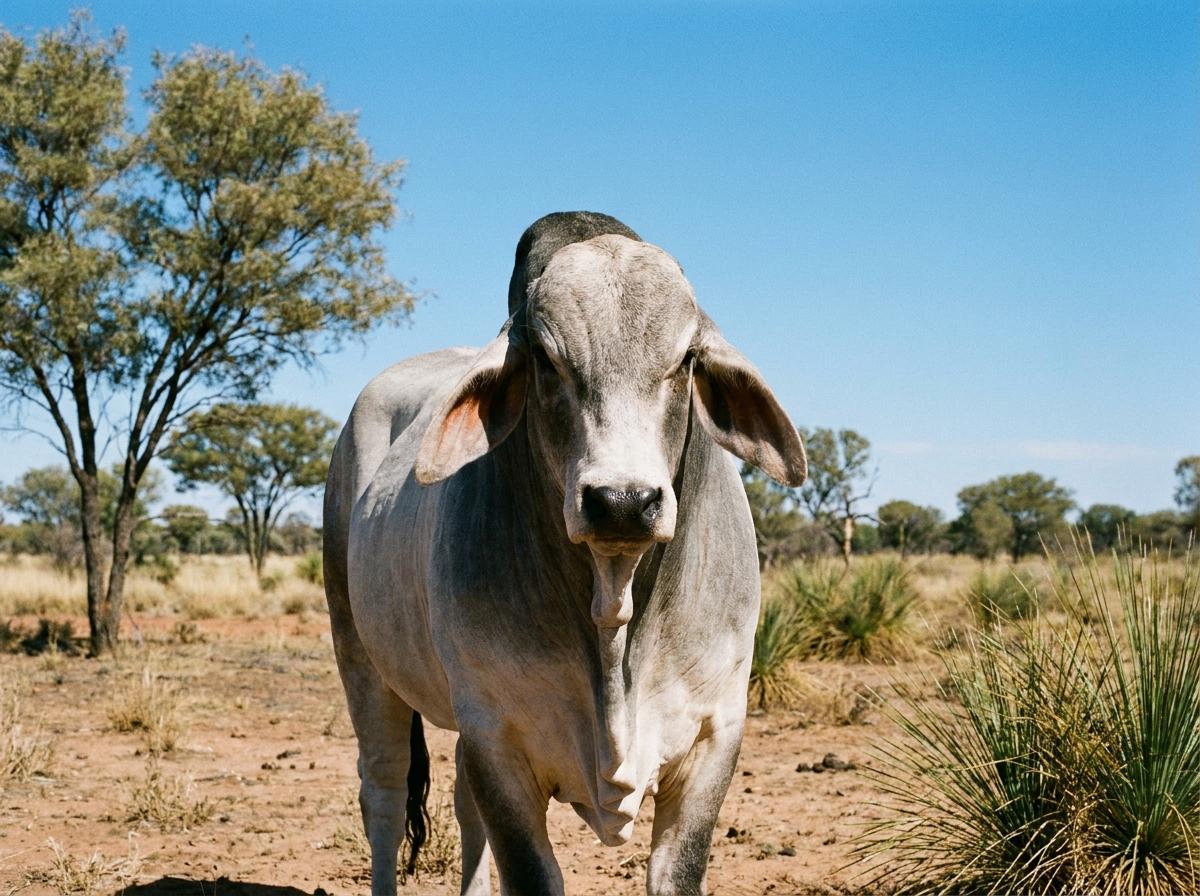
Alur cattle are a local East African cattle type associated with Alur-speaking communities around the Albert Nile region of northwestern Uganda and neighboring parts of the Democratic Republic of Congo. They are generally described as small to medium multipurpose cattle with zebu or Sanga influence, variable coat colors, a hump in many animals, and moderate horns. The type is shaped less by formal registry standards than by village selection for animals that can survive local grazing, heat, and disease challenges.
Families use Alur cattle for milk, meat, savings, manure, and sometimes traction within mixed crop-livestock systems. Herds may graze communally, browse field edges, or rely on crop residues in the dry season, so body condition can change sharply with rainfall. Practical improvement usually means better bull selection, tick control, vaccination where available, and careful use of dairy or beef crossbreeding so that added production does not remove the hardiness that makes the local cattle useful.
Colors: Belted, Black, Black and White, Blaze Faced, Blue Roan, Brindle, Brockle Faced, Brown, Brown and White, Dun, Gray, Grey, Highbelt, Highpark, Lineback, Mottled, Pied, Red, Red and White, Red Roan, Riggit, Roan, Silver, Solid Black, Solid Red, Solid White, Speckled, Spotted, White, White Faced, Yellow