


Amrit Mahal
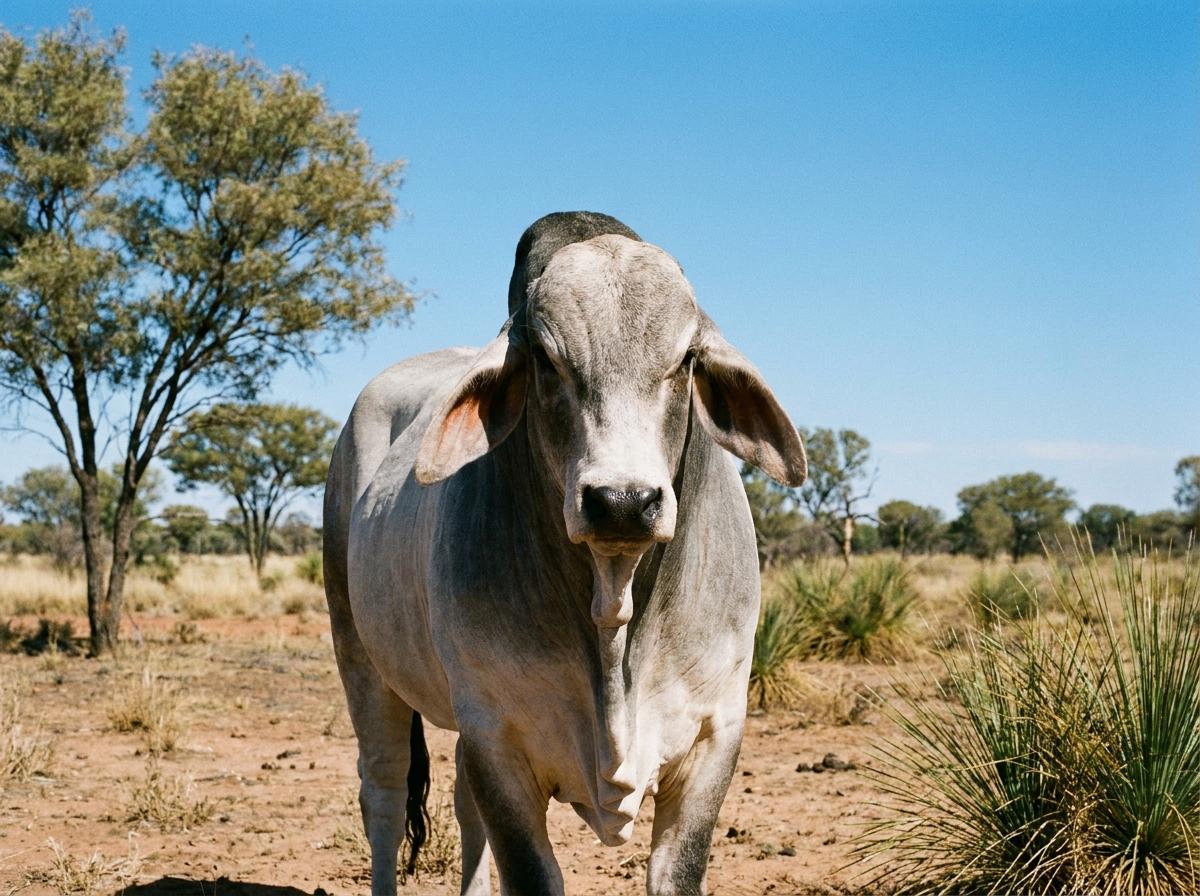
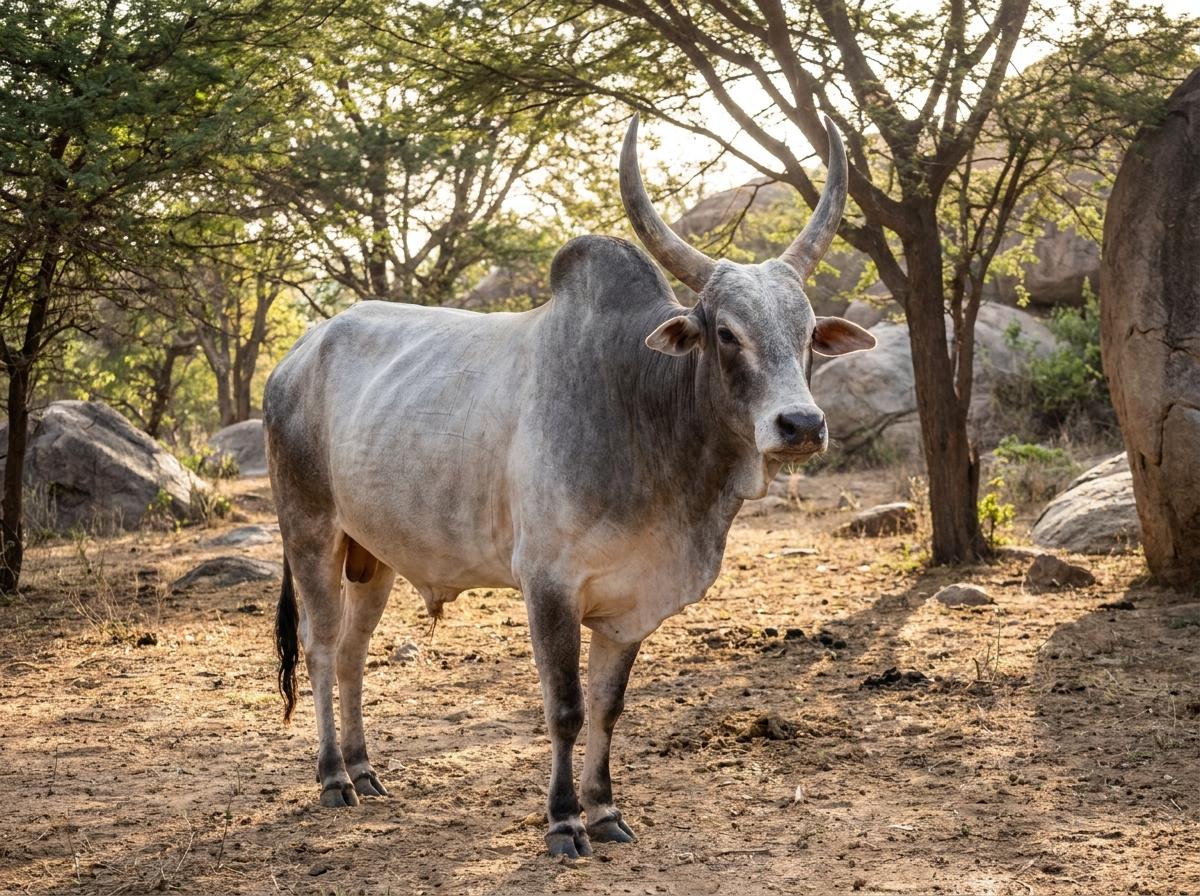
Amrit Mahal cattle are an Indian draught breed from Karnataka, shaped under the old Mysore state for fast, enduring work animals rather than dairy yield. They are zebu-type cattle, with a pronounced hump, tight skin, long legs, and swept-back horns that can appear sharp and close at the tips. Coat color is commonly gray, from pale silver to dark steel or nearly black, with darker shading on the head, neck, hump, and quarters. Cows give modest milk, while bulls and bullocks have historically been the focus.
These cattle are best understood as working and conservation animals in dryland systems. They handle heat, rough grazing, and long movement better than many high-producing breeds, but their alert temperament calls for steady handling, strong fencing, and room to move. Village herds, government farms, and native-breed conservation programs may select for hoof soundness, horn form, fertility, and draught capacity. They are not a shortcut to dairy production; feeding and breeding plans should preserve the hardy working type that made the breed useful.
Colors: Belted, Black, Black and White, Blaze Faced, Blue Roan, Brindle, Brockle Faced, Brown, Brown and White, Dun, Gray, Grey, Highbelt, Highpark, Lineback, Mottled, Pied, Red, Red and White, Red Roan, Riggit, Roan, Silver, Solid Black, Solid Red, Solid White, Speckled, Spotted, White, White Faced, Yellow