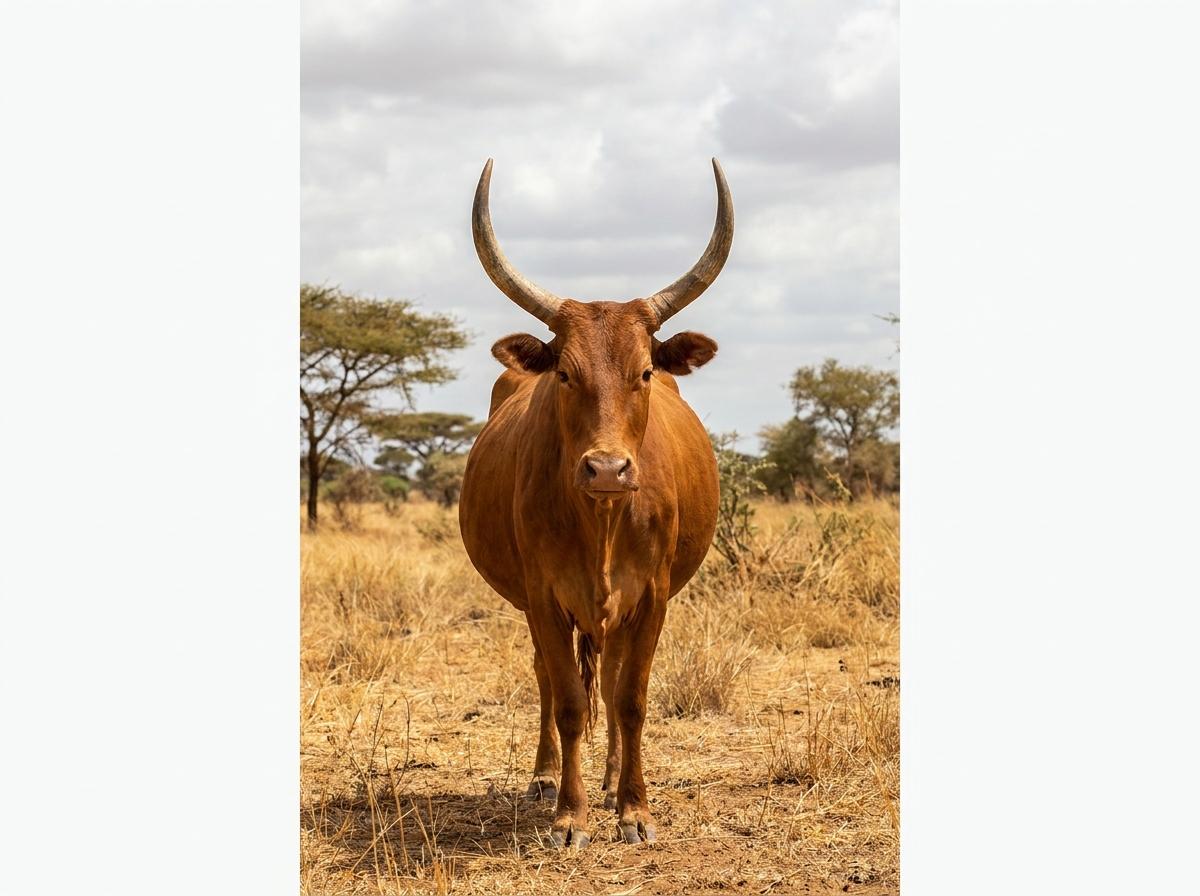
Avétonou
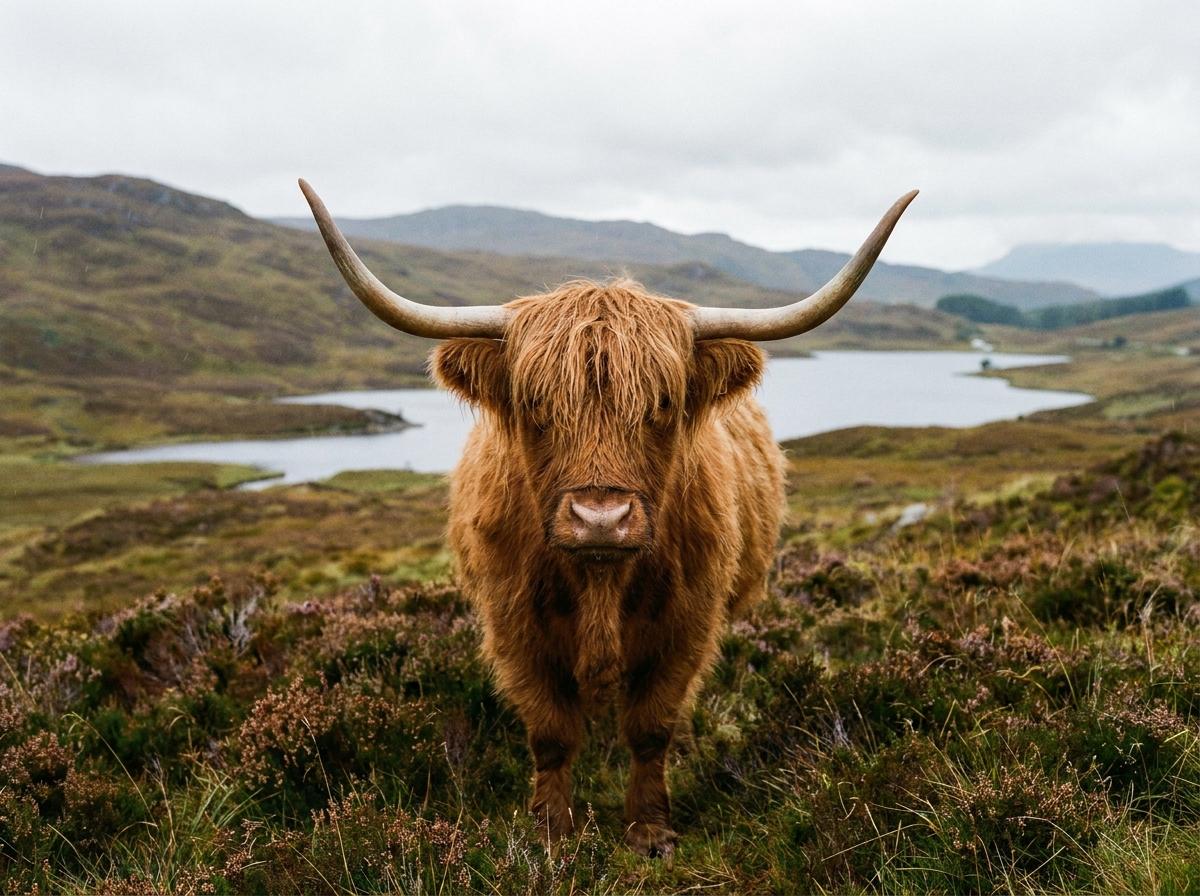
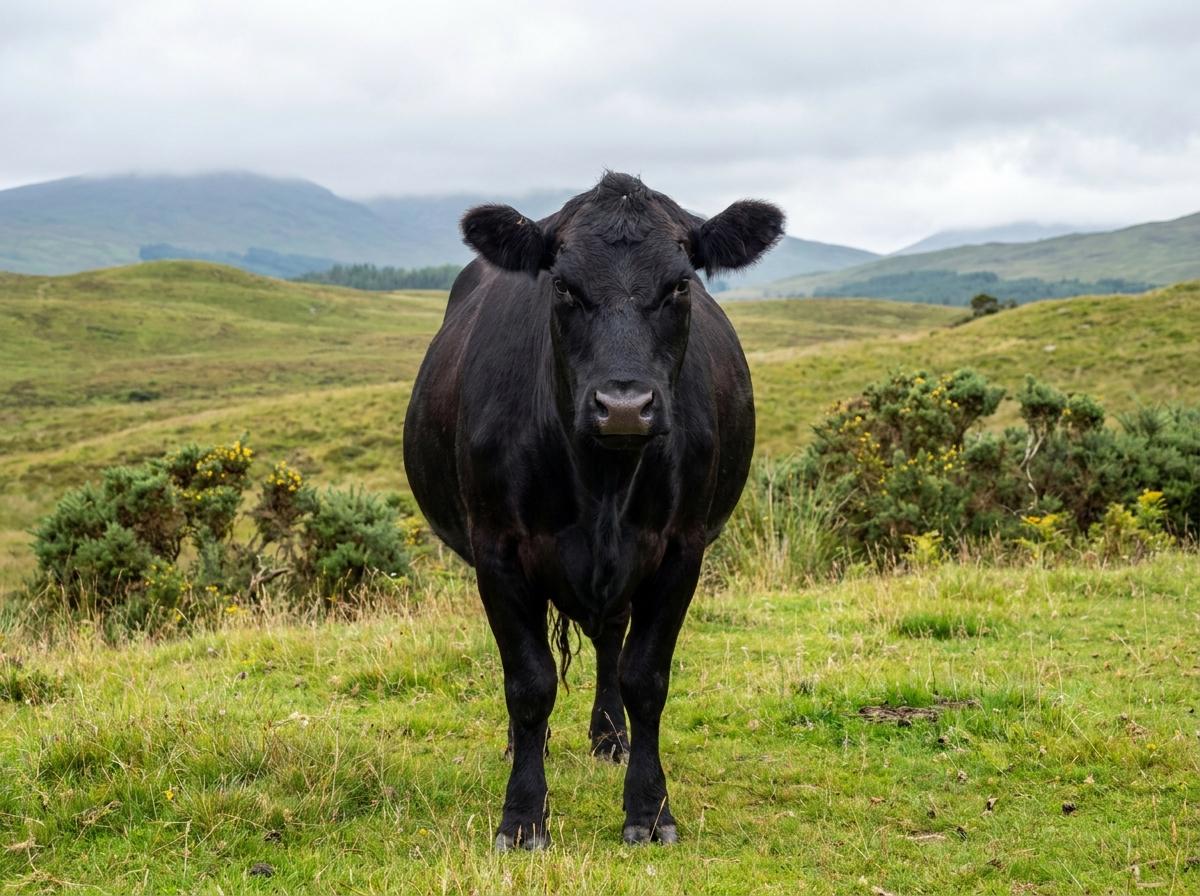
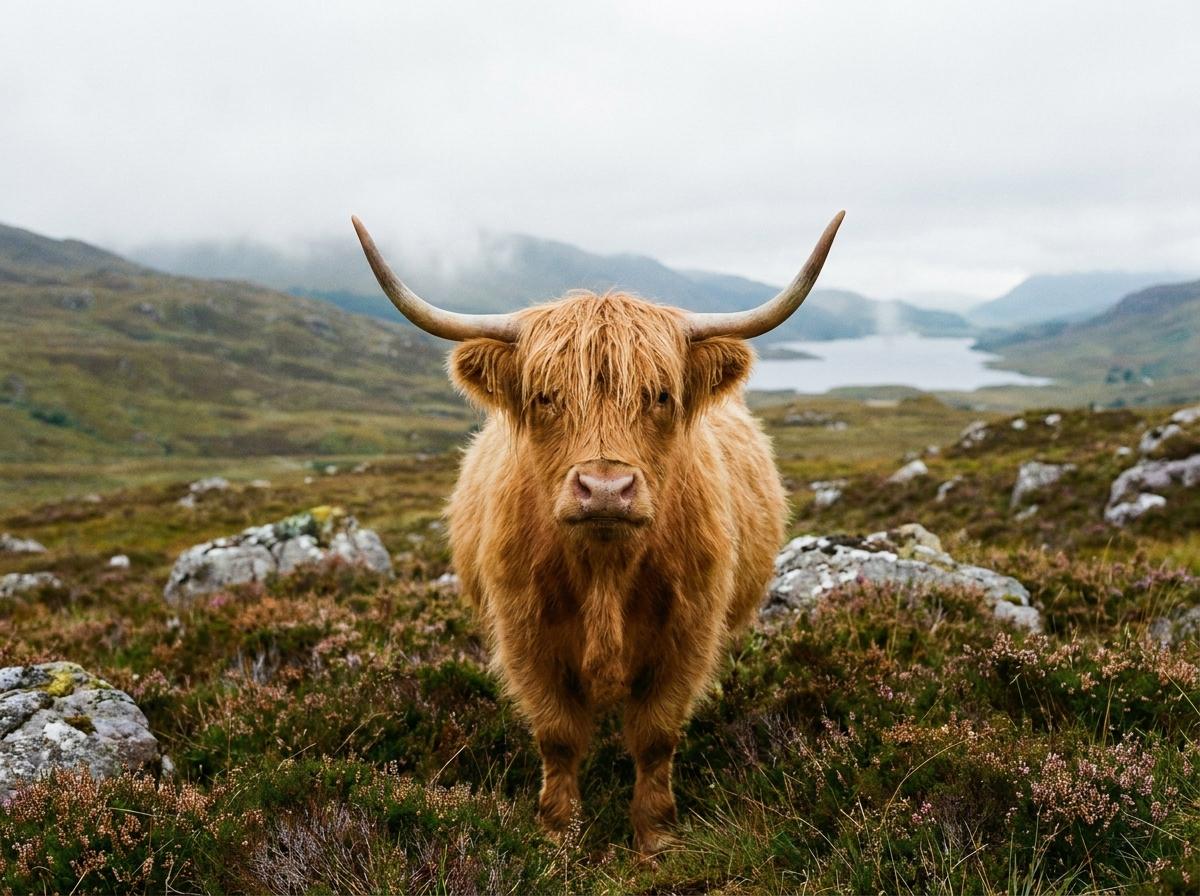
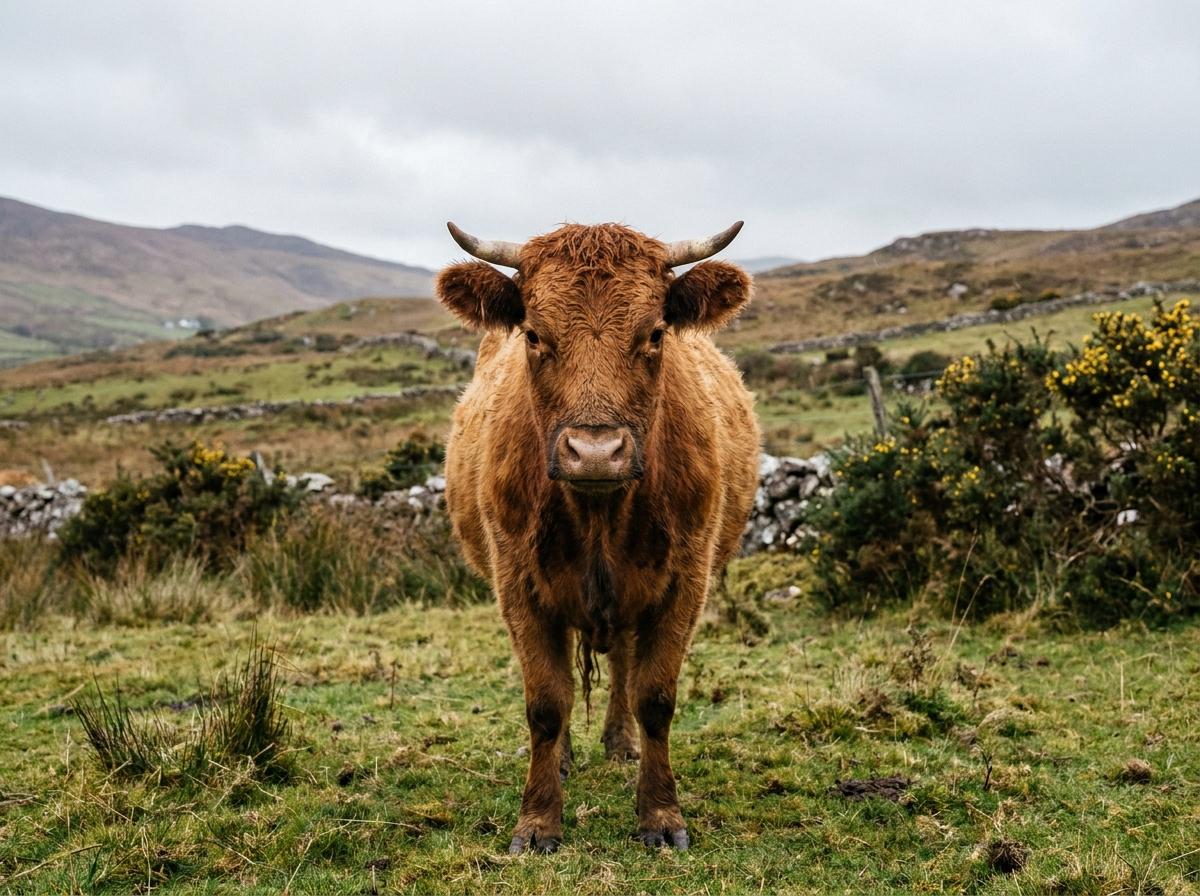
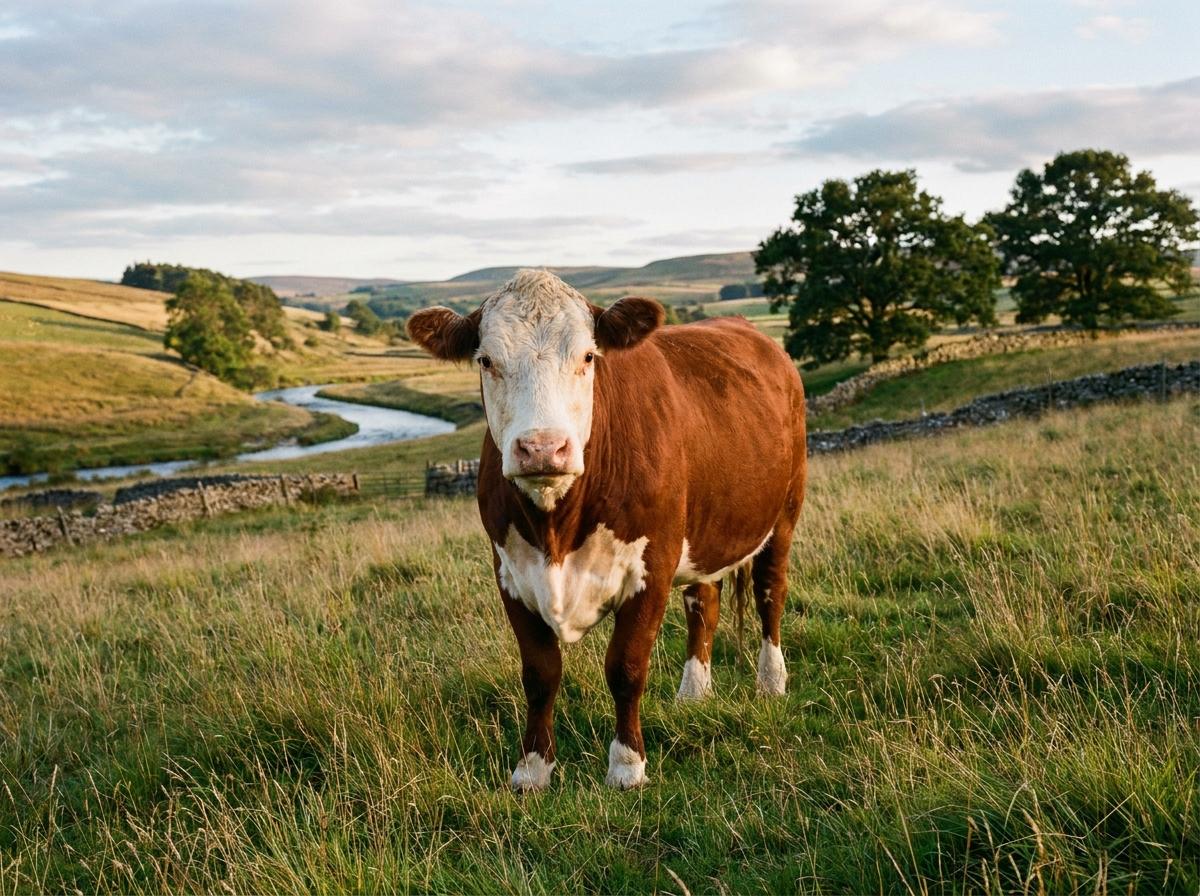
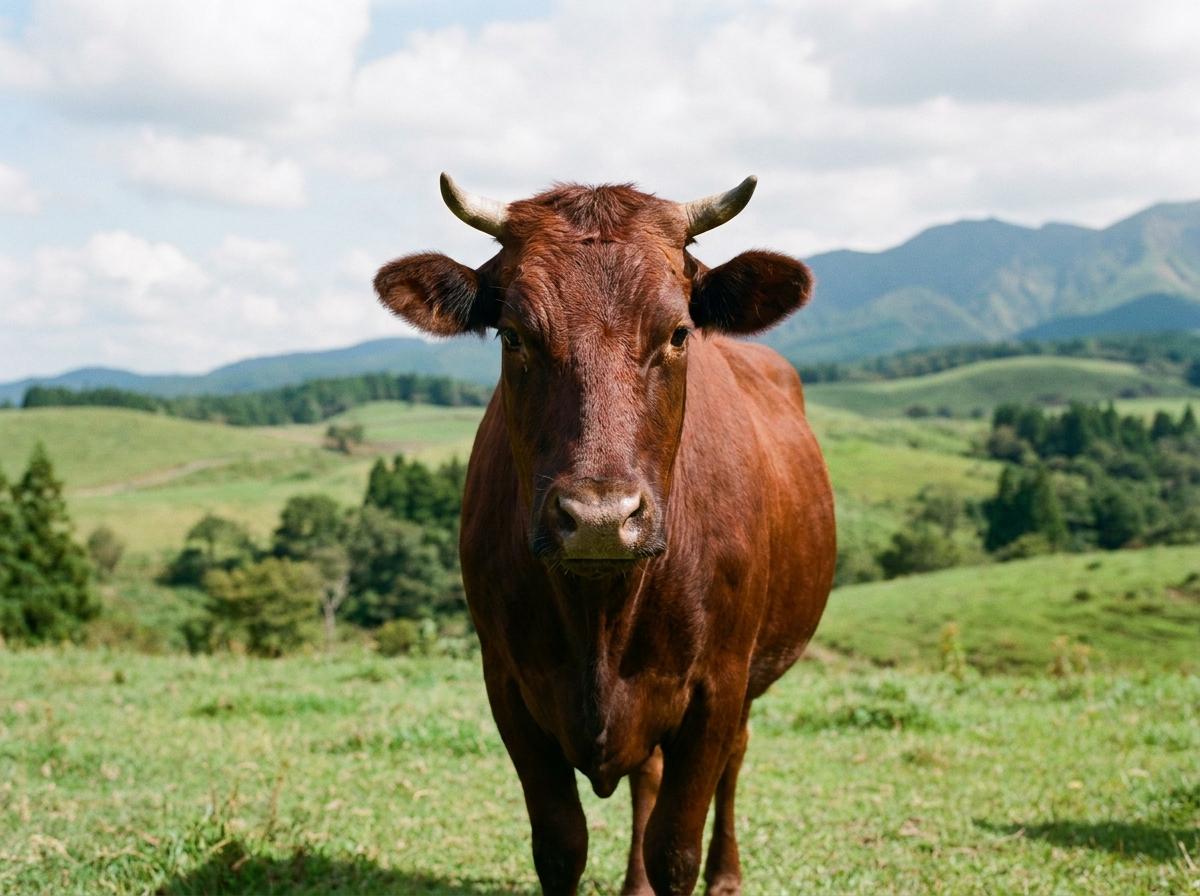
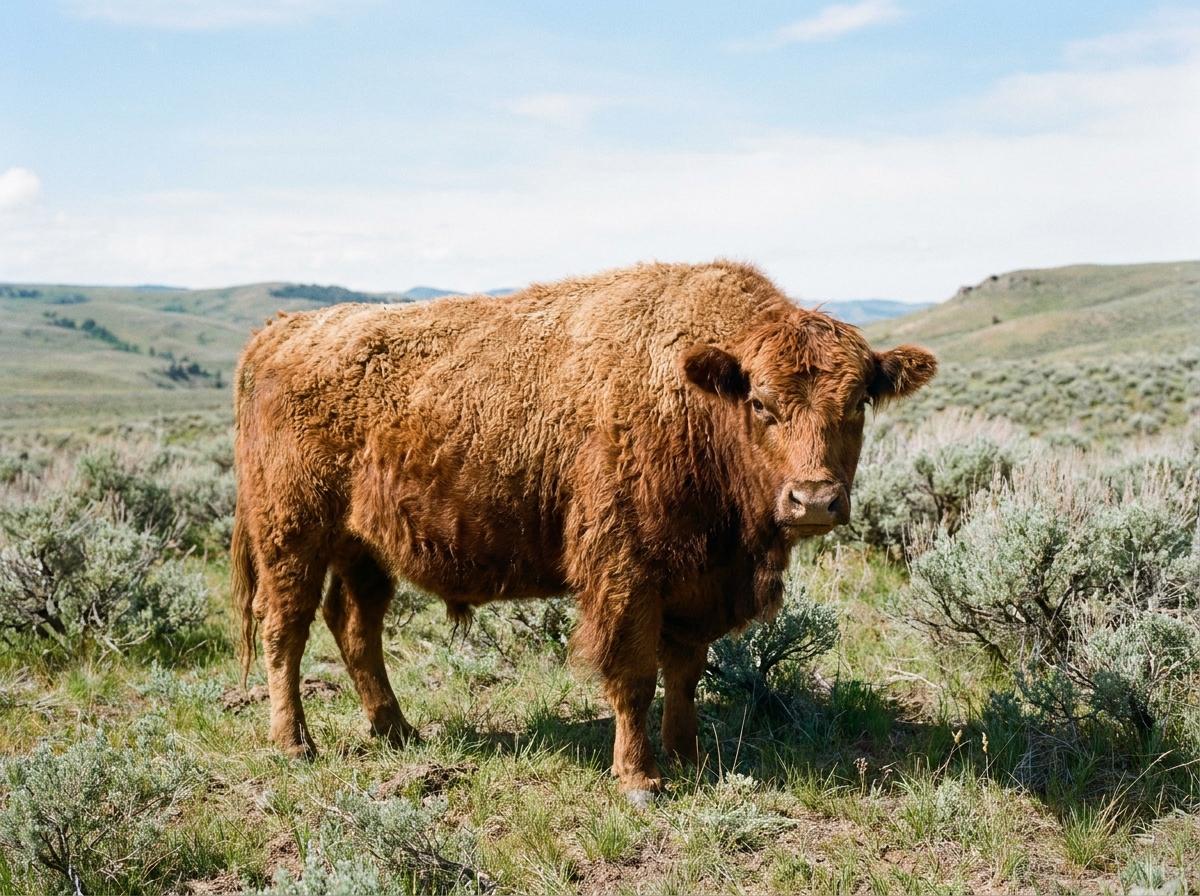
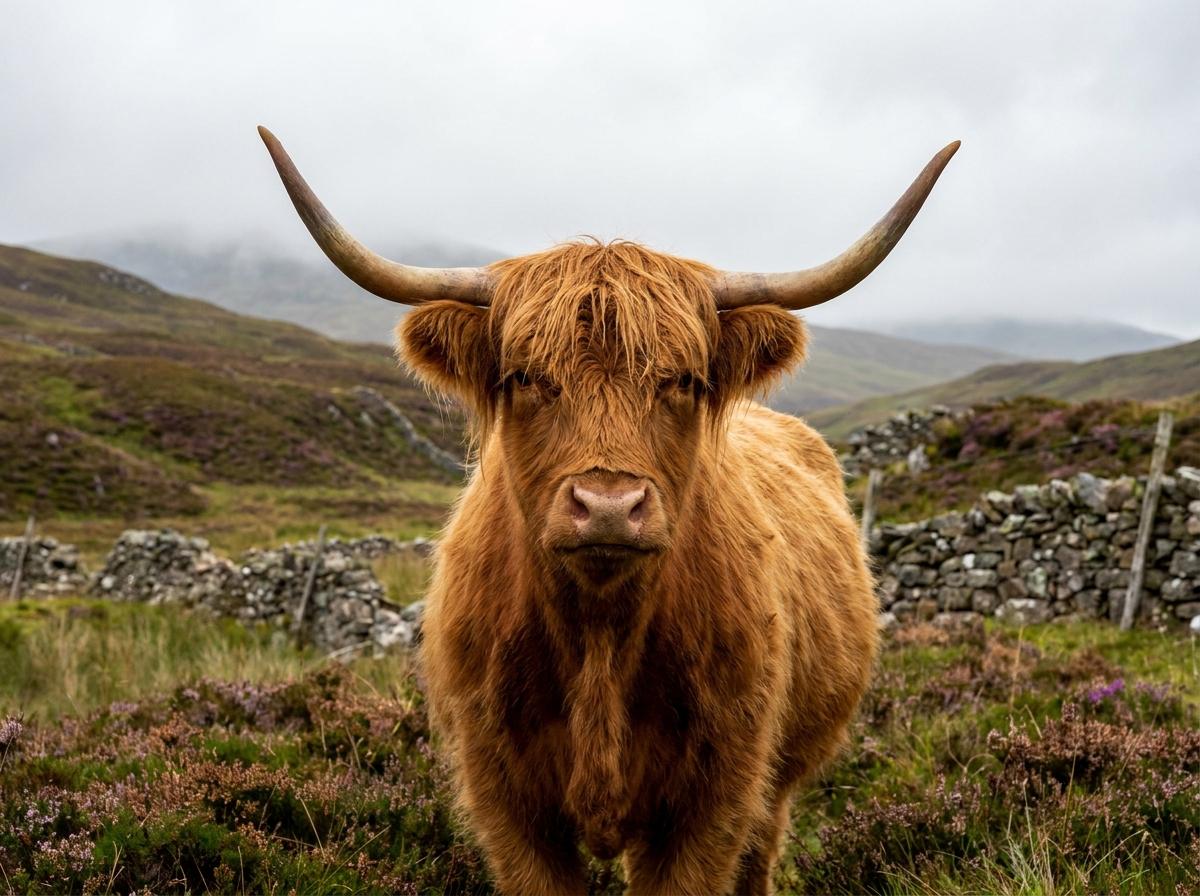
Avétonou cattle are a locally developed cattle type associated with the Avétonou area and livestock station in Togo. The name is generally used for West African taurine-zebu composite cattle selected under humid tropical conditions, where trypanosomiasis, ticks, heat, and seasonal feed shortages shape herd survival. Animals are usually small to medium in frame, with variable red, brown, black, pied, or grey coats and horn shape depending on the local ancestry behind a herd.
They are kept mainly in smallholder and village systems for calves, meat, limited milk, manure, and sometimes draft or savings value. Practical management is tied to grazing access, dry-season feed, veterinary support, and exposure to tsetse areas, so performance can differ sharply between stations and communal herds. Documentation for Avétonou cattle is thinner than for international breeds; conservation or purchasing projects should verify the strain, breeding history, and disease-adaptation claims with local sources.
Colors: Belted, Black, Black and White, Blaze Faced, Blue Roan, Brindle, Brockle Faced, Brown, Brown and White, Dun, Gray, Grey, Highbelt, Highpark, Lineback, Mottled, Pied, Red, Red and White, Red Roan, Riggit, Roan, Silver, Solid Black, Solid Red, Solid White, Speckled, Spotted, White, White Faced, Yellow