

Azaouak
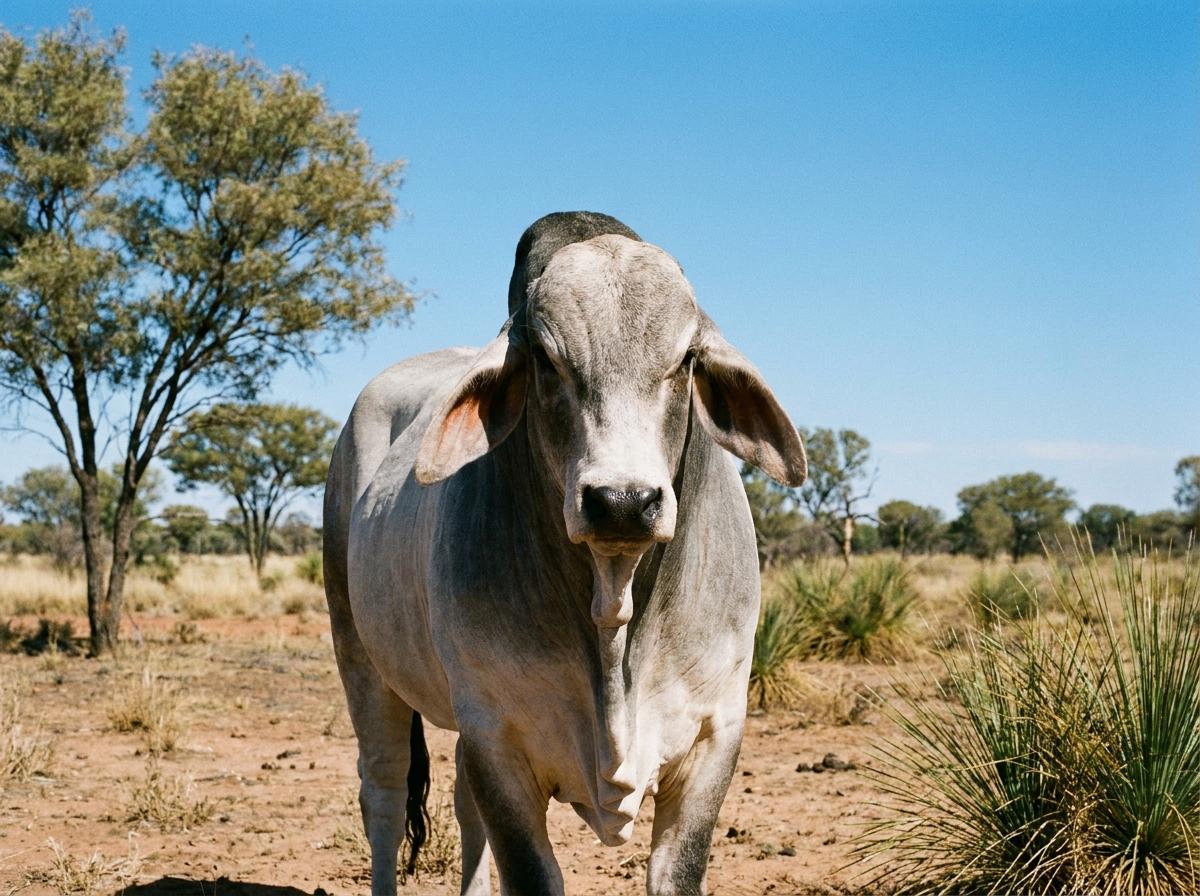
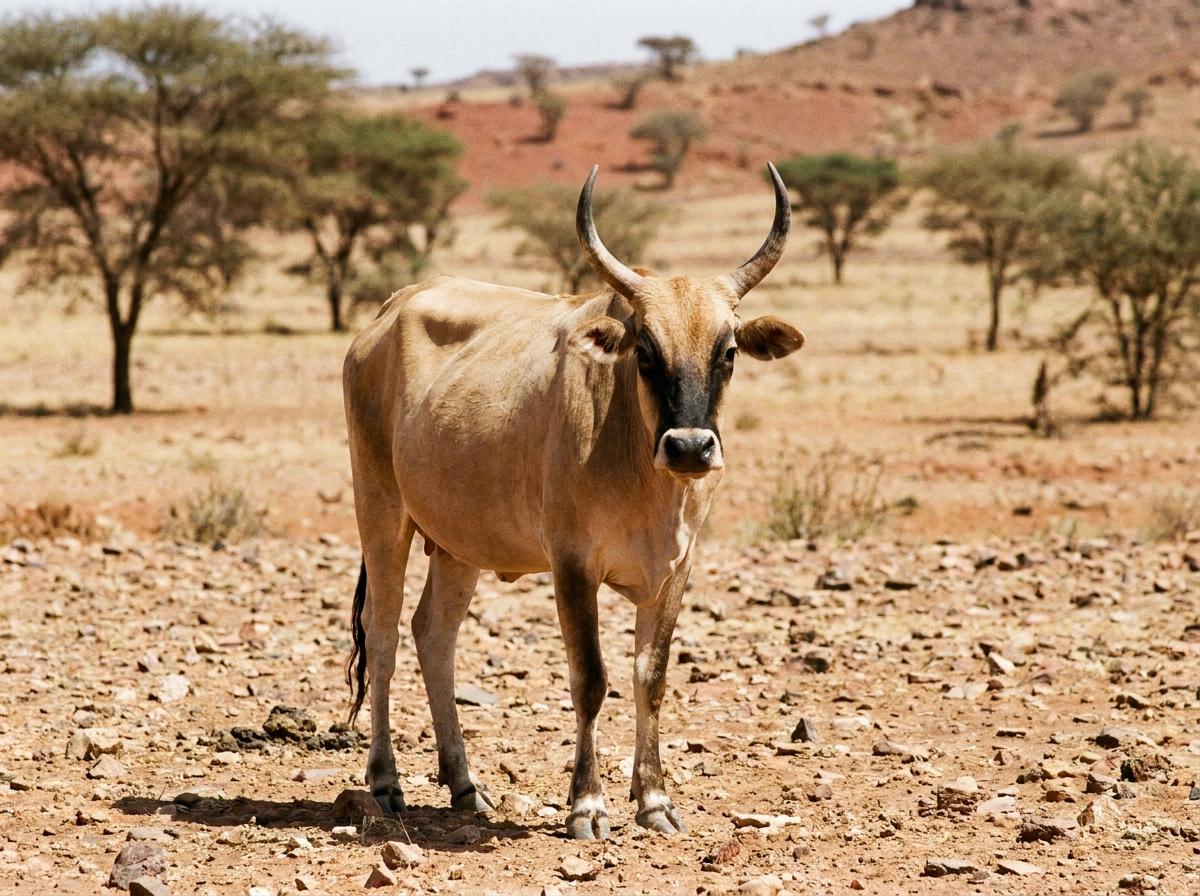
Azaouak cattle, more often written Azawak or Azawagh, are zebu-type domestic cattle from the Sahel, especially the Azawagh basin of Niger, Mali, and neighboring areas. They are humped cattle associated with Tuareg and Fulani pastoral systems, built for walking long distances between dry-season water and sparse grazing. Animals are usually light-framed to medium-sized, with a visible dewlap, narrow body, and coats that may be gray, white, fawn, red, or mixed. Compared with many local Sahelian cattle, the Azaouak has been noted for useful milk yield under harsh range conditions.
Management is traditionally mobile or semi-mobile, with herds following seasonal pasture and relying on hardy cows that calve and milk on native forage. In settled farms, Azaouak cattle still need heat tolerance, shade, reliable water, and mineral support rather than rich temperate feeding alone. Breeding choices commonly emphasize fertility, udder soundness, walking ability, and calm handling, while crossbreeding may be used for beef or dairy goals. Conservation interest centers on keeping adapted Sahelian genetics available as drought, parasites, and changing grazing access reshape cattle production.
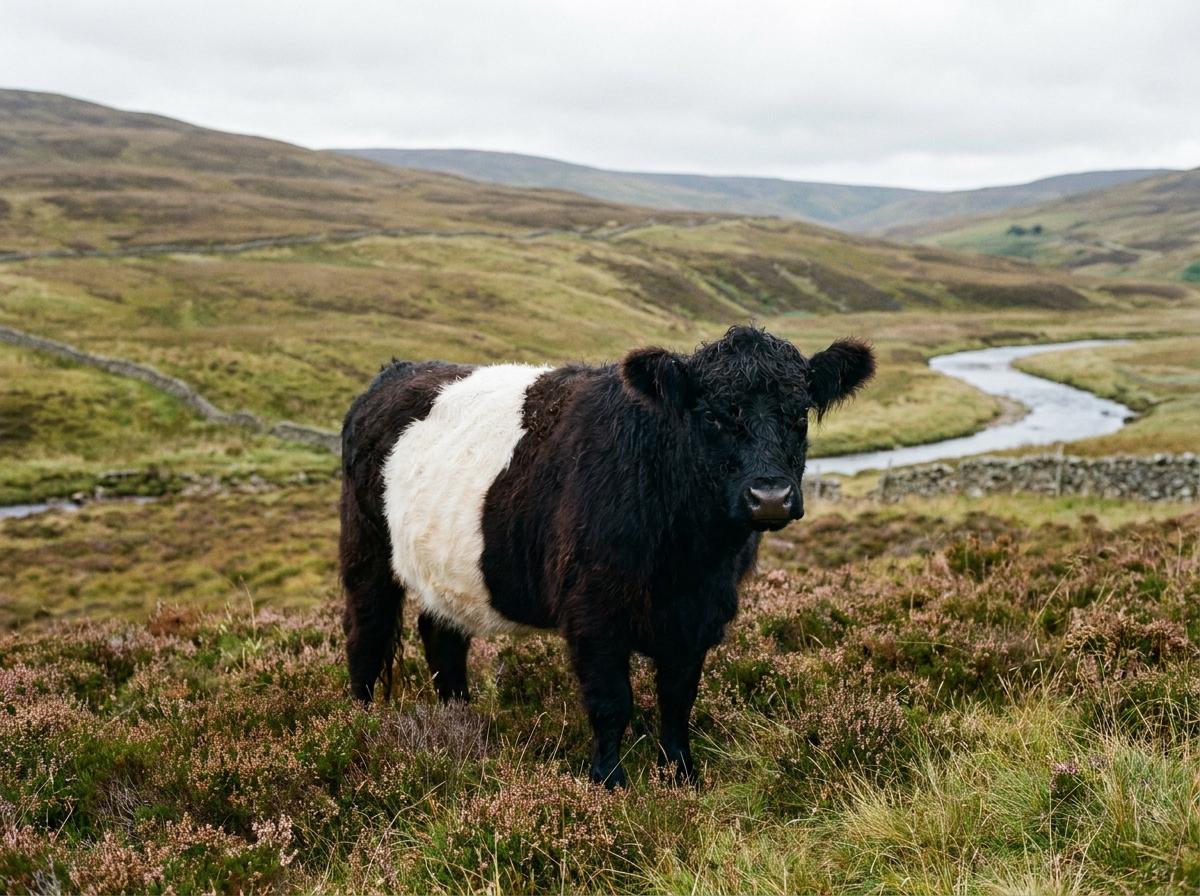
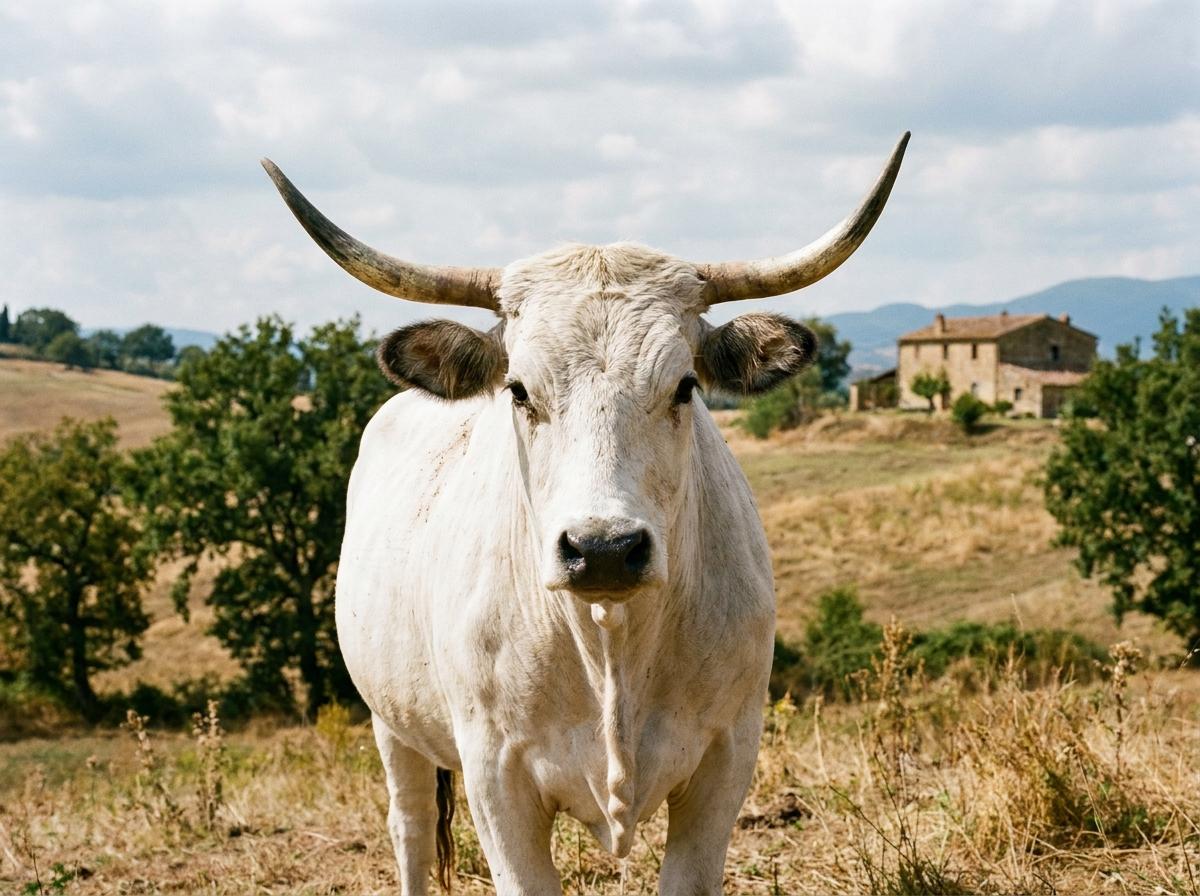
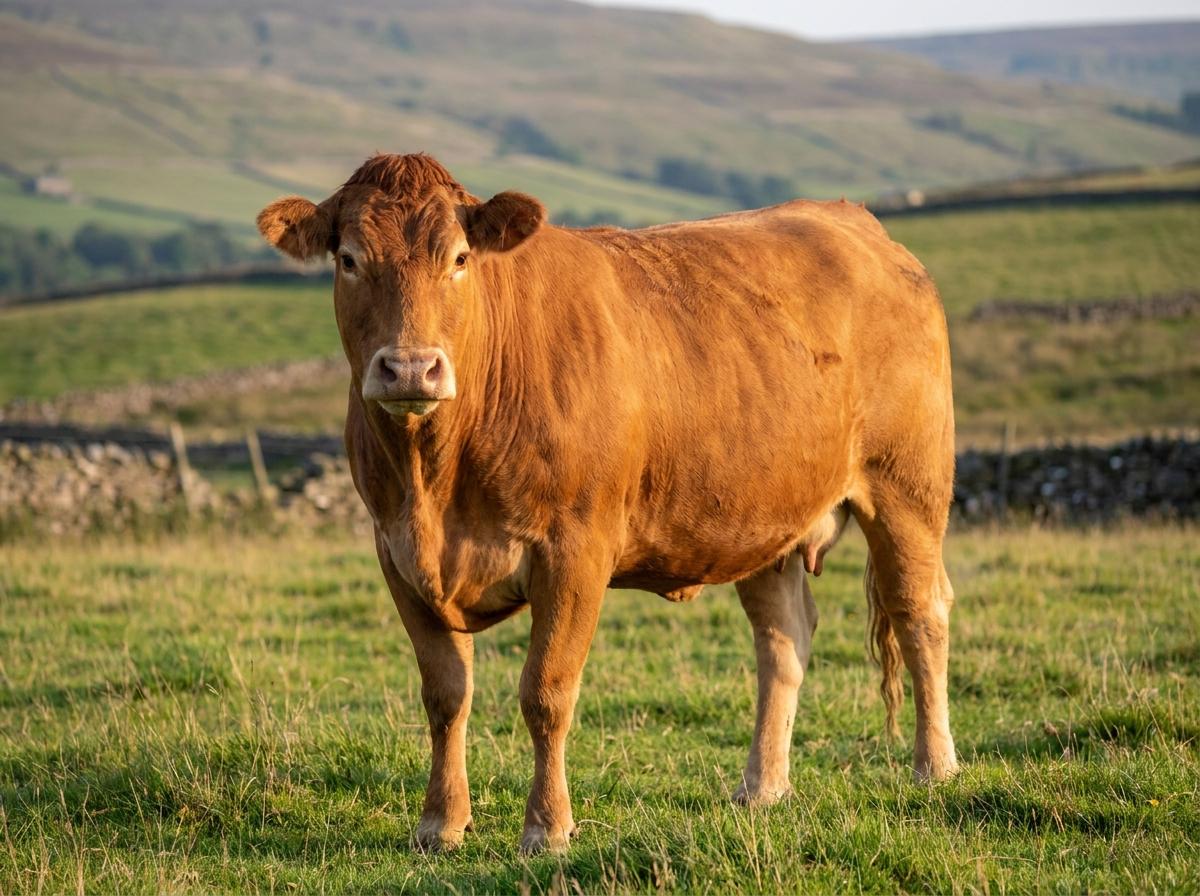
Colors: Belted, Black, Black and White, Blaze Faced, Blue Roan, Brindle, Brockle Faced, Brown, Brown and White, Dun, Gray, Grey, Highbelt, Highpark, Lineback, Mottled, Pied, Red, Red and White, Red Roan, Riggit, Roan, Silver, Solid Black, Solid Red, Solid White, Speckled, Spotted, White, White Faced, Yellow