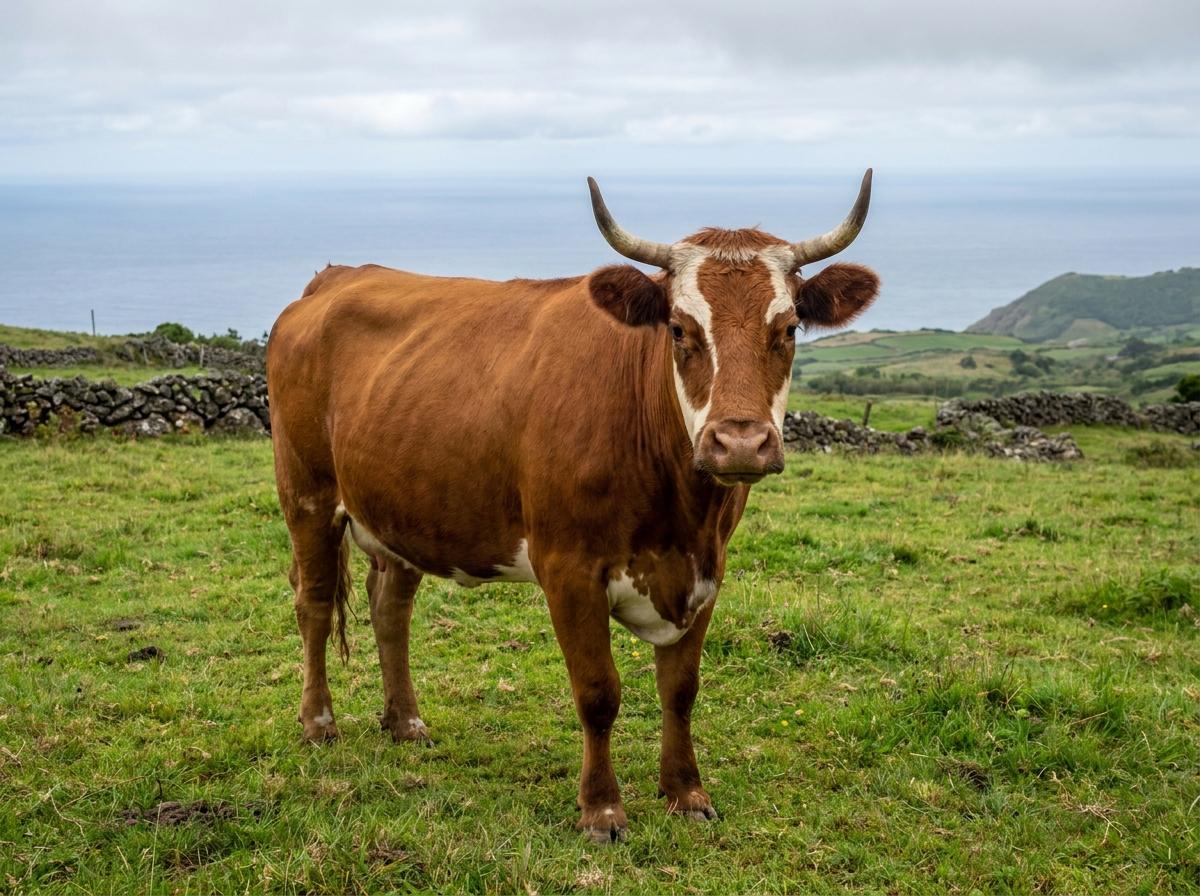
Azores
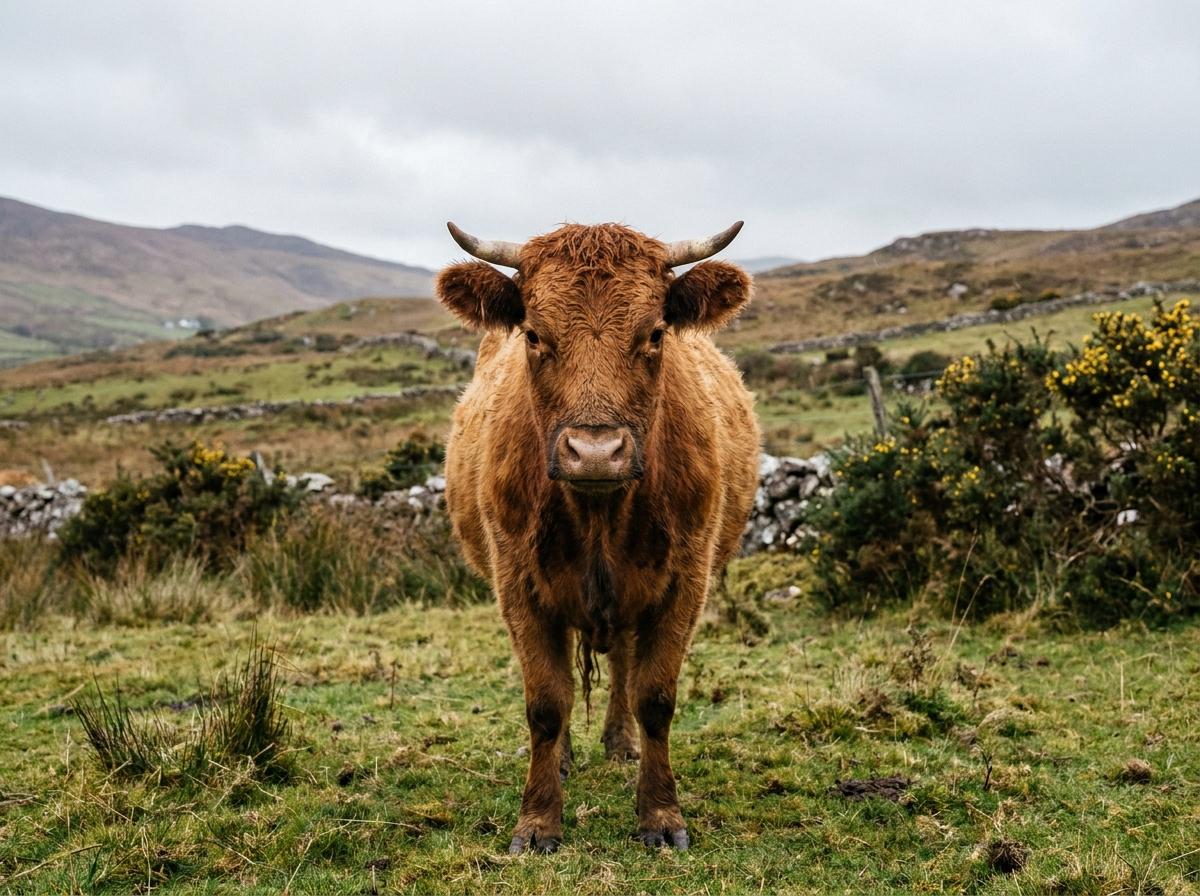
Azores cattle is a regional name for cattle associated with the Portuguese Atlantic archipelago rather than a single universally defined breed in every source. The islands have a long cattle tradition shaped by mild oceanic weather, volcanic pasture, small farms, and isolation. Native and long-established types include the Ramo Grande of Terceira, a large multipurpose animal historically used for milk, meat, and draft, while modern Azorean dairying also includes strong Holstein-Friesian influence. Because of that history, the name Azores may refer to island cattle generally, local dairy herds, or native conservation stock depending on context.
Cattle in the Azores are commonly managed on grass for much of the year, taking advantage of steady rainfall and pasture growth. Practical concerns include wet-ground hoof health, mastitis prevention in dairy cows, secure fencing on uneven fields, and mineral balance on intensively grazed land. For buyers or conservation breeders, it is important to distinguish ordinary island dairy cattle from registered native lines such as Ramo Grande. The native cattle are valued for hardiness, temperament, and cultural heritage as much as for production, especially on farms maintaining traditional island livestock.
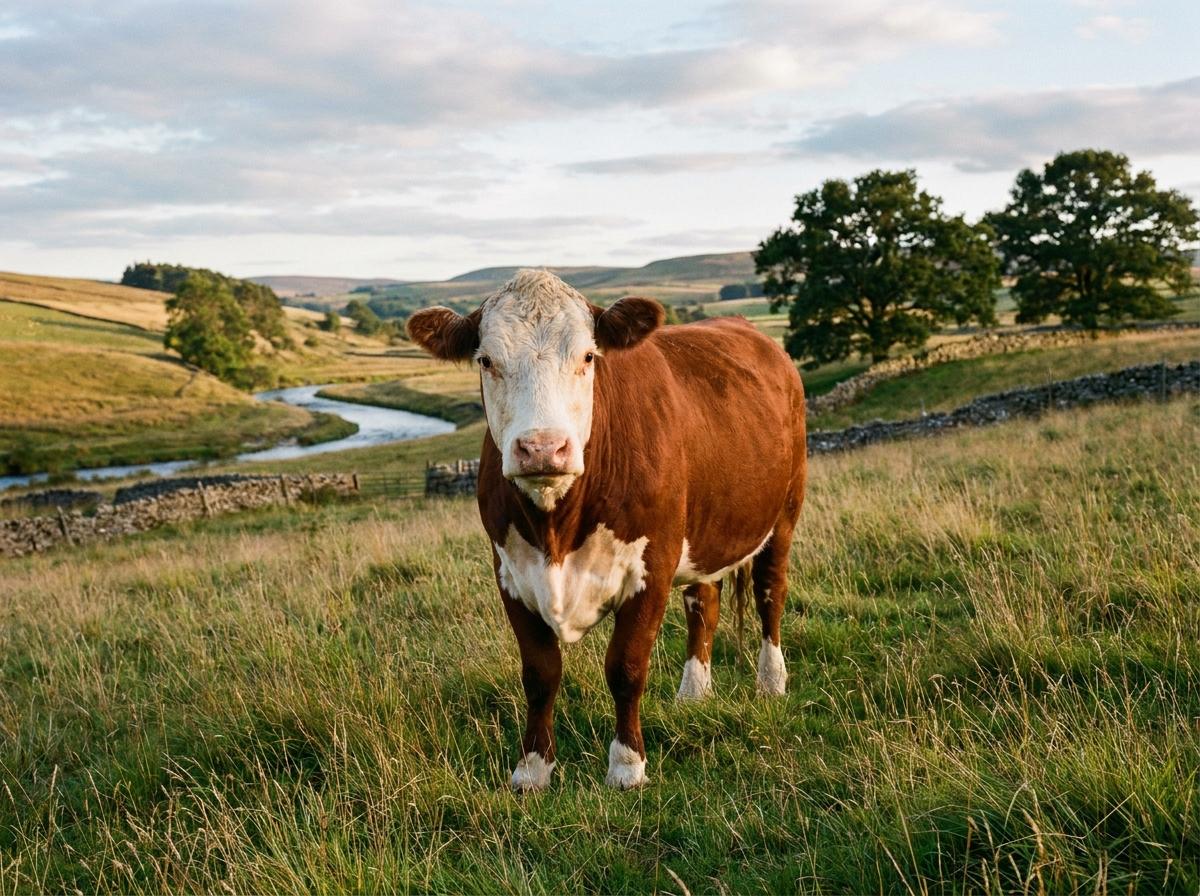
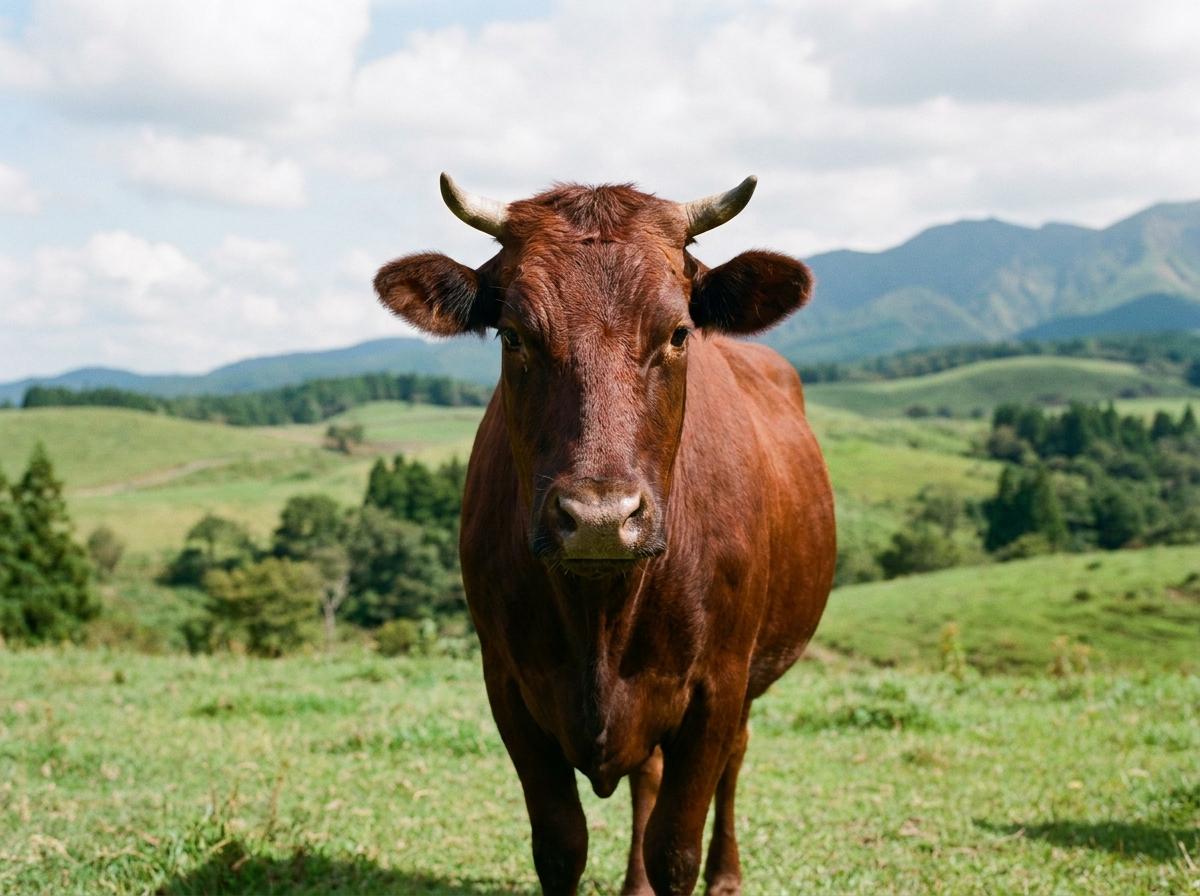
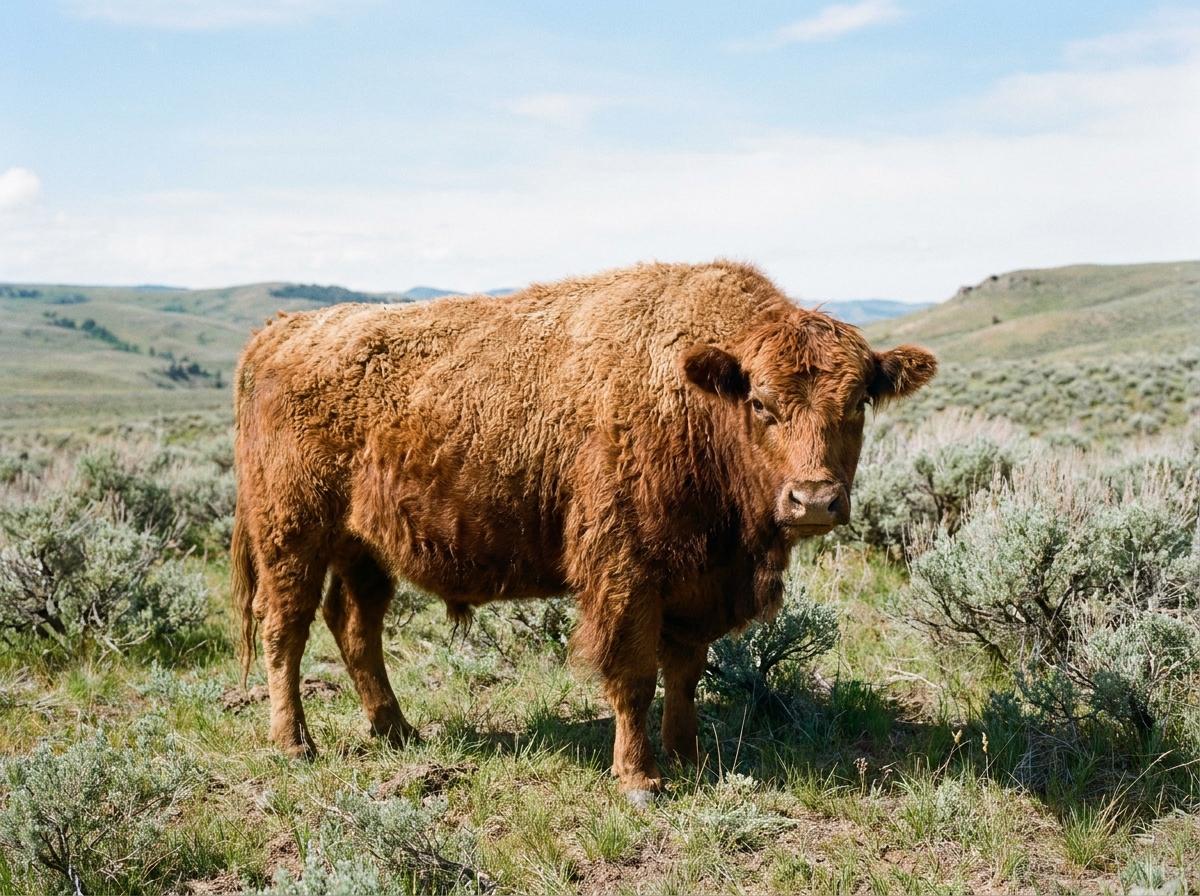
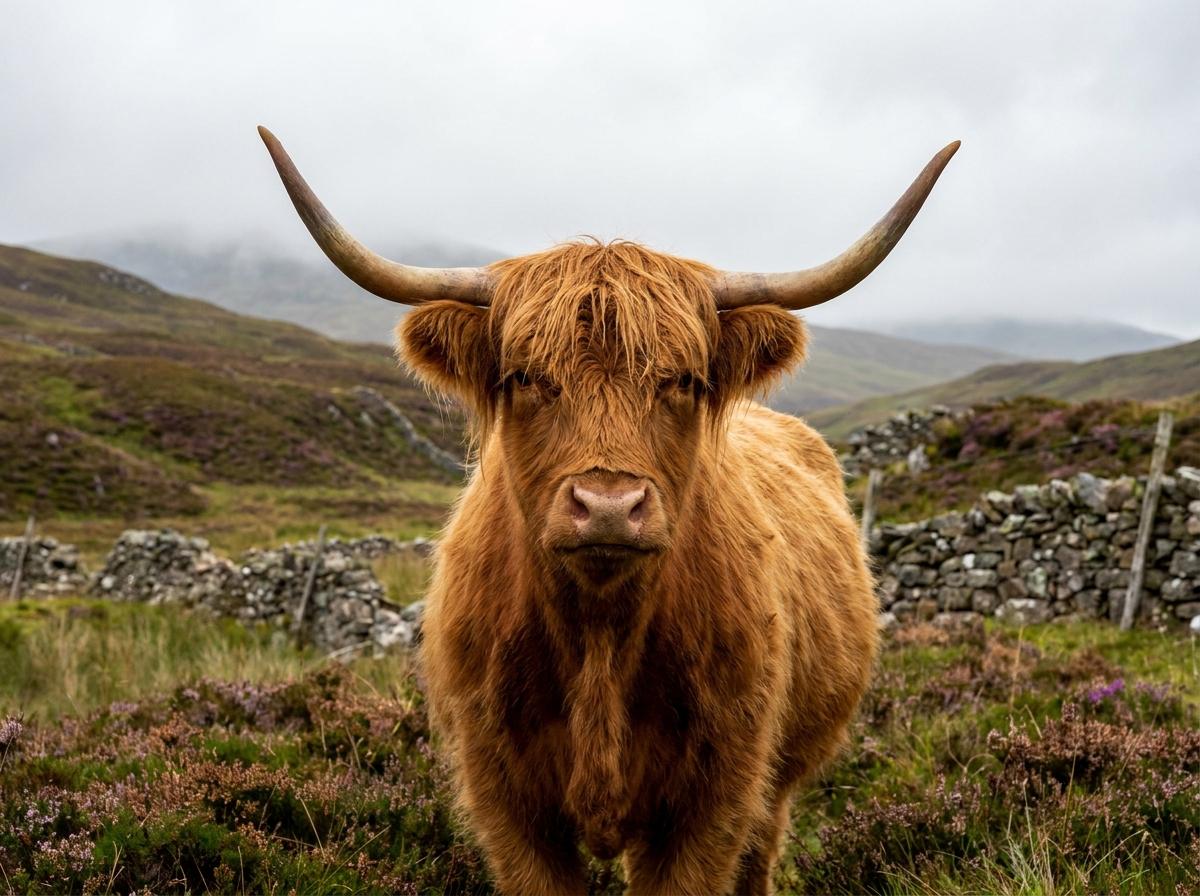
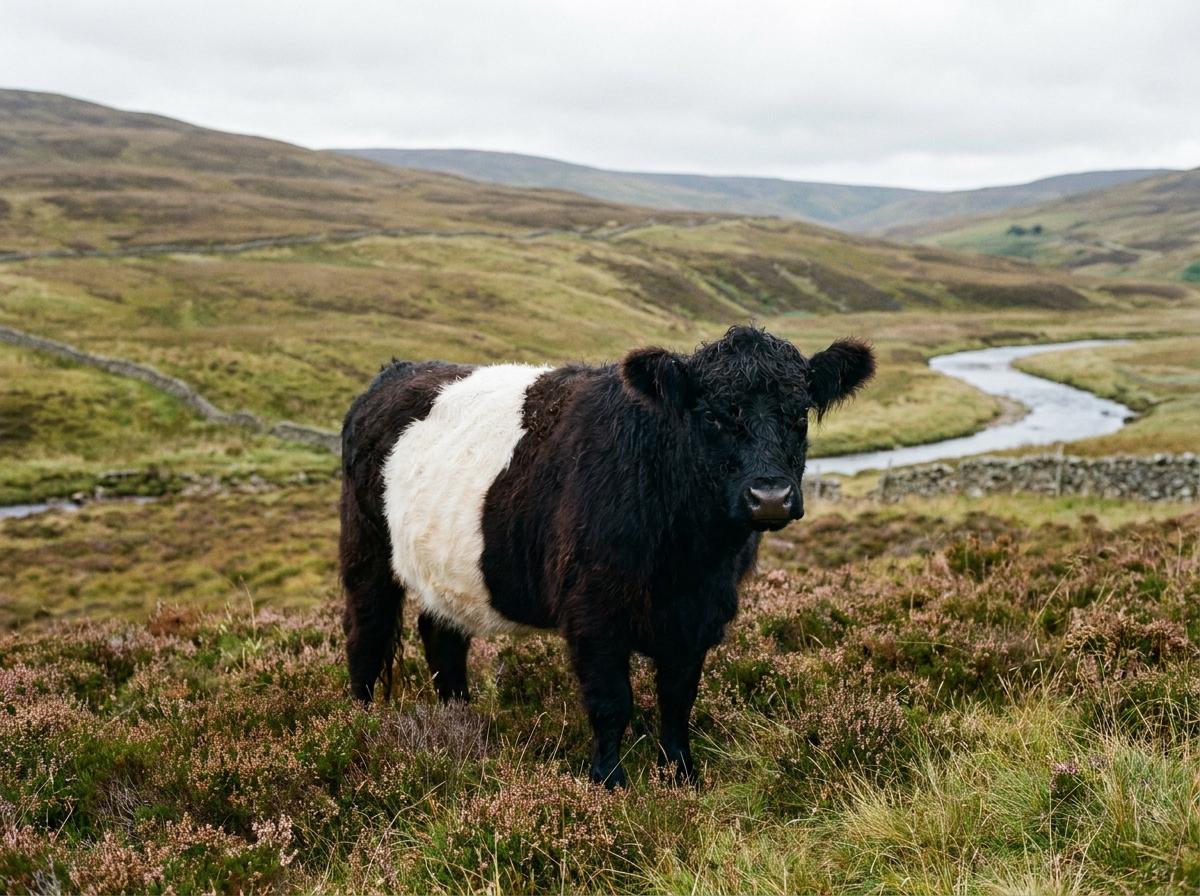
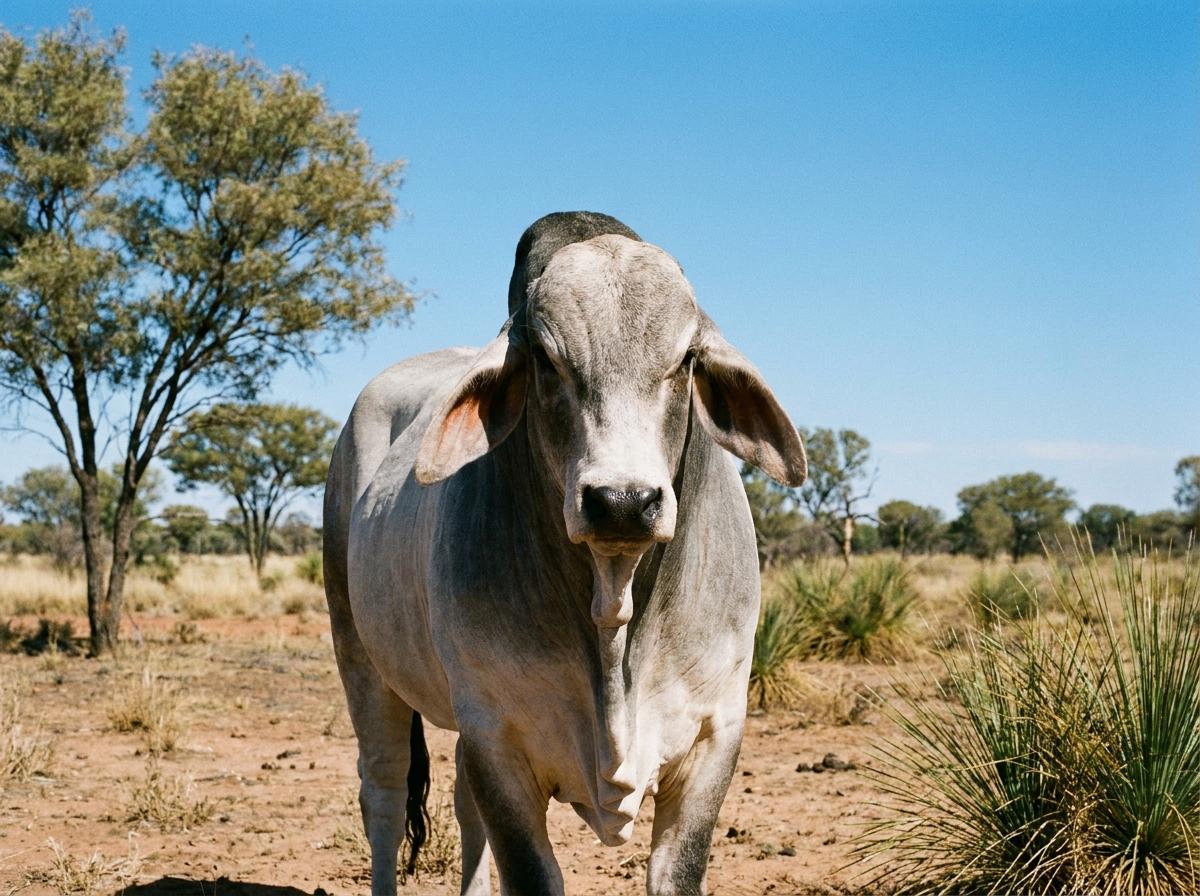
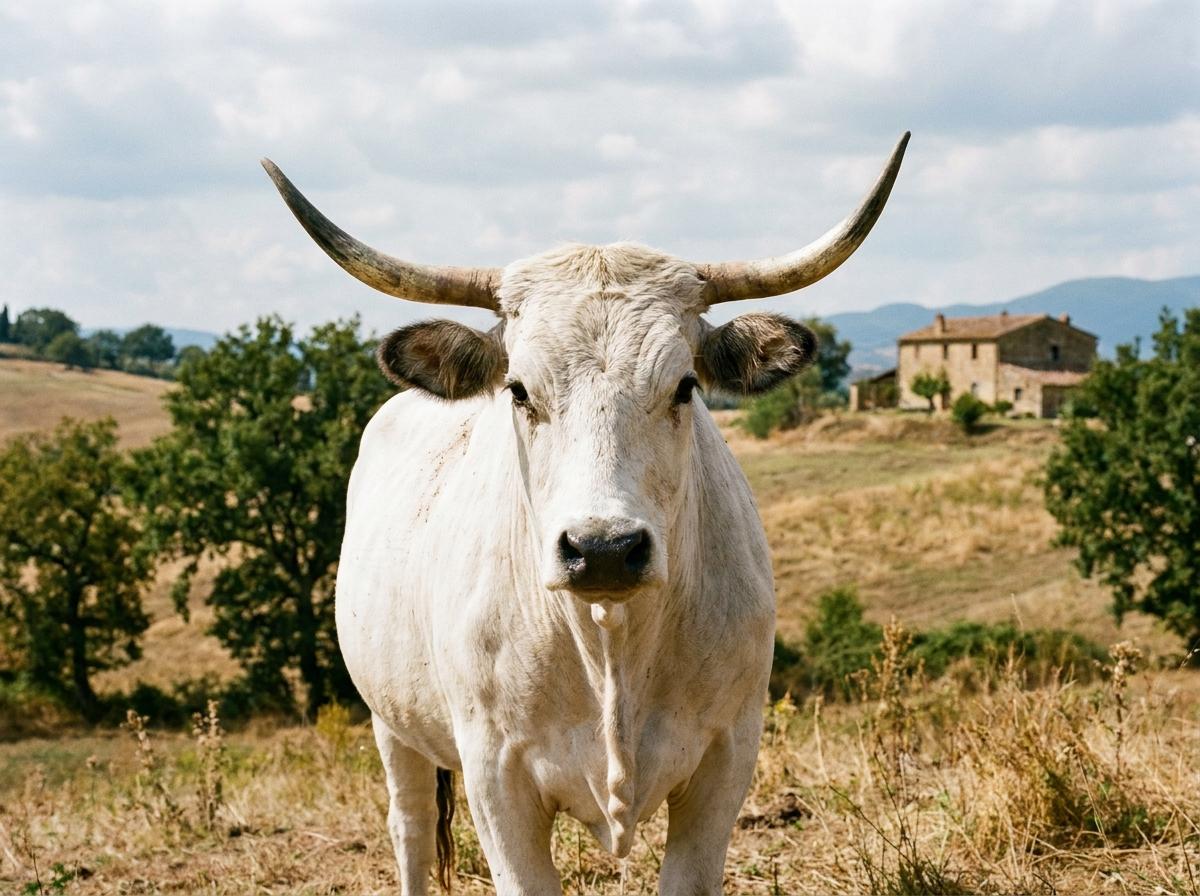
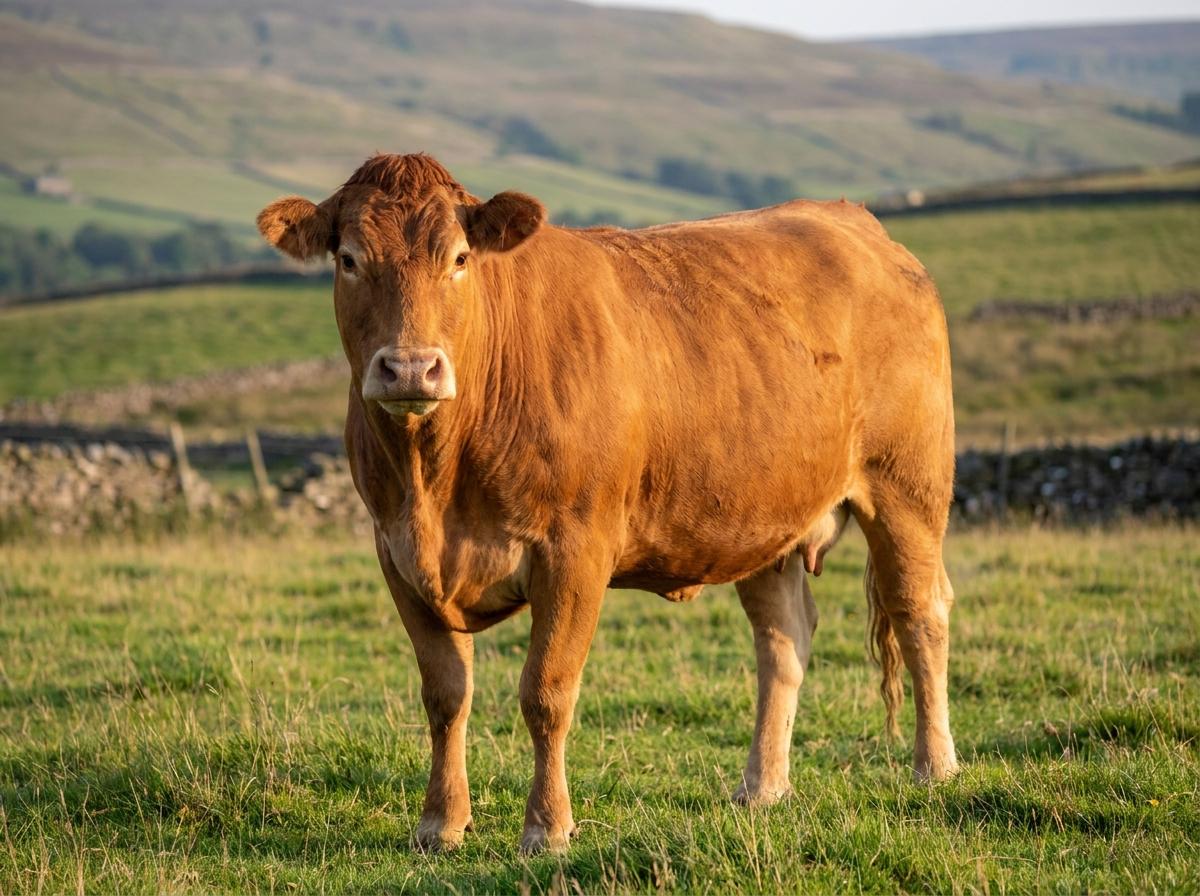
Colors: Belted, Black, Black and White, Blaze Faced, Blue Roan, Brindle, Brockle Faced, Brown, Brown and White, Dun, Gray, Grey, Highbelt, Highpark, Lineback, Mottled, Pied, Red, Red and White, Red Roan, Riggit, Roan, Silver, Solid Black, Solid Red, Solid White, Speckled, Spotted, White, White Faced, Yellow