

Bachaur
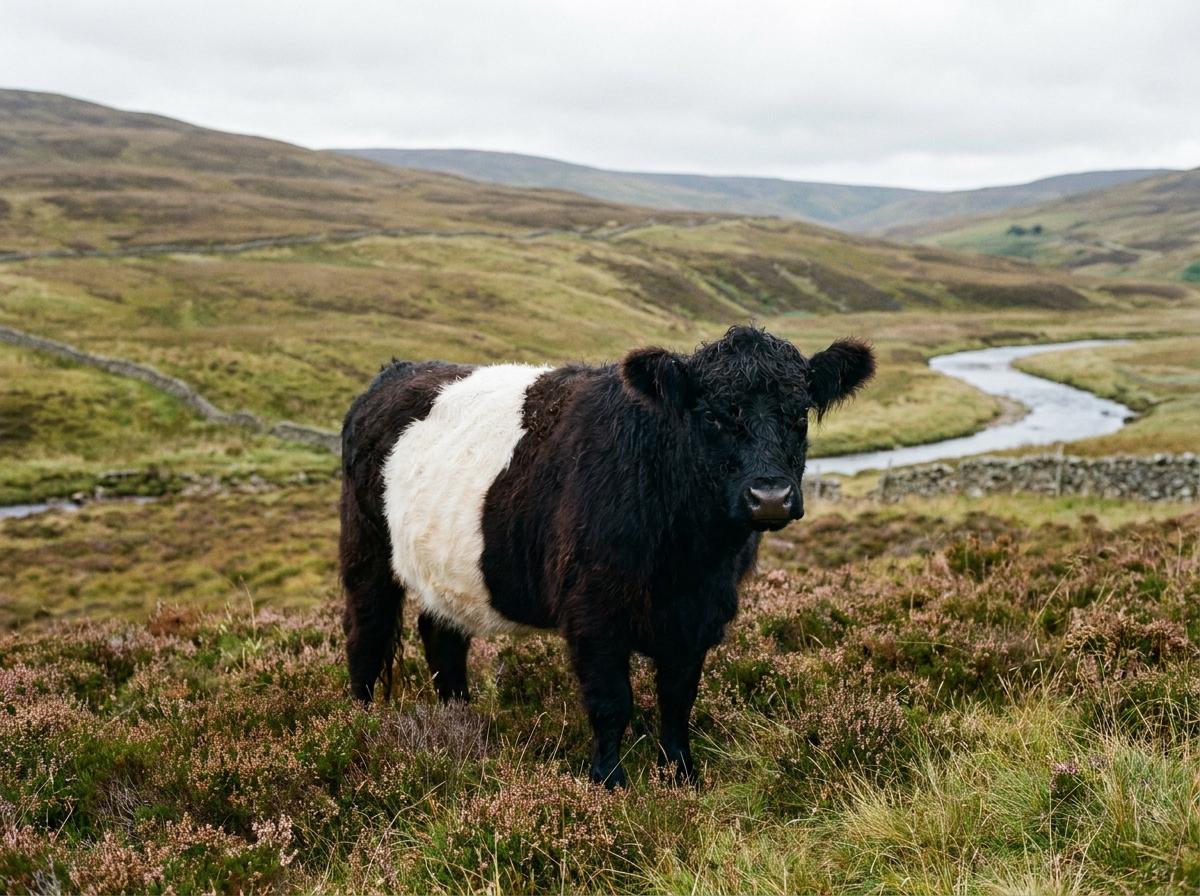
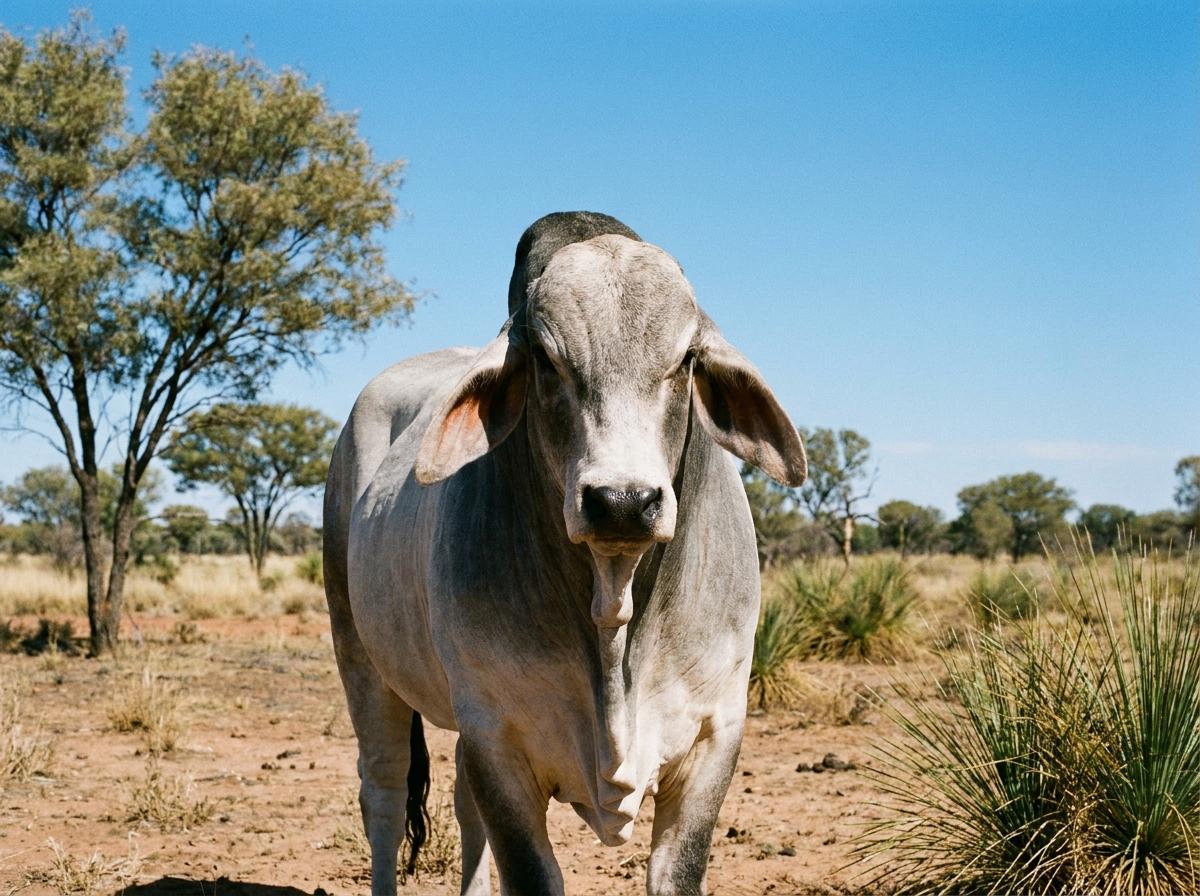
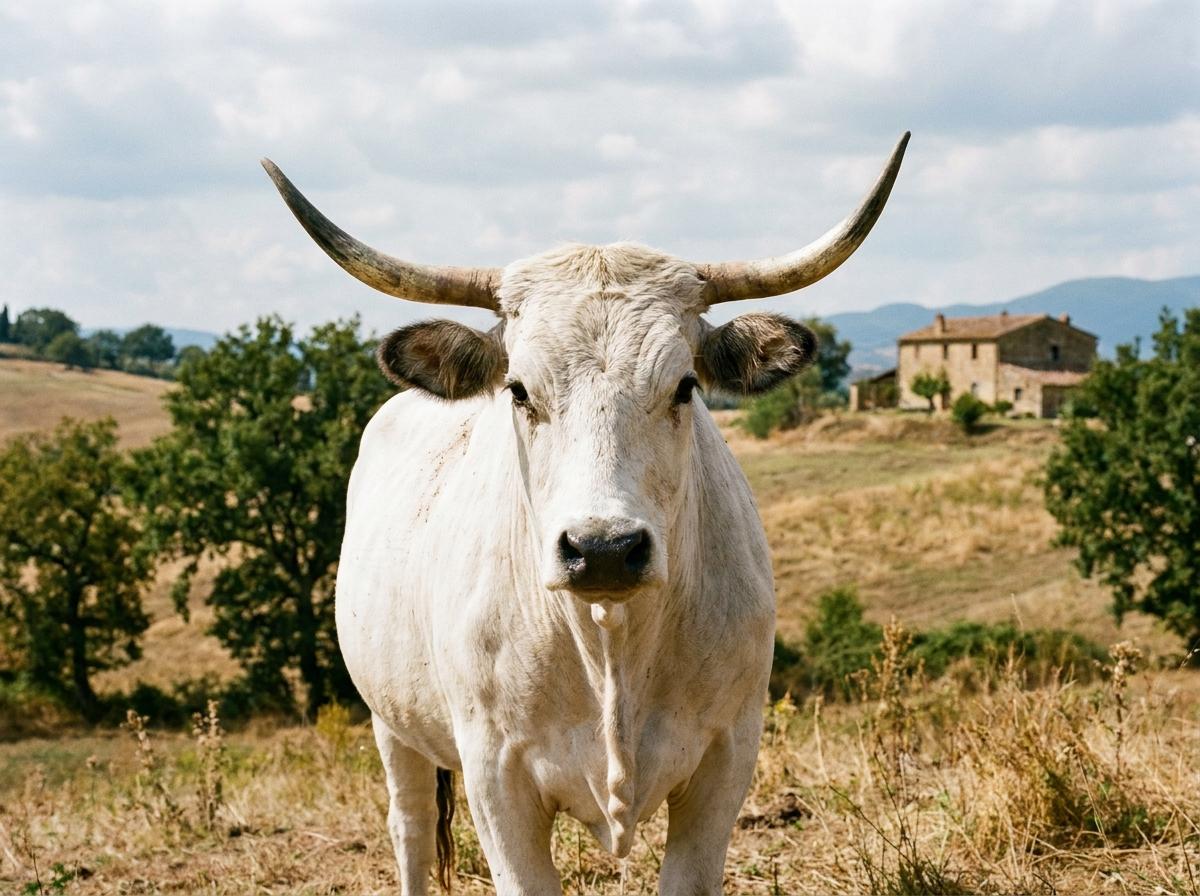
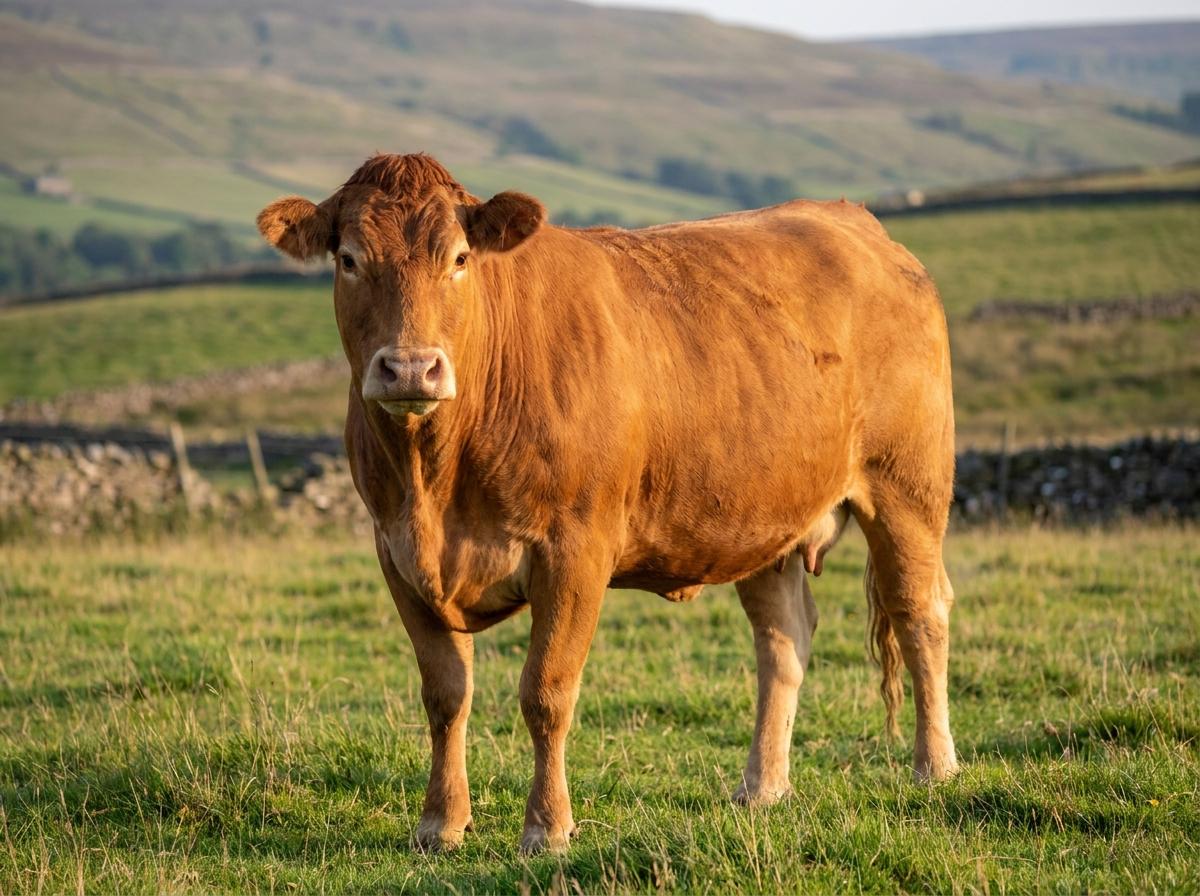
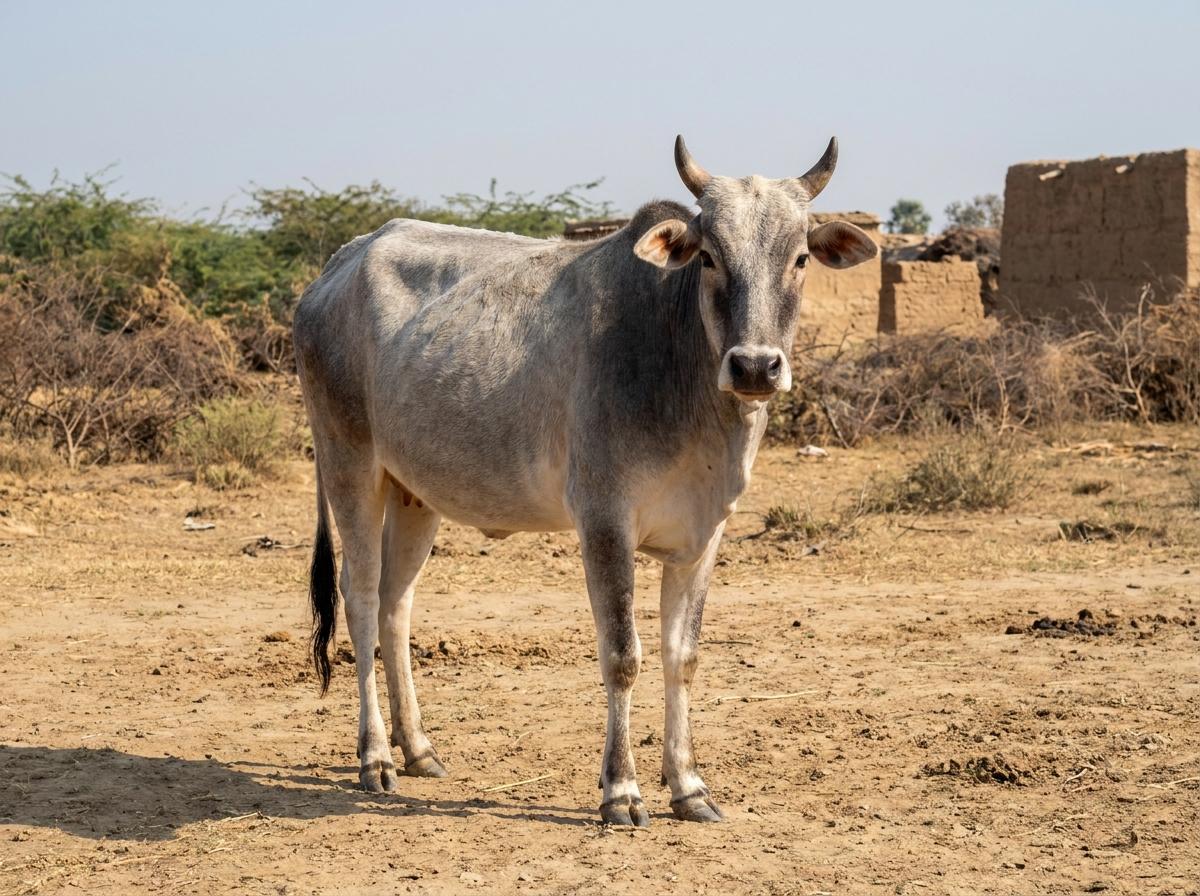
Bachaur cattle are an indigenous zebu breed from northern Bihar in India, especially the Sitamarhi, Darbhanga, and Madhubani region near the Nepal border. They are small to medium cattle, usually white or light gray, with a compact body, moderate hump, short horns, and an alert working temperament. The breed developed in hot, humid alluvial plains where rice farming, seasonal flooding, and village transport shaped the need for quick, hardy bullocks. Cows are not high-volume milk animals, but they can provide household milk while maintaining themselves on modest feed.
Bachaur cattle fit smallholder systems based on grazing, rice straw, crop residues, and locally cut fodder. Their bullocks have been valued for ploughing and cart work in relatively light soils, so sound feet, straight legs, and stamina matter in selection. During the monsoon they need dry standing space and protection from skin and hoof problems; in summer, shade and drinking water are essential. Crossbreeding can raise milk yield, but it may also dilute a locally adapted draft breed. Farmers interested in conservation usually prioritize pure breeding bulls, functional cows, and calves that retain the gray zebu type.
Colors: Belted, Black, Black and White, Blaze Faced, Blue Roan, Brindle, Brockle Faced, Brown, Brown and White, Dun, Gray, Grey, Highbelt, Highpark, Lineback, Mottled, Pied, Red, Red and White, Red Roan, Riggit, Roan, Silver, Solid Black, Solid Red, Solid White, Speckled, Spotted, White, White Faced, Yellow