

Baherie
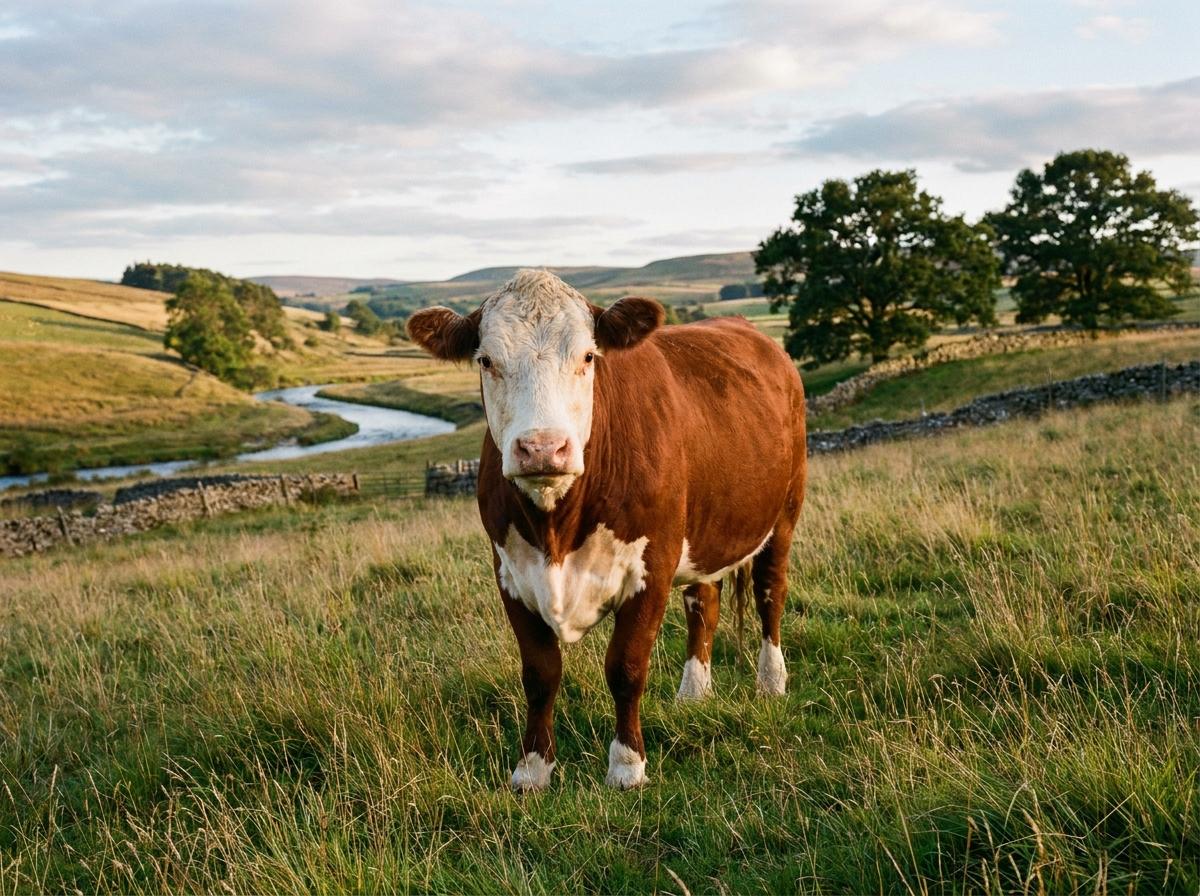
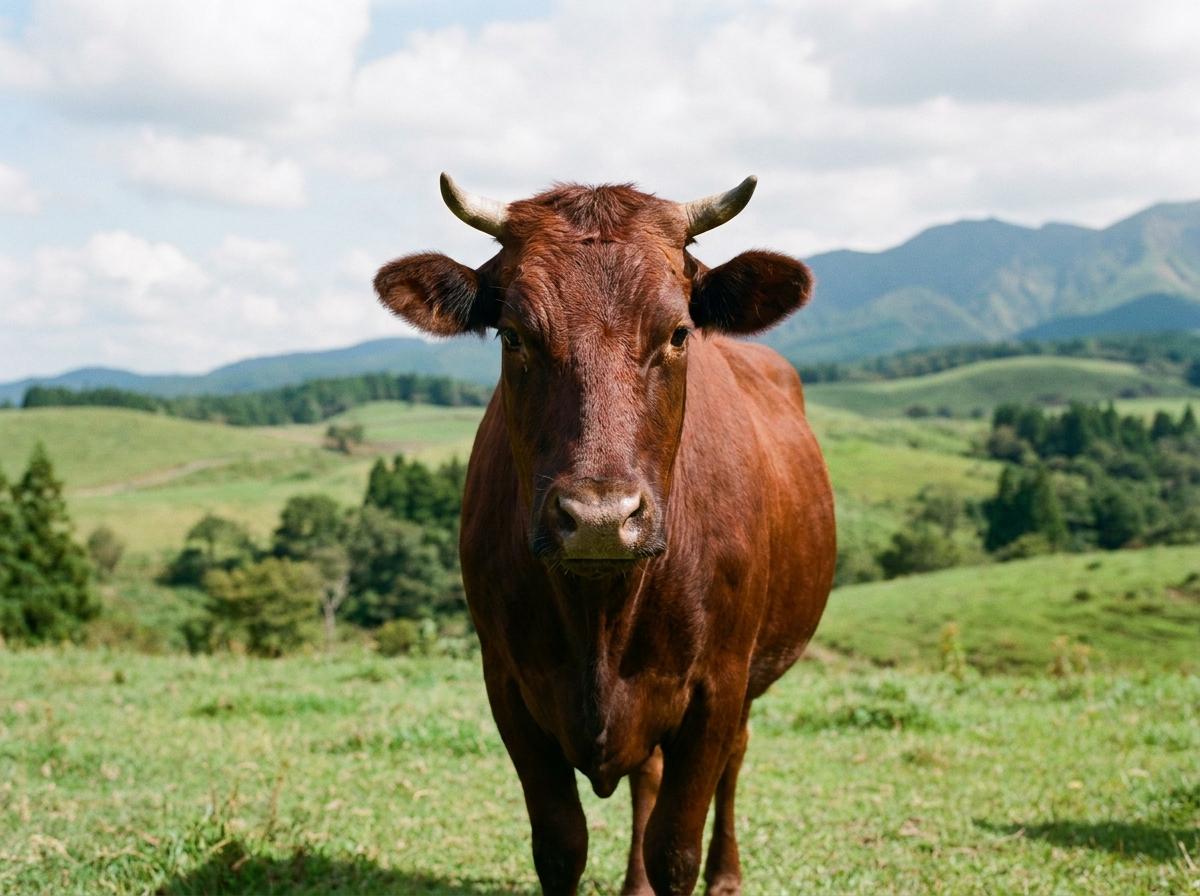
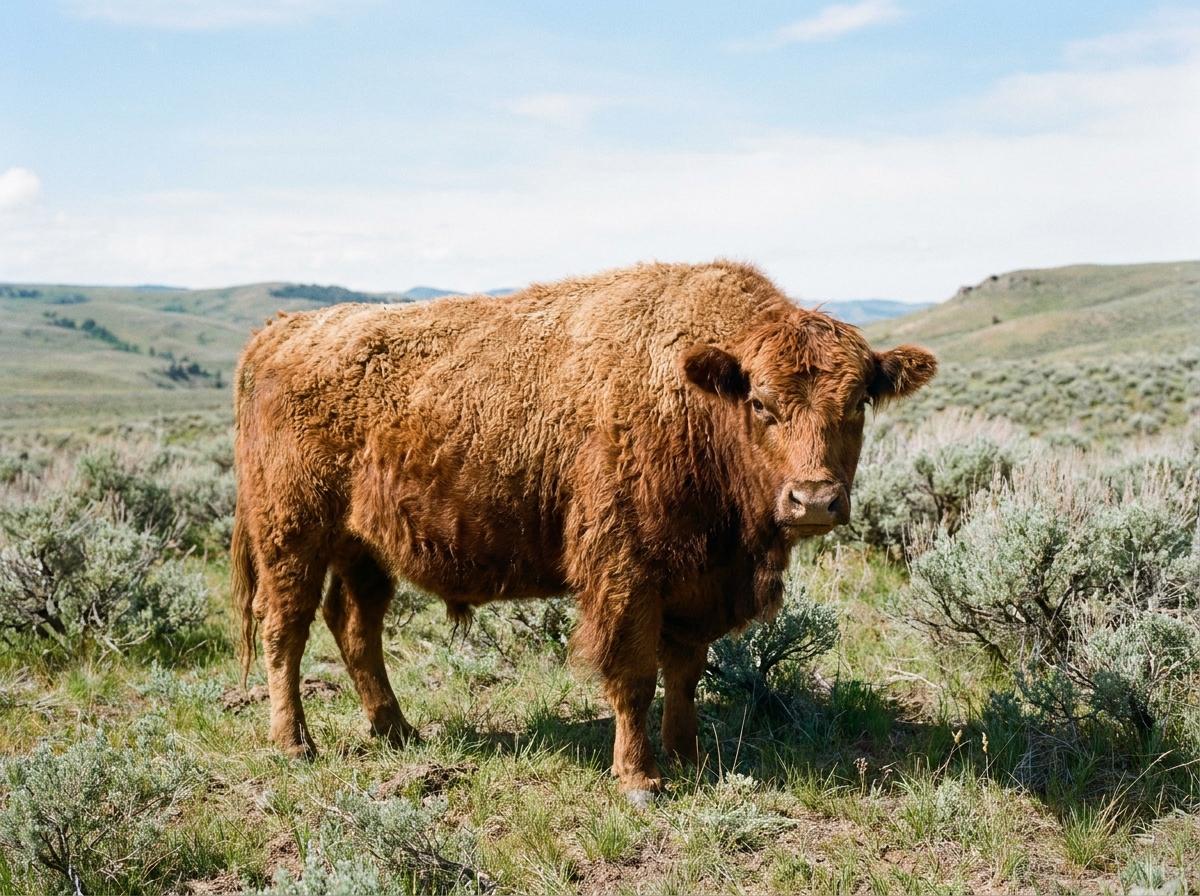
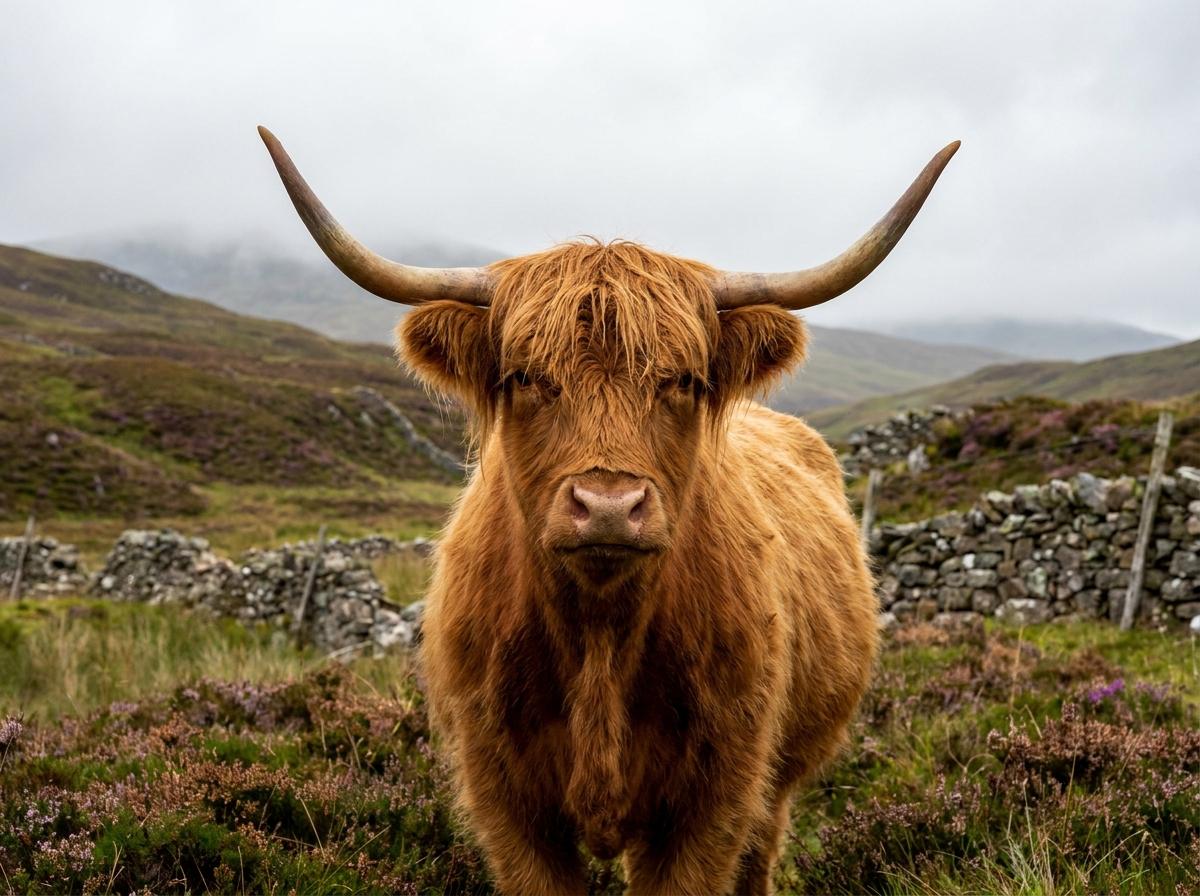
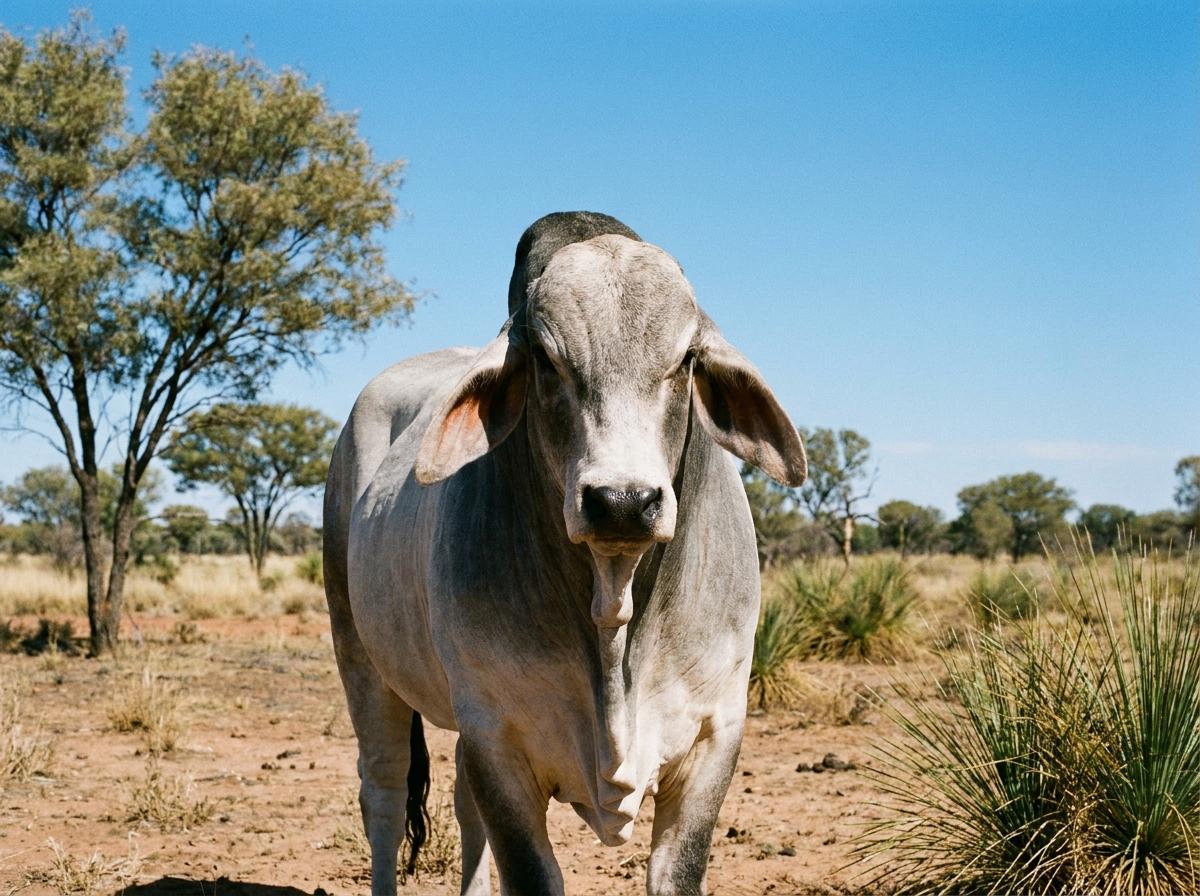
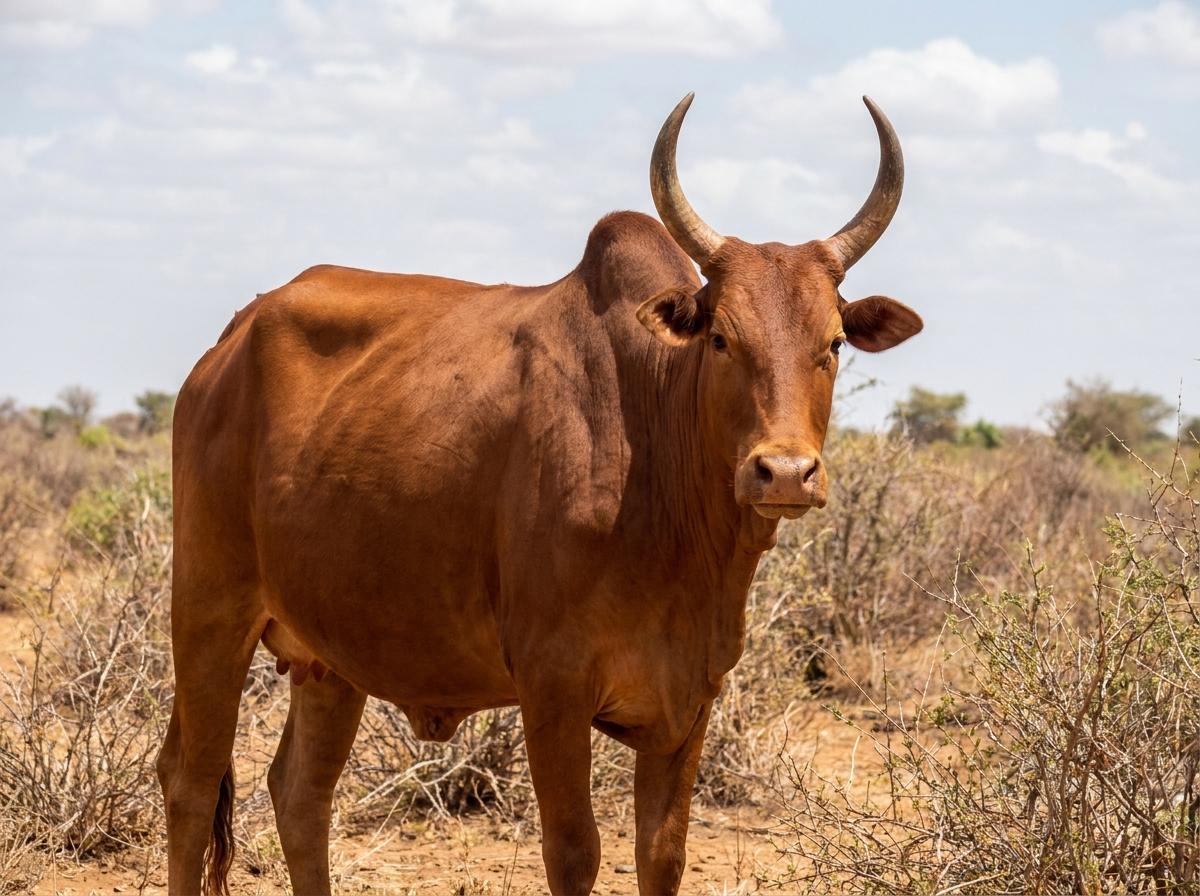
Baherie, sometimes rendered Bahari or Baharie in older livestock lists, is a lightly documented local cattle name from North African and Arabic-speaking cattle records, most often associated with Egypt or nearby desert-fringe farming areas. It appears to describe a regional type of heat-adapted domestic cattle rather than a modern standardized breed with a broad international registry. Animals described under this name are generally practical village cattle, variable in color and size, selected more by usefulness in local conditions than by a fixed show appearance.
Where Baherie-type cattle are kept, management is usually based on small herds, crop residues, canal or oasis fodder, and close household use for milk, calves, manure, and occasional meat. Heat tolerance, ability to maintain condition on rough feed, and fertility are more important than peak production. Anyone buying or documenting this type should treat the name carefully and record the herd's location, ancestry, and management history. For conservation or research, its value lies in local adaptation and in the way farmers have maintained cattle under dry climates and limited feed resources.
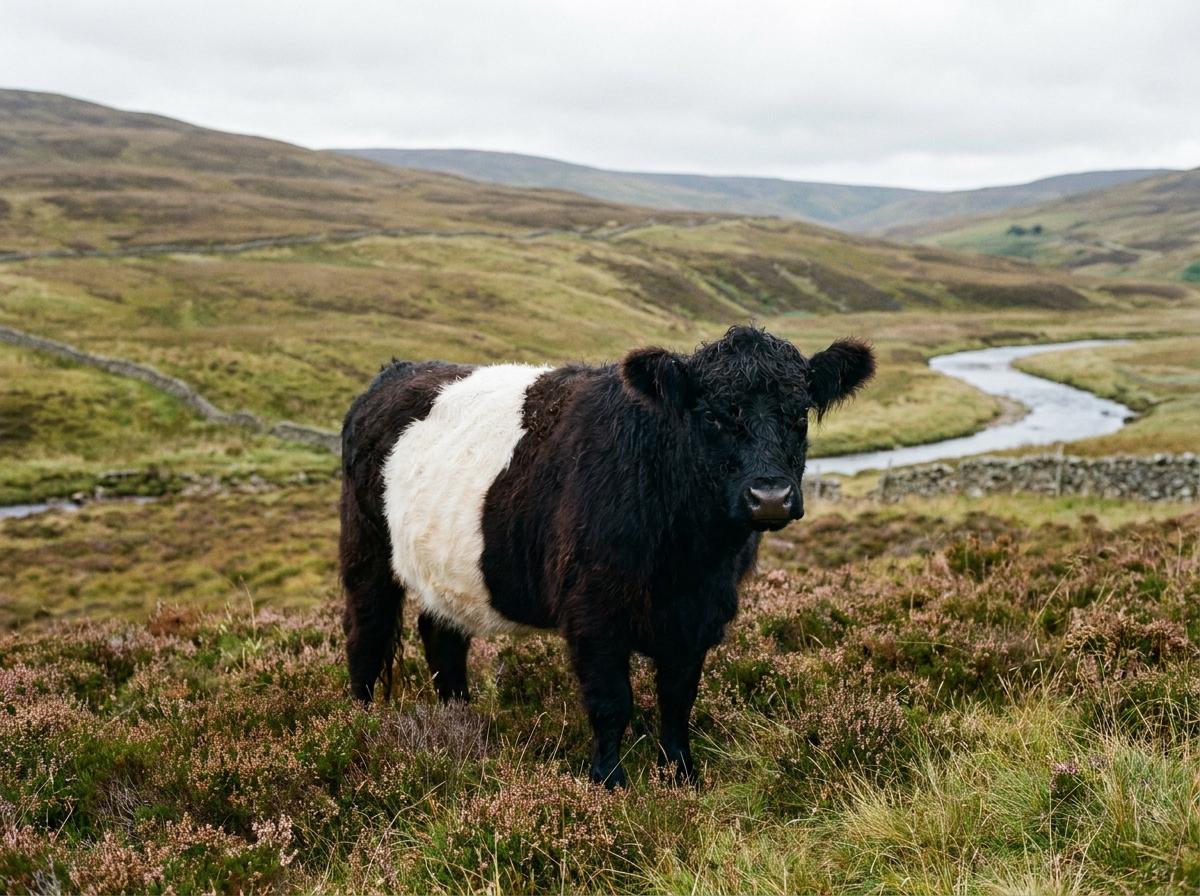
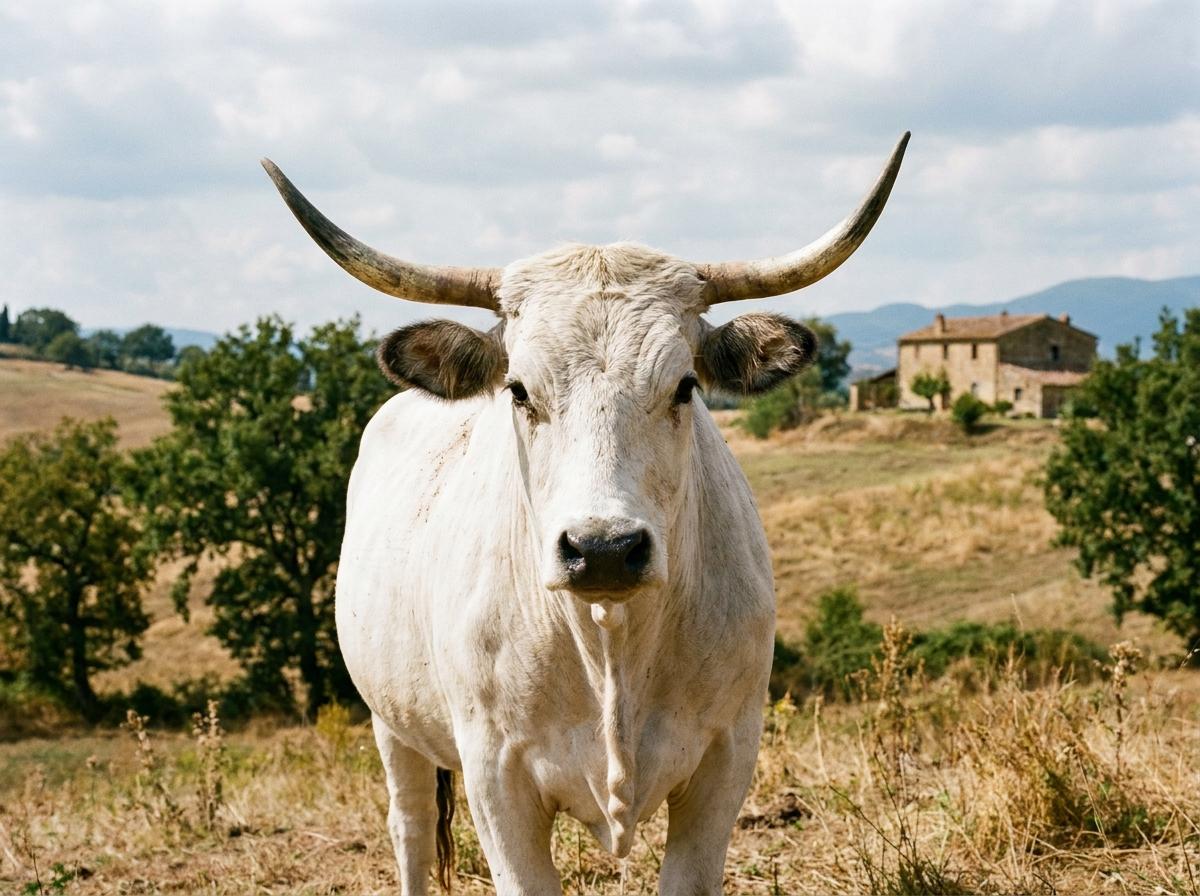
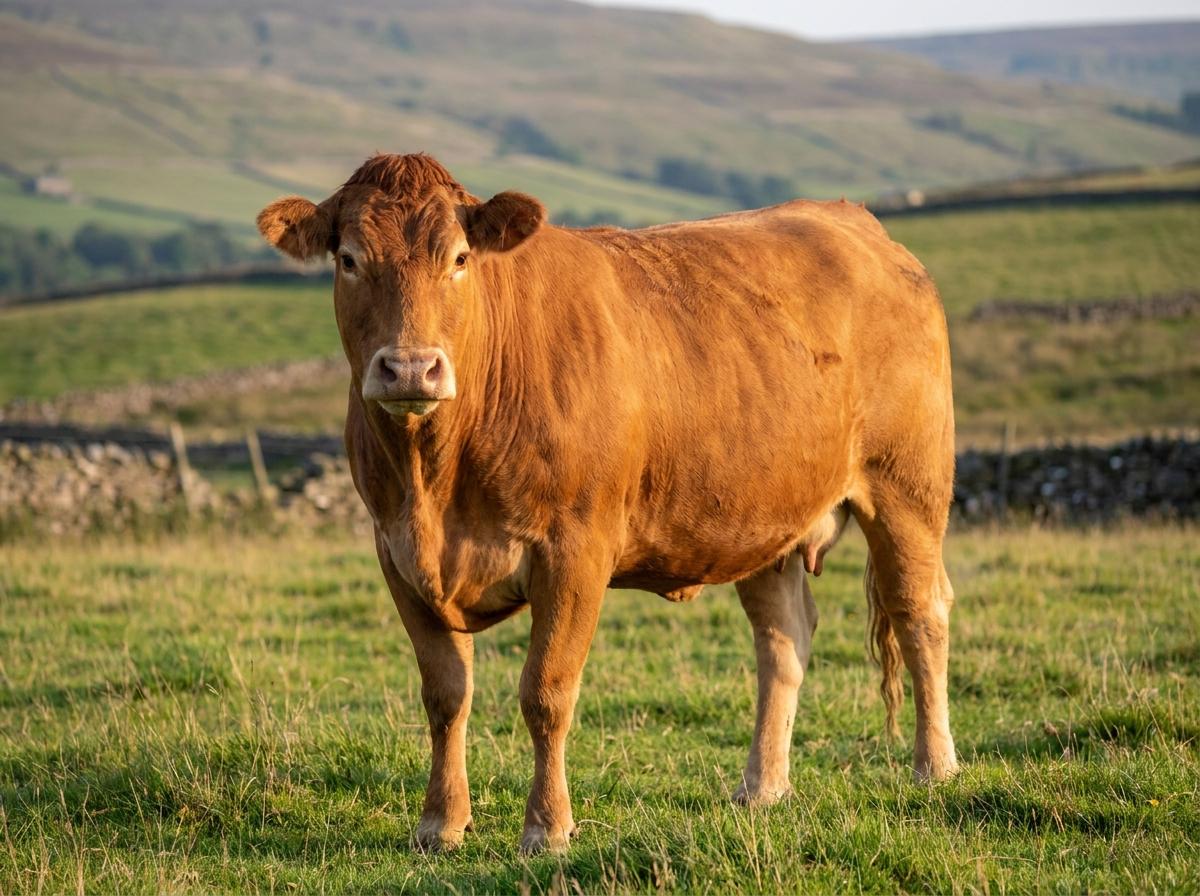
Colors: Belted, Black, Black and White, Blaze Faced, Blue Roan, Brindle, Brockle Faced, Brown, Brown and White, Dun, Gray, Grey, Highbelt, Highpark, Lineback, Mottled, Pied, Red, Red and White, Red Roan, Riggit, Roan, Silver, Solid Black, Solid Red, Solid White, Speckled, Spotted, White, White Faced, Yellow