

Bakosi
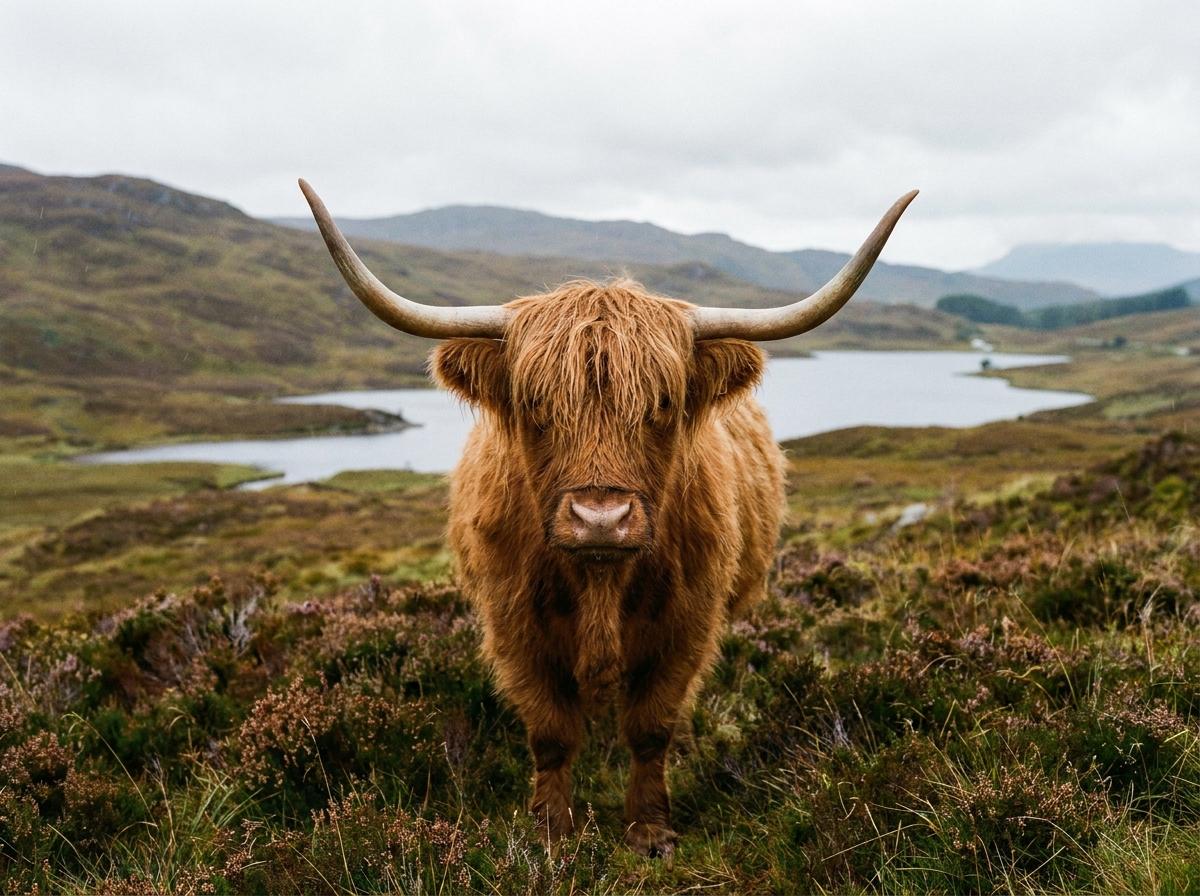
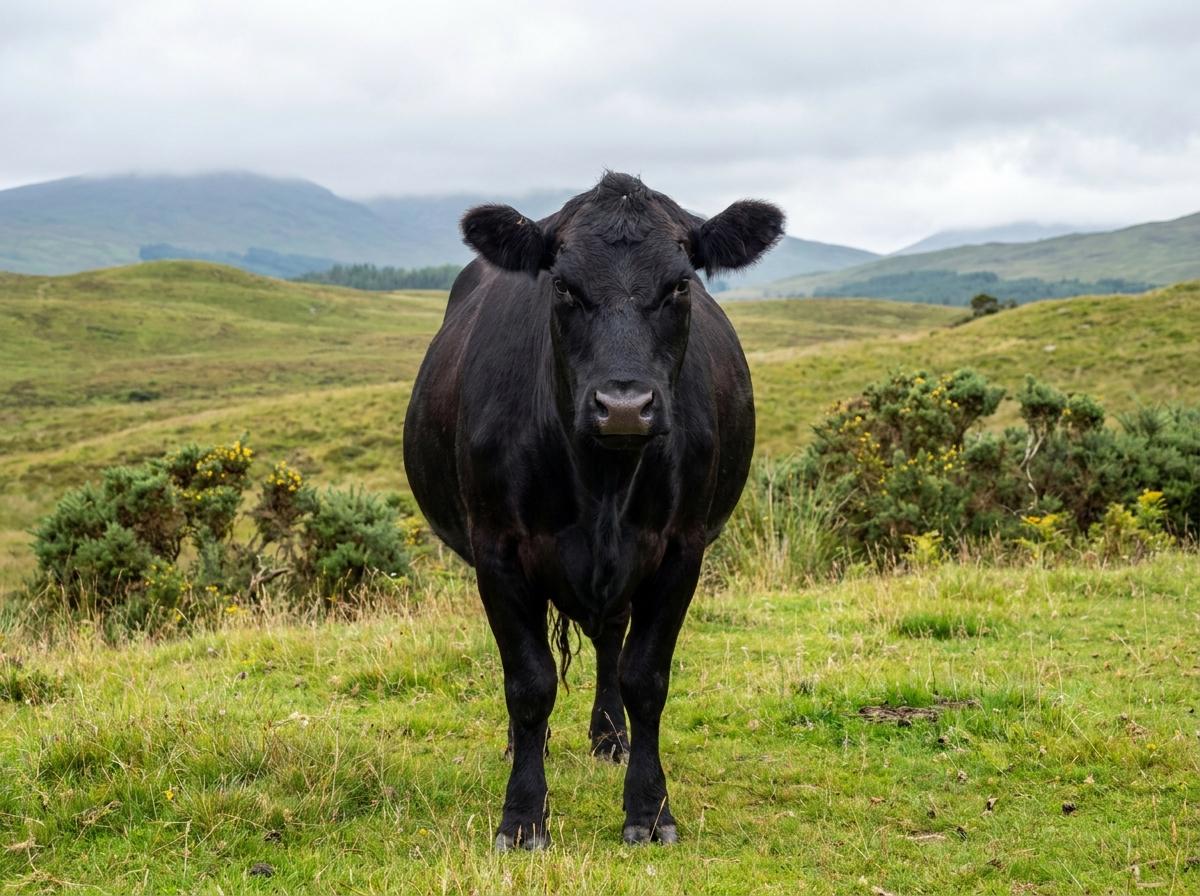
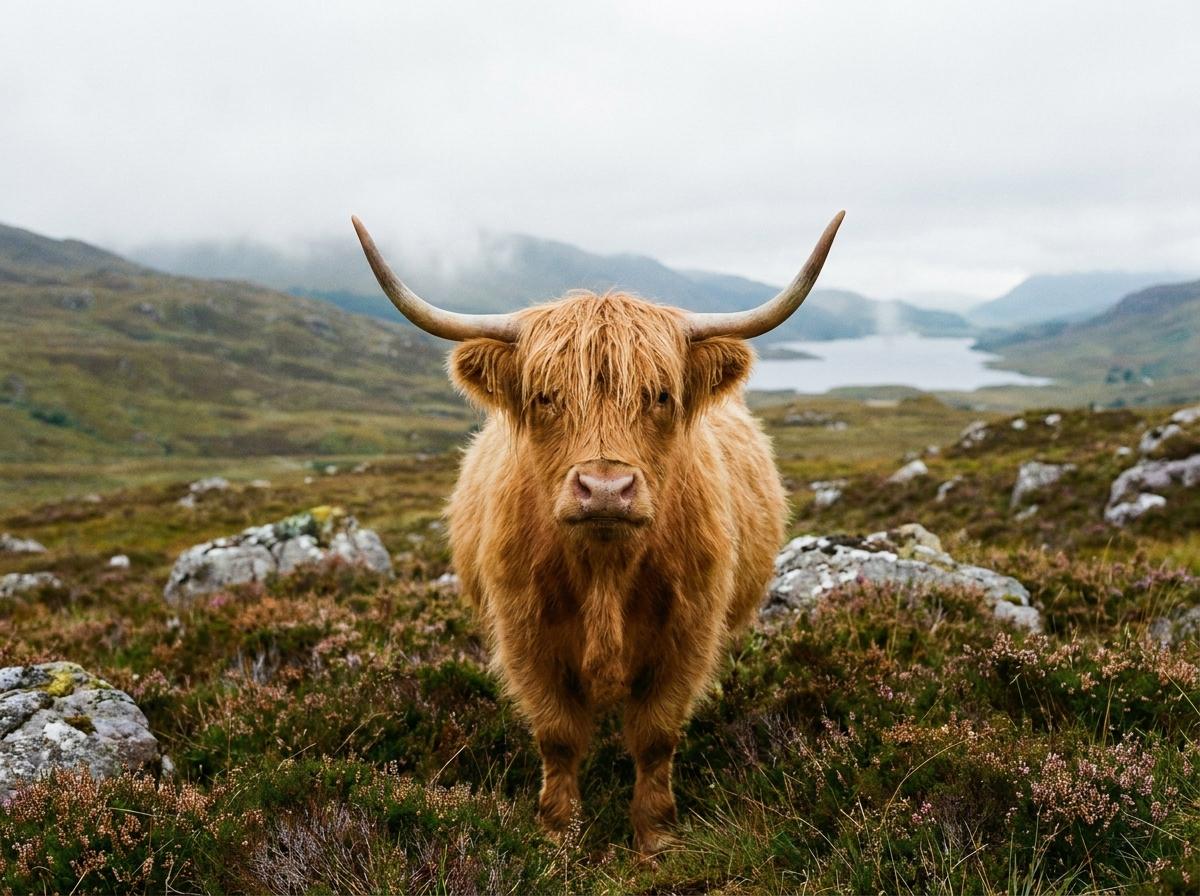
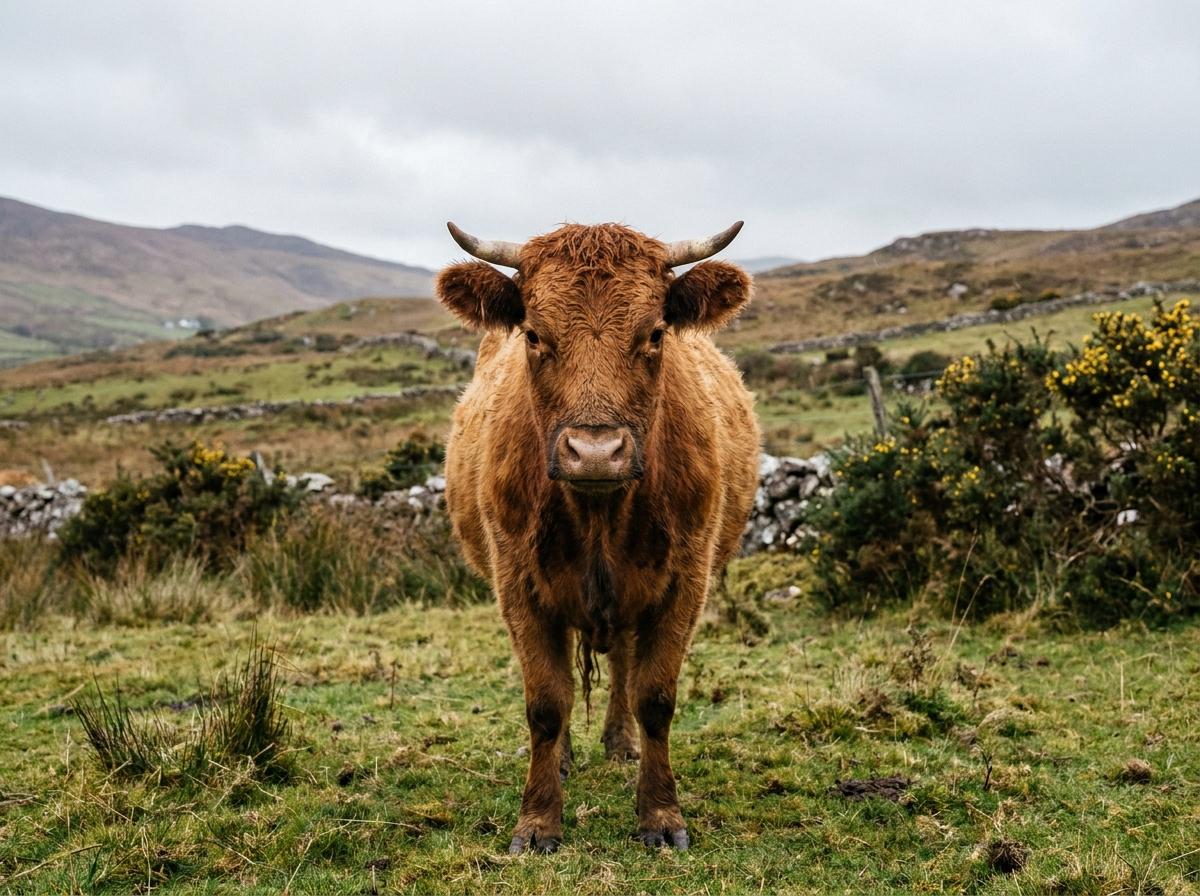
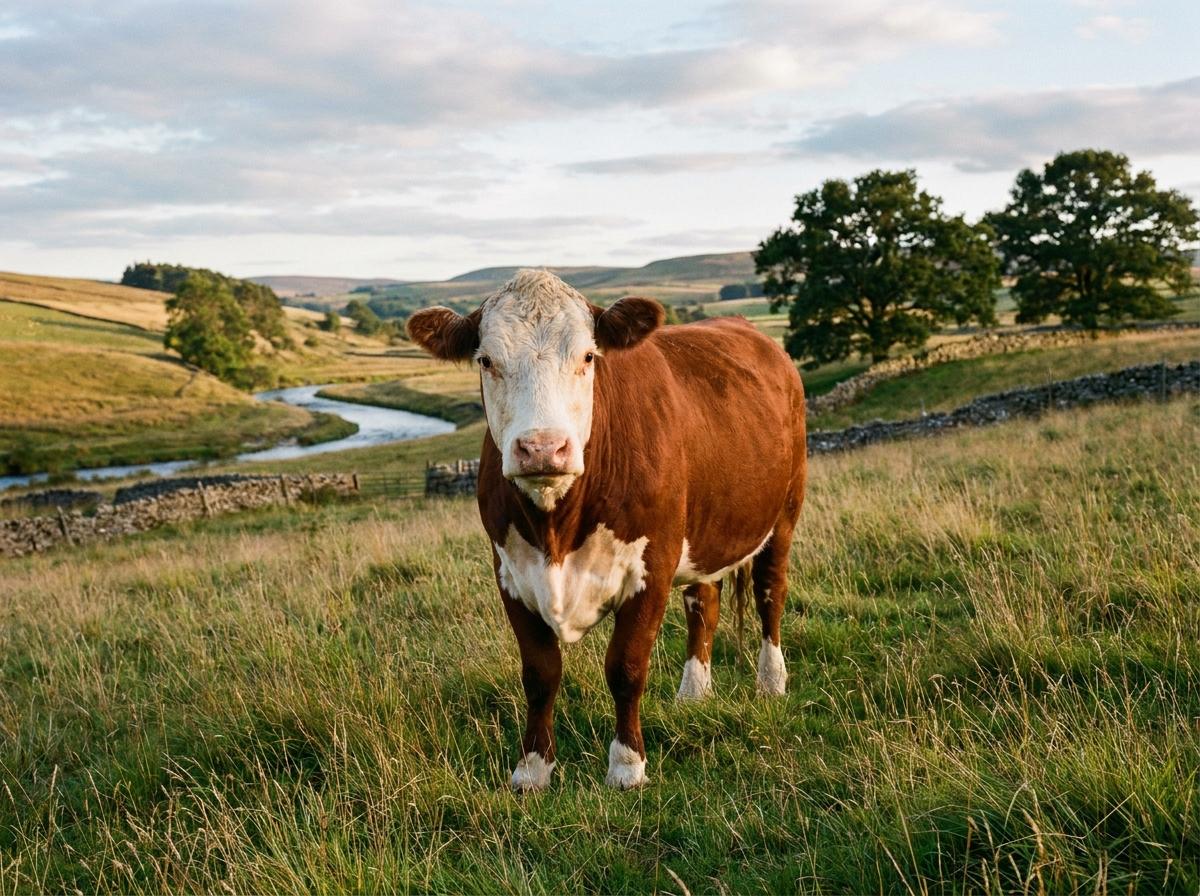
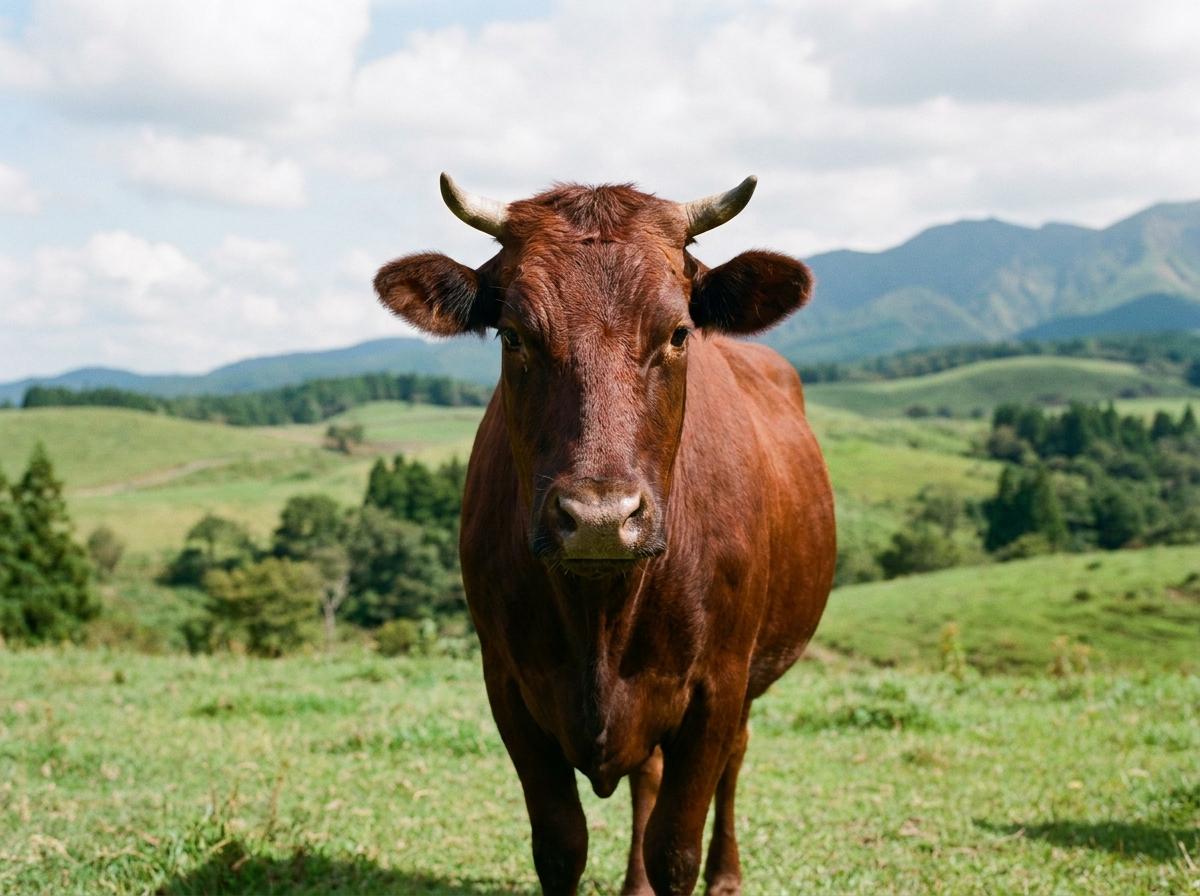
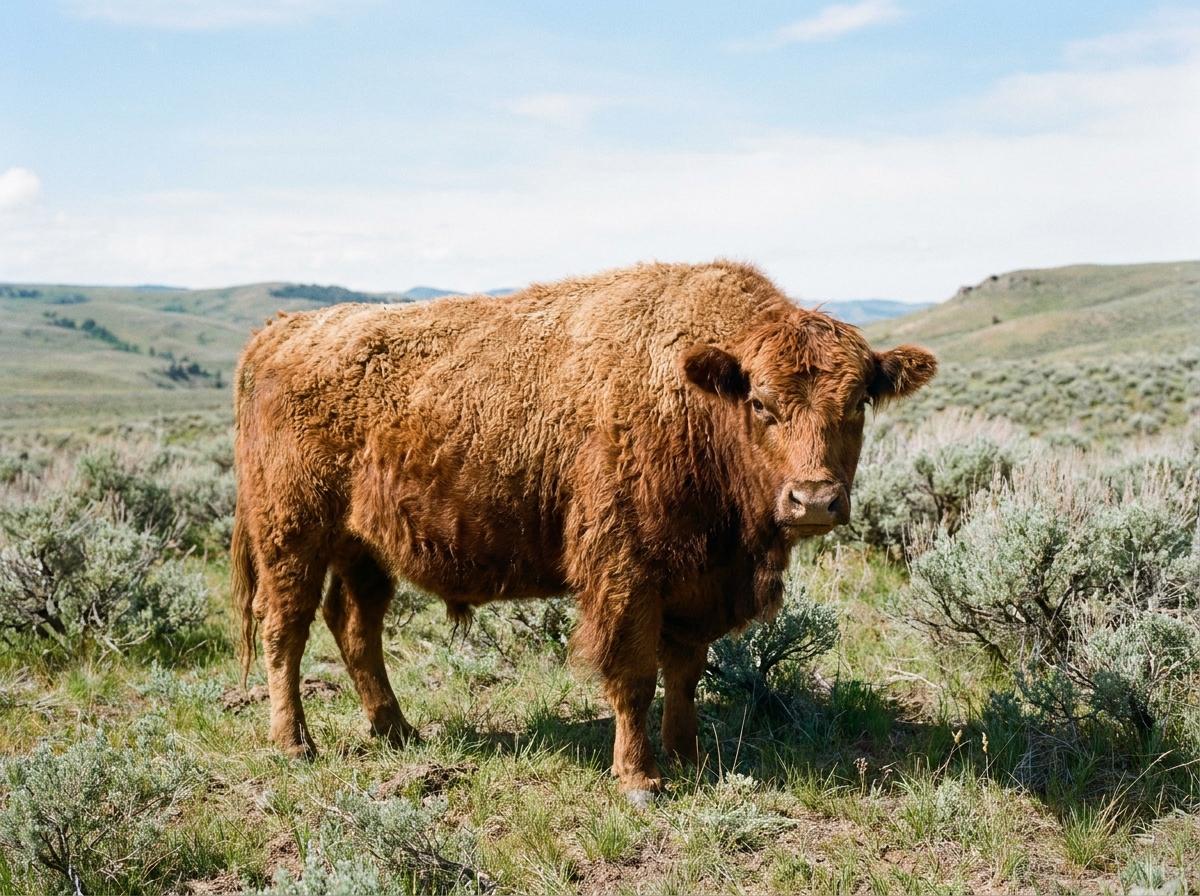
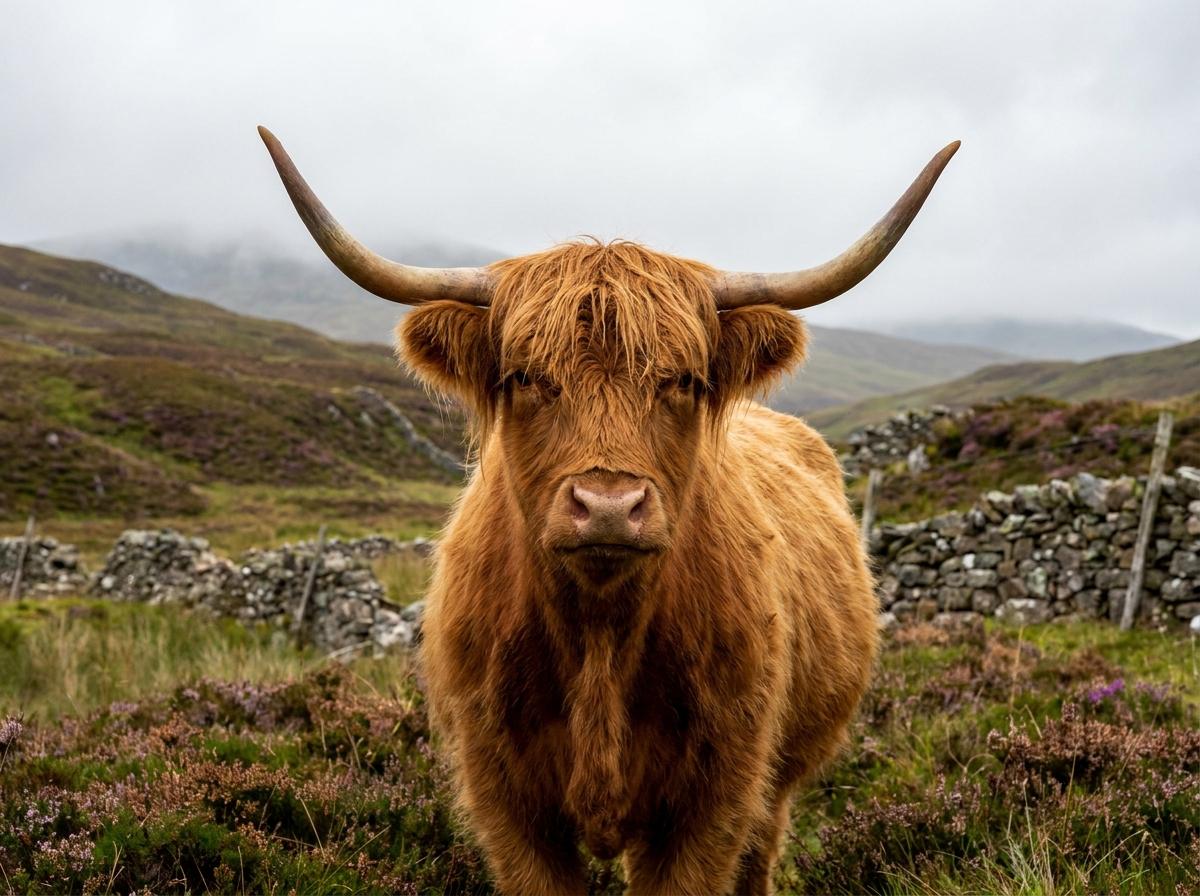
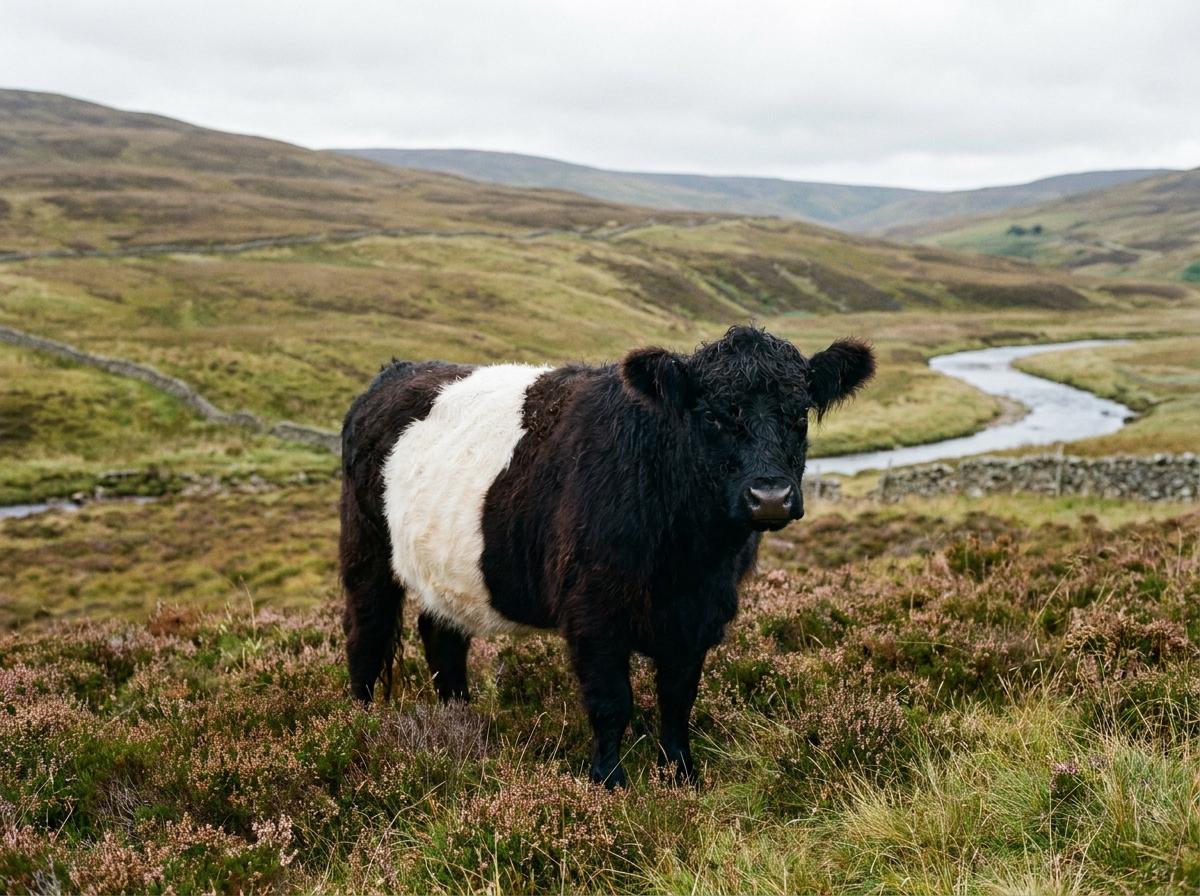
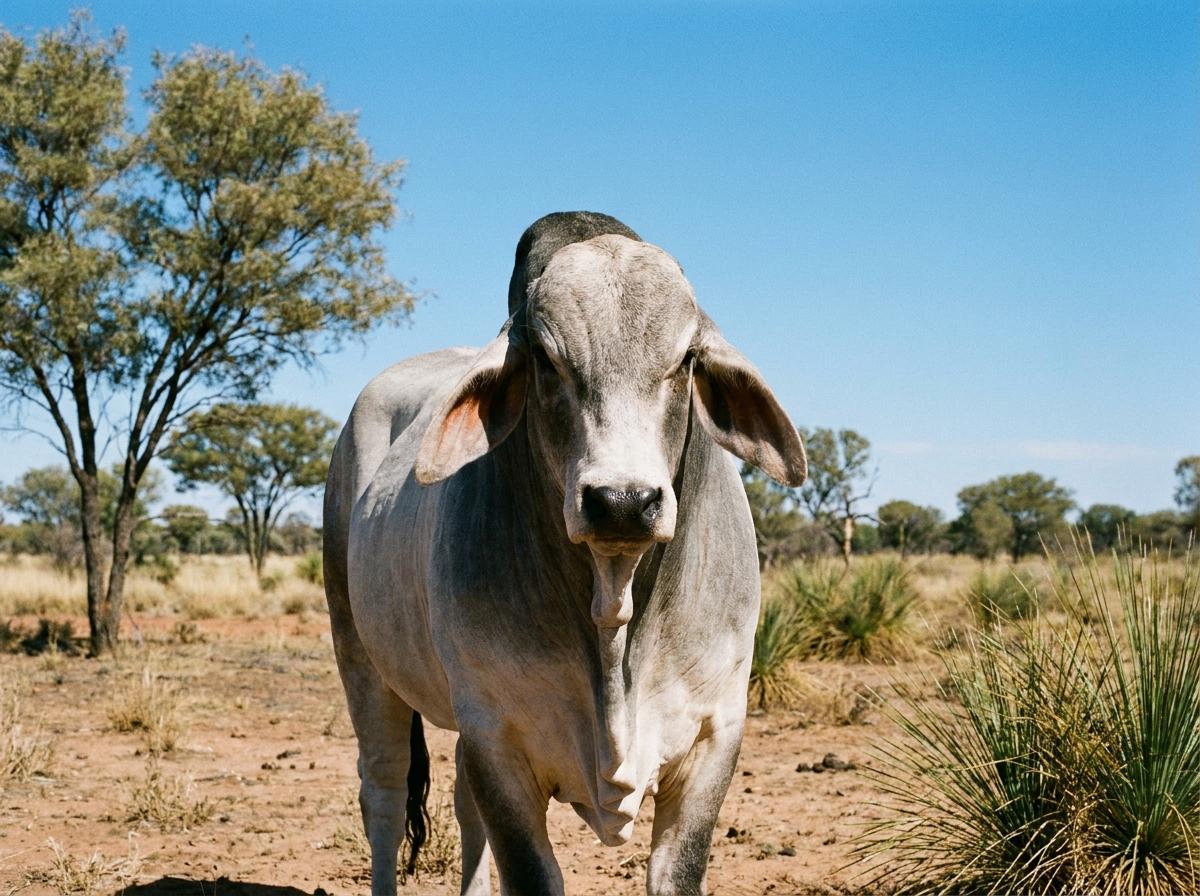
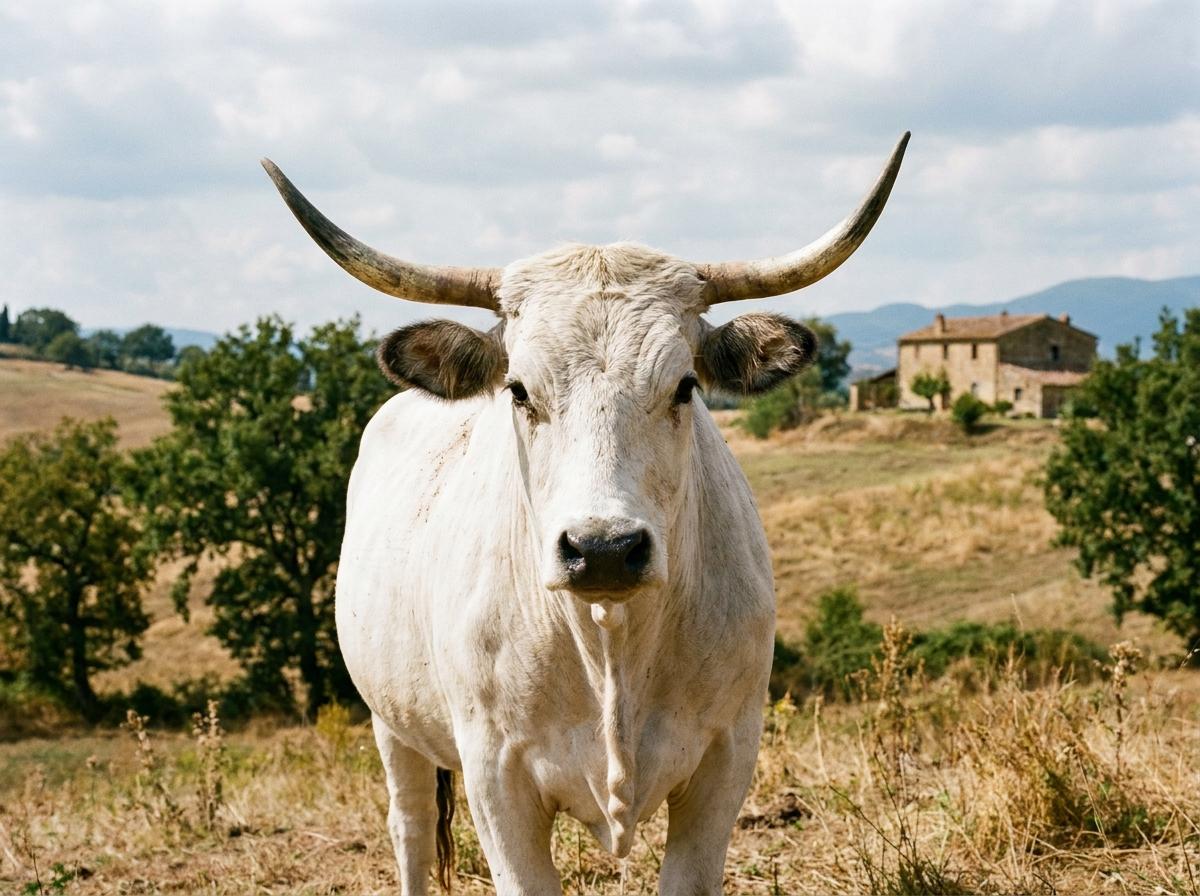
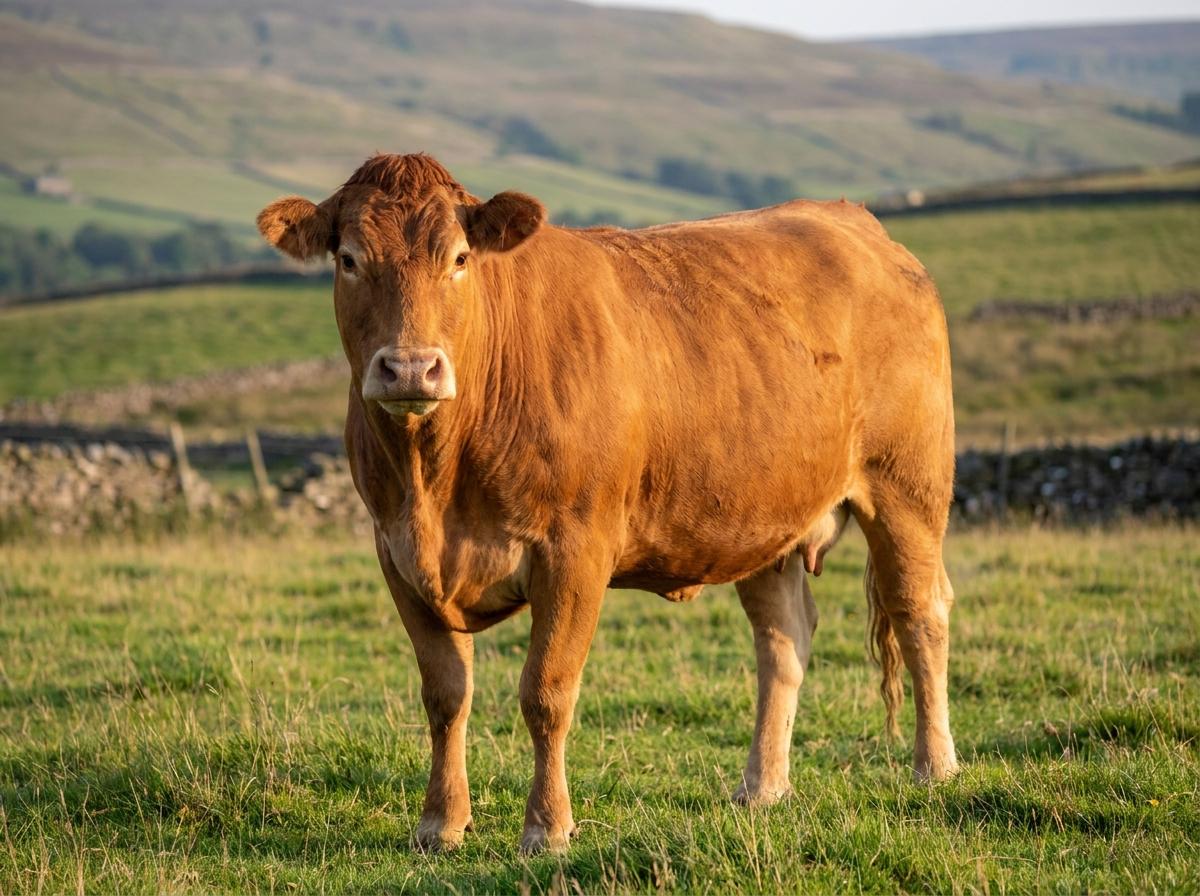
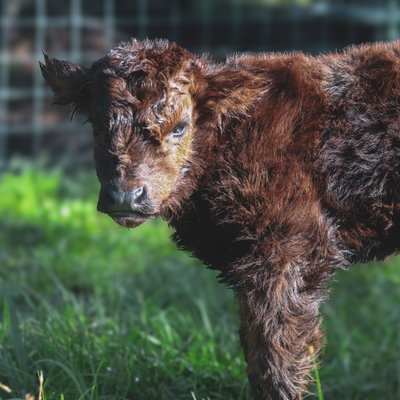
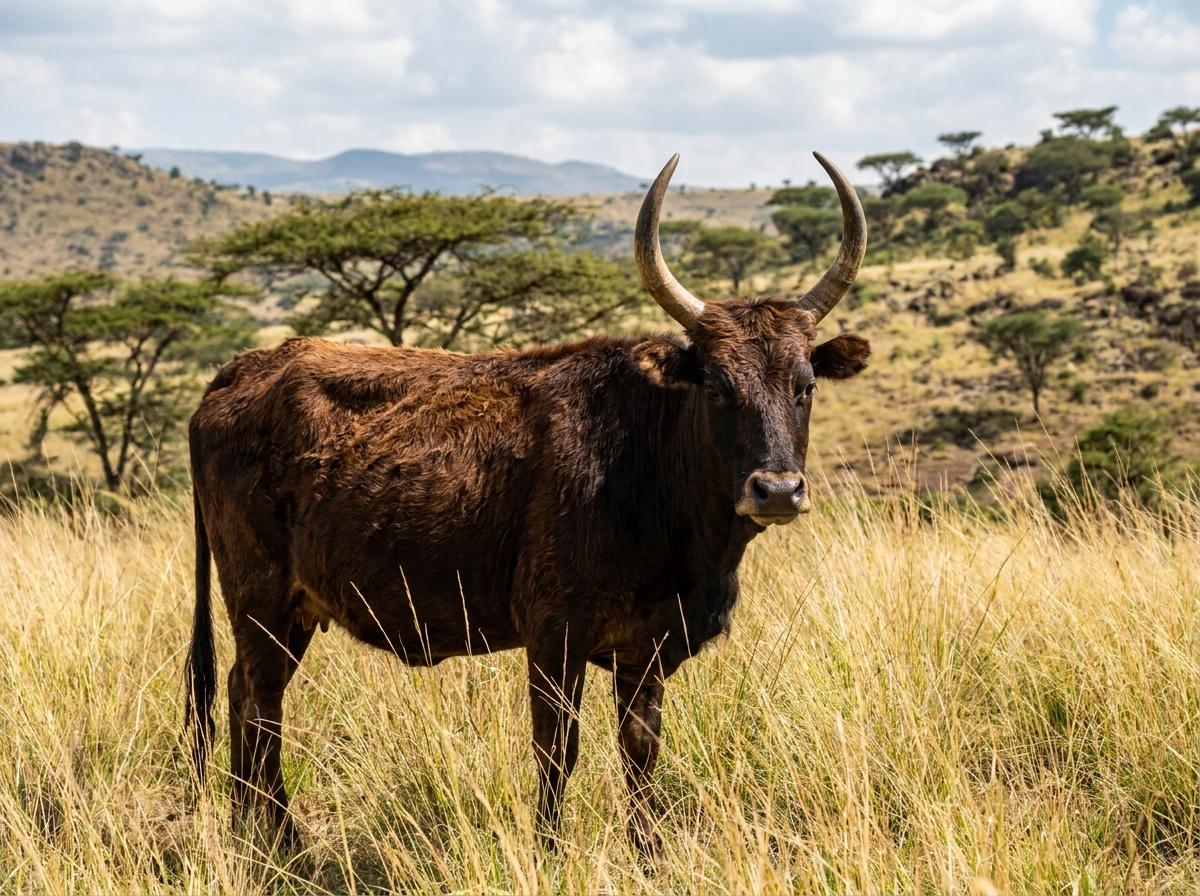
Bakosi cattle, also spelled Bakossi, are a small local cattle type from the Bakossi highlands of southwestern Cameroon. They are generally grouped with West African taurine or shorthorn cattle rather than large humped zebus. Compact bodies, short horns, variable dark, brown, or pied coats, and good adaptation to humid highland and forest-edge conditions distinguish them from many Sahelian cattle. Their importance comes partly from trypanotolerance and resistance to local parasite pressures, traits that allowed cattle keeping in areas where imported or zebu cattle often struggle.
Bakosi herds are usually small and locally managed, serving as meat animals, savings, ceremonial livestock, and sometimes a modest source of milk. Grazing may be on village grassland, fallow land, and forest margins, with crop residues added when available. Careful handling and low-stress restraint suit these smaller cattle better than facilities built only for large commercial breeds. Crossbreeding with bigger zebu or exotic cattle can increase body size, but it may reduce the disease tolerance that makes Bakosi cattle useful. Community conservation depends on keeping viable breeding groups and recognizing the breed's role in Cameroon livestock diversity.
Colors: Belted, Black, Black and White, Blaze Faced, Blue Roan, Brindle, Brockle Faced, Brown, Brown and White, Dun, Gray, Grey, Highbelt, Highpark, Lineback, Mottled, Pied, Red, Red and White, Red Roan, Riggit, Roan, Silver, Solid Black, Solid Red, Solid White, Speckled, Spotted, White, White Faced, Yellow