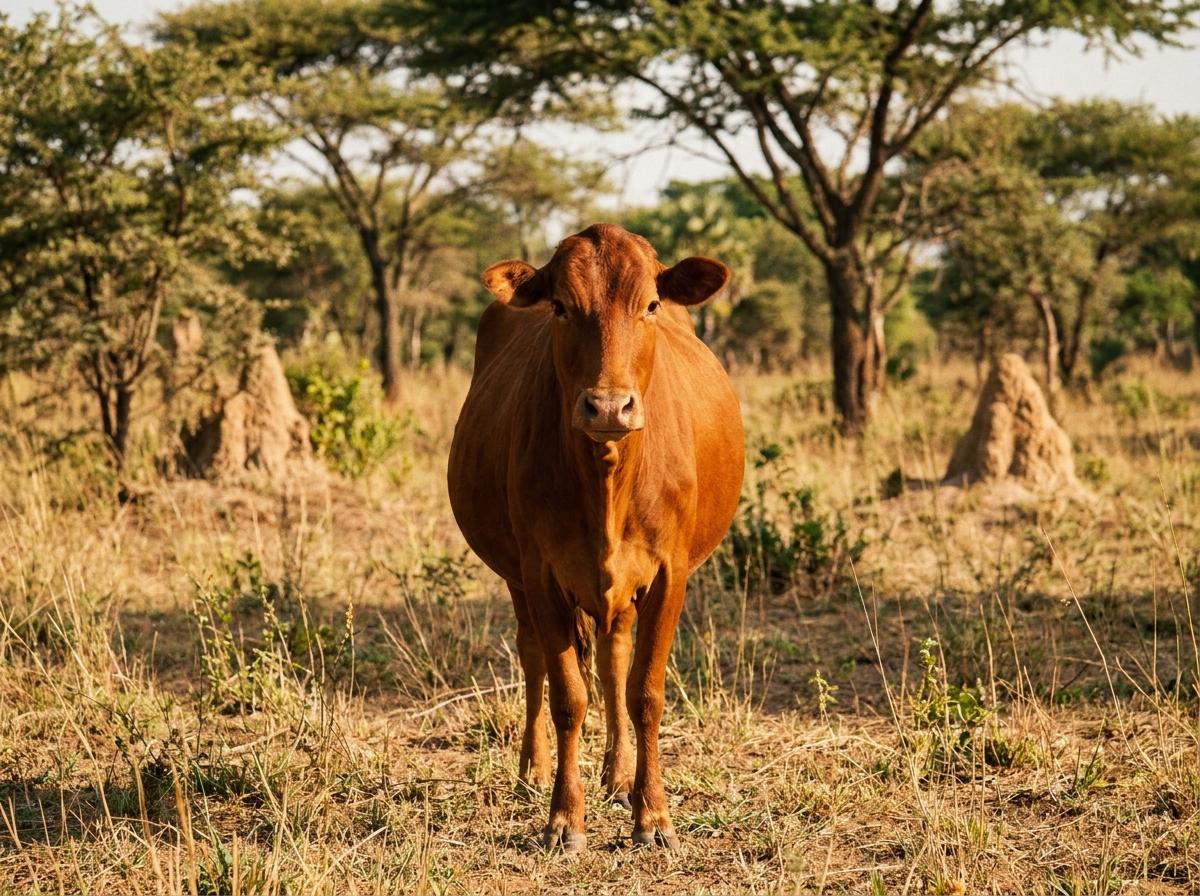
Baoule
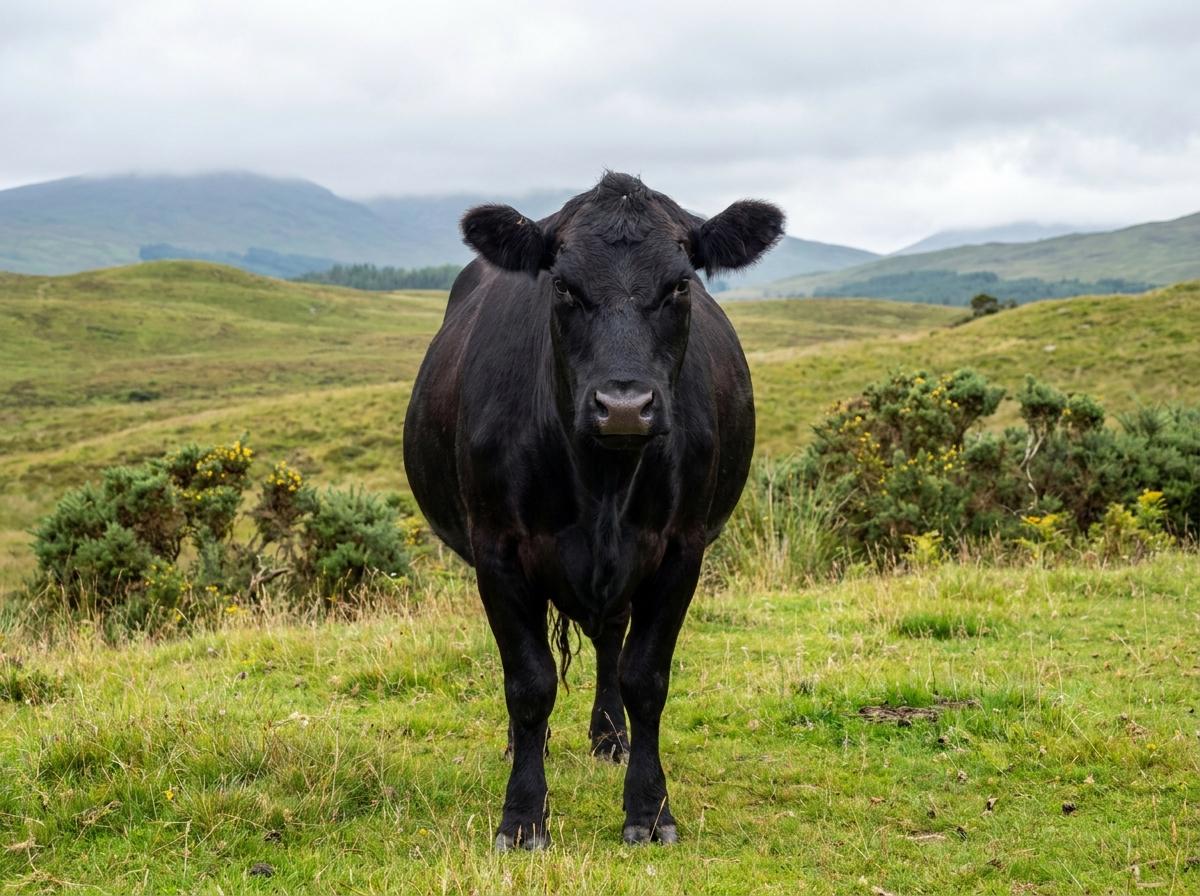
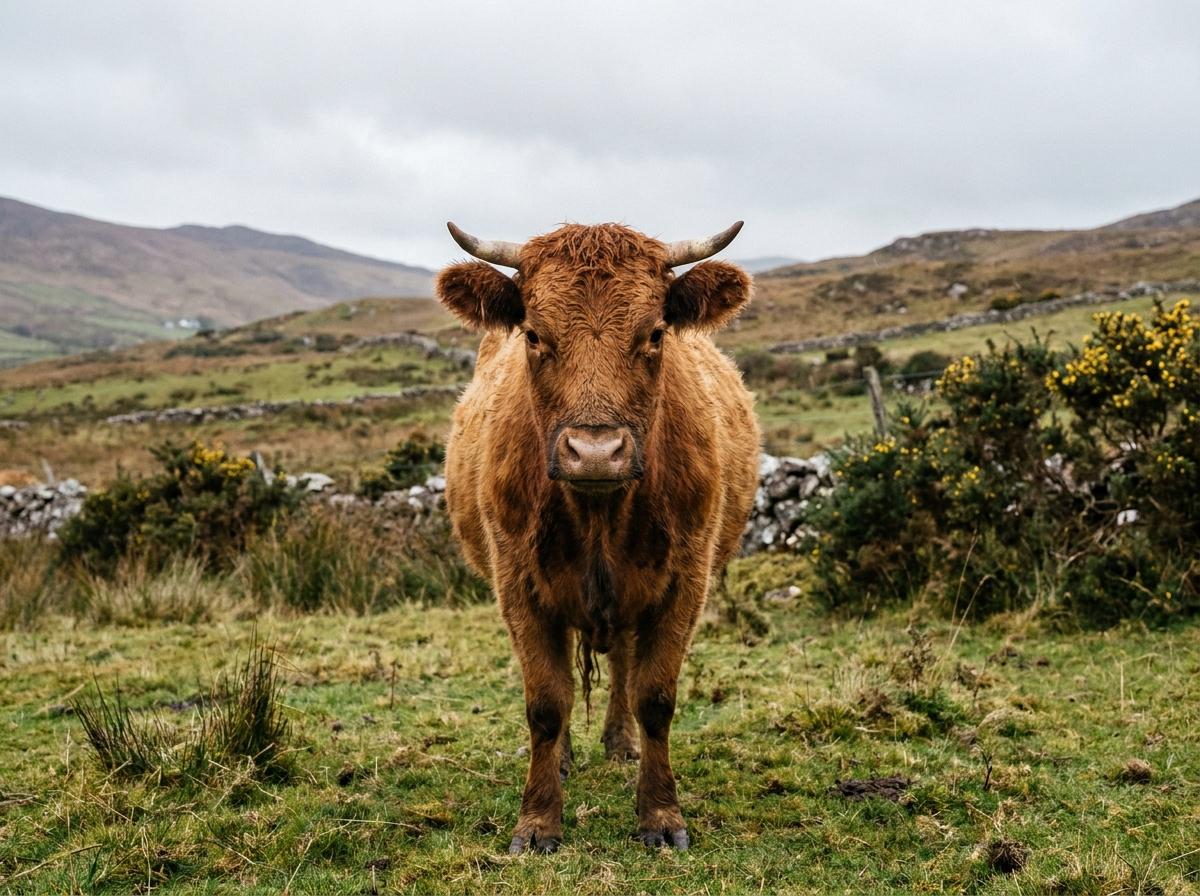
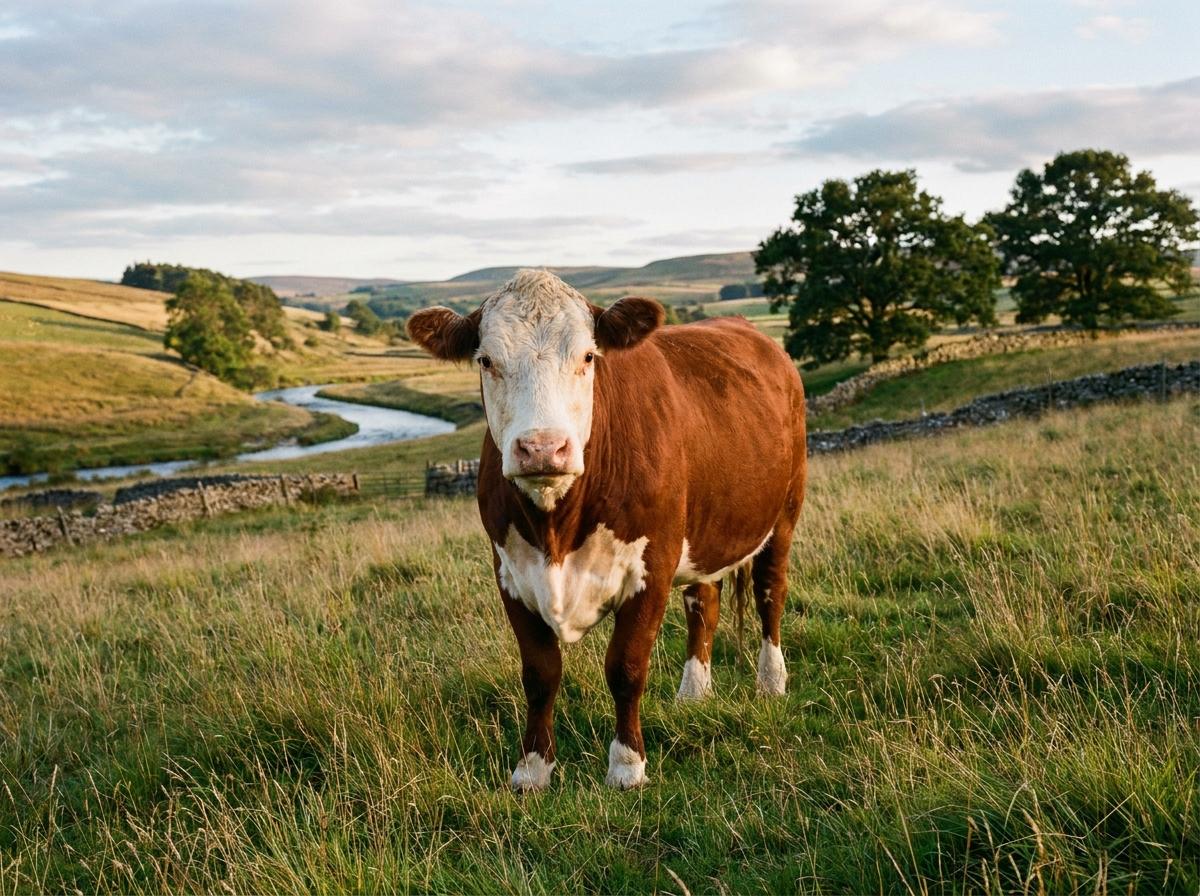
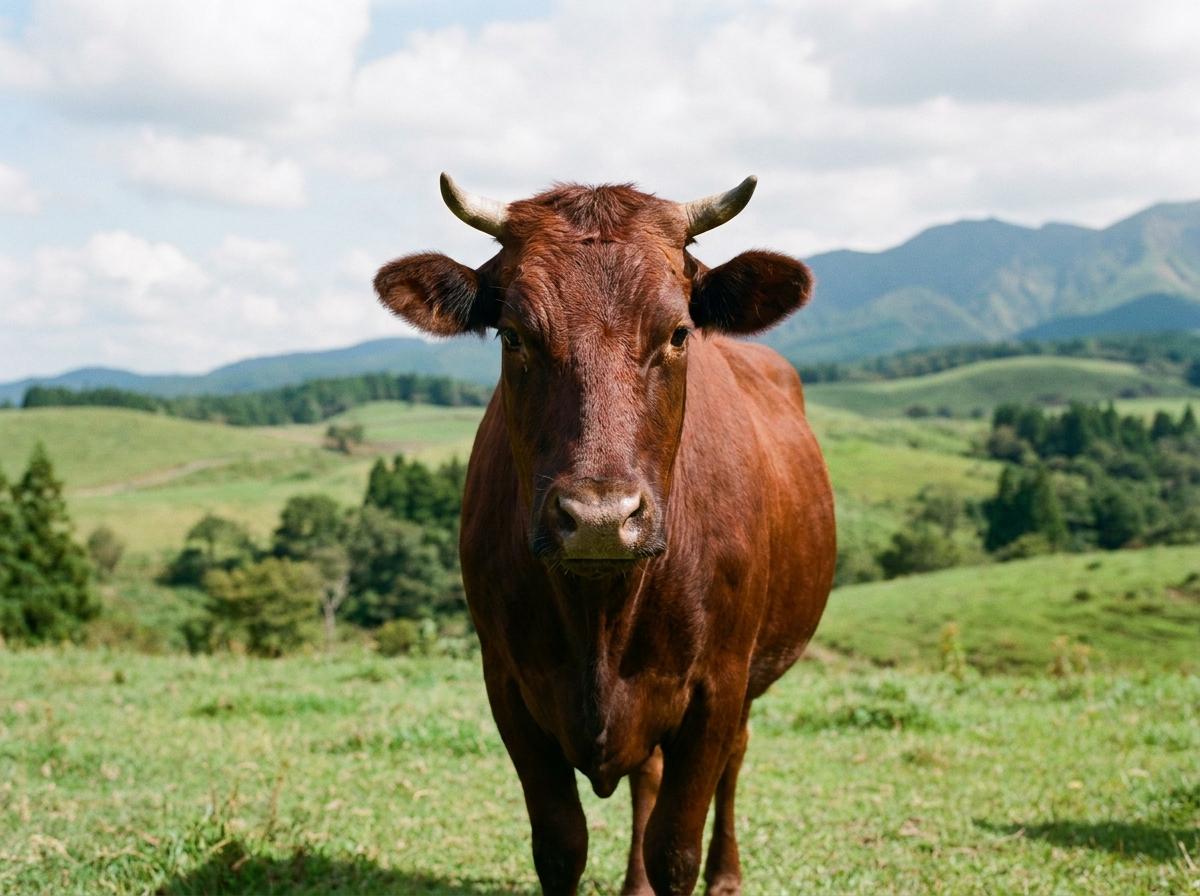
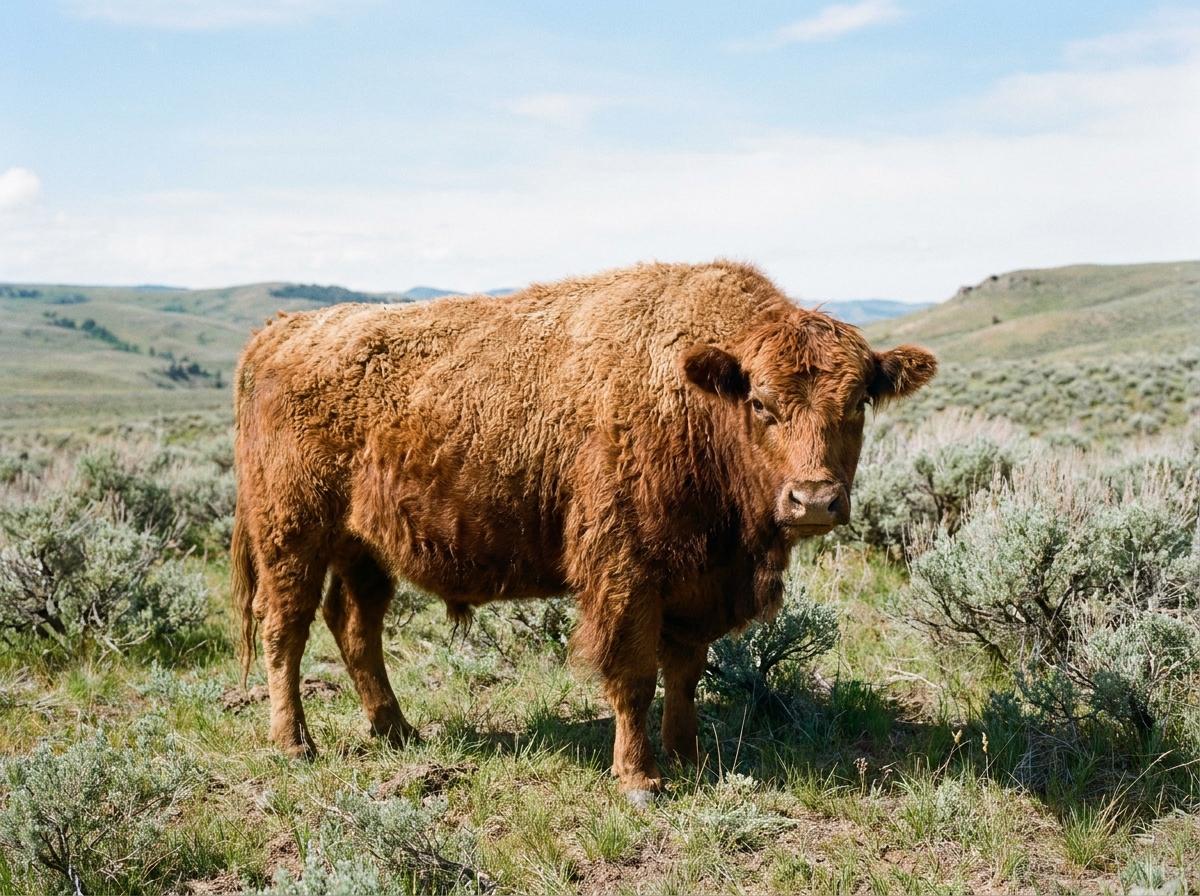
Baoule cattle, often written Baoulé, are small humpless taurine cattle from West Africa, especially central Côte d'Ivoire and neighboring savanna and forest-margin areas. They are commonly grouped with West African Shorthorn cattle and are named for the Baoulé people and region. These cattle are compact, short-horned, and variable in color, with black, brown, fawn, and pied animals all reported. Their main distinction is not size but adaptation: Baoule cattle can live in tsetse-affected zones where trypanosomiasis limits many larger zebu breeds.
Village herds are kept for meat, savings, ceremonies, manure, and limited milk, often under low-input grazing with crop residues during harder seasons. Because the cows are small, expectations for milk yield or rapid beef gain should stay realistic; fertility and survival are the strengths. Parasite control, secure night holding, and steady access to water still matter, especially where herds graze near forest edges. Crosses with zebu cattle may produce larger animals for market, but pure Baoule lines are important for trypanotolerance and local livestock resilience. Conservation work usually focuses on maintaining breeding groups in the communities that already know the cattle.
Colors: Belted, Black, Black and White, Blaze Faced, Blue Roan, Brindle, Brockle Faced, Brown, Brown and White, Dun, Gray, Grey, Highbelt, Highpark, Lineback, Mottled, Pied, Red, Red and White, Red Roan, Riggit, Roan, Silver, Solid Black, Solid Red, Solid White, Speckled, Spotted, White, White Faced, Yellow