

Begayt
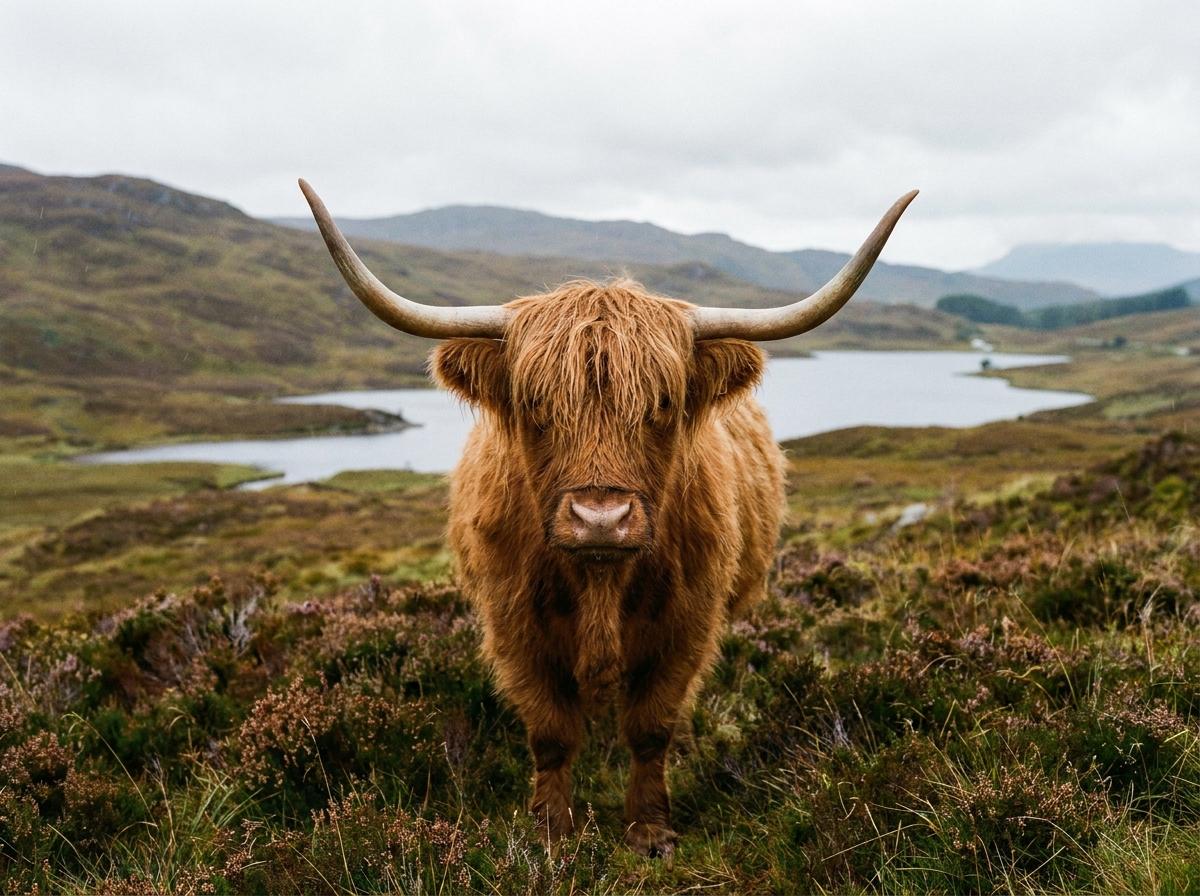
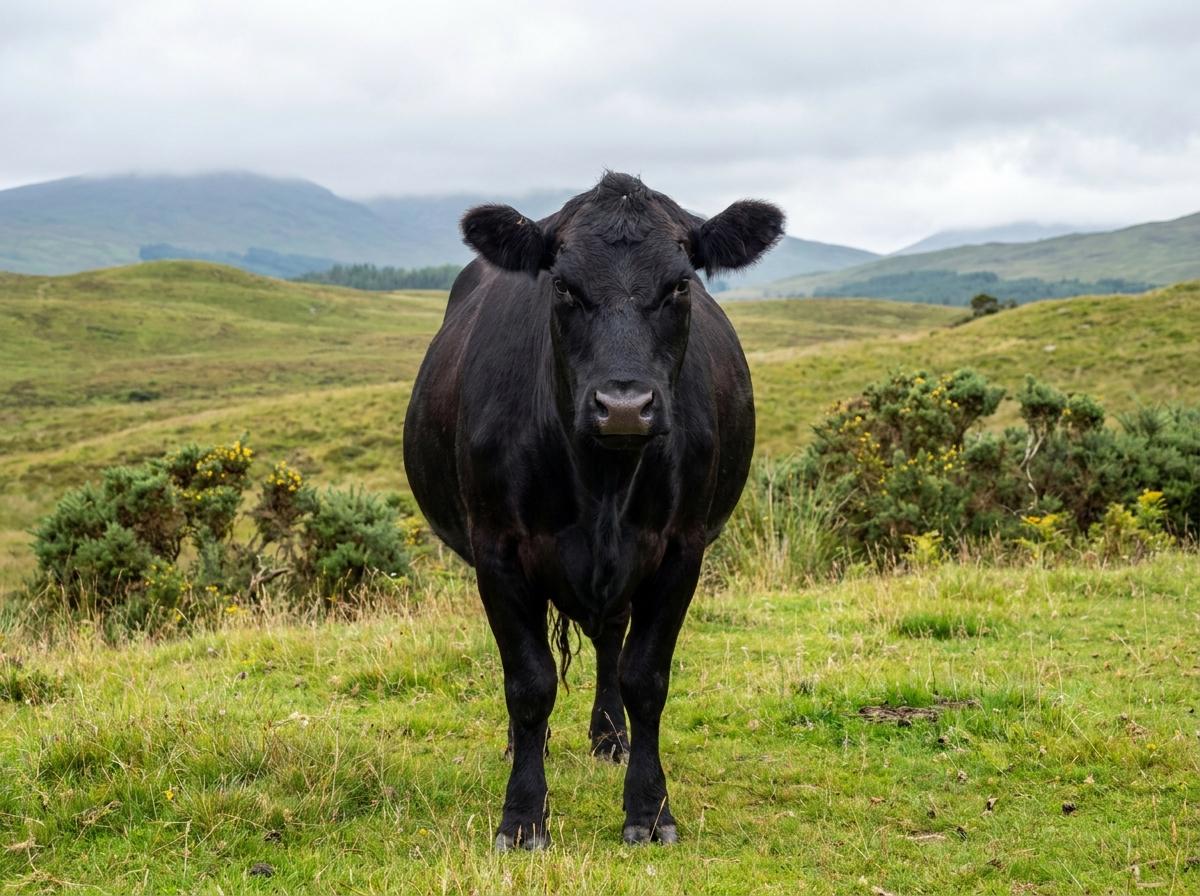
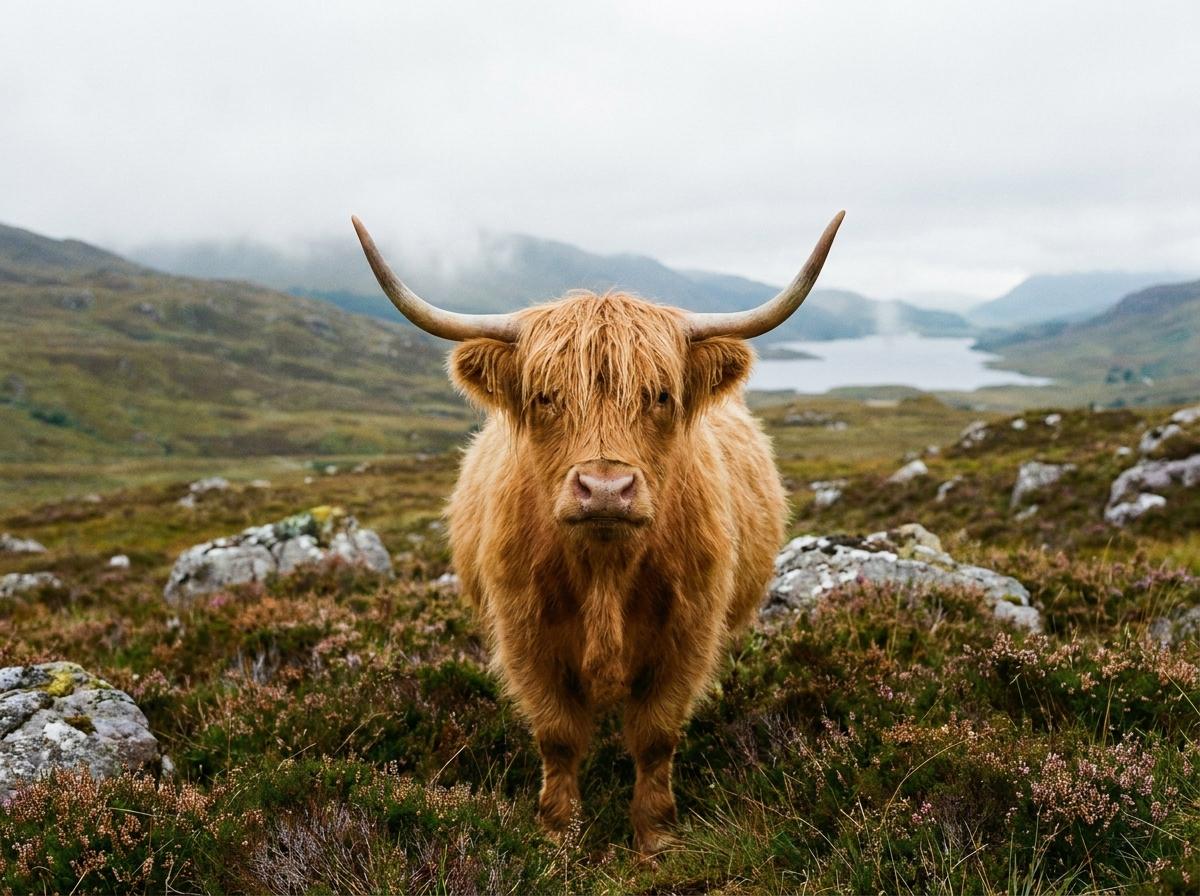
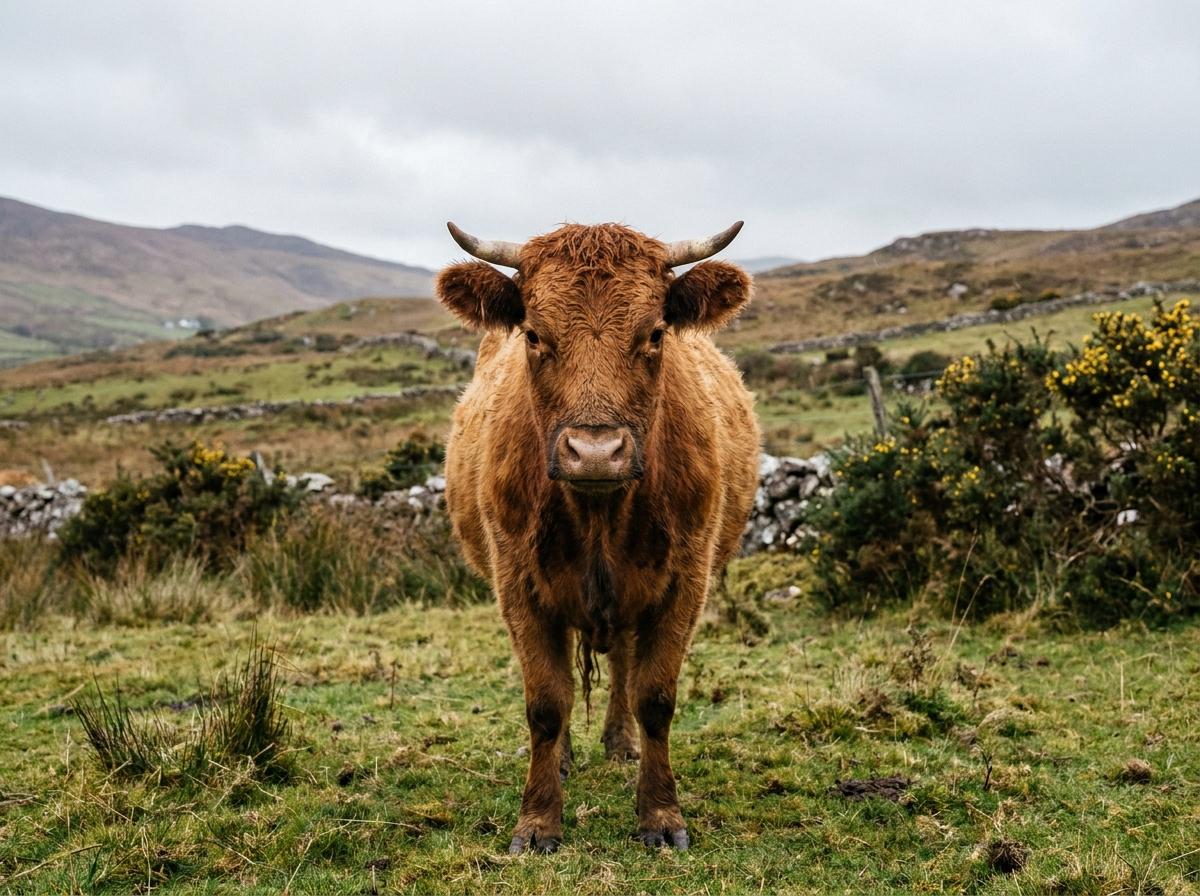
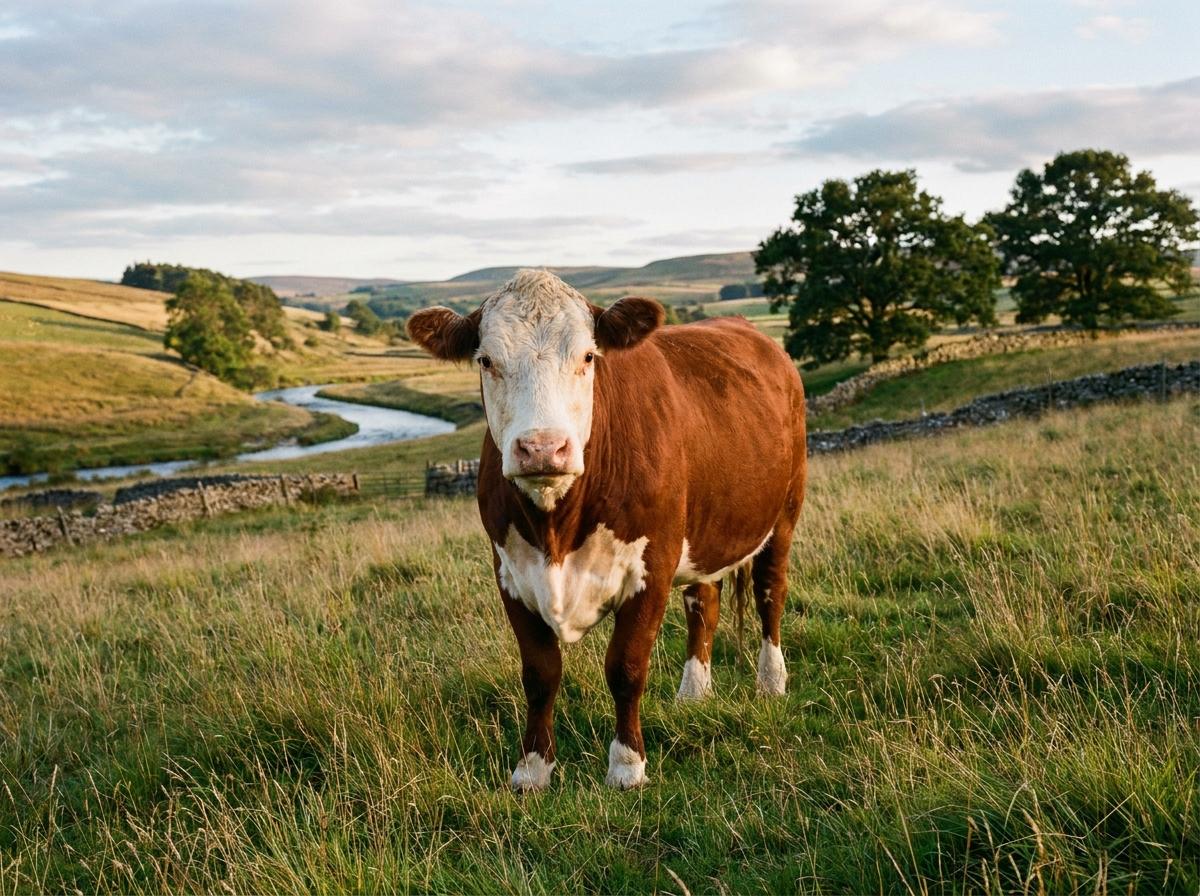
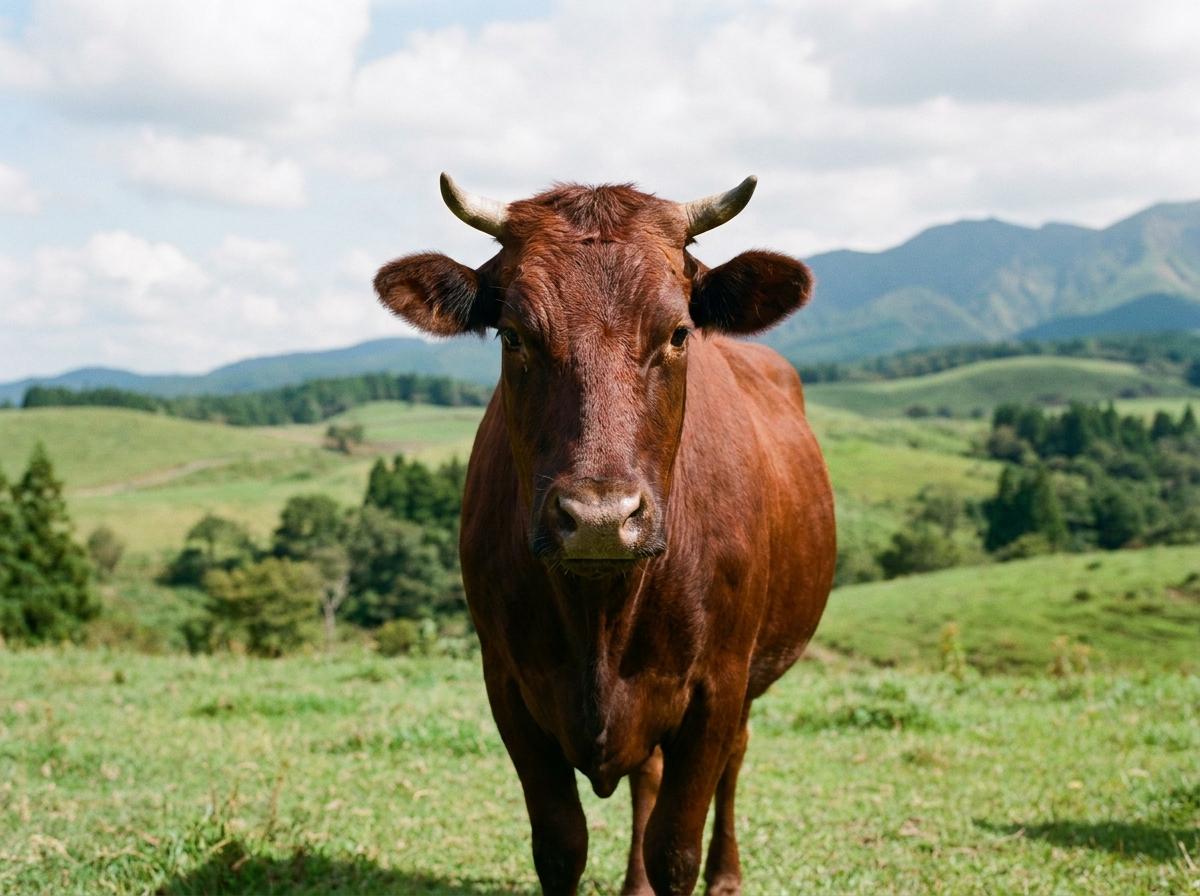
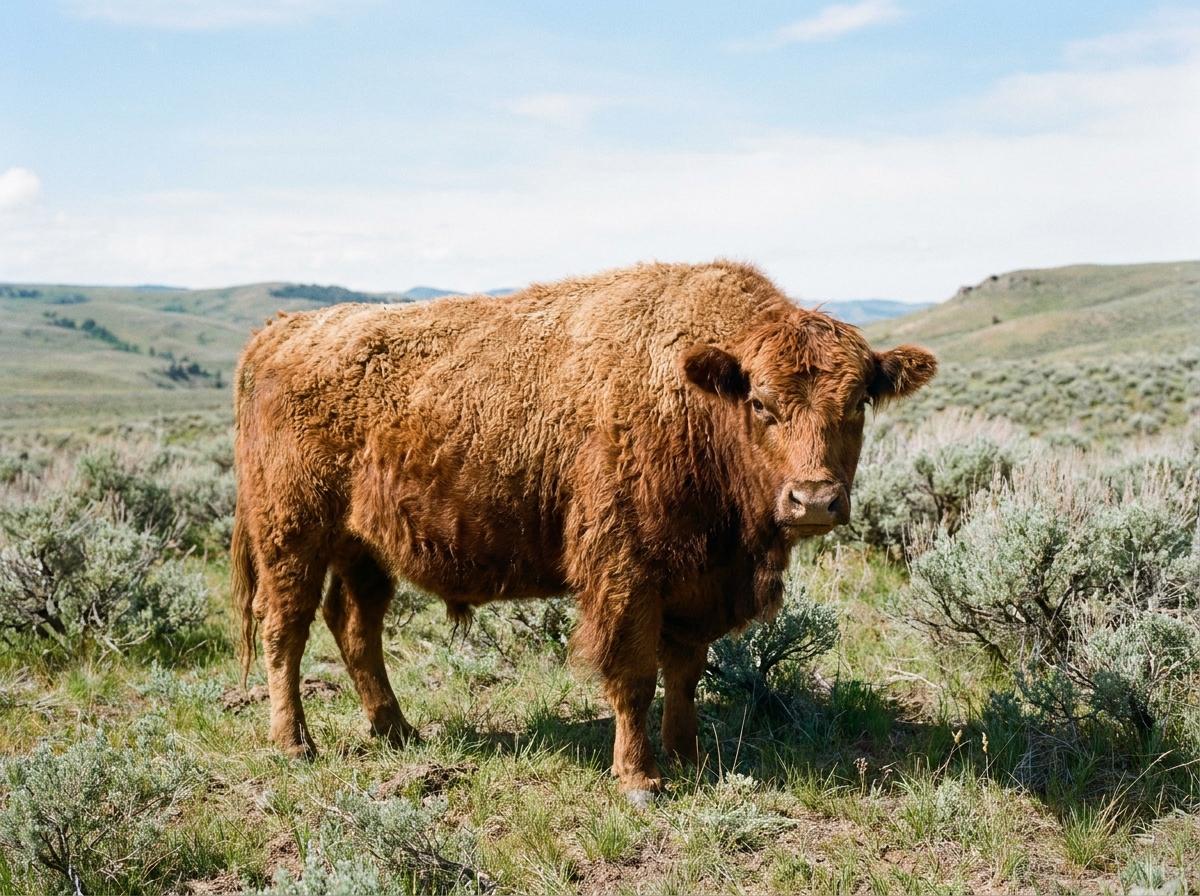
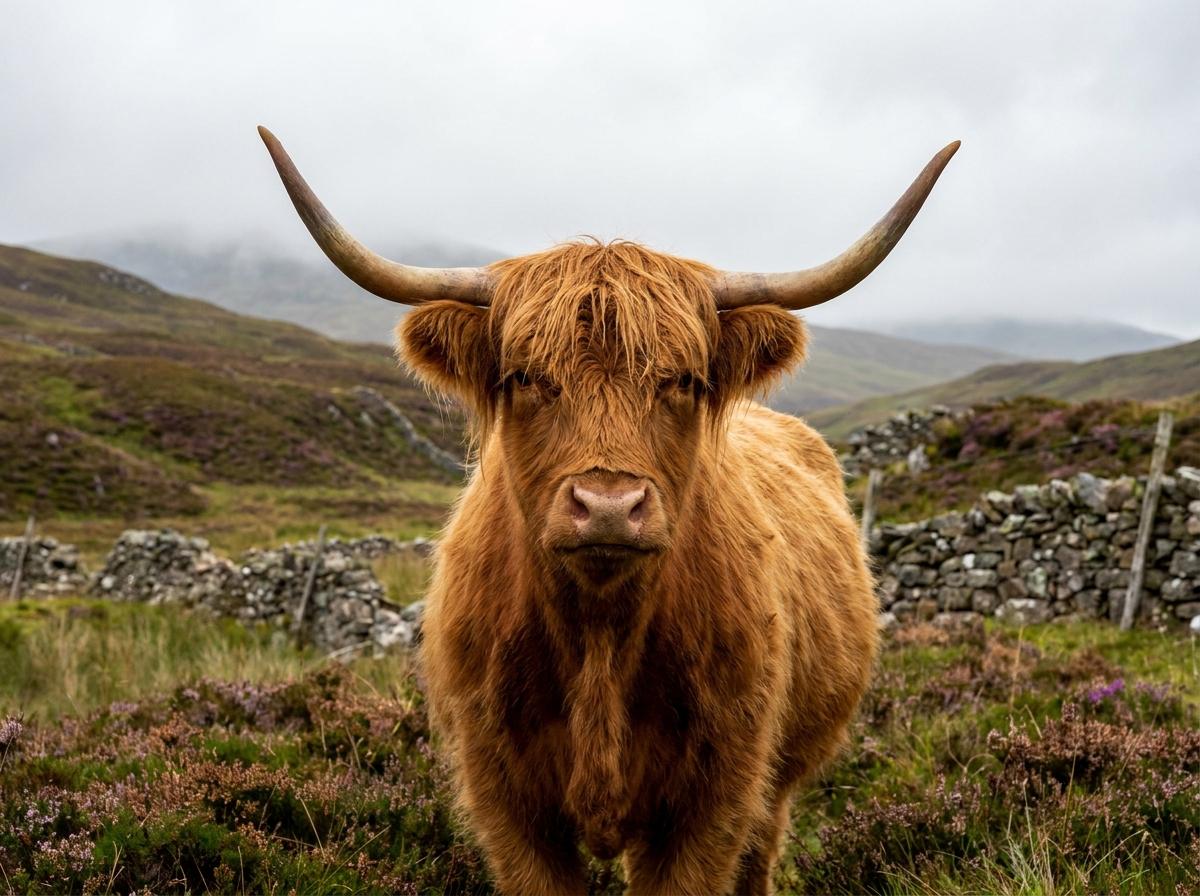
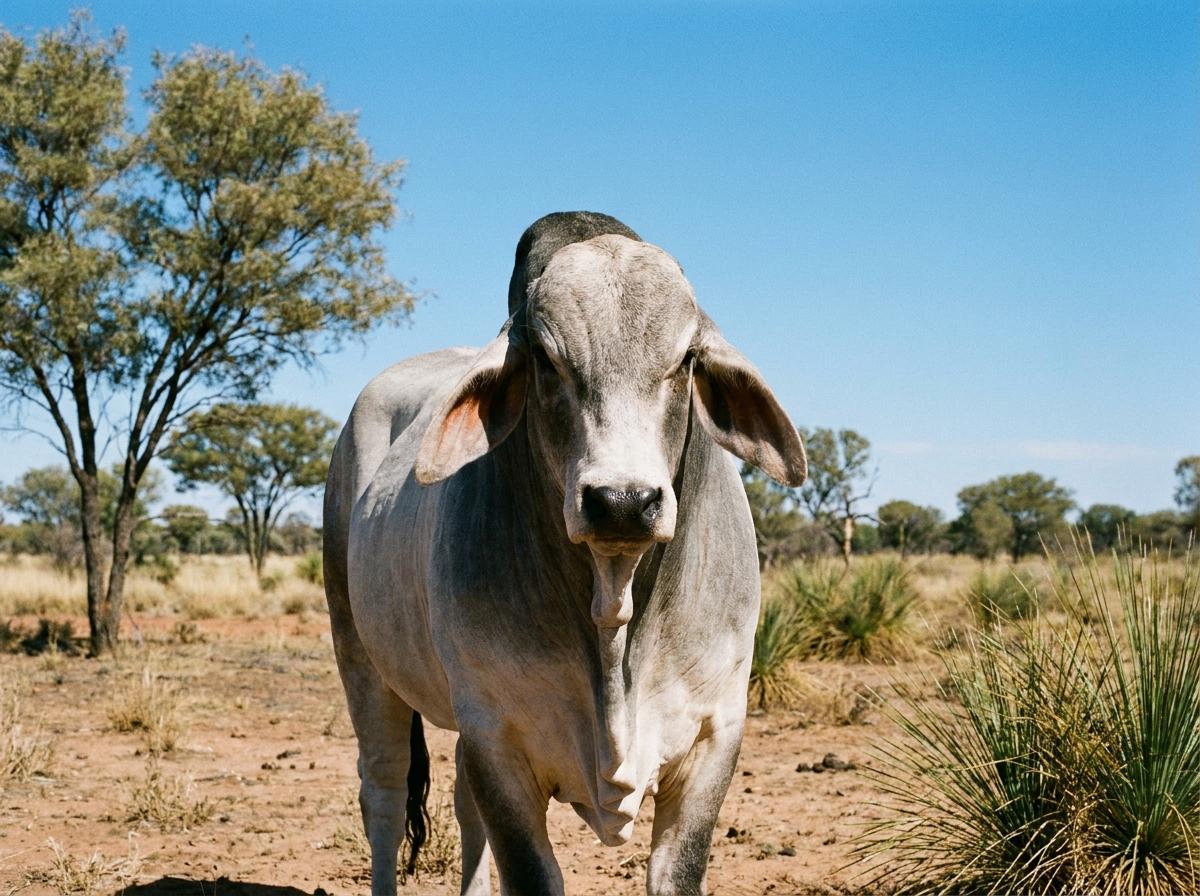
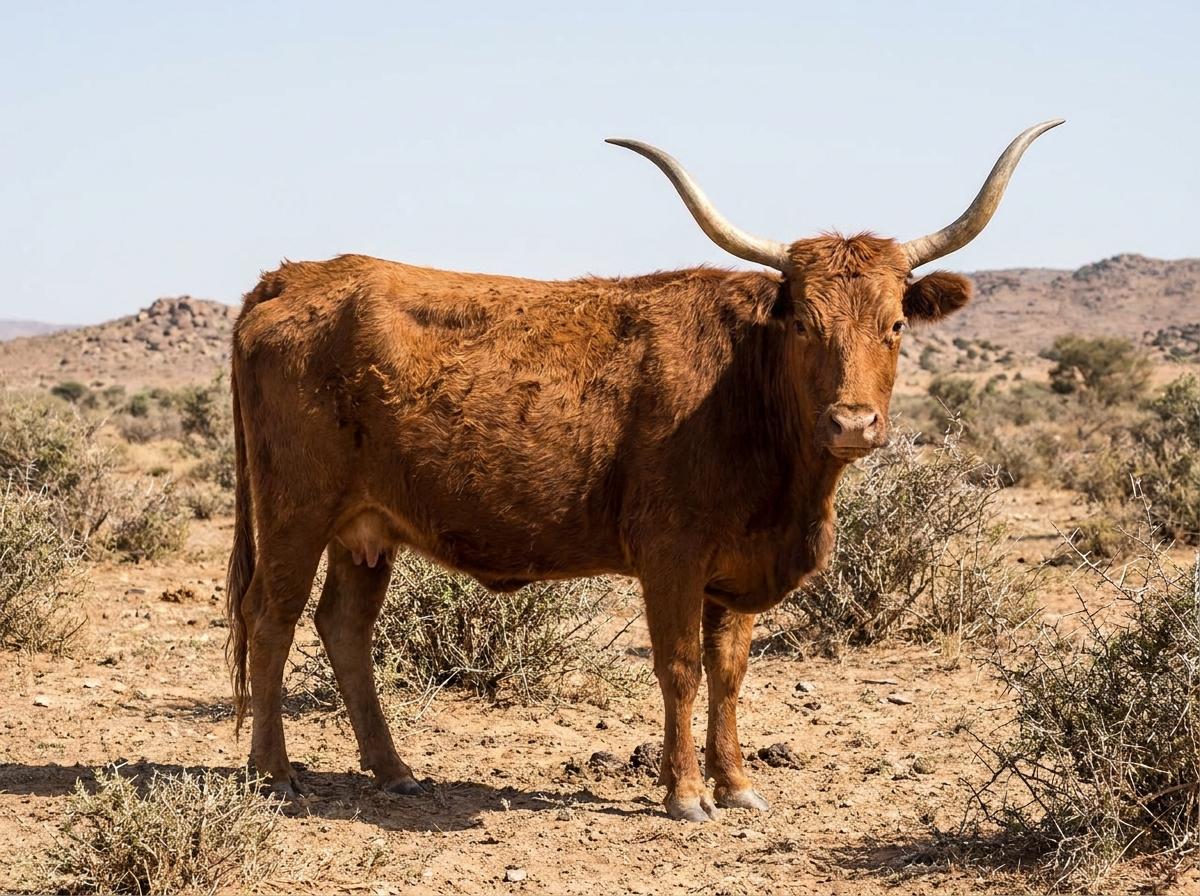
Begayt, often spelled Begait, is an East African cattle type associated with western Eritrea and northern Ethiopia, especially the lowland and border regions where Barka or Begait cattle are kept by pastoral and agro-pastoral communities. It is generally described as a large zebu or zebu-influenced breed, with a hump, long legs, well-developed horns, and coat colors that vary from white and gray to red, brown, or black. The cattle are valued for milk, meat, draught power, and the ability to travel and forage under hot, seasonally dry conditions.
Most Begayt cattle are managed in local herds rather than high-input pedigree systems. Practical care revolves around access to grazing, crop residues, water points, disease control, and protection during drought or livestock movements. Crossbreeding with exotic dairy or beef breeds can increase short-term output, but it may dilute traits that make the breed useful in its home range. Conservation and development programs tend to treat Begayt as a regional genetic resource, with selection best aimed at fertility, udder function, survivability, and calm handling.
Colors: Belted, Black, Black and White, Blaze Faced, Blue Roan, Brindle, Brockle Faced, Brown, Brown and White, Dun, Gray, Grey, Highbelt, Highpark, Lineback, Mottled, Pied, Red, Red and White, Red Roan, Riggit, Roan, Silver, Solid Black, Solid Red, Solid White, Speckled, Spotted, White, White Faced, Yellow