

Bohuskulla
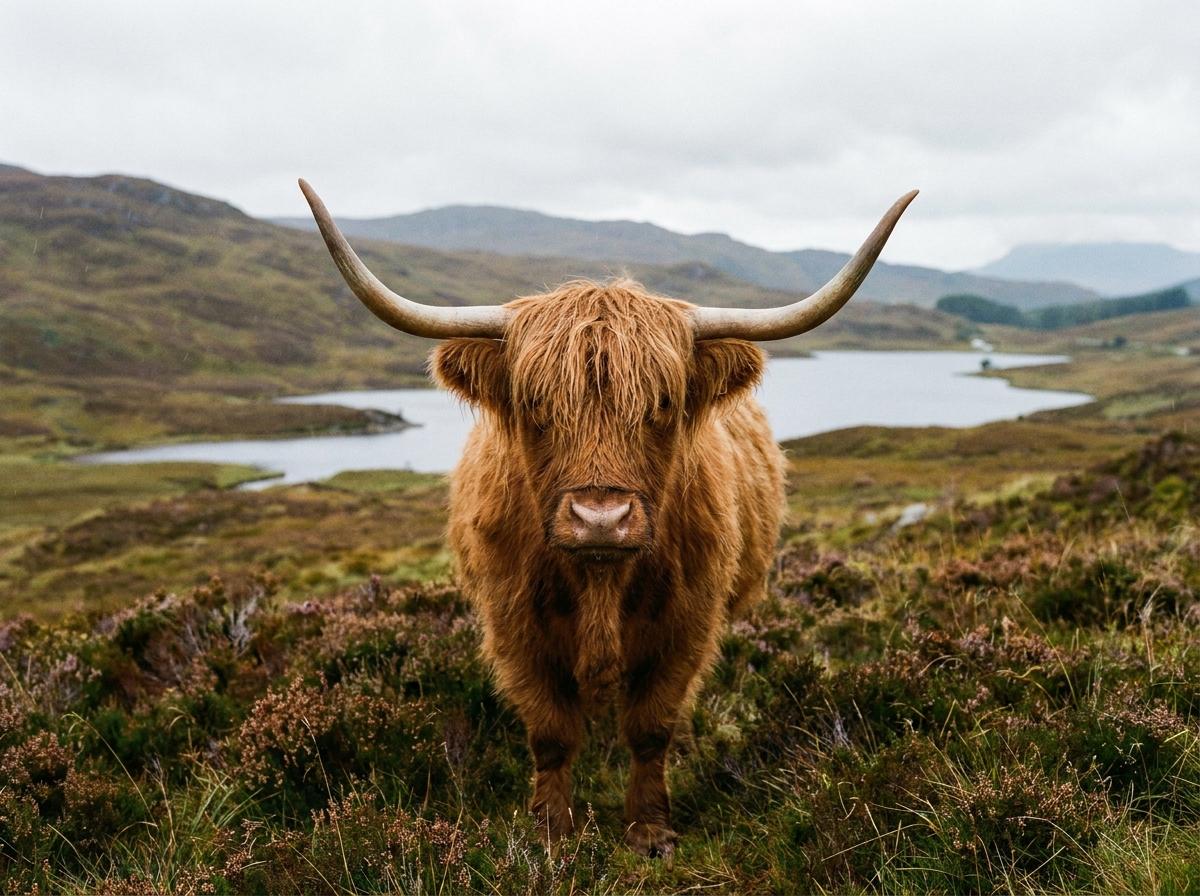
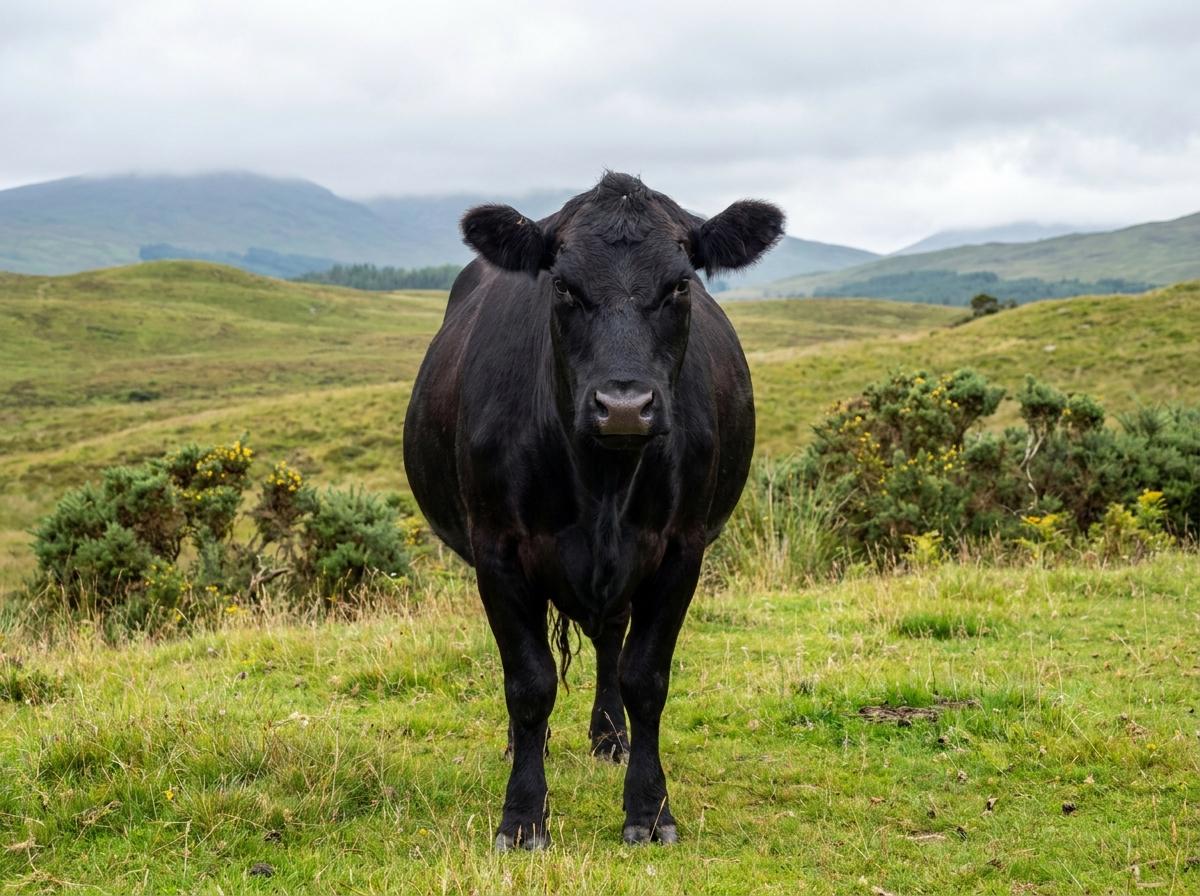
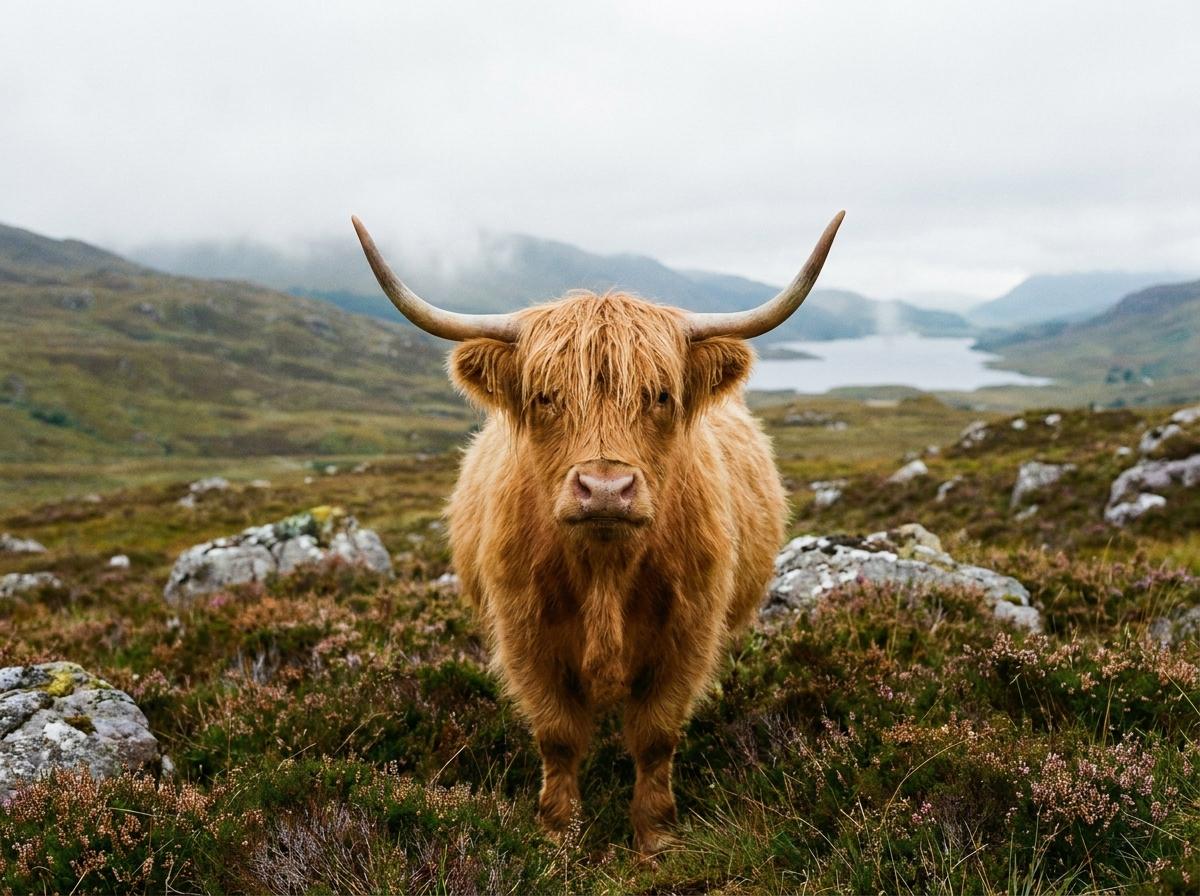
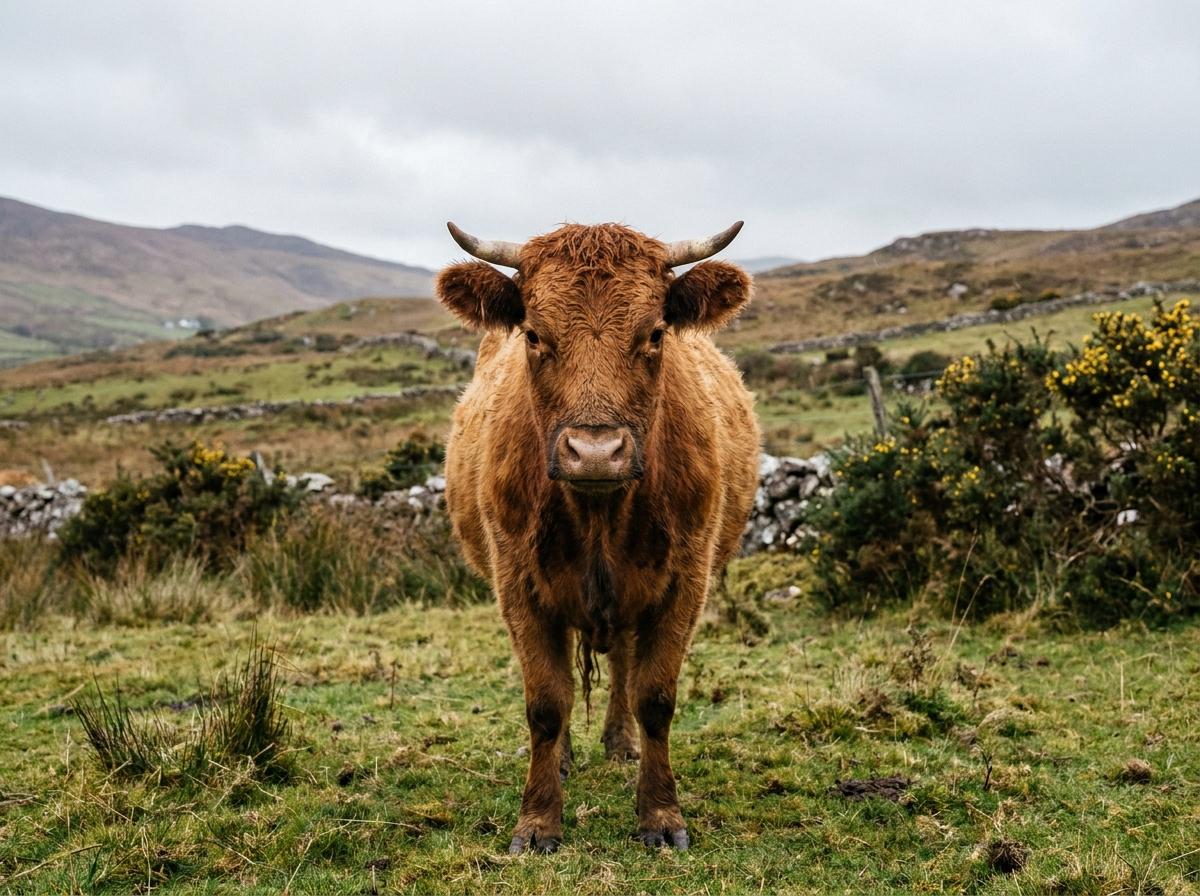
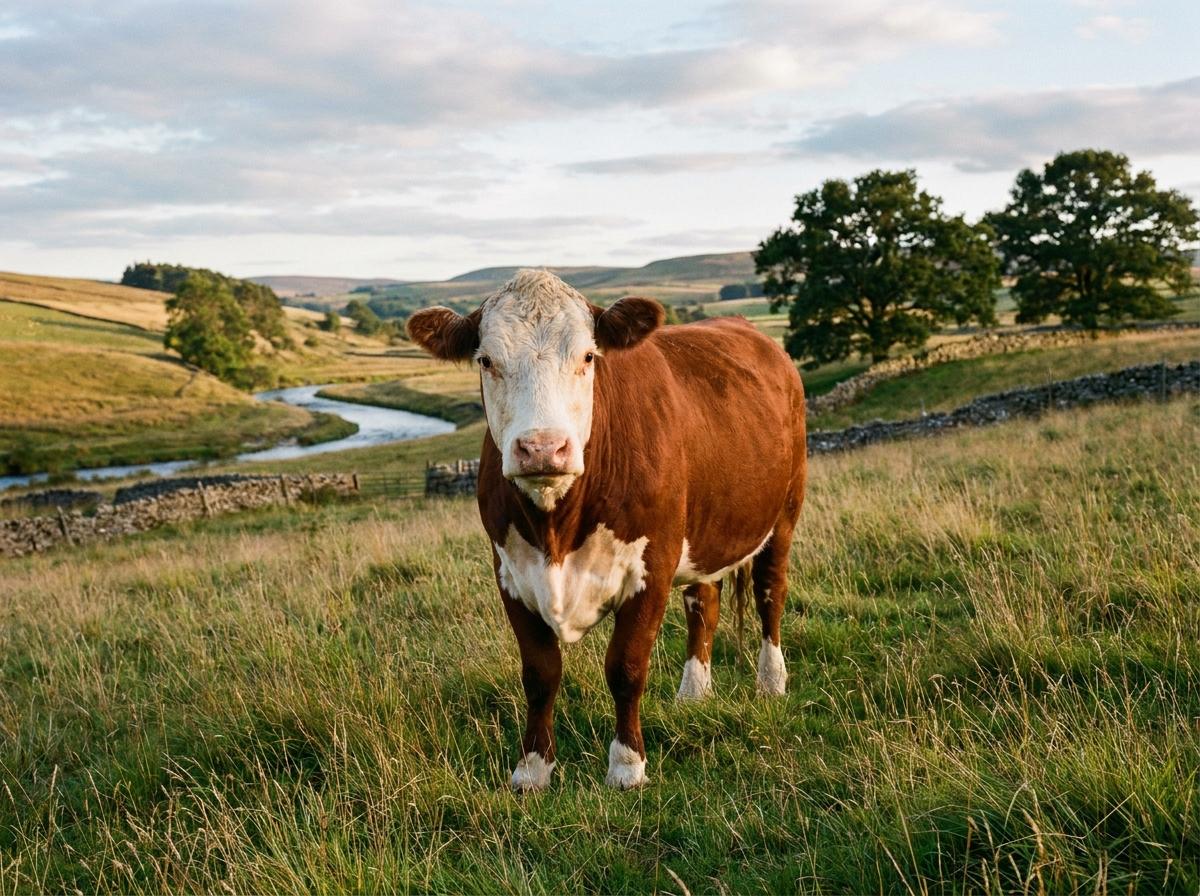
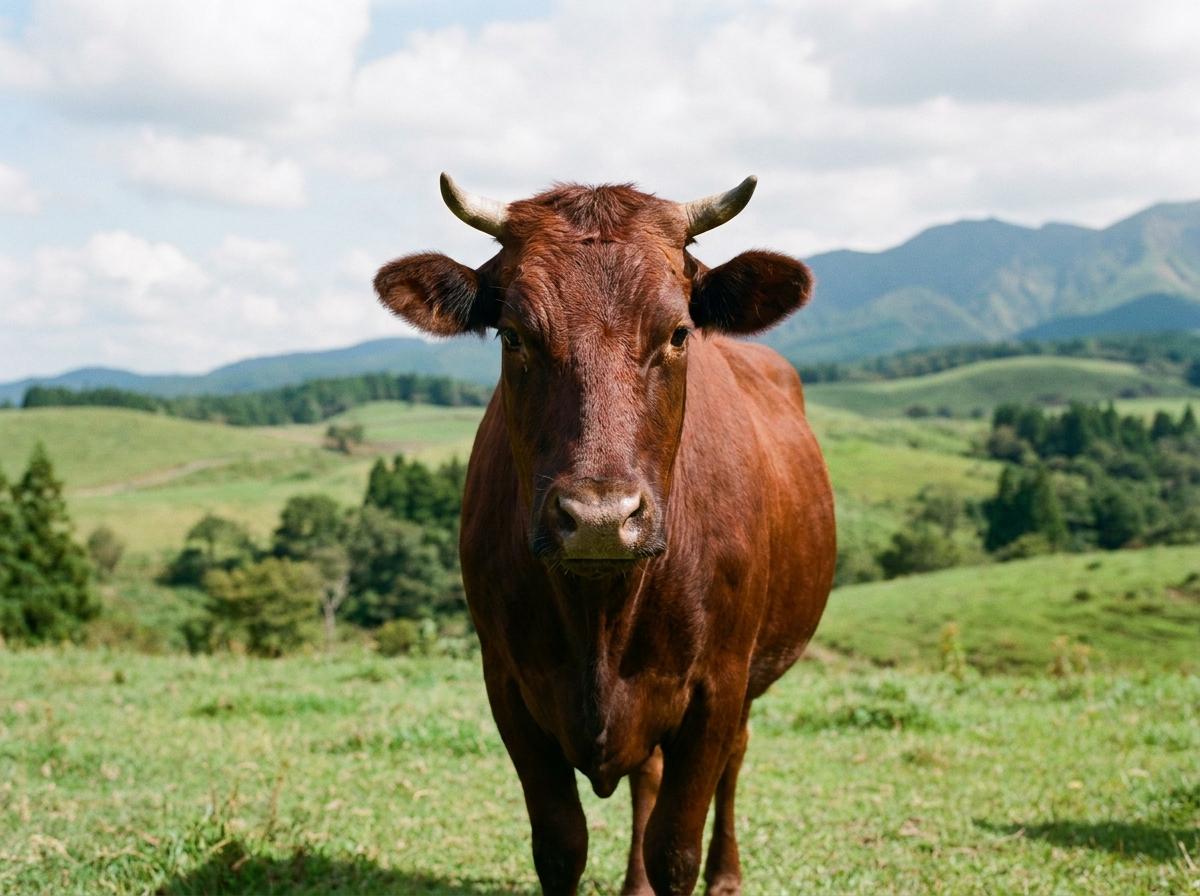
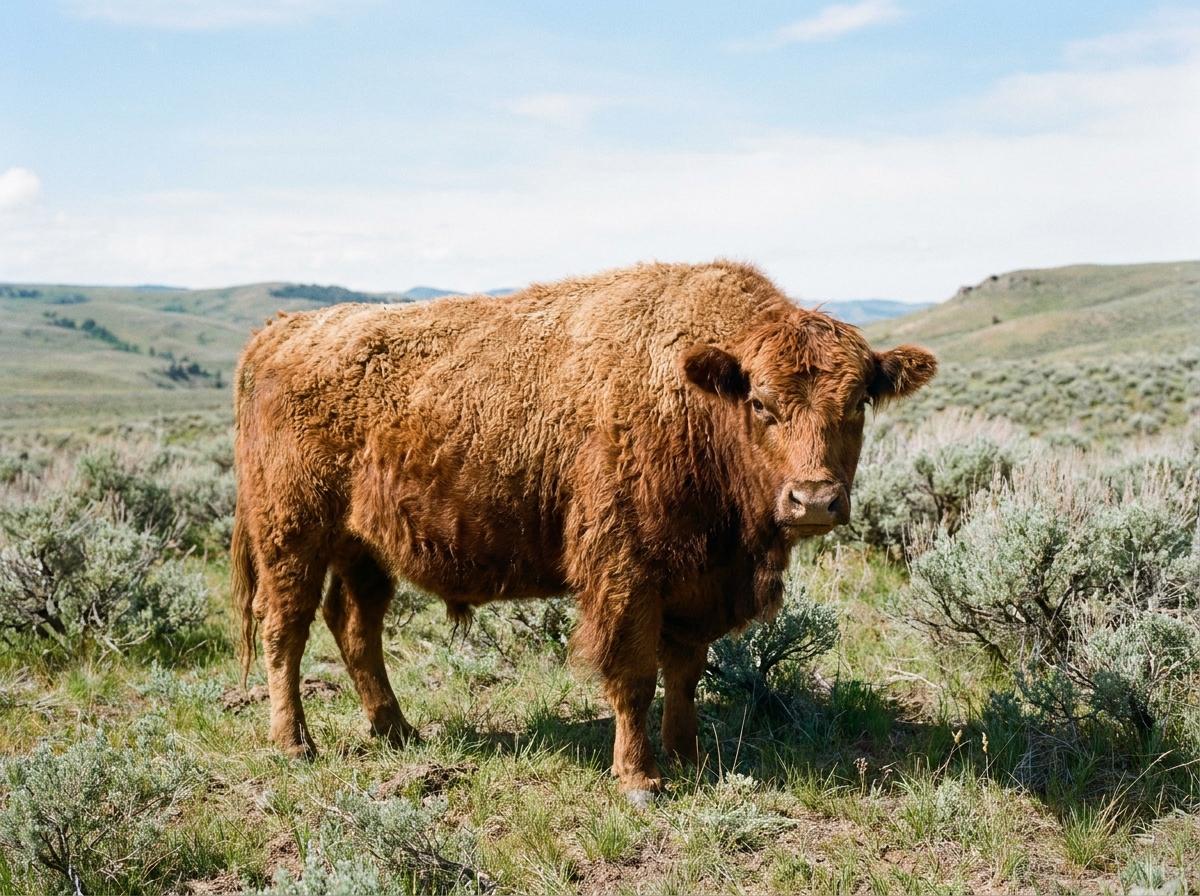
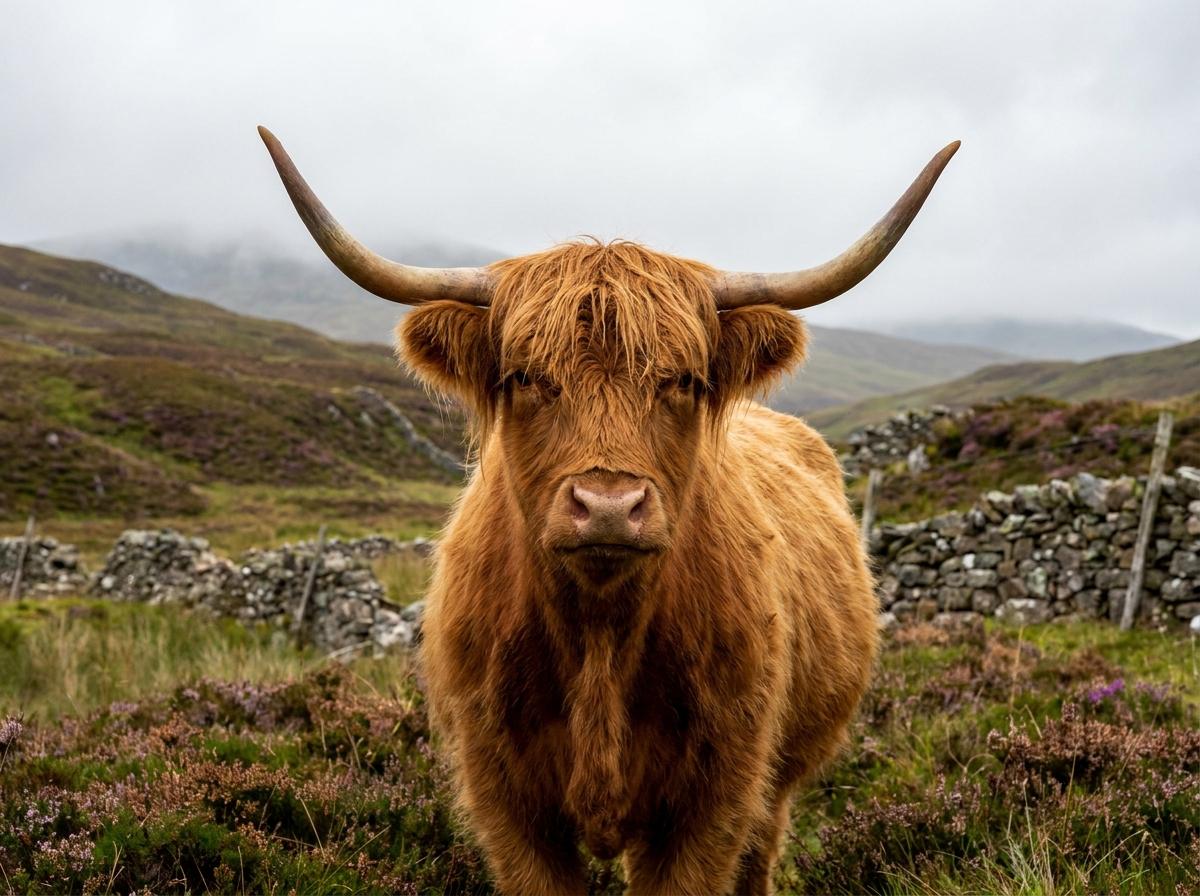
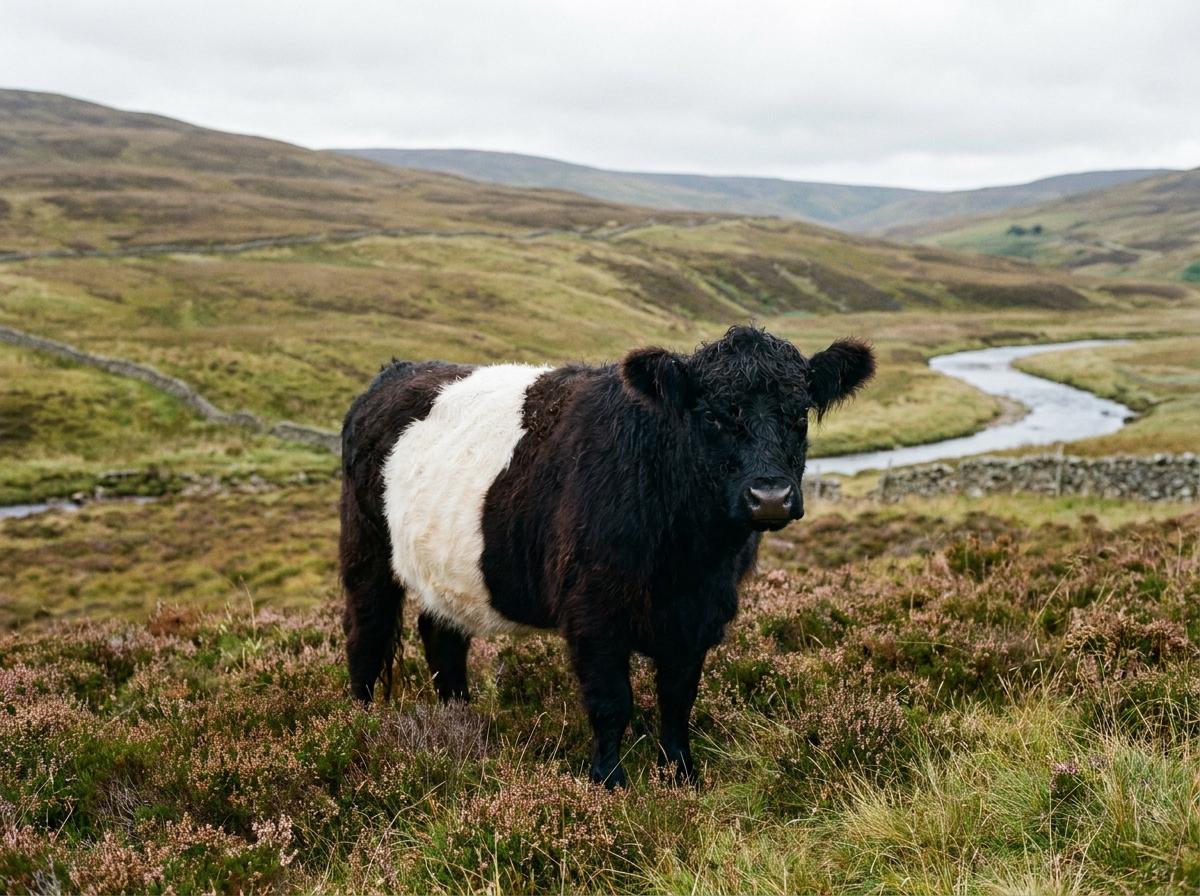
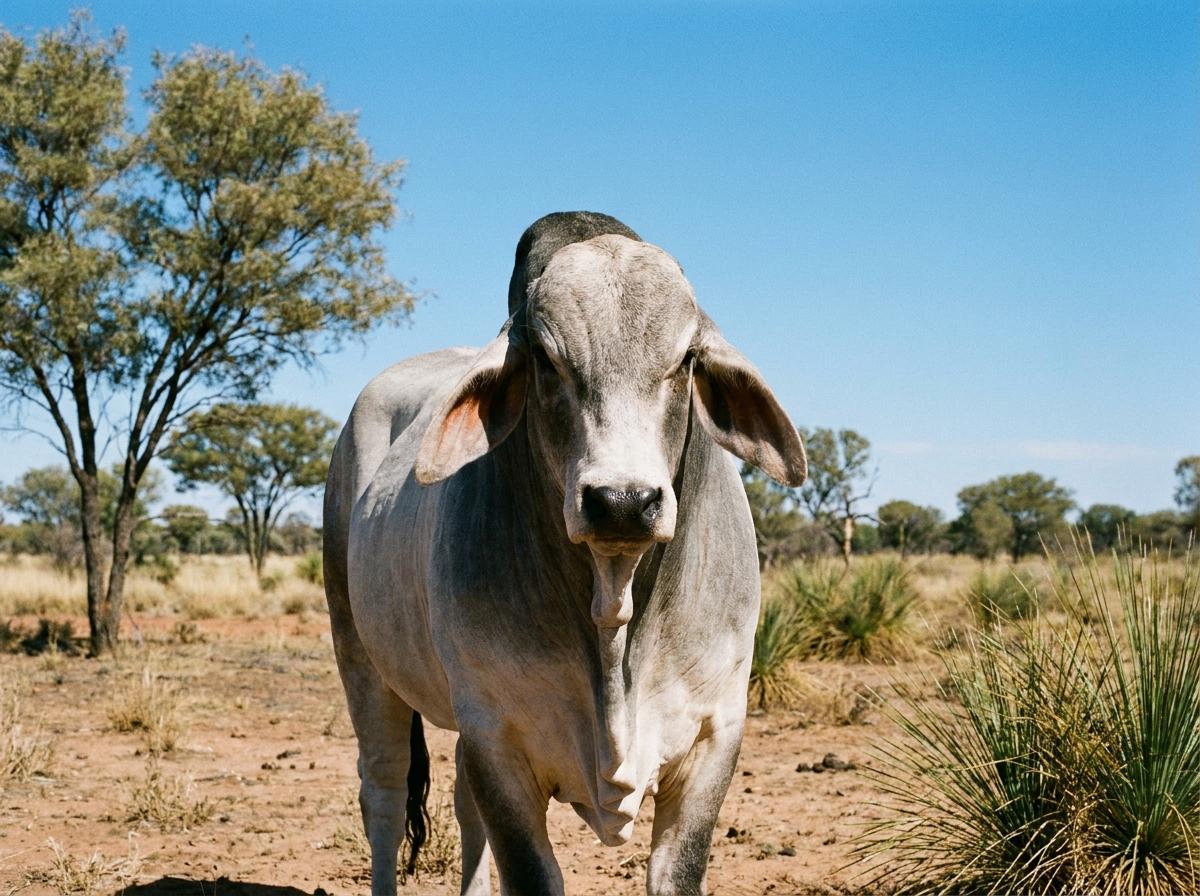
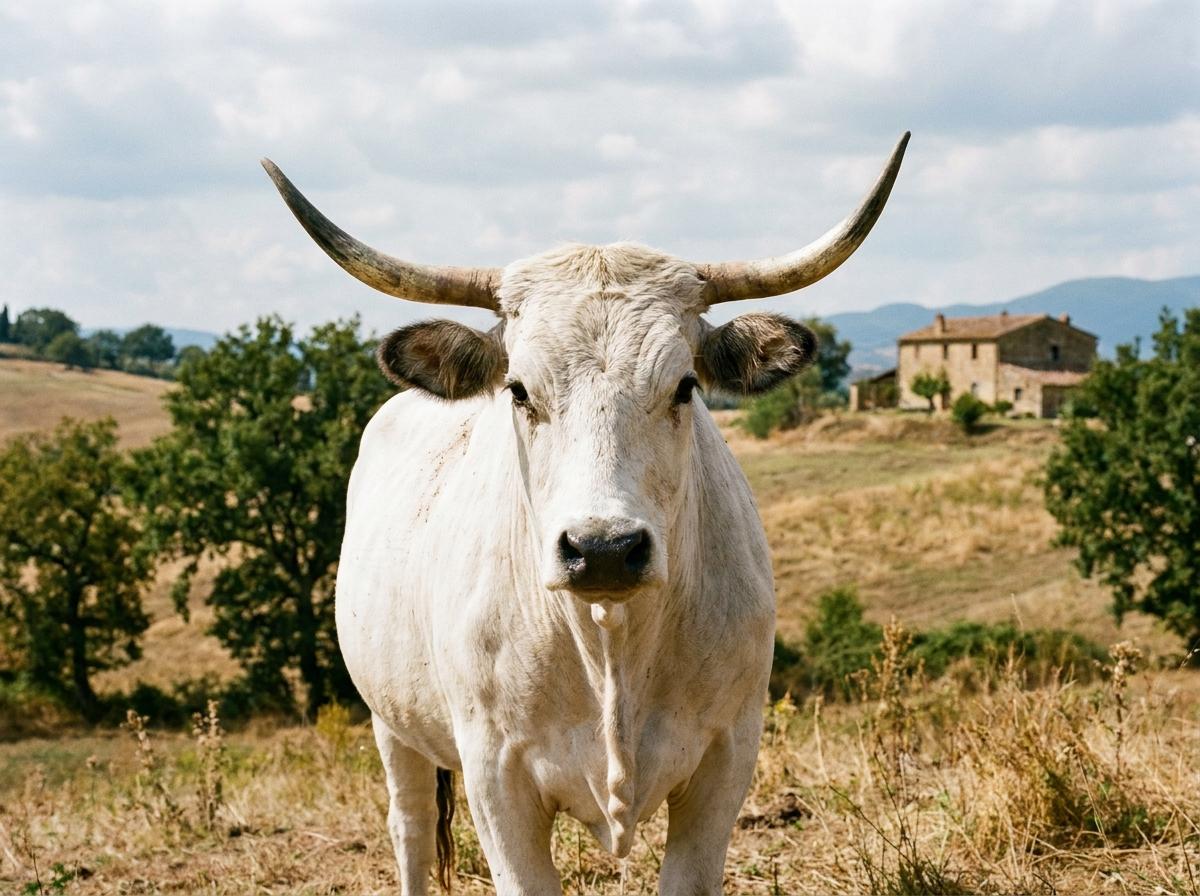
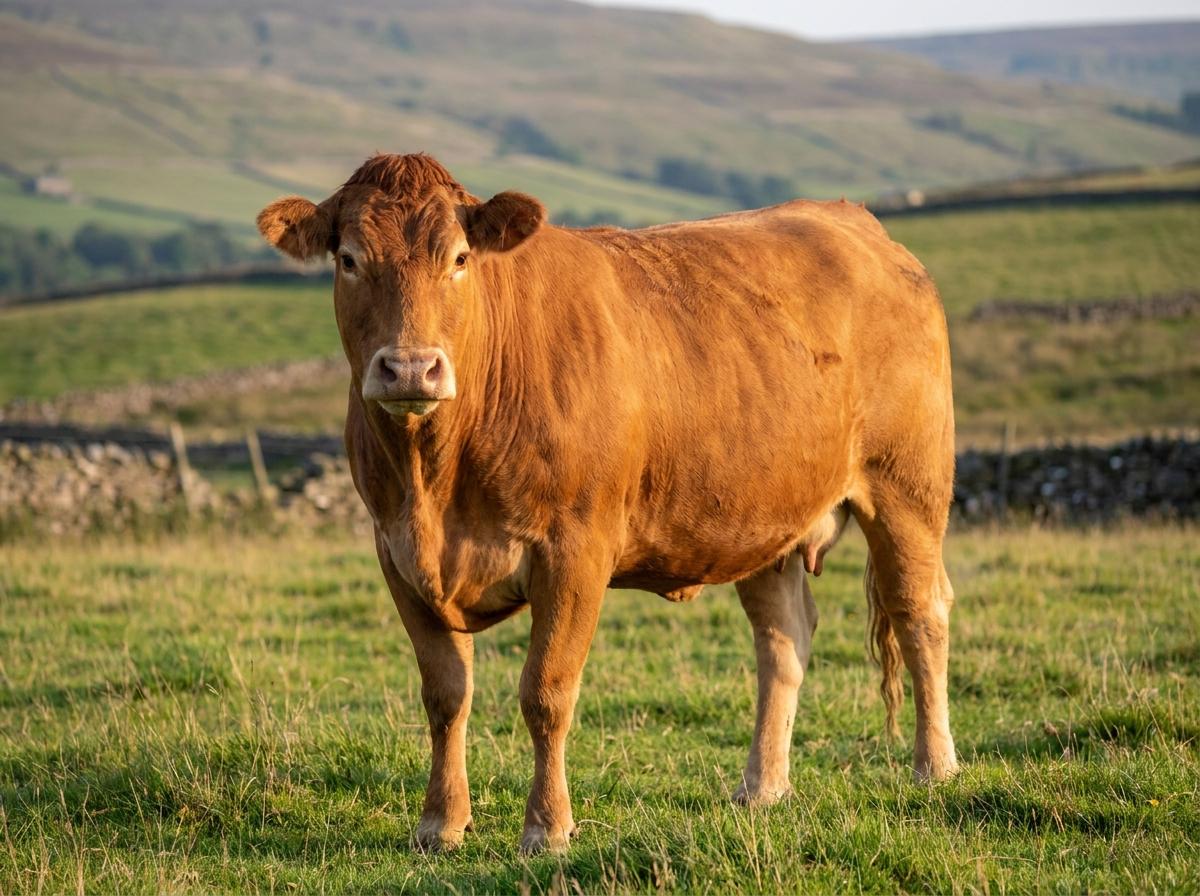
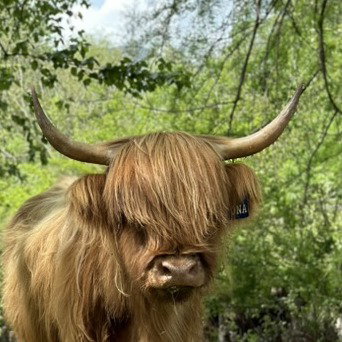
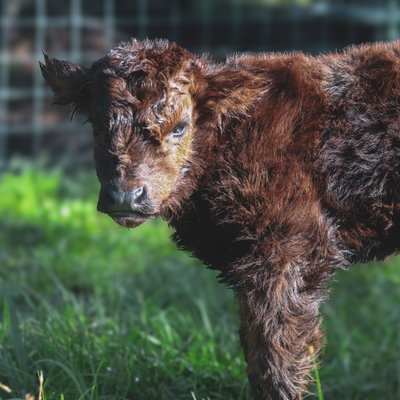
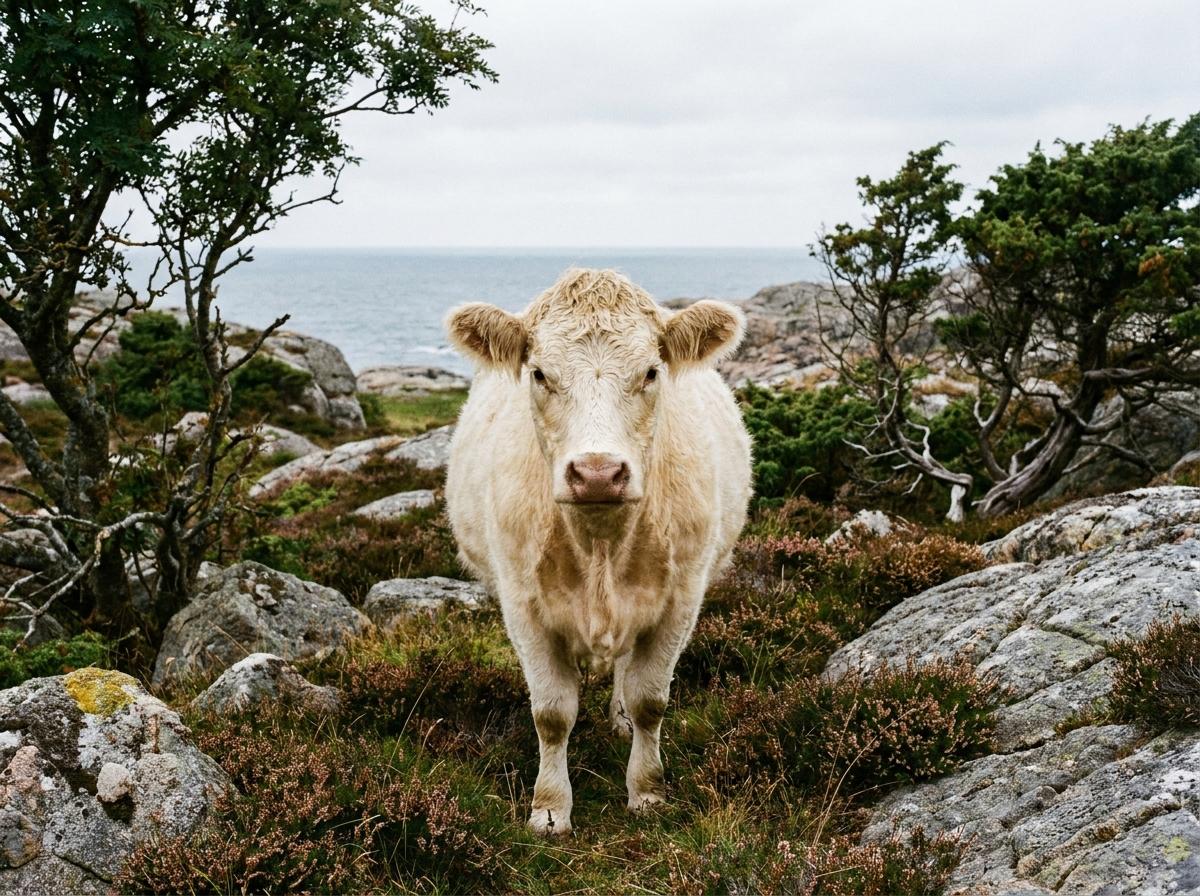
Bohuskulla is a small Swedish cattle breed from Bohuslän and nearby western Sweden, with the name reflecting both its regional roots and the polled, or hornless, character of many animals. It belongs to the group of Nordic landrace cattle shaped by small farms, forest pasture, and household milk production rather than by intensive specialization. Colors can vary, often including black, red, brown, or spotted patterns. The breed became extremely rare in the twentieth century, and surviving families are treated as an important piece of Swedish agricultural history.
Modern Bohuskulla herds are usually kept for conservation, small-scale milk or beef, and landscape grazing where light, thrifty cattle are useful. They are not expected to compete with high-yield dairy breeds, but cows may be valued for fertility, ease of handling, and ability to use rough forage. Because numbers are limited, breeding choices need coordination through conservation programs and herd records. Keepers should avoid selecting only for appearance; udder soundness, feet, calving ability, and temperament are just as important if the breed is to remain practical rather than only historical.
Colors: Belted, Black, Black and White, Blaze Faced, Blue Roan, Brindle, Brockle Faced, Brown, Brown and White, Dun, Gray, Grey, Highbelt, Highpark, Lineback, Mottled, Pied, Red, Red and White, Red Roan, Riggit, Roan, Silver, Solid Black, Solid Red, Solid White, Speckled, Spotted, White, White Faced, Yellow