Boran
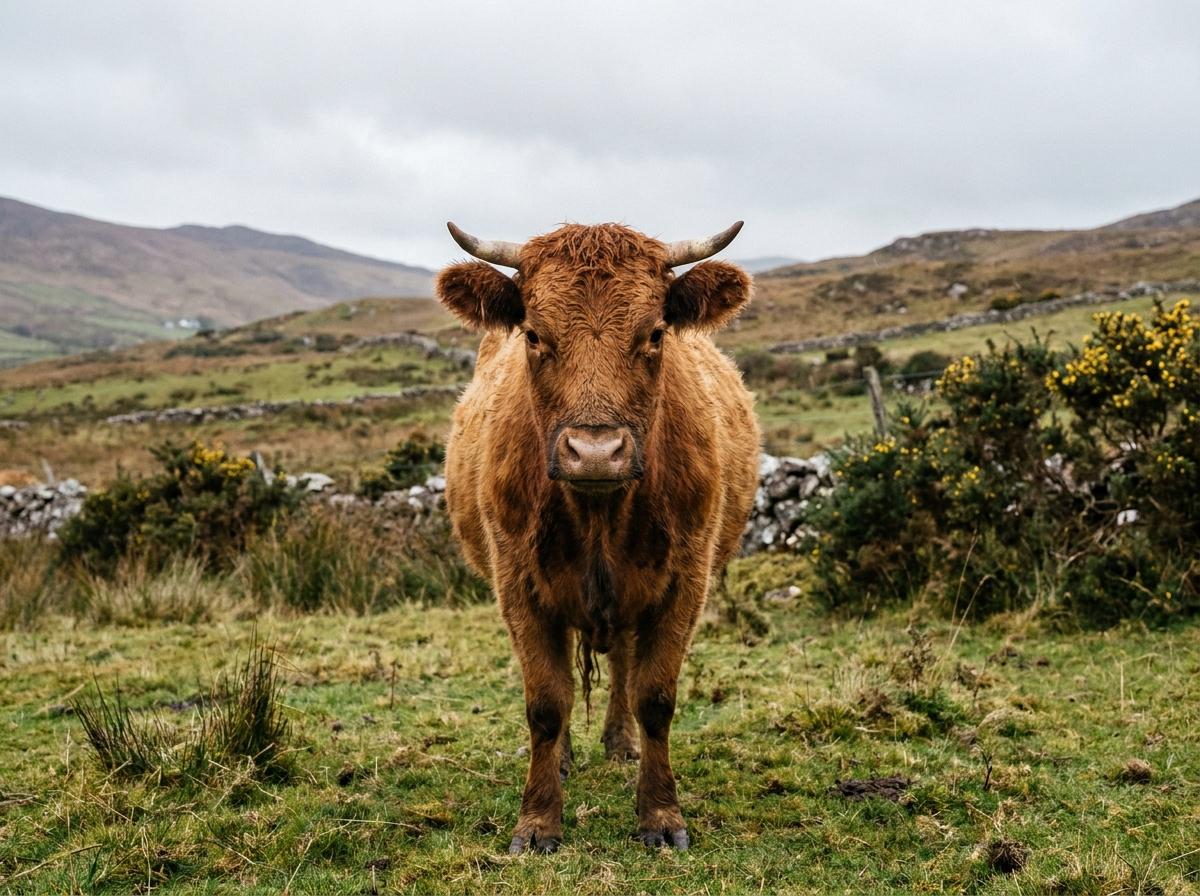
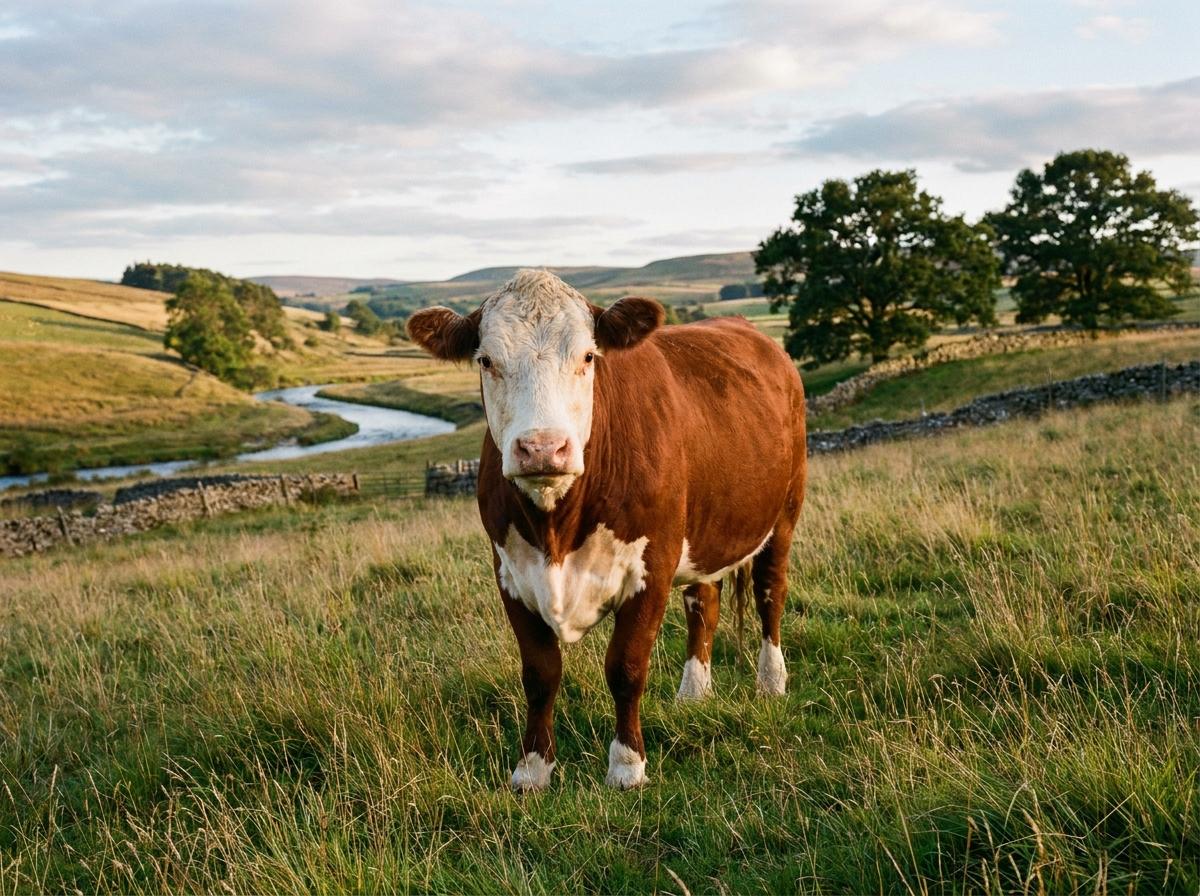
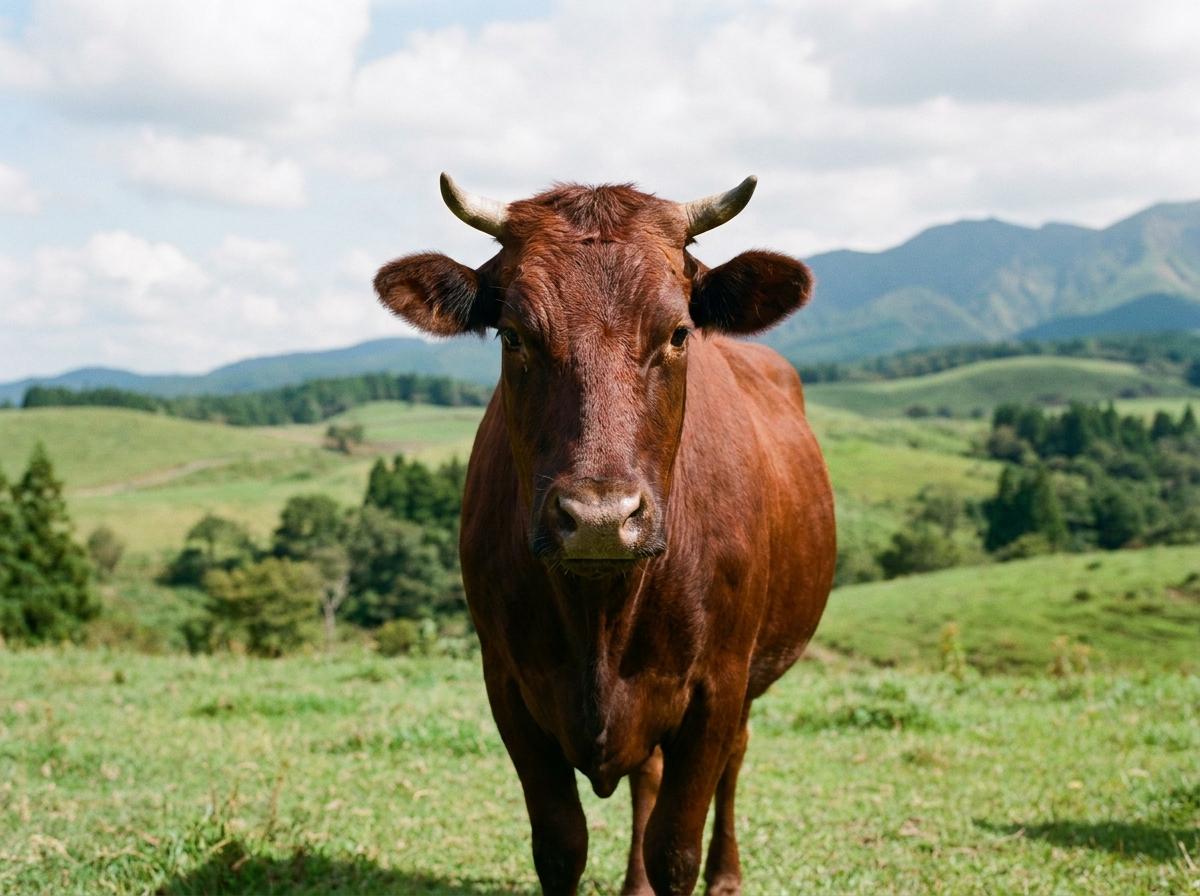
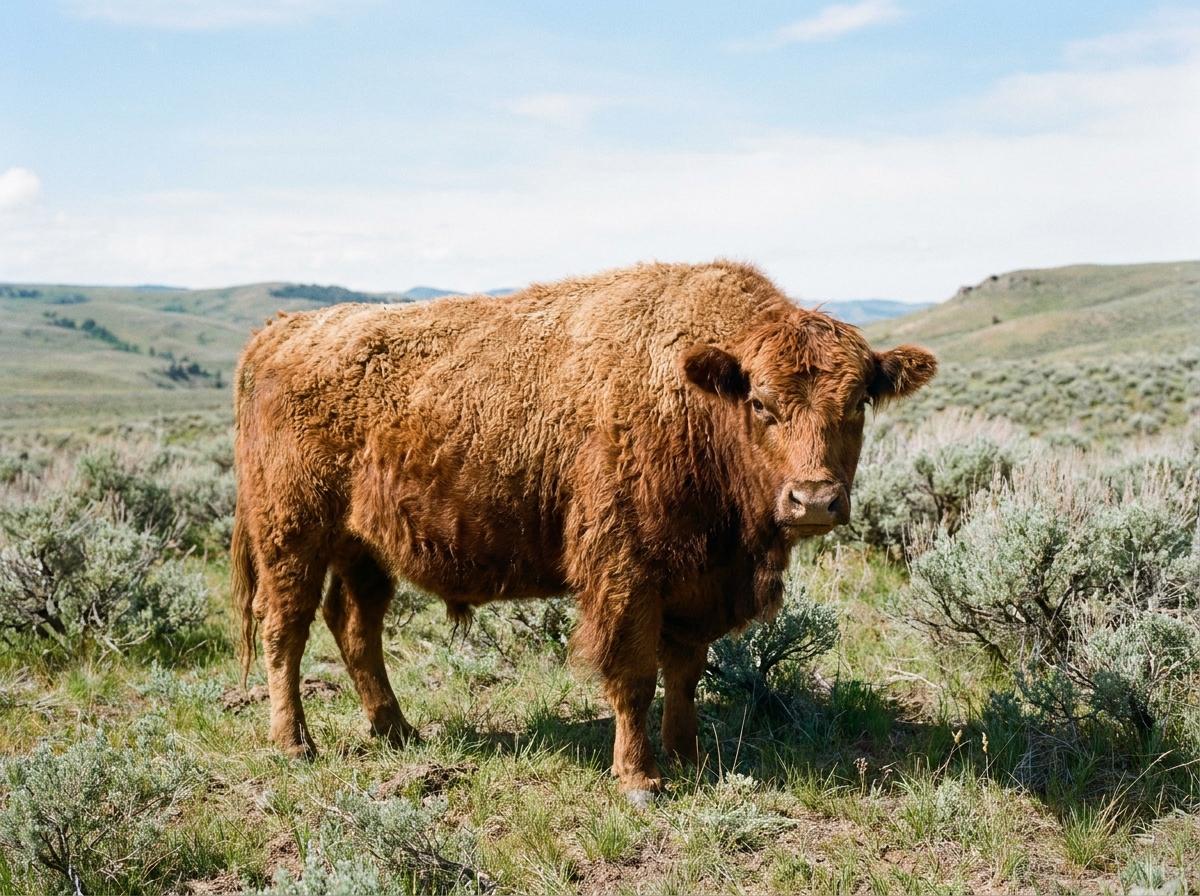
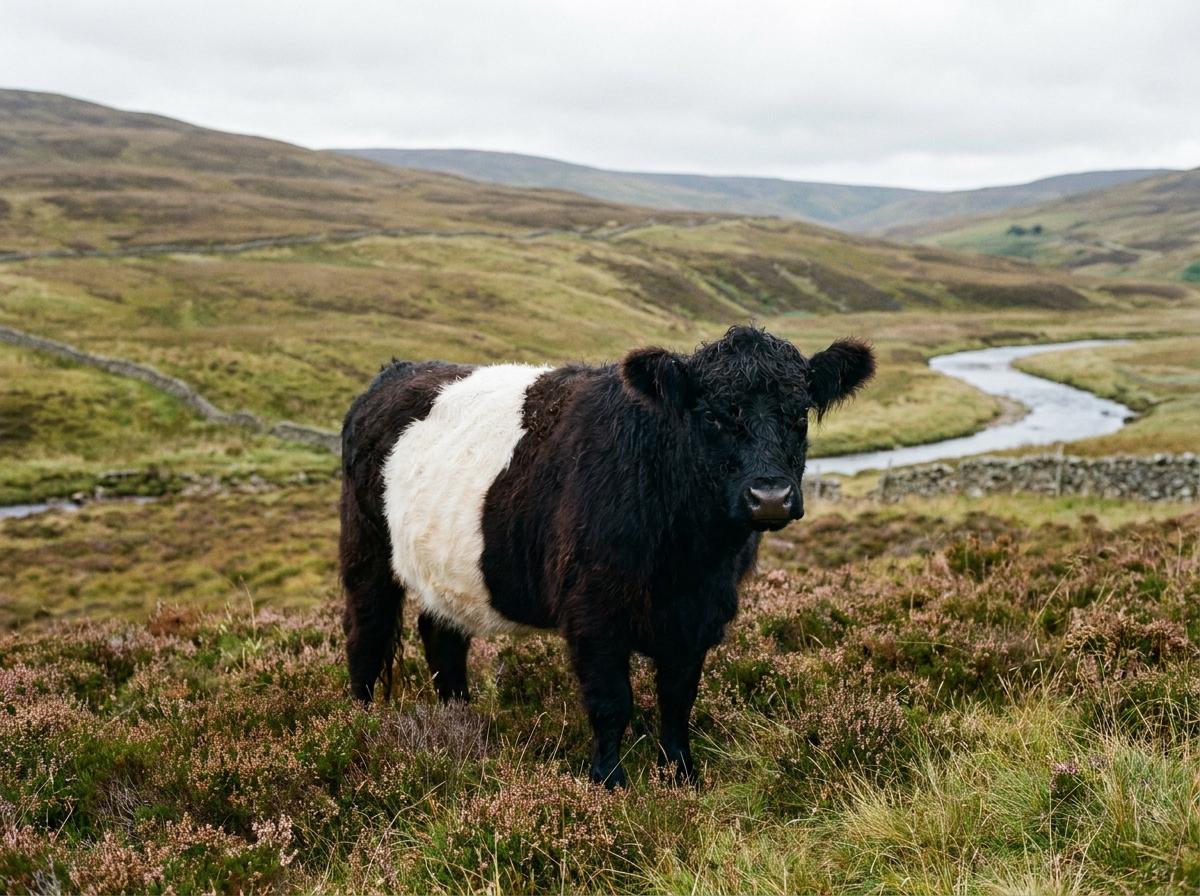
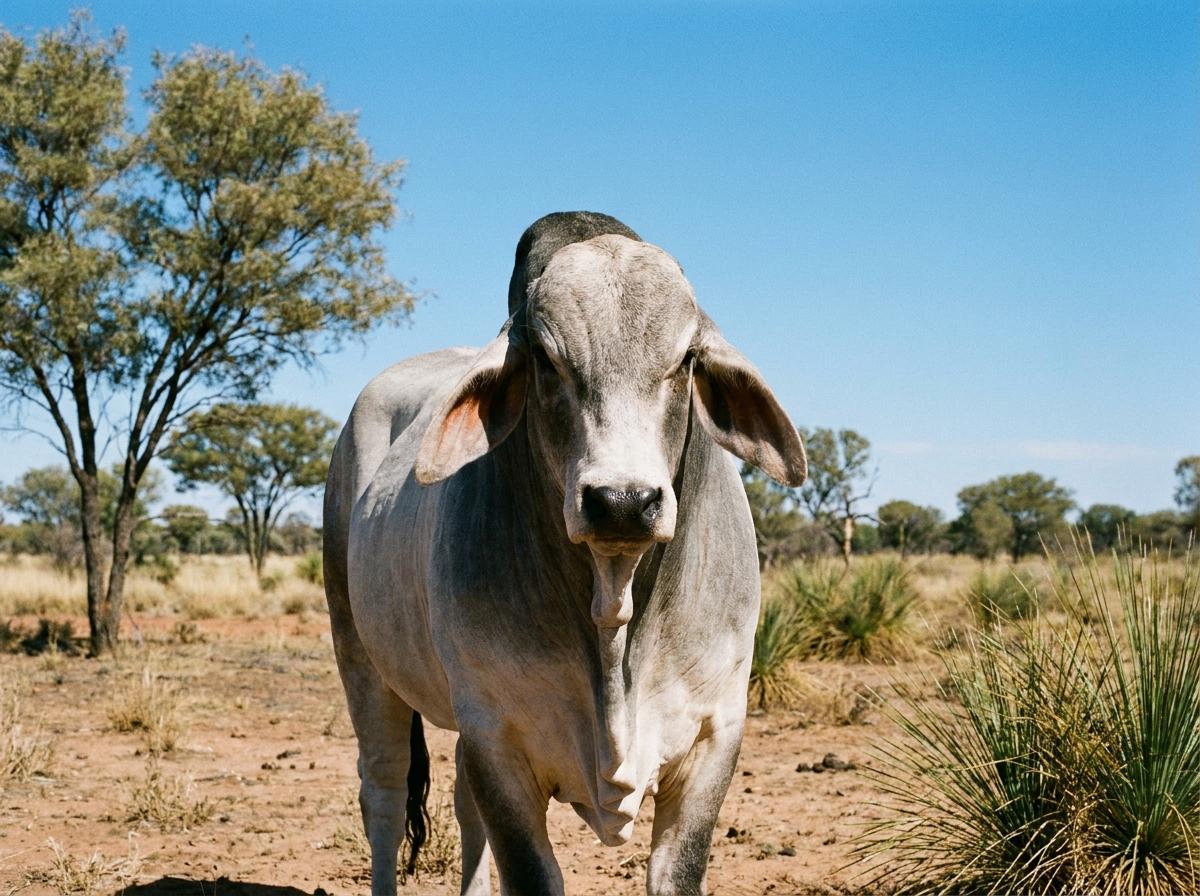
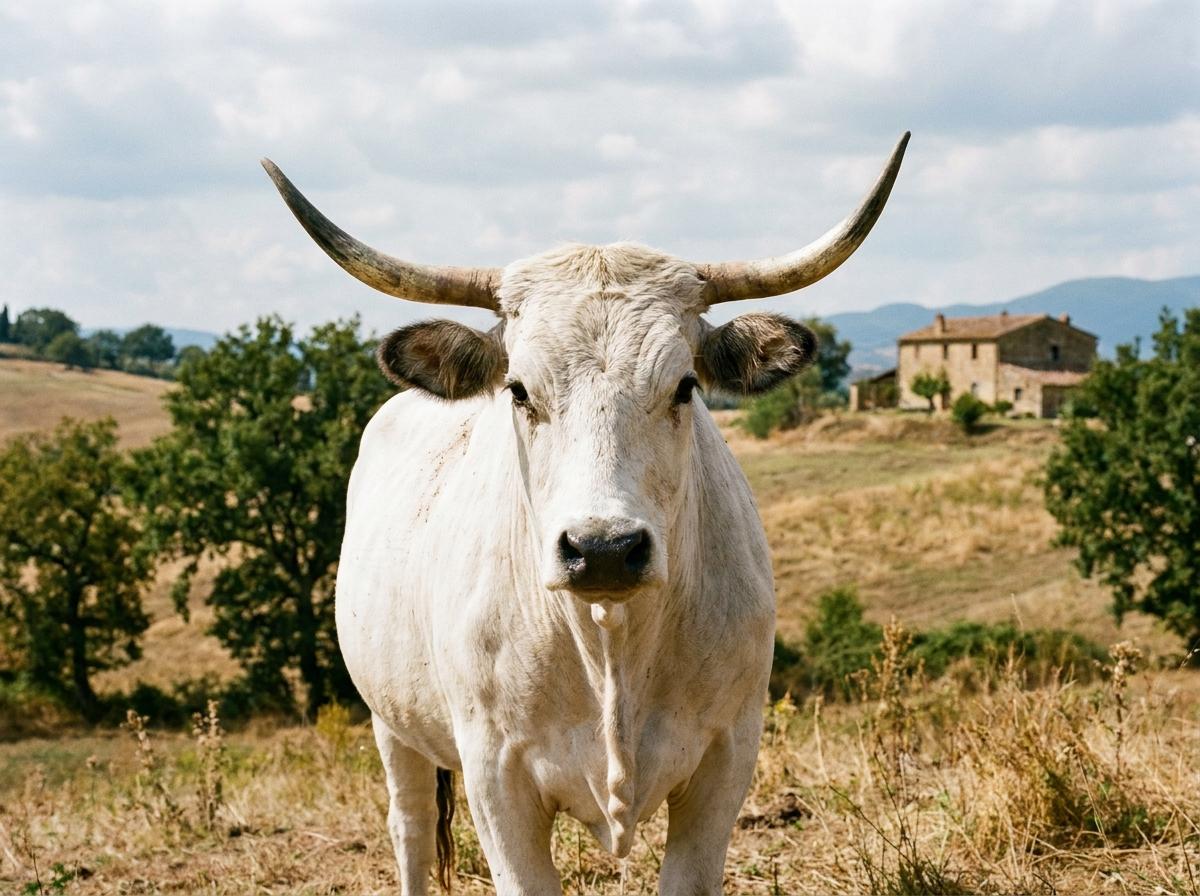
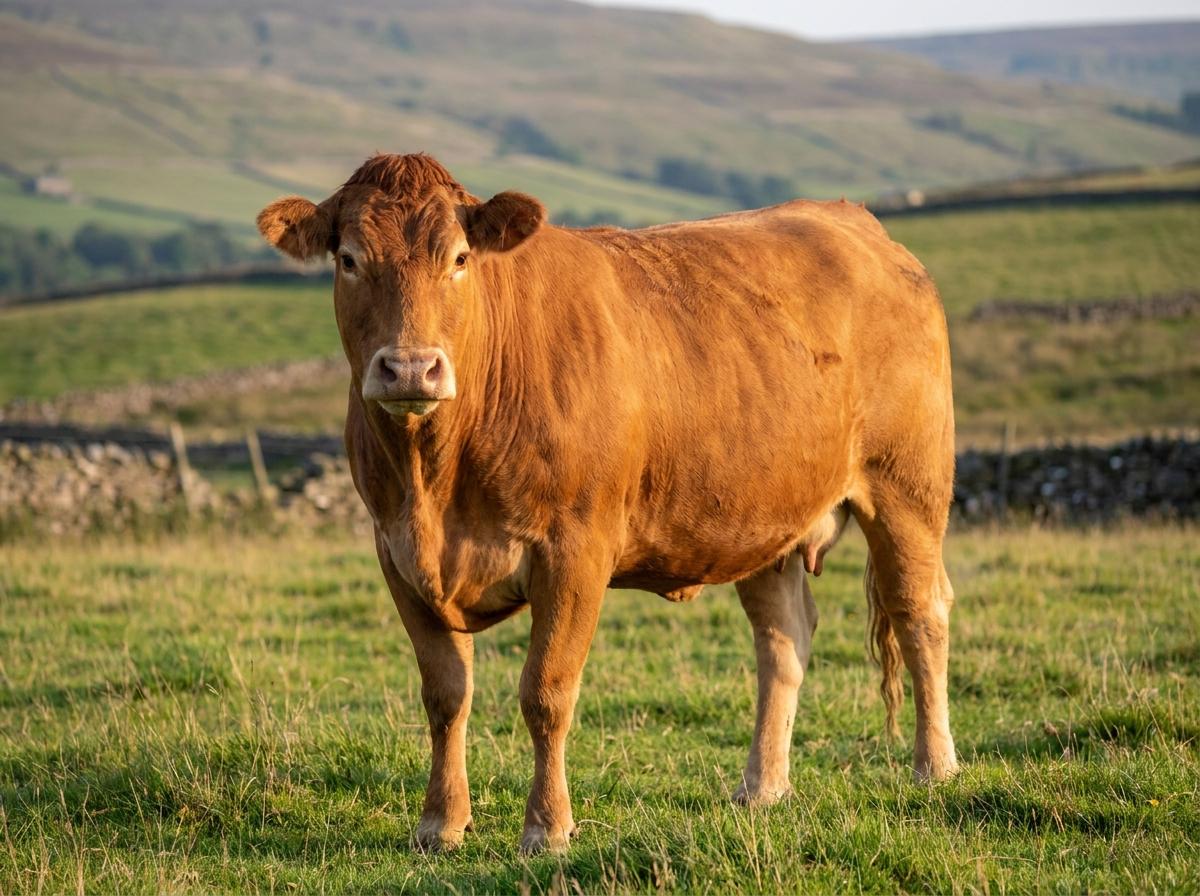
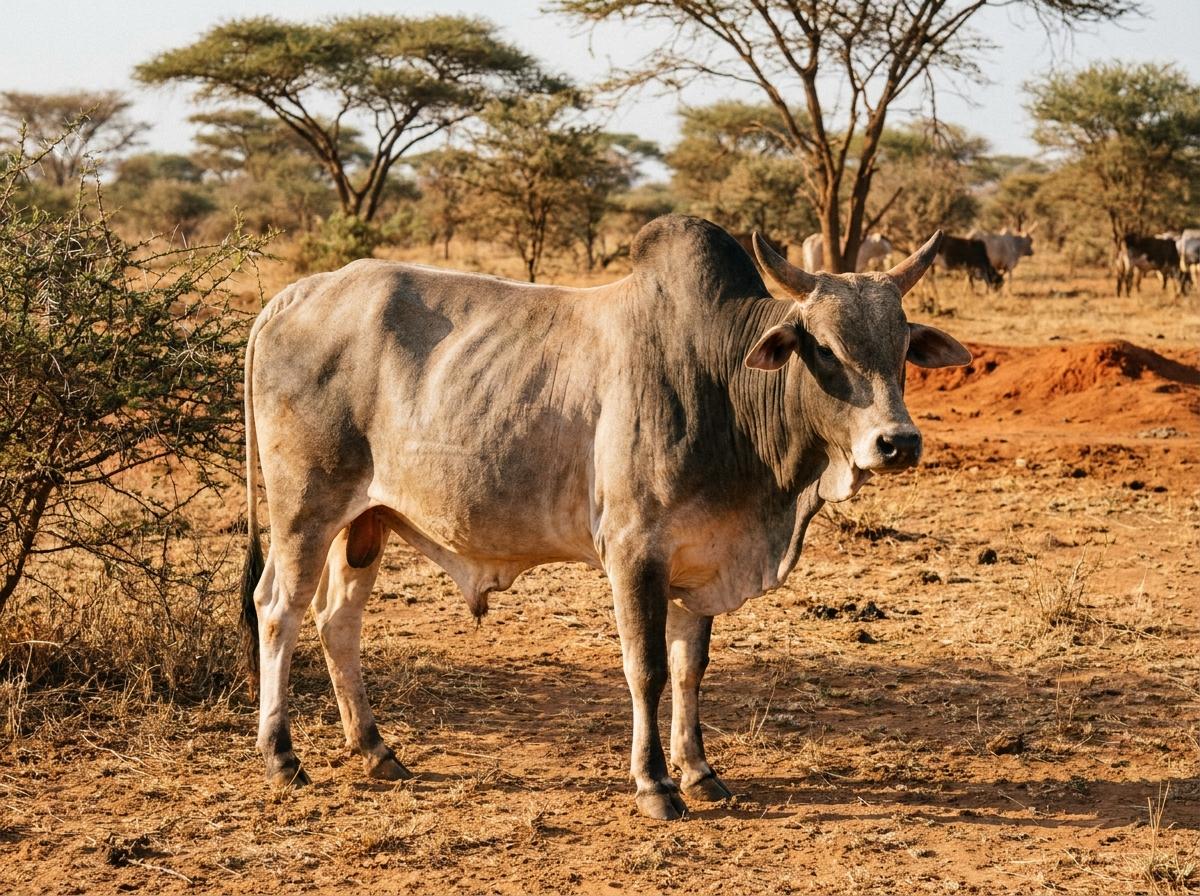
Boran cattle are an East African zebu breed, strongly associated with Kenya and with older cattle populations of Ethiopia and southern Somalia. They are medium-sized beef cattle with a compact frame, good muscling for range conditions, a noticeable hump, loose skin, and a short coat that may be white, gray, fawn, red, or mixed. The breed is known less for extreme growth than for staying productive where heat, seasonal drought, ticks, and low-quality forage limit many imported cattle. Cows are valued for fertility, mothering ability, and the capacity to raise calves under extensive grazing.
In human use, Borans suit ranches that need adapted cattle rather than high-input feedlot animals. They are often run on large paddocks or communal grazing with attention to water placement, minerals, vaccination, and parasite control. Selection programs commonly track fertility, udder quality, temperament, and weaning weights because small differences matter in harsh environments. Boran bulls are also used in crossbreeding to add heat tolerance, thriftiness, and maternal strength to taurine beef herds. Calm handling, sound fencing, and drought planning remain important; adapted cattle still lose condition if stocking rates outrun pasture.
Colors: Belted, Black, Black and White, Blaze Faced, Blue Roan, Brindle, Brockle Faced, Brown, Brown and White, Dun, Gray, Grey, Highbelt, Highpark, Lineback, Mottled, Pied, Red, Red and White, Red Roan, Riggit, Roan, Silver, Solid Black, Solid Red, Solid White, Speckled, Spotted, White, White Faced, Yellow