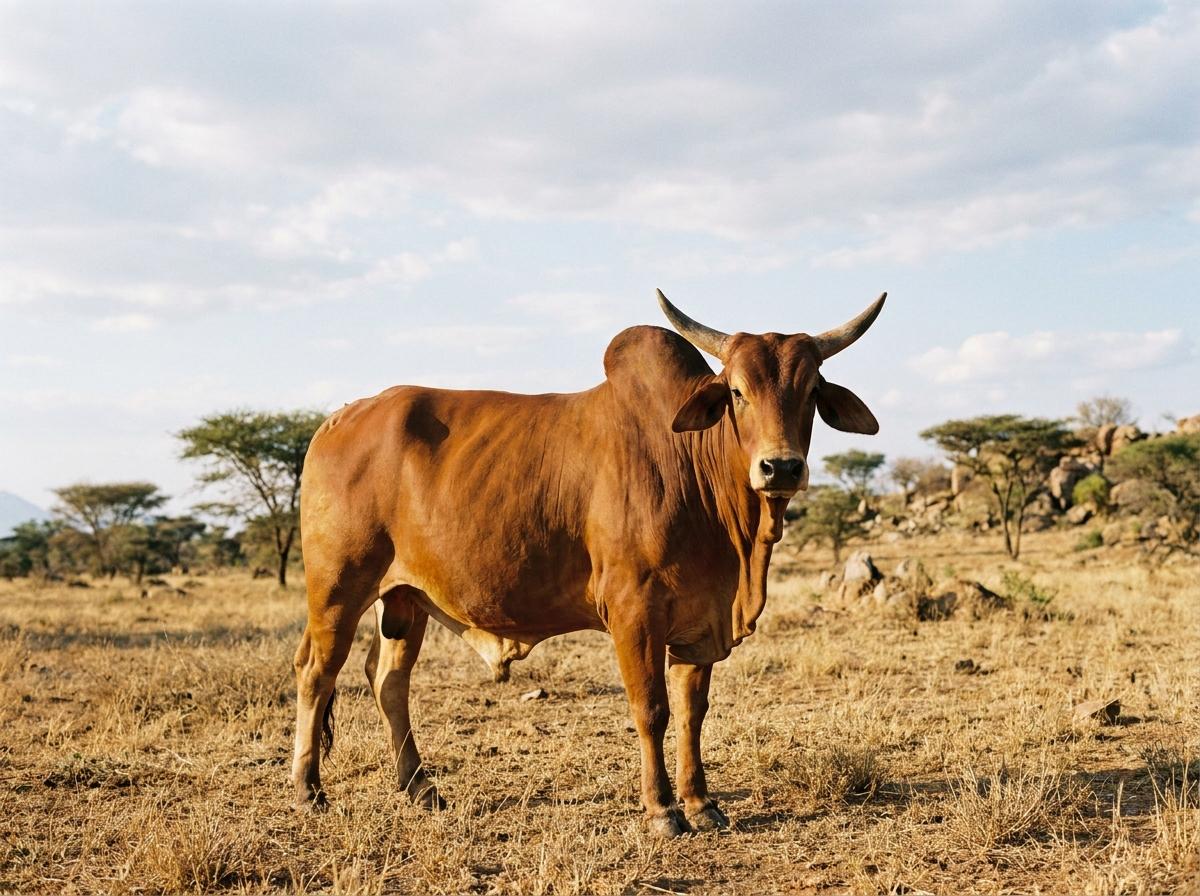
Brahmousin
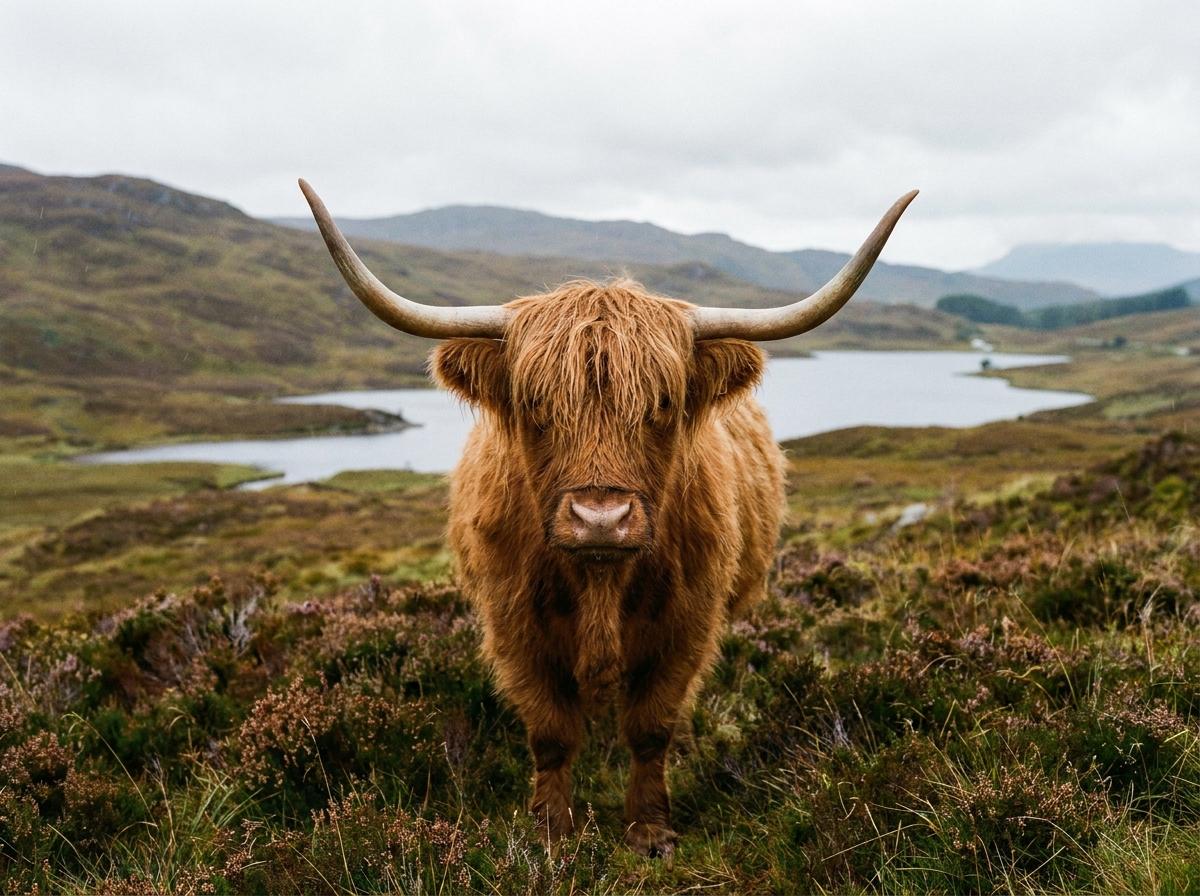
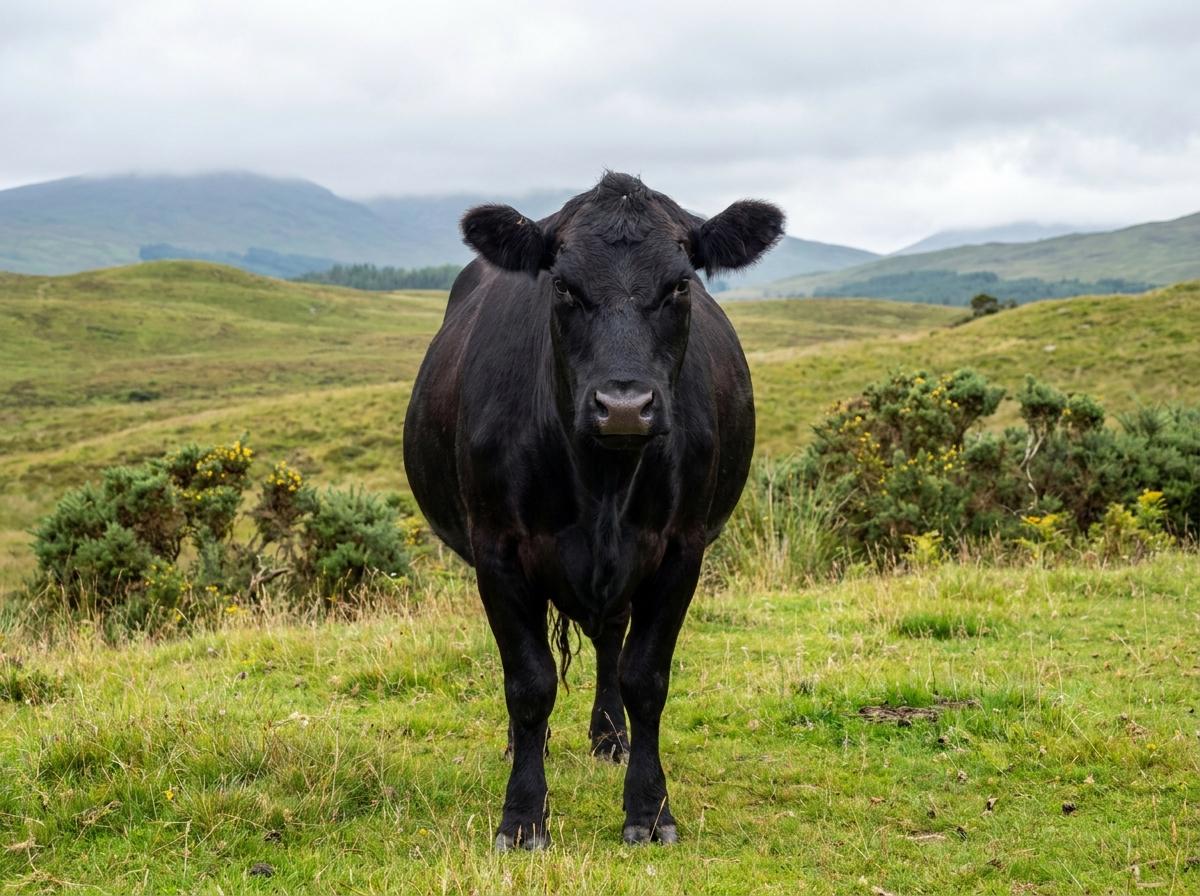
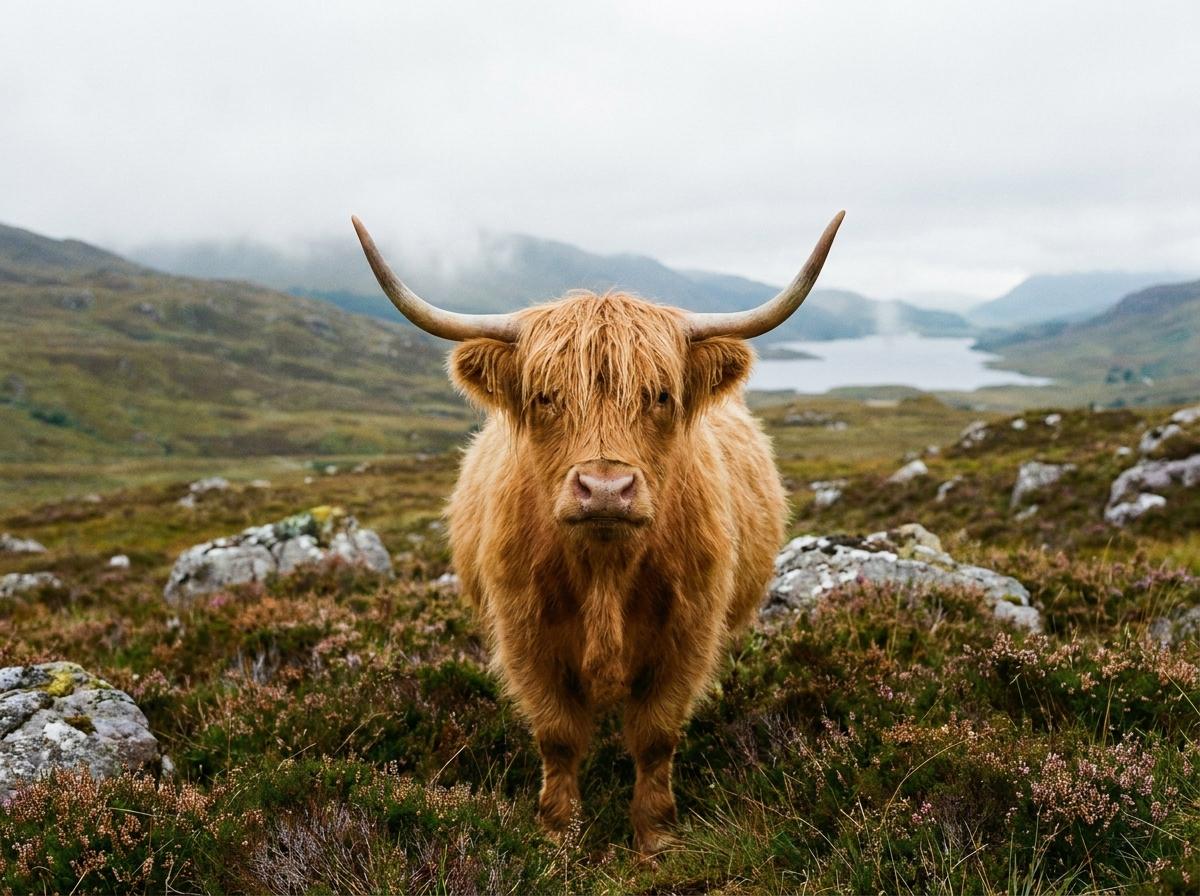
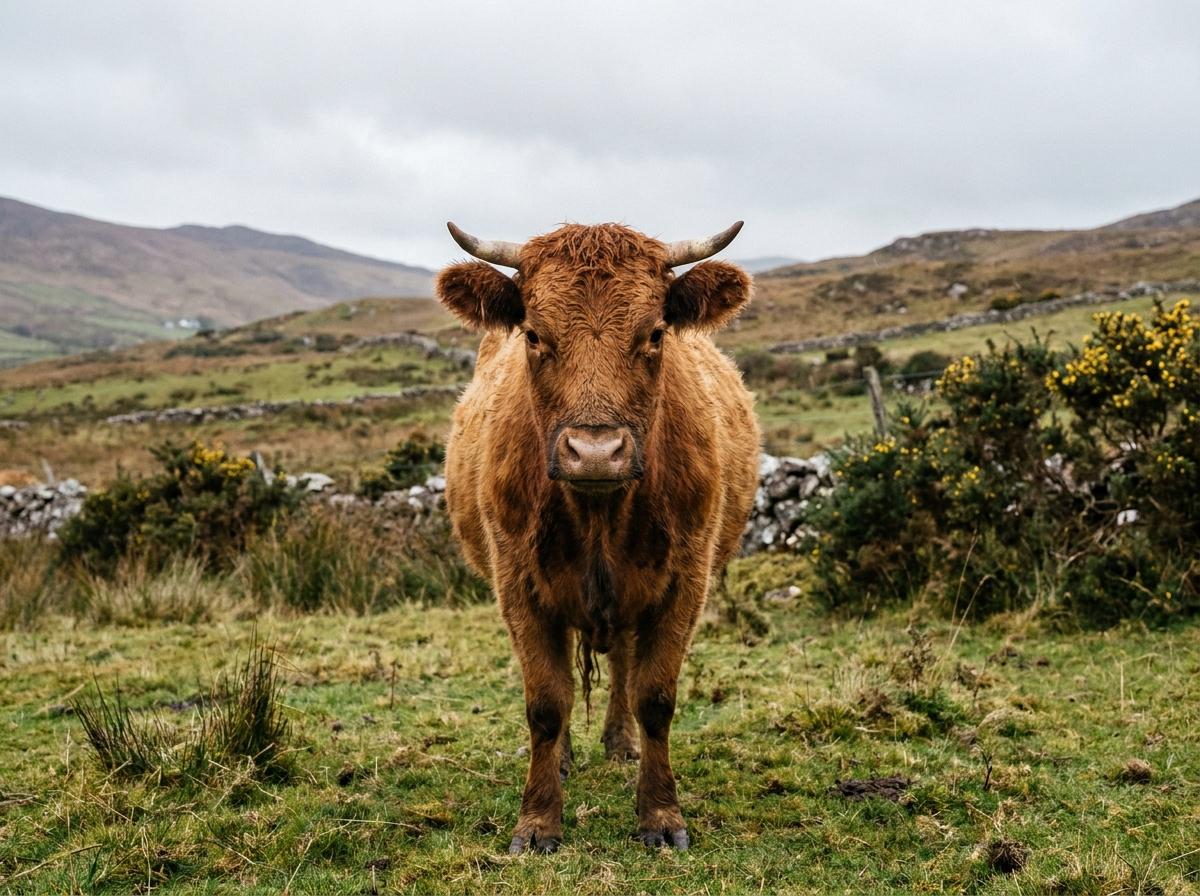
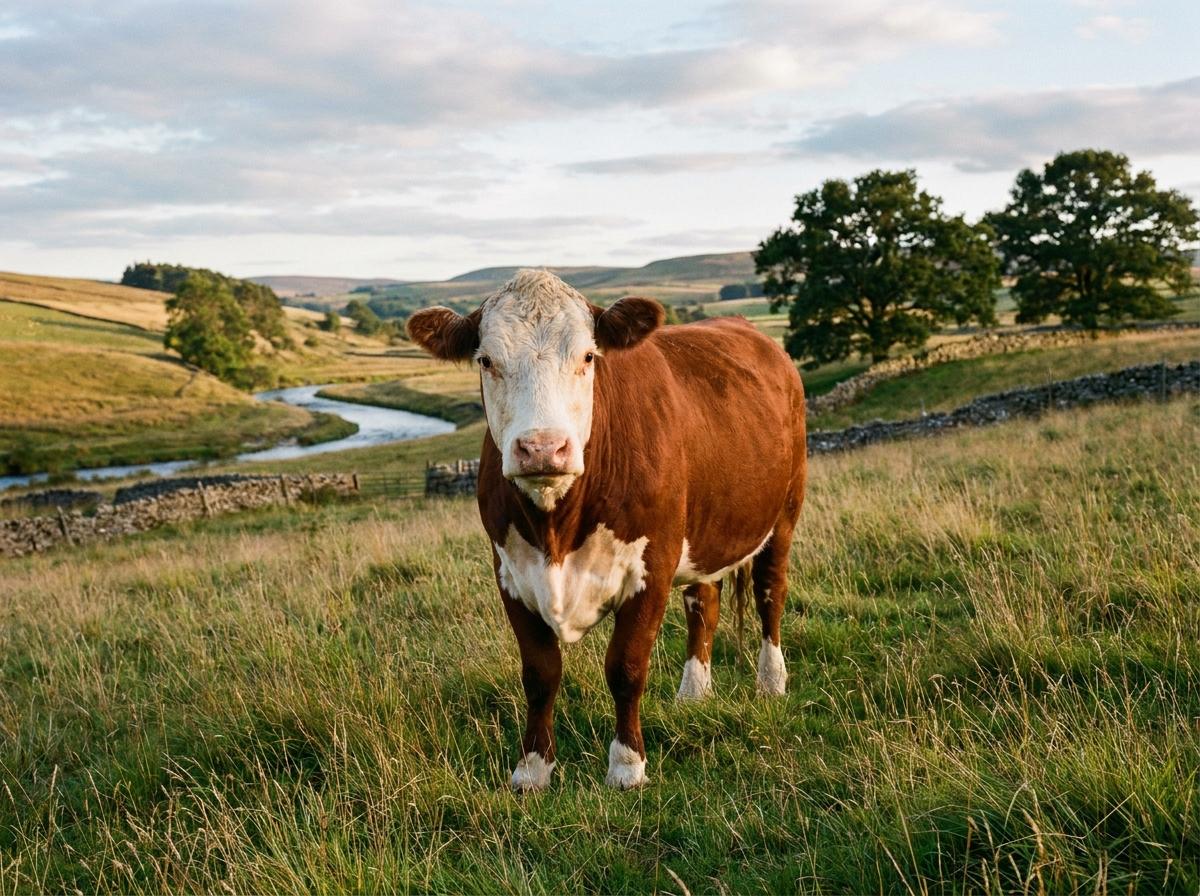
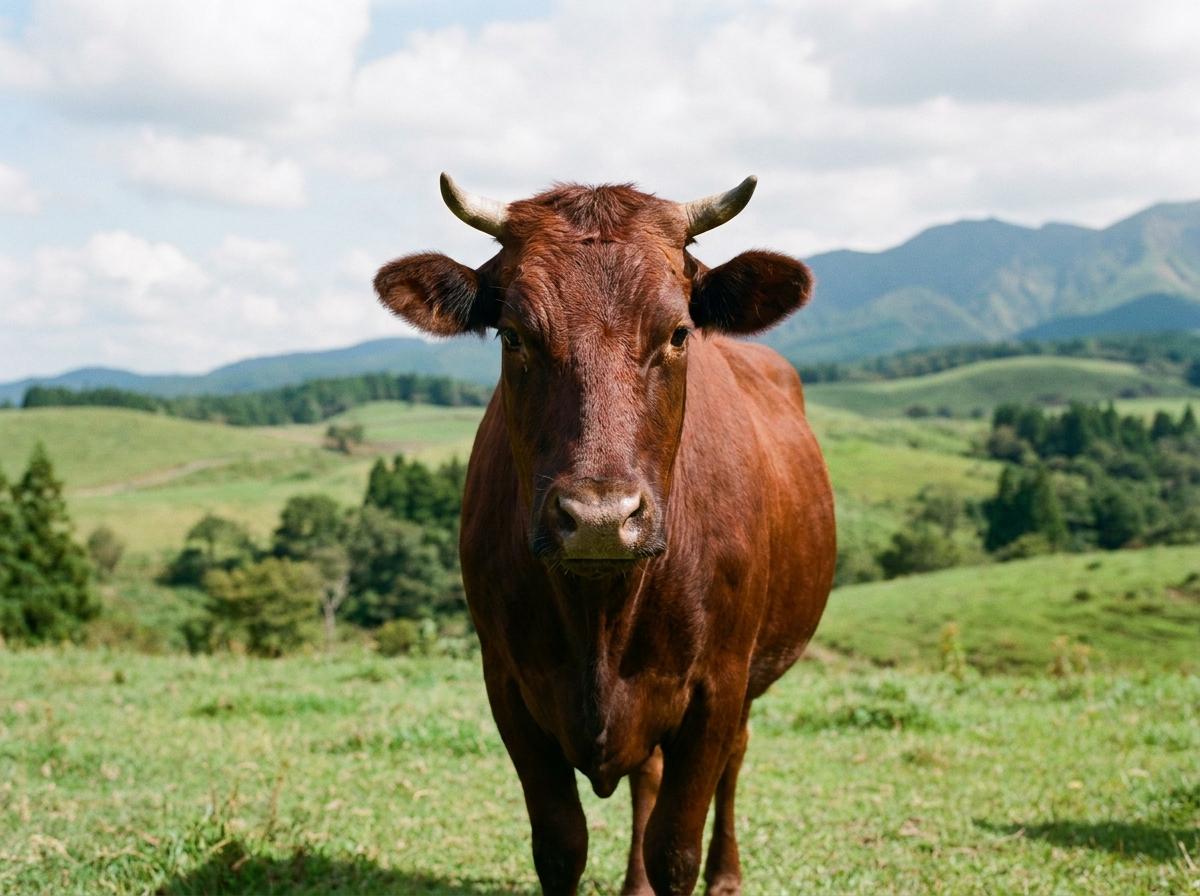
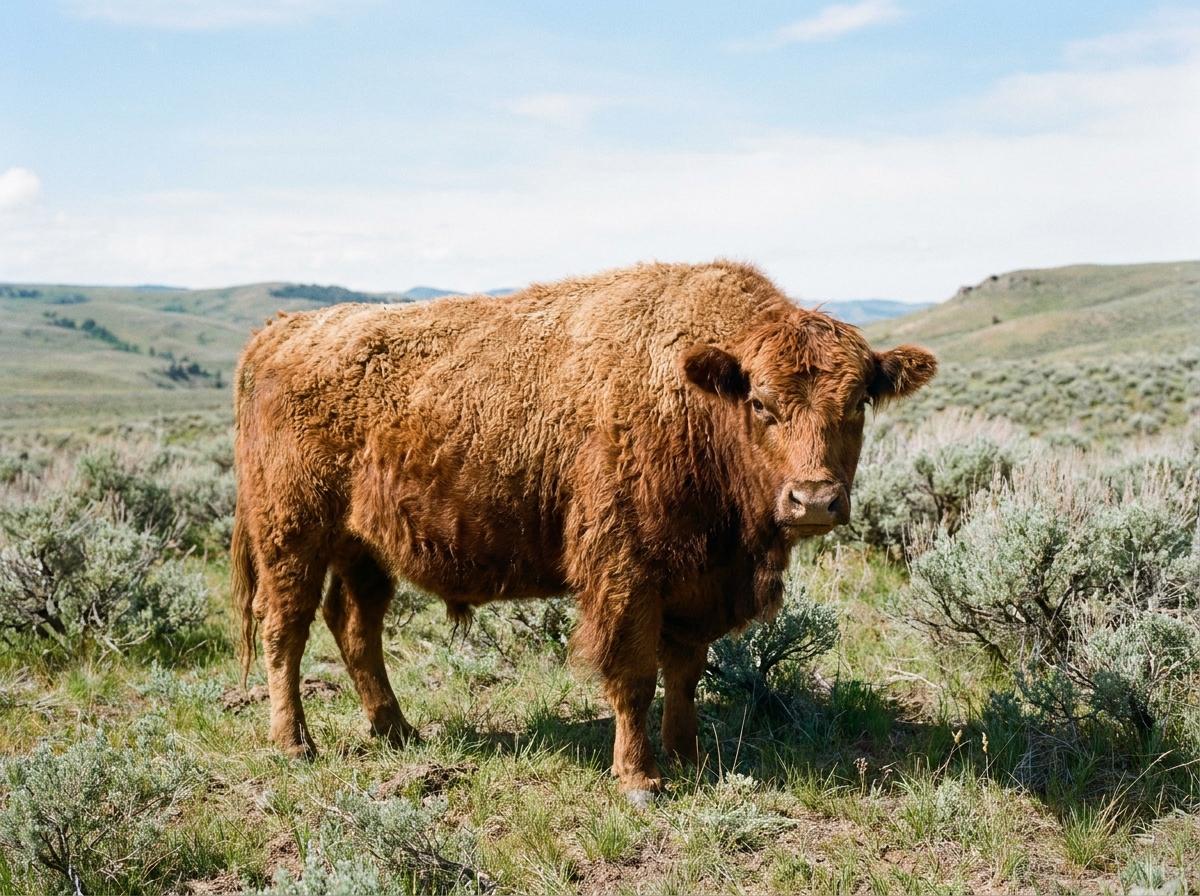
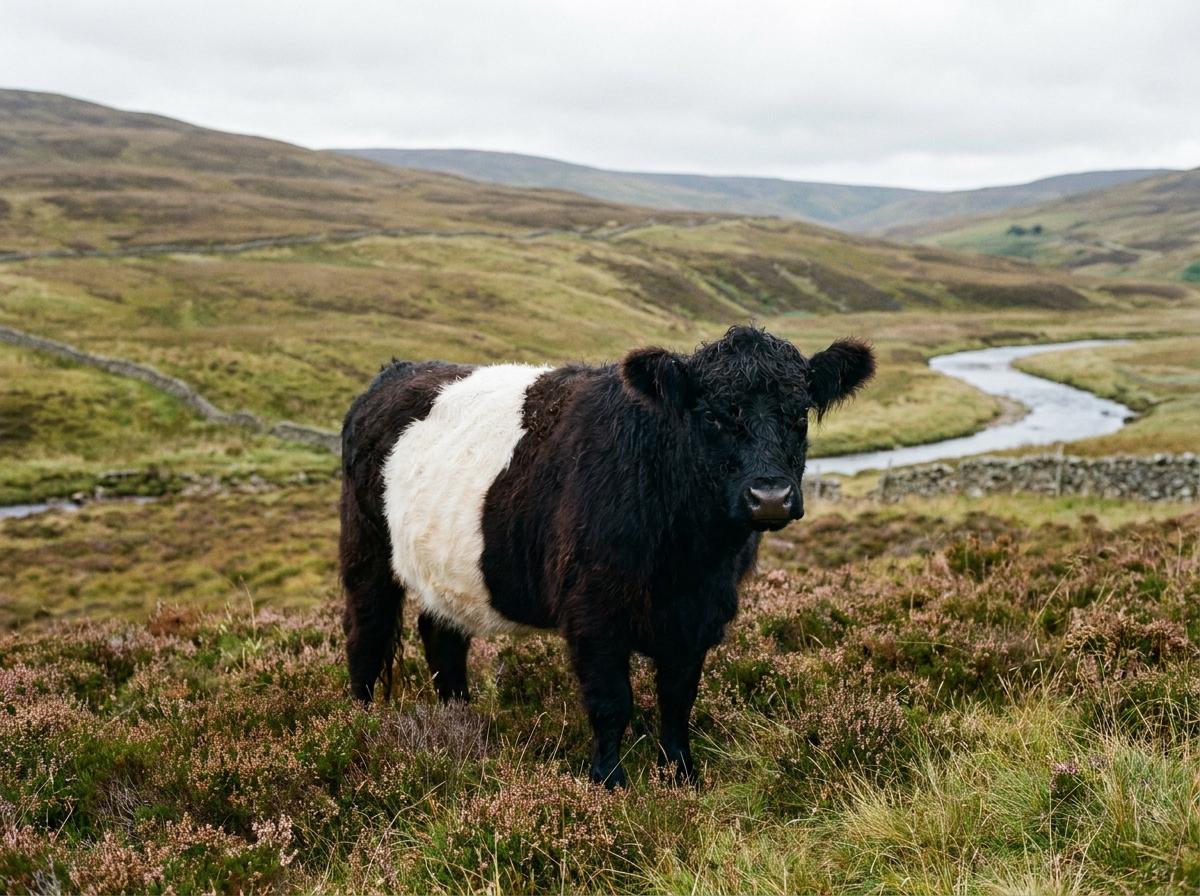
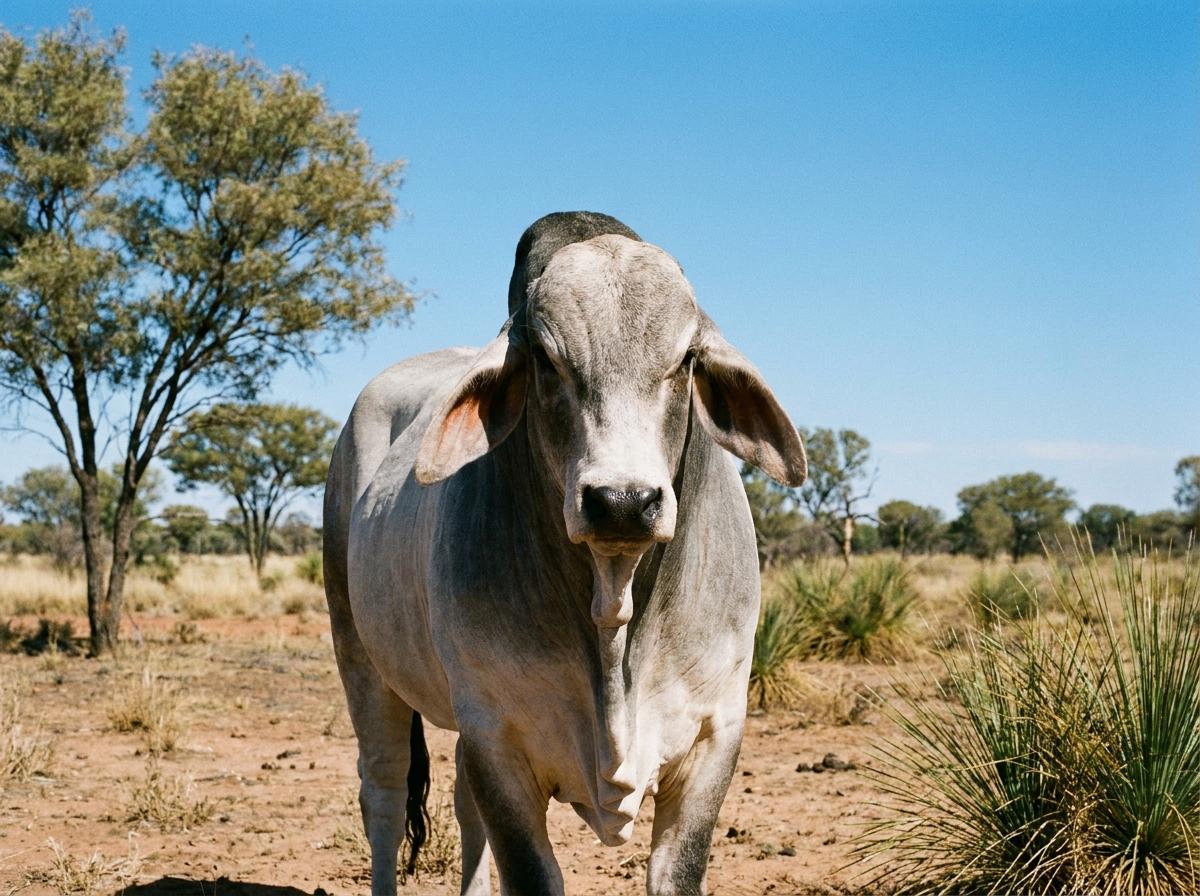
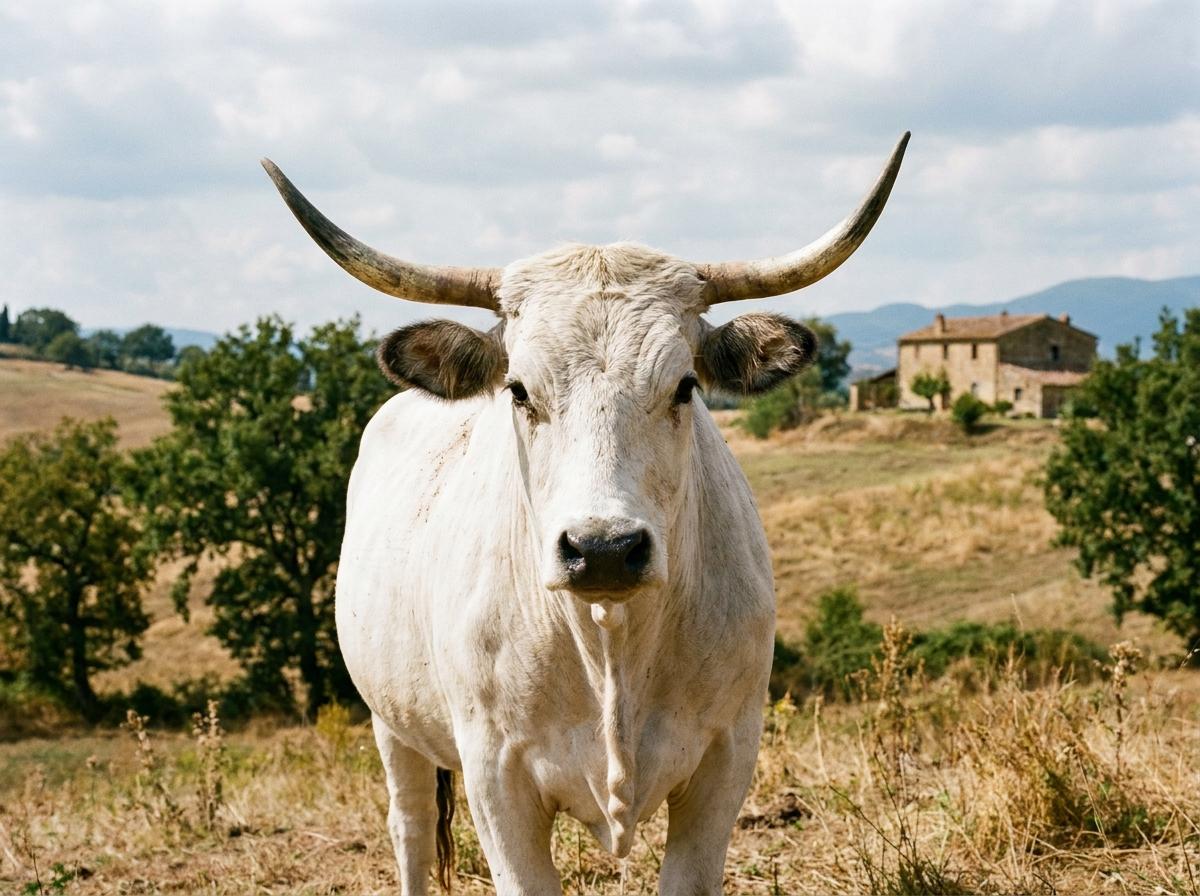
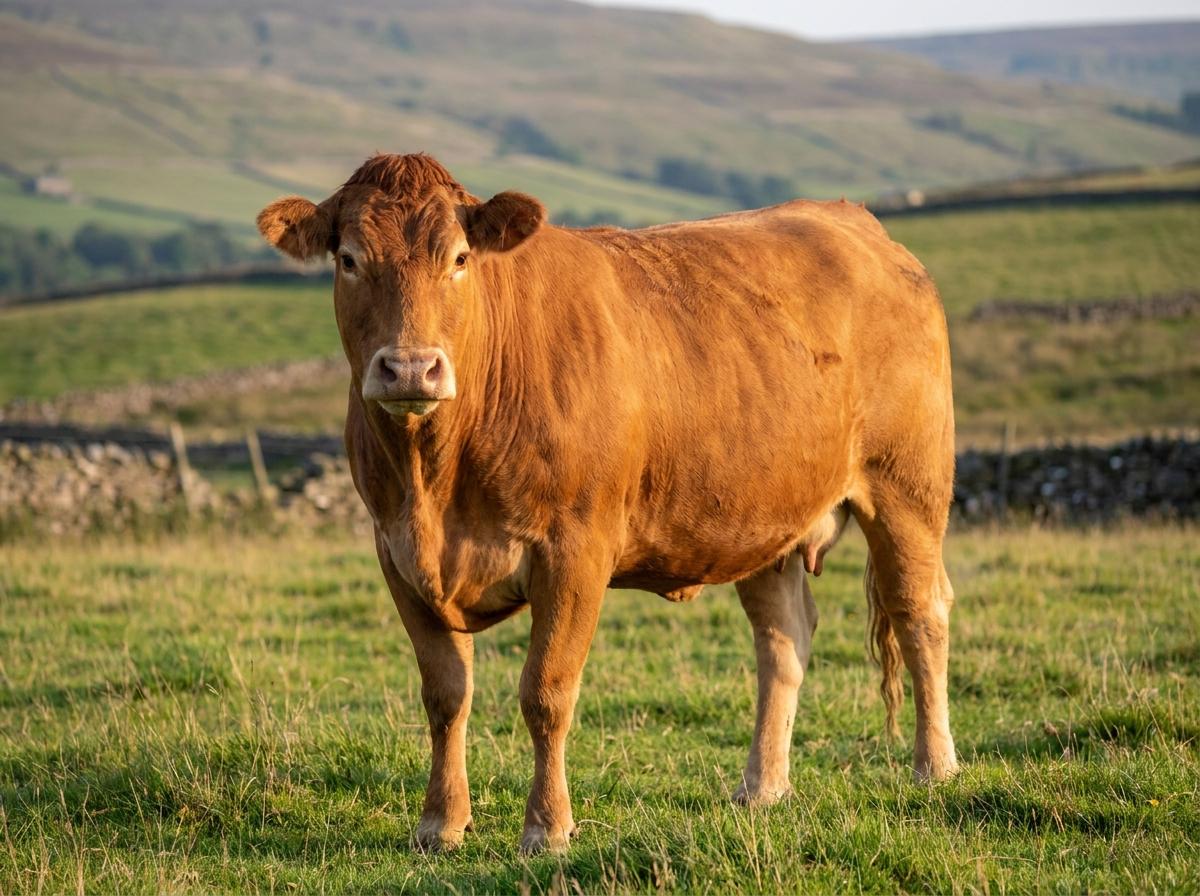
Brahmousin cattle are a recognized Brahman and Limousin beef composite developed to combine tropical adaptation with heavy muscling and efficient red-meat yield. Organized breeding began in the United States in the late twentieth century, using Limousin for carcass shape, growth, and feed efficiency and Brahman for heat tolerance, loose skin, insect resistance, and longevity. Many registered purebred programs use a target of five-eighths Limousin and three-eighths Brahman, though foundation and percentage animals may be recorded separately. Coat color varies from red and apricot to black or gray-influenced shades, depending on the line.
On working ranches, Brahmousin are most useful where British or continental cattle need extra environmental tolerance without losing too much muscle. They are kept for cow-calf production, breeding bulls, and crossbred feeder calves in warm regions of the Americas and elsewhere. Producers should select for disposition as carefully as growth, because both parent influences can produce strong, reactive cattle if handling has been neglected. Attention to calving ease, sheath soundness, feet, udders, and fertility records helps separate useful seedstock from simple crossbreds carrying an attractive name.
Colors: Belted, Black, Black and White, Blaze Faced, Blue Roan, Brindle, Brockle Faced, Brown, Brown and White, Dun, Gray, Grey, Highbelt, Highpark, Lineback, Mottled, Pied, Red, Red and White, Red Roan, Riggit, Roan, Silver, Solid Black, Solid Red, Solid White, Speckled, Spotted, White, White Faced, Yellow