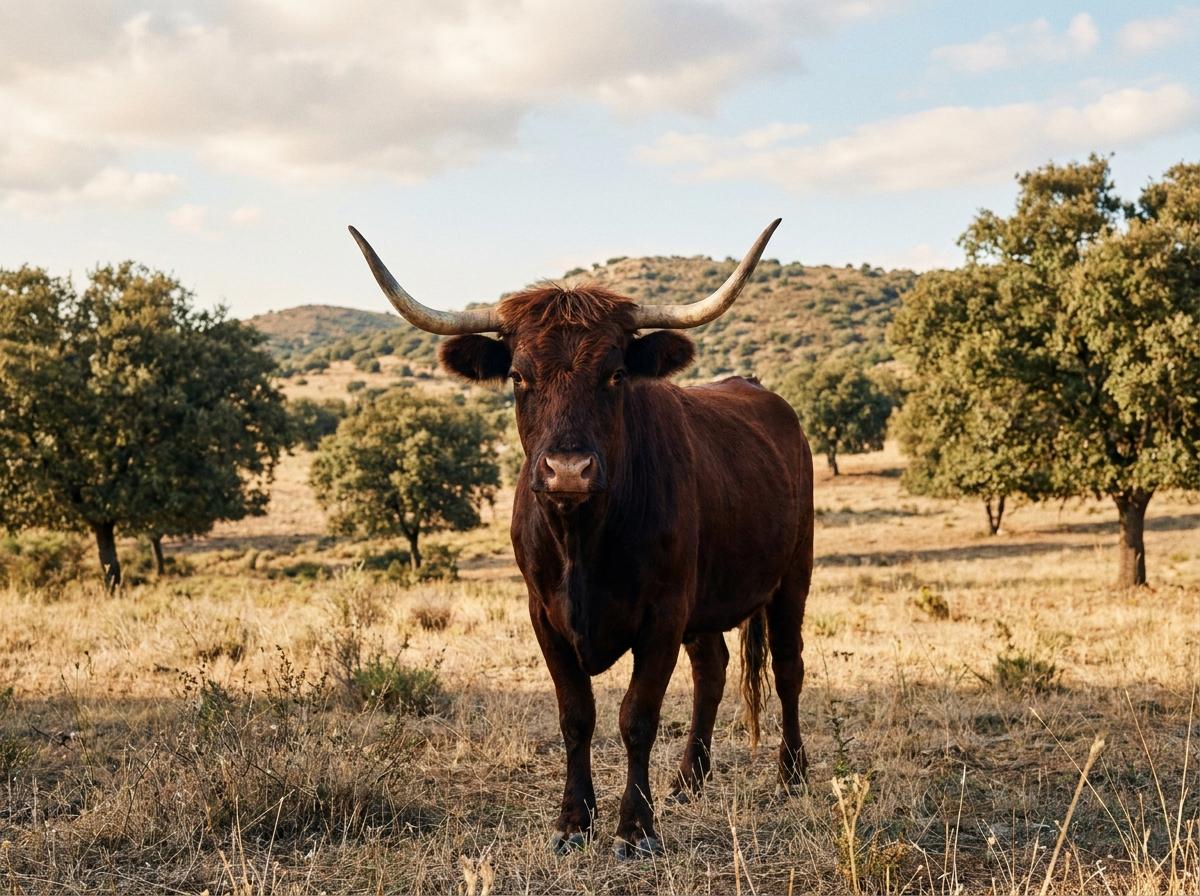
Brava
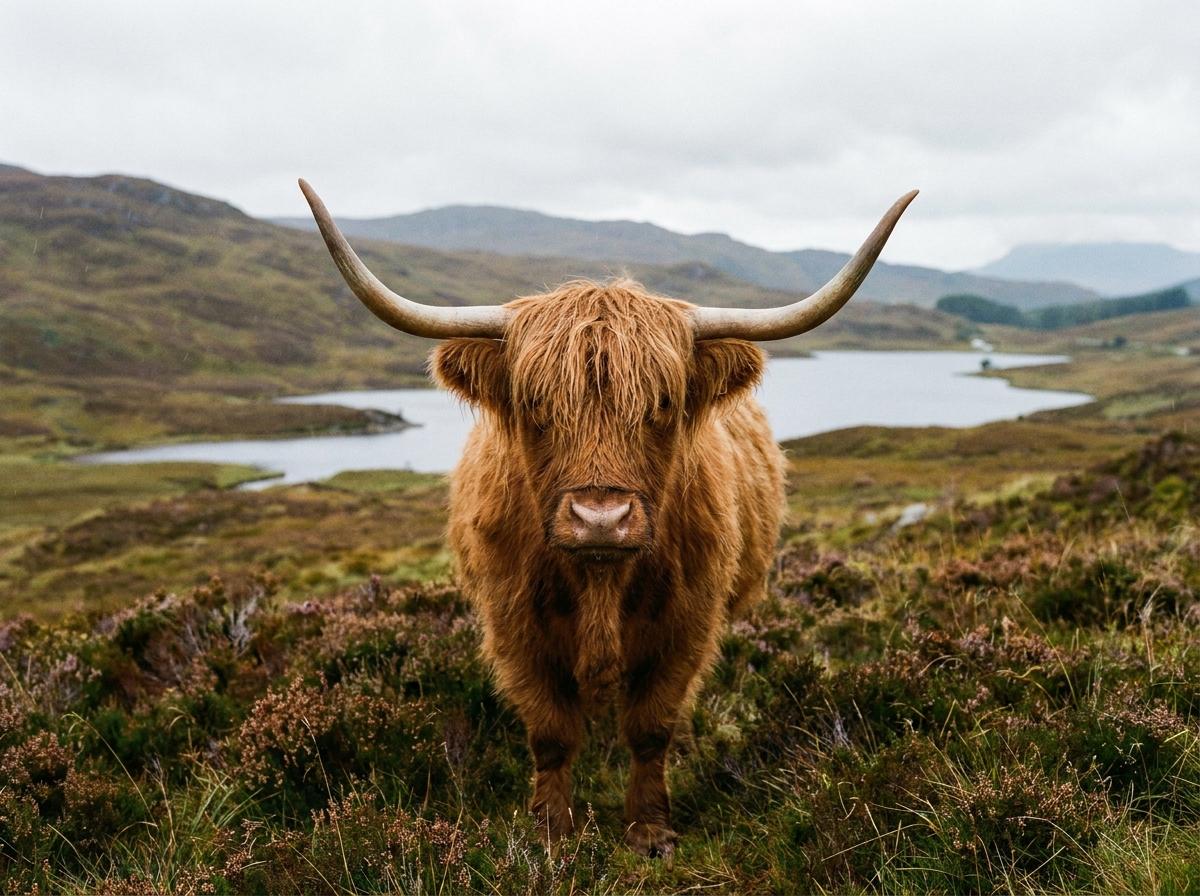
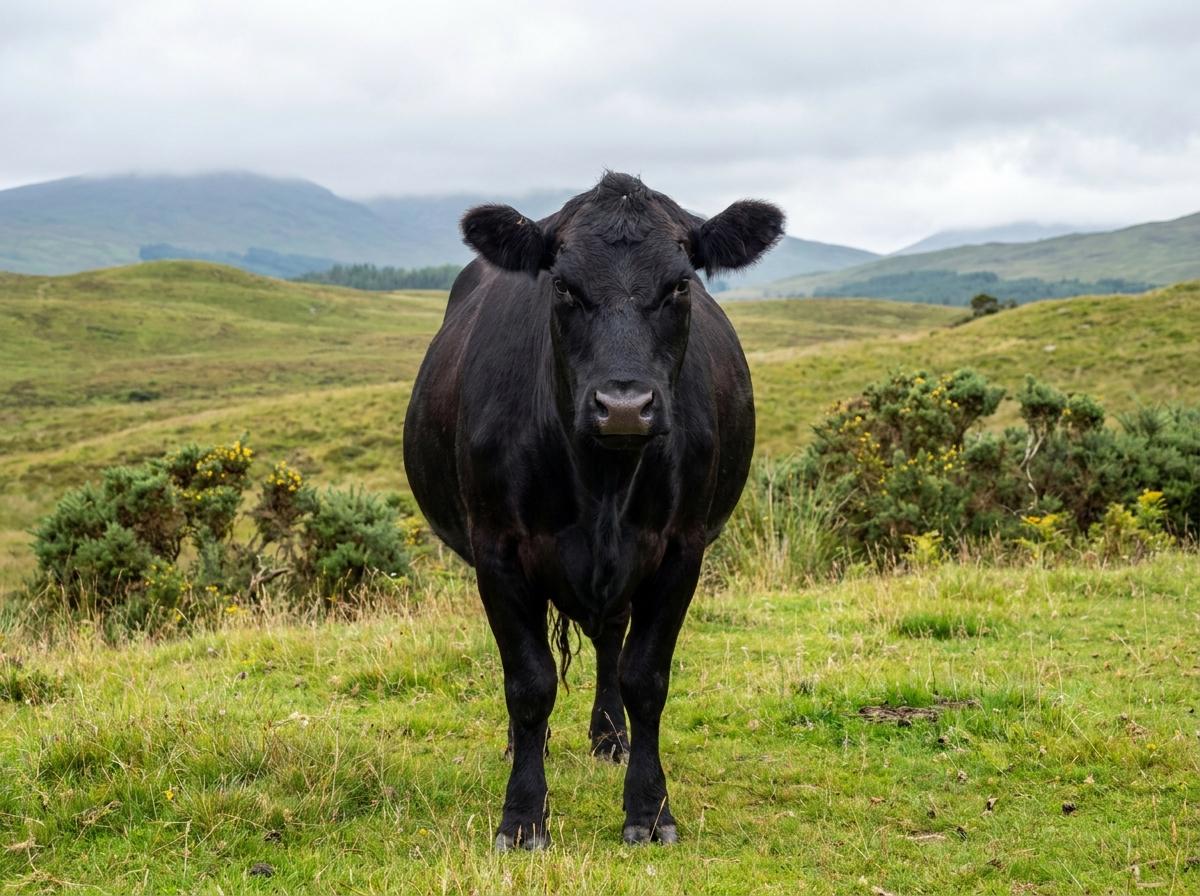
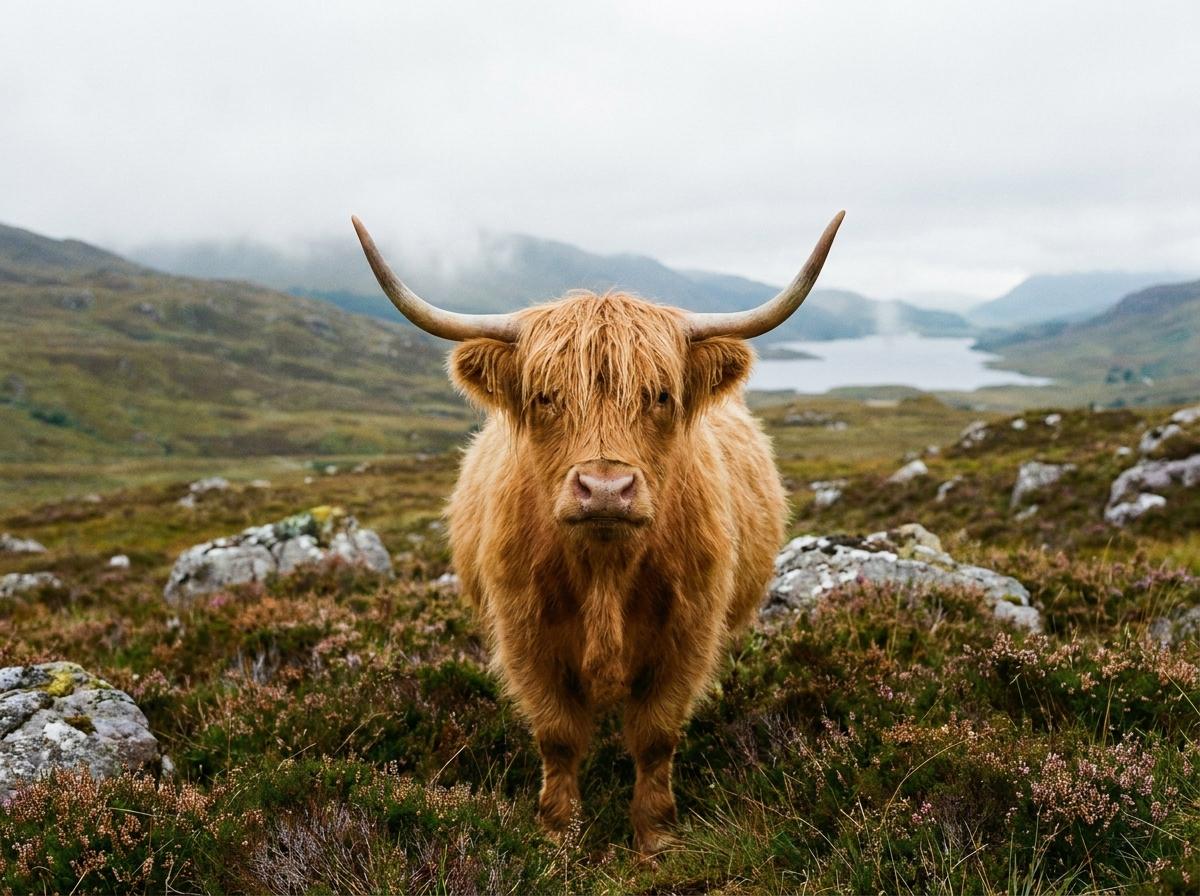
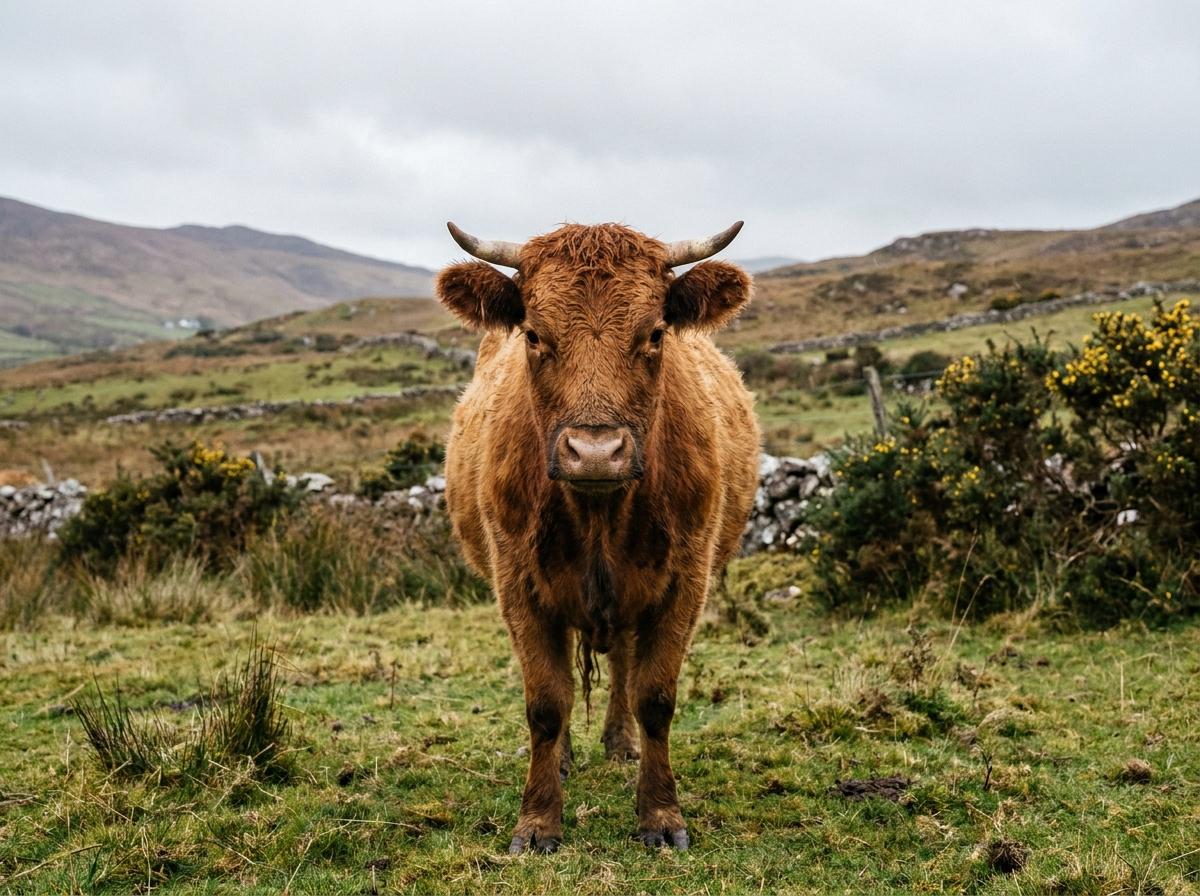
Brava cattle, often called ganado bravo, cattle of the lidia, or Spanish fighting cattle, are Iberian beef-type cattle selected for behavior as much as body conformation. They descend from old regional herds of Spain and Portugal and are typically smaller and more athletic than mainstream beef breeds, with strong horns, tight muscling, hard feet, and considerable variation in coat color. The defining trait is not appearance but a managed tendency toward alertness, territorial response, and charging behavior, maintained in distinct ranch bloodlines for bullfighting, running events, testing, and rural traditions.
Keeping Brava cattle is specialized livestock management rather than hobby ownership. Herds are usually raised extensively on dehesa or range pastures, with limited close handling so animals retain the behavior for which they are selected. Corrals, loading systems, fences, and mounted or experienced stock crews must be designed around dangerous adult cattle, especially mature bulls. Outside regions where lidia traditions are legal and culturally established, these animals may be kept for conservation, research, or sanctuary use, but regulations and welfare expectations must be understood before any transfer. Breeding decisions track cow families, horn soundness, mobility, and behavior, not only weight gain.
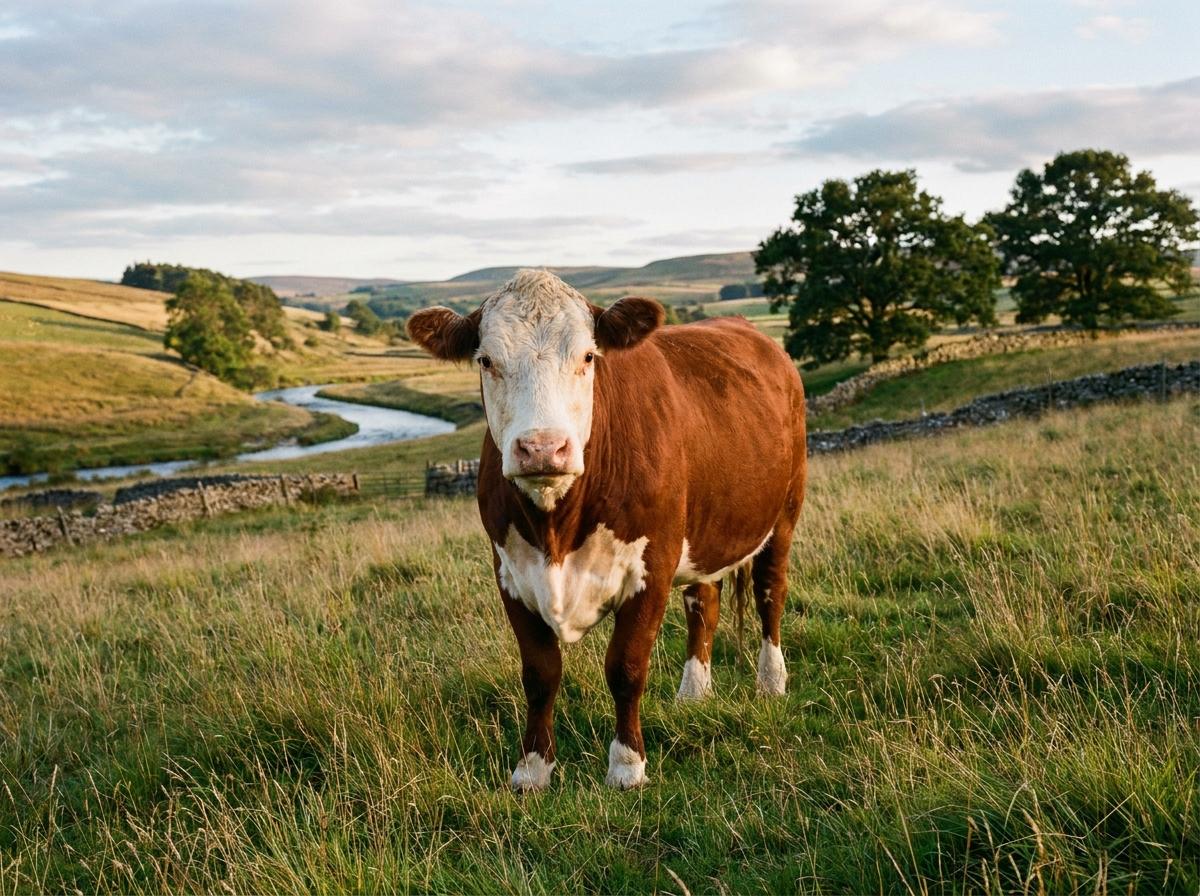
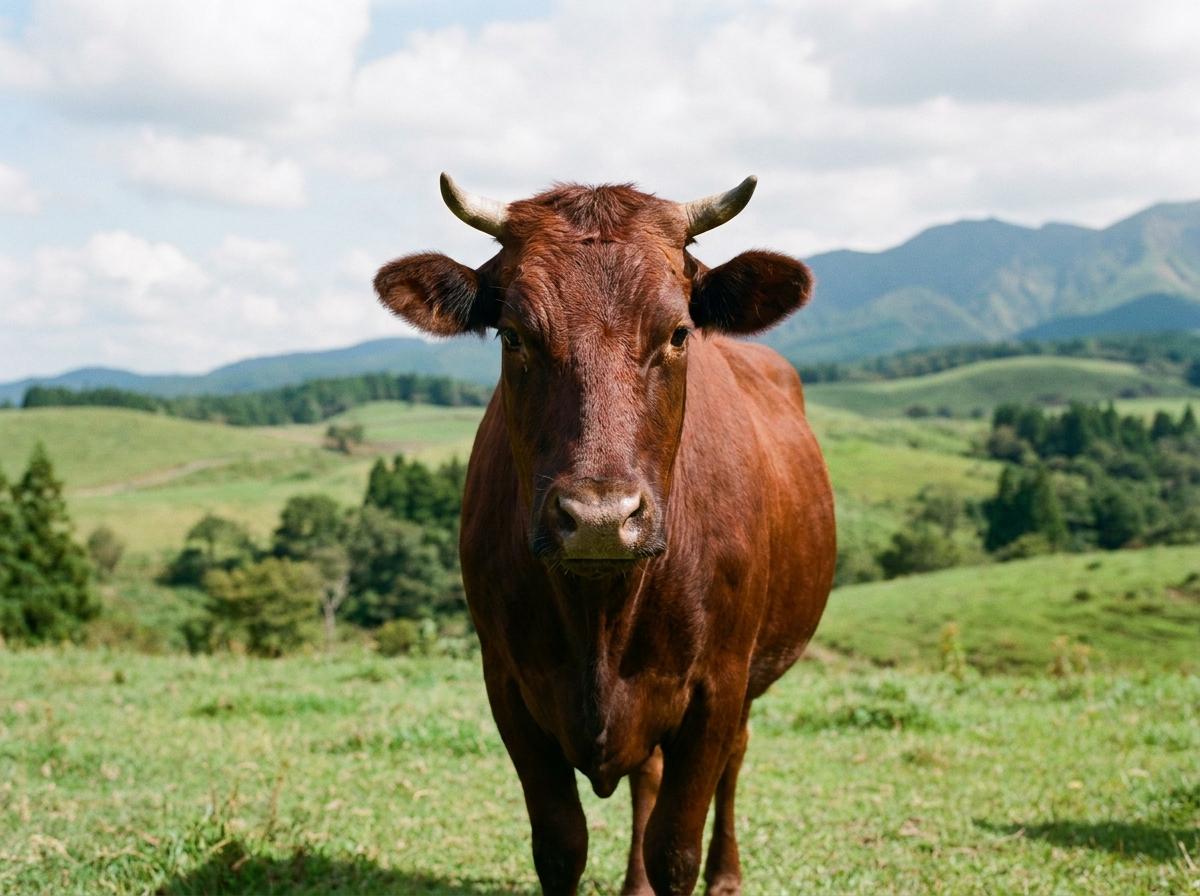
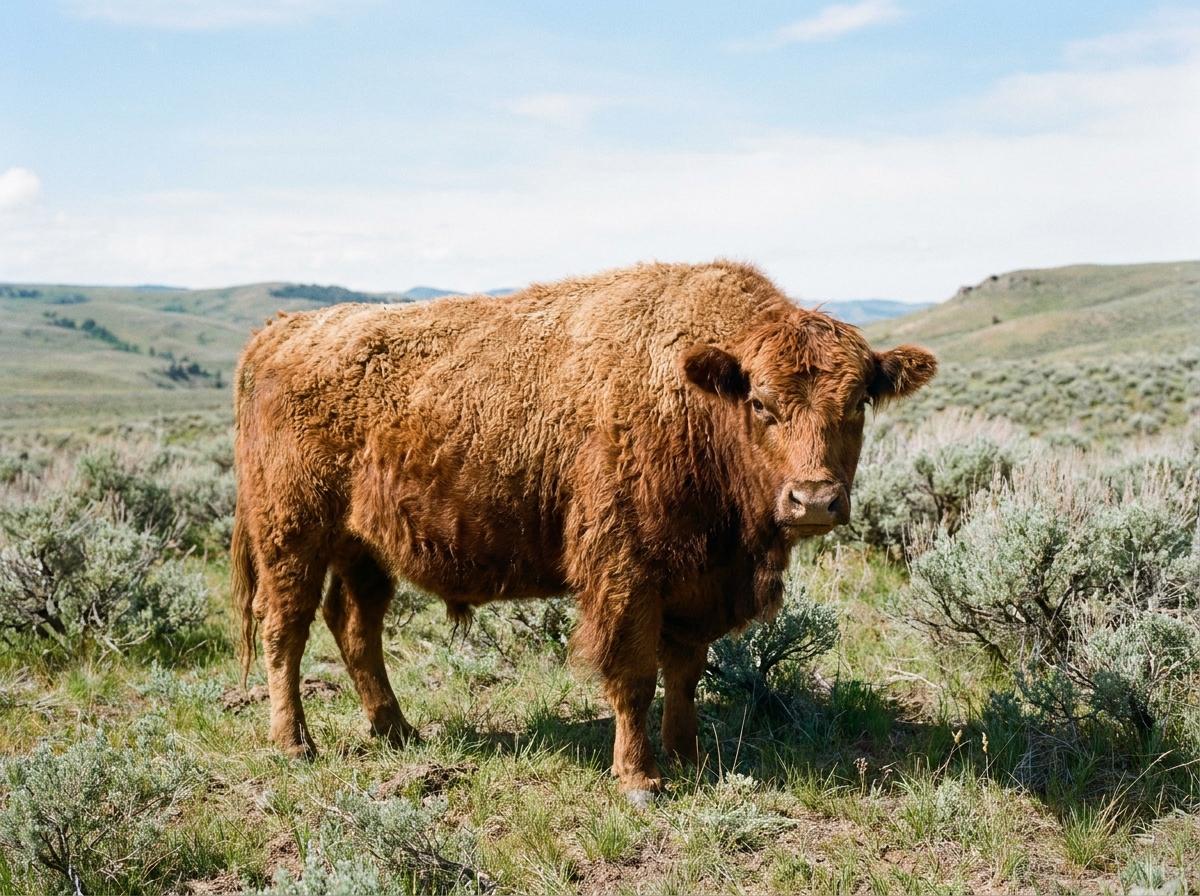
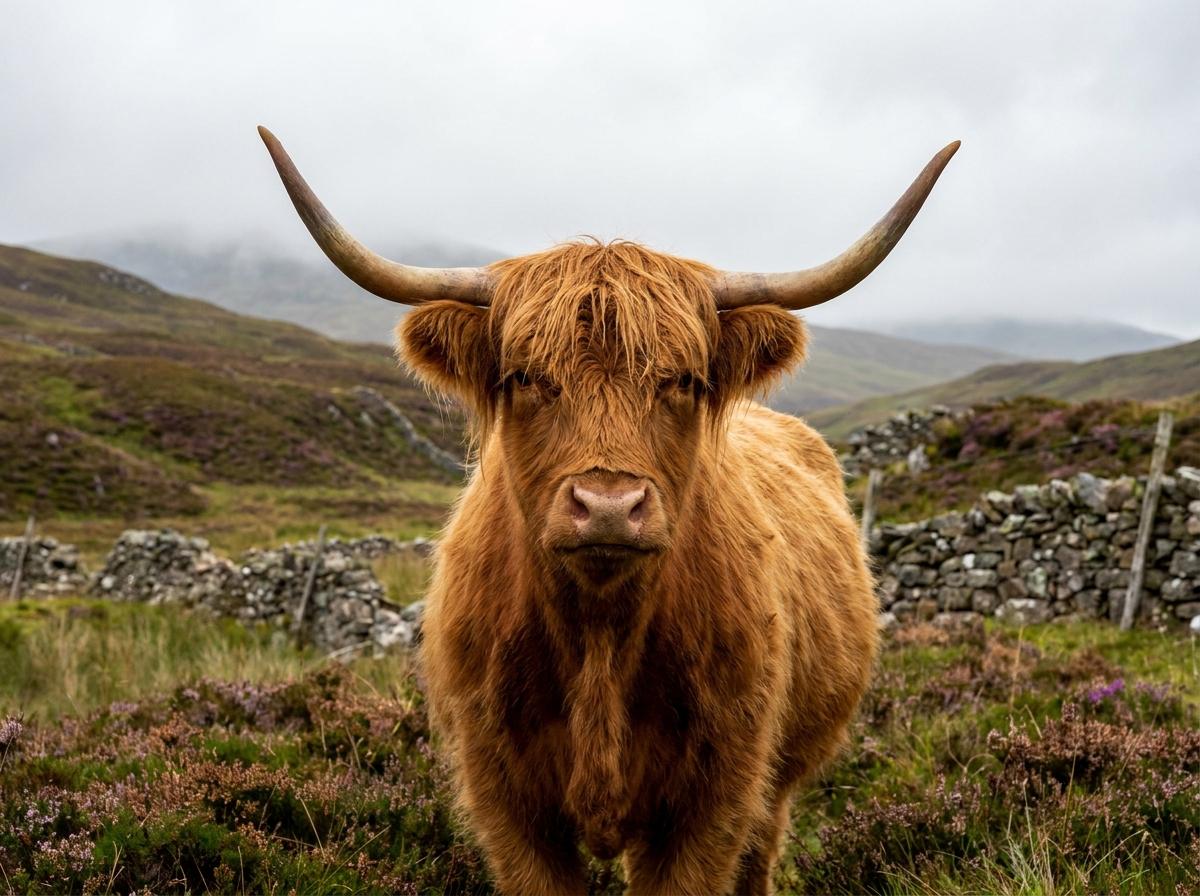
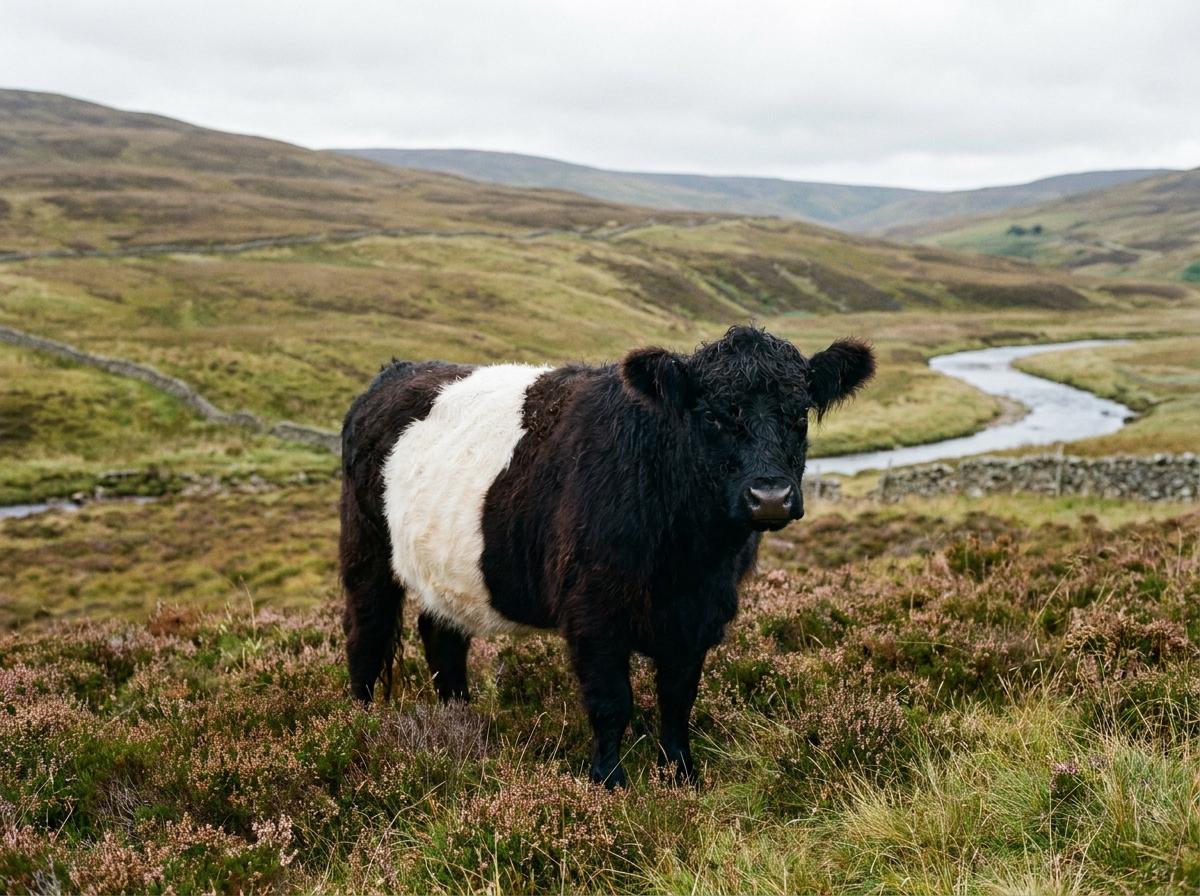
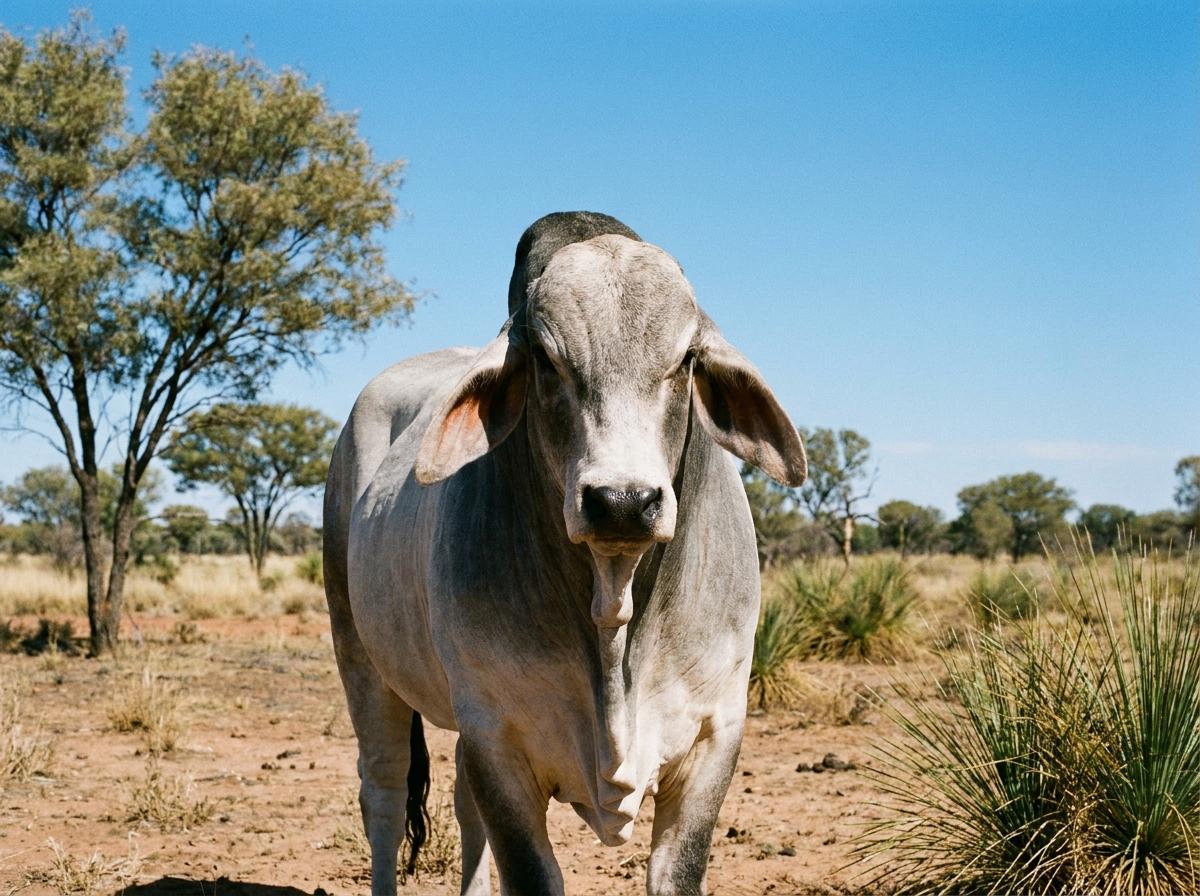
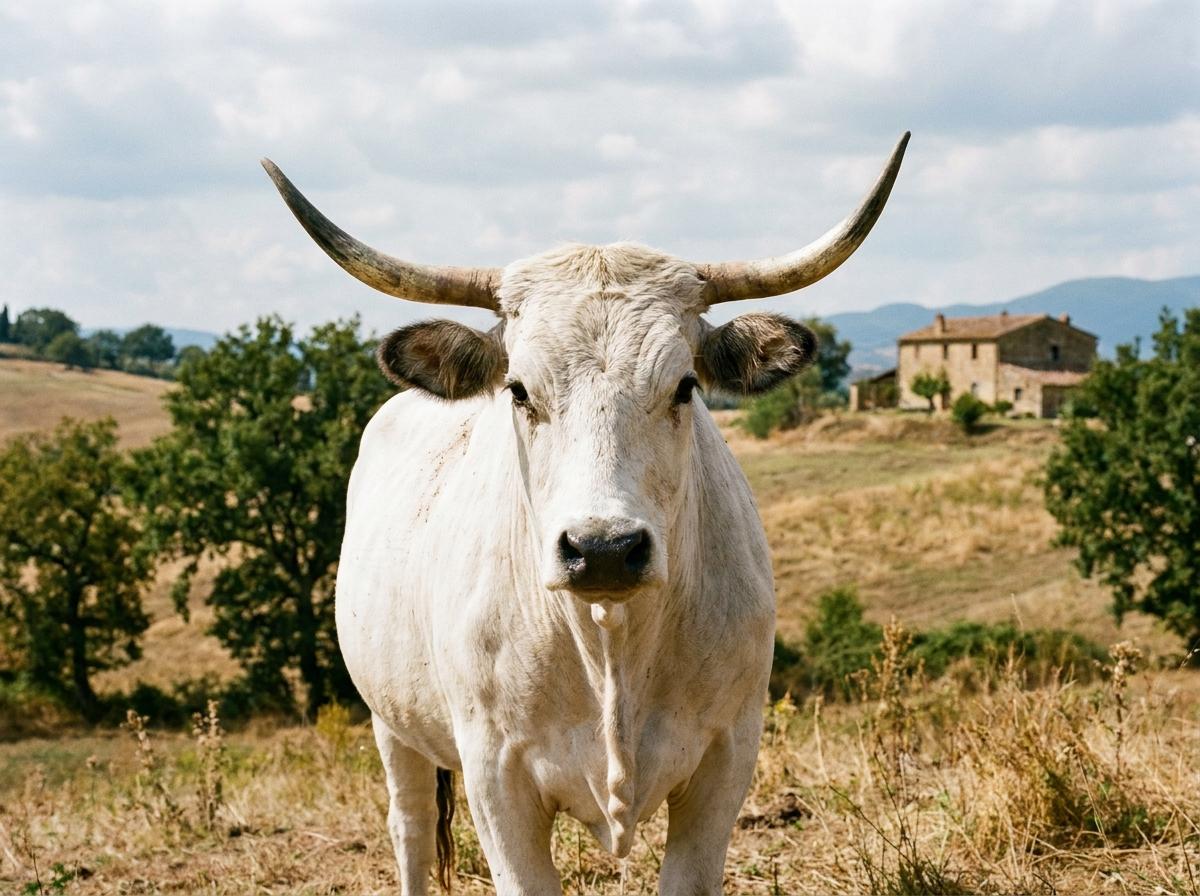
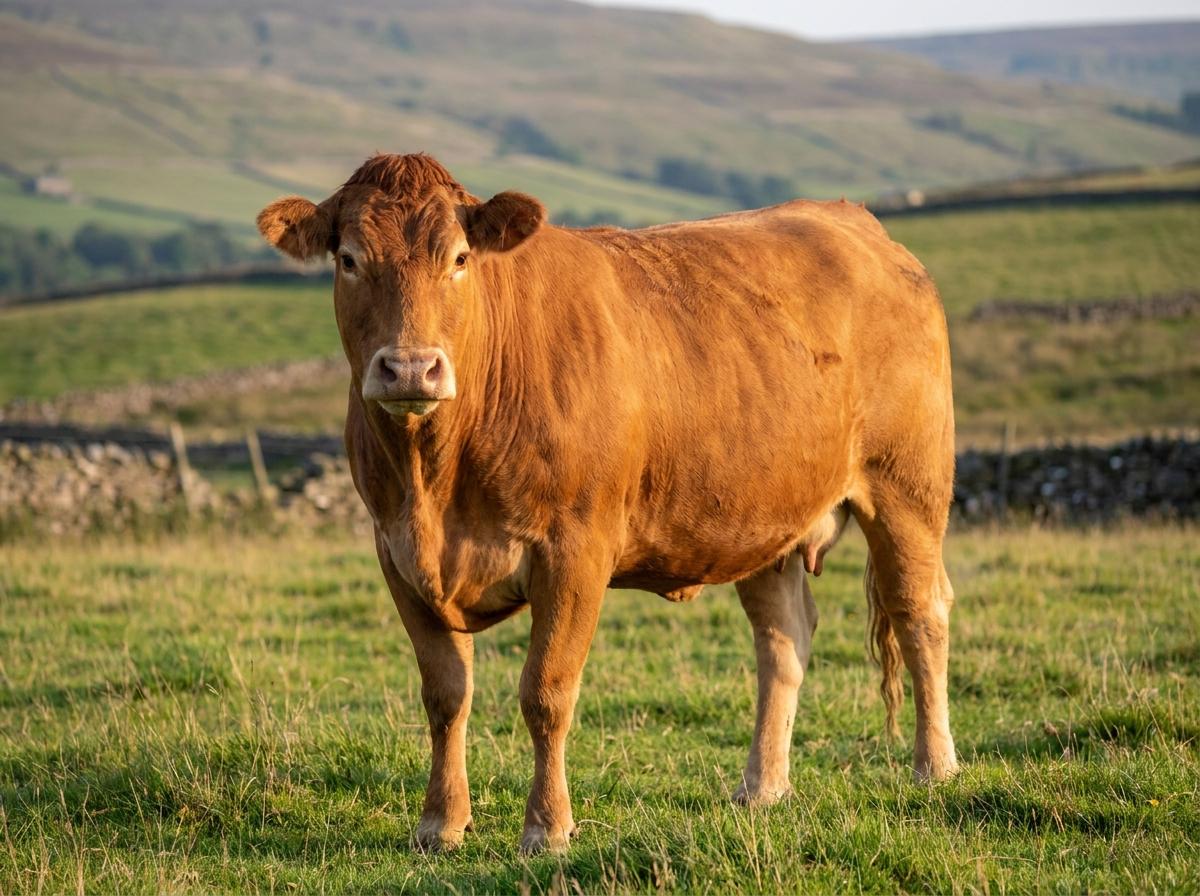
Colors: Belted, Black, Black and White, Blaze Faced, Blue Roan, Brindle, Brockle Faced, Brown, Brown and White, Dun, Gray, Grey, Highbelt, Highpark, Lineback, Mottled, Pied, Red, Red and White, Red Roan, Riggit, Roan, Silver, Solid Black, Solid Red, Solid White, Speckled, Spotted, White, White Faced, Yellow