Bue Lingo
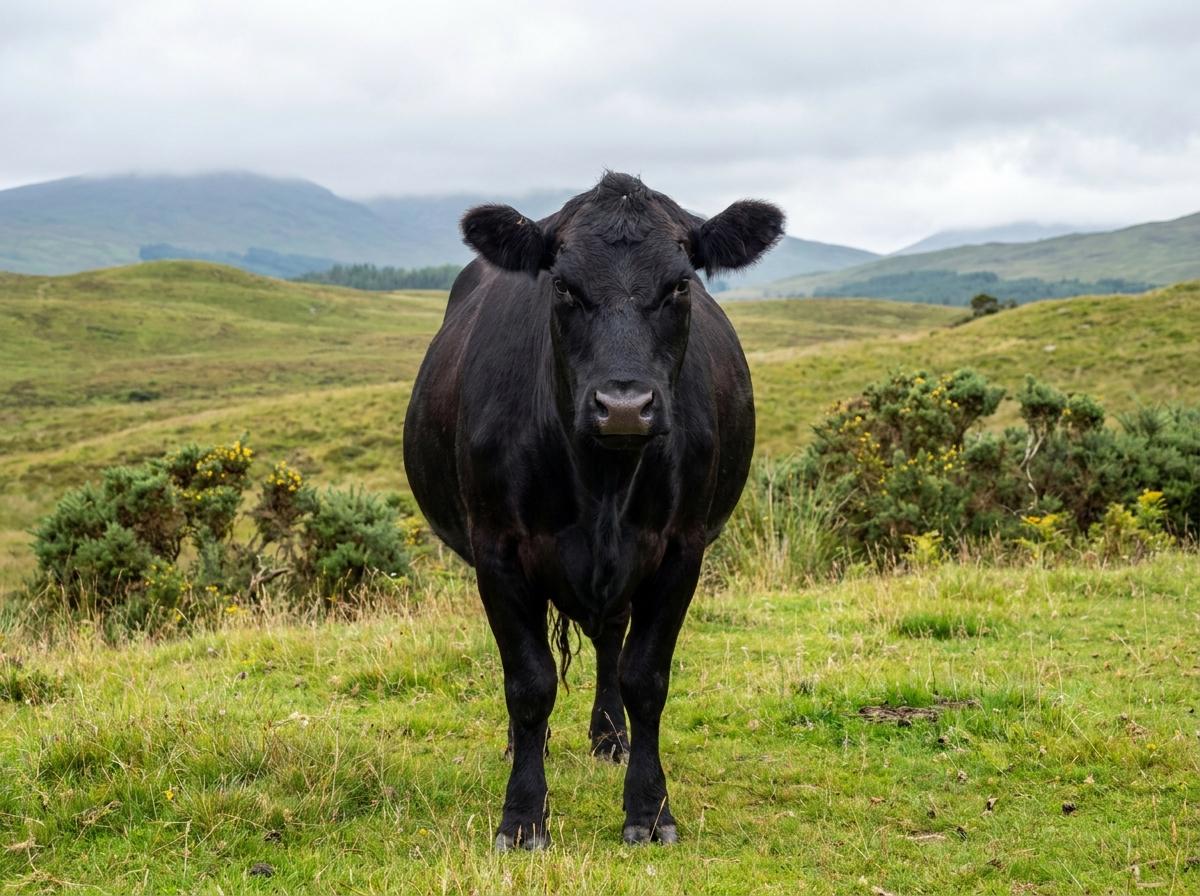
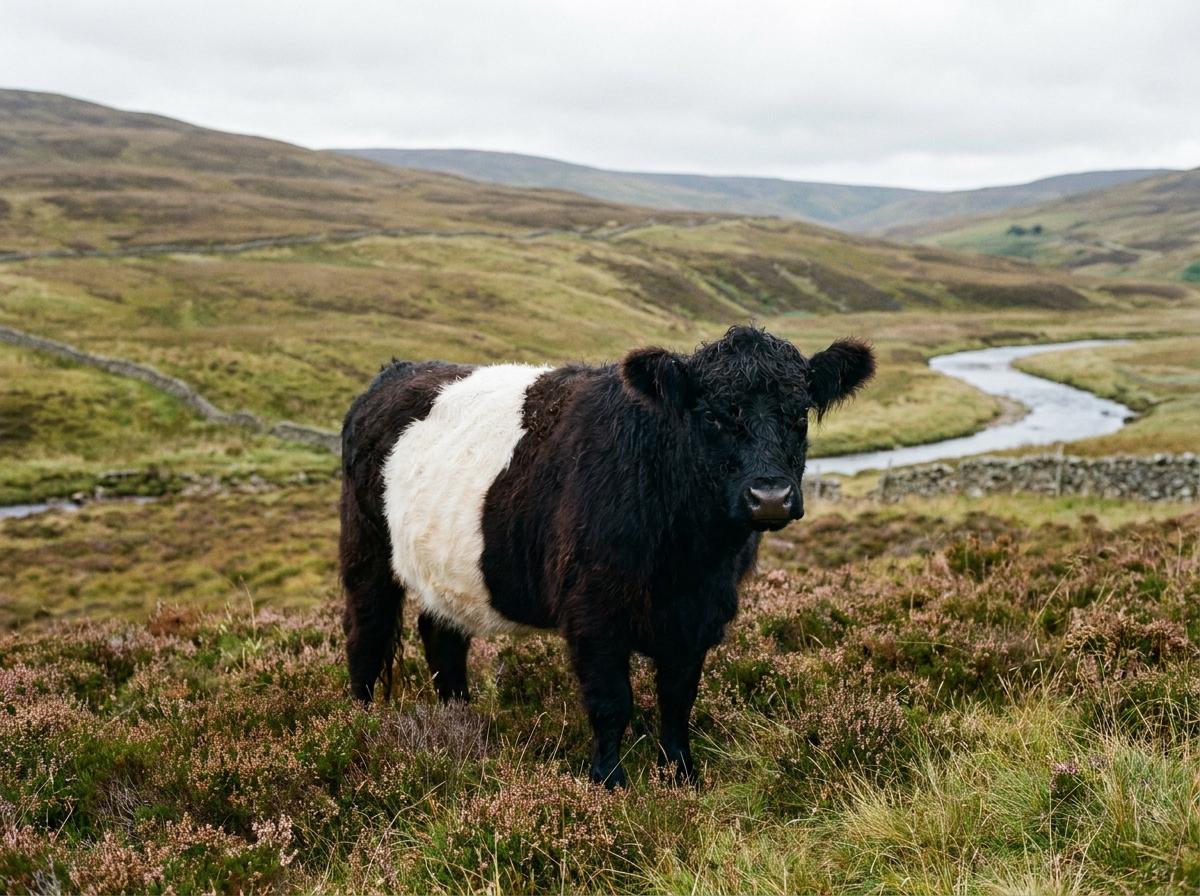
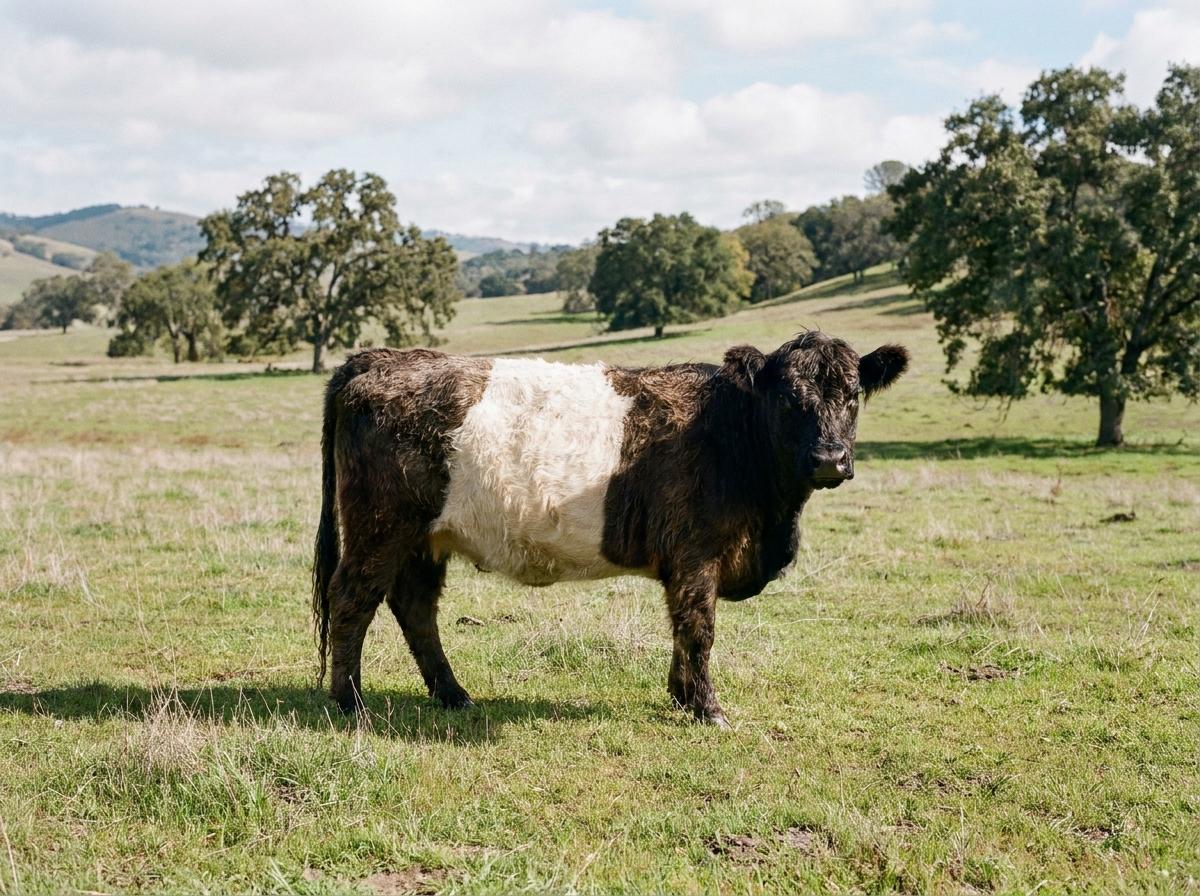
BueLingo, often written Bue Lingo, is a modern American beef cattle breed developed in North Dakota in the 1970s by cattleman Russell Bueling and cooperating breeders. Its most recognizable feature is a clean white belt around the middle of a black or red body, usually on polled, moderate-framed cattle. Unlike dairy belted breeds, BueLingo cattle were selected primarily for beef production, maternal ability, and an efficient carcass from practical cow-calf genetics.
Herds use BueLingo cattle in commercial and seedstock beef systems where a patterned hide can be paired with performance recording. The belt is useful for breed identity, but culling only by color can weaken fertility, udders, feet, temperament, and growth. Buyers should compare weaning weights, calving history, disposition, and registration status instead of treating every belted animal as equivalent. The breed can work on pasture-based operations, provided nutrition is matched to the cow's size, lactation stage, and local winter conditions.
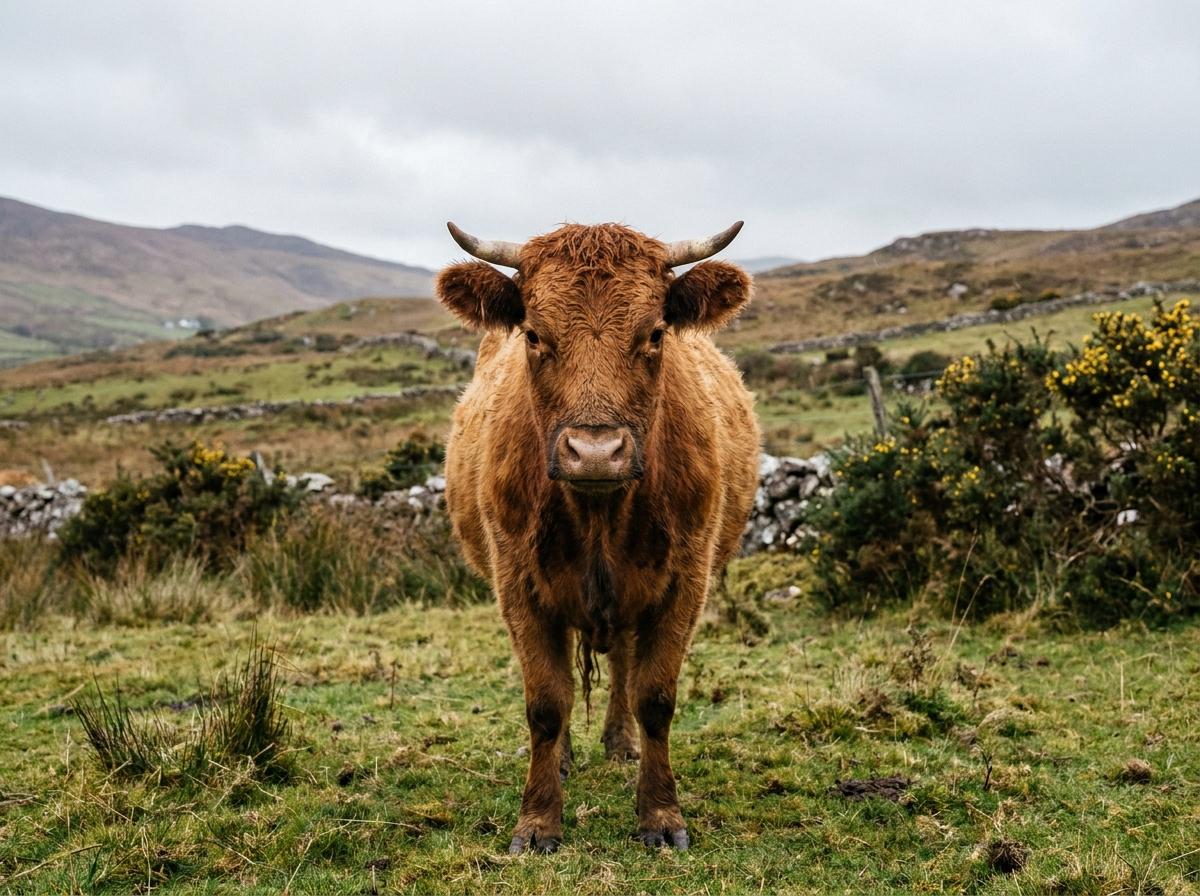
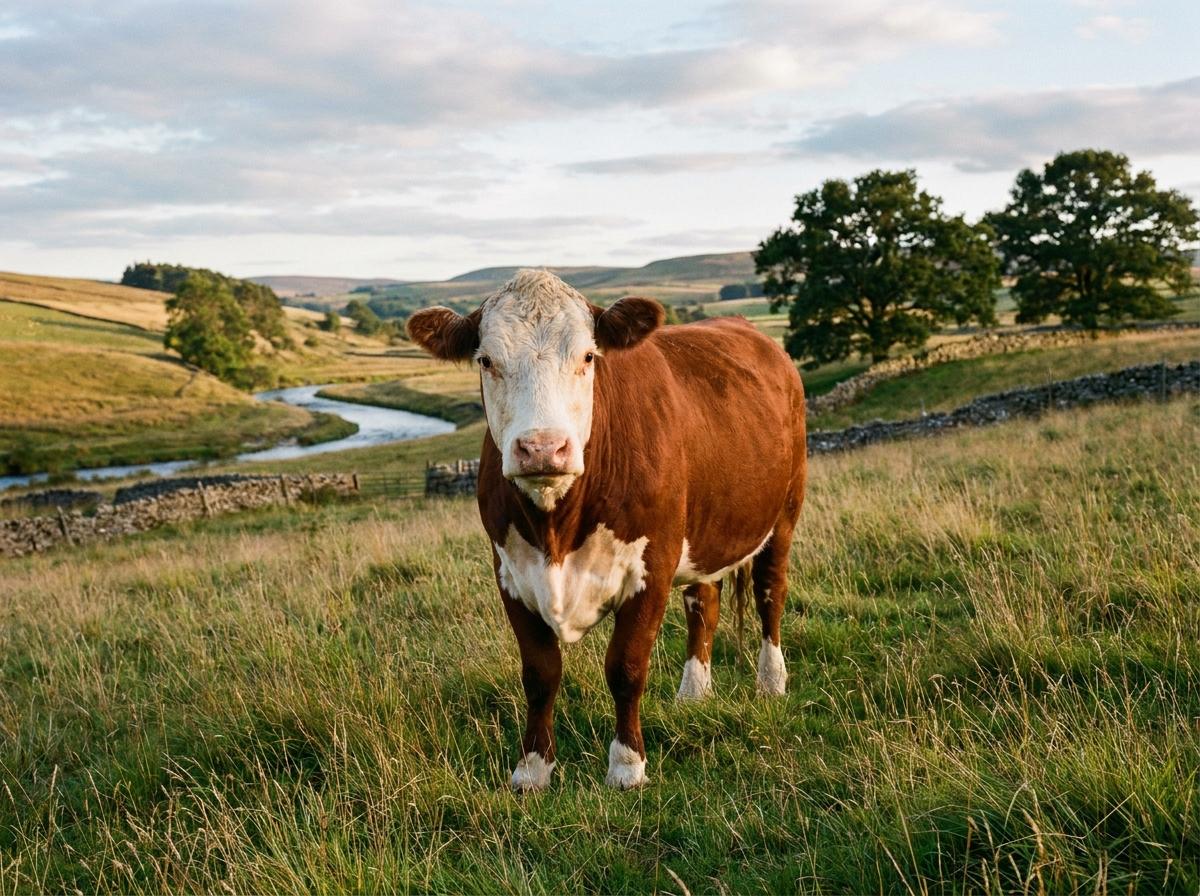
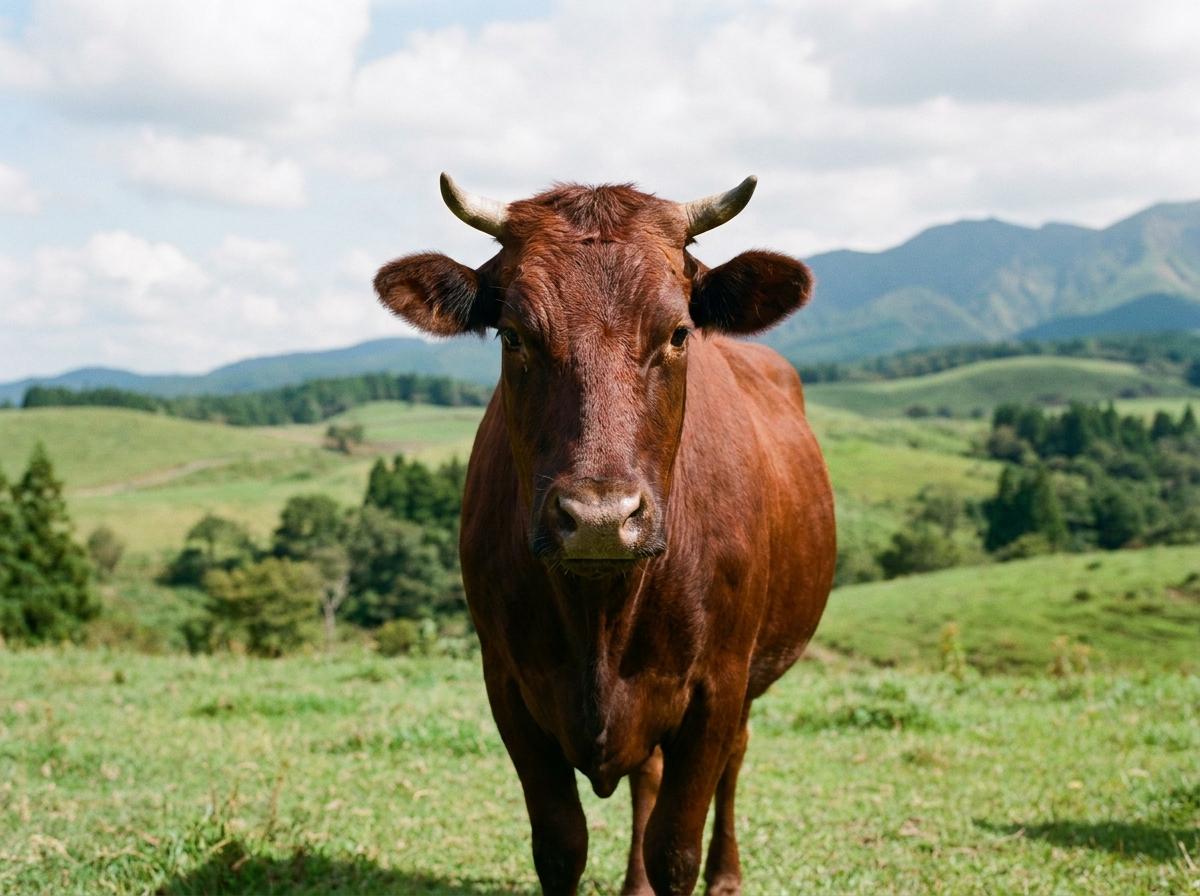
Colors: Belted, Black, Black and White, Blaze Faced, Blue Roan, Brindle, Brockle Faced, Brown, Brown and White, Dun, Gray, Grey, Highbelt, Highpark, Lineback, Mottled, Pied, Red, Red and White, Red Roan, Riggit, Roan, Silver, Solid Black, Solid Red, Solid White, Speckled, Spotted, White, White Faced, Yellow