Buša
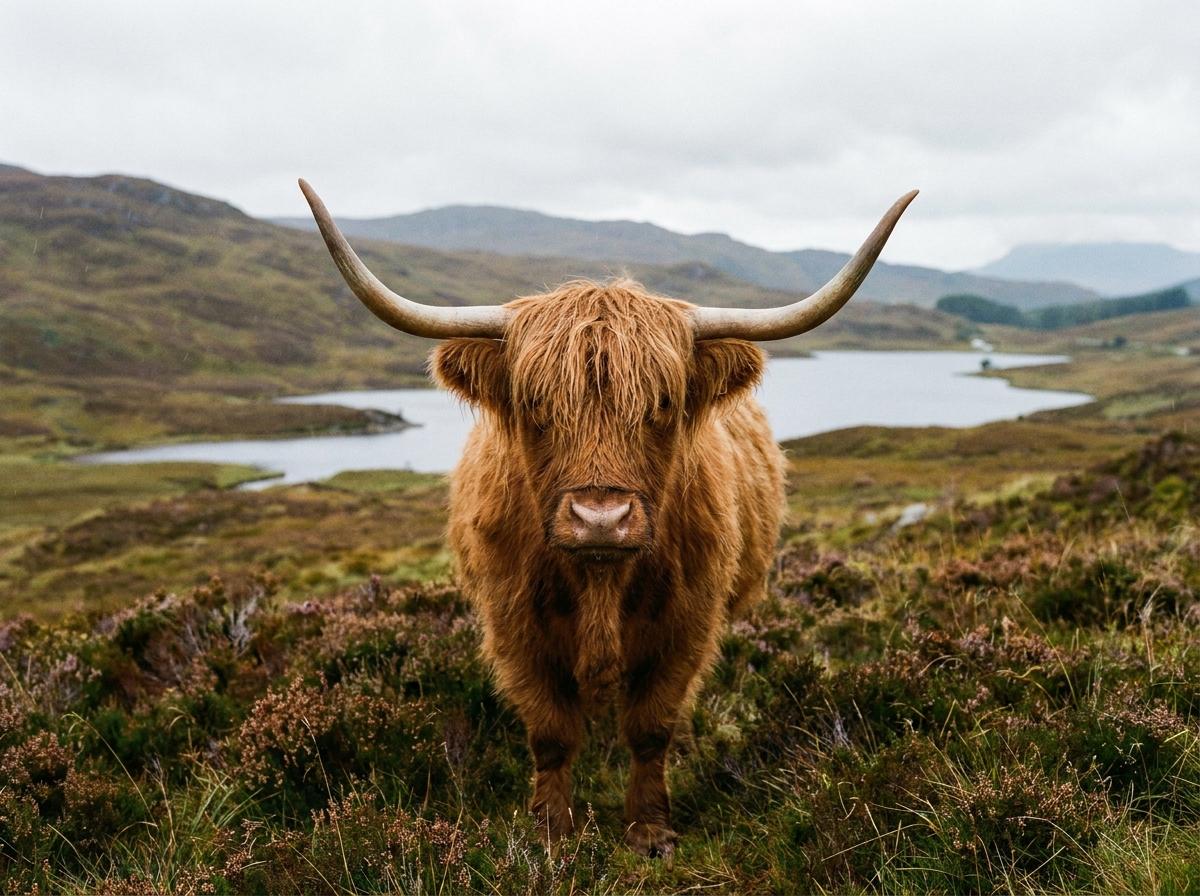
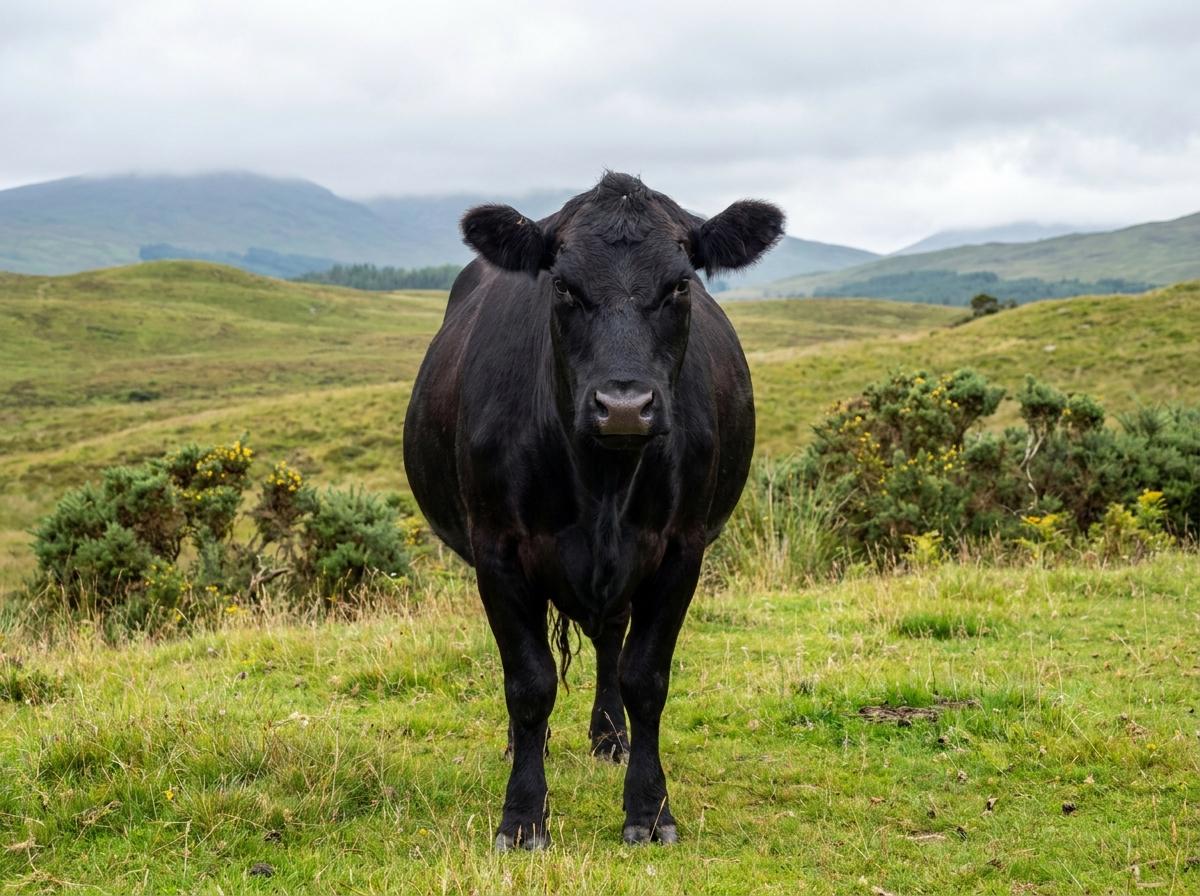
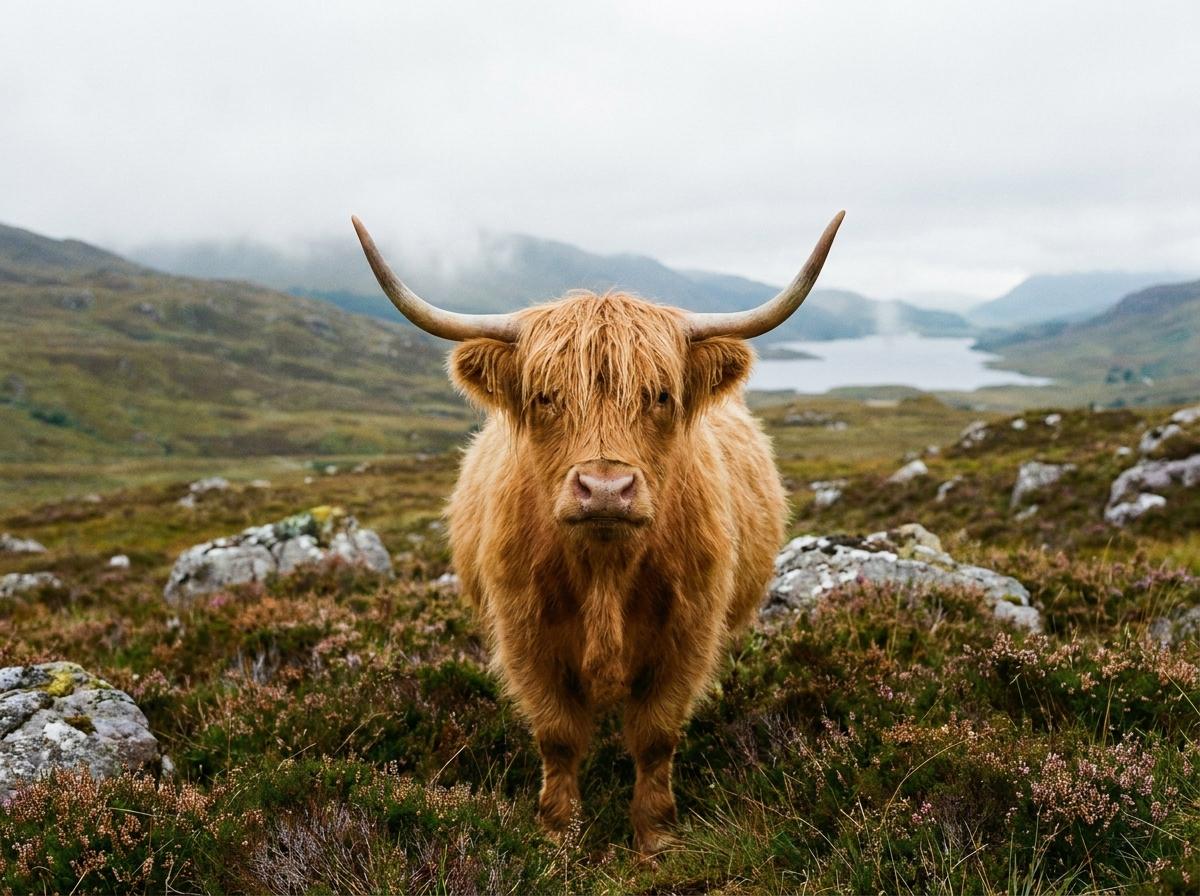
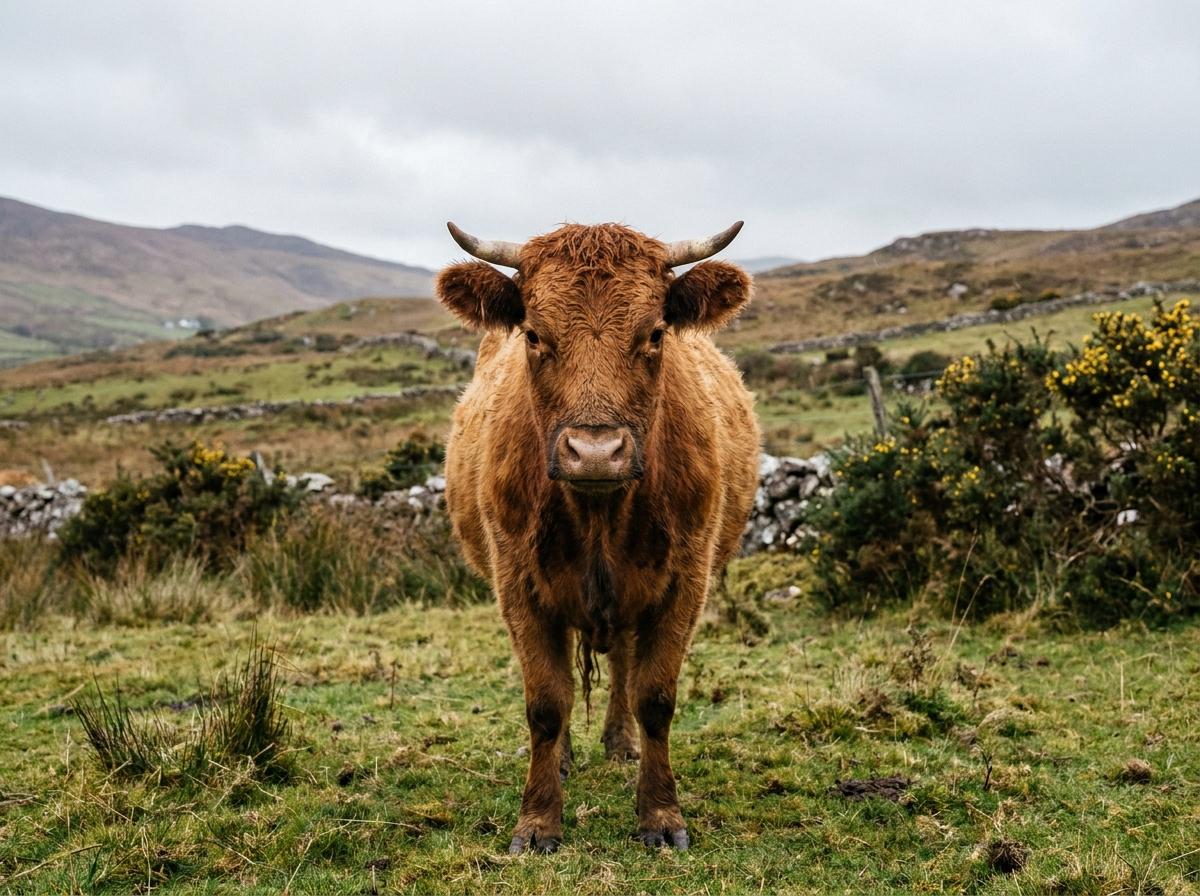
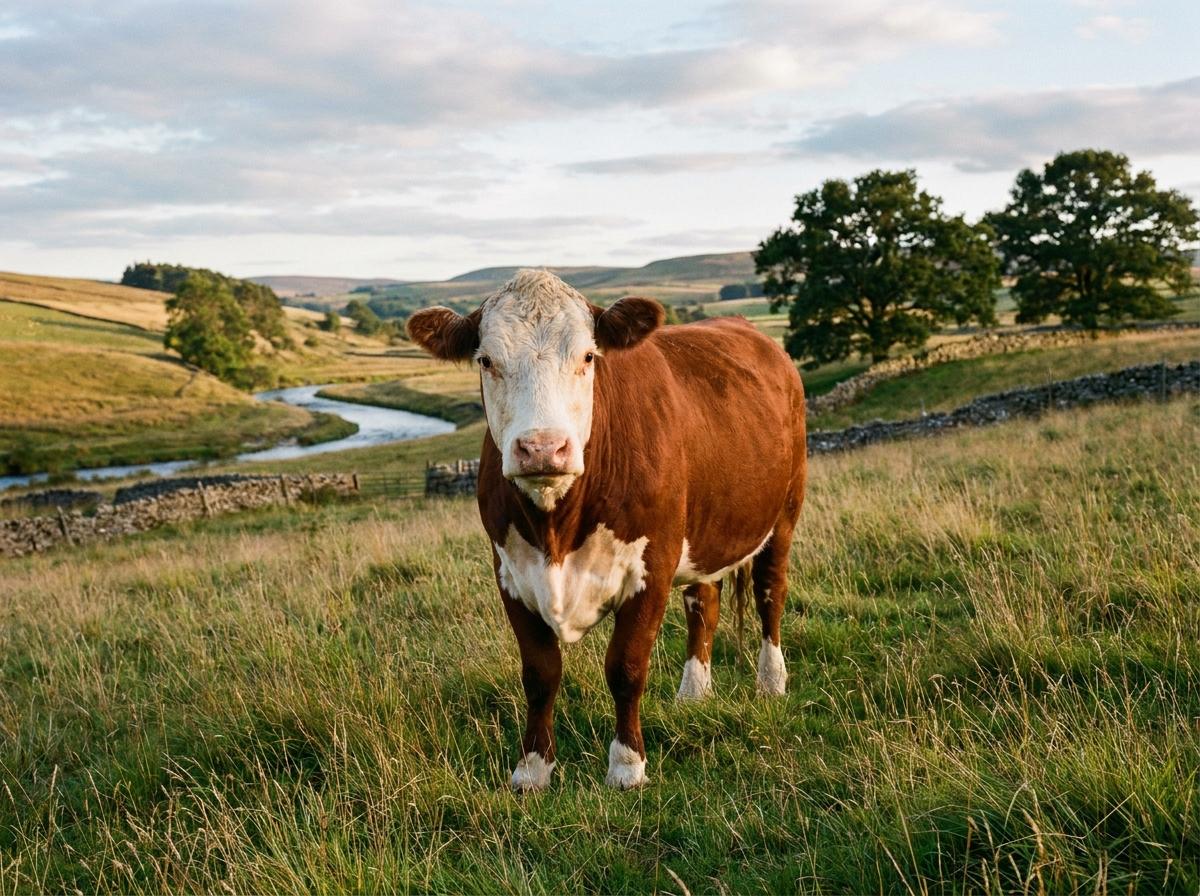
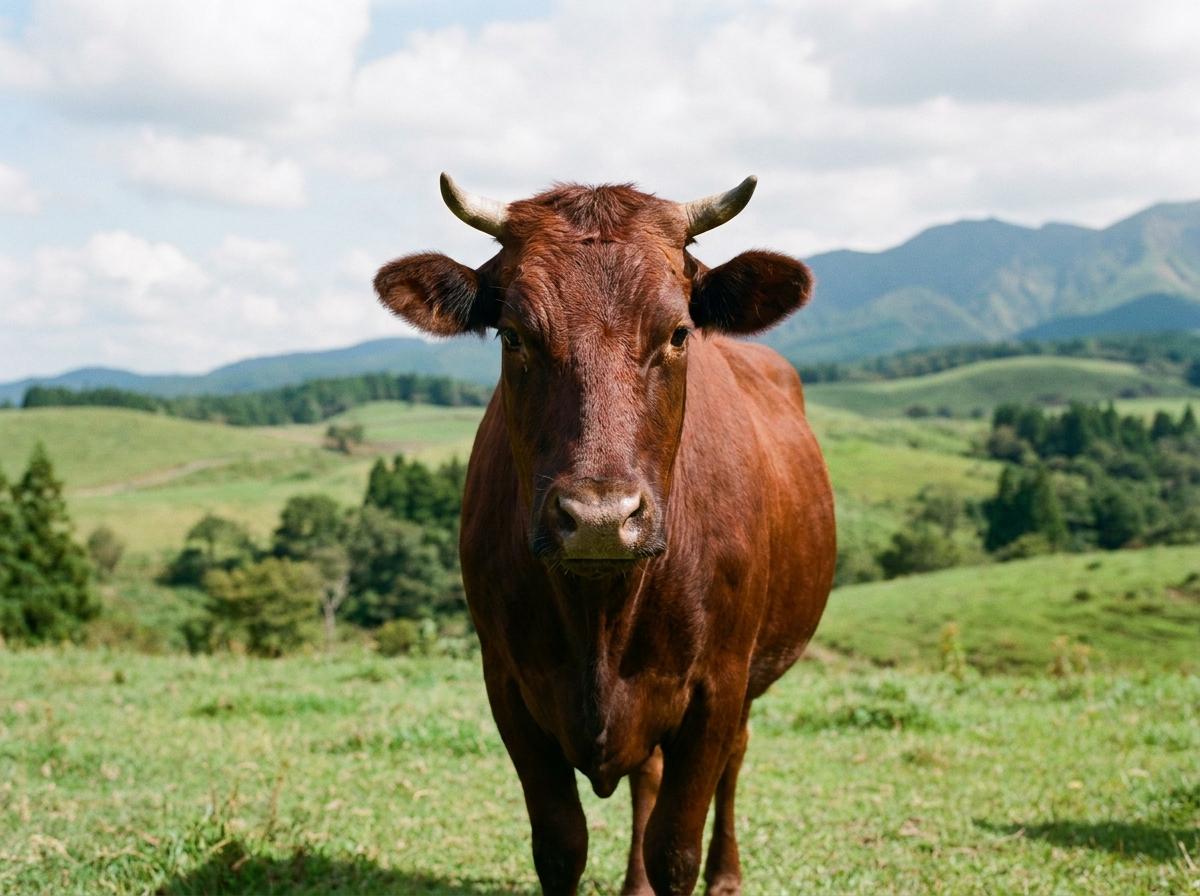
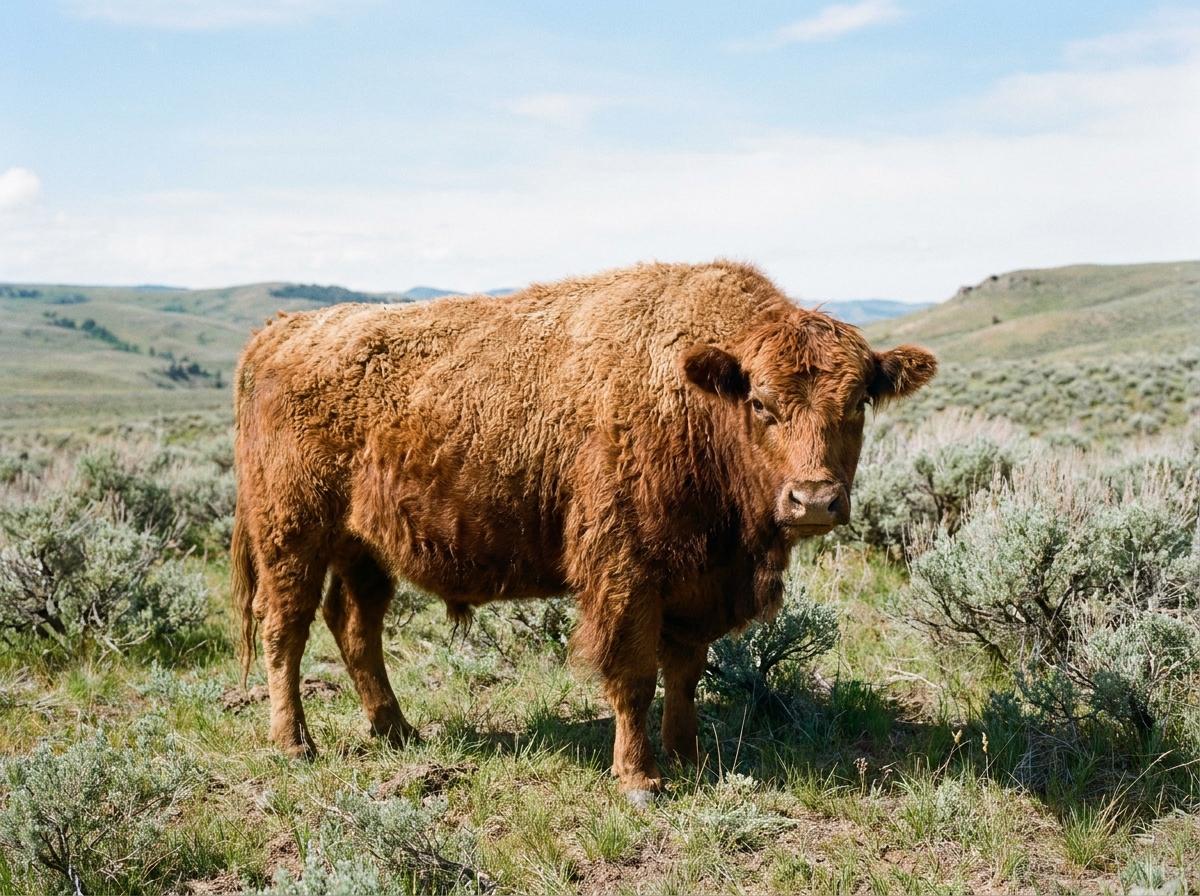
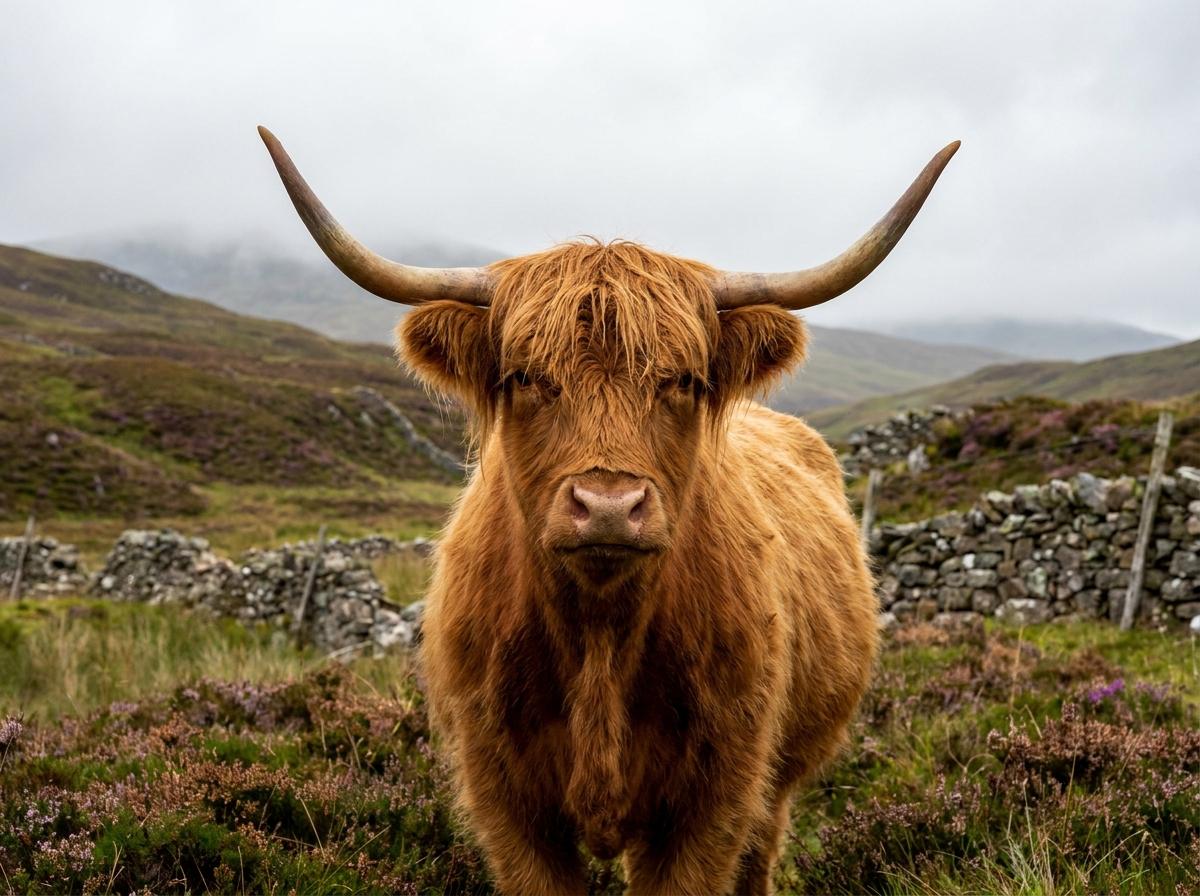
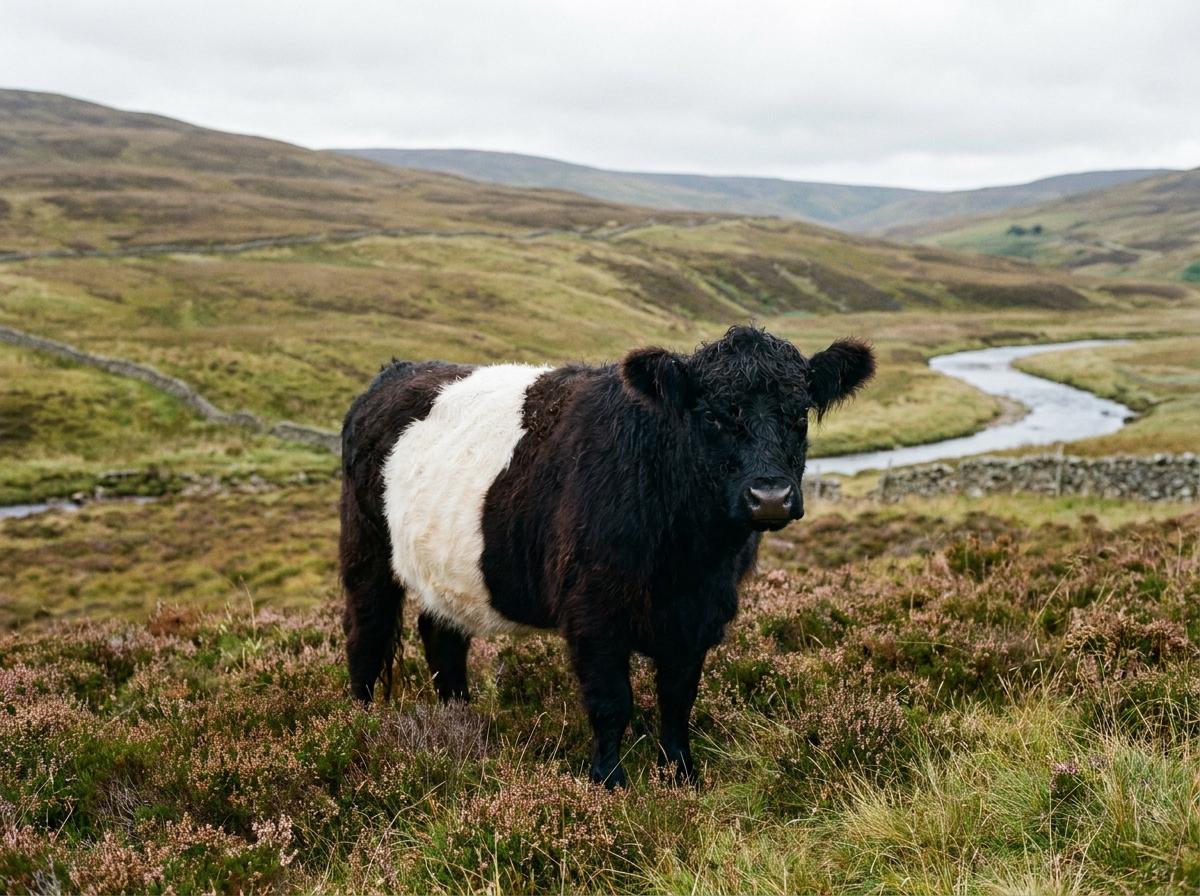
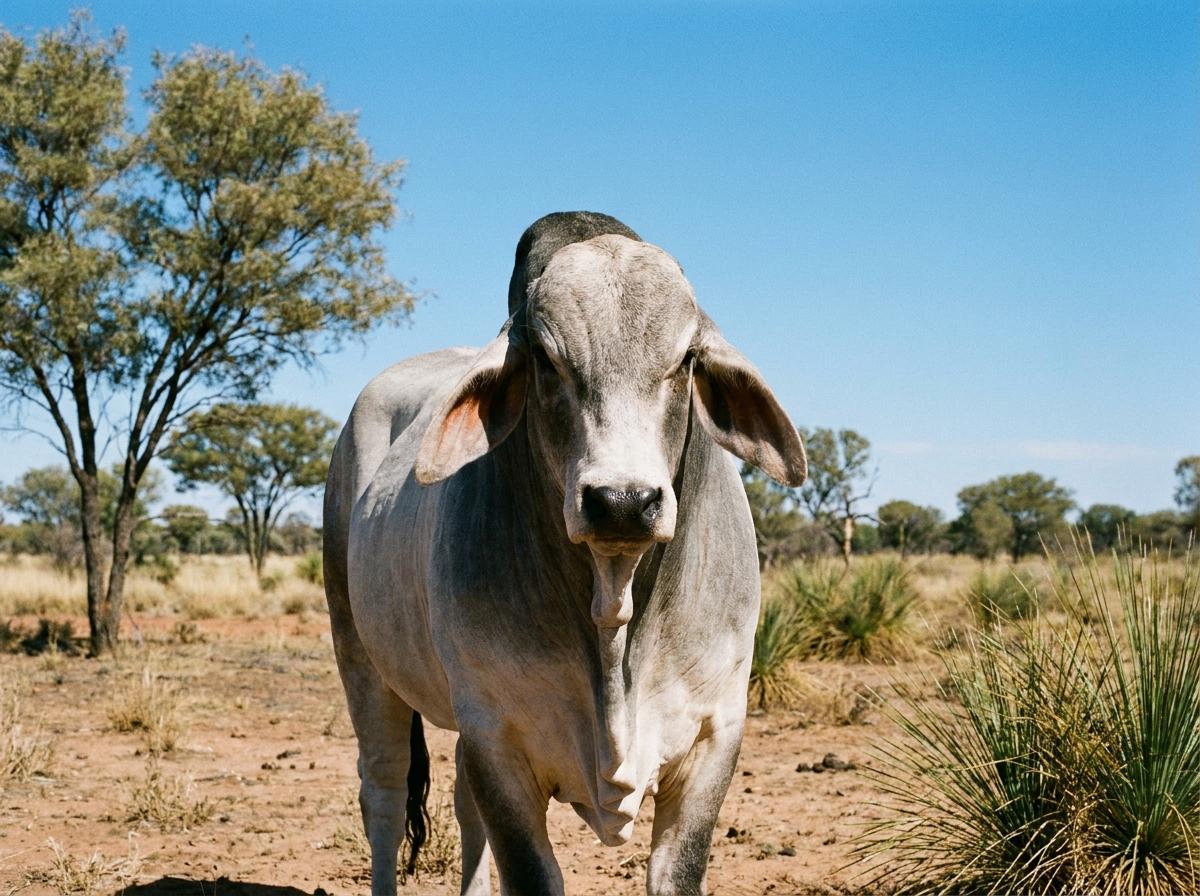
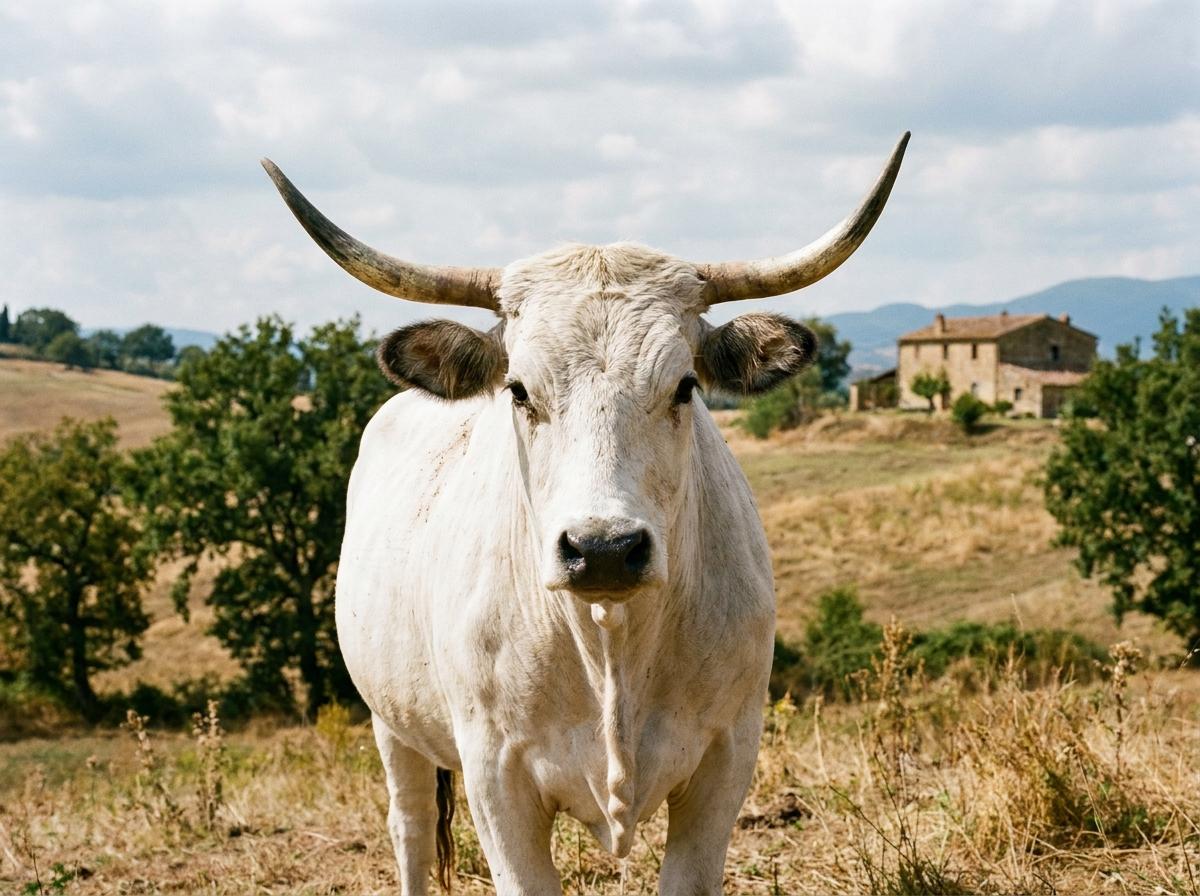
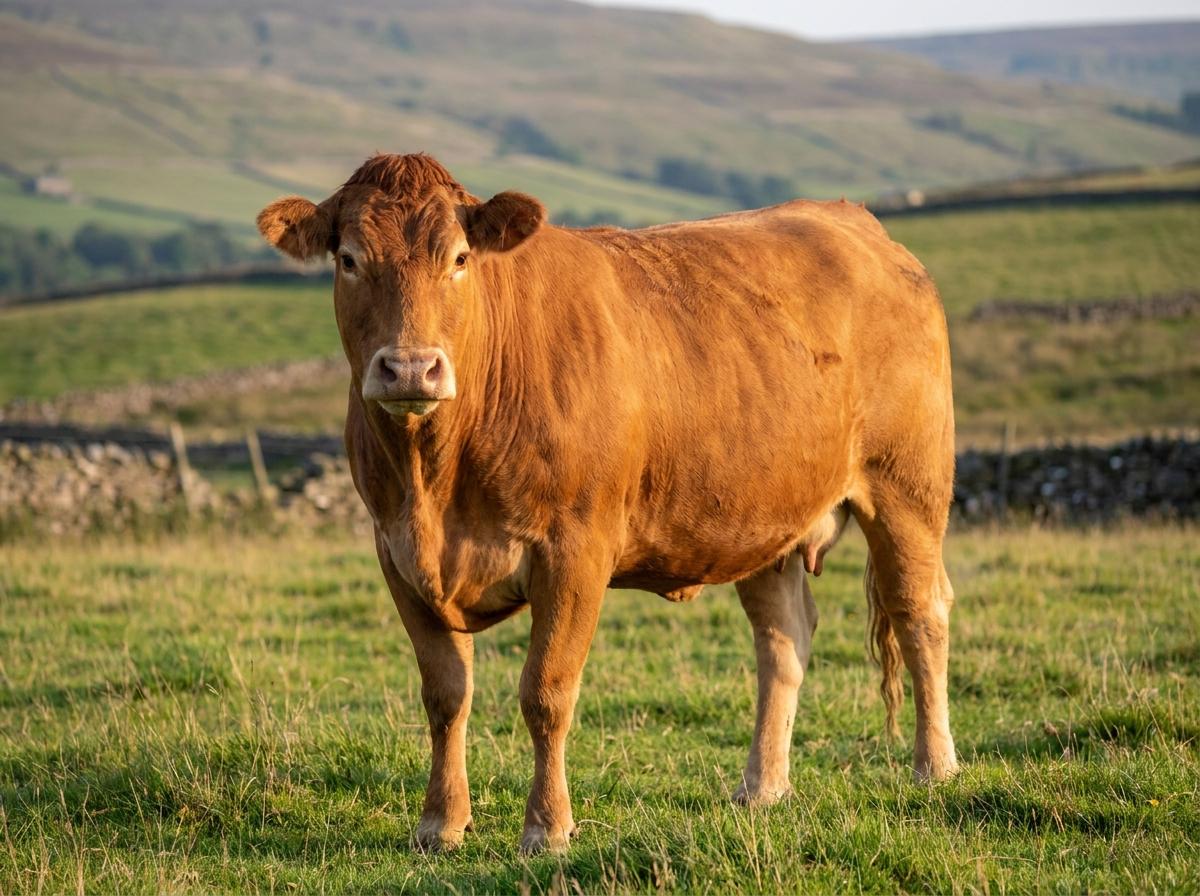
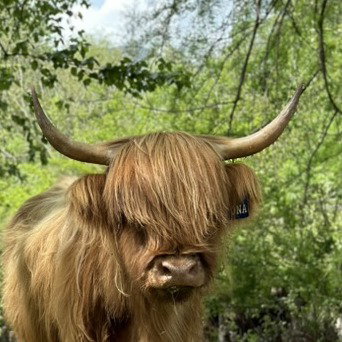
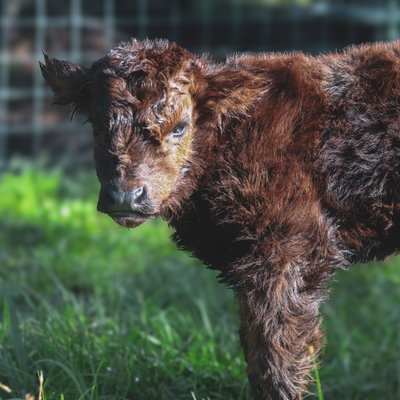
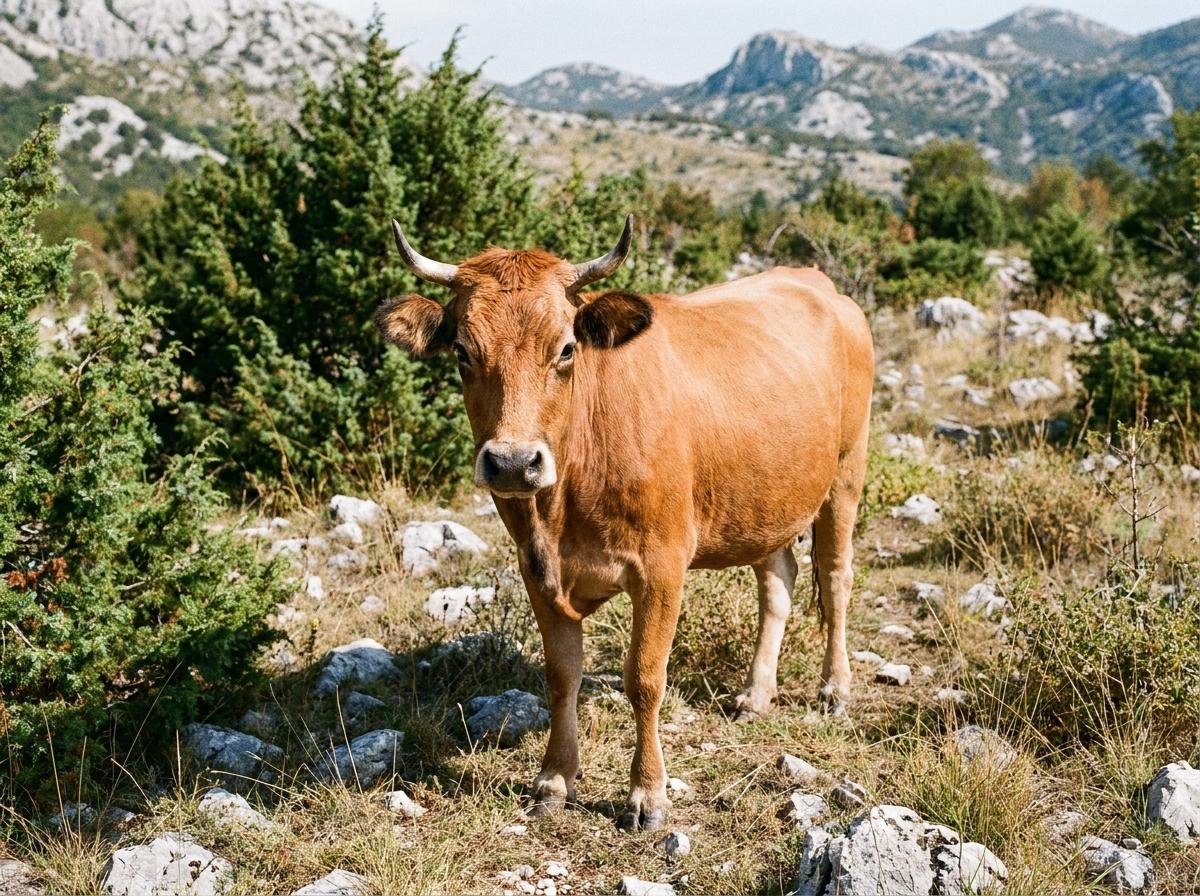
Buša, often written Busha, refers to small native cattle of the Balkans and Dinaric region, with local strains found in countries such as Serbia, Croatia, Bosnia and Herzegovina, Montenegro, North Macedonia, Albania, and Kosovo. It belongs to the old Balkan shorthorn cattle tradition: compact animals with hard feet, short horns, and coats that may be gray, dun, brown, red, or nearly black. Historically they supplied household milk, meat, manure, and light draught power on poor hill farms.
Modern Buša herds are important for conservation grazing, genetic resource programs, and small farms that value adaptation over high output. The cows are not high-volume milkers, but their thriftiness and sure-footedness can be useful where forage is sparse and terrain is steep. Even hardy cattle need secure fencing, mineral access, parasite control, and winter feed when pasture stops growing. Because crossbreeding with larger dairy or beef cattle has reduced pure populations, breeders usually pay close attention to local type and documented ancestry.
Colors: Belted, Black, Black and White, Blaze Faced, Blue Roan, Brindle, Brockle Faced, Brown, Brown and White, Dun, Gray, Grey, Highbelt, Highpark, Lineback, Mottled, Pied, Red, Red and White, Red Roan, Riggit, Roan, Silver, Solid Black, Solid Red, Solid White, Speckled, Spotted, White, White Faced, Yellow