

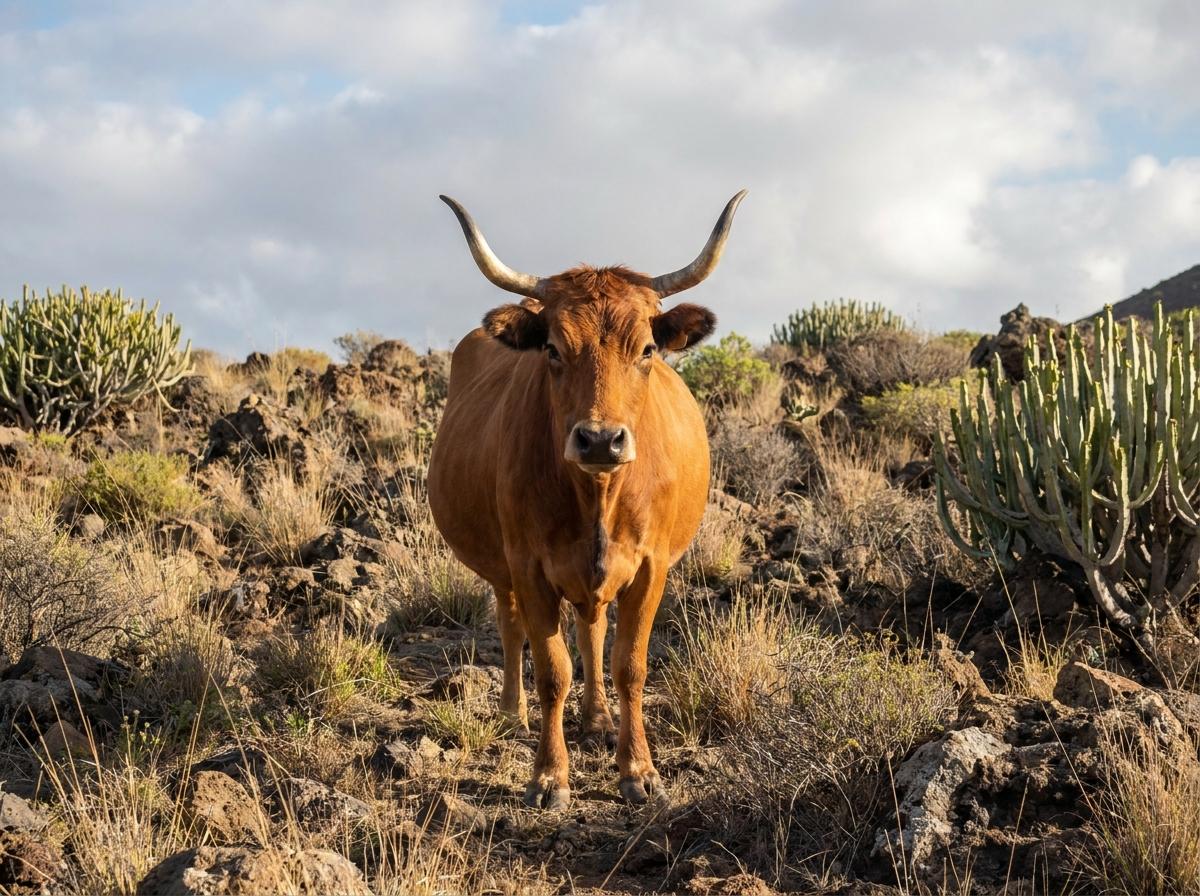
Canaria
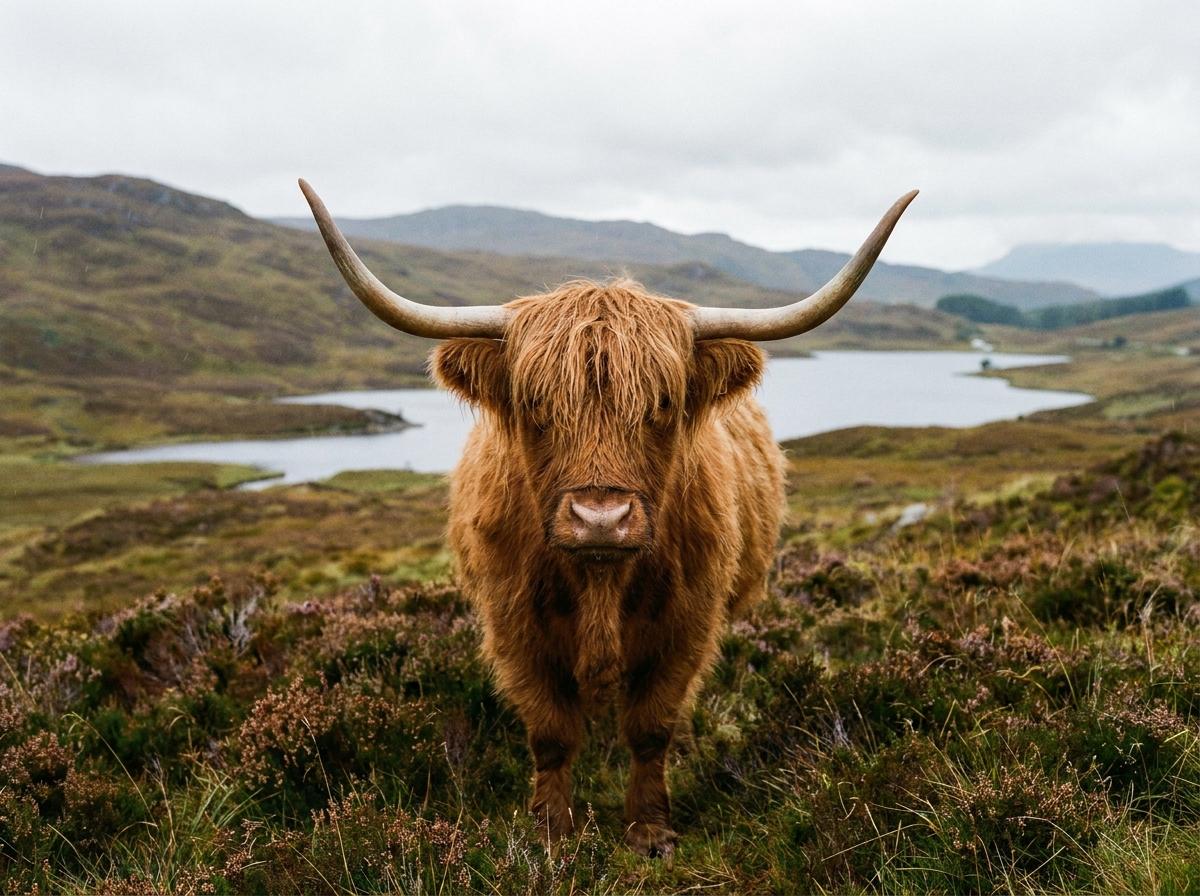
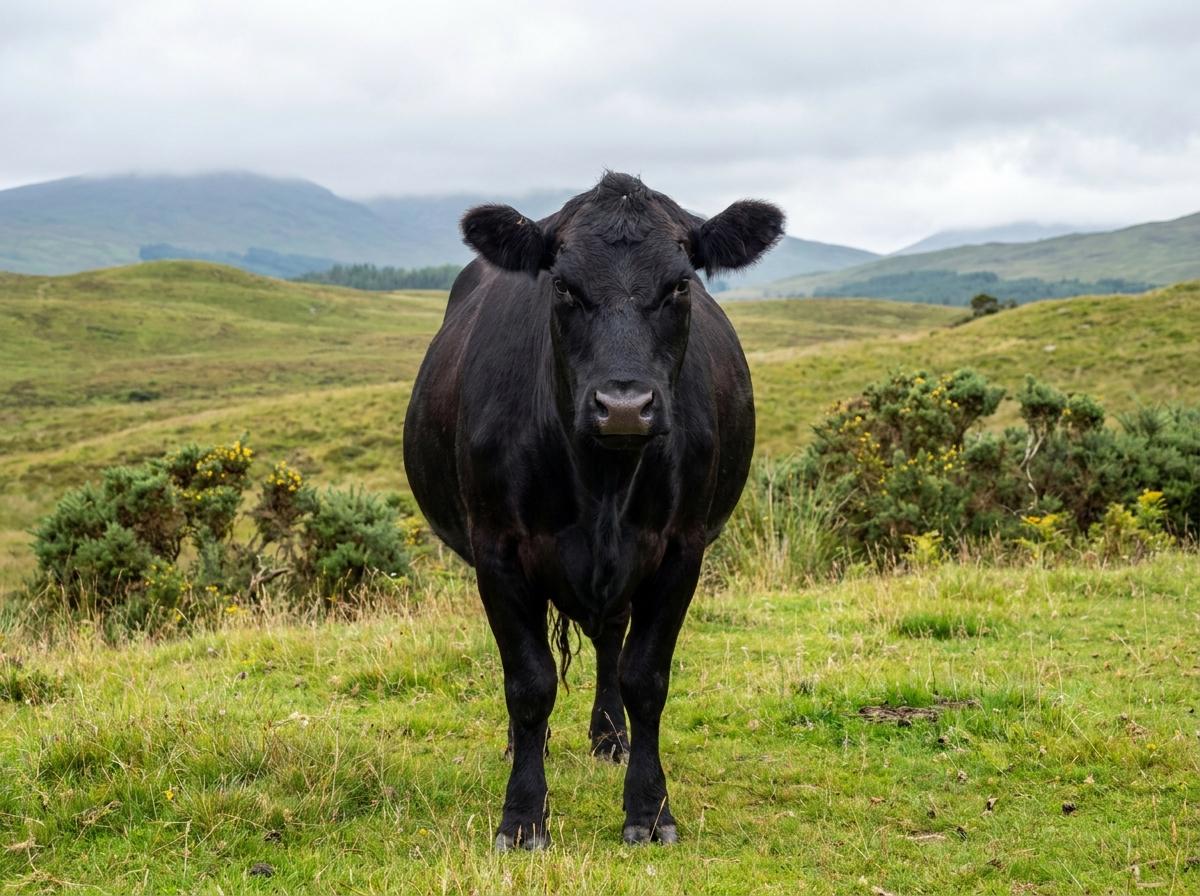
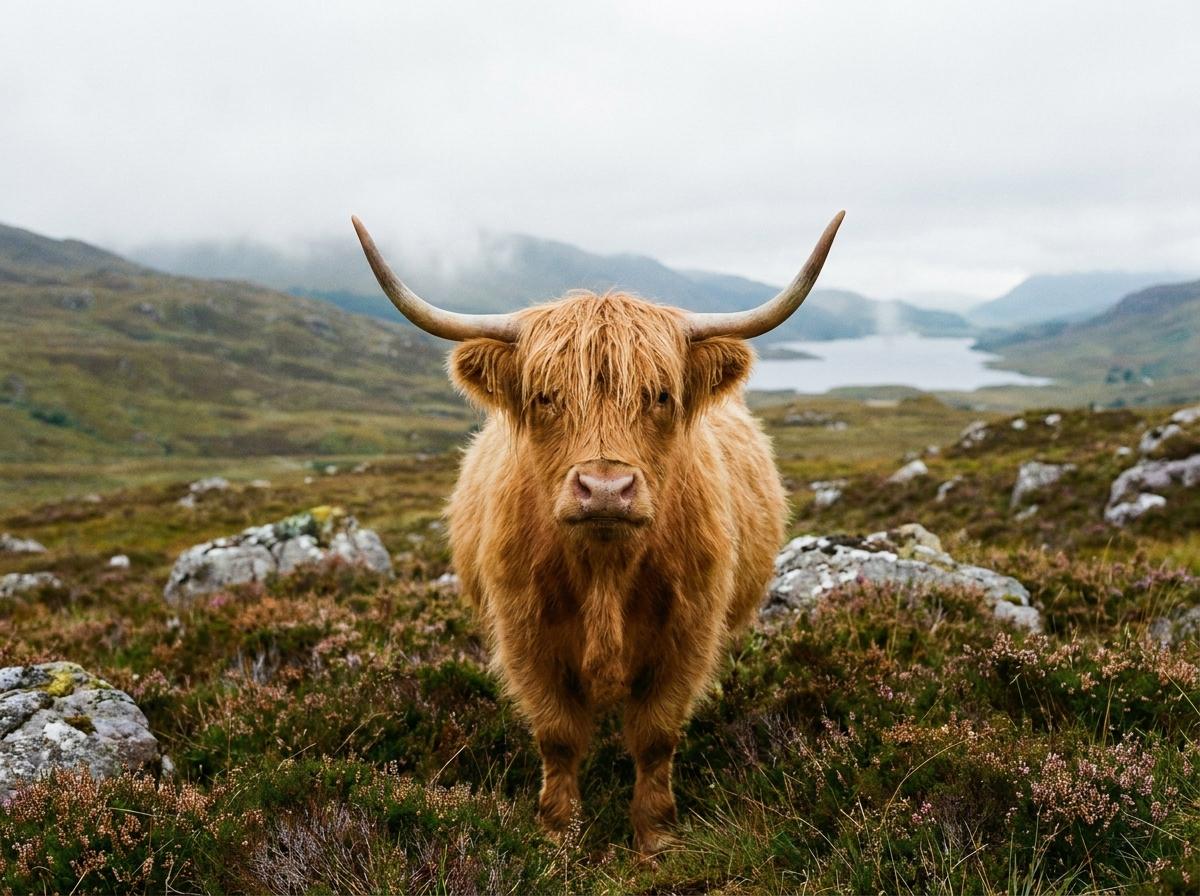
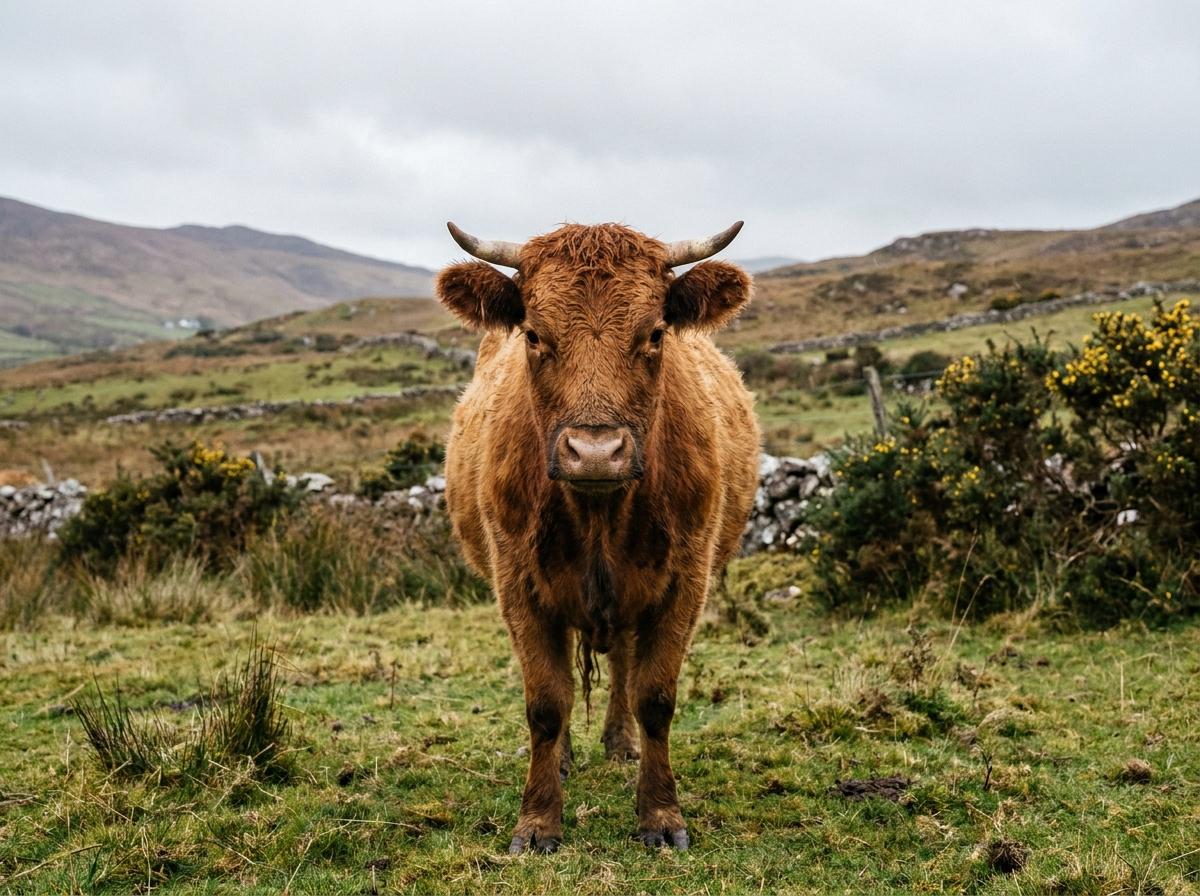
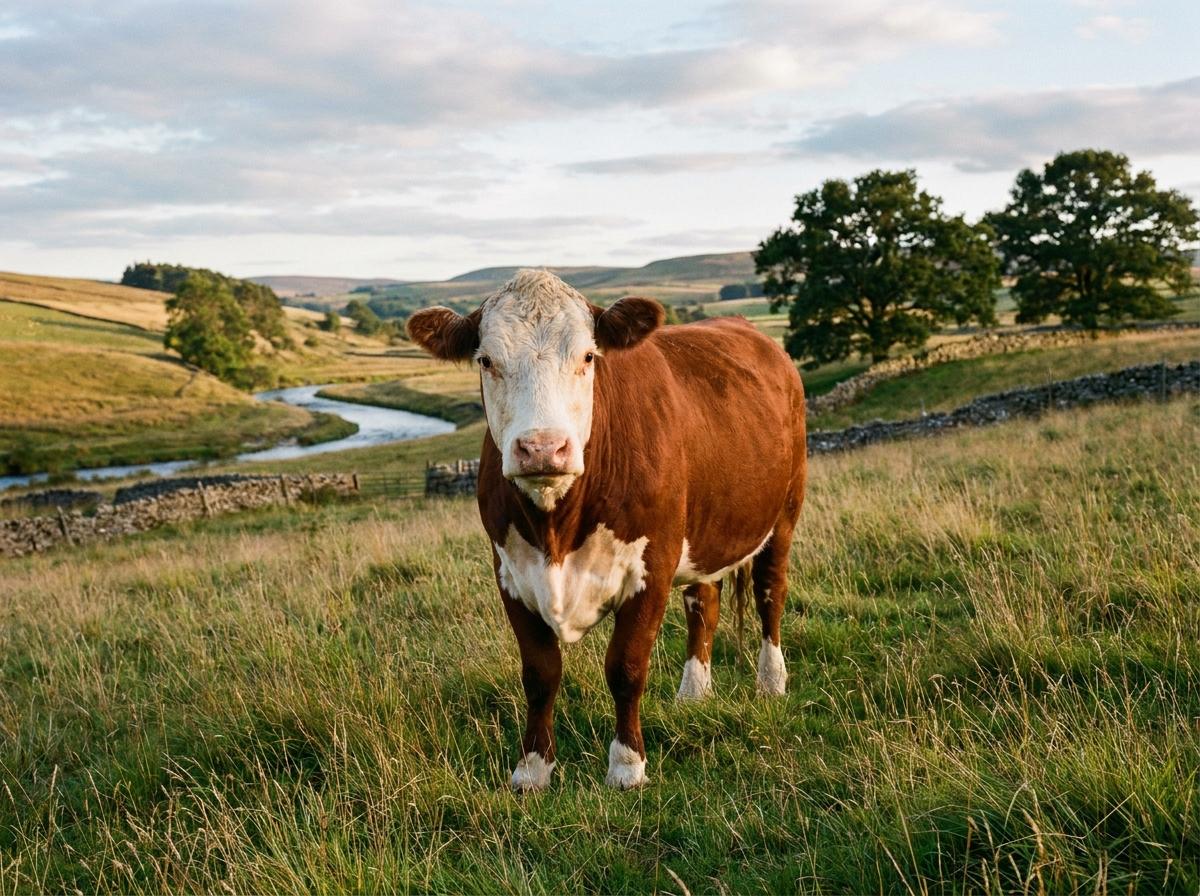
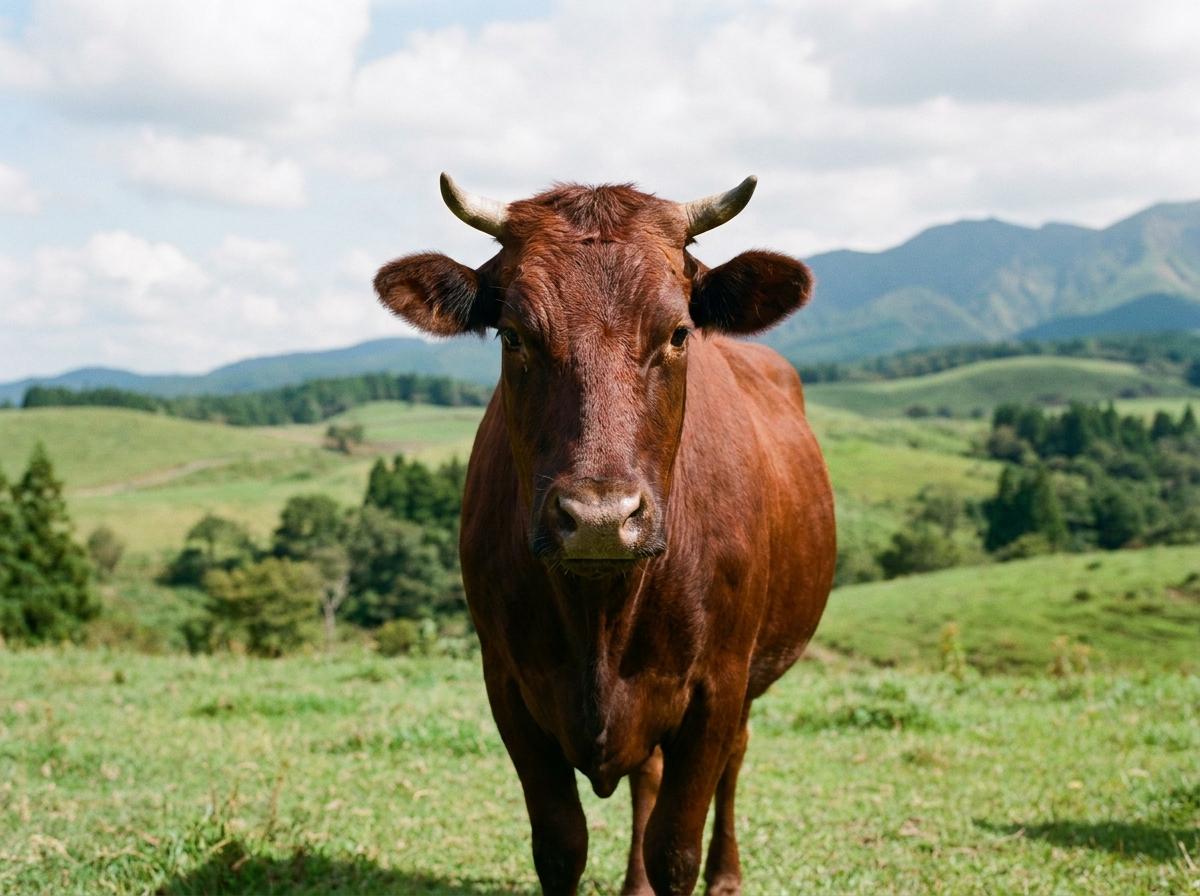
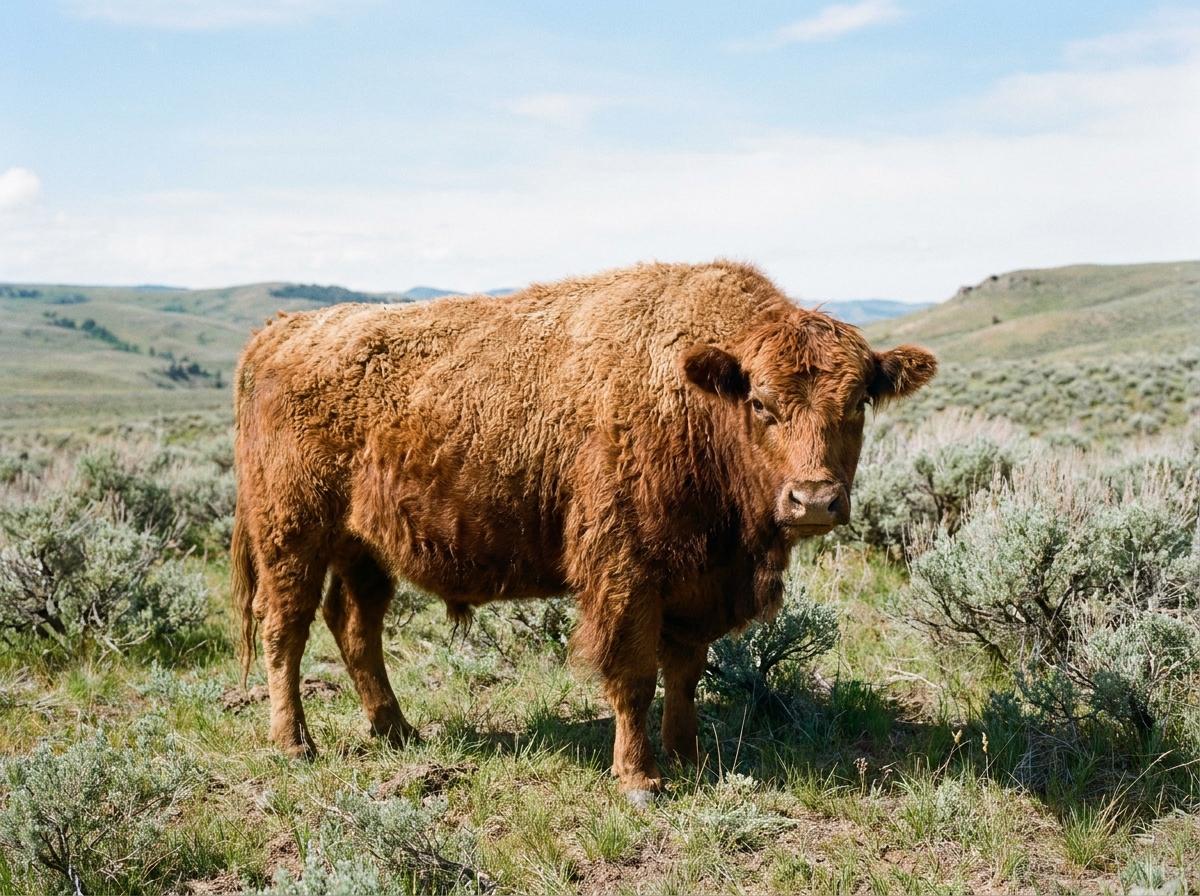
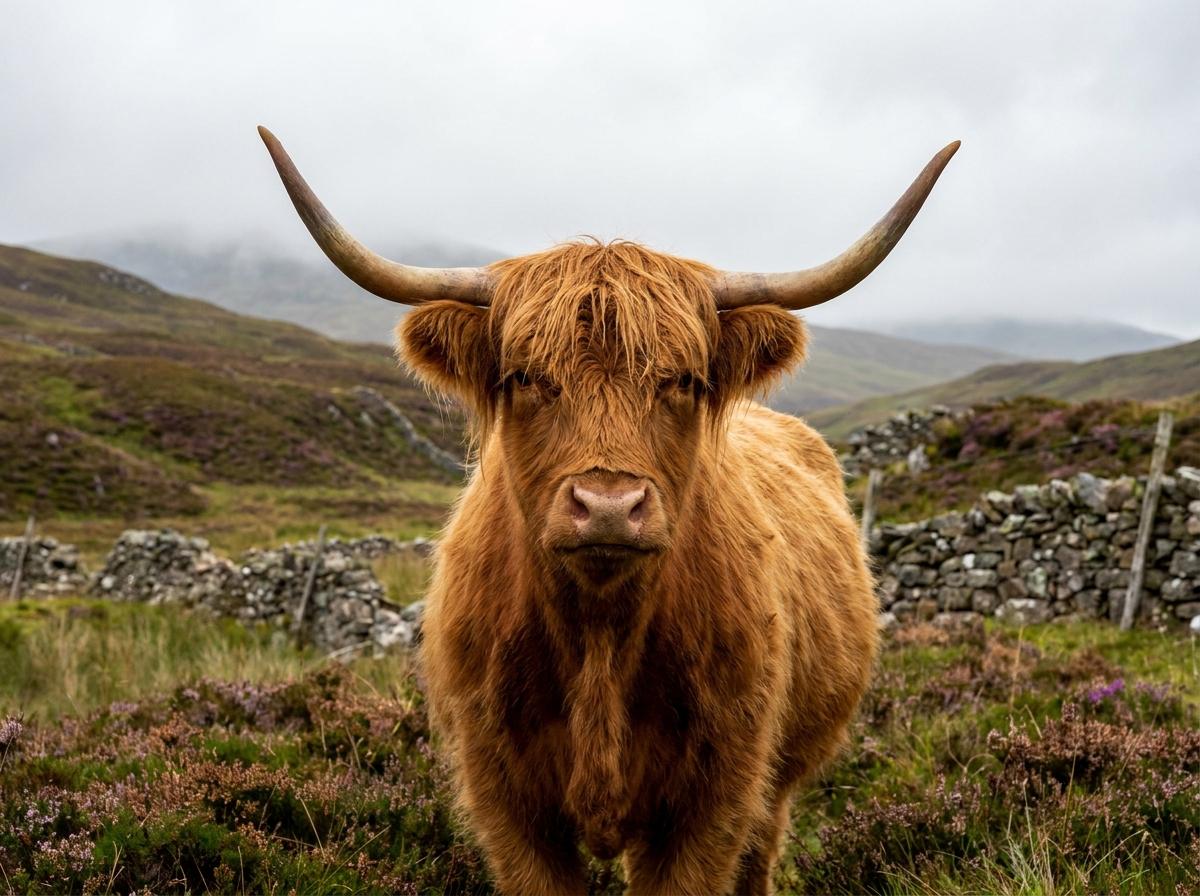
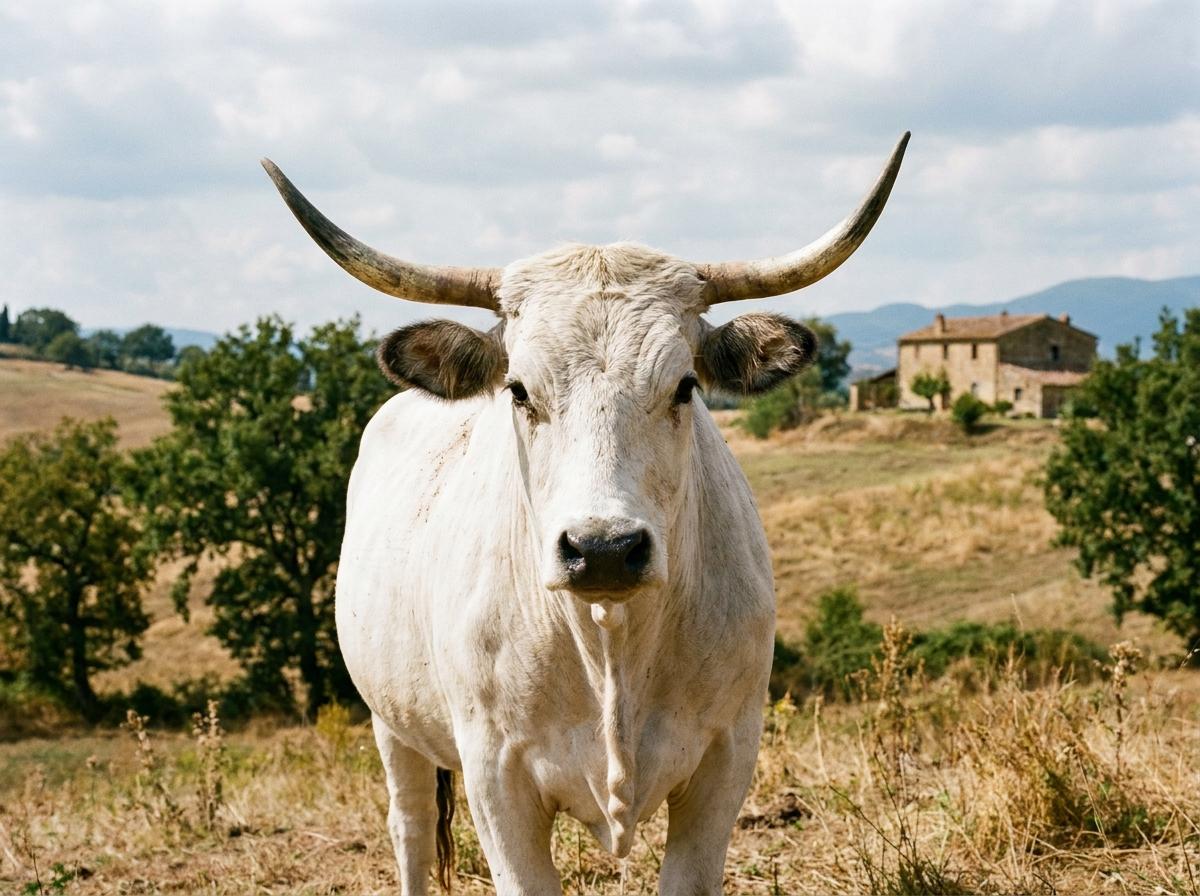
Canaria cattle are traditional domestic cattle of the Canary Islands, where they developed under island farming conditions that demanded strength, heat tolerance, and the ability to work on steep or fragmented land. They are often described as solid, medium to large framed cattle with pale, blond, red, or brown tones depending on line and locality. Historically they were valued for draught work, milk, manure, and meat, making them central to mixed farms before tractors replaced much of their field labor.
The breed remains important in cultural displays, local farming, and conservation herds, including the Canary tradition of cattle pulling contests. Management is usually small-scale and hands-on, with attention to shade, water, hoof care on hard ground, and enough forage during dry periods. Breeders working with Canaria cattle often balance traditional type with practical traits such as temperament, working ability, fertility, and calf growth. As with many island breeds, preserving locally adapted bloodlines is a major part of responsible breeding.
Colors: Belted, Black, Black and White, Blaze Faced, Blue Roan, Brindle, Brockle Faced, Brown, Brown and White, Dun, Gray, Grey, Highbelt, Highpark, Lineback, Mottled, Pied, Red, Red and White, Red Roan, Riggit, Roan, Silver, Solid Black, Solid Red, Solid White, Speckled, Spotted, White, White Faced, Yellow