




Costeño Con Cuernos
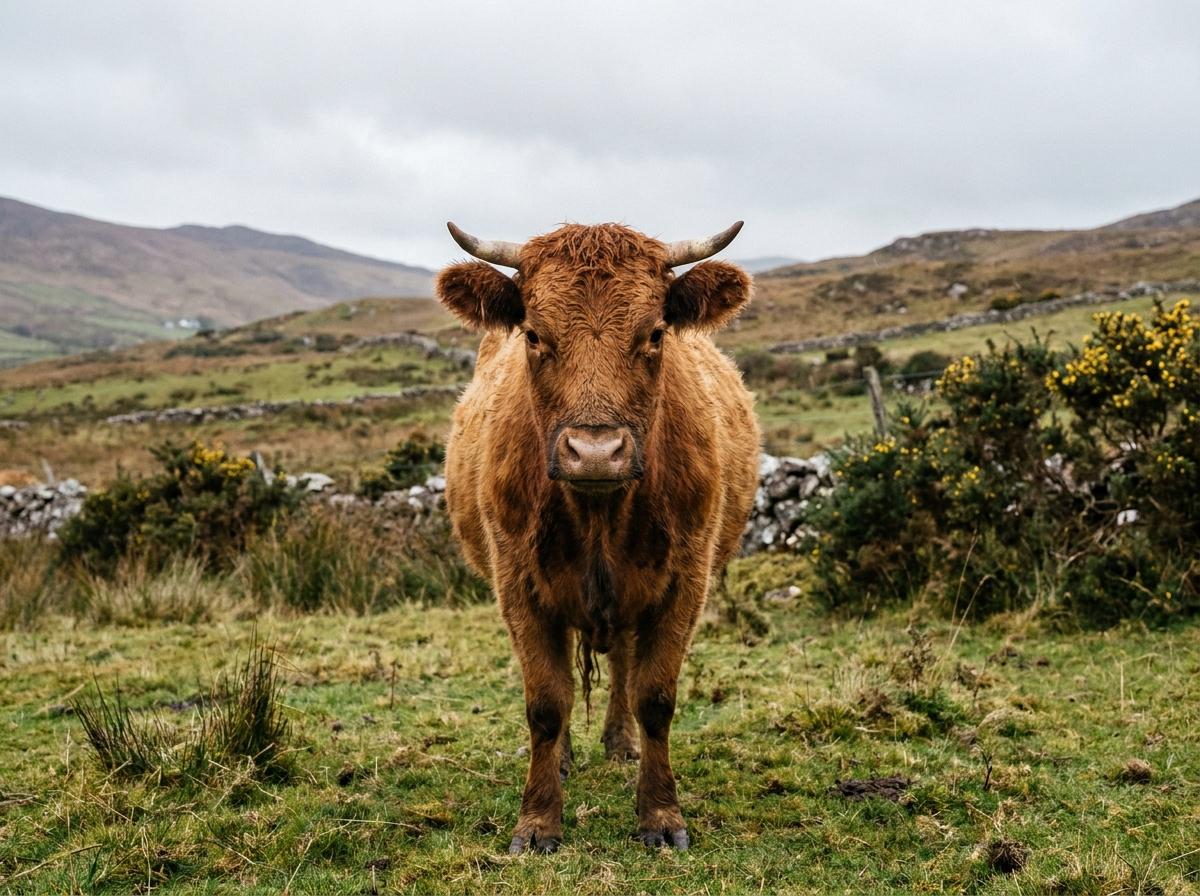
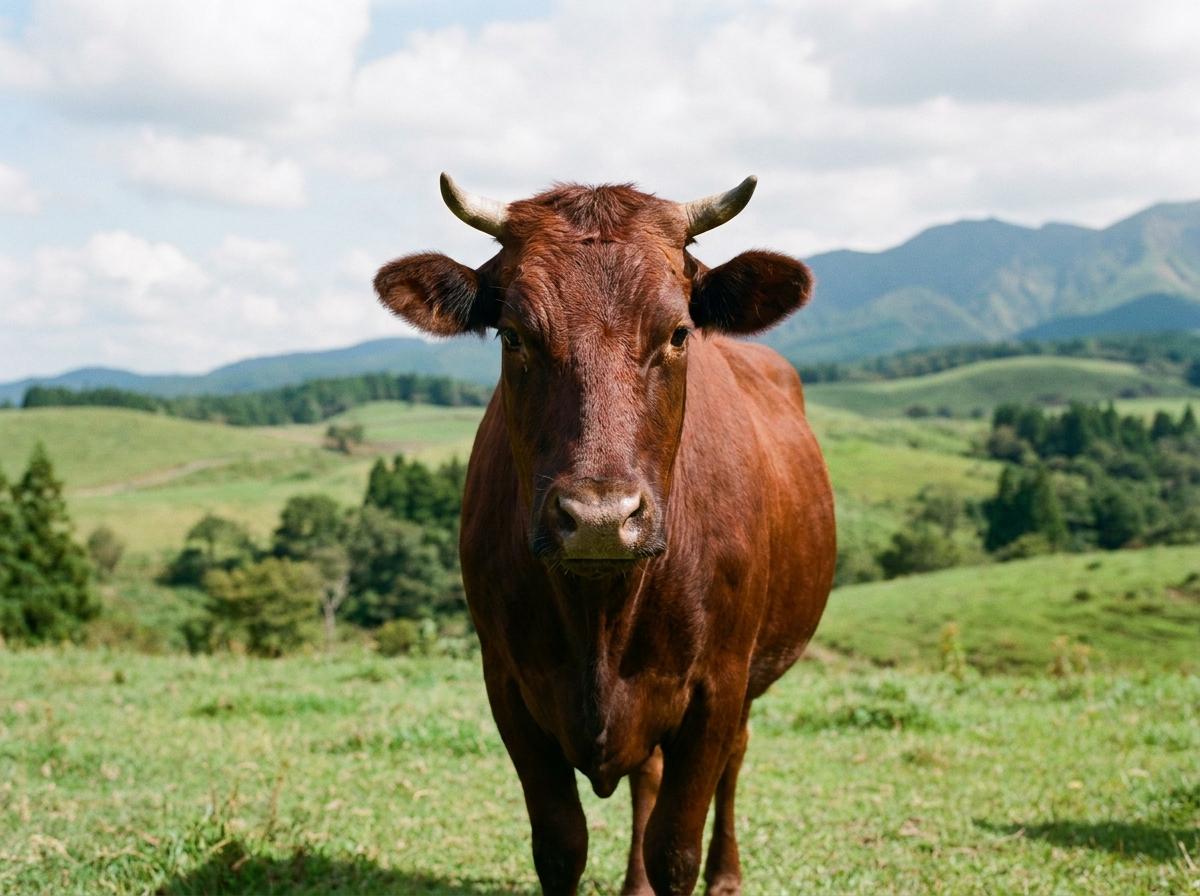
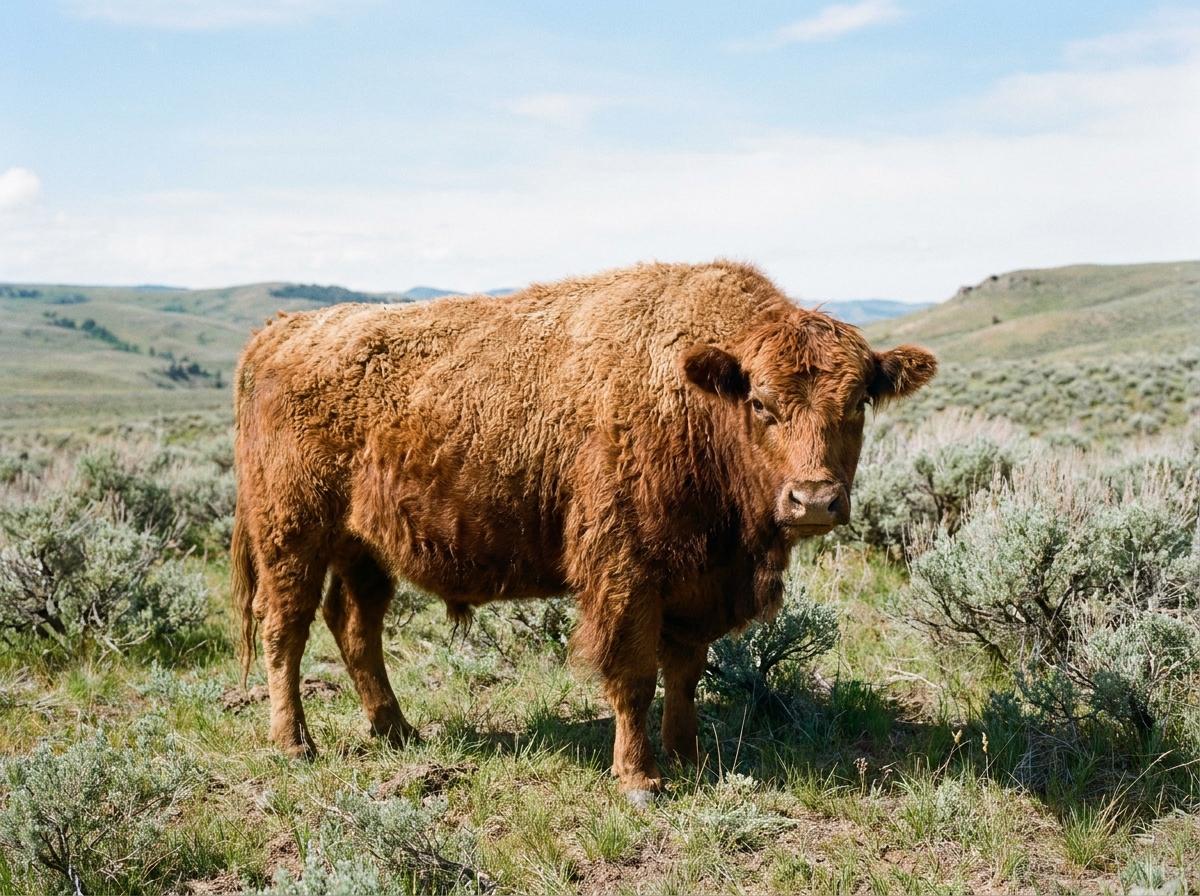
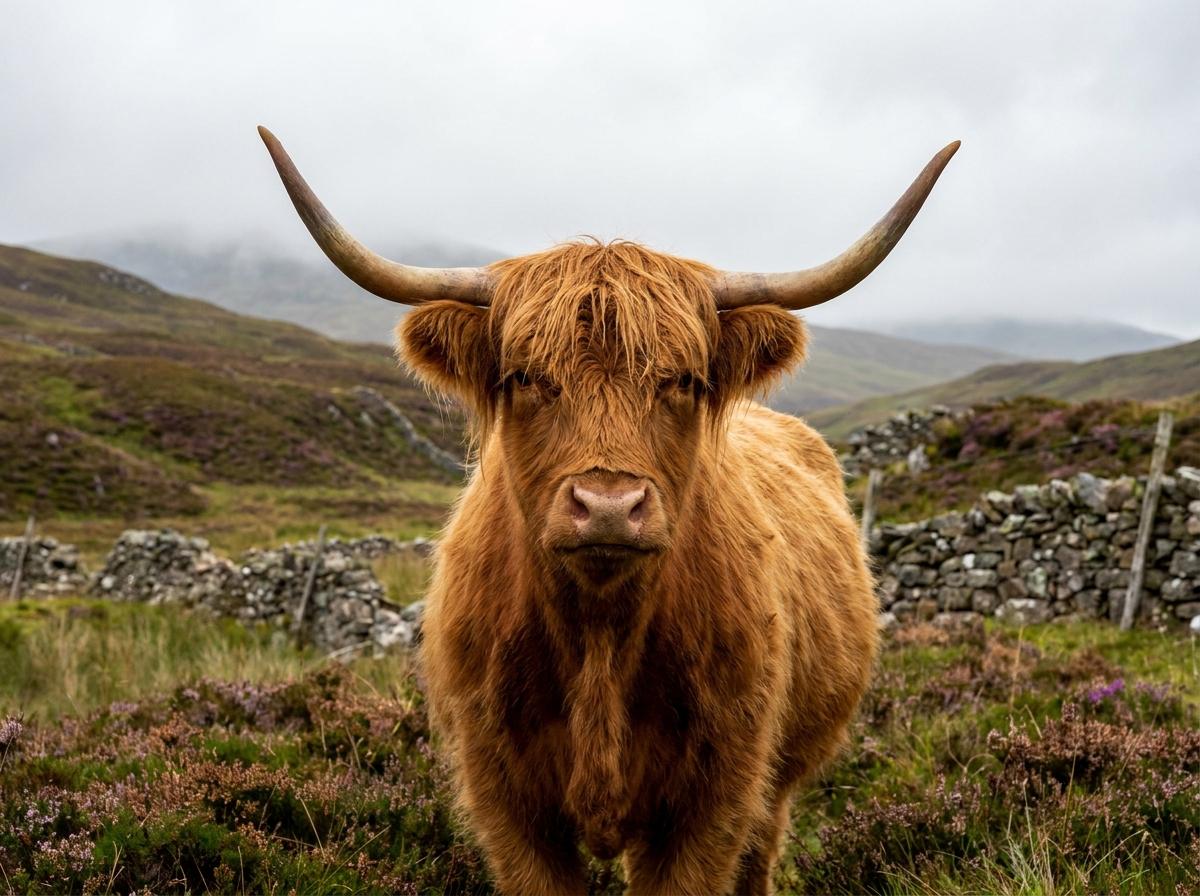
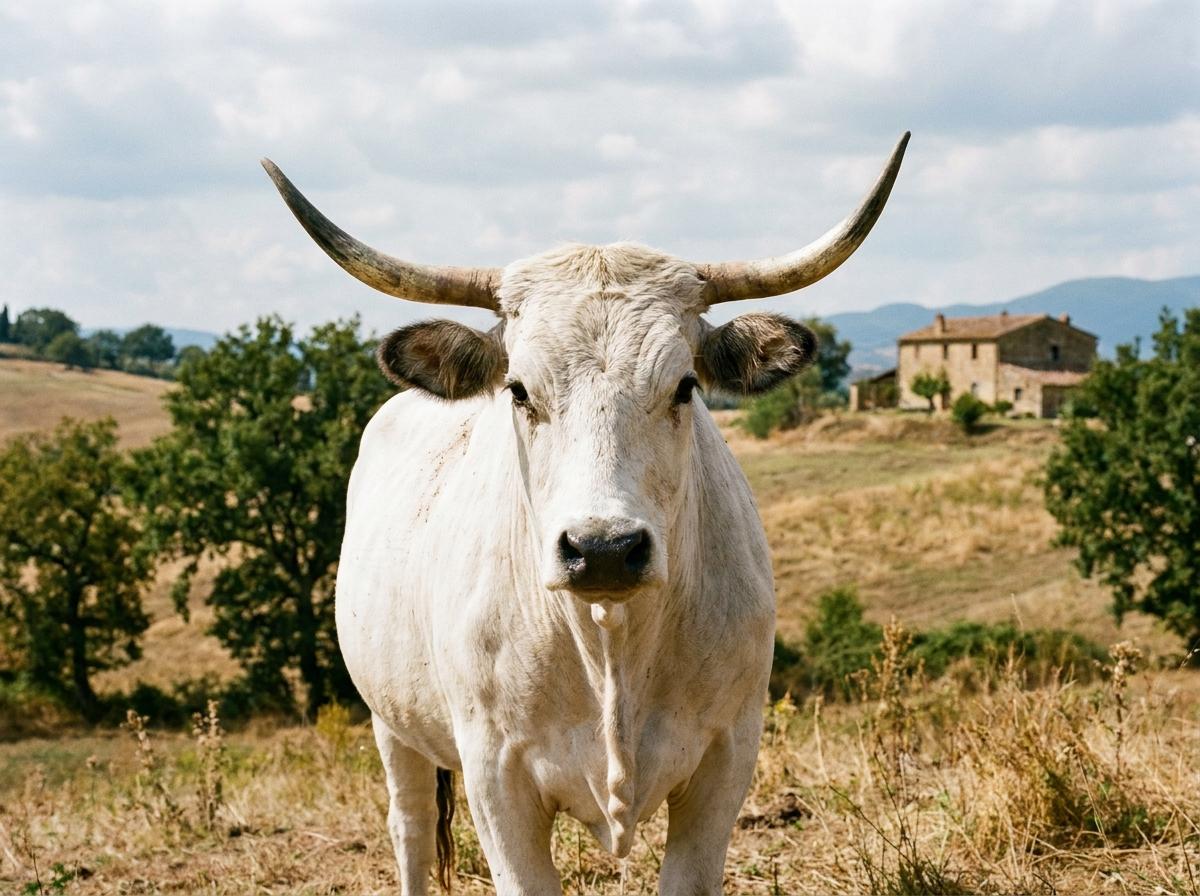
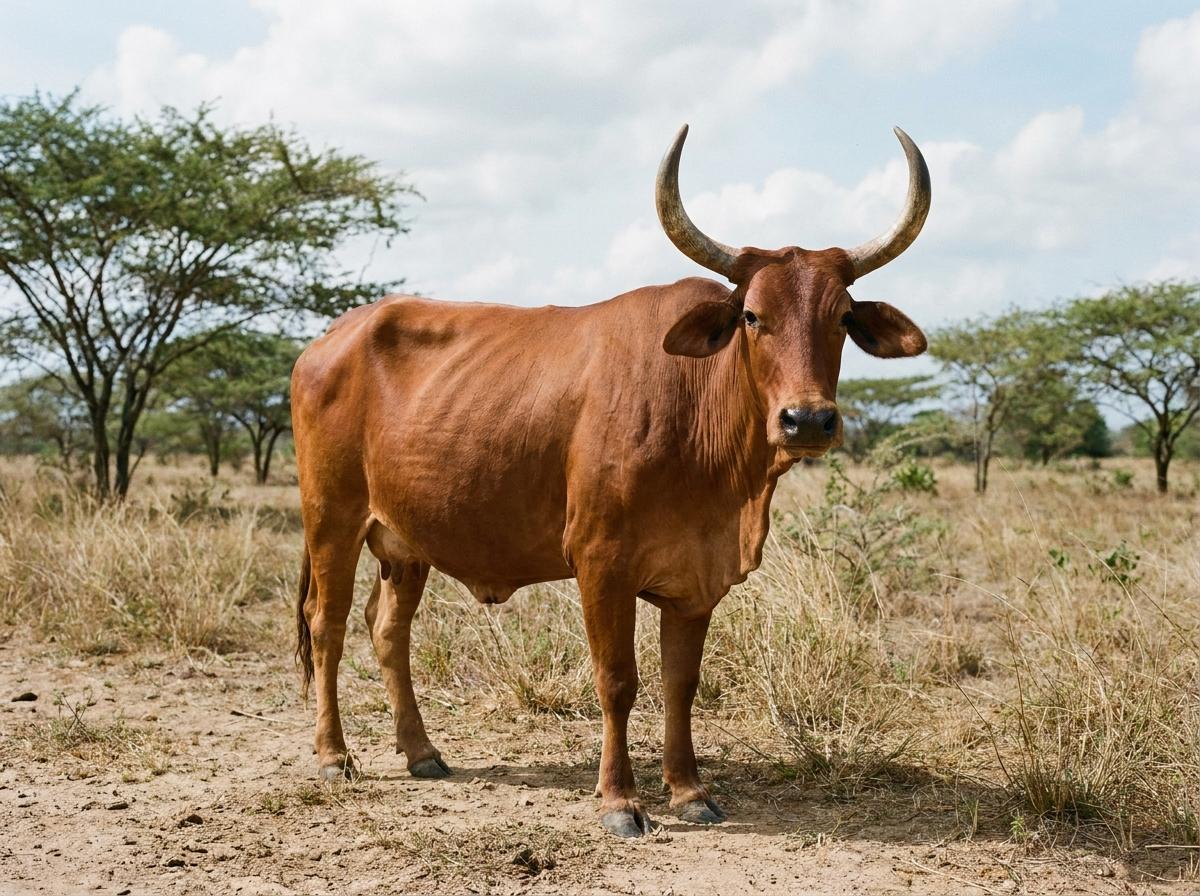
Costeño con Cuernos cattle, often abbreviated CCC, are a Colombian Criollo breed from the Caribbean coastal lowlands. The name means coastal with horns, distinguishing them from the polled Romosinuano of a related region. Descended largely from Iberian cattle introduced to the Americas, they developed under heat, humidity, seasonal forage, and disease pressure. Animals are medium sized, horned, and commonly red, yellowish, or brownish, although shade and markings vary. The breed is valued for tropical adaptation, fertility, mothering ability, and useful milk and beef performance under conditions where temperate dairy or beef breeds may need more inputs.
For farmers and conservation herds, Costeño con Cuernos cattle are most relevant in grazing systems that prize resilience over extreme output. They may be used pure, as a genetic resource, or in crossbreeding to add heat tolerance and reproductive efficiency to local herds. Horns influence pen design and handling, especially where calves or mixed groups are worked. Because numbers are limited compared with commercial breeds, maintaining known breeding lines and avoiding indiscriminate crossing are important parts of stewardship.
Colors: Belted, Black, Black and White, Blaze Faced, Blue Roan, Brindle, Brockle Faced, Brown, Brown and White, Dun, Gray, Grey, Highbelt, Highpark, Lineback, Mottled, Pied, Red, Red and White, Red Roan, Riggit, Roan, Silver, Solid Black, Solid Red, Solid White, Speckled, Spotted, White, White Faced, Yellow