

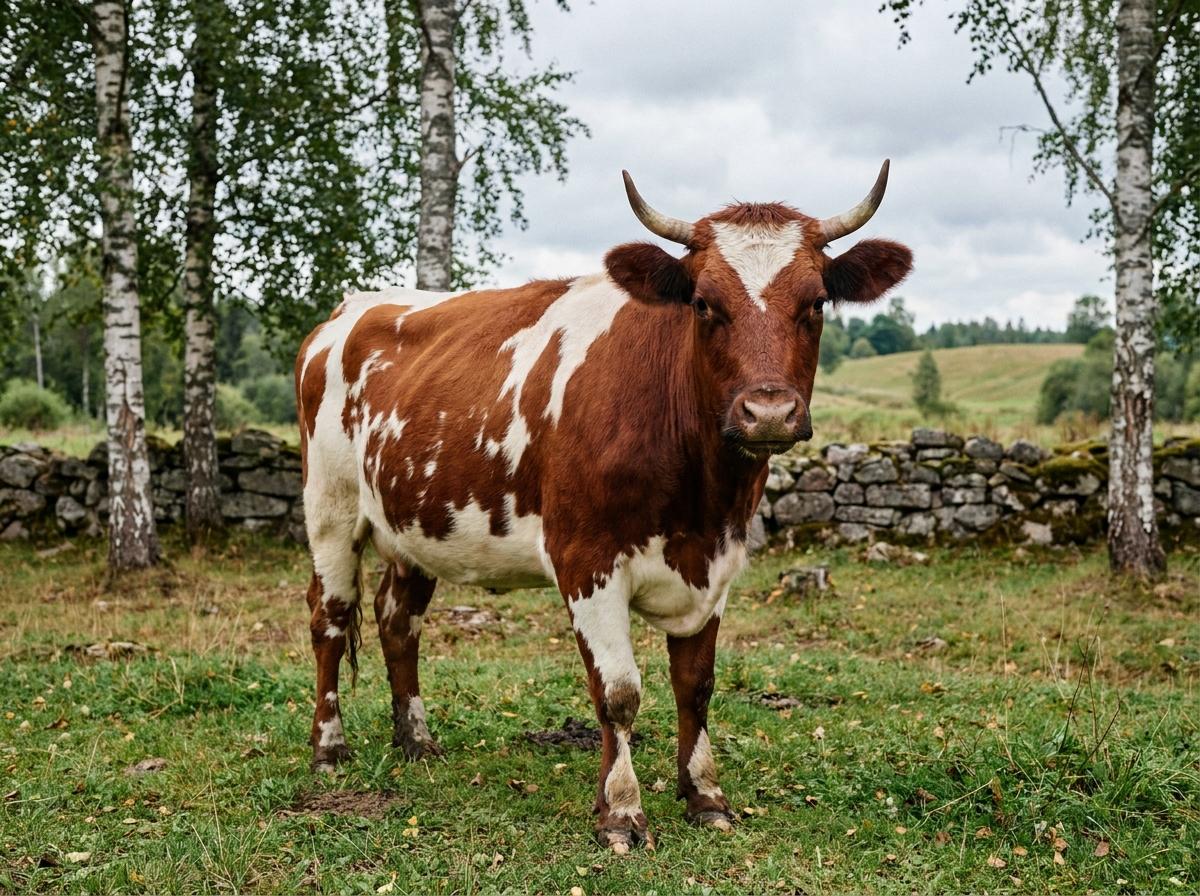
Estonian Native
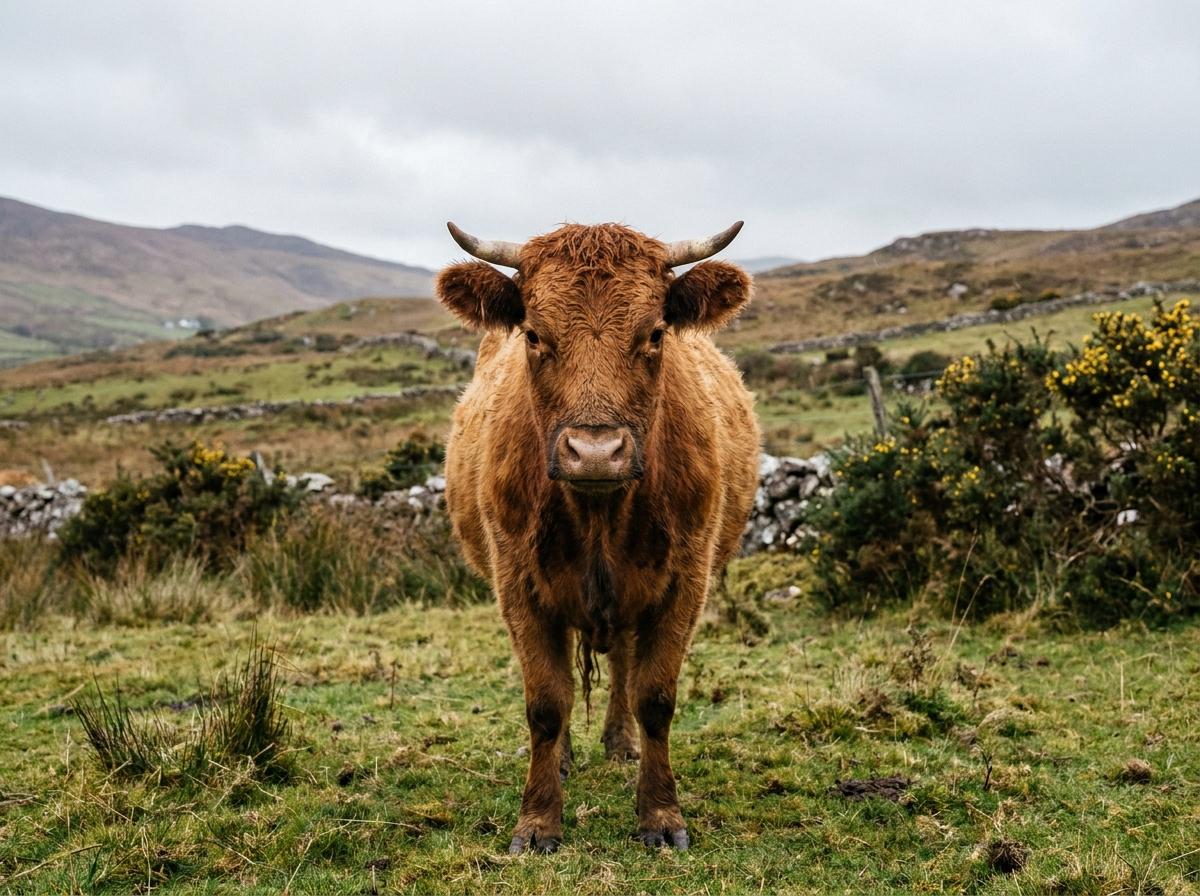
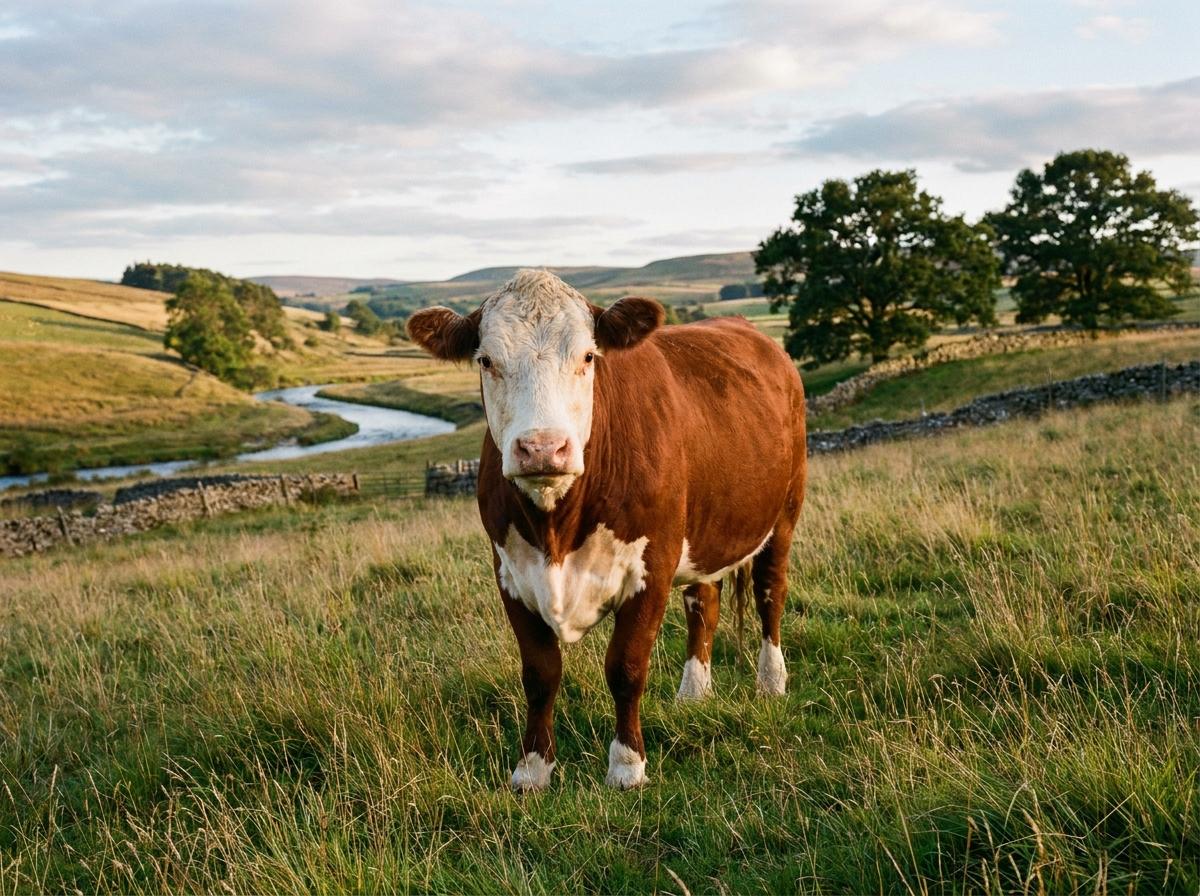
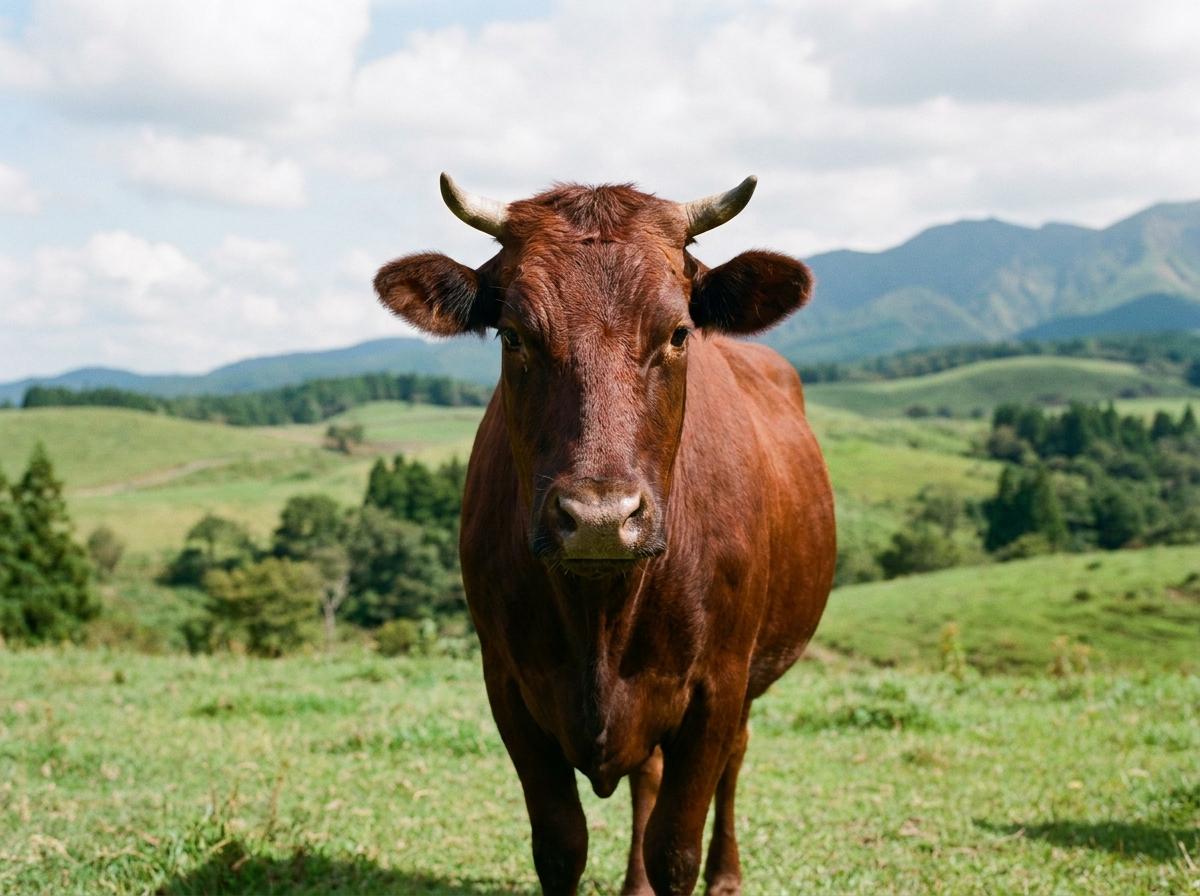
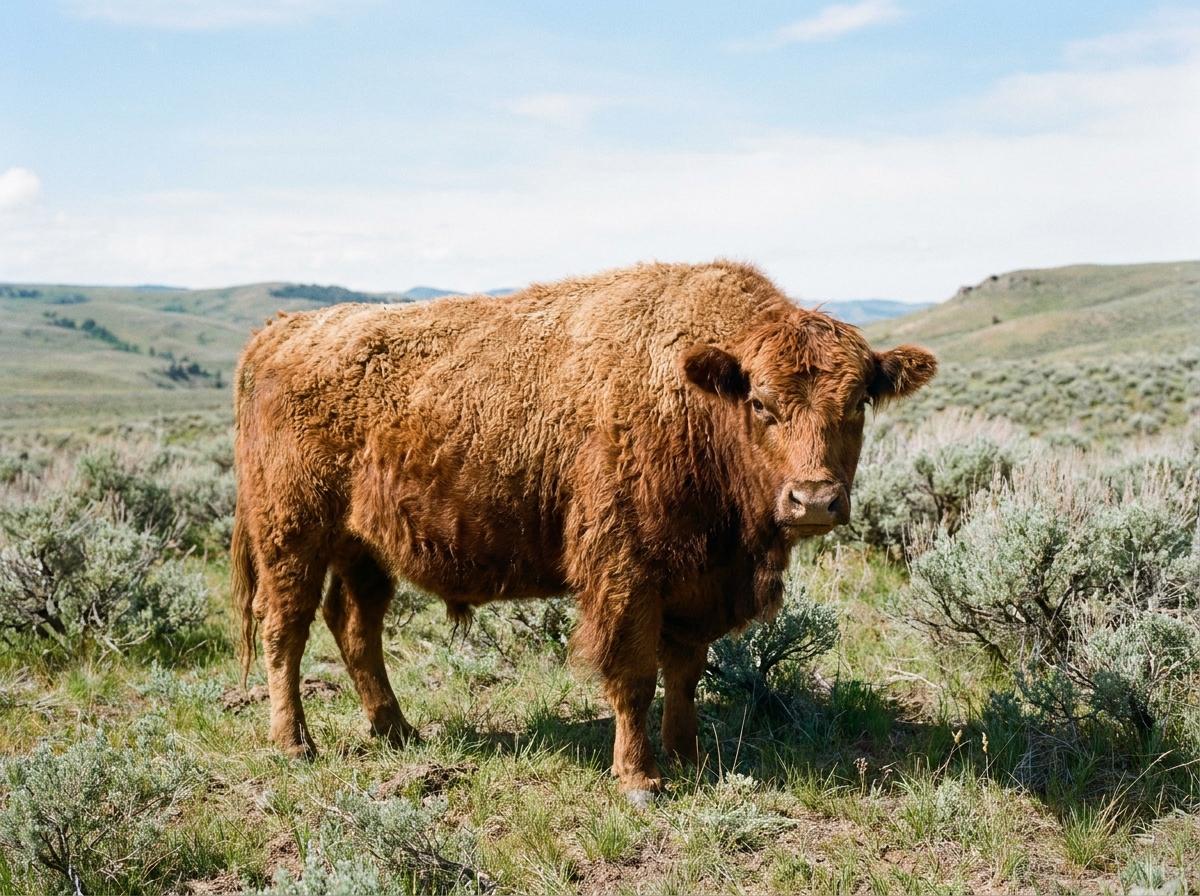
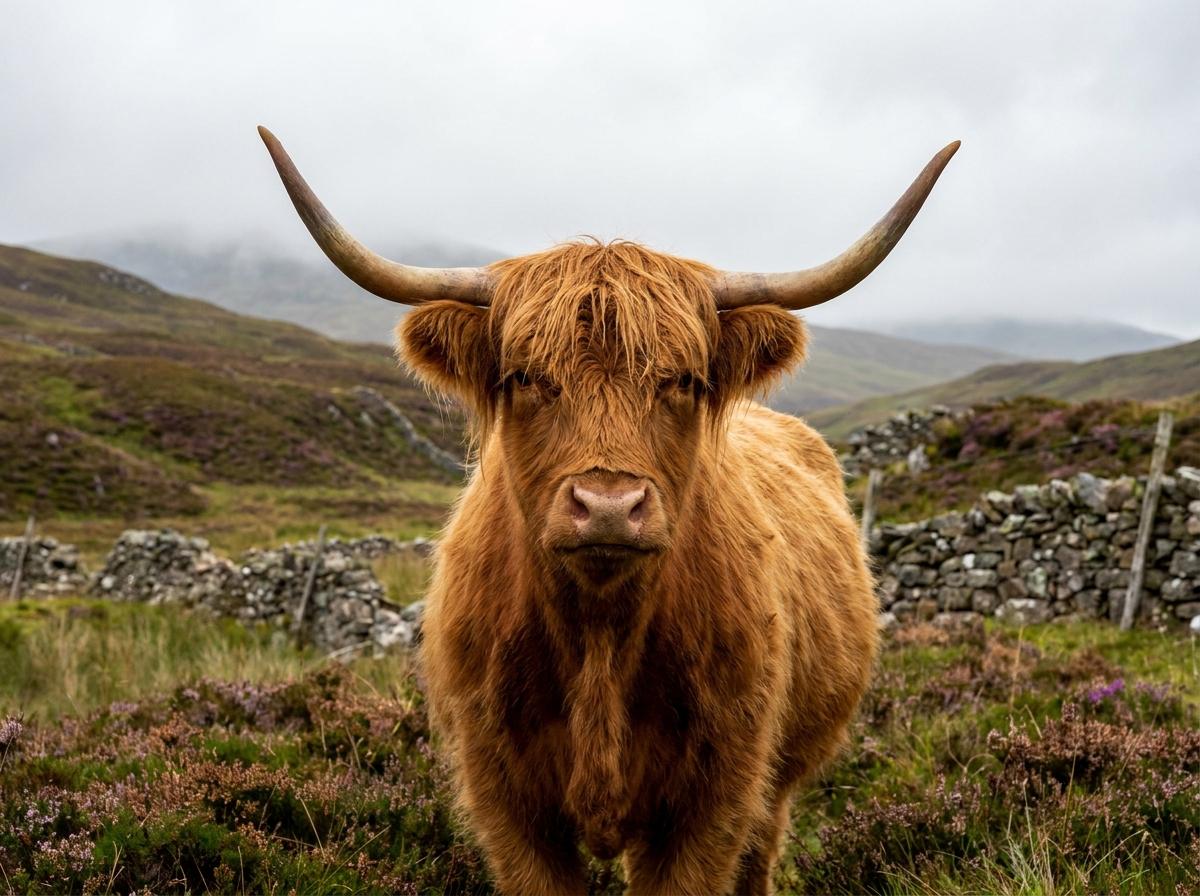
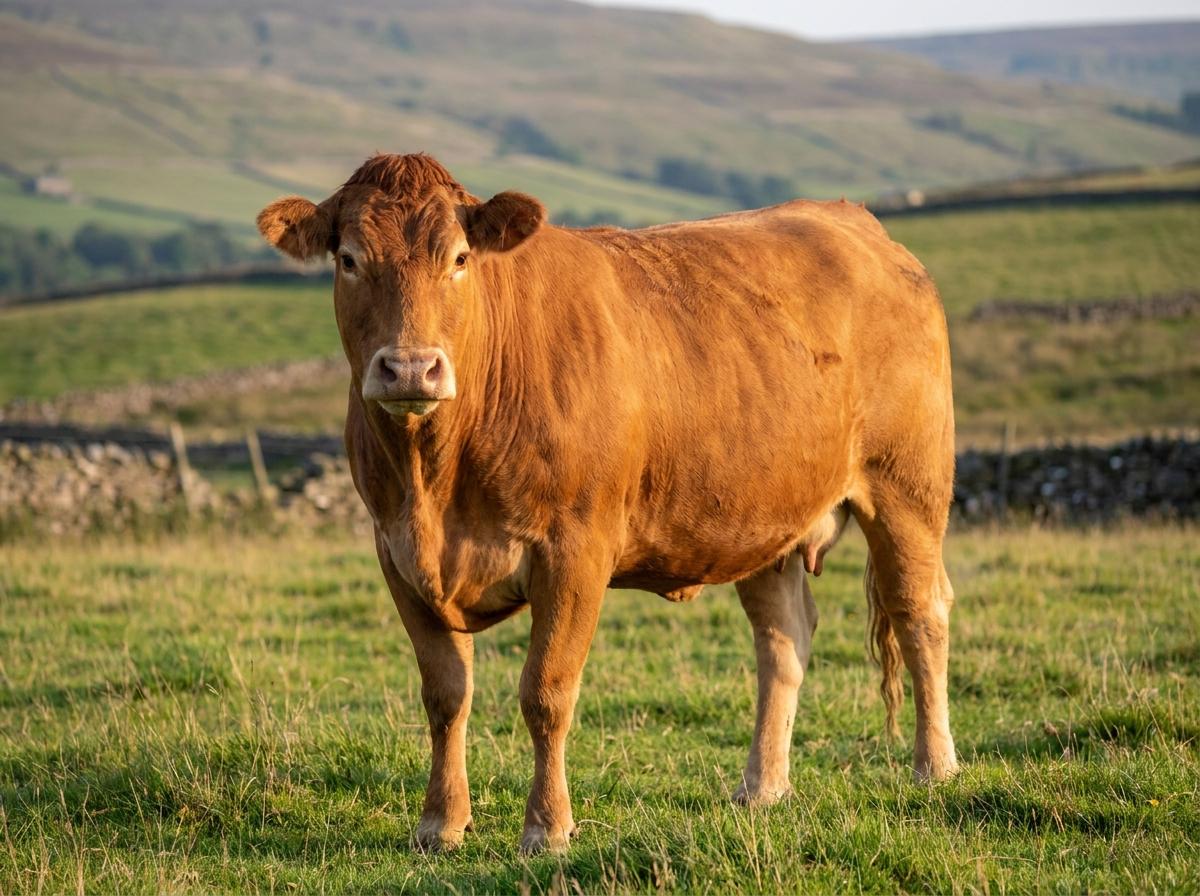
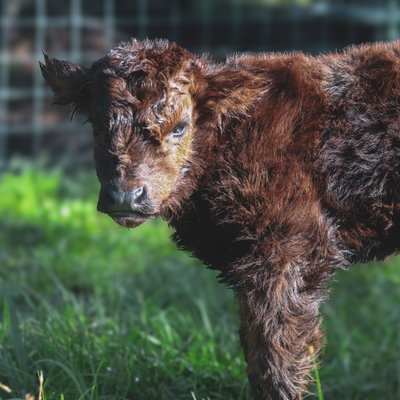
Estonian Native cattle, known in Estonia as Eesti maatõug, are a small local dairy breed descended from the country's older farm cattle. They are compact, hardy, and generally lighter framed than Estonia's Holstein and Red dairy cattle, with coats often in pale red, dun, yellow-brown, or brown shades; many lines are naturally polled. The breed is important as an Estonian genetic resource because it carries adaptation to local forage, wet seasons, cold winters, and modest farm conditions.
Modern herds are usually small and may be kept by heritage farms, organic dairies, household milk producers, or conservation breeders. They can make good use of pasture and home-grown hay or silage, but they still need mineral balance, shelter, and ordinary dairy health management. Milk yield is lower than in commercial Holsteins, while butterfat, protein, fertility, and longevity are often the traits that attract keepers. Because the population is limited, planned mating and avoidance of casual crossbreeding are important for anyone buying animals for breed conservation.
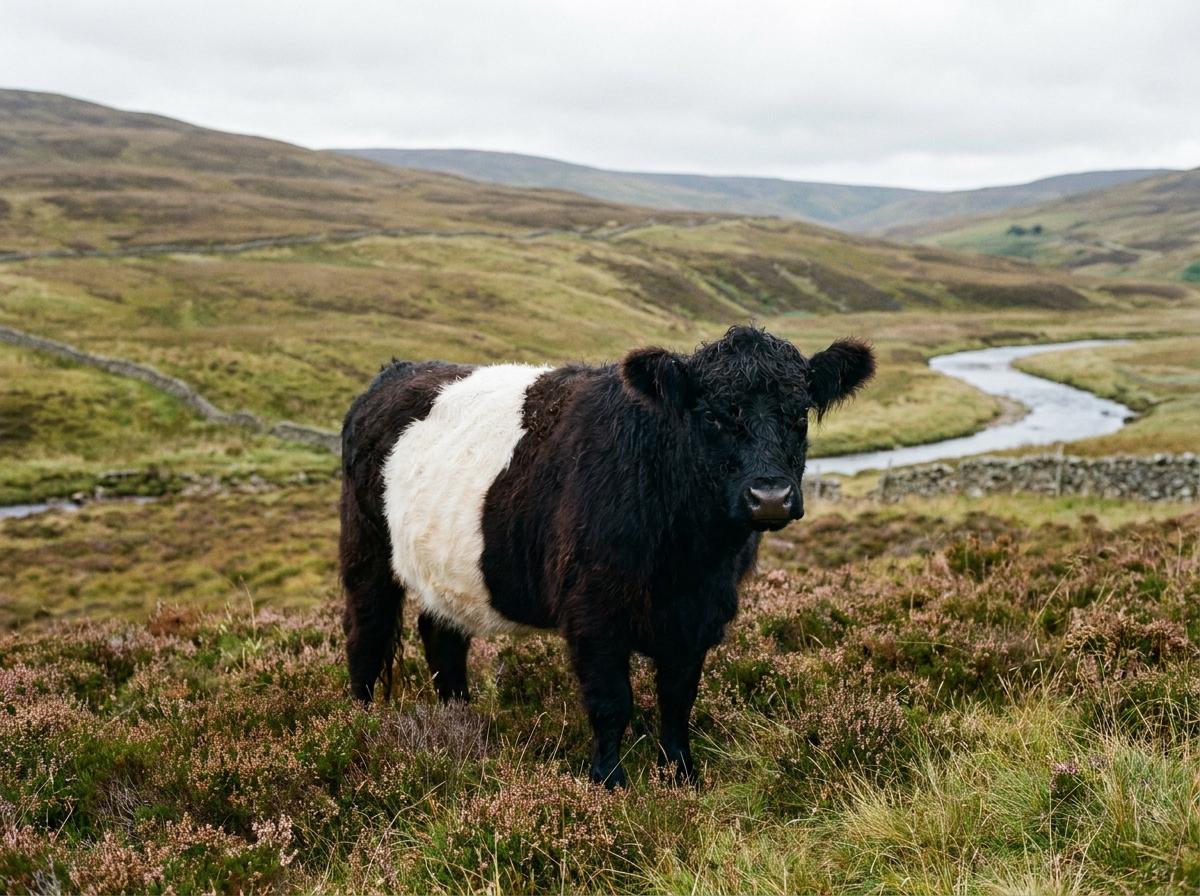
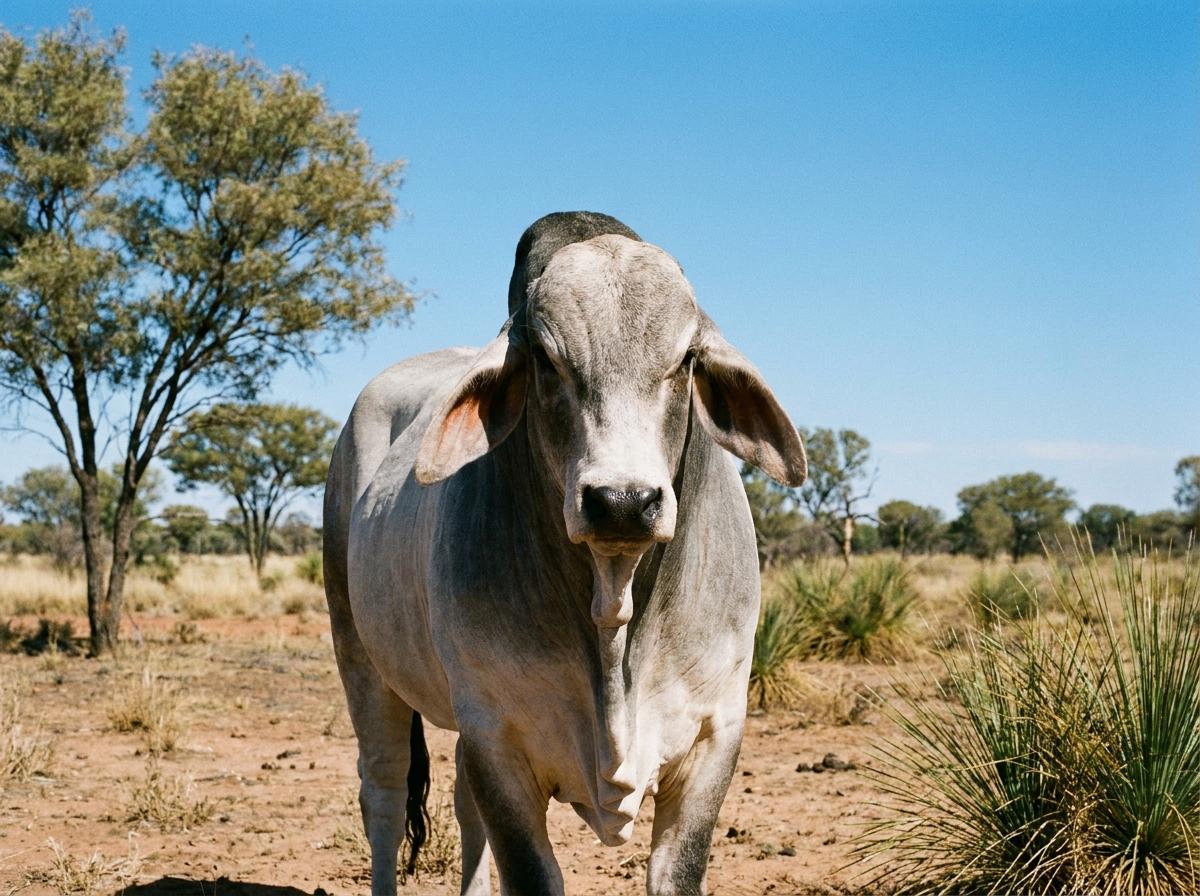
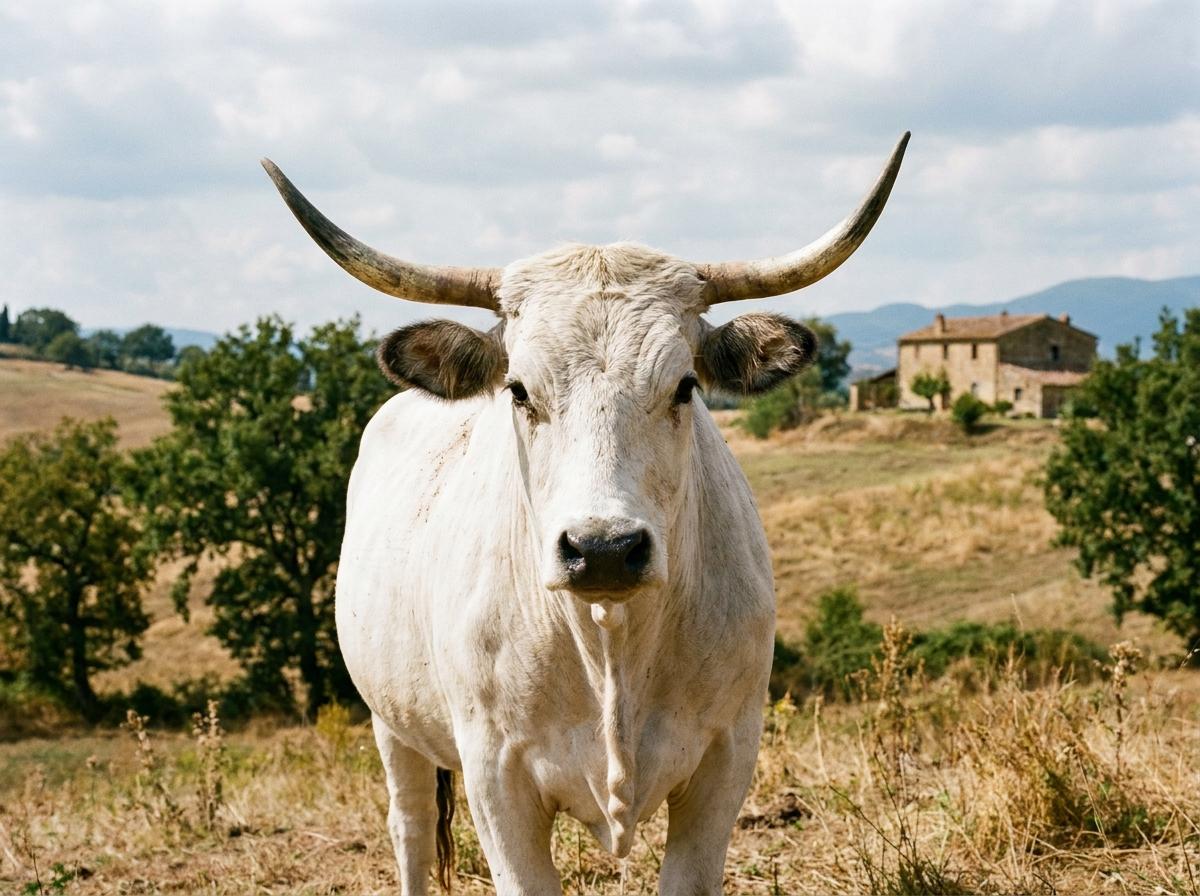
Colors: Belted, Black, Black and White, Blaze Faced, Blue Roan, Brindle, Brockle Faced, Brown, Brown and White, Dun, Gray, Lineback, Mottled, Red, Red and White, Red Roan, Roan, Silver, Solid Black, Solid Red, Speckled, Spotted, White, White Faced, Yellow