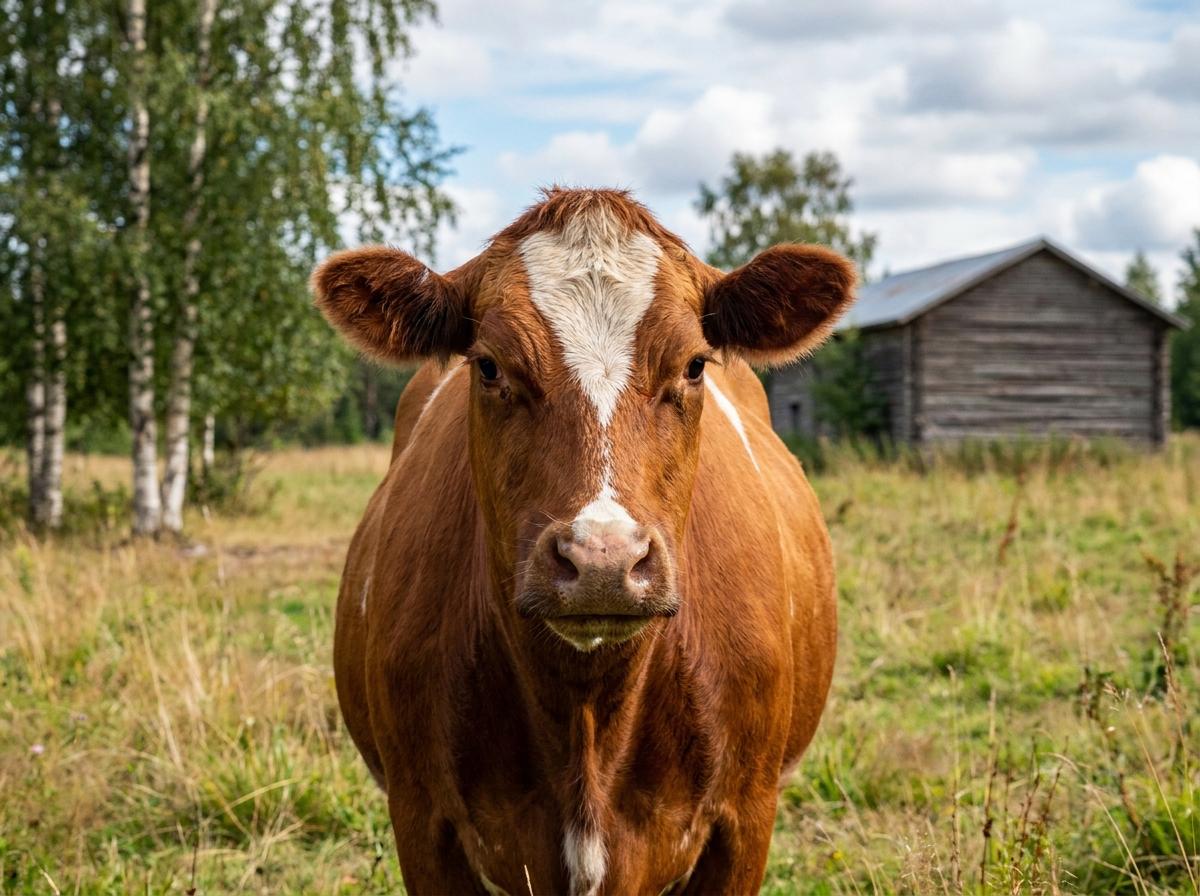
Finncattle
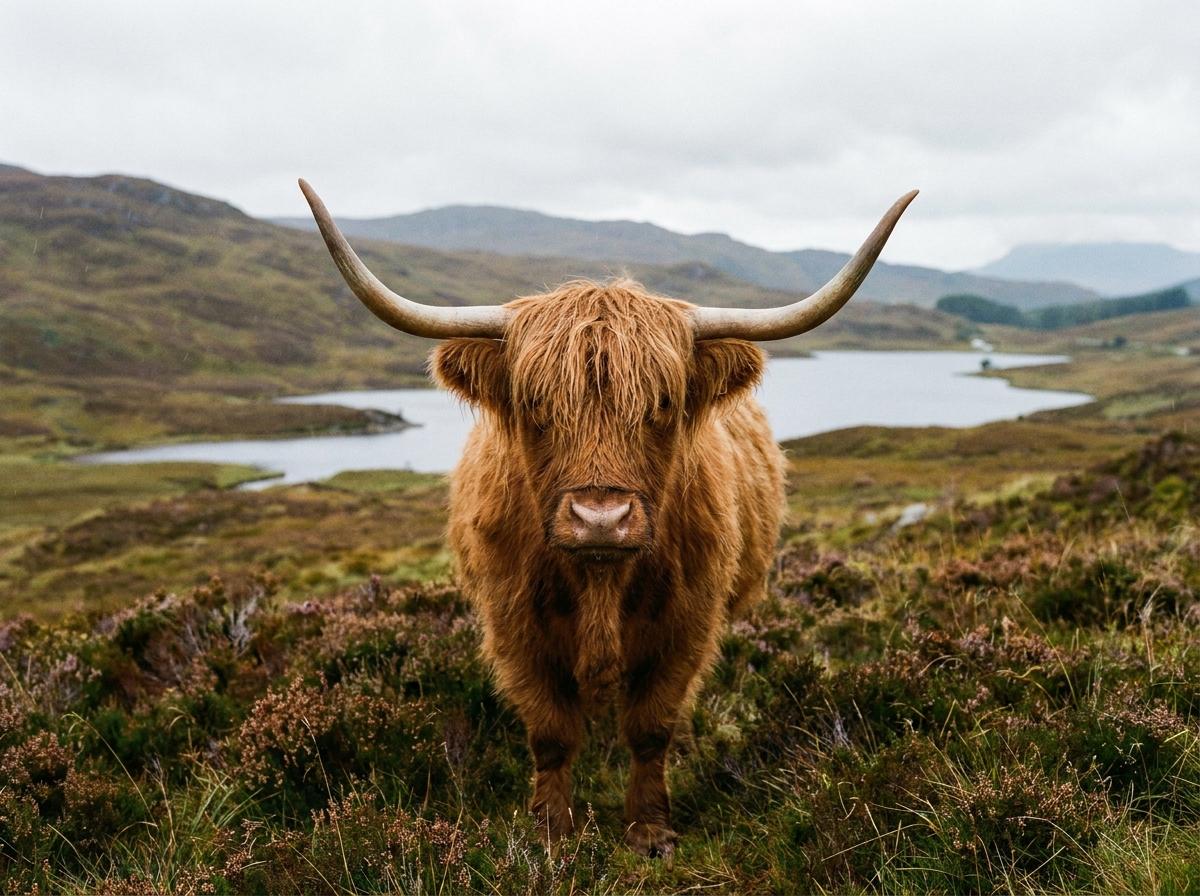
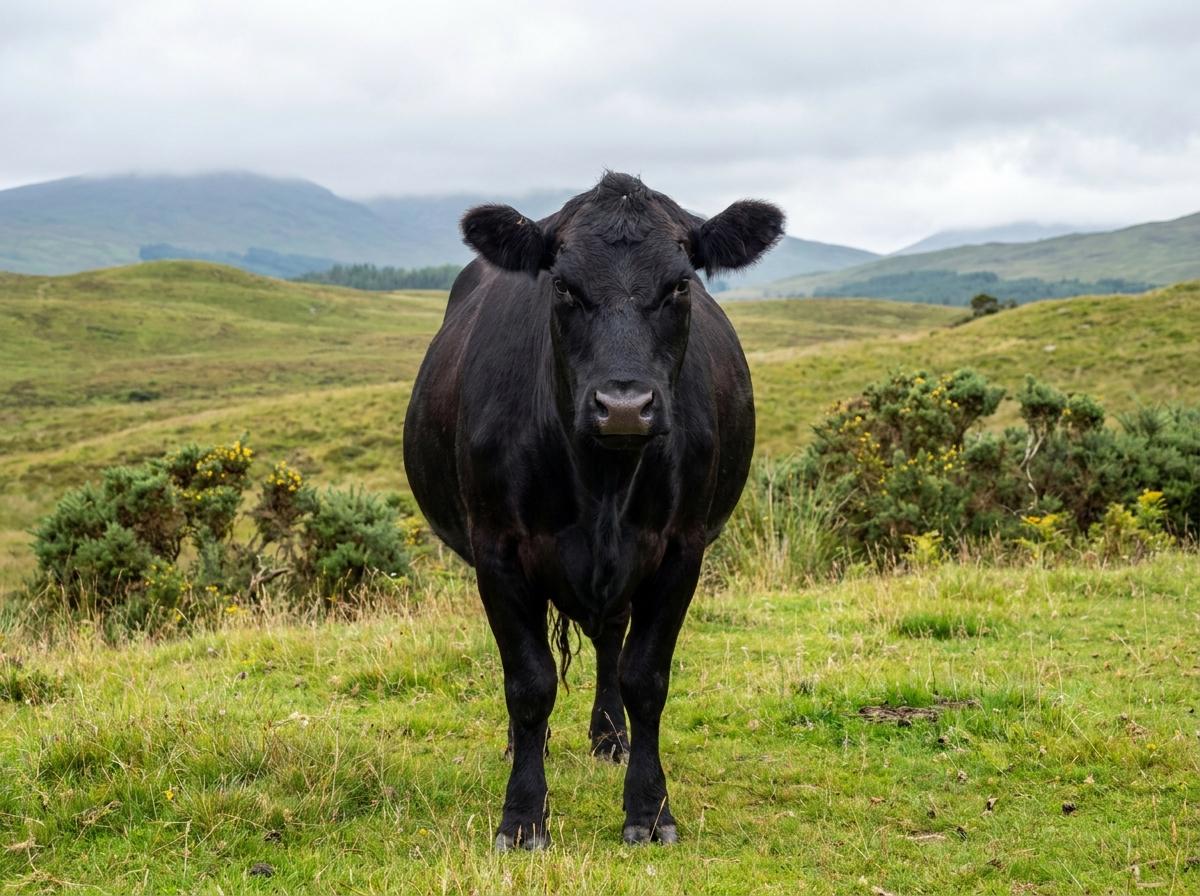
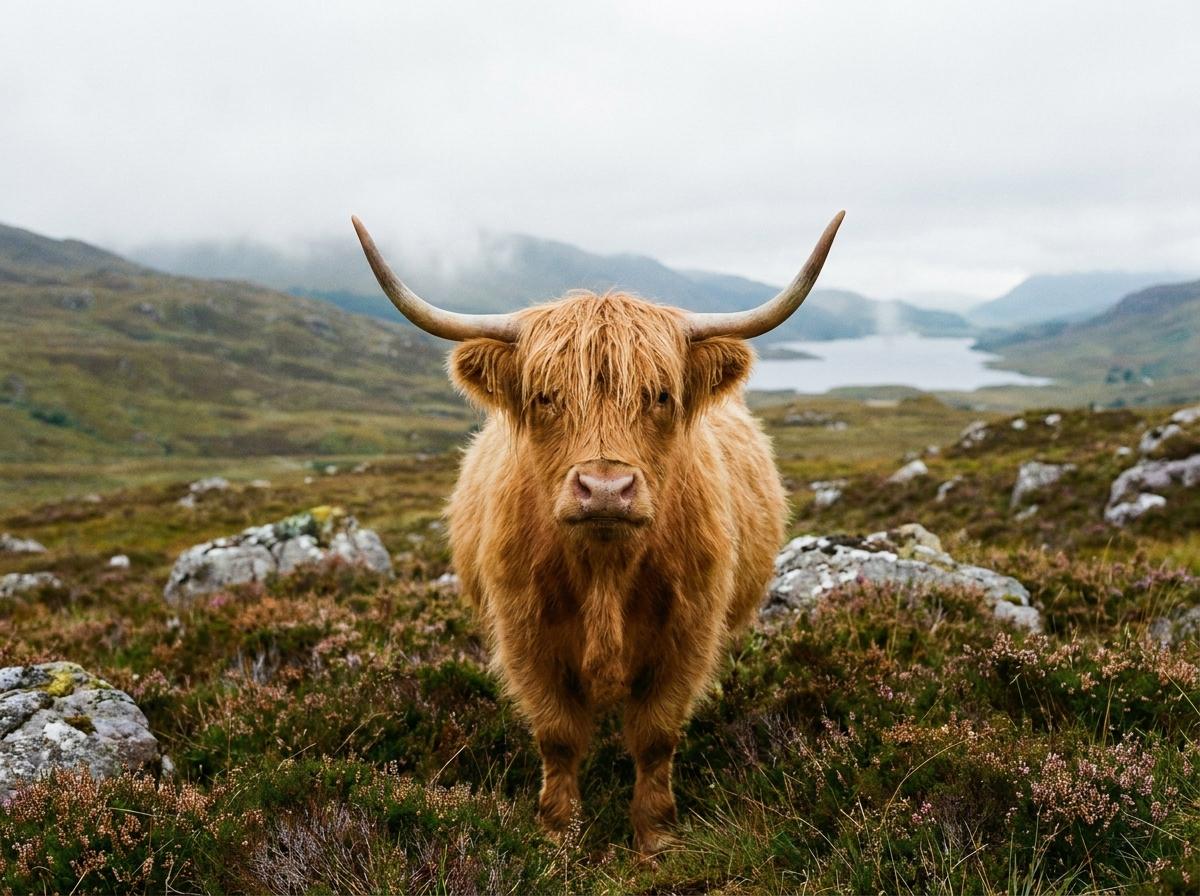
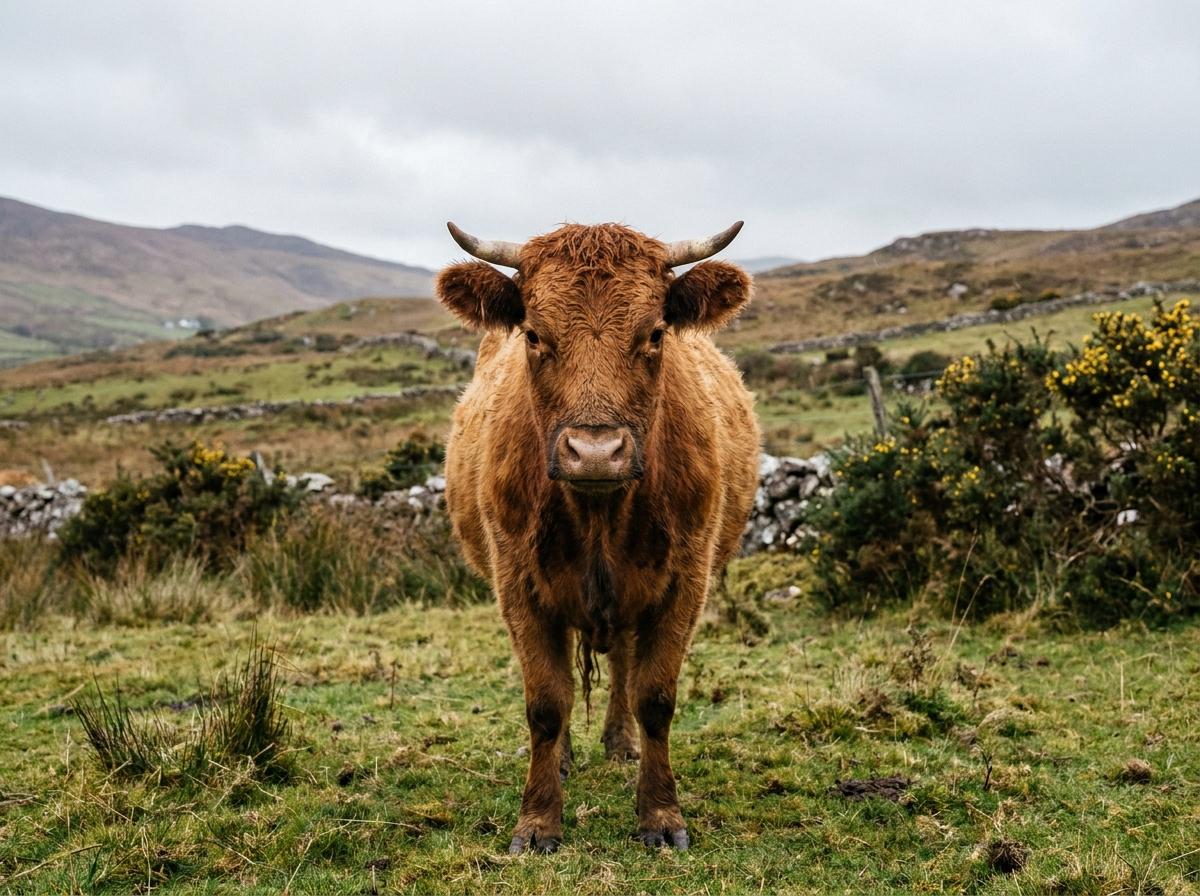
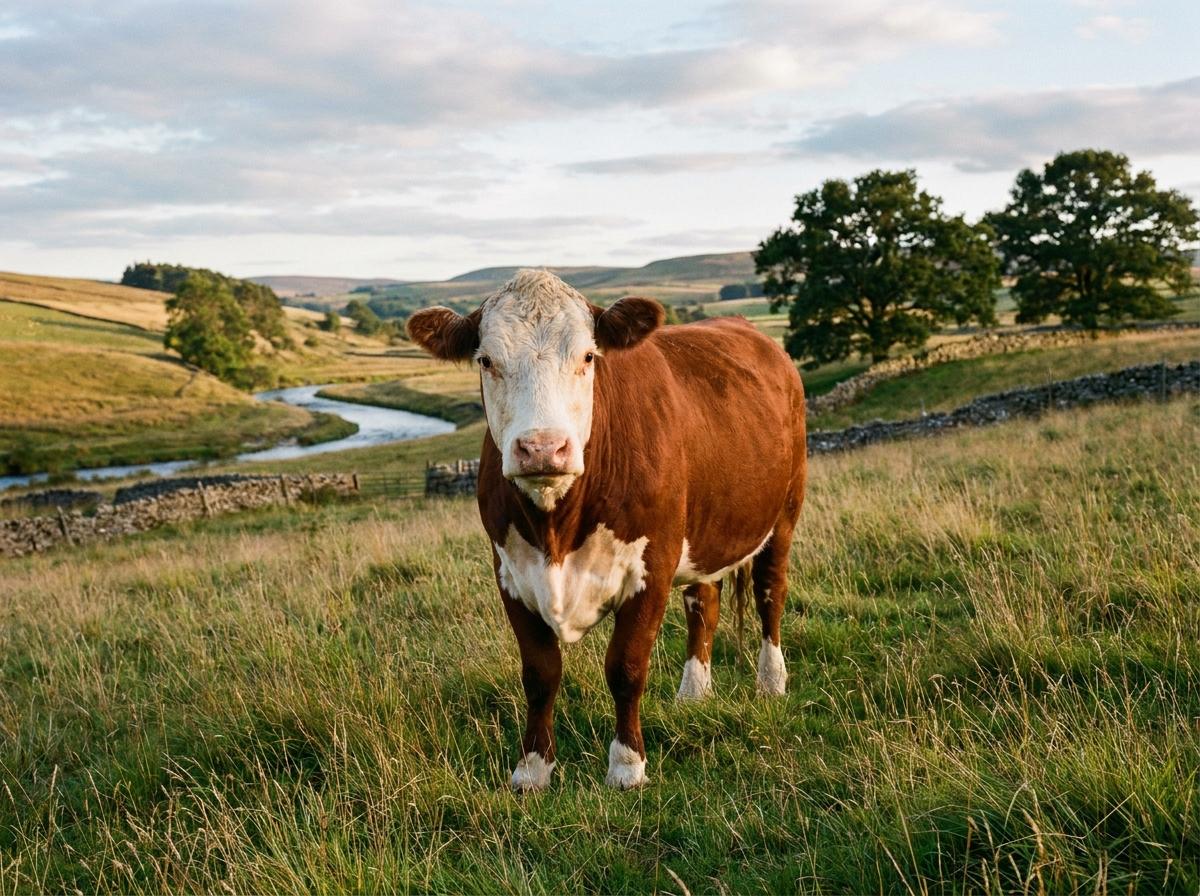
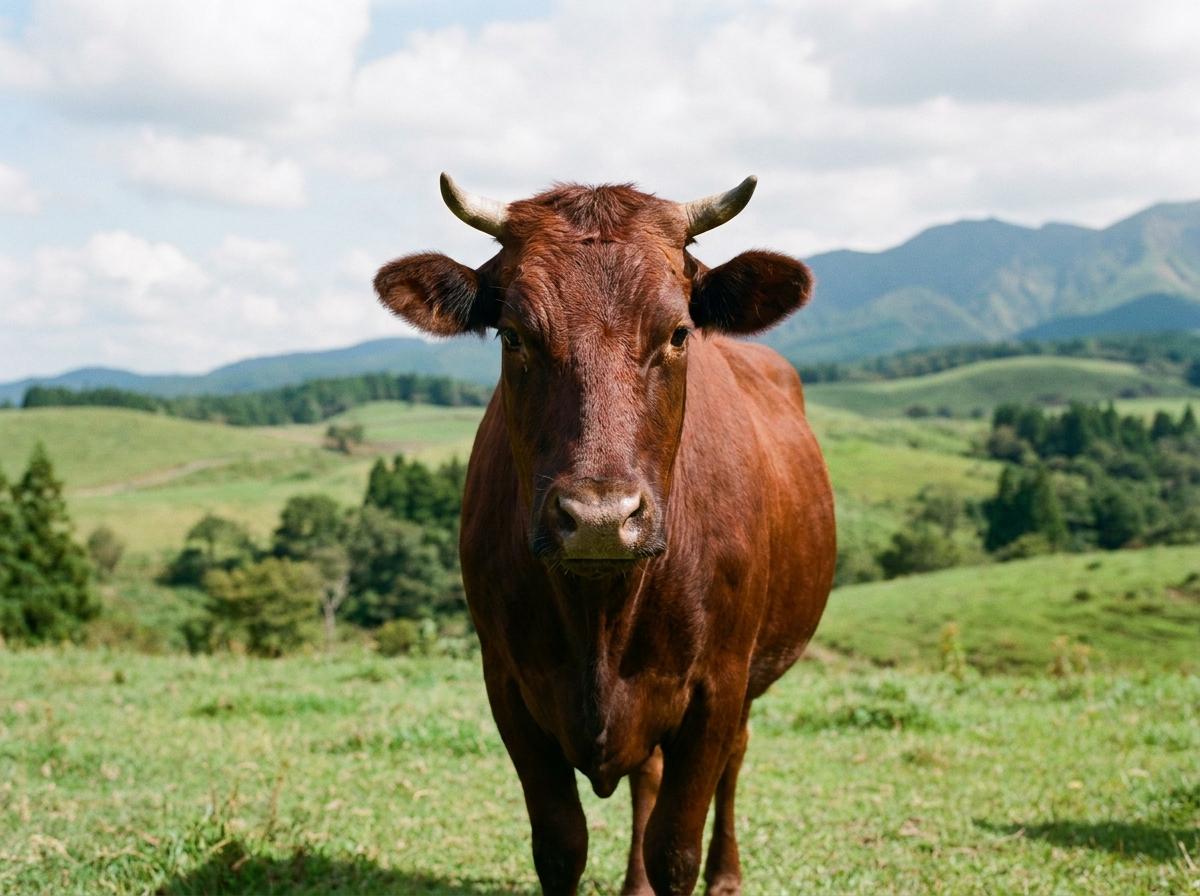
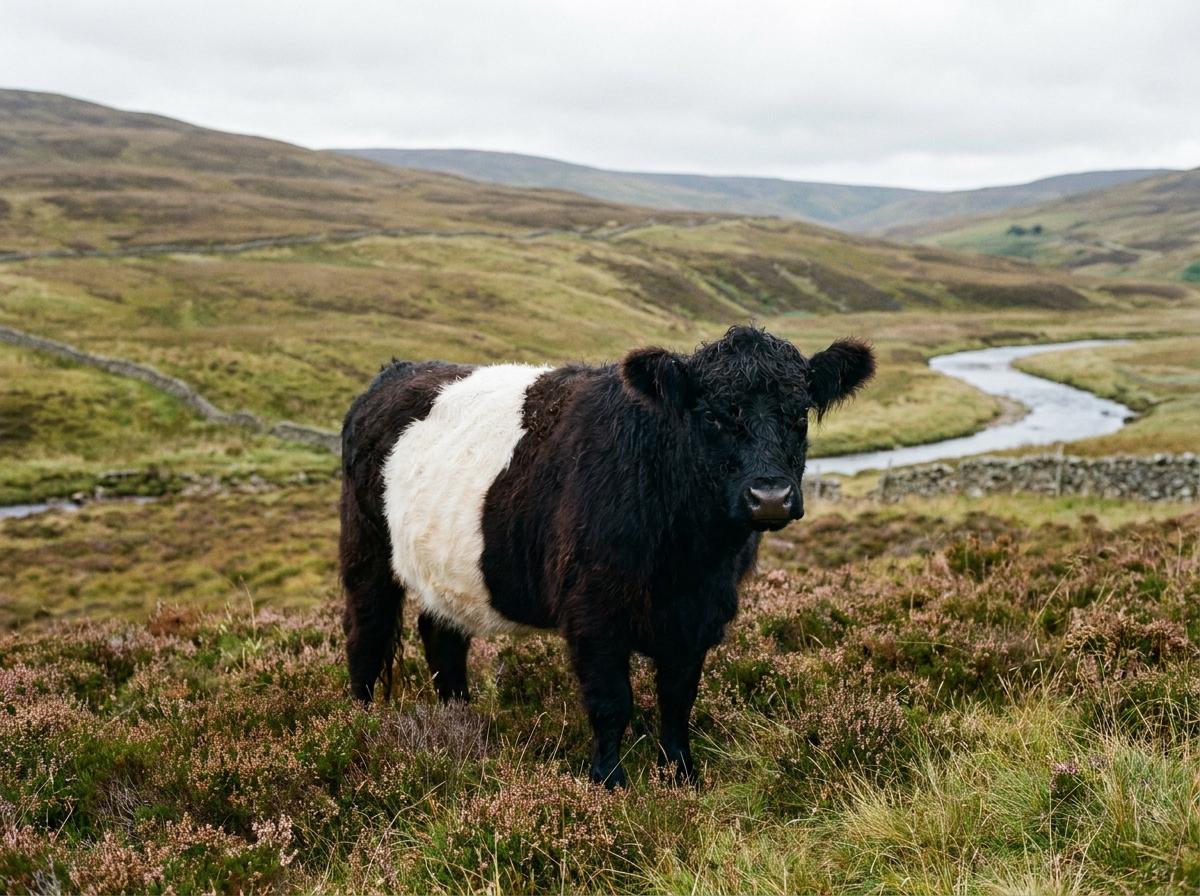
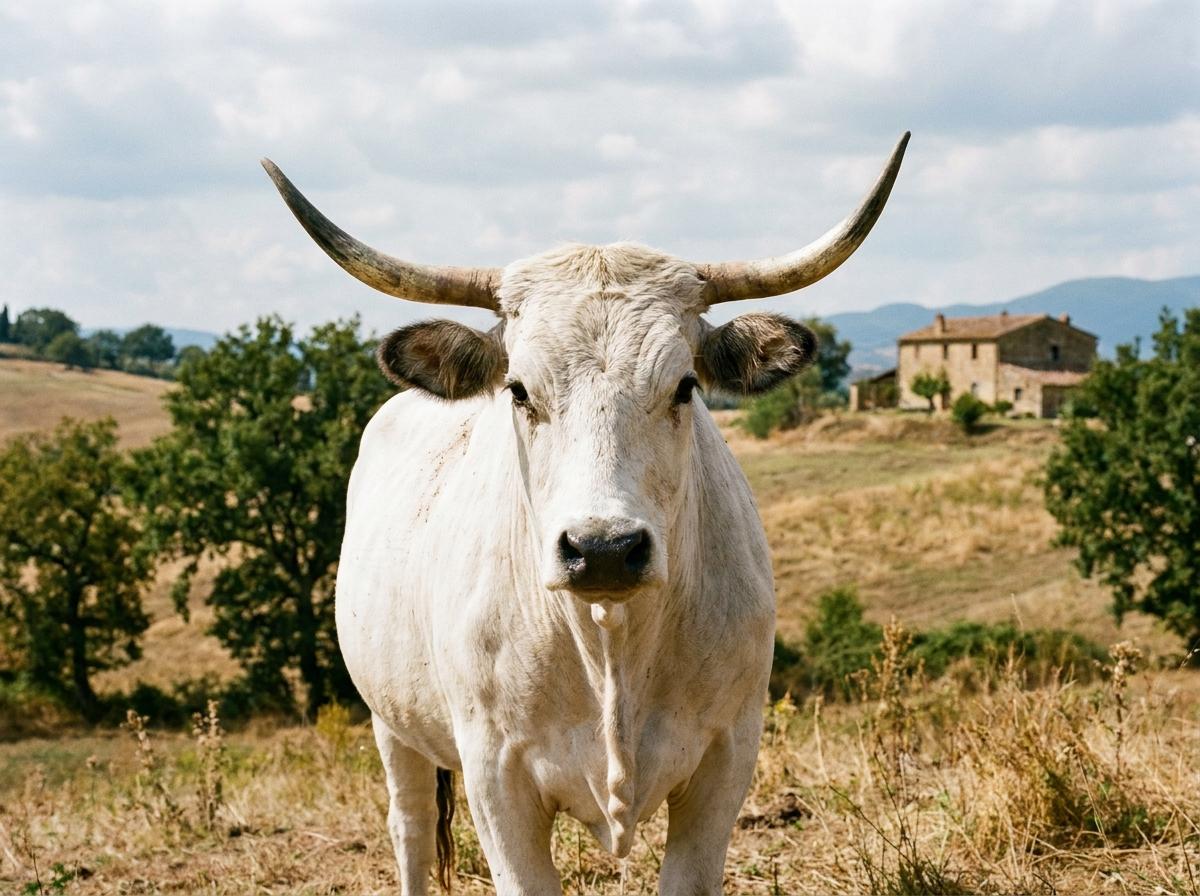
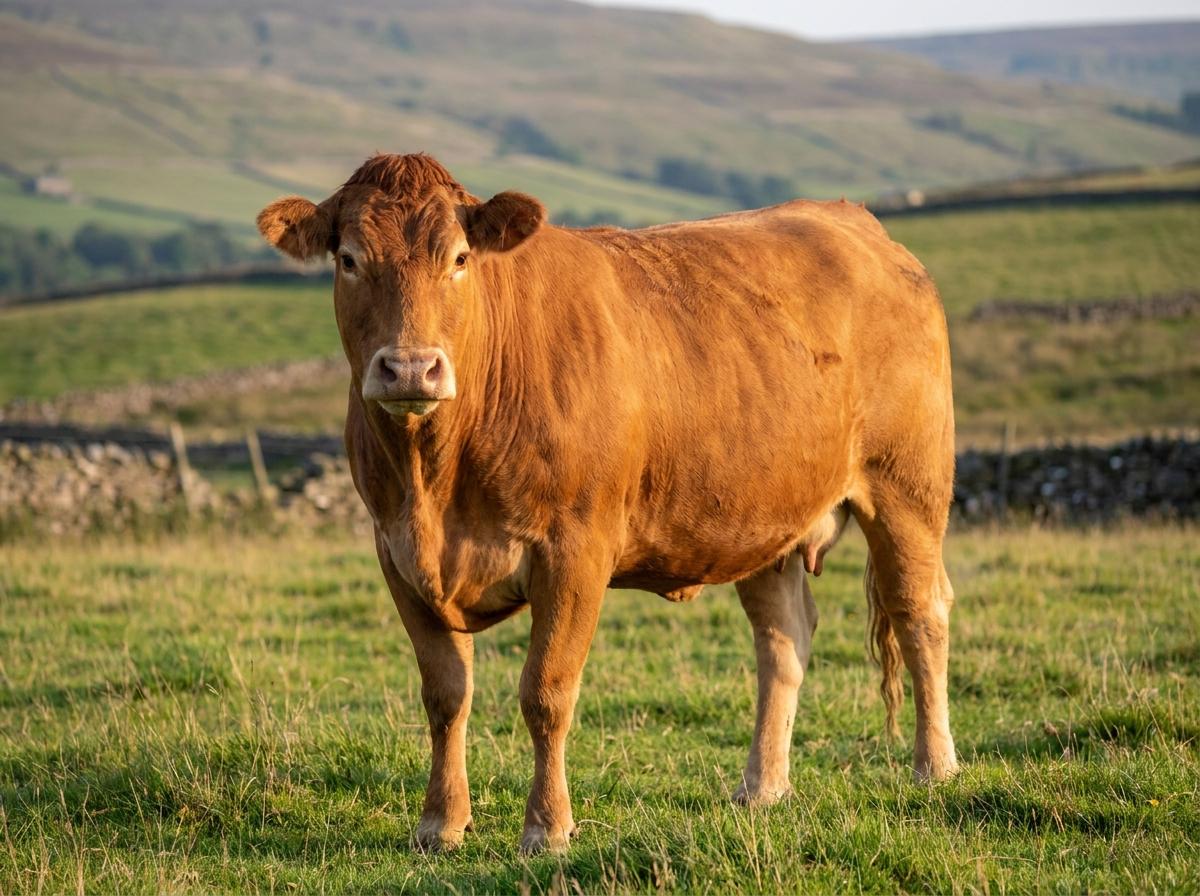
Finncattle is best understood as a family of native Finnish dairy cattle rather than one uniform modern type. It includes Western Finncattle, Eastern Finncattle or kyyttö, and Northern Finncattle, sometimes called the Lapland cow. These cattle are generally small to medium, hardy, and often naturally polled, with colors that differ by strain: red or brown in the west, white-backed or white-sided cattle in the east, and pale or white animals common in the north.
People keep Finncattle for rich milk, farmstead dairy products, conservation grazing, cultural heritage, and genetic diversity. They are not high-output commercial Holsteins, so expectations should match their smaller size and native-breed purpose. Good pasture, winter hay or silage, minerals, and regular milking routines are still necessary, even when the herd is managed with relatively low purchased feed. Conservation buyers should know which strain they are acquiring and avoid mixing lines if preservation is the goal; production herds may instead value them for fertility, hardiness, and manageable temperament.
Colors: Belted, Black, Black and White, Blaze Faced, Blue Roan, Brindle, Brockle Faced, Brown, Brown and White, Dun, Gray, Grey, Highbelt, Highpark, Lineback, Mottled, Pied, Red, Red and White, Red Roan, Riggit, Roan, Silver, Solid Black, Solid Red, Solid White, Speckled, Spotted, White, White Faced, Yellow