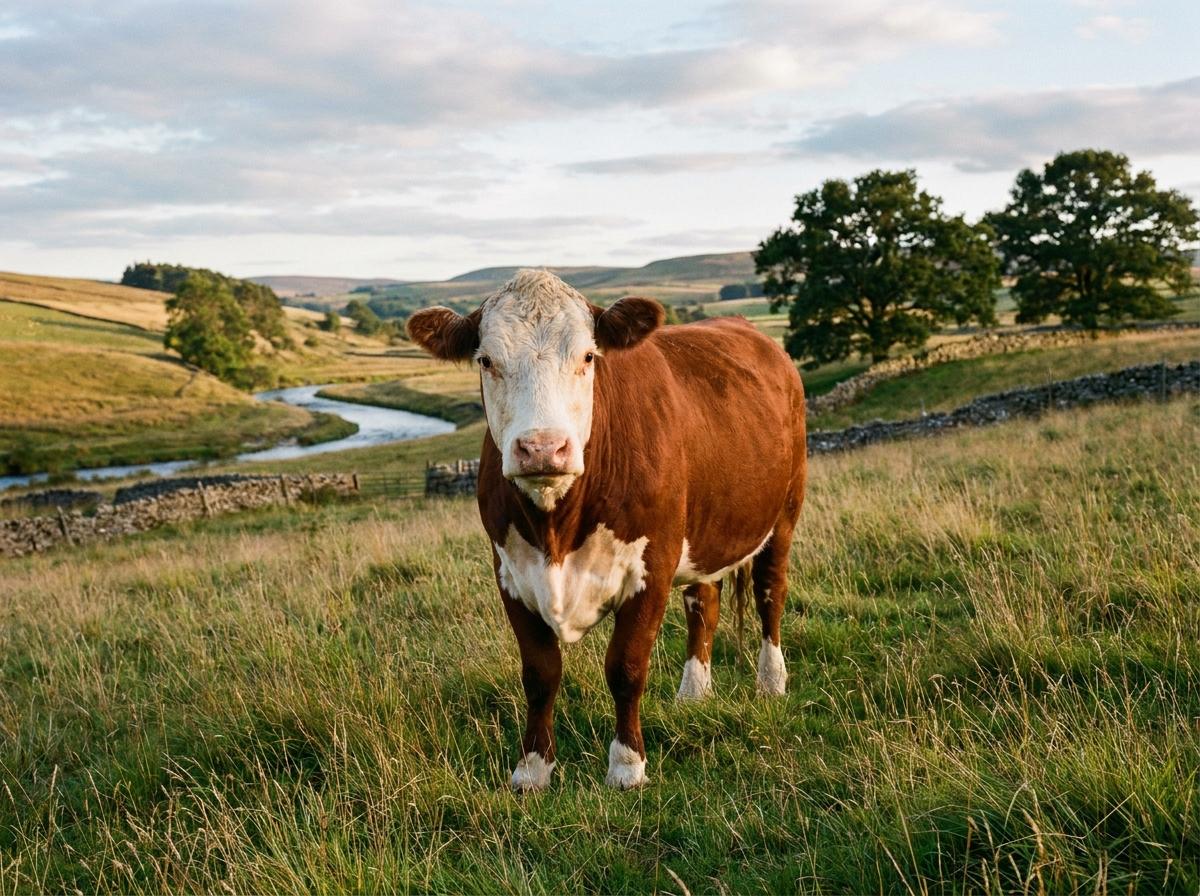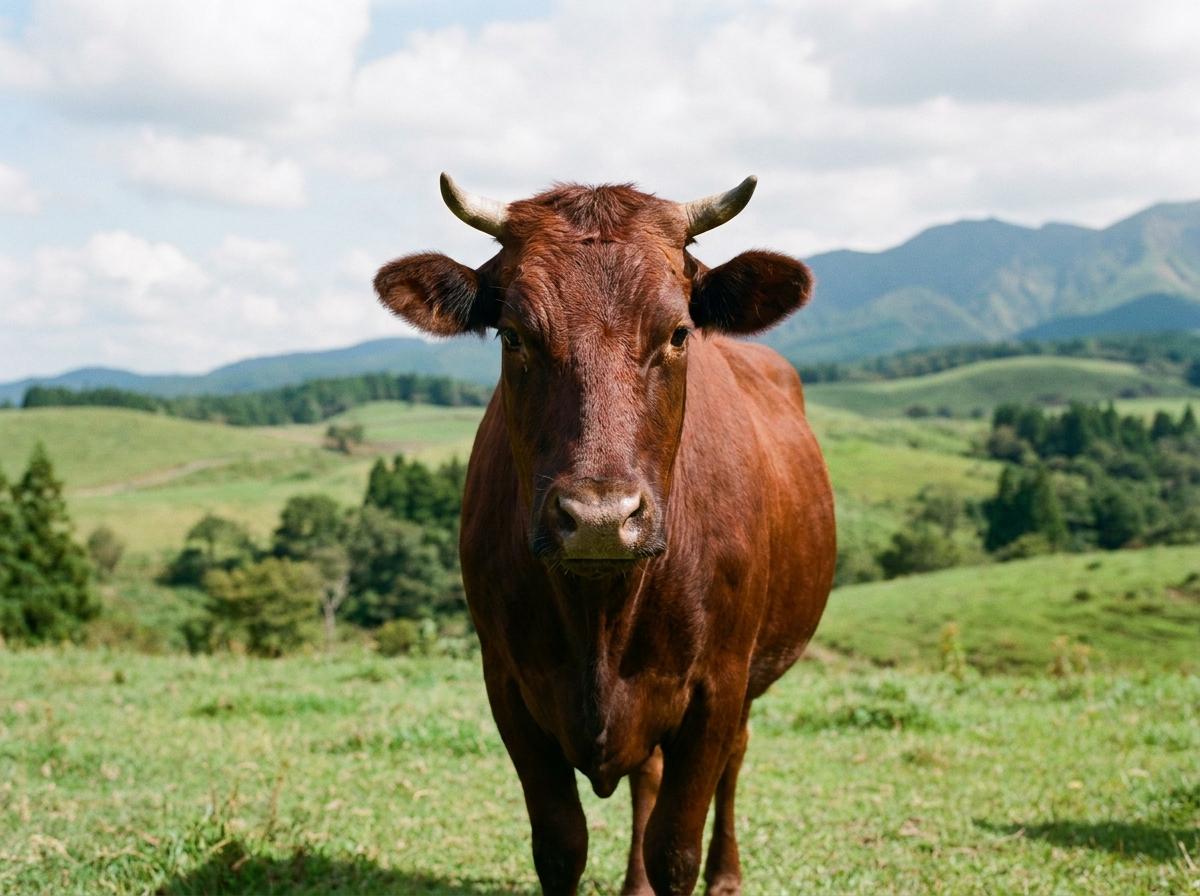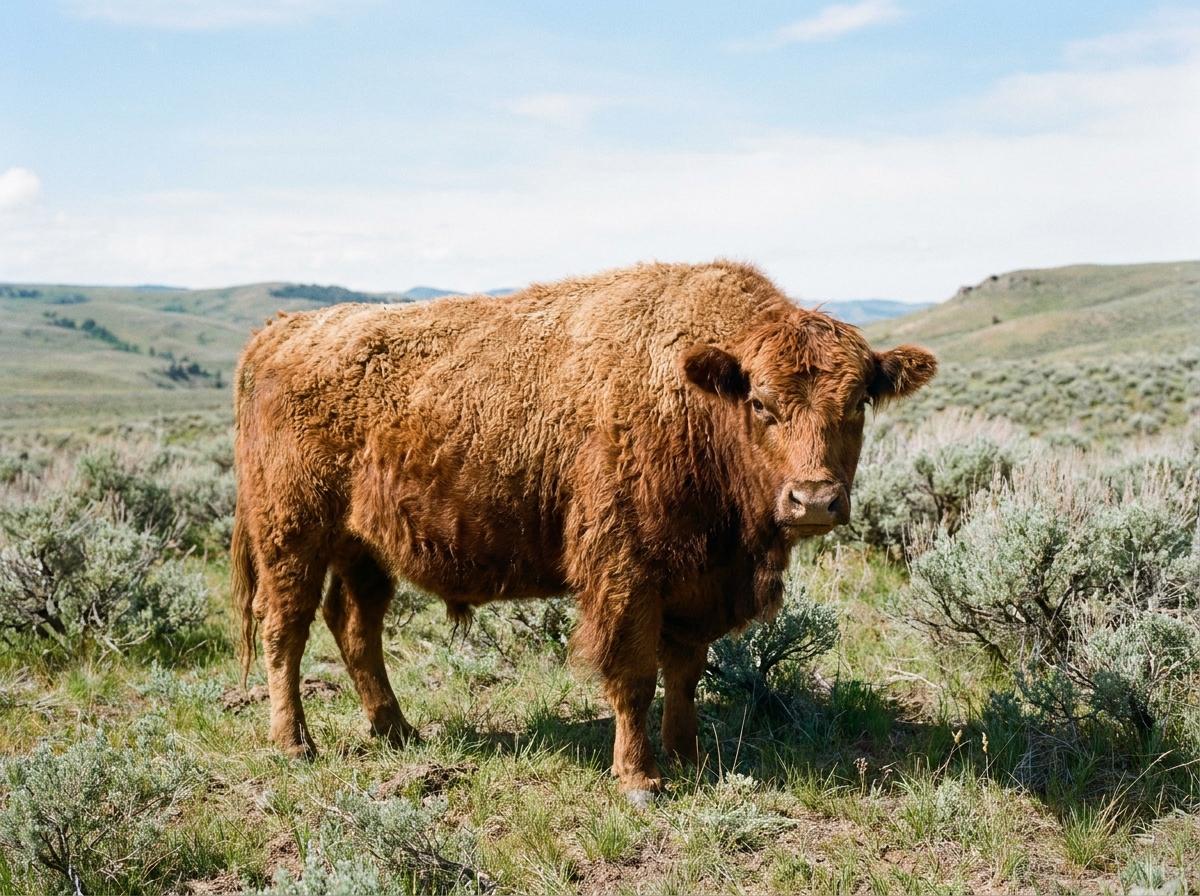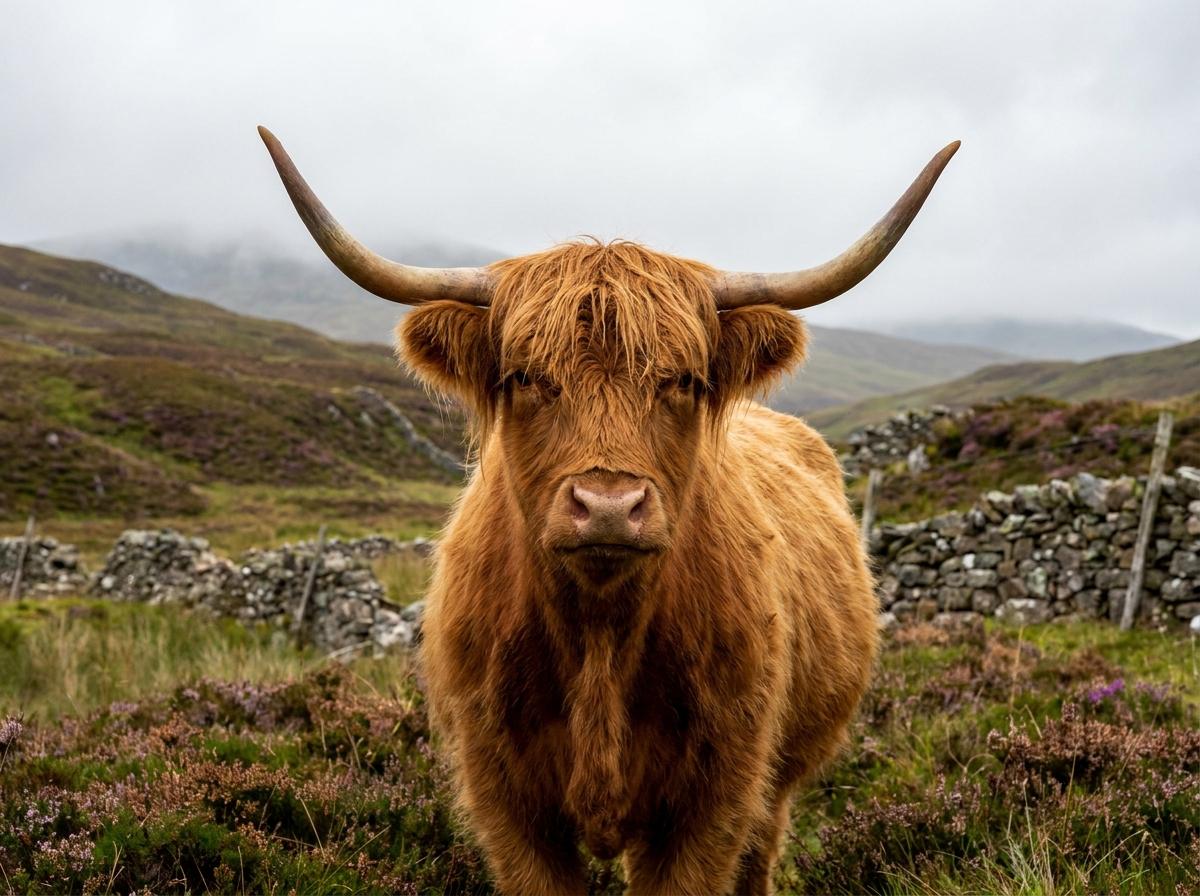


Gangatiri
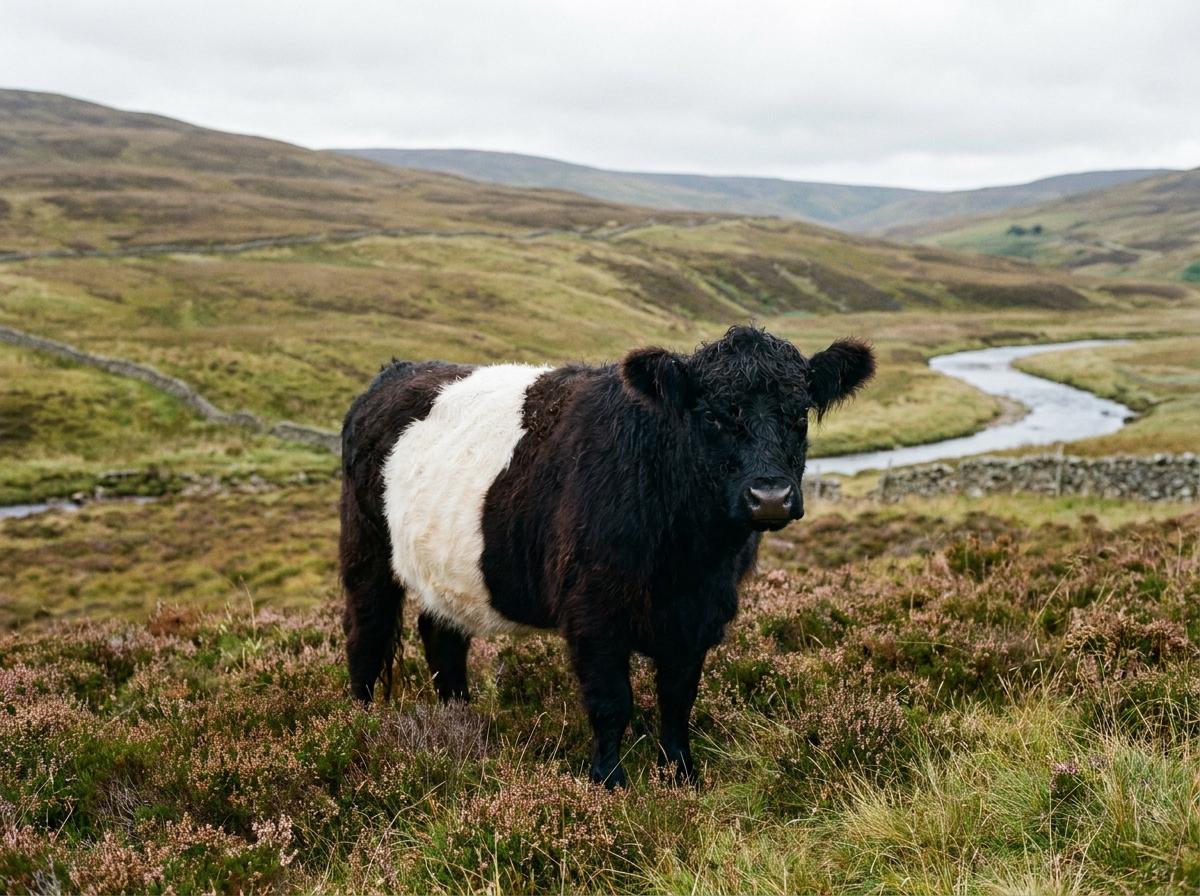
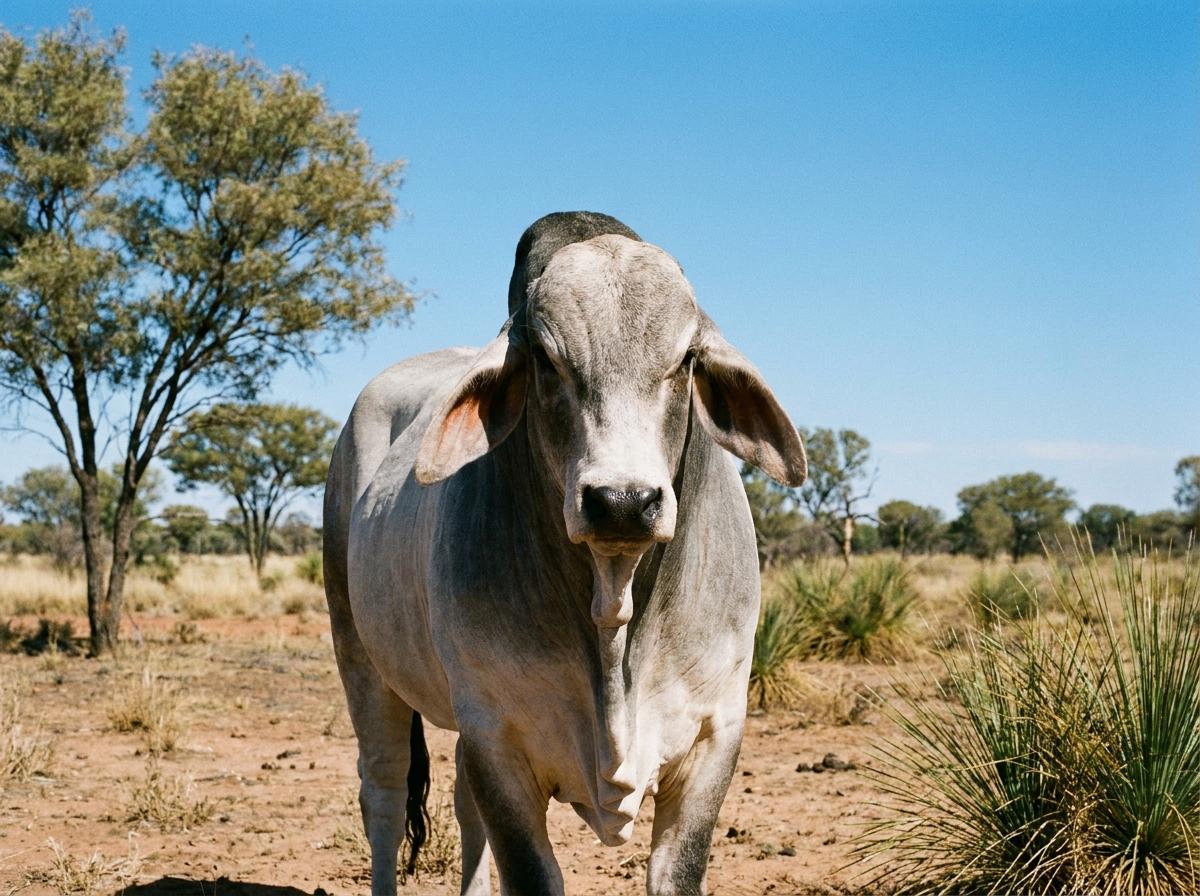
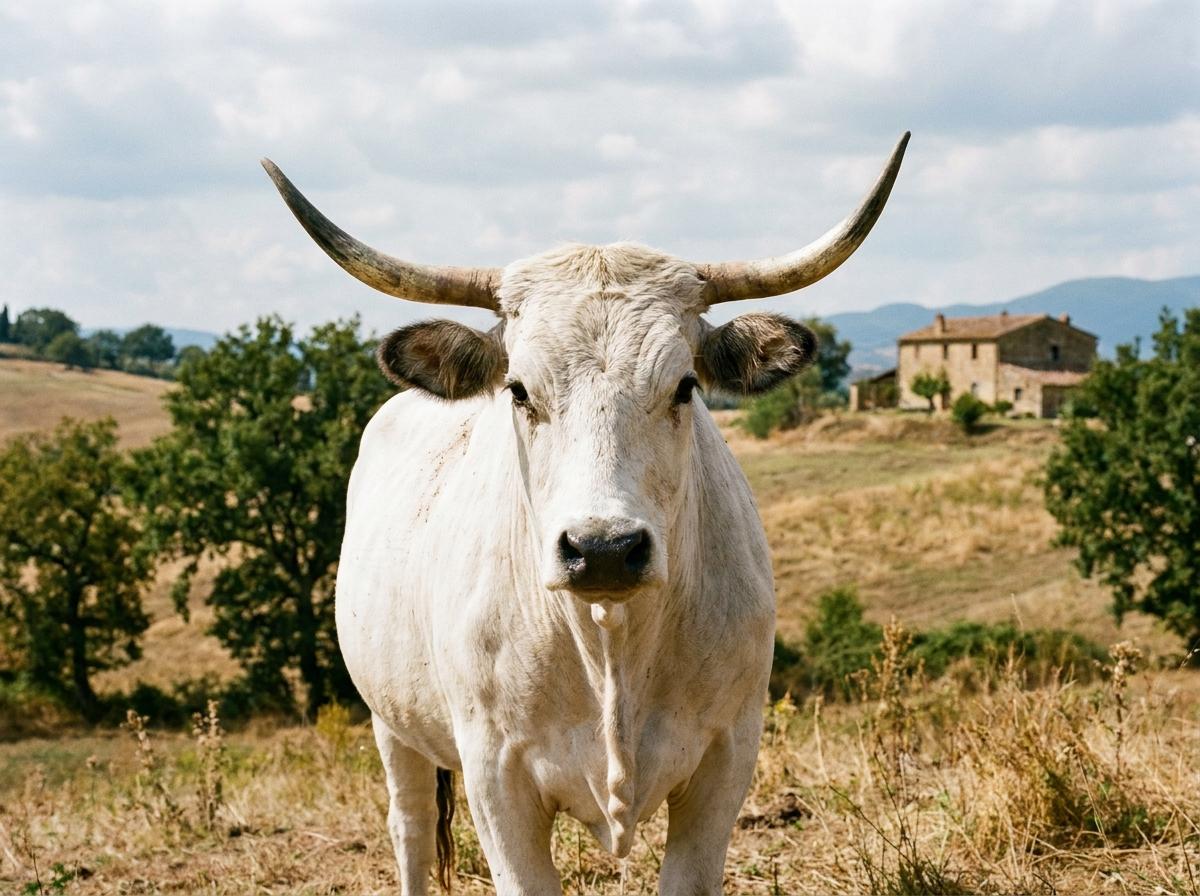
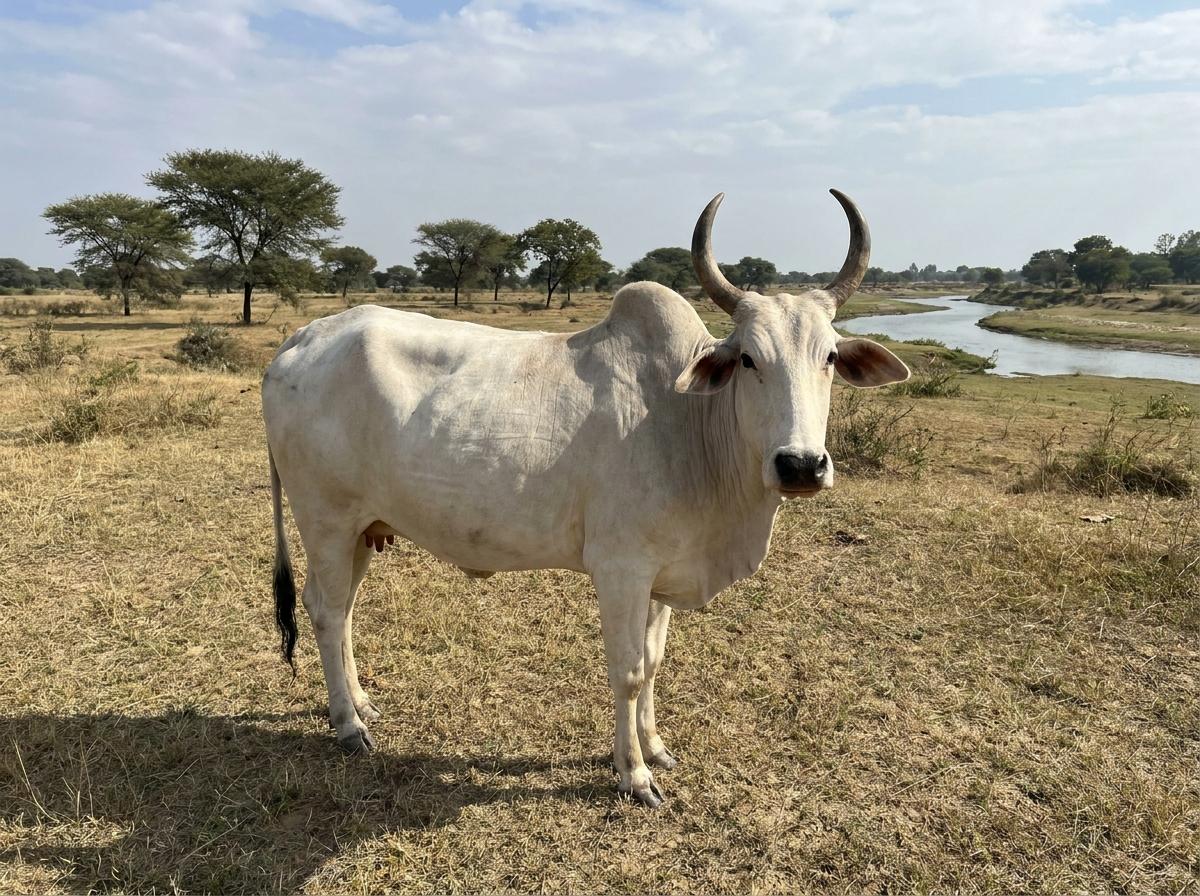
Gangatiri cattle are an indigenous humped cattle breed from the middle Ganga river area of northern India, especially eastern Uttar Pradesh and adjoining parts of Bihar. They are usually white or light gray, with darker shading sometimes appearing on the neck, hump, or shoulders. The breed is kept as a dual-purpose village animal: cows provide household milk, while bullocks have long been used for plowing and cart work in the alluvial farming belt. Their size, heat tolerance, and ability to make use of crop residues reflect the mixed smallholder systems where they developed.
Gangatiri herds are commonly managed with grazing, cut fodder, straw, and seasonal agricultural byproducts, so productivity depends heavily on nutrition and access to clean water. Better mineral supplementation, calf care, and disease prevention can improve results without changing the breed type. As tractors and dairy crossbreeding reduce demand for native bullocks and cows, conservation efforts focus on identifying true Gangatiri animals in the home tract and maintaining breeding bulls. Farmers considering the breed should value local adaptation and multipurpose use rather than expecting the output of specialized dairy cattle.
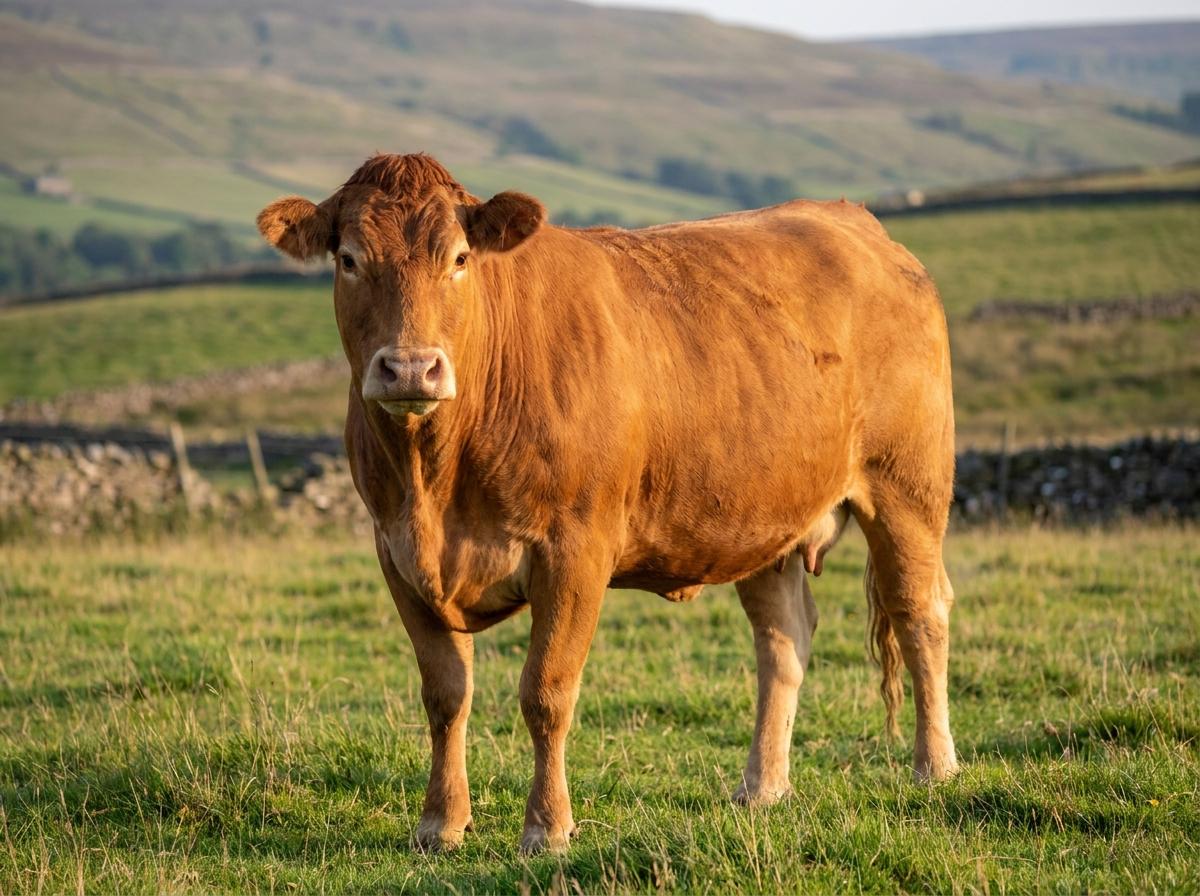
Colors: Belted, Black, Black and White, Blaze Faced, Blue Roan, Brindle, Brockle Faced, Brown, Brown and White, Dun, Gray, Grey, Highbelt, Highpark, Lineback, Mottled, Pied, Red, Red and White, Red Roan, Riggit, Roan, Silver, Solid Black, Solid Red, Solid White, Speckled, Spotted, White, White Faced, Yellow