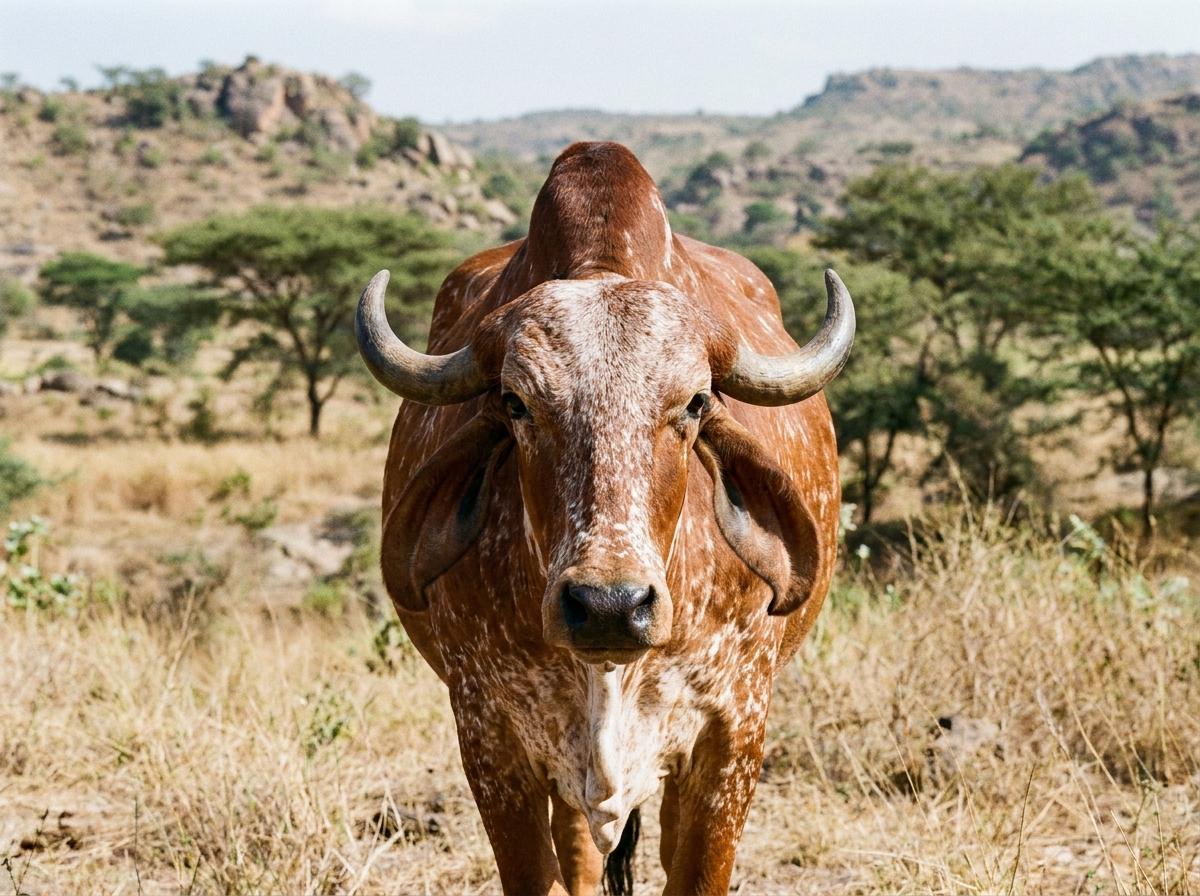
Gir
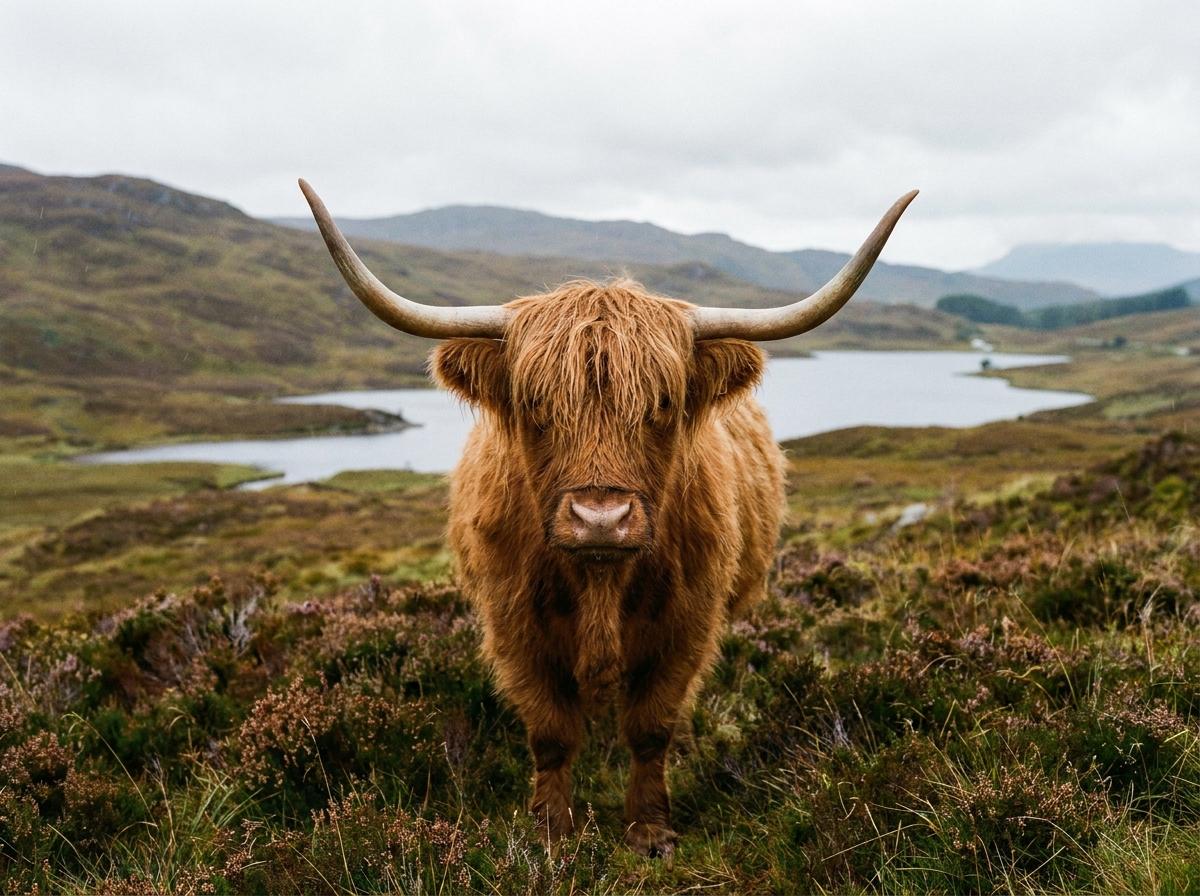
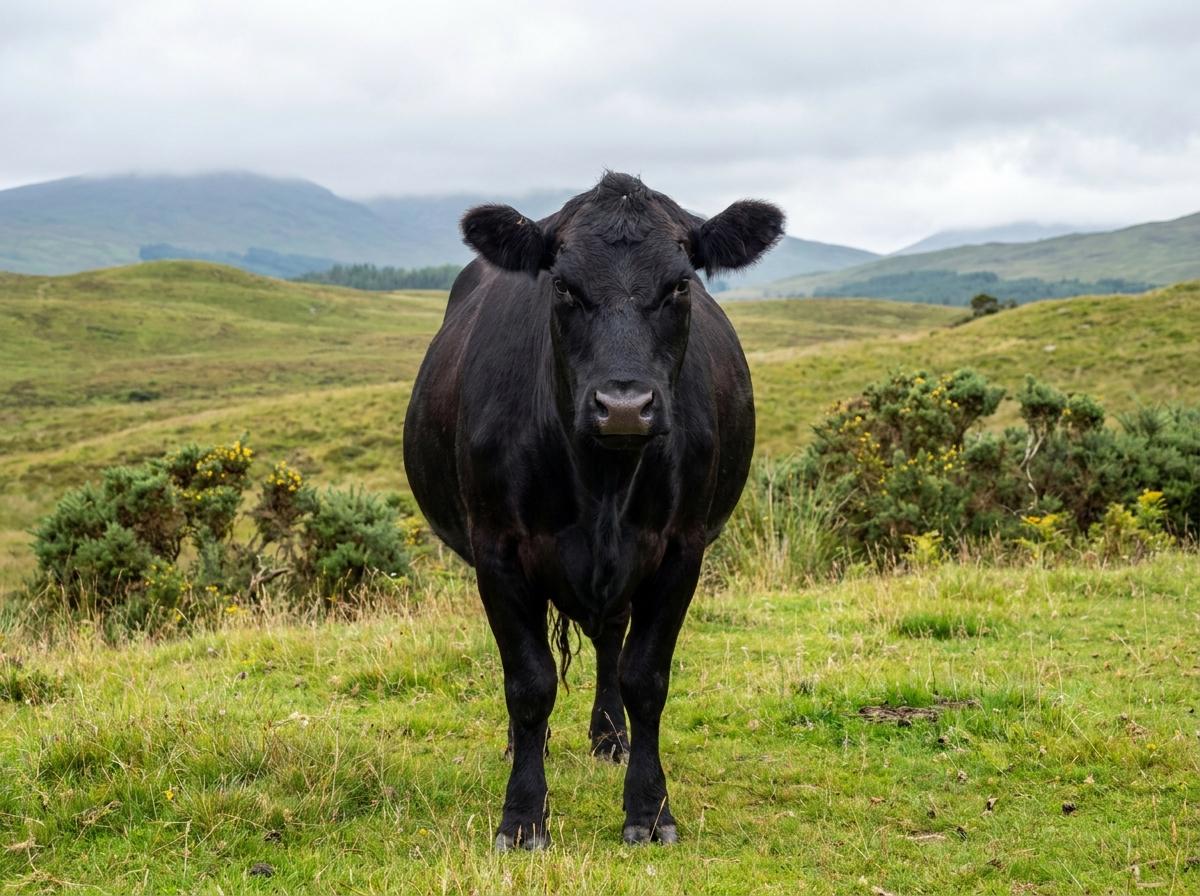
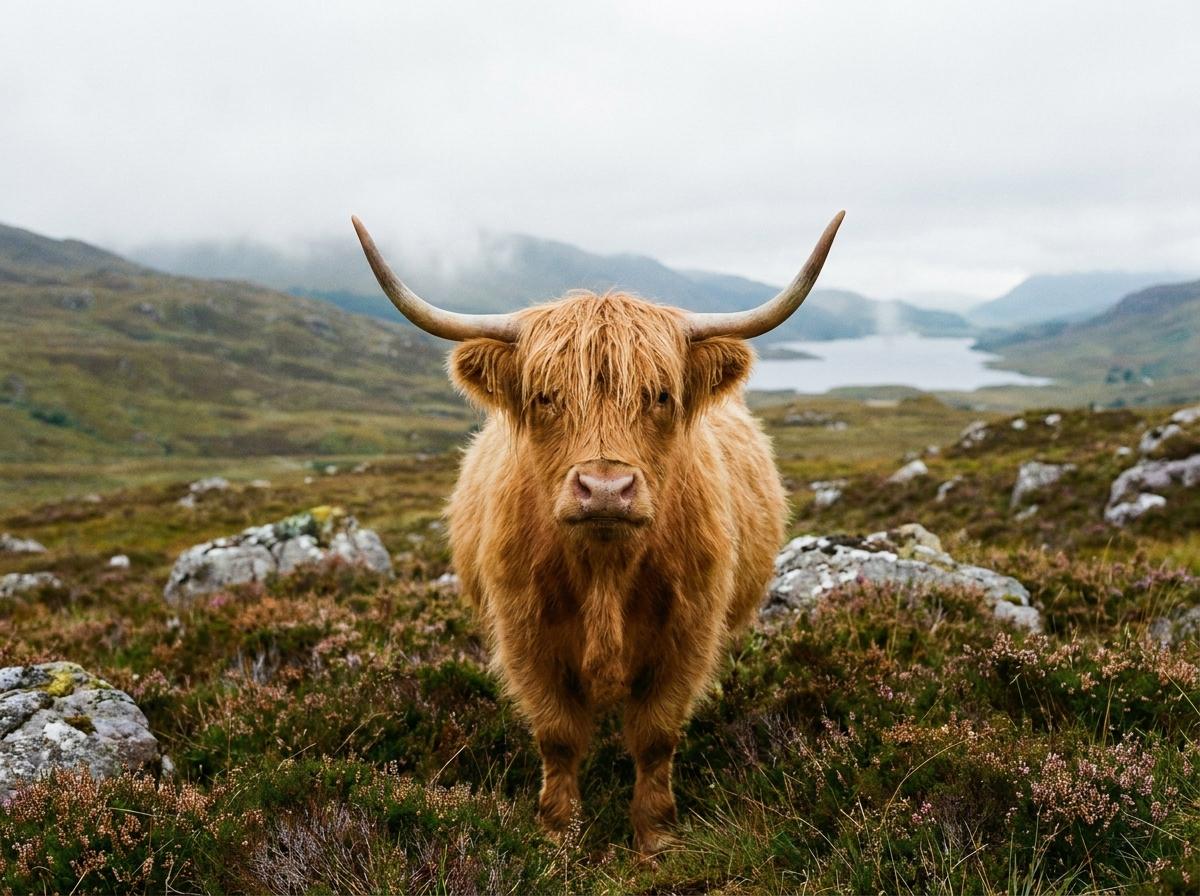
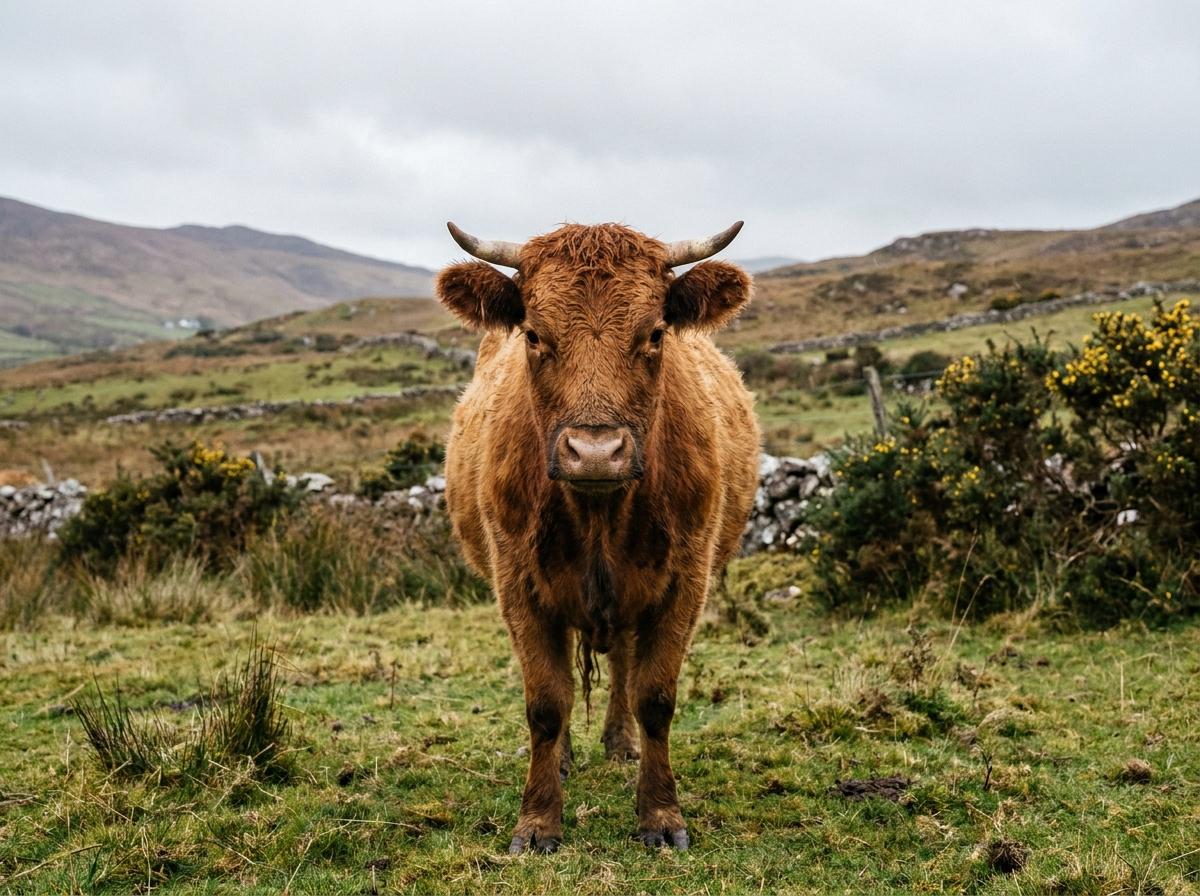
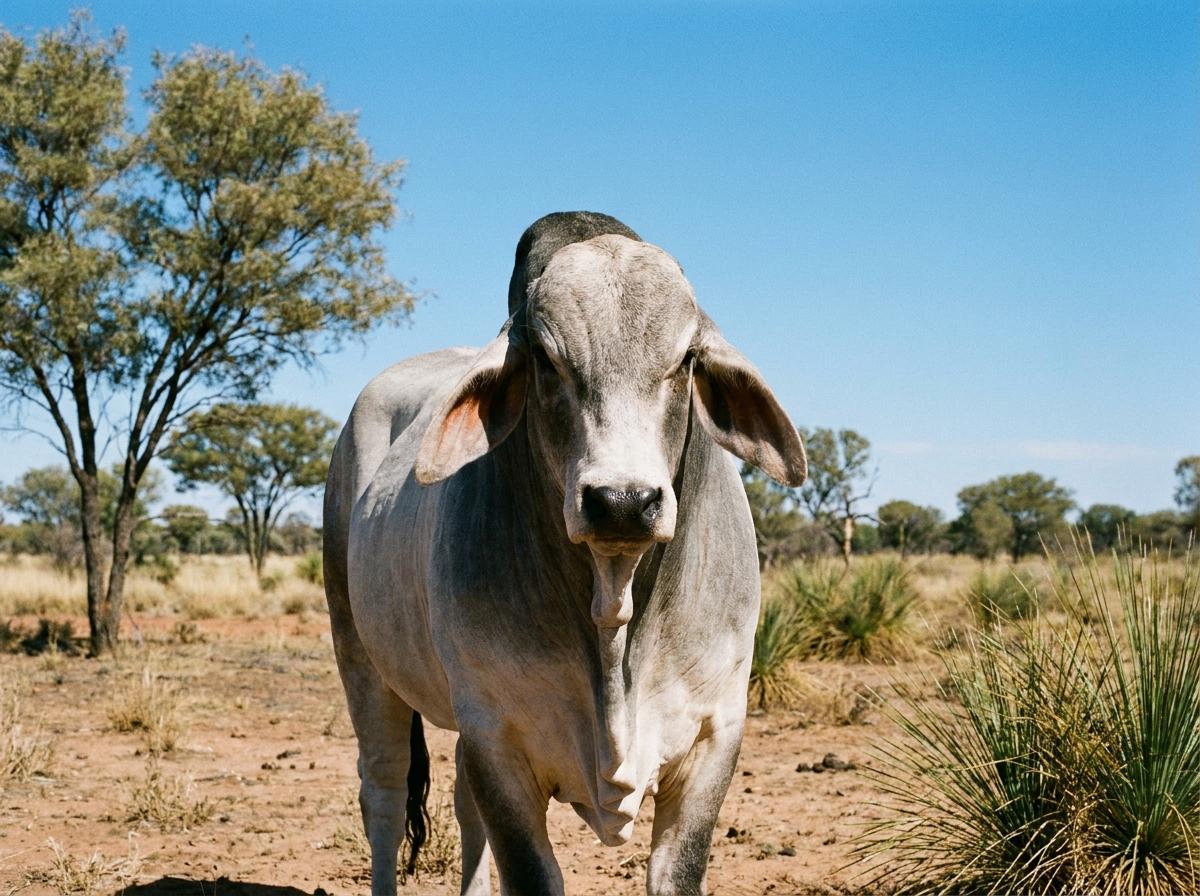
Gir cattle, also spelled Gyr, are zebu dairy cattle from the Saurashtra and Gir Forest region of Gujarat, India. They are easy to recognize by the domed forehead, long pendulous ears, loose skin, prominent hump, and horns that sweep outward and back before curving upward. Coats may be red, white, speckled, or mottled. Gir cattle are valued for milk production under hot conditions and have influenced tropical dairy breeding worldwide, especially in Brazil and in Girolando cattle, which combine Gir and Holstein ancestry.
In practice, Gir are kept by dairy farmers, smallholders, and tropical cattle breeders who need heat tolerance and better adaptation to insects and seasonal forage than many European dairy breeds. They still require shade, clean water, minerals, and patient milking routines; some zebu cows let milk down more readily when calves are nearby. Horns, loose skin, and strong adult bulls call for sensible handling facilities. In cooler climates, shelter from wet cold is important. Breeding programs often track milk records and family lines because performance varies widely between traditional, show, and specialized dairy Gir cattle.
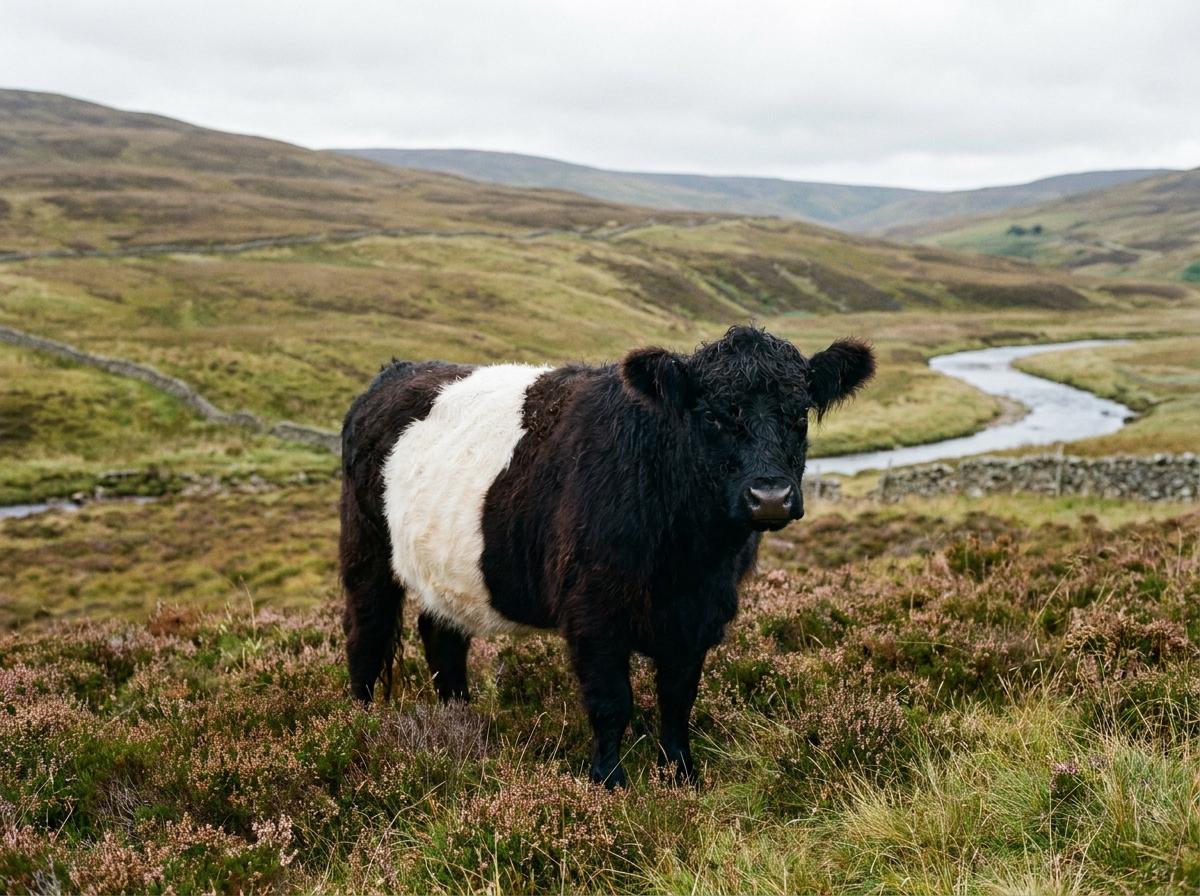
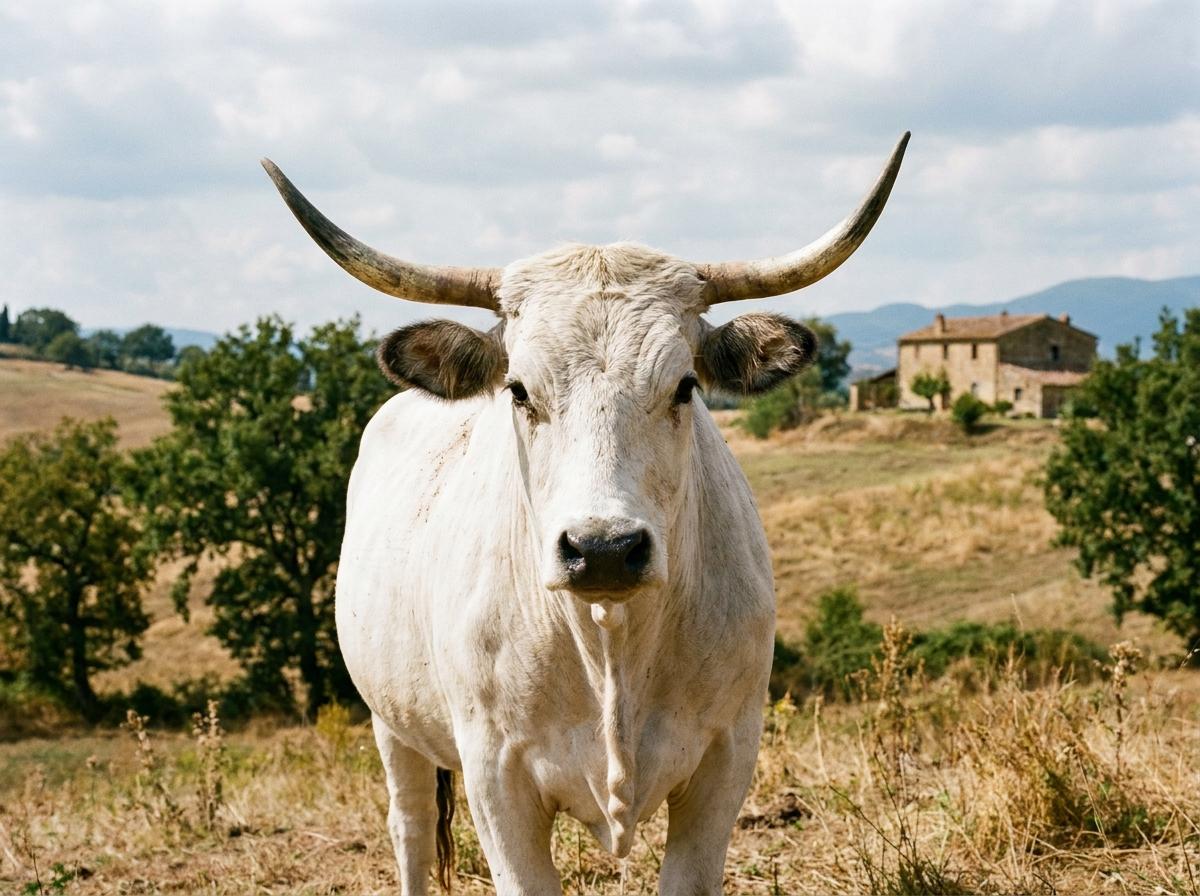
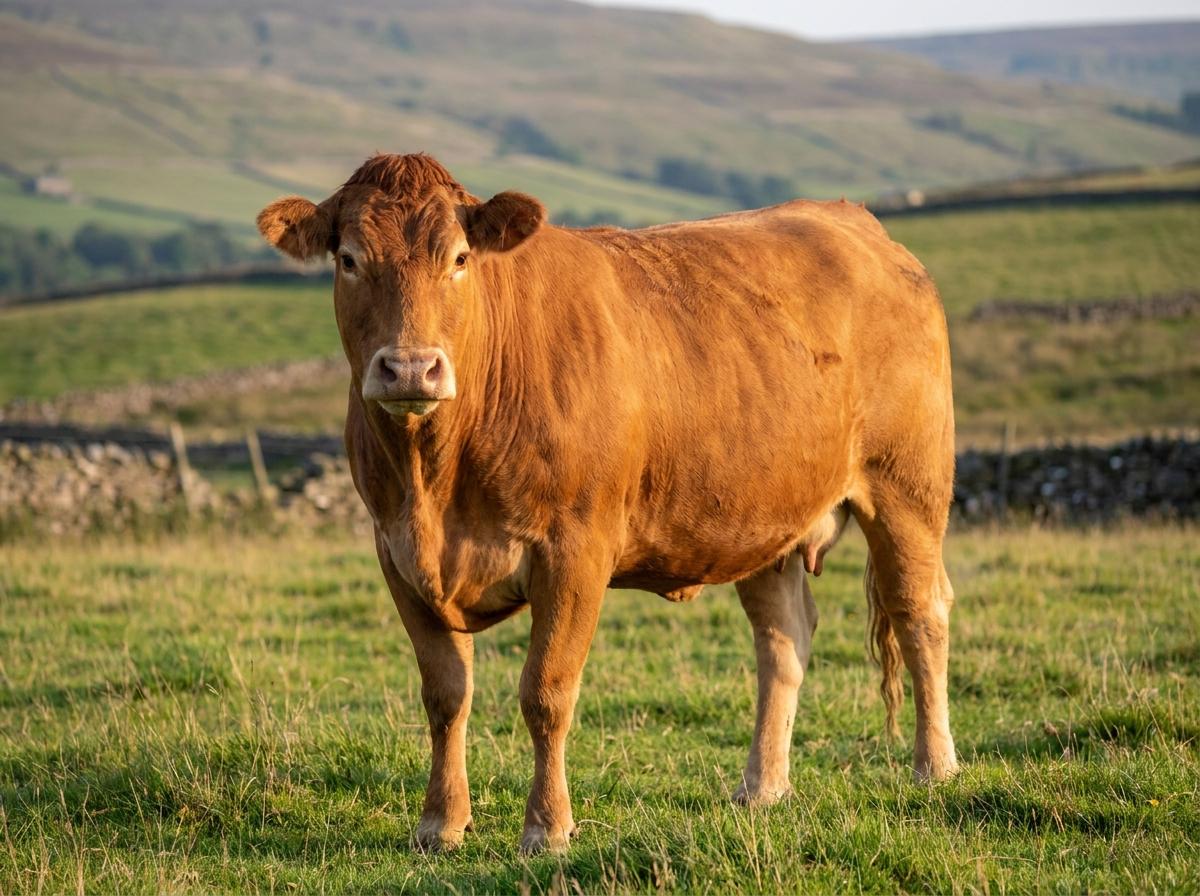
Colors: Belted, Black, Black and White, Blaze Faced, Blue Roan, Brindle, Brockle Faced, Brown, Brown and White, Dun, Gray, Grey, Highbelt, Highpark, Lineback, Mottled, Pied, Red, Red and White, Red Roan, Riggit, Roan, Silver, Solid Black, Solid Red, Solid White, Speckled, Spotted, White, White Faced, Yellow