

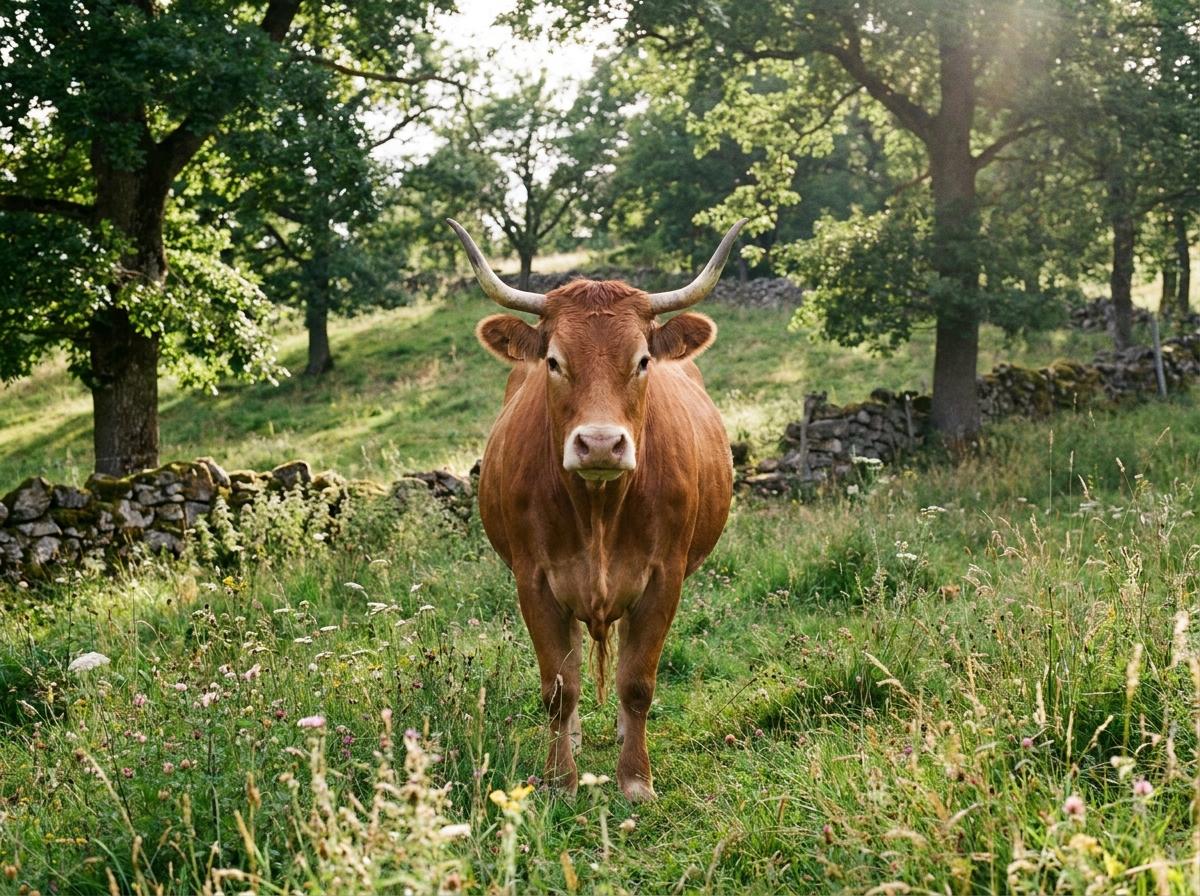
Glan
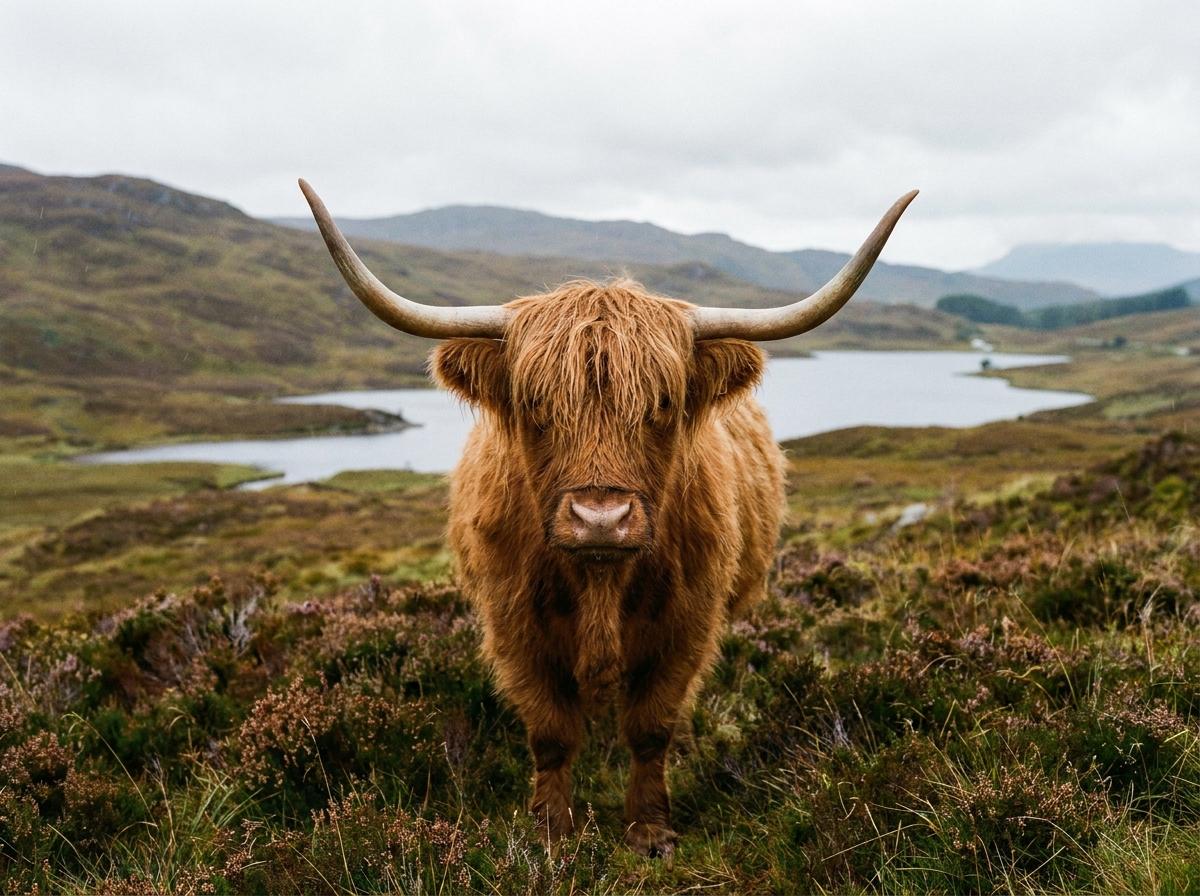
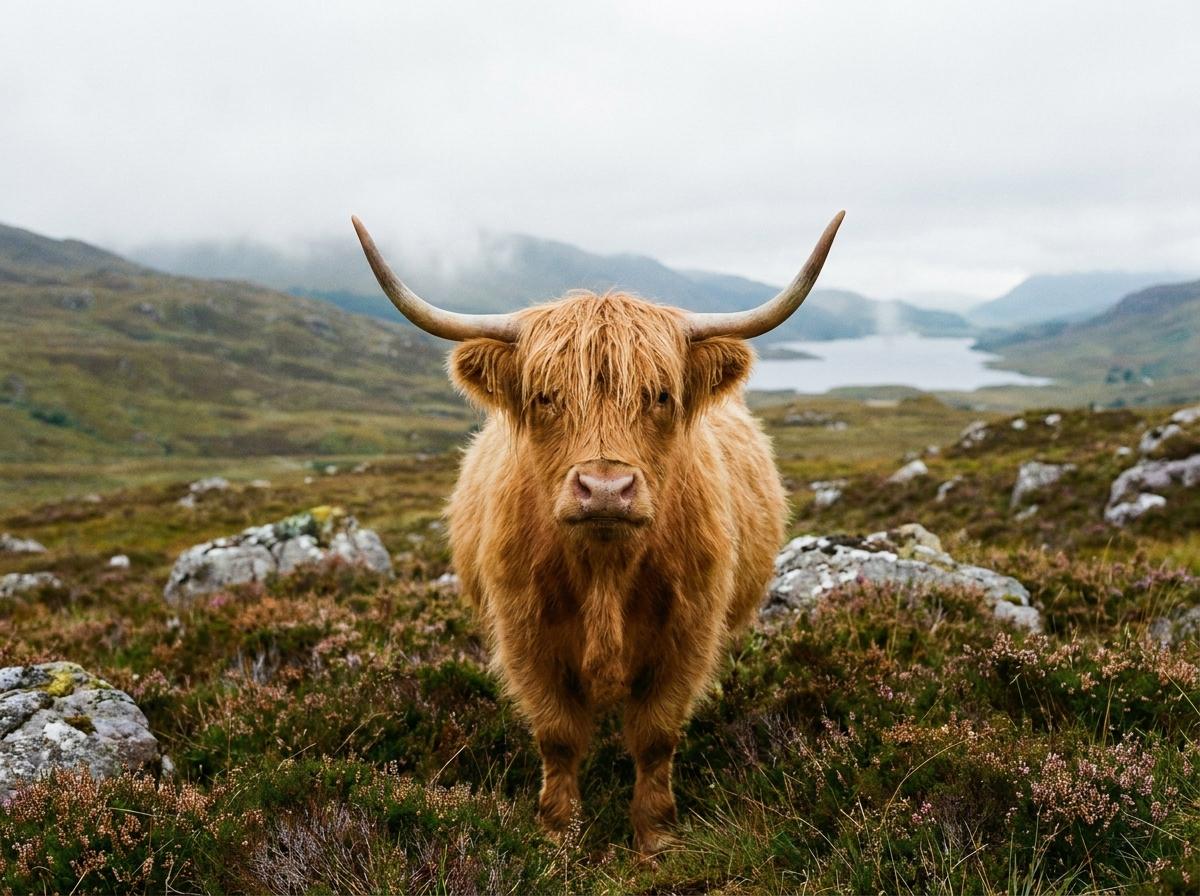
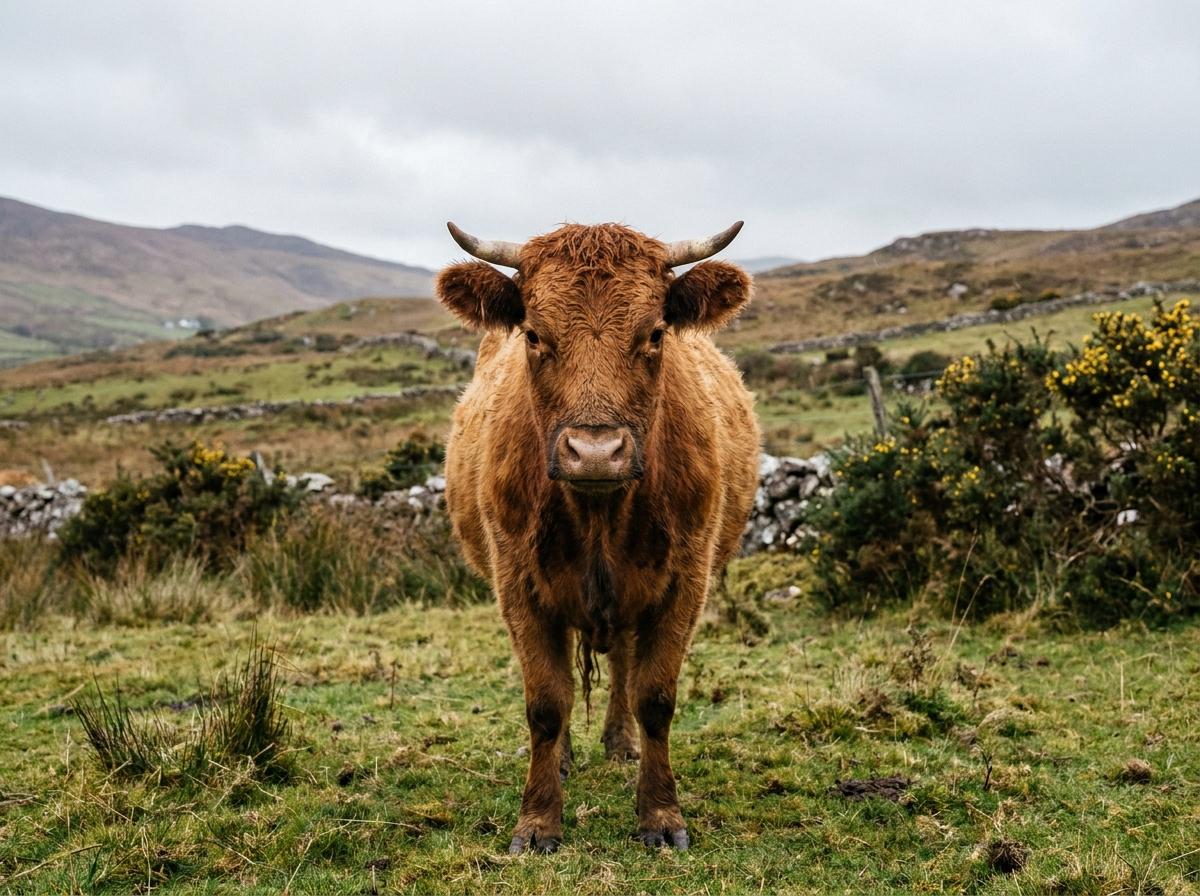
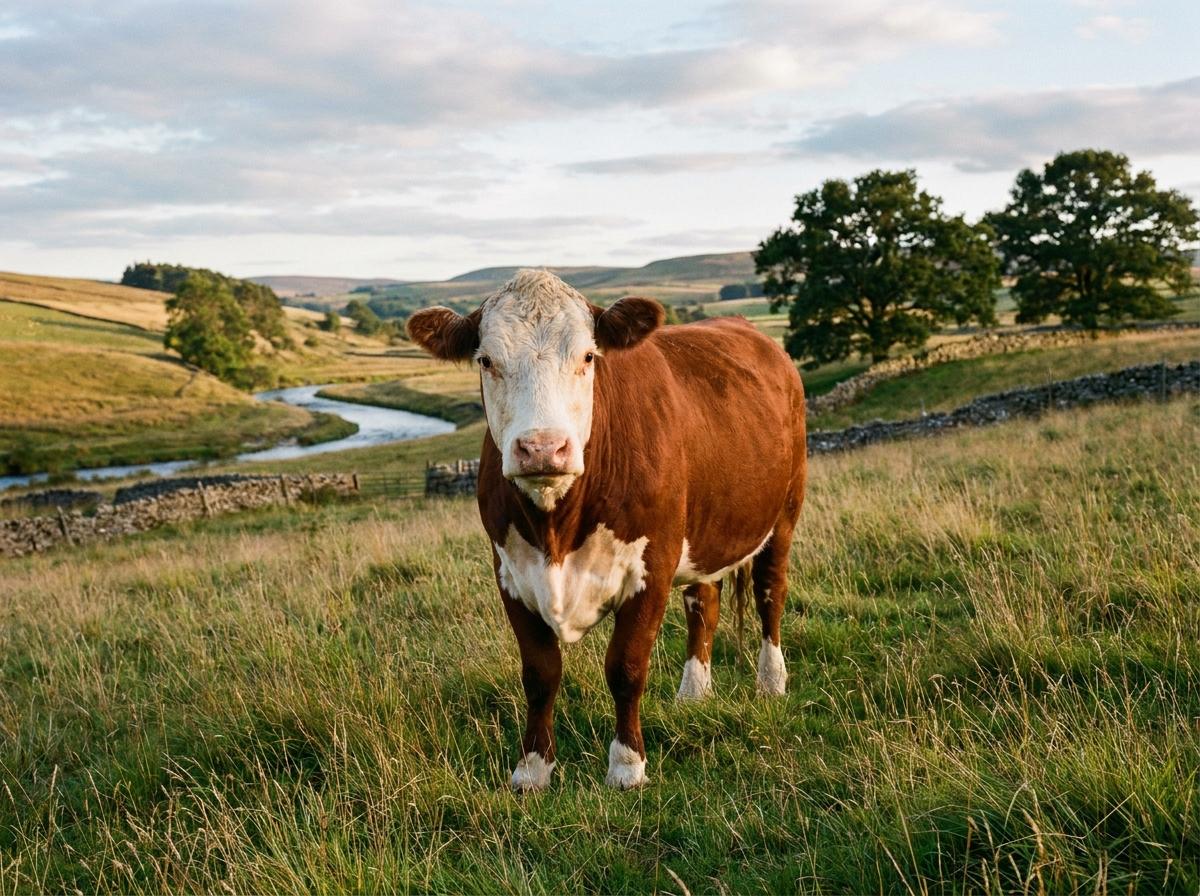
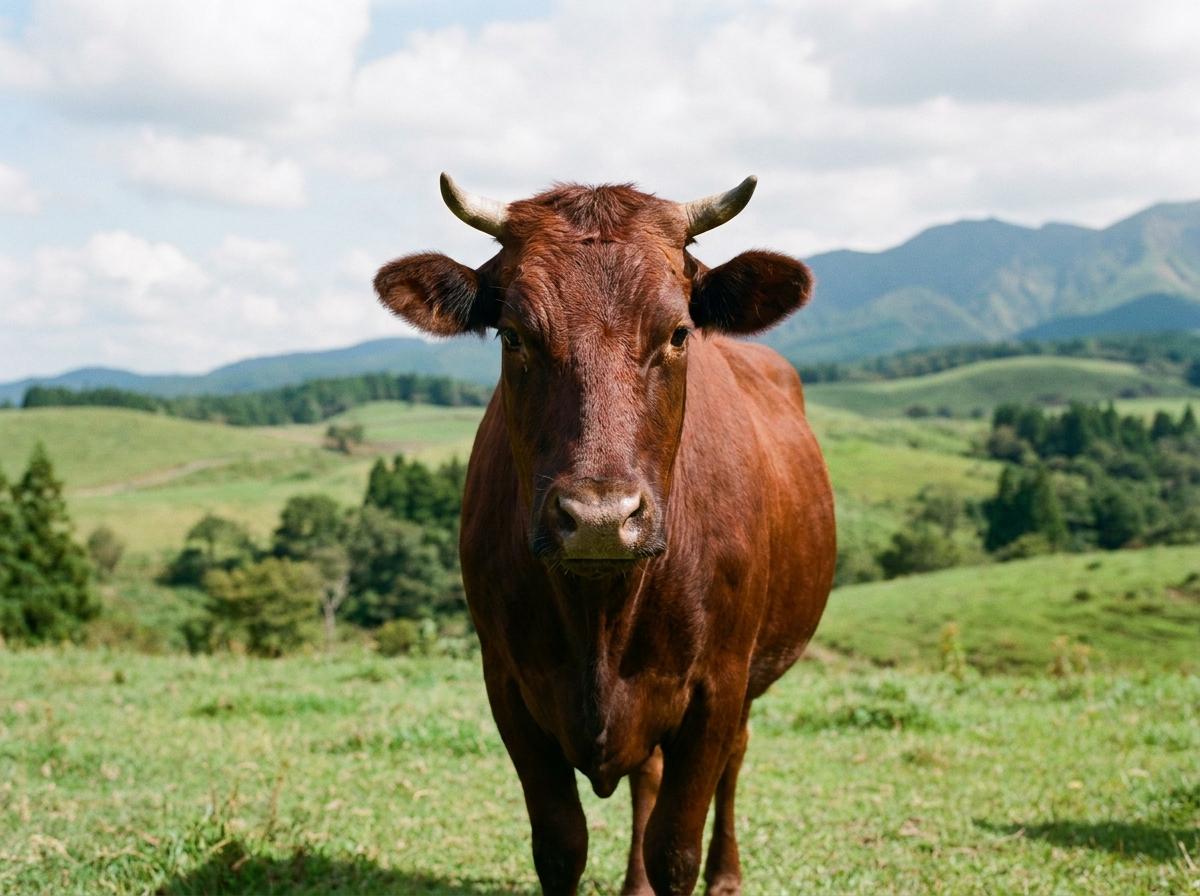
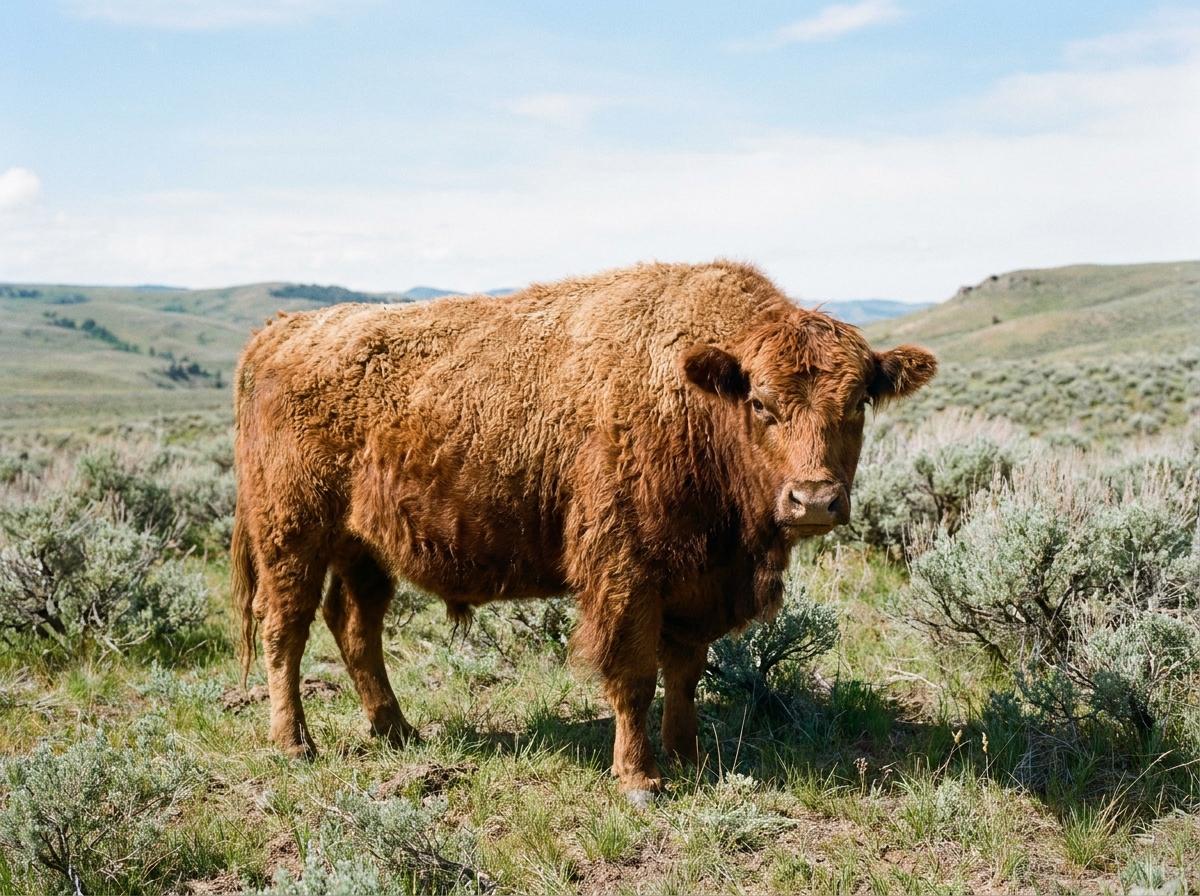
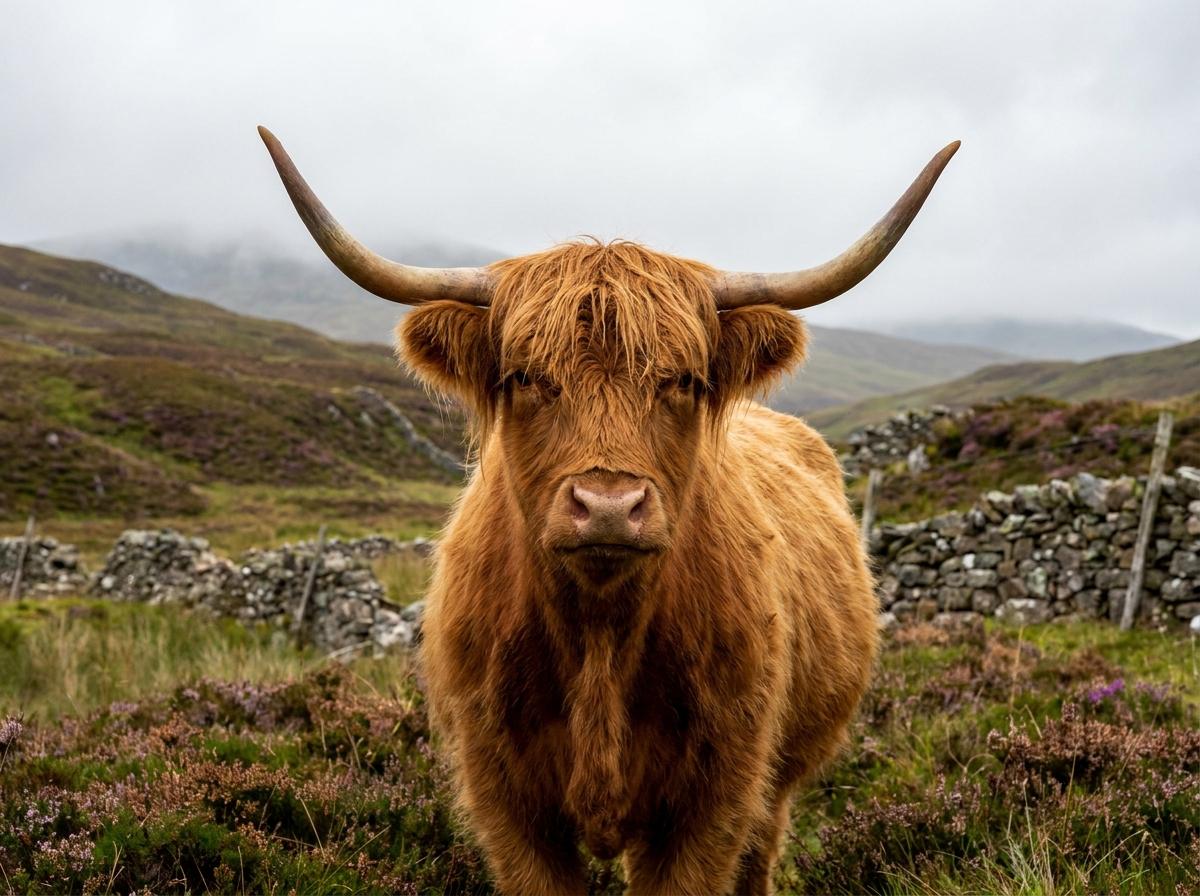
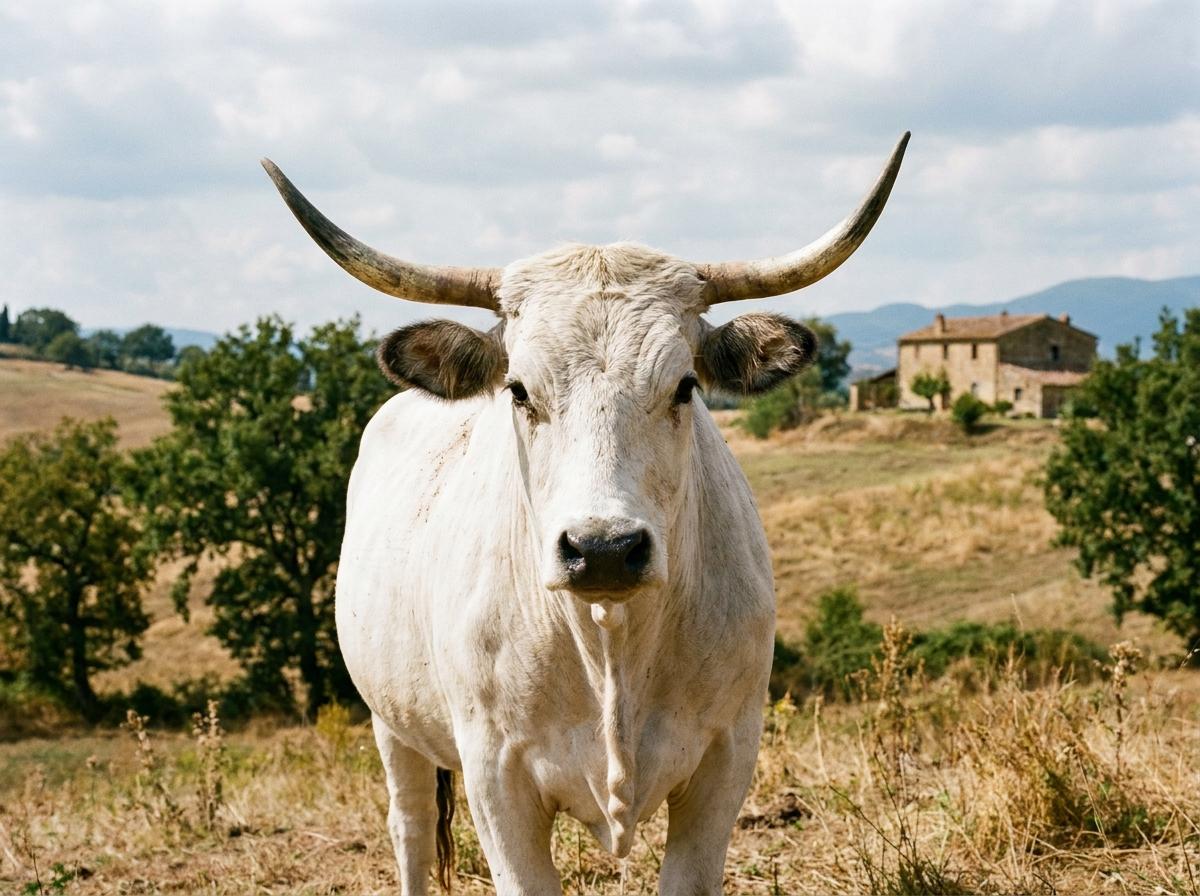
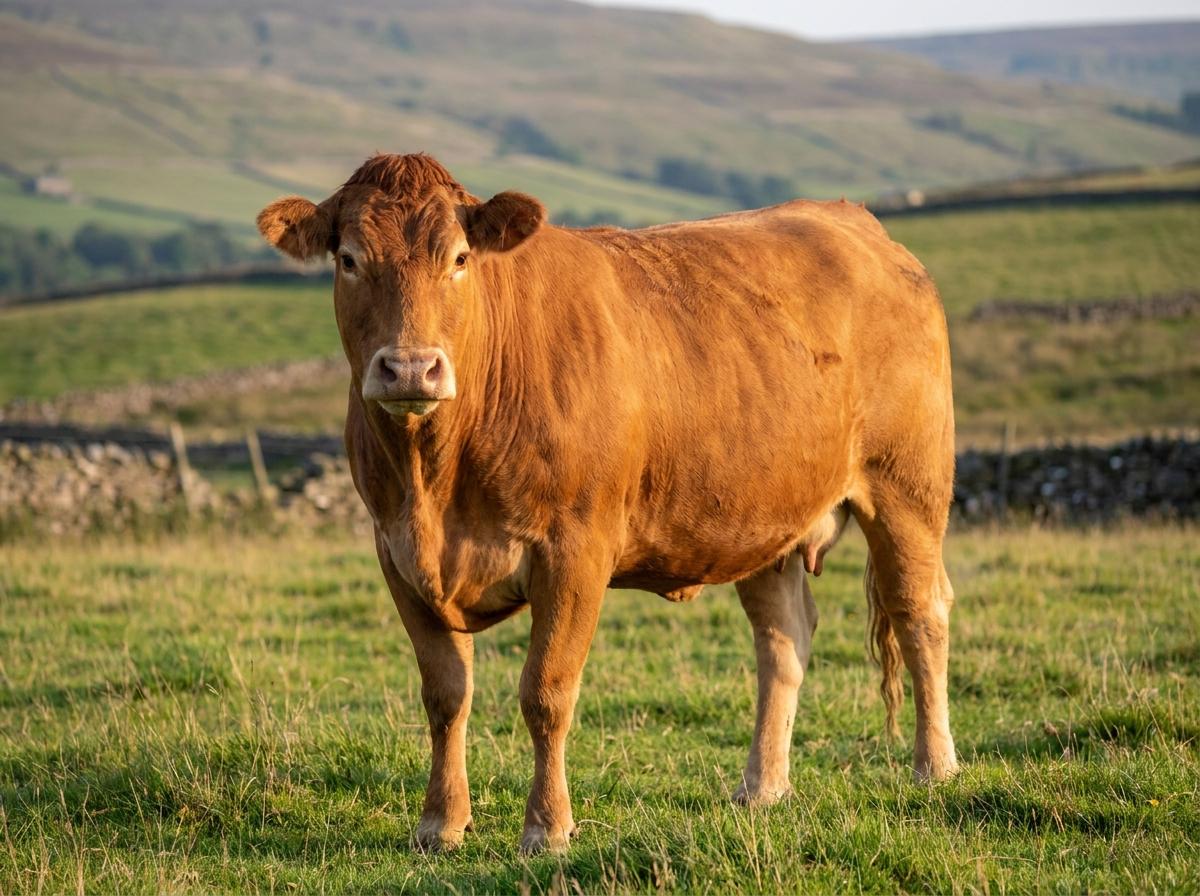
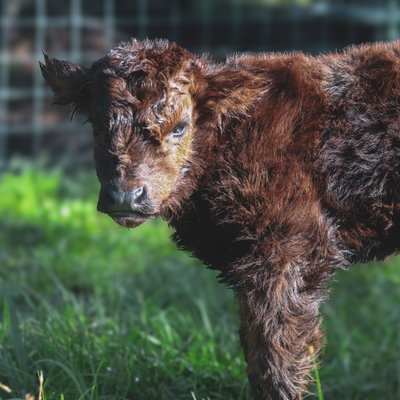
Glan cattle, or Glanrind, are a German heritage breed from the Glan River area of Rhineland-Palatinate and nearby regions. They developed from local yellow and red cattle selected for farm work, milk, and meat, and later survived as a rare dual-purpose breed. Typical animals are solid yellow, blond, or reddish, often with a pale muzzle and a strong, roomy body. The breed is larger and more workmanlike than many modern novelty rare breeds, reflecting its past as a practical farm animal rather than a decorative type.
Current Glan herds are often managed as suckler cattle, grass-fed beef animals, or landscape grazing cattle on traditional pastures and orchards. Their strengths are forage use, longevity, and a calm working temperament, but mature size and horns require suitable handling equipment. Conservation breeders pay attention to family lines because the population passed through a narrow period before revival. For farmers, Glan cattle can fit low-input beef systems when winter forage is planned well and breeding decisions favor calving ease, feet, udders, and steady growth.
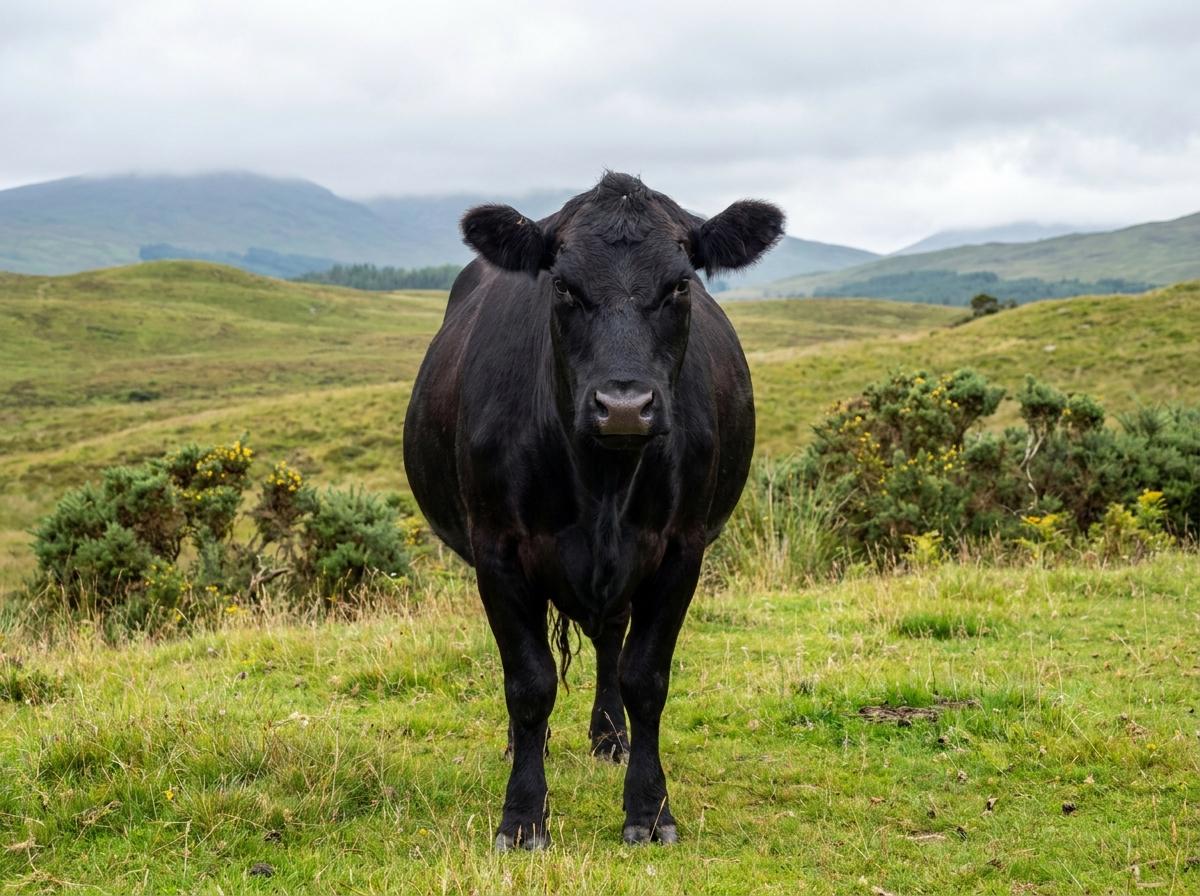
Colors: Belted, Black, Black and White, Blaze Faced, Blue Roan, Brindle, Brockle Faced, Brown, Brown and White, Dun, Gray, Grey, Highbelt, Highpark, Lineback, Mottled, Pied, Red, Red and White, Red Roan, Riggit, Roan, Silver, Solid Black, Solid Red, Solid White, Speckled, Spotted, White, White Faced, Yellow