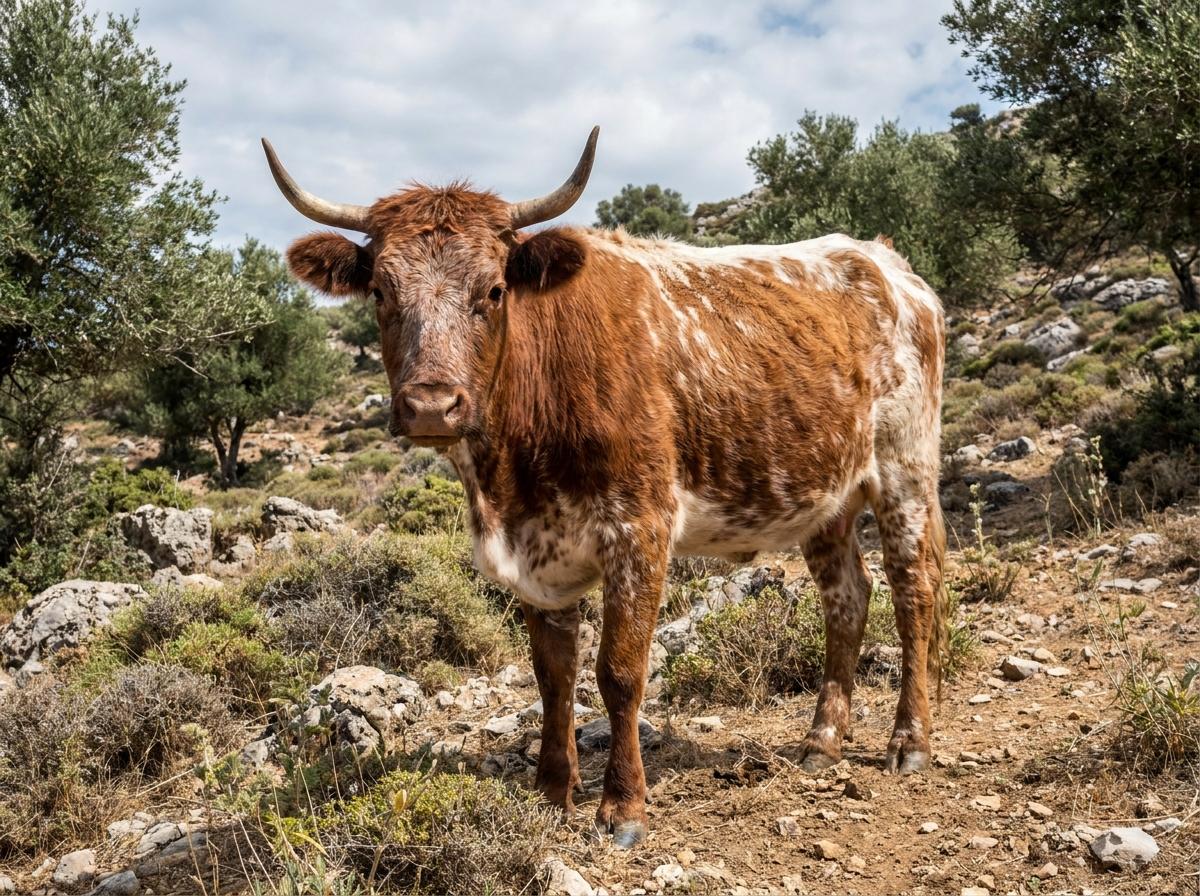
Greek Shorthorn
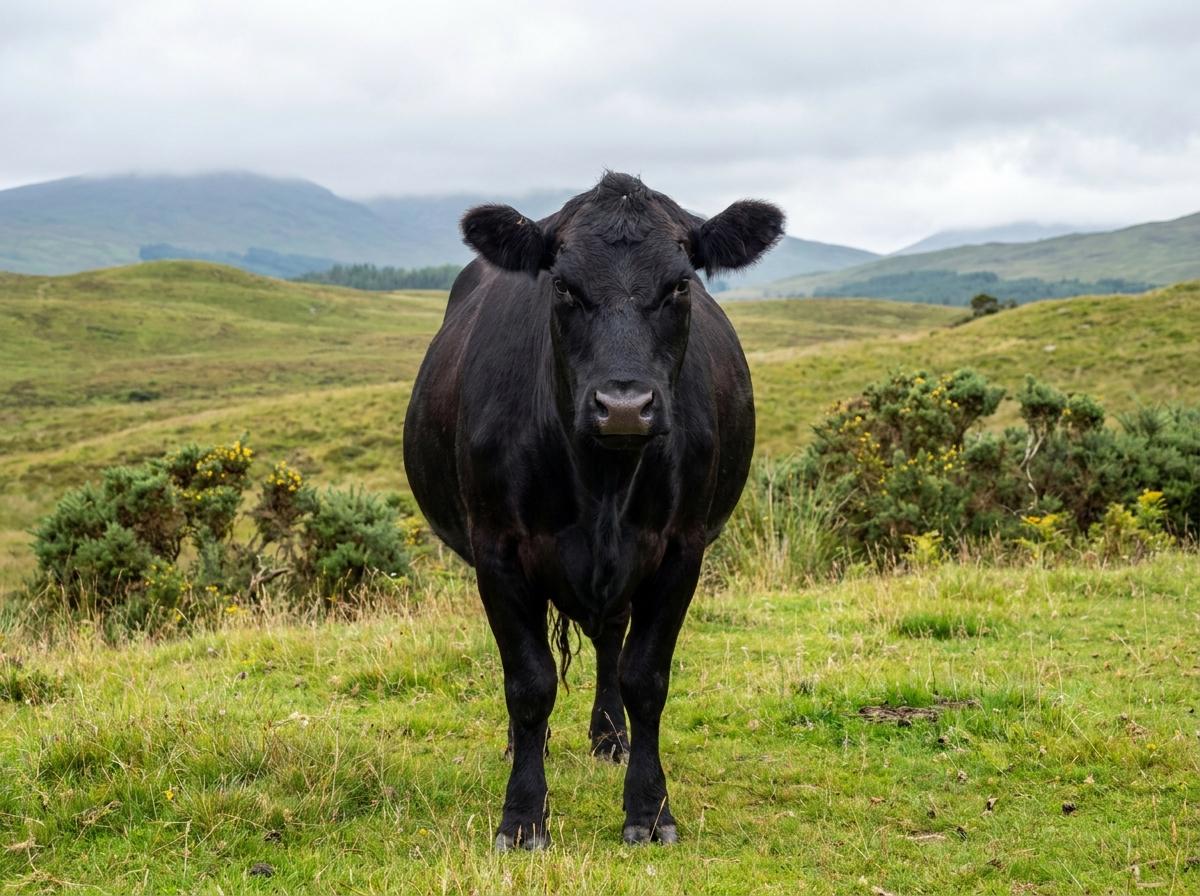
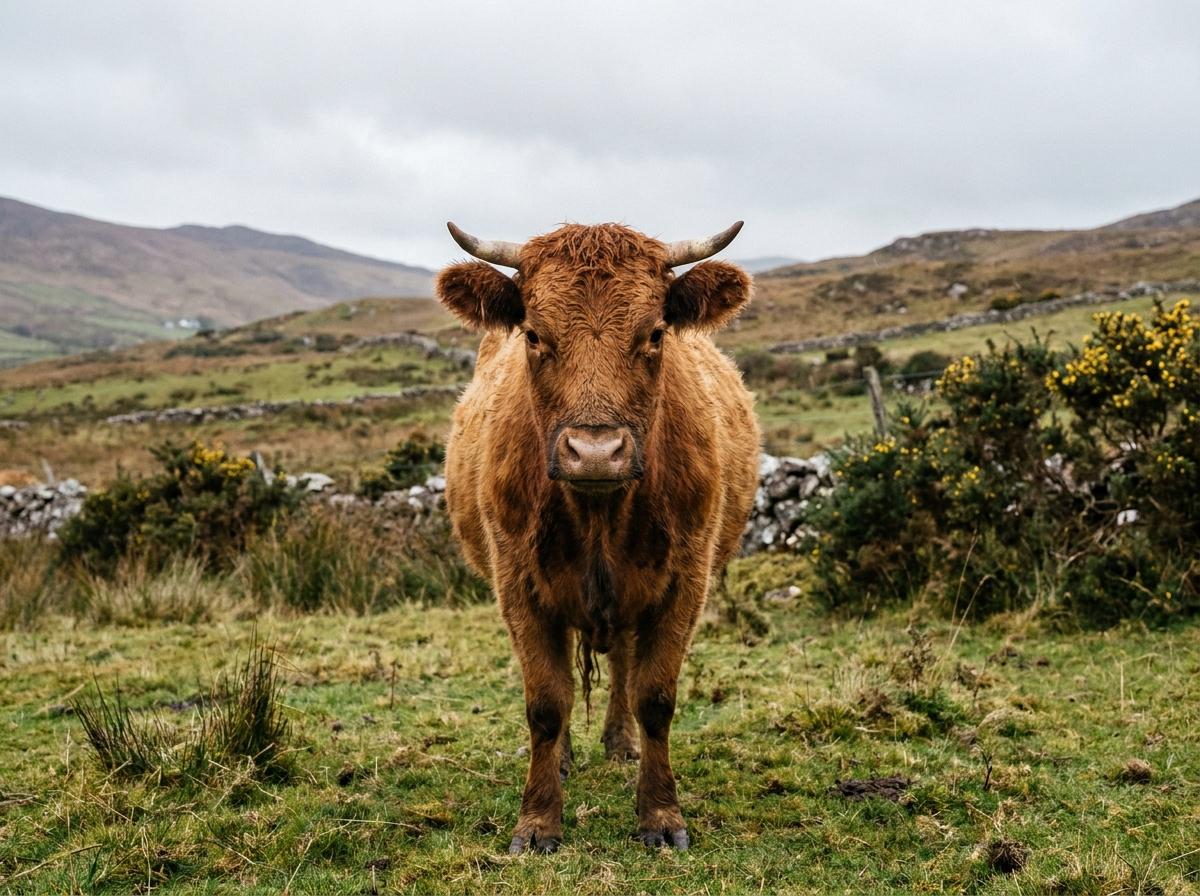
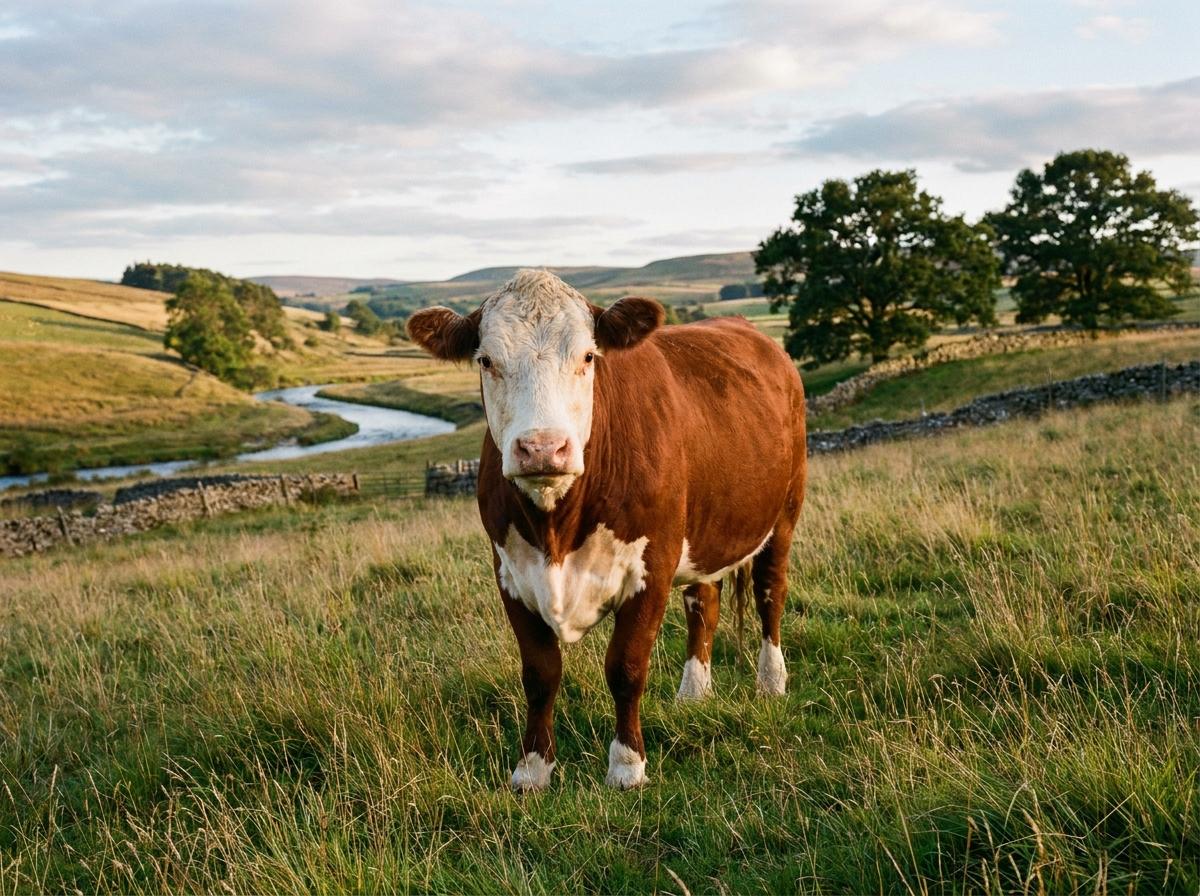
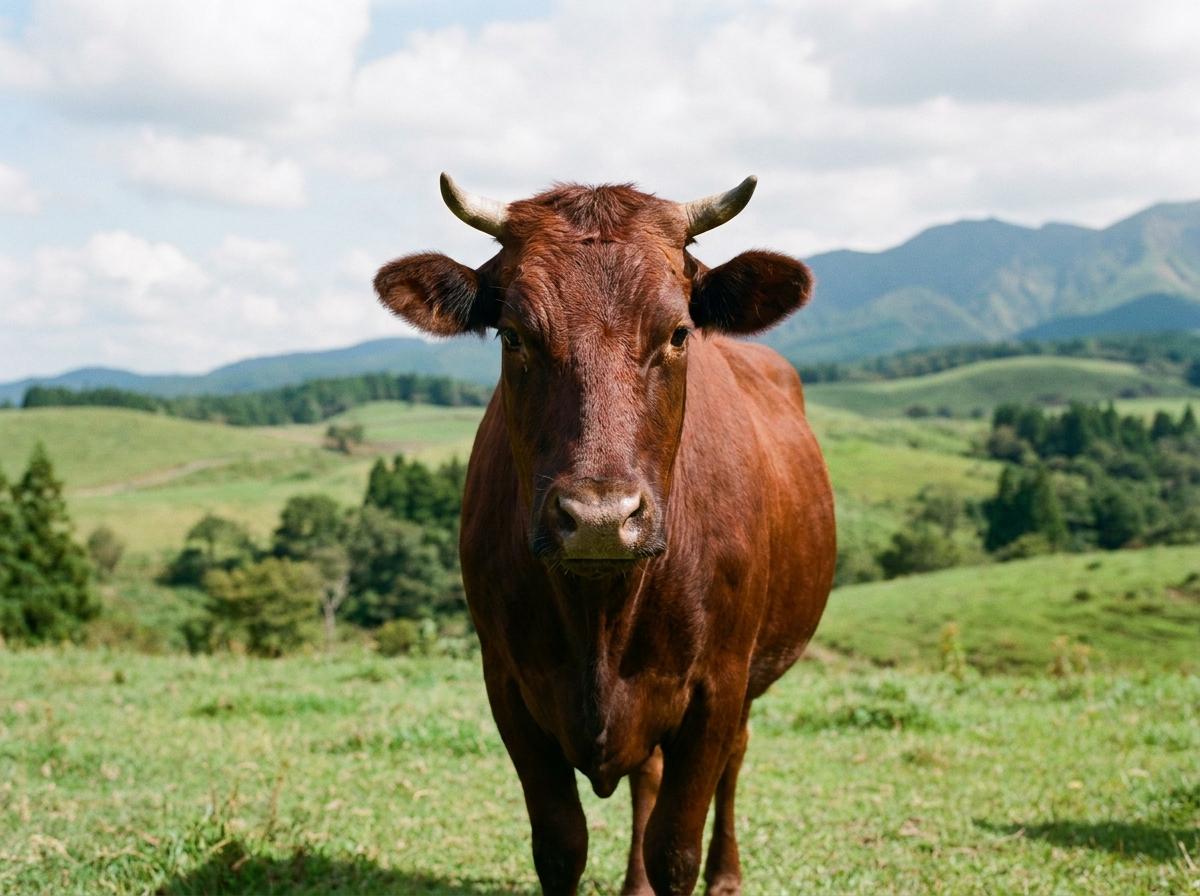
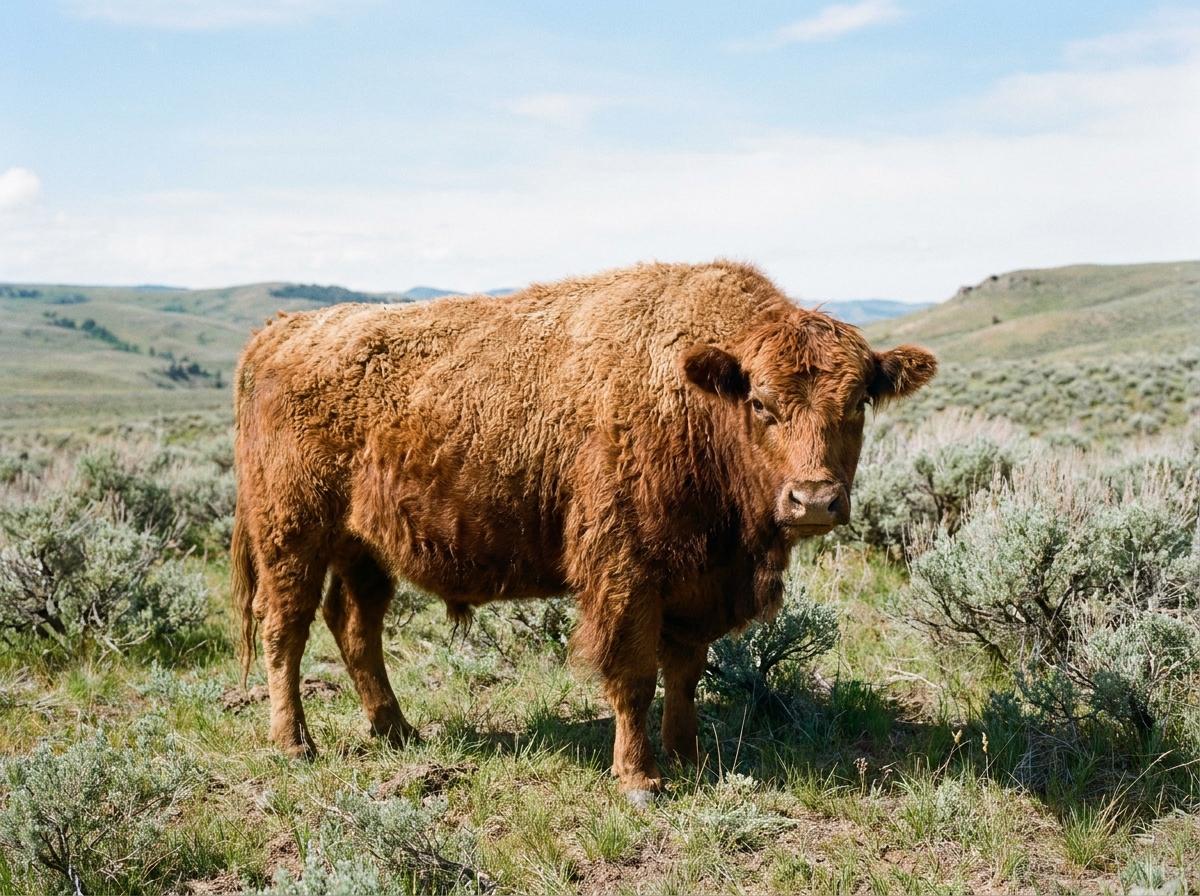
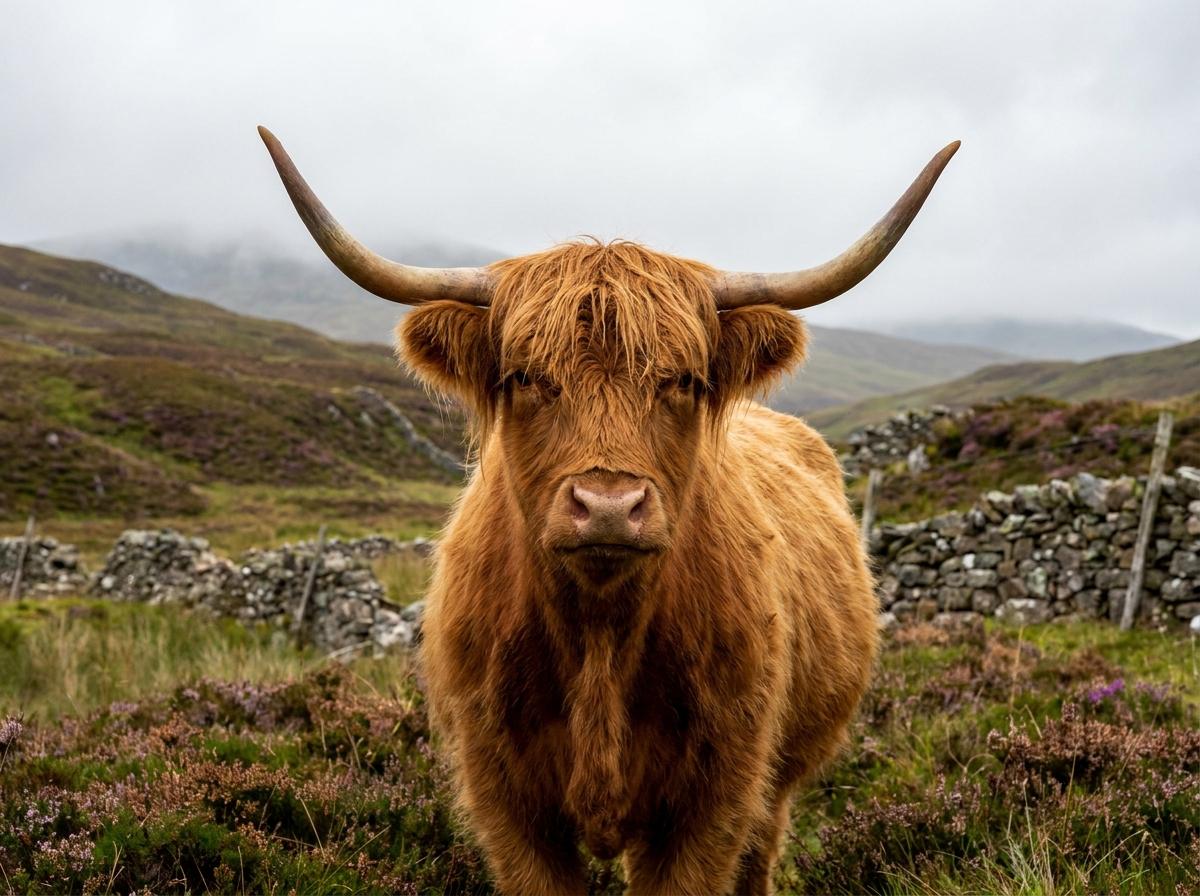
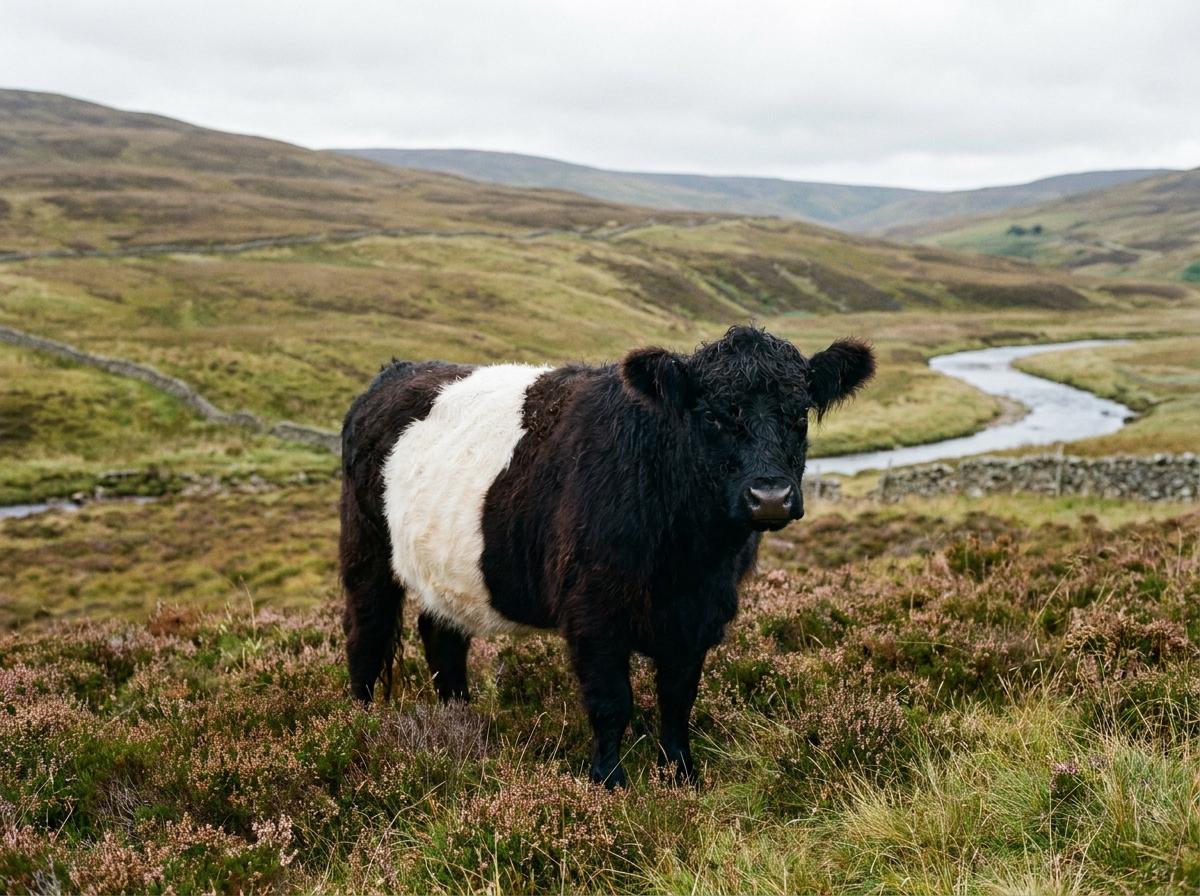
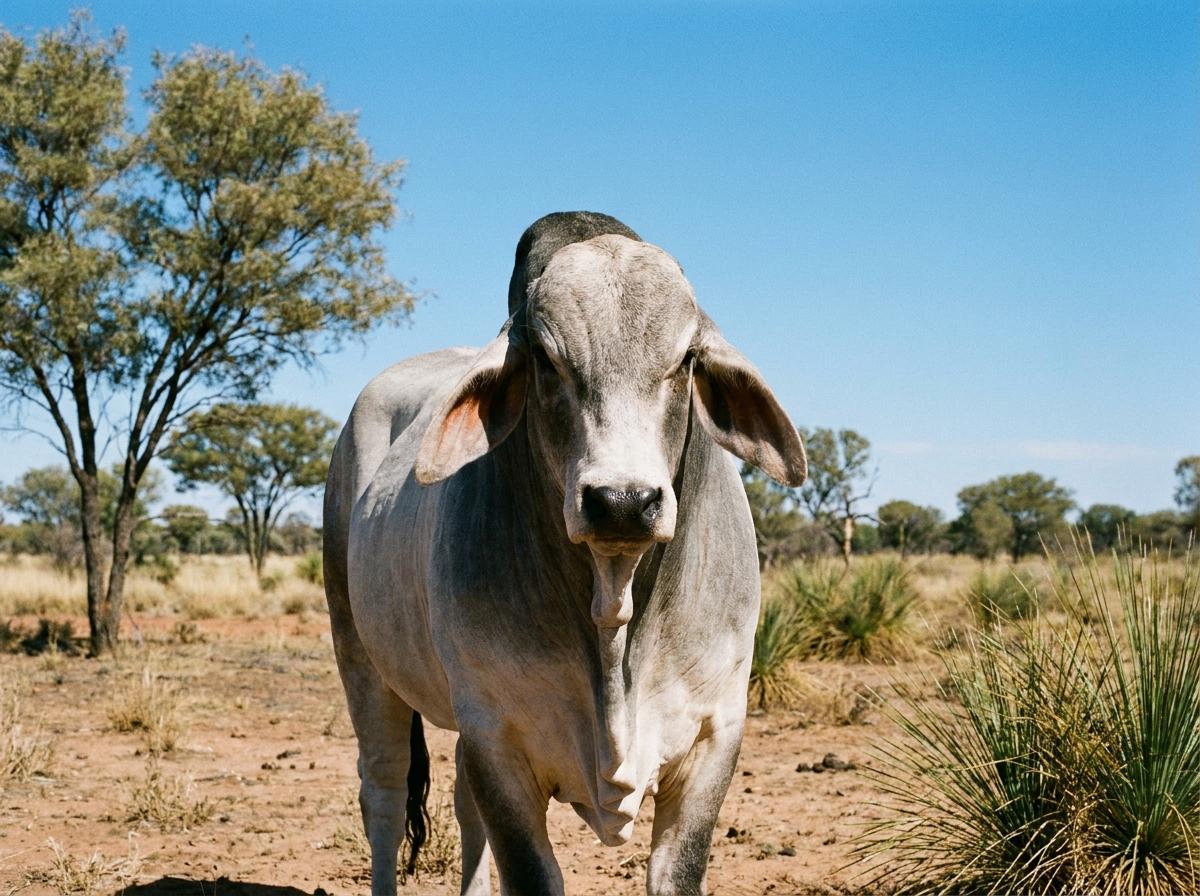
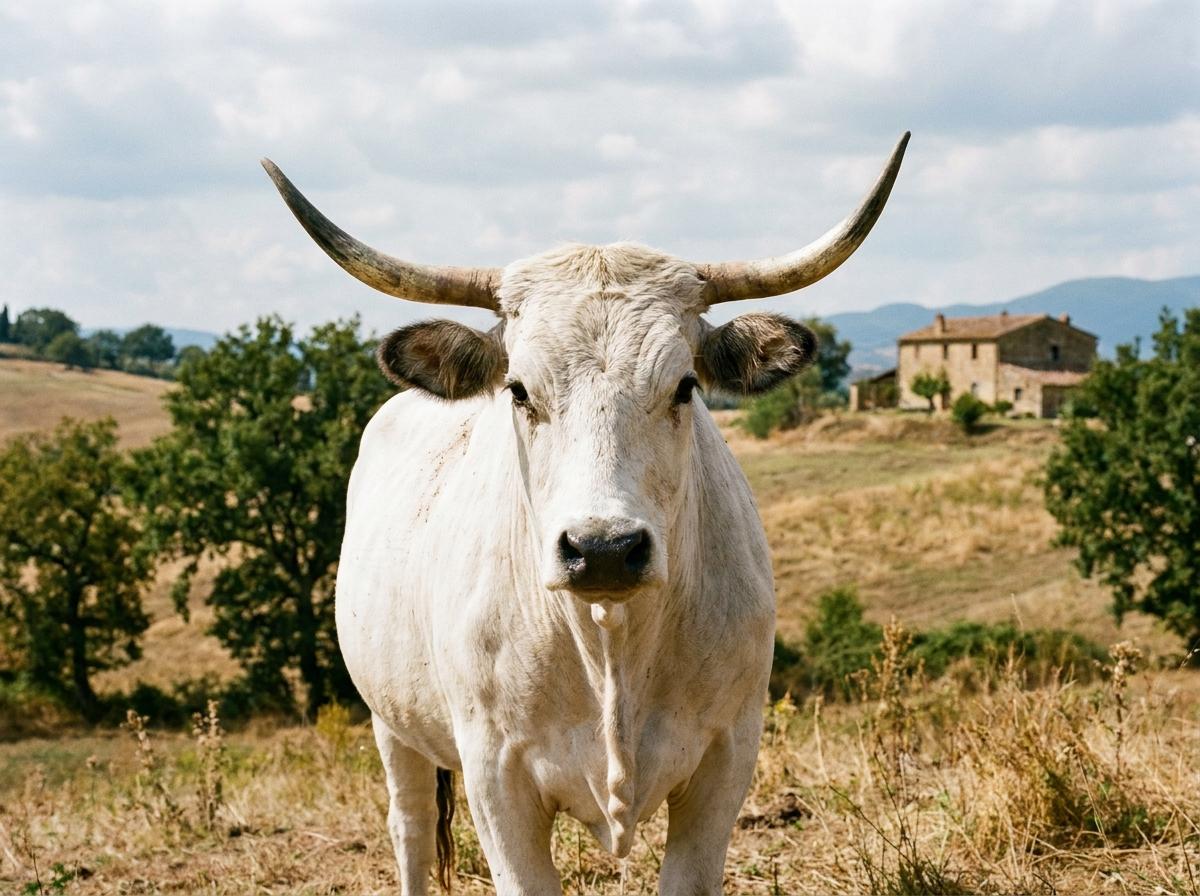
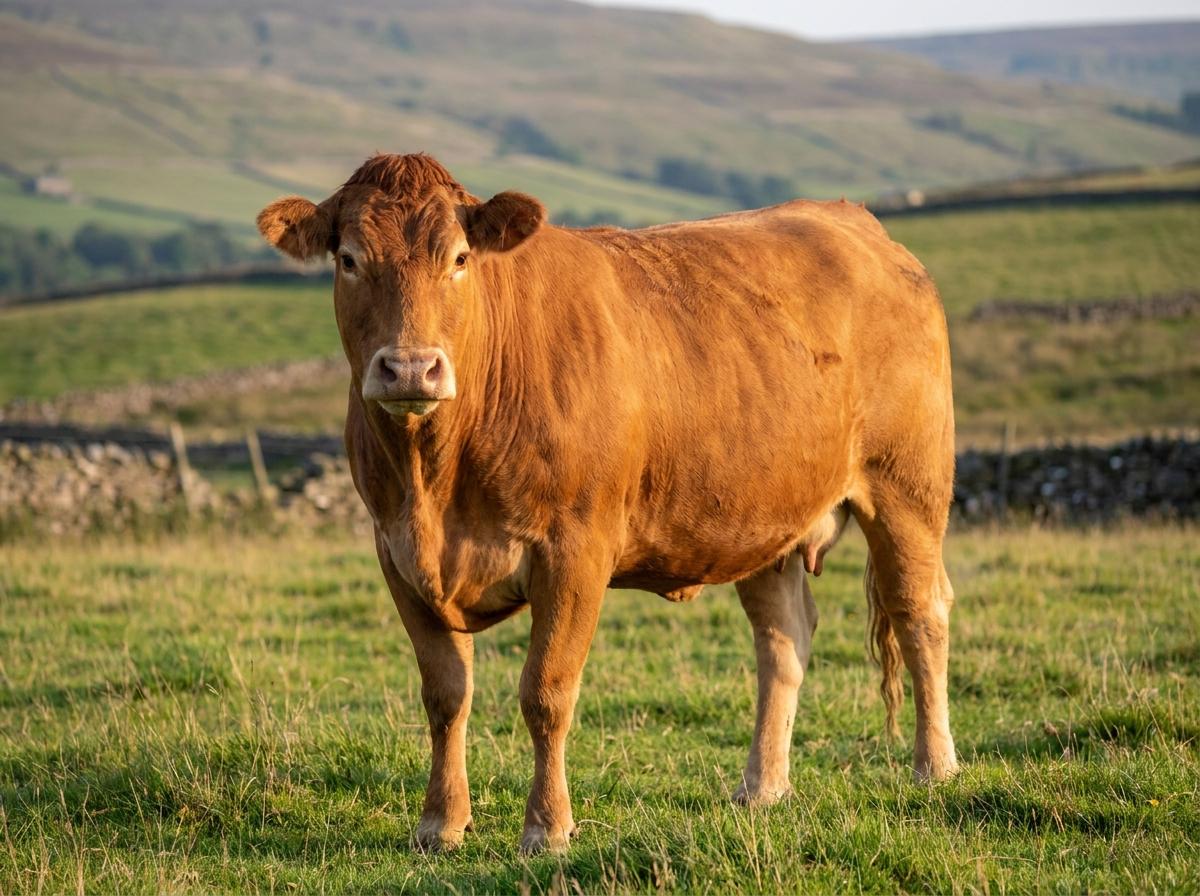
The Greek Shorthorn, or Brachykeratiki cattle, is a small indigenous breed of Greece named for its short horns. It belongs to the older Balkan landrace cattle shaped by mountains, scrub pasture, and small village farms rather than intensive selection. Animals are compact and hardy, with coats that may be black, brown, dun, gray, or mixed, and they were traditionally used for milk, meat, manure, and light draft work. Many surviving herds are found in extensive or semi-extensive systems rather than specialized dairy barns.
People keeping Greek Shorthorn cattle usually value adaptation over output. They can make use of rough grazing and variable Mediterranean weather, but calves and cows still need winter forage, safe handling, and veterinary care during difficult seasons. Because numbers are limited, conservation herds pay attention to identifying true-type animals, avoiding close inbreeding, and keeping cows productive enough for farmers to maintain them. The breed is better understood as a native-resource herd animal than as a high-yield dairy or fast-finishing beef breed.
Colors: Belted, Black, Black and White, Blaze Faced, Blue Roan, Brindle, Brockle Faced, Brown, Brown and White, Dun, Gray, Grey, Highbelt, Highpark, Lineback, Mottled, Pied, Red, Red and White, Red Roan, Riggit, Roan, Silver, Solid Black, Solid Red, Solid White, Speckled, Spotted, White, White Faced, Yellow