Greek Steppe
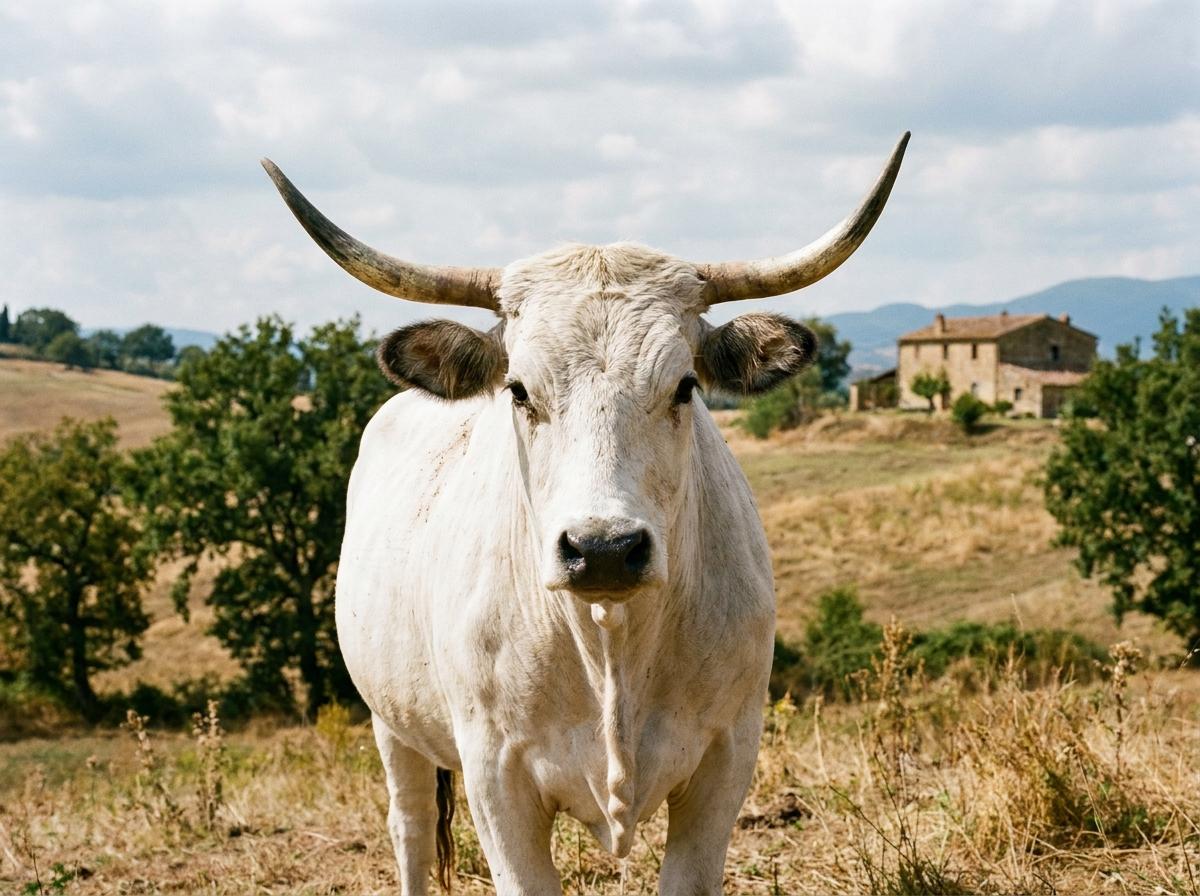
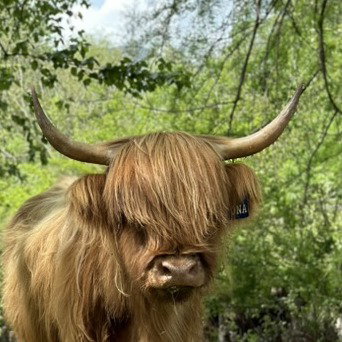
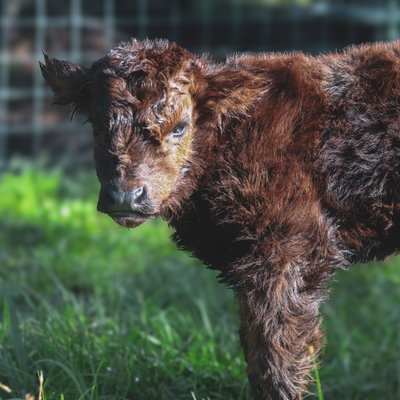
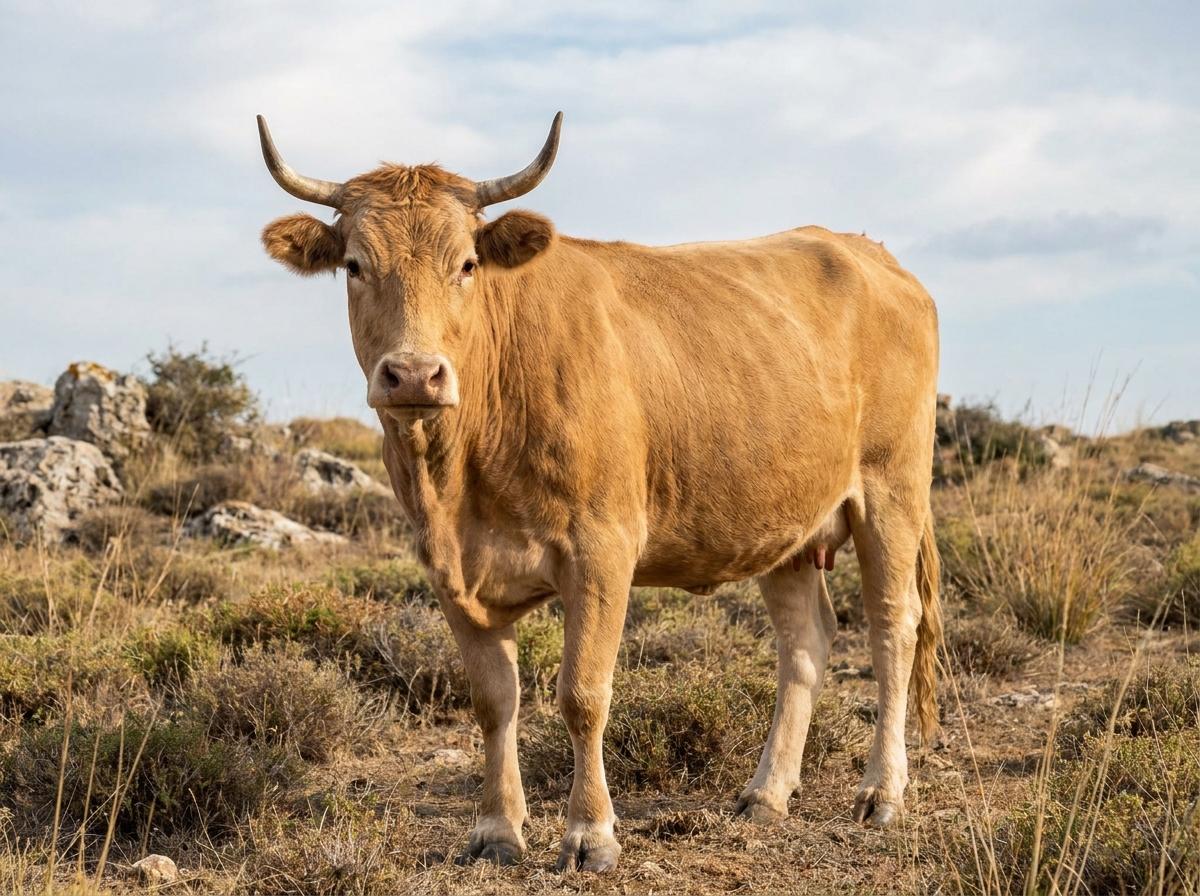
Greek Steppe cattle are a rare Greek form of steppe or Podolian-type cattle, historically linked with the gray long-horned cattle found across parts of the Balkans and eastern Mediterranean. They are generally rangier than Greek Shorthorn cattle, with gray coats, darker points, strong legs, and spreading horns. The breed developed in low-input herding conditions where animals supplied draft power, meat, and some milk while coping with dry summers and coarse forage.
Modern management is mostly conservation-oriented, often in extensive herds on native pasture or marginal land. Their horns and active temperaments call for well-designed yards, experienced handling, and transport arrangements that suit large traditional cattle. Productivity is usually lower than in improved beef or dairy breeds, so their value lies in hardiness, landscape grazing, cultural history, and genetic diversity. Breeding programs need clear identification of pure or typical animals because crossbreeding with commercial cattle can quickly blur the small remaining population.
Colors: Belted, Black, Black and White, Blaze Faced, Blue Roan, Brindle, Brockle Faced, Brown, Brown and White, Dun, Gray, Grey, Highbelt, Highpark, Lineback, Mottled, Pied, Red, Red and White, Red Roan, Riggit, Roan, Silver, Solid Black, Solid Red, Solid White, Speckled, Spotted, White, White Faced, Yellow