

Gudali
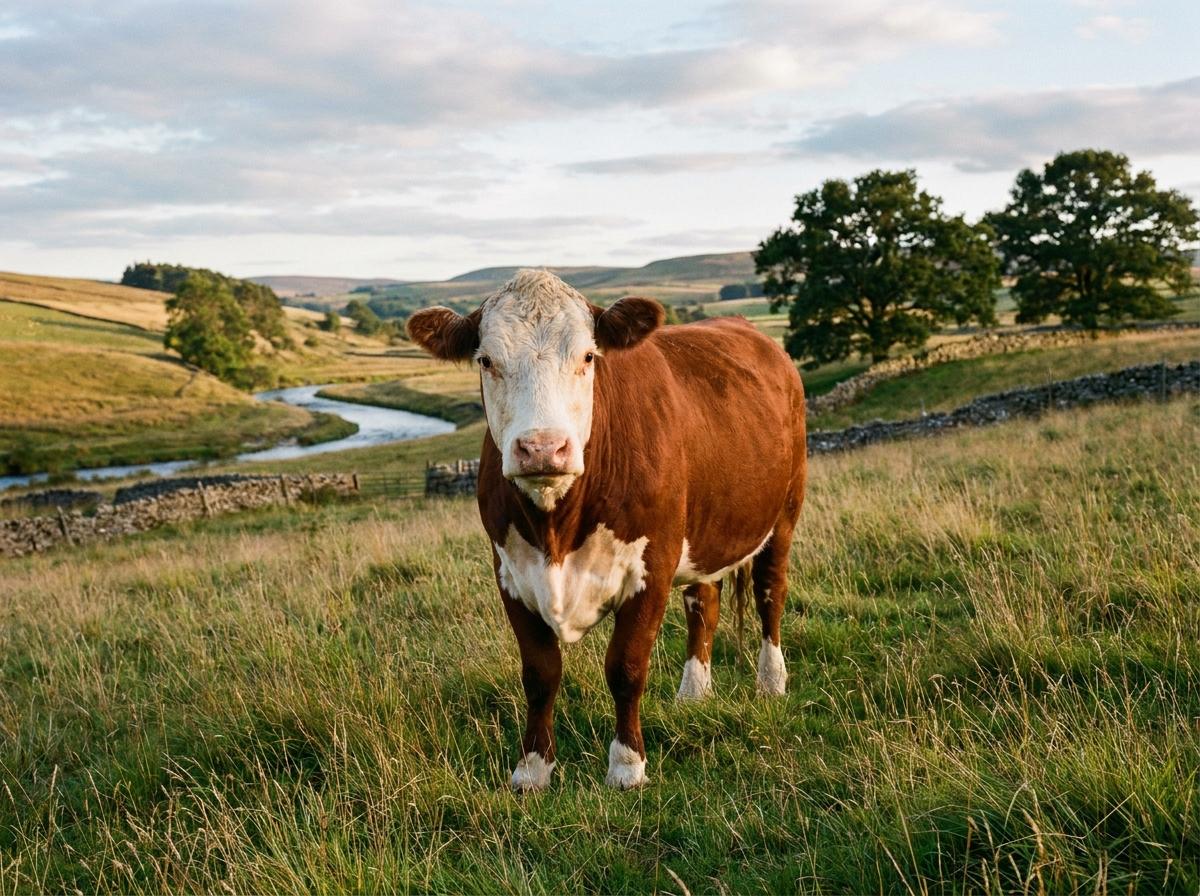
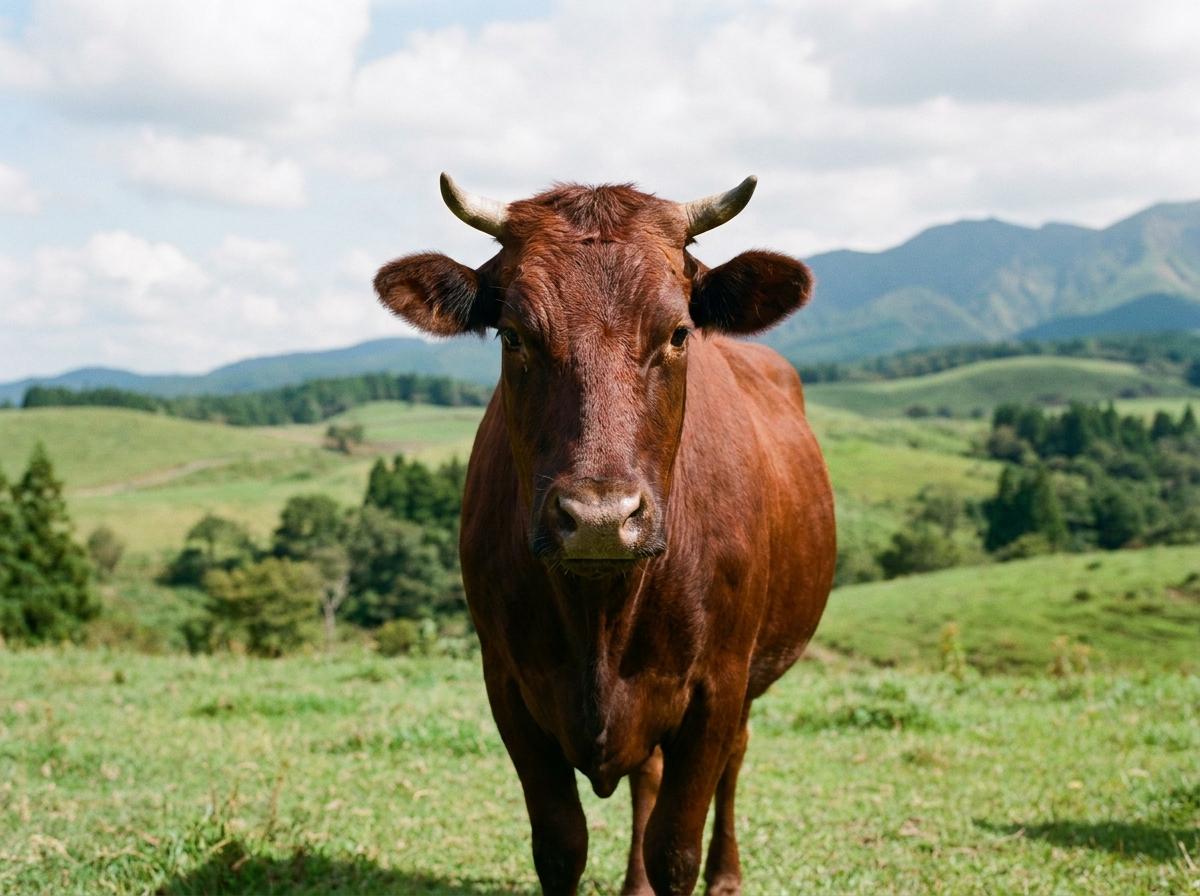
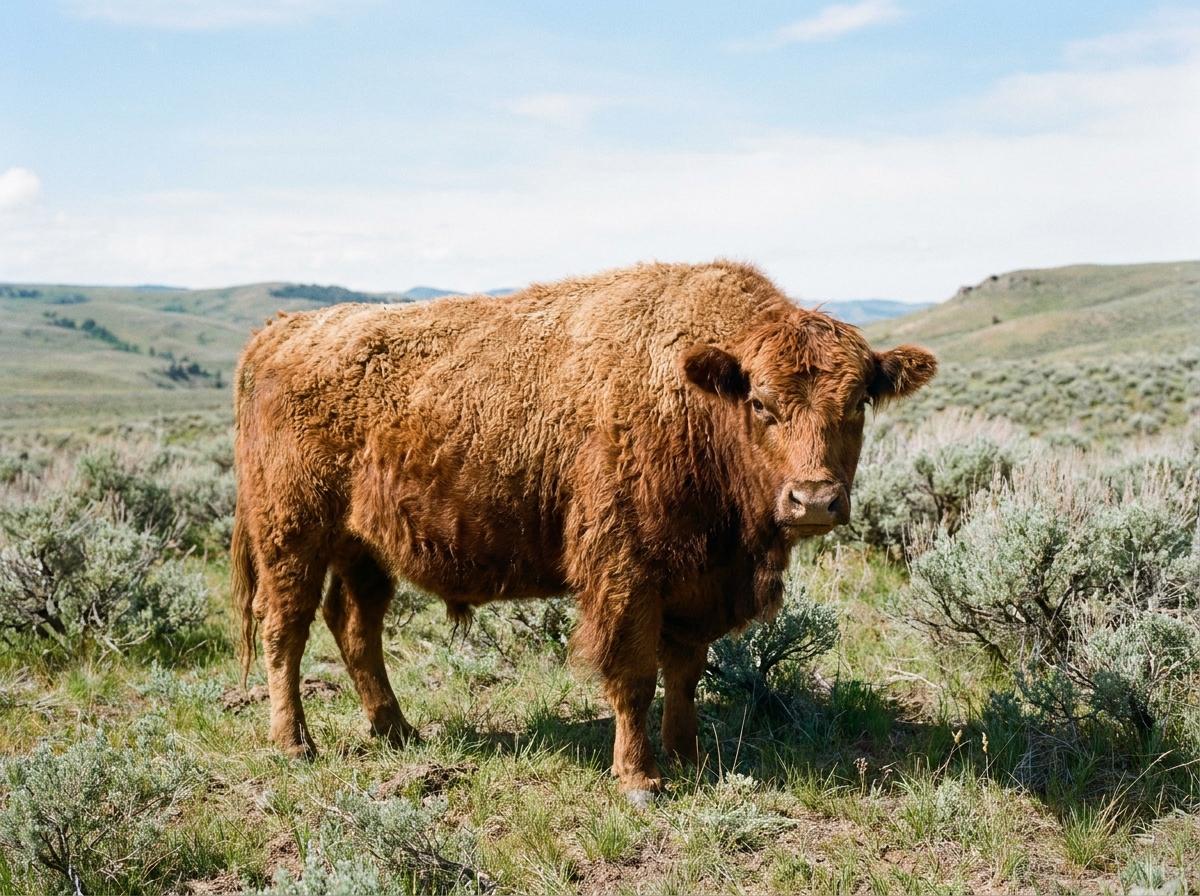
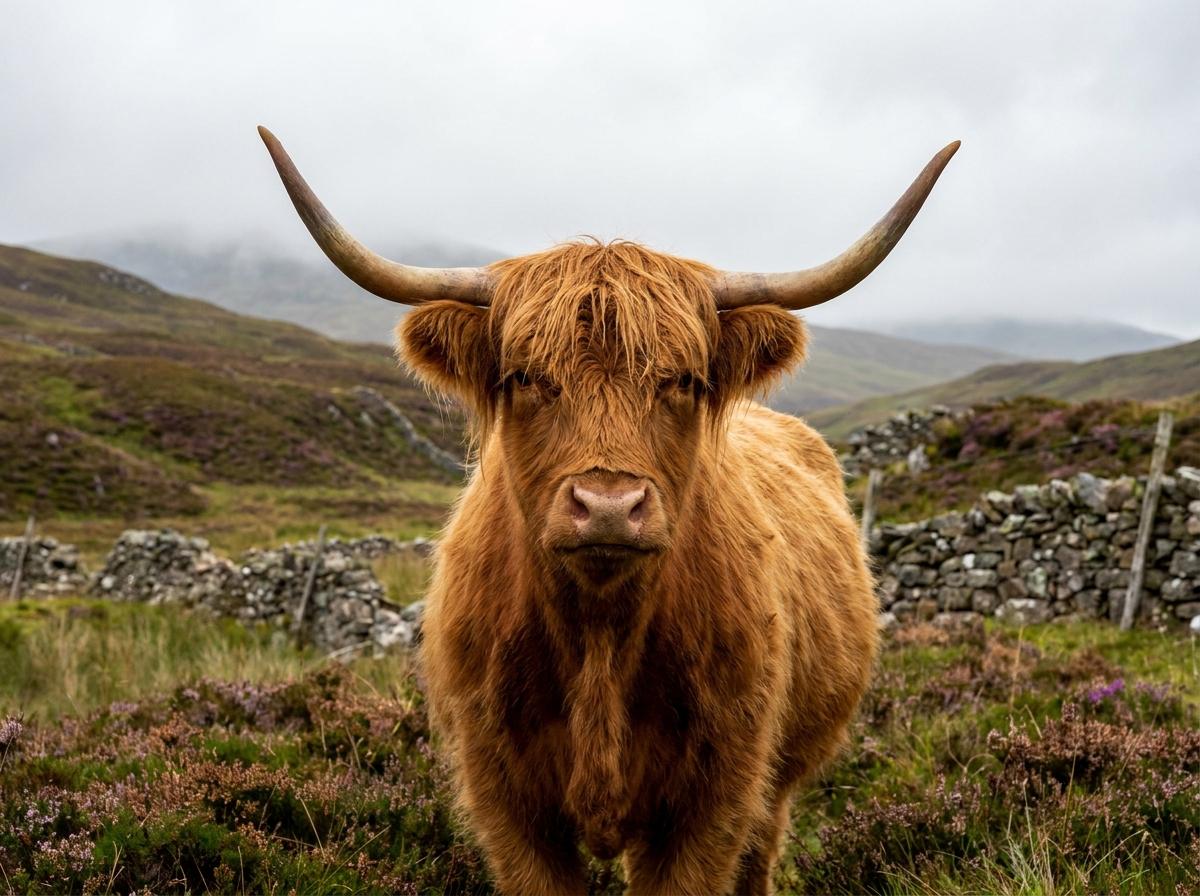
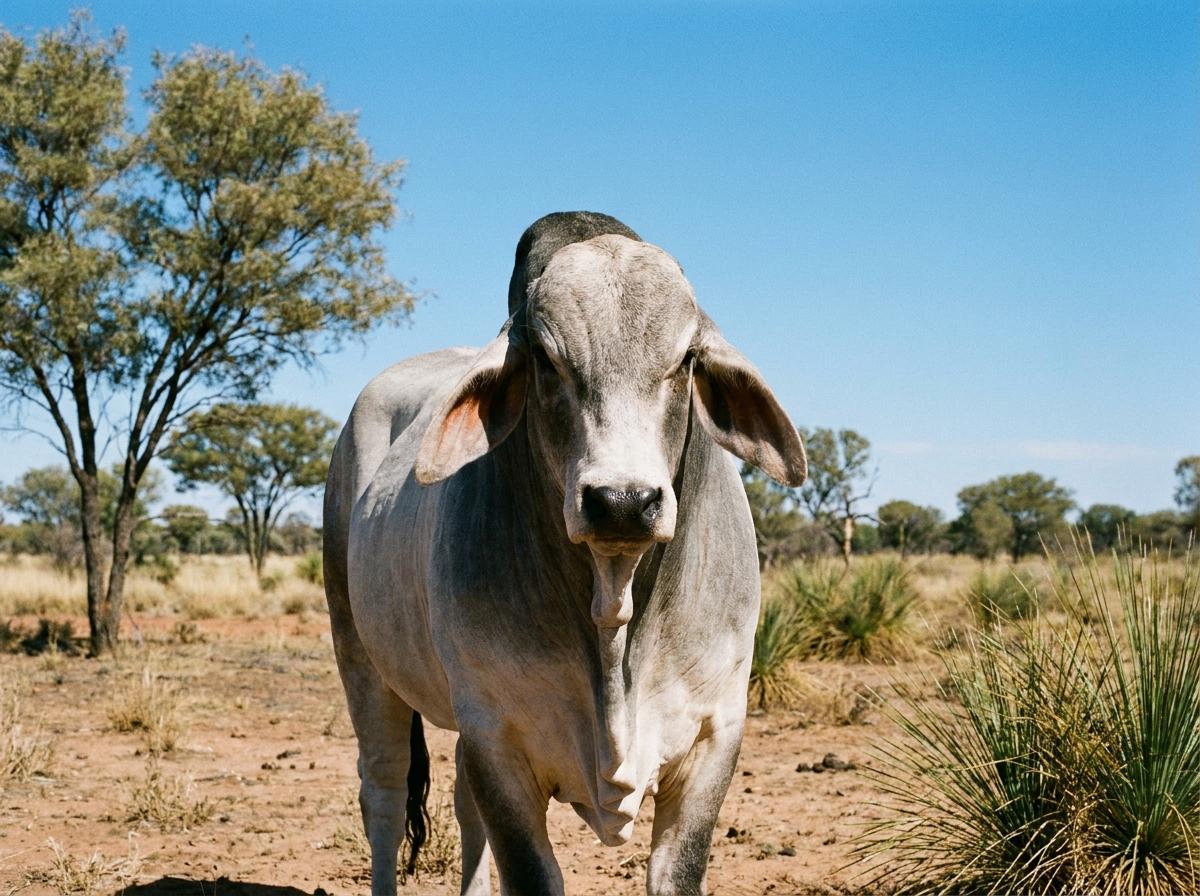
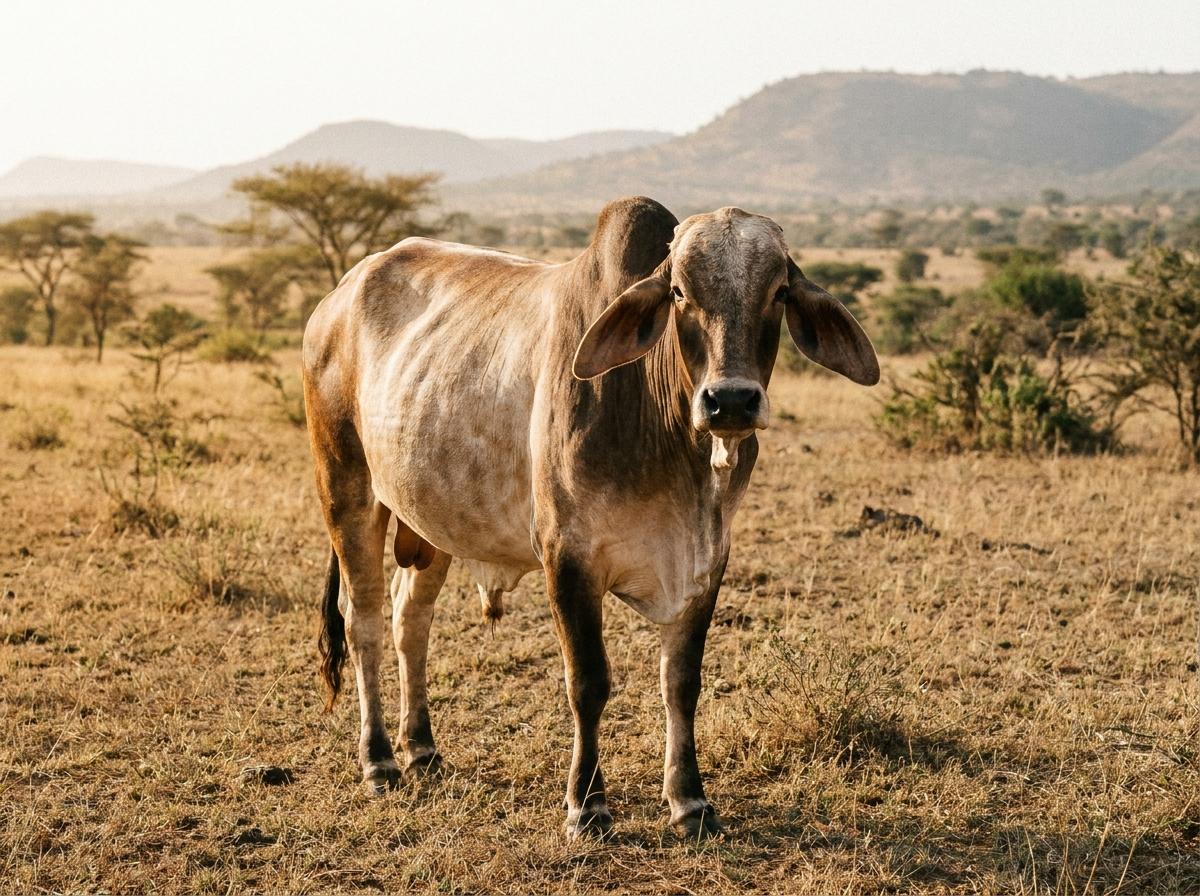
Gudali cattle are West and Central African zebu-type cattle, especially associated with northern Nigeria, Cameroon, Chad, and neighboring savanna regions. The name covers related local strains such as Sokoto Gudali and Adamawa Gudali rather than one identical animal everywhere. They are usually humped, medium to large, with a broad body, loose dewlap, short to medium horns, and coats that are often white, gray, red, or pied. Herds are kept for milk, beef, manure, and sometimes draft, making them important multipurpose cattle in agropastoral communities.
Gudali management is shaped by seasonal grazing and the need to hold condition during dry periods. Many herds move between pastures or use crop residues after harvest, with watering, salt, vaccination, and parasite control becoming critical in poor years. Compared with high-output dairy breeds, Gudali cows give modest but useful milk under heat and rough feed. Breeders selecting them for ranches or village herds usually look for sound feet, fertility, udder shape, growth, and adaptation to local disease pressure, while avoiding crosses that erase the traits that make the cattle useful in the savanna.
Colors: Belted, Black, Black and White, Blaze Faced, Blue Roan, Brindle, Brockle Faced, Brown, Brown and White, Dun, Gray, Grey, Highbelt, Highpark, Lineback, Mottled, Pied, Red, Red and White, Red Roan, Riggit, Roan, Silver, Solid Black, Solid Red, Solid White, Speckled, Spotted, White, White Faced, Yellow