

Hallikar
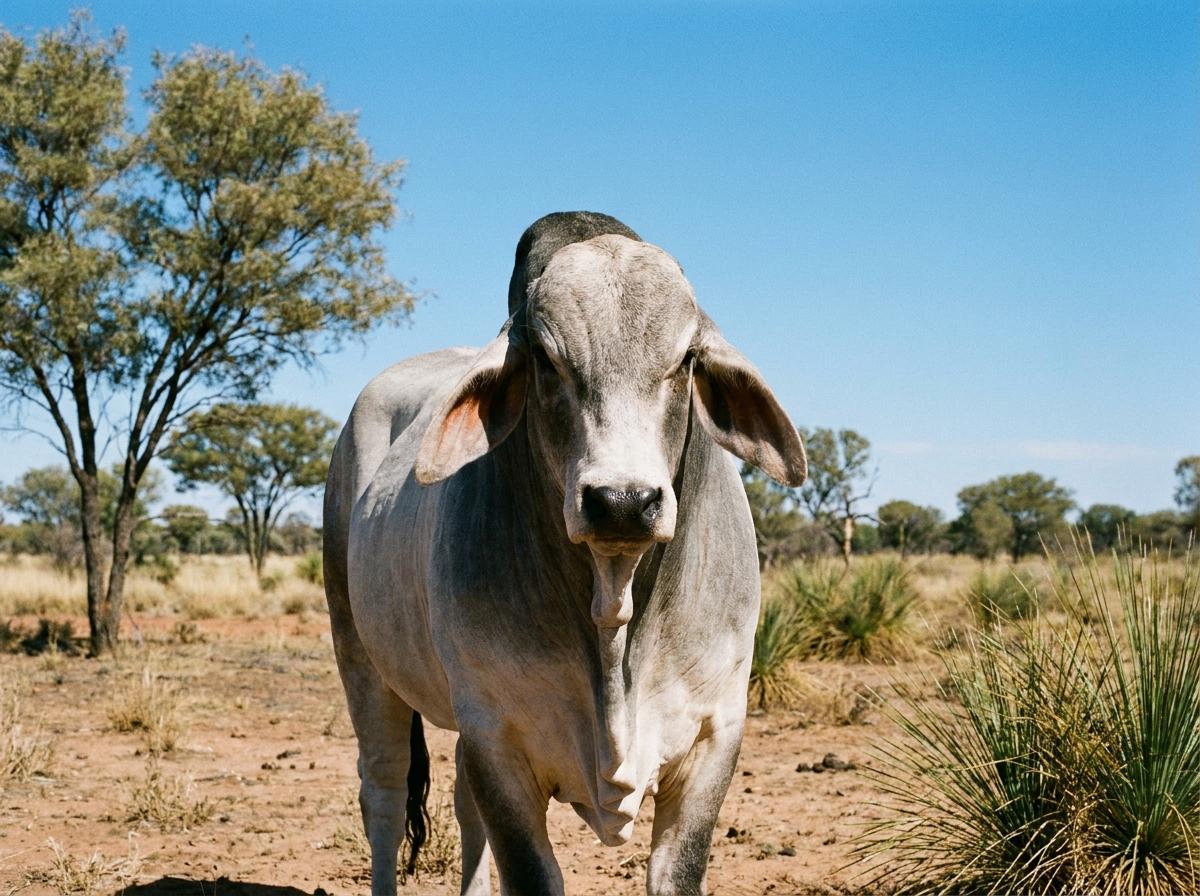
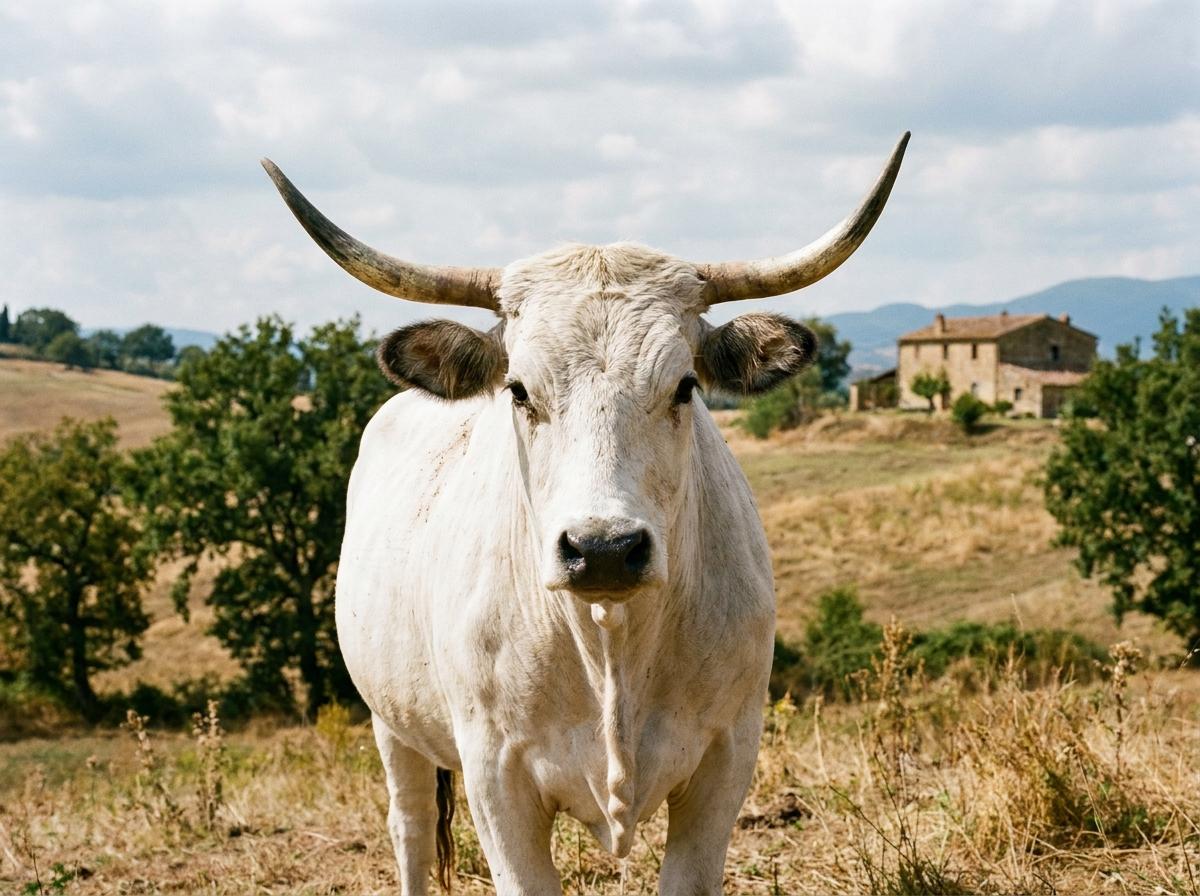
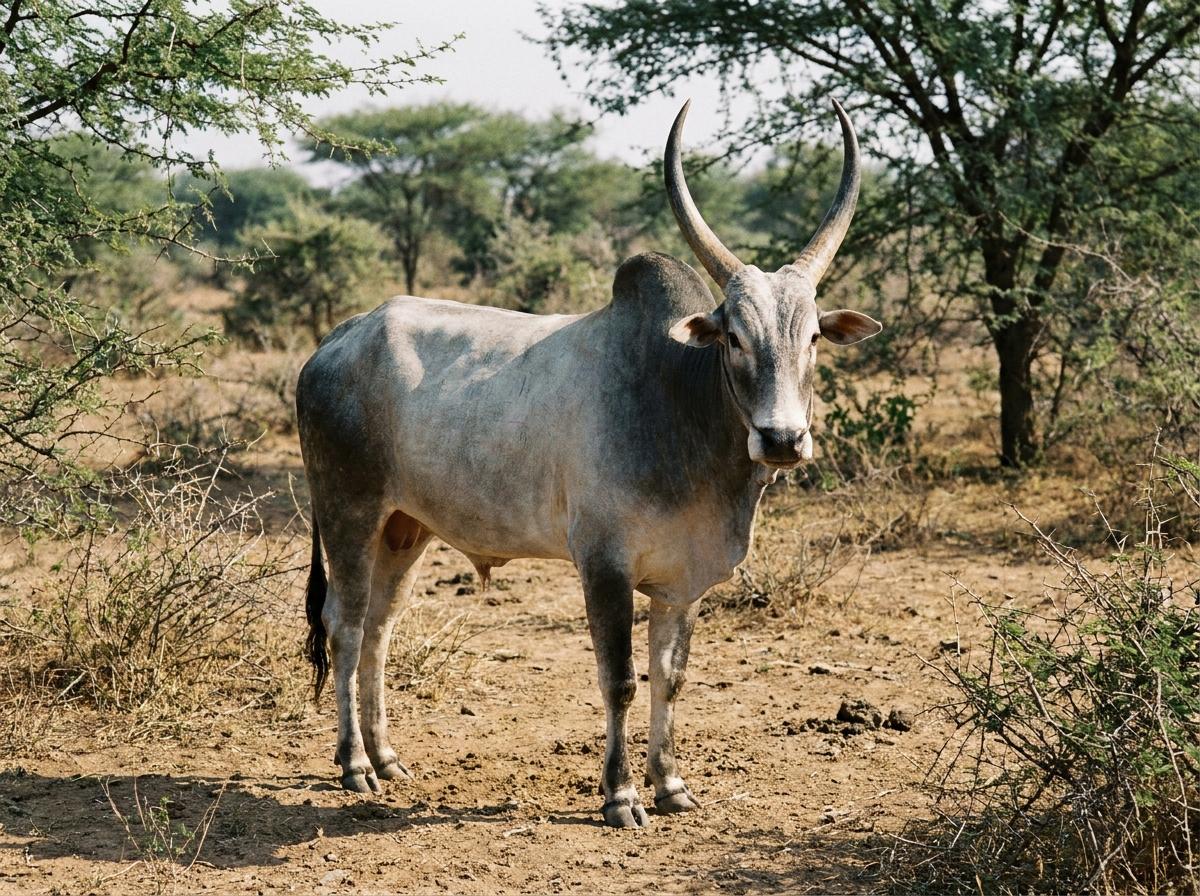
Hallikar is a South Indian zebu cattle breed from the old Mysore region of Karnataka, especially areas around Mandya, Mysuru, Hassan, and Tumakuru. It is a classic draught animal rather than a dairy breed, and it helped shape the better-known Amrit Mahal cattle. Hallikar cattle are usually white, iron gray, or dark gray, with darker shading on bulls. The narrow face, prominent hump, compact body, and long horns that sweep upward and backward give the breed its rangy, athletic look.
Farmers have traditionally kept Hallikar bullocks for ploughing, carting, and fast road work, where stamina and quick movement matter more than size. Cows produce modest milk, so herds are usually judged by work ability, fertility, sound feet, and adaptation to heat. They cope well on dryland fodder and crop residues, but working animals still need energy, minerals, shade, and rest during hot seasons. Conservation and purebred breeding in Karnataka focus on maintaining true Hallikar sires, since crossbreeding can quickly dilute the traits that made the breed useful.
Colors: Belted, Black, Black and White, Blaze Faced, Blue Roan, Brindle, Brockle Faced, Brown, Brown and White, Dun, Gray, Grey, Highbelt, Highpark, Lineback, Mottled, Pied, Red, Red and White, Red Roan, Riggit, Roan, Silver, Solid Black, Solid Red, Solid White, Speckled, Spotted, White, White Faced, Yellow