



Holstein
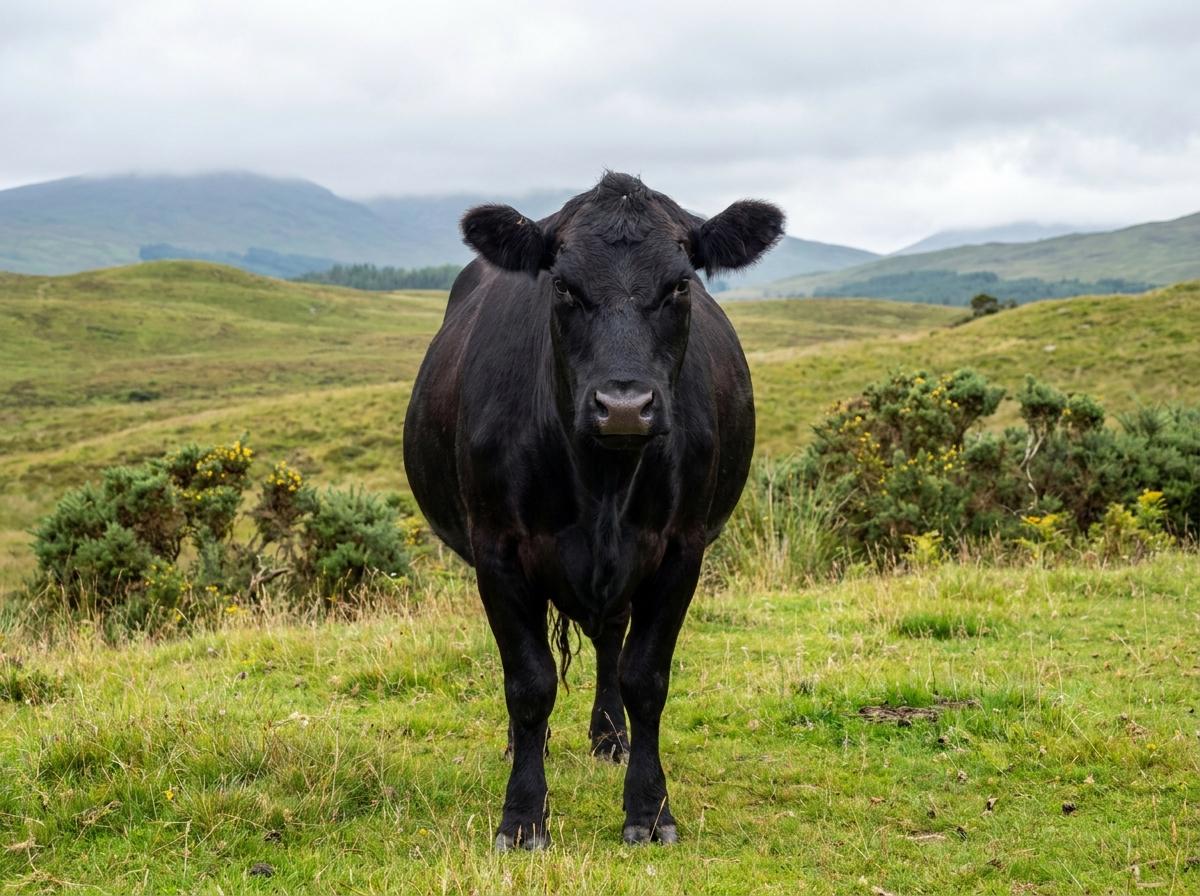
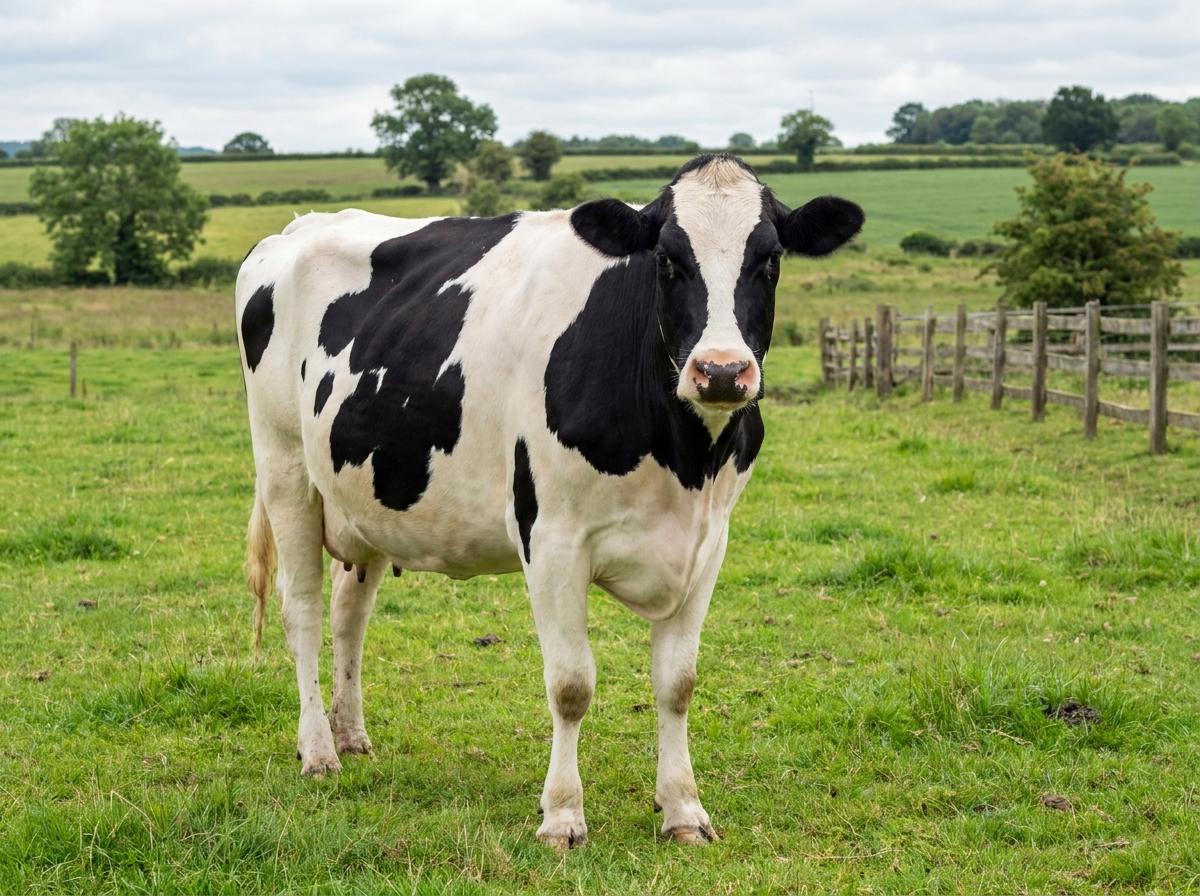
Holstein cattle are the large black-and-white dairy cattle that dominate commercial milk production in many countries. The breed traces to the lowland dairy cattle of Friesland in the Netherlands and Holstein in northern Germany, with North American selection pushing the modern Holstein toward high milk volume, strong dairy frame, and specialized udder conformation. Most are black and white, but red-and-white Holsteins occur through a recessive red factor or related breeding lines. Compared with smaller dairy breeds, Holsteins tend to produce more total milk, while butterfat and protein percentages vary by line and feeding system.
Keeping Holsteins successfully is a management-heavy dairy enterprise rather than a backyard novelty. High-producing cows need a balanced ration built around energy, protein, effective fiber, and minerals, along with comfortable stalls or well-managed pasture and reliable heat-stress control. Hoof health, mastitis prevention, reproductive timing, and transition-cow care have a direct effect on profitability and welfare. Calves are commonly raised separately on colostrum programs and then grown as replacements or, for many bull calves, beef or dairy-beef animals. Breeders use milk records, type classification, genomic testing, and health traits to select sires and cows; small farms should choose animals whose production level matches their feed supply and handling skill.
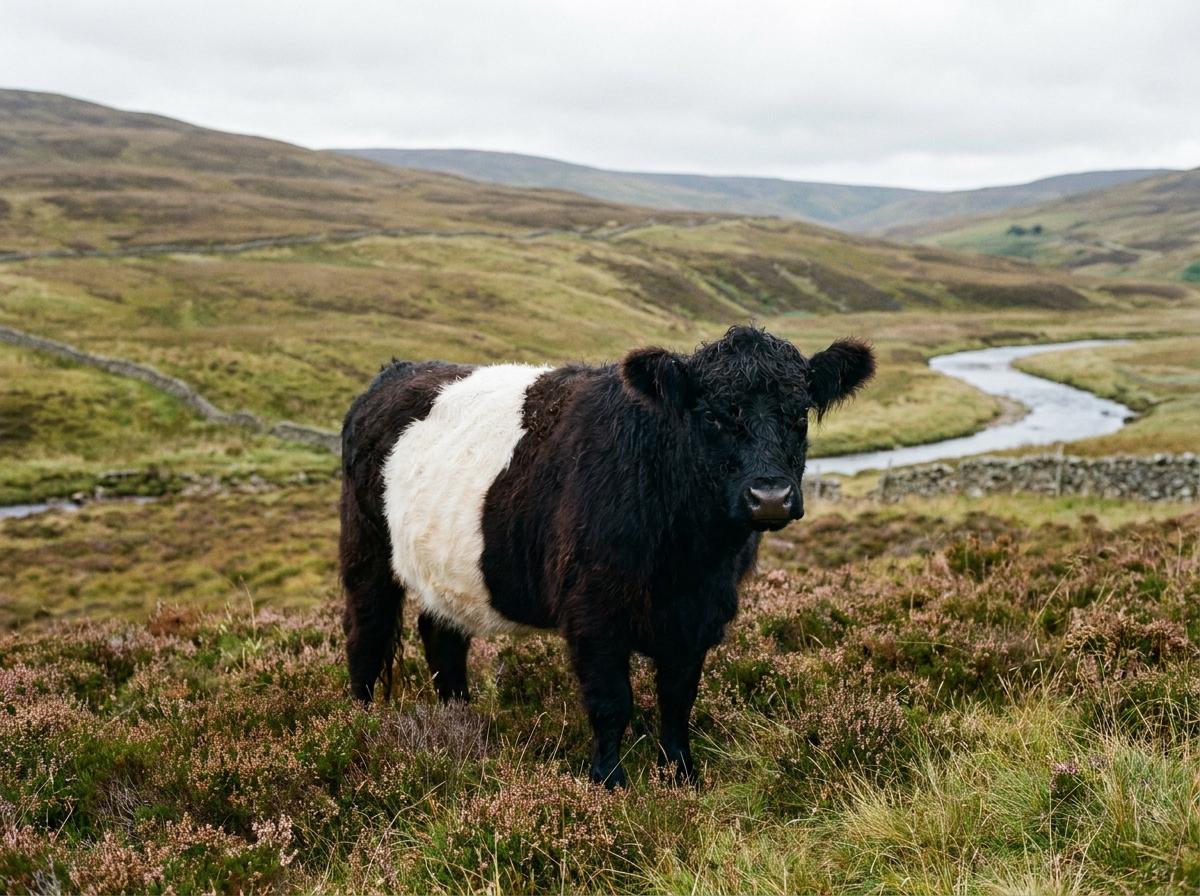
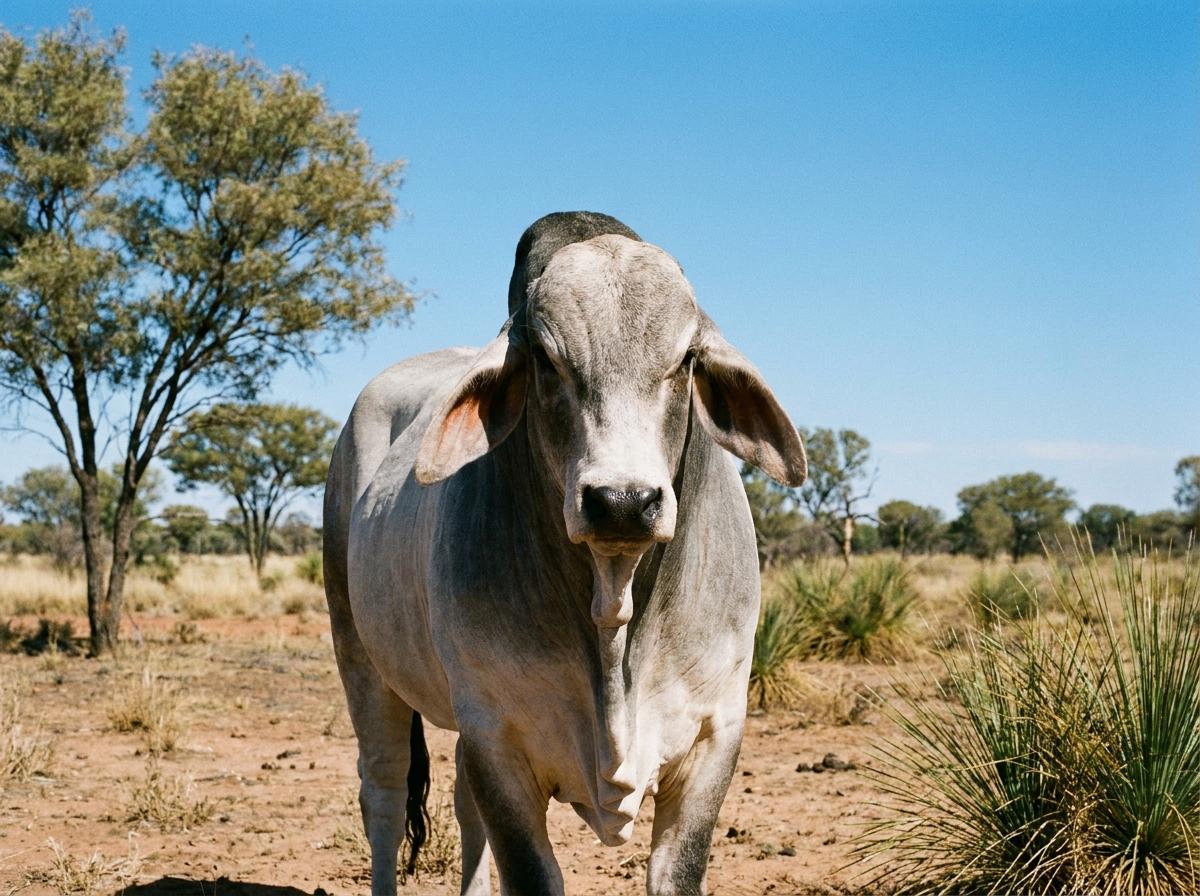
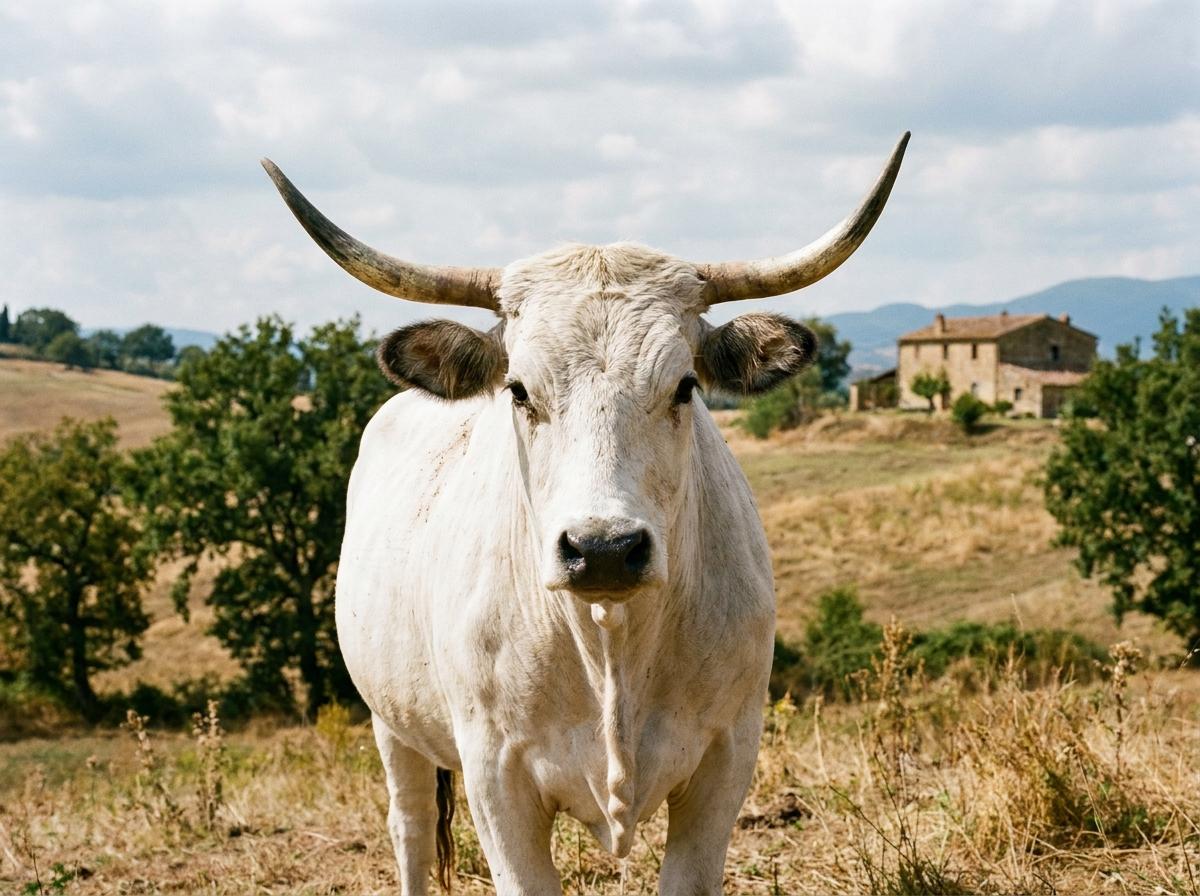
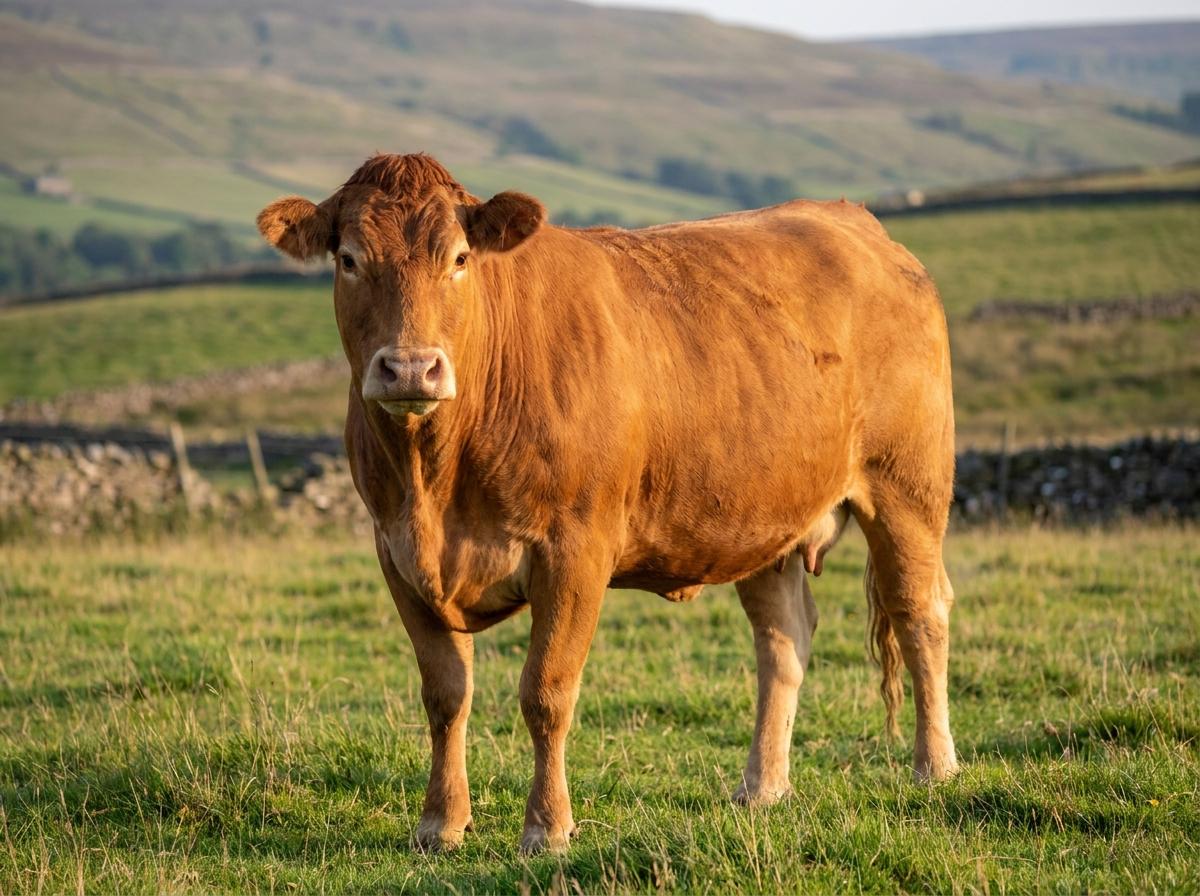
Colors: Belted, Black, Black and White, Blaze Faced, Blue Roan, Brindle, Brockle Faced, Brown, Brown and White, Dun, Gray, Lineback, Mottled, Red, Red and White, Red Roan, Roan, Silver, Solid Black, Solid Red, Speckled, Spotted, White, White Faced, Yellow