

Horro
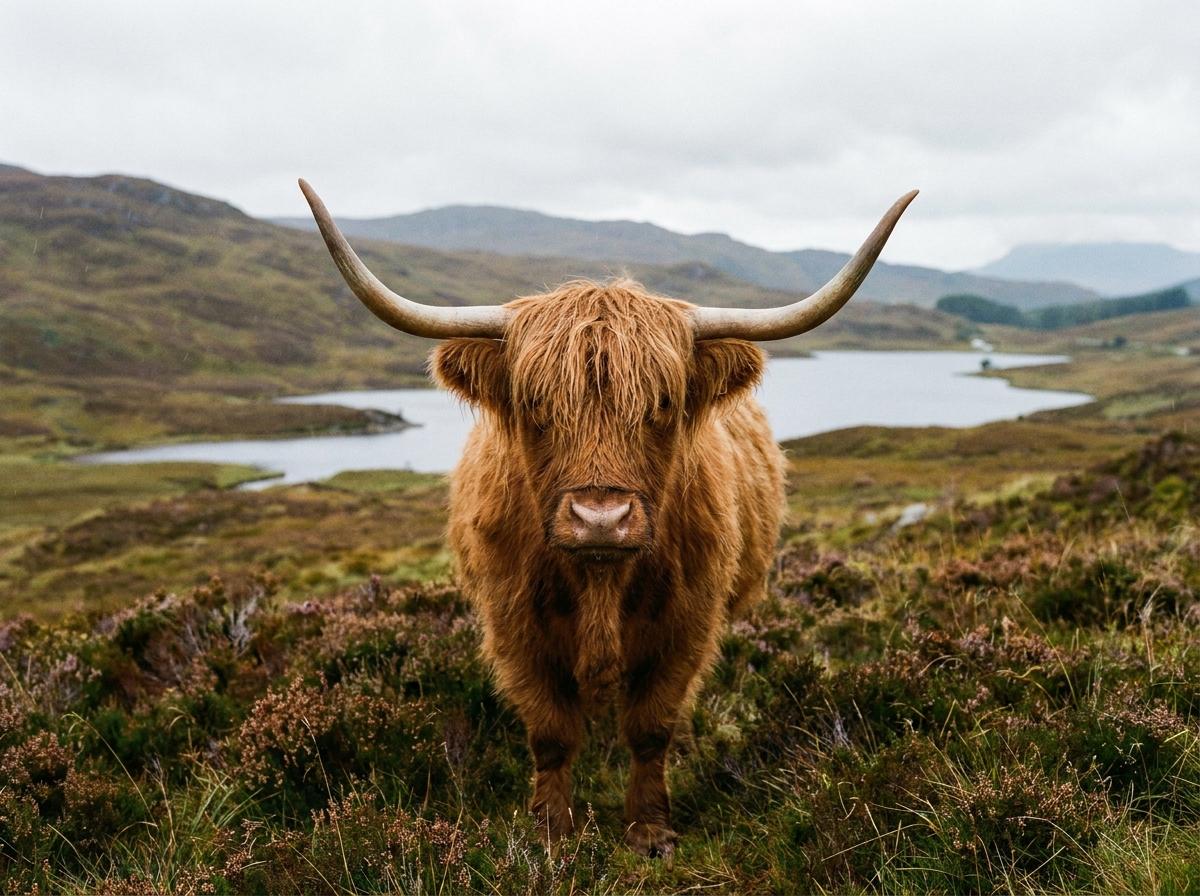
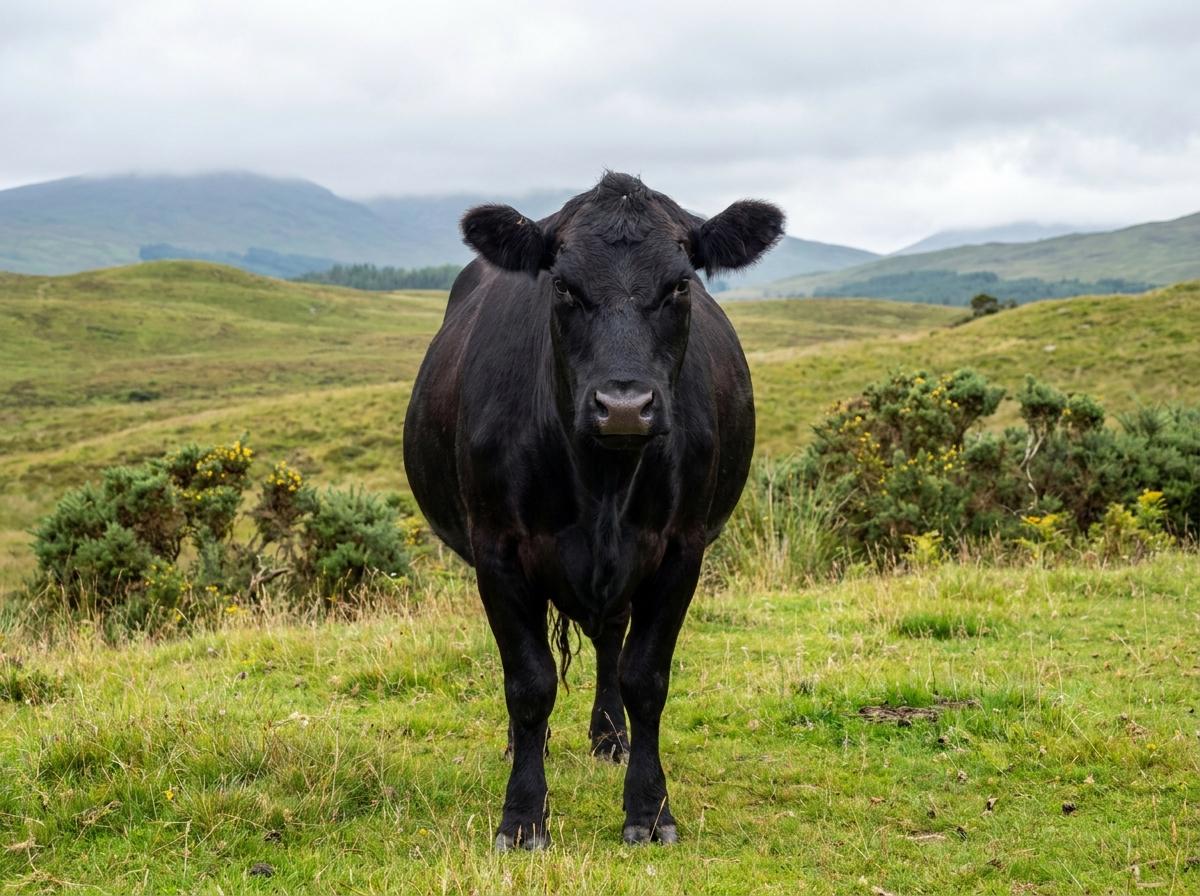
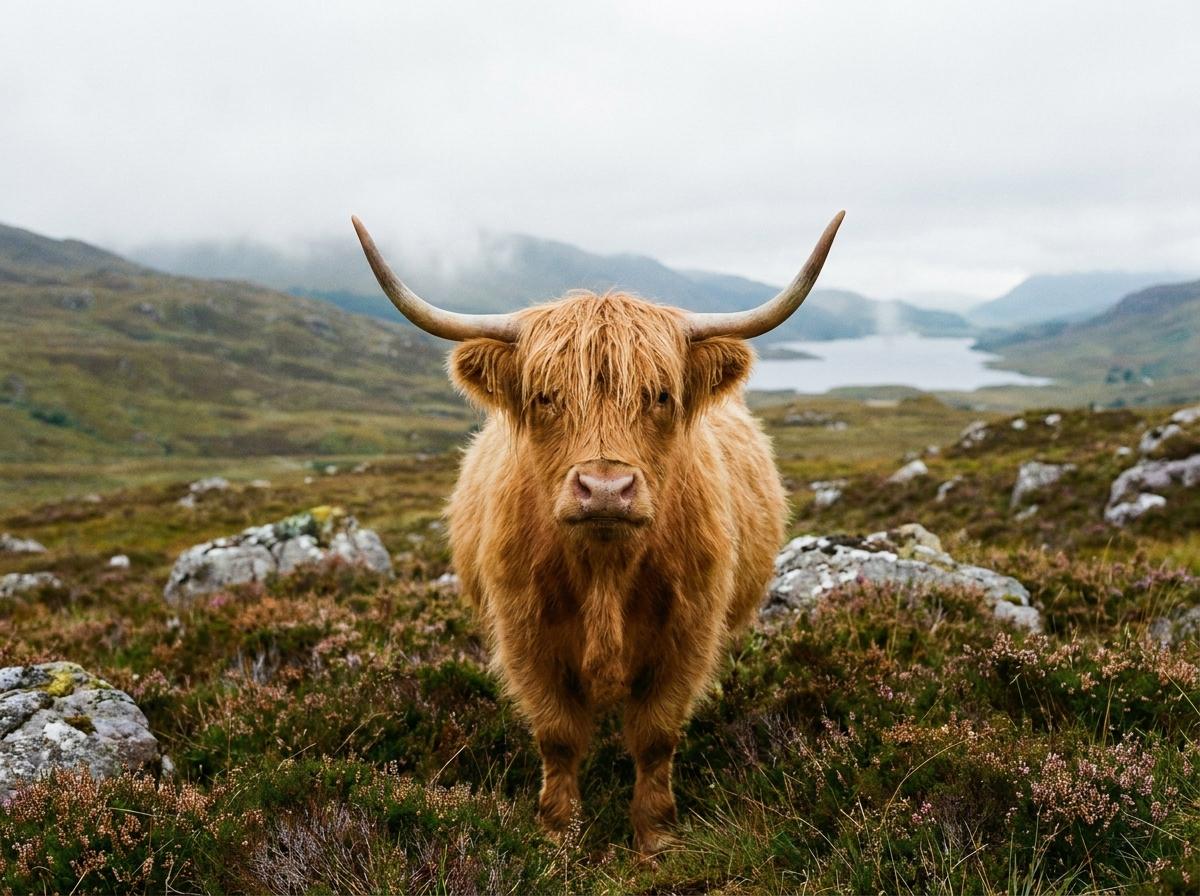
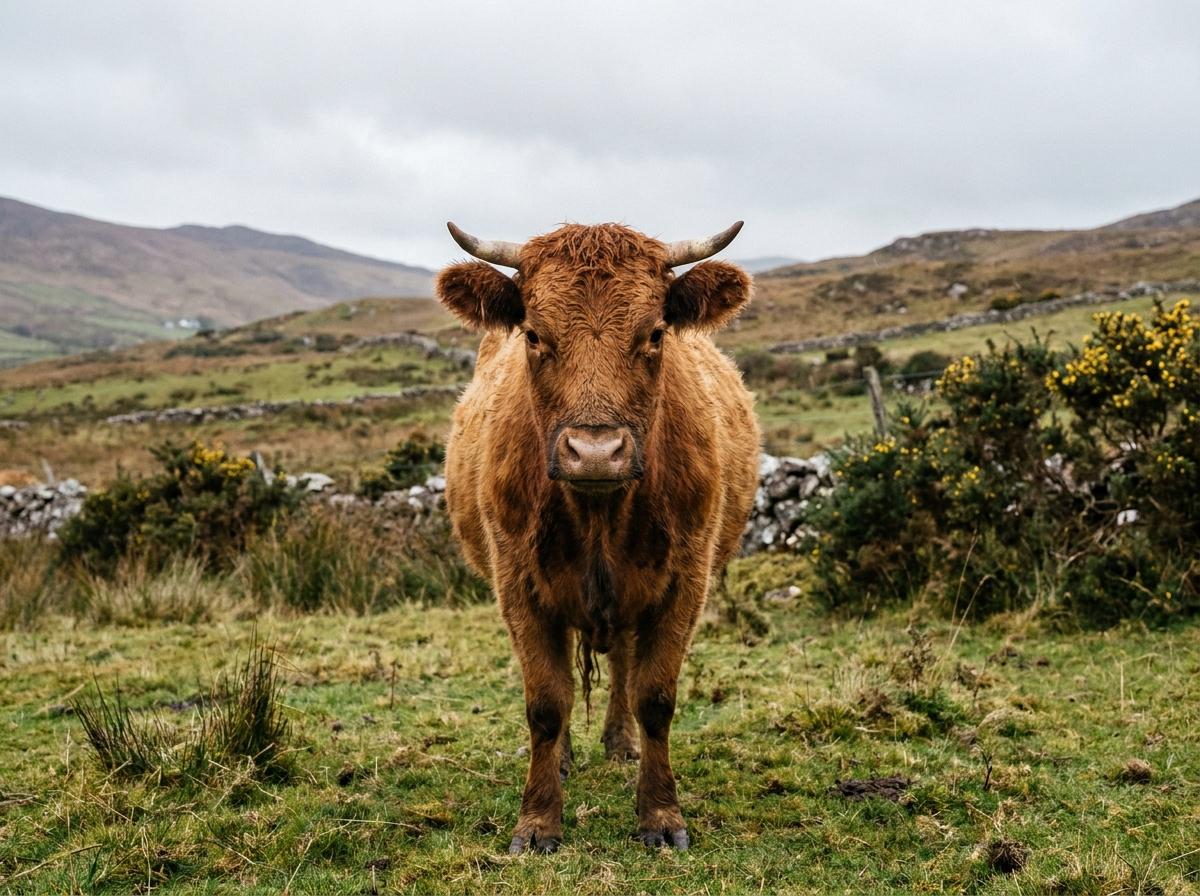
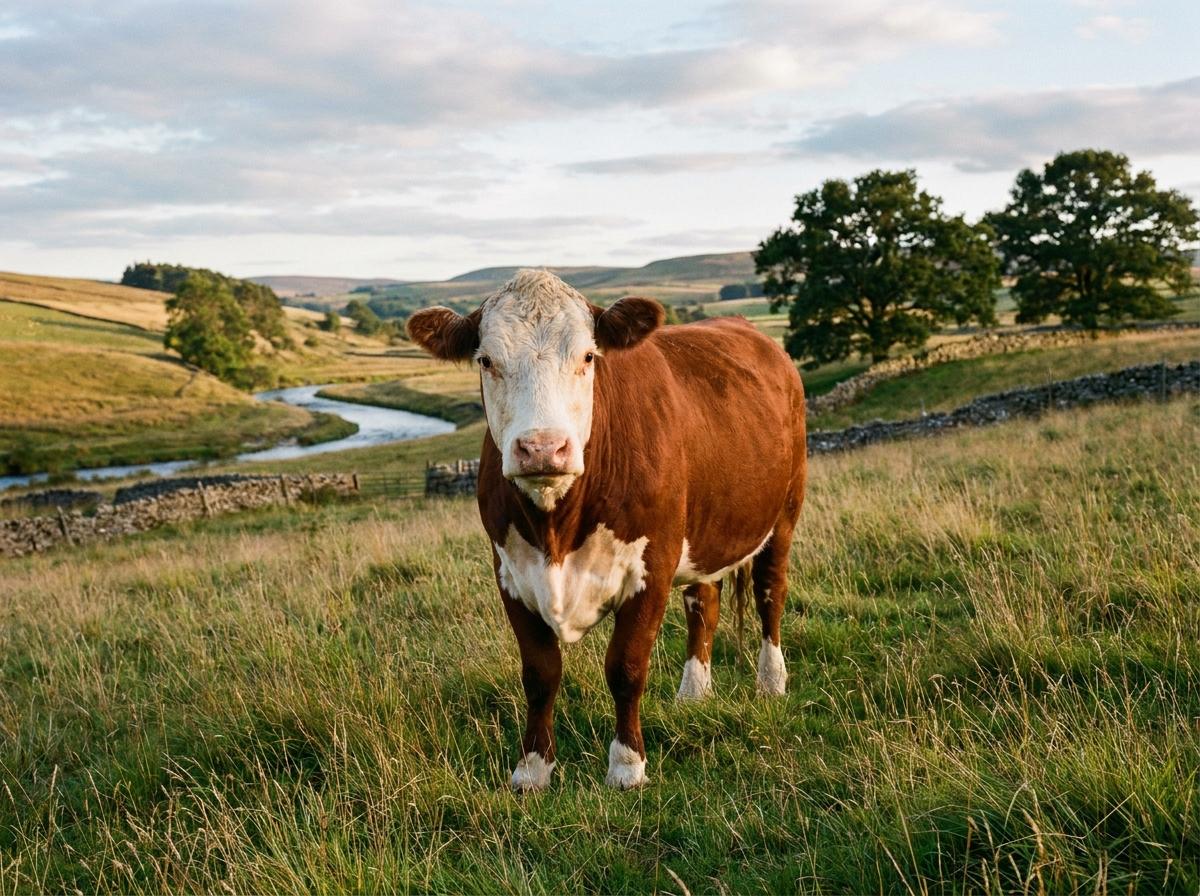
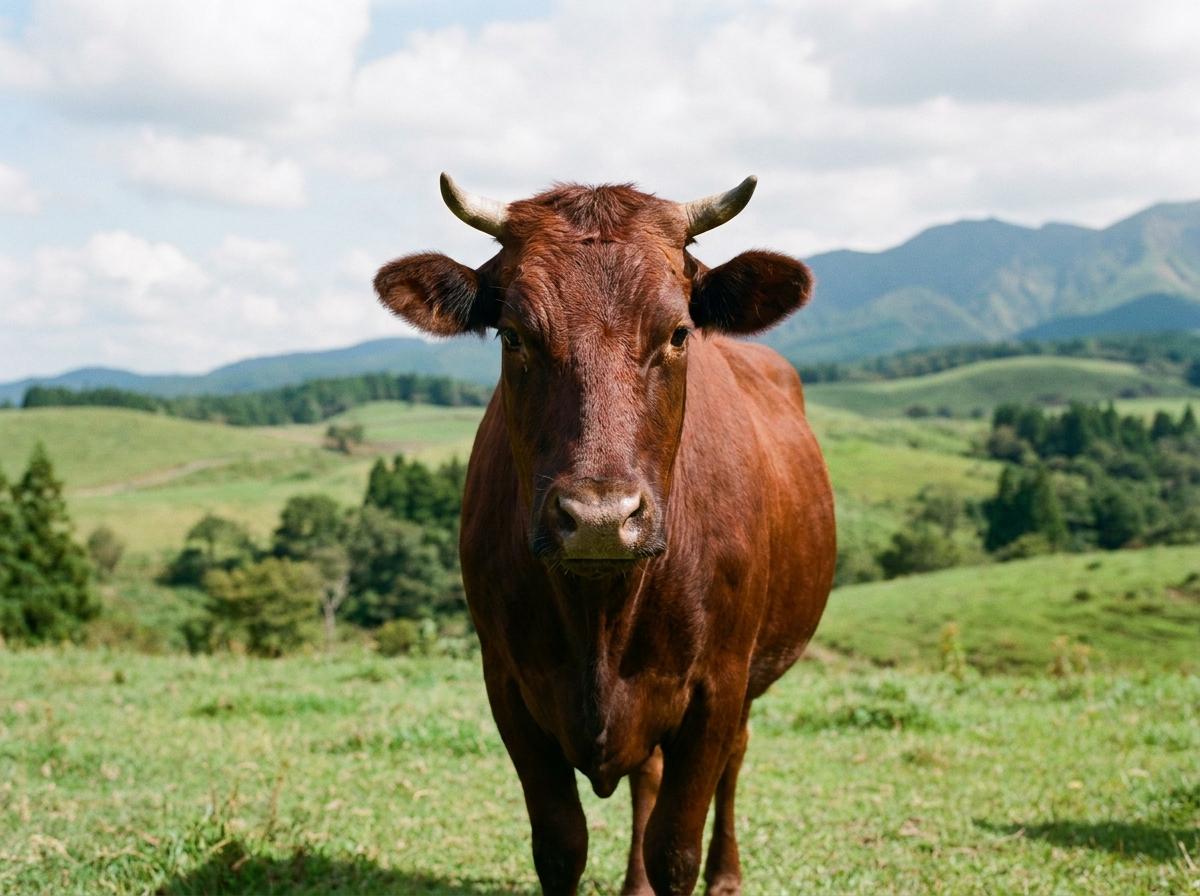
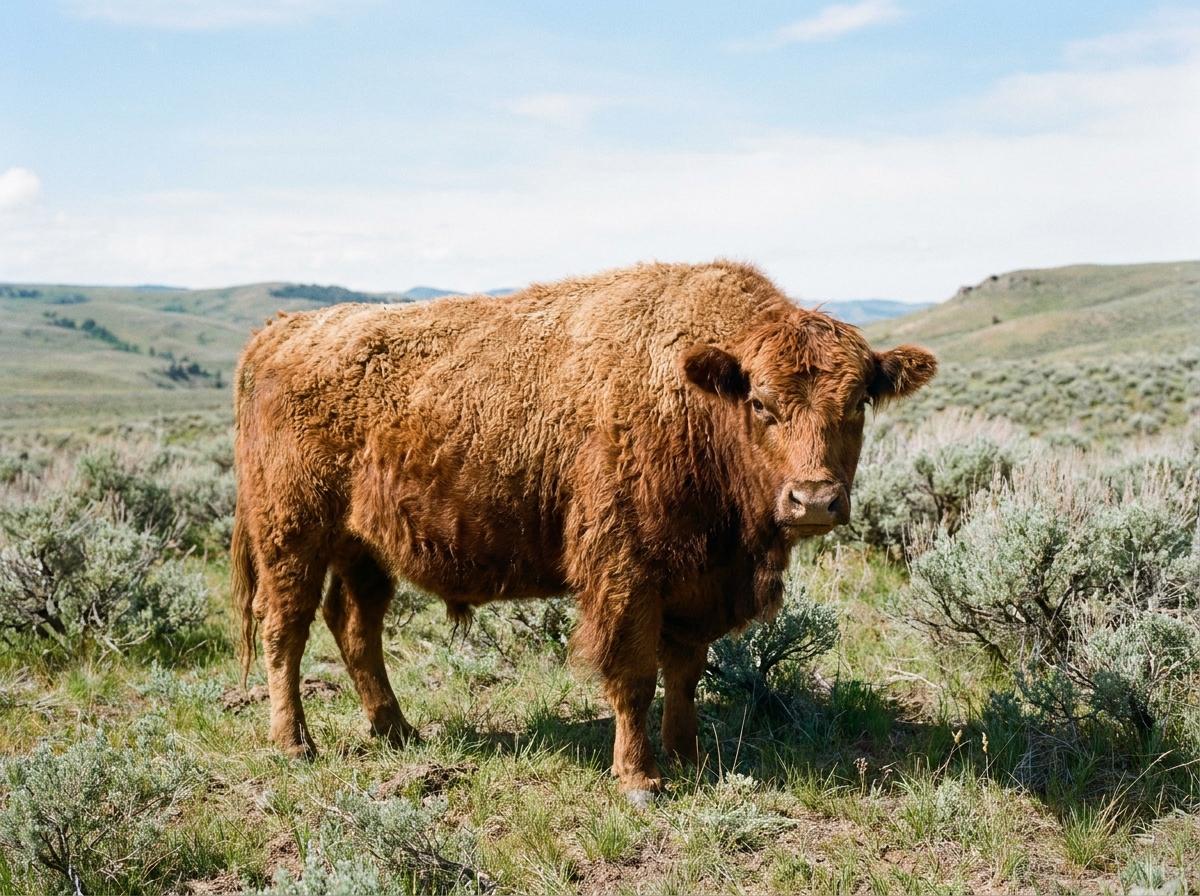
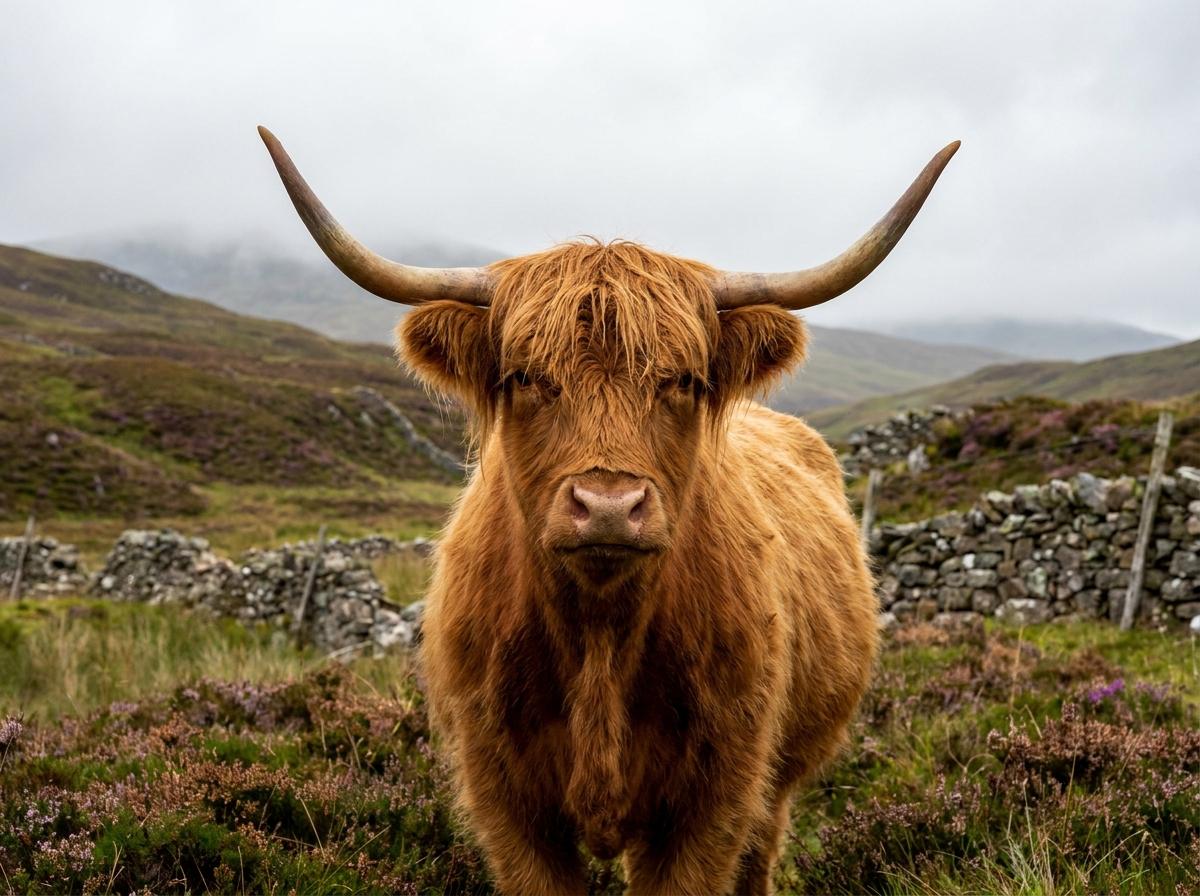
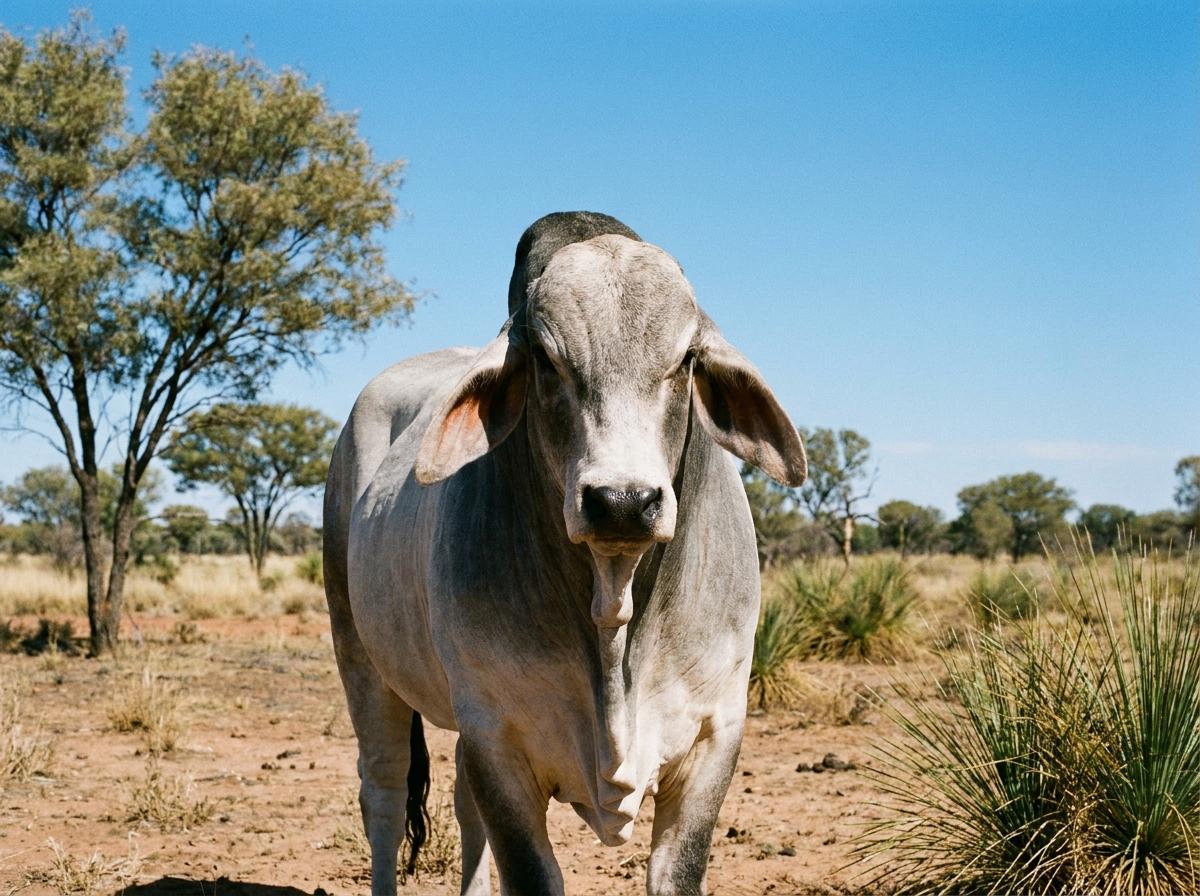
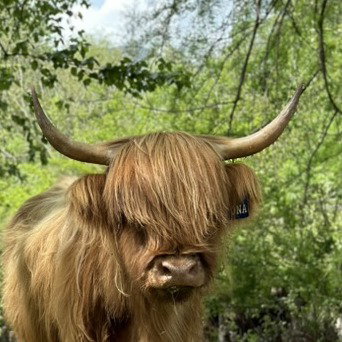
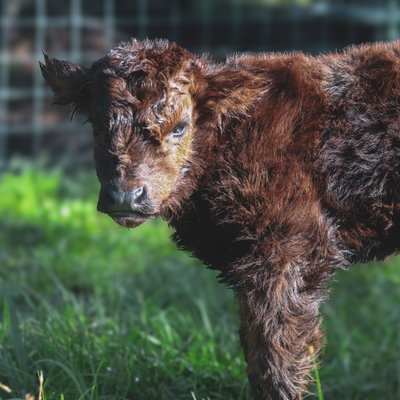
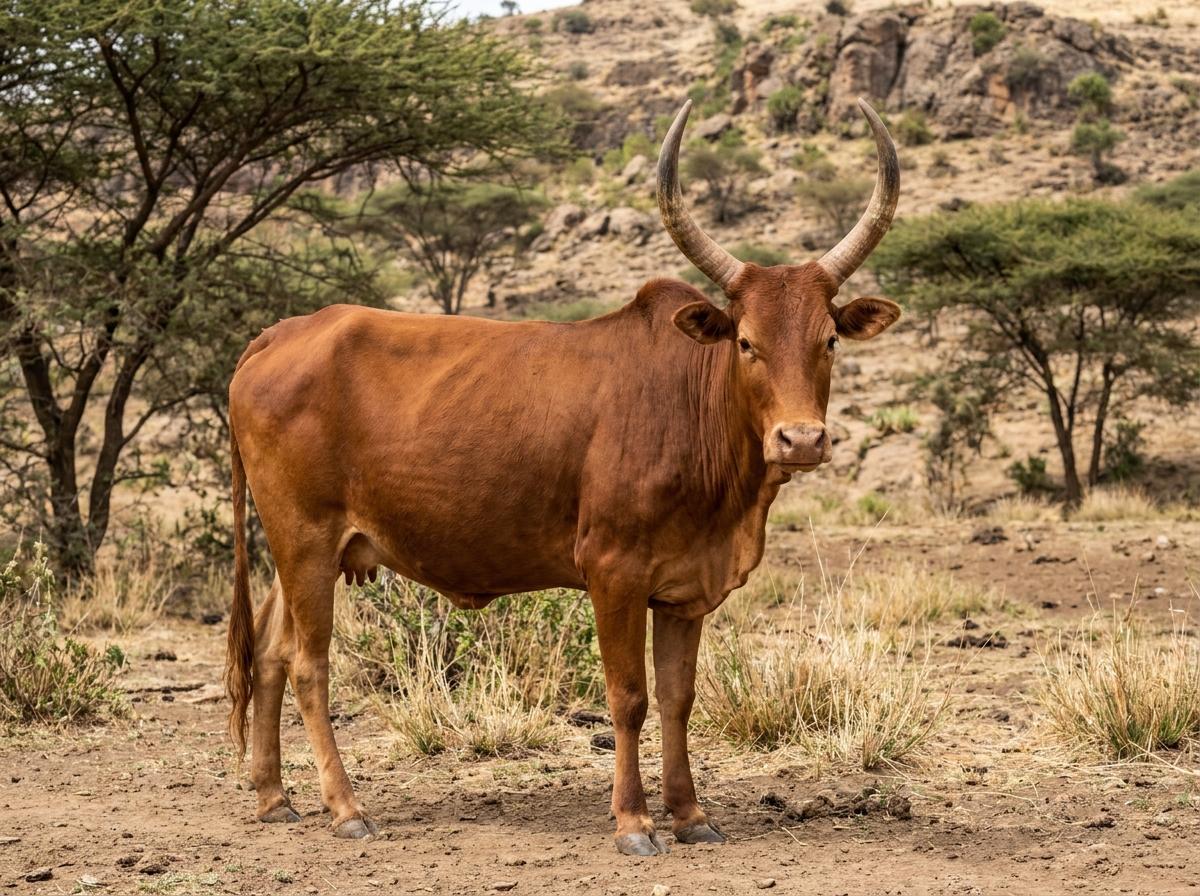
Horro cattle, also written Horo, are an indigenous Ethiopian cattle population associated with the western highlands, especially Horro Guduru and neighboring areas of Oromia. They are domestic cattle with mixed African taurine and zebu ancestry, commonly classed among Ethiopia's hardy local types rather than as an imported dairy or beef breed. Animals are medium to large for the region, with variable horn shape, a modest hump, and coats that may be brown, black, roan, grey, or pied. Farm families have traditionally used them for milk, calves, meat, manure, and dependable work oxen in mixed crop-livestock systems.
For keepers, the main value of Horro cattle is adaptation to local feed cycles, wet highland conditions, walking distances, and disease pressures. Herds usually rely on communal grazing, crop residues, hay or cut grass in the dry season, and household-level selection of the cows that calve regularly and rear sound calves. Ethiopian research and conservation programs treat Horro as a useful genetic resource, especially where replacing local cattle with high-input exotics would be risky. Anyone sourcing animals should verify the herd background, because crossbreeding with dairy or beef sires can quickly blur the original type.
Colors: Belted, Black, Black and White, Blaze Faced, Blue Roan, Brindle, Brockle Faced, Brown, Brown and White, Dun, Gray, Grey, Highbelt, Highpark, Lineback, Mottled, Pied, Red, Red and White, Red Roan, Riggit, Roan, Silver, Solid Black, Solid Red, Solid White, Speckled, Spotted, White, White Faced, Yellow