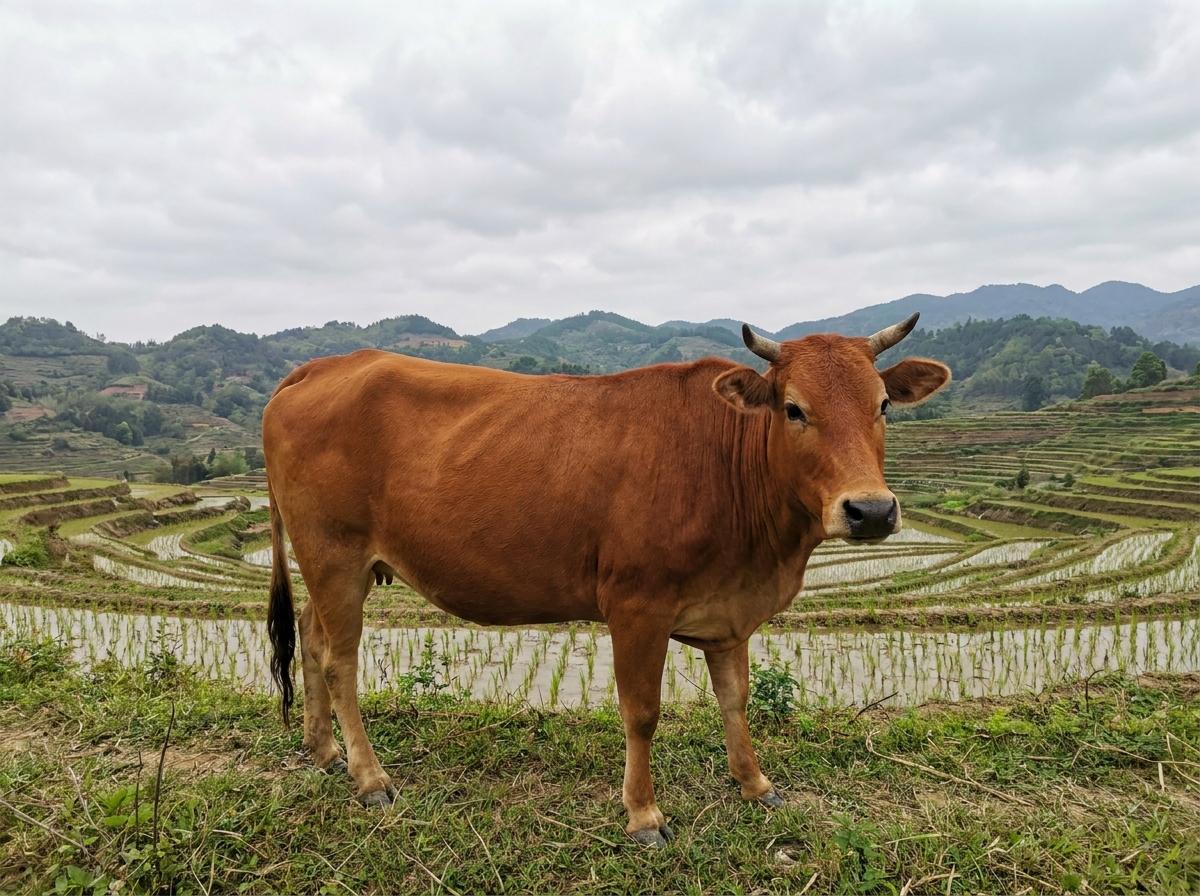
Huáng
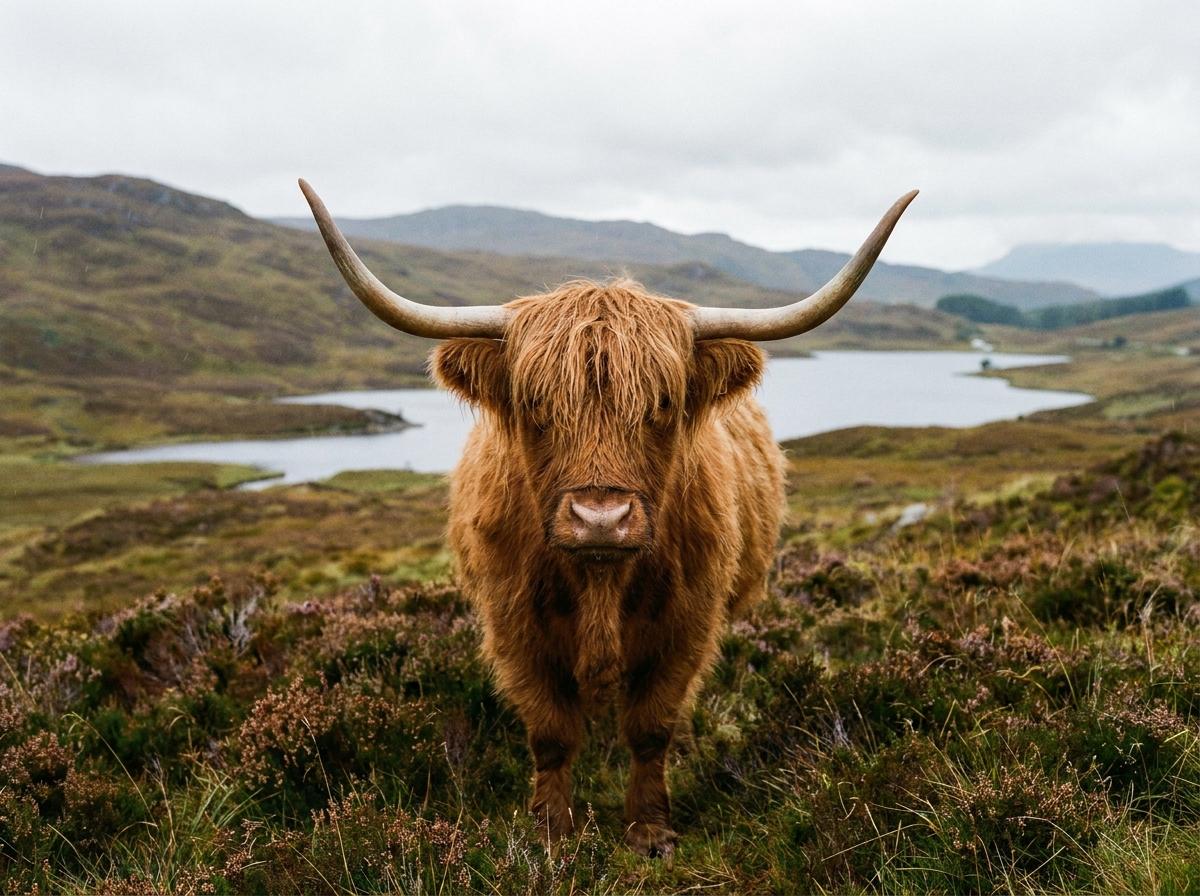
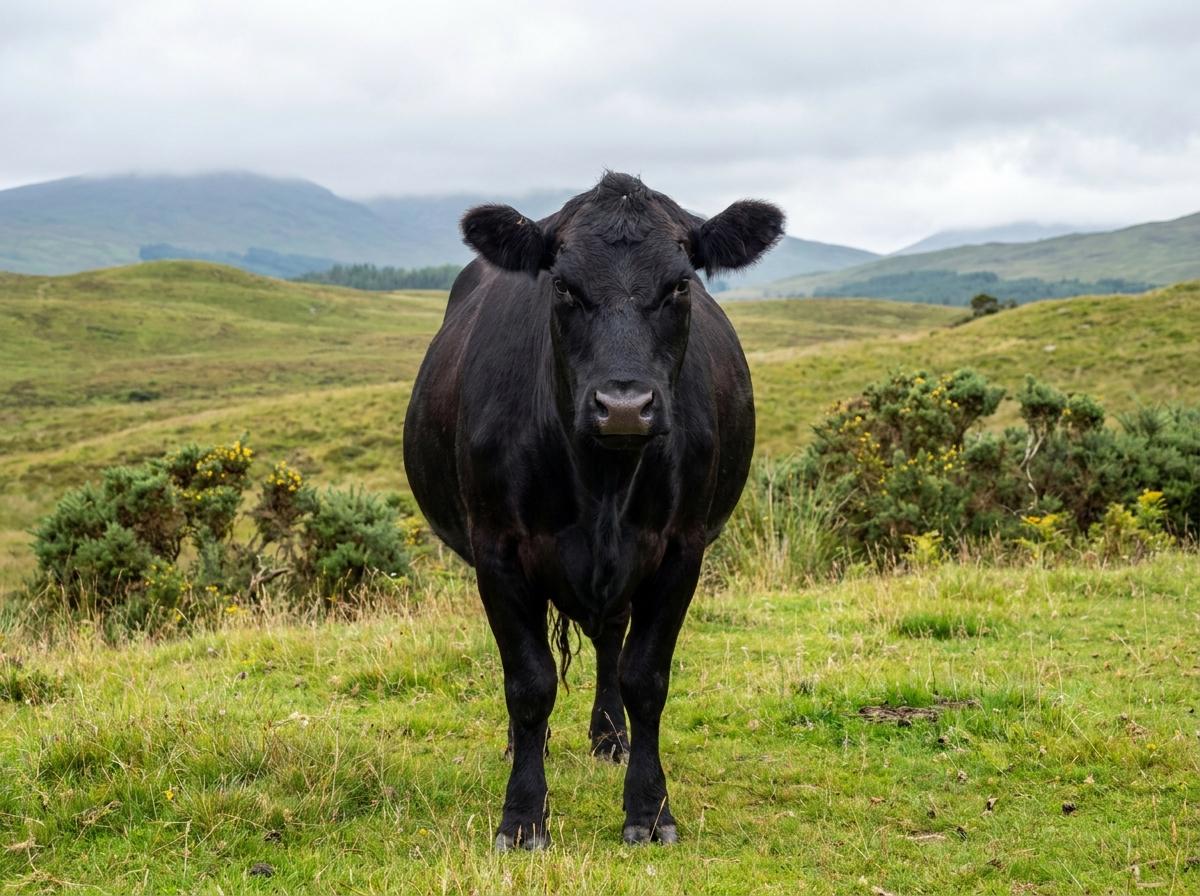
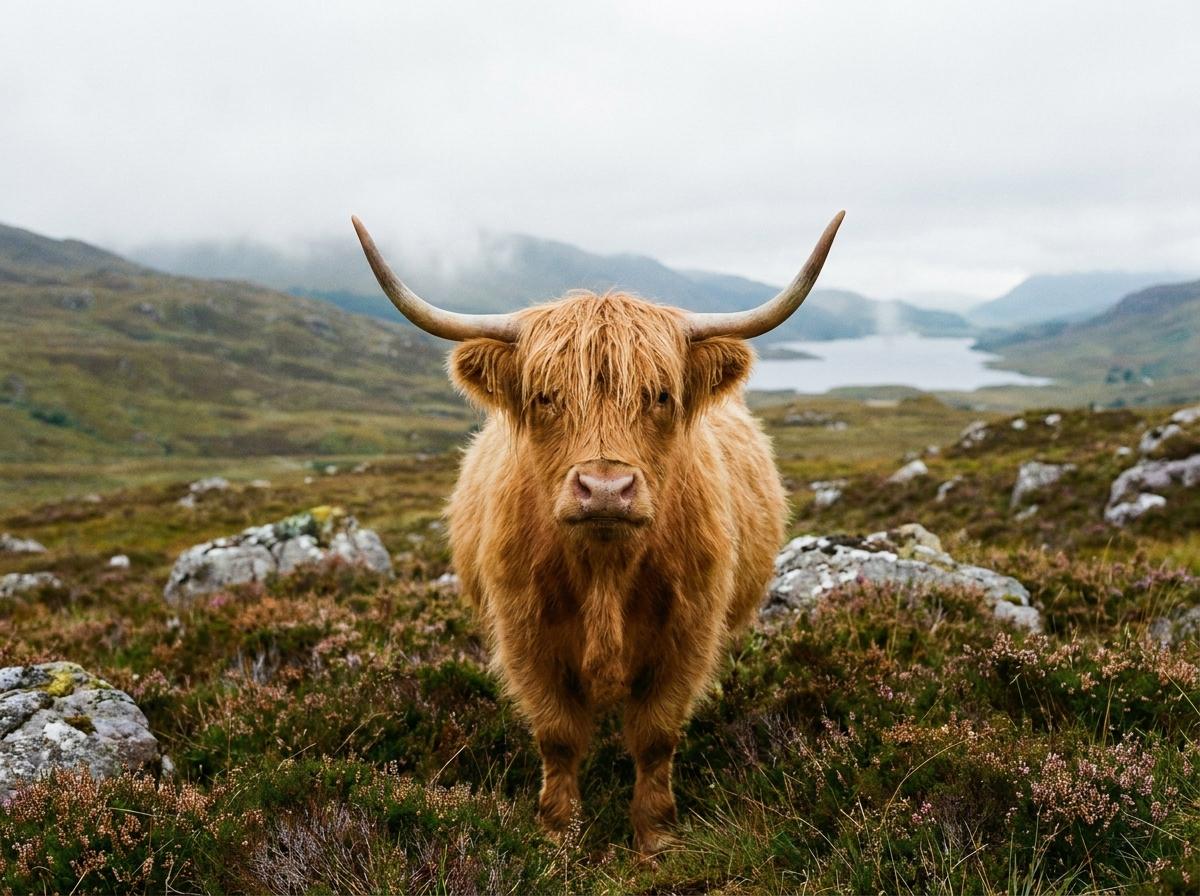
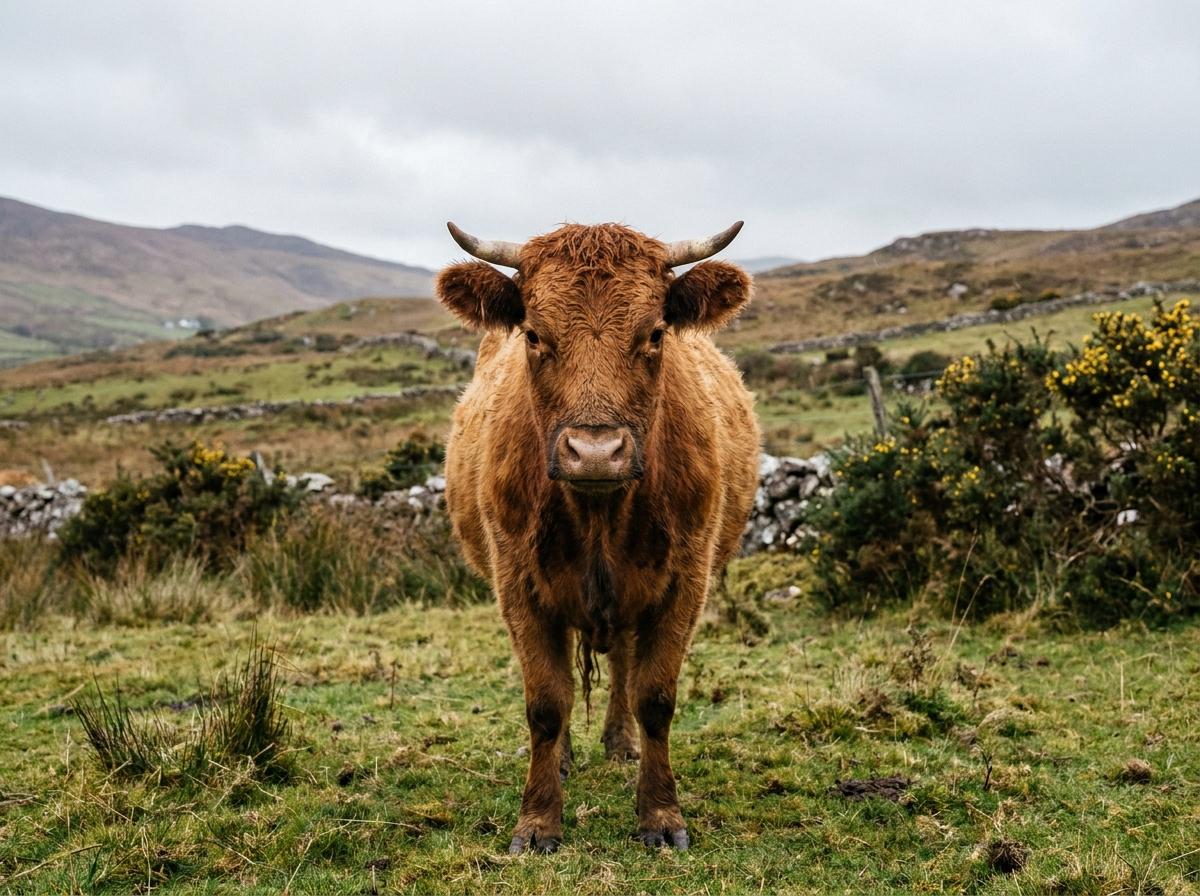
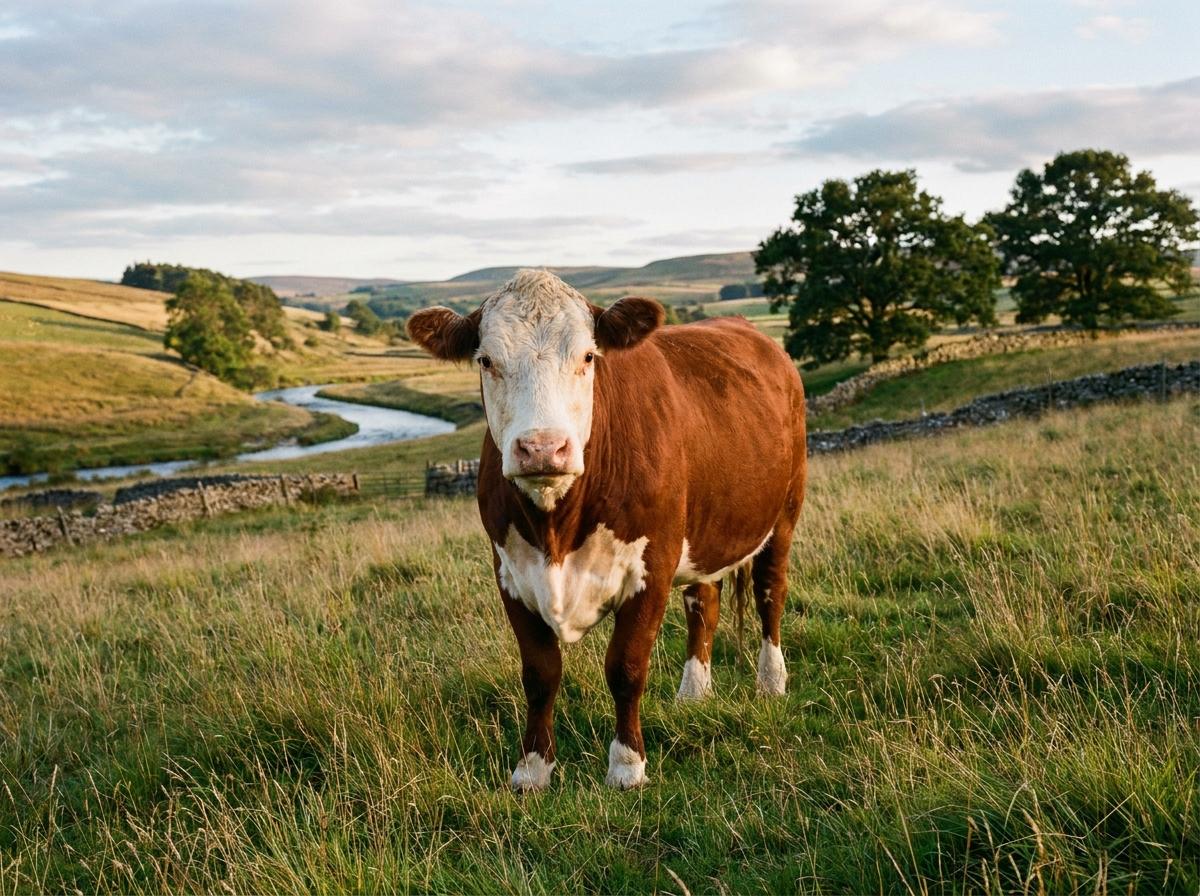
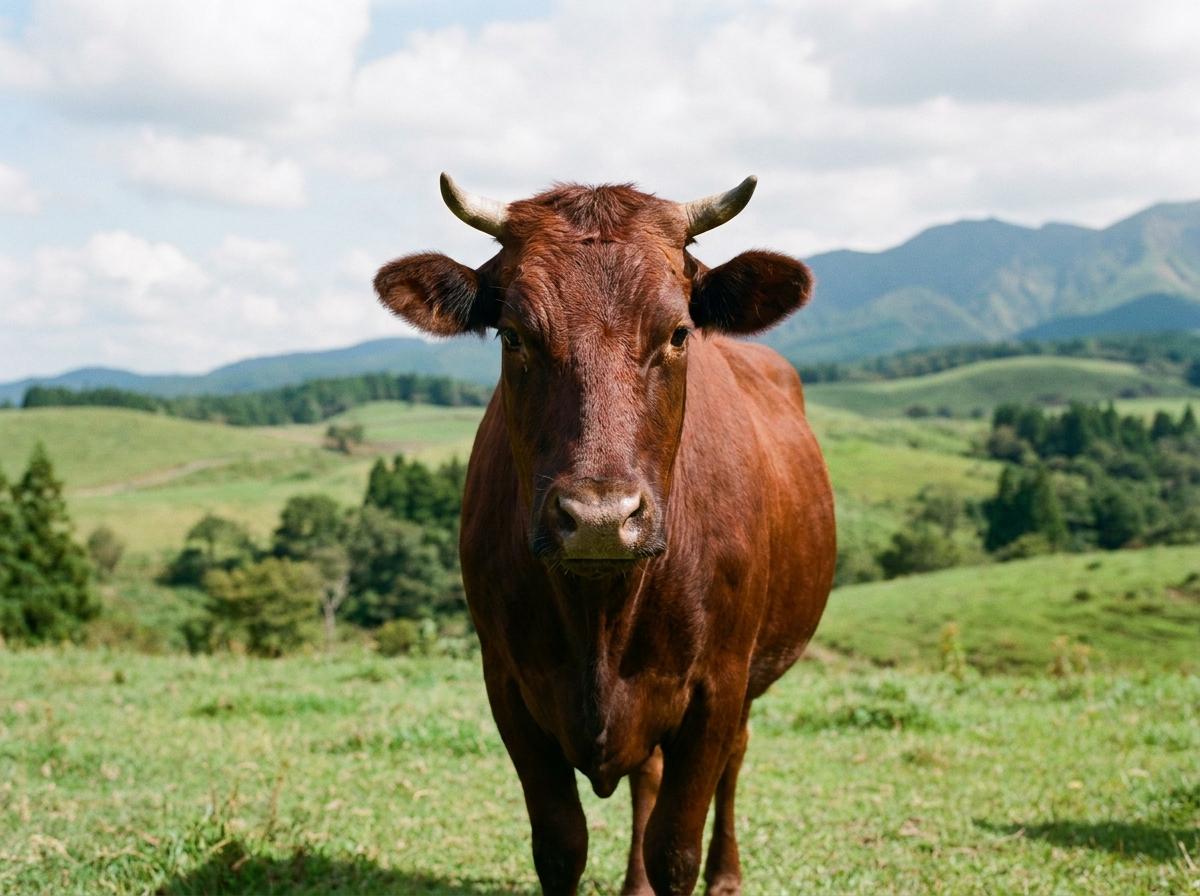
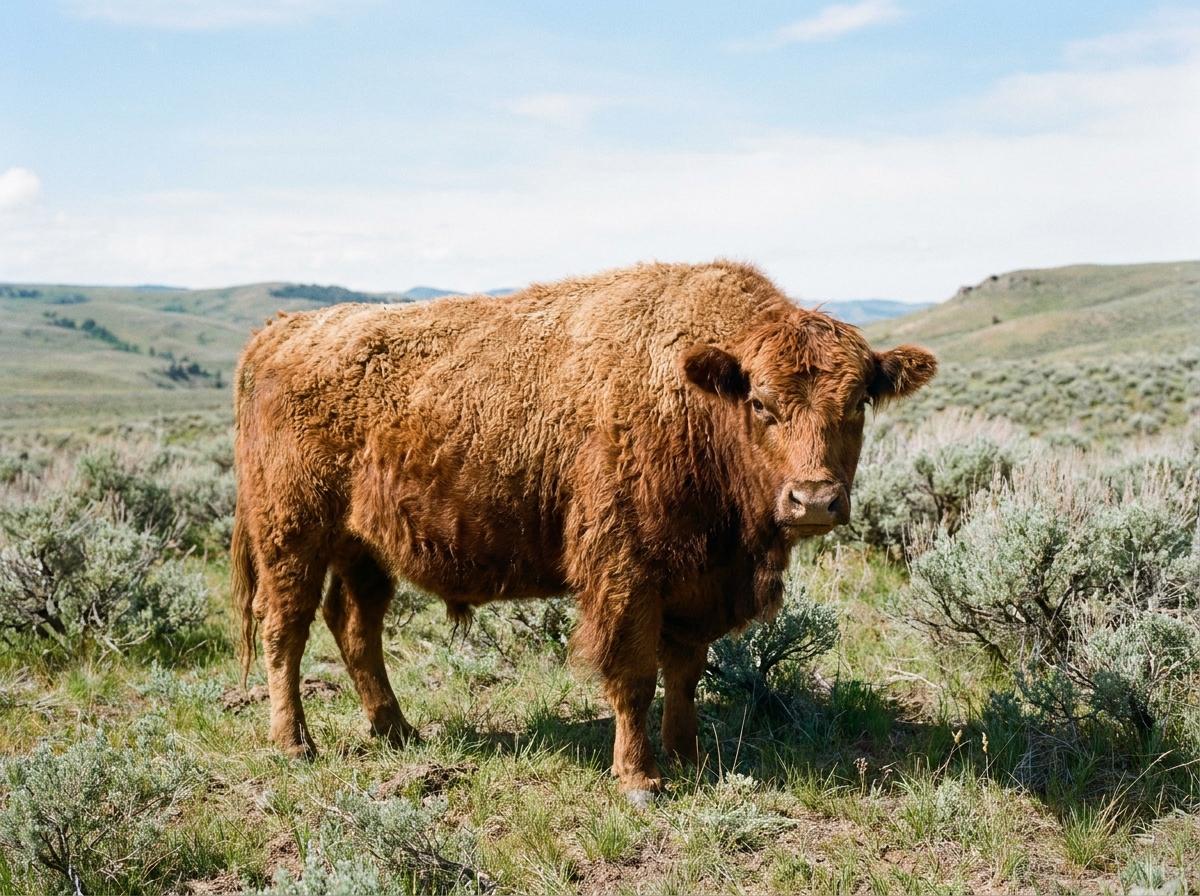
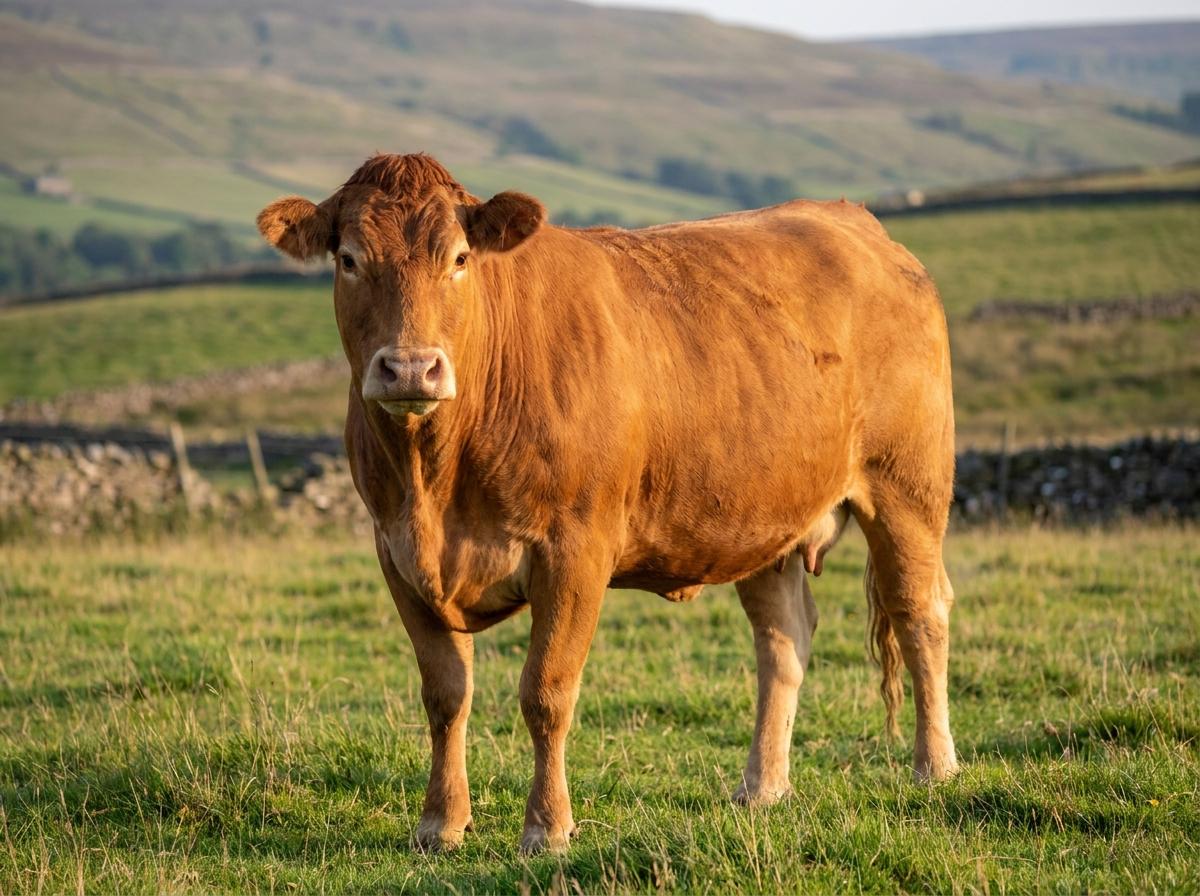
Huáng cattle, often rendered as Huang Niu or Chinese yellow cattle, are better understood as a broad Chinese grouping than as one tightly standardized breed. The name covers many local yellow, red-brown, or dun cattle populations, including well-known regional breeds such as Qinchuan, Nanyang, Luxi, and others in northern and central China. These cattle were shaped by centuries of draft work, smallholder farming, beef use, and selection for survival on crop residues, straw, and seasonal forage.
For keepers and researchers, the exact region matters. Northern yellow cattle tend to show stronger taurine influence and heavier draft or beef type, while southern populations may show more zebu influence and heat tolerance. Modern herds are used for beef, heritage draught work, and crossbreeding with specialized sires. Housing and feeding are ordinary cattle management, but winter feed, hoof soundness, and working temperament can be important in traditional systems. Before comparing performance or buying breeding stock, identify the local strain behind the Huáng name.
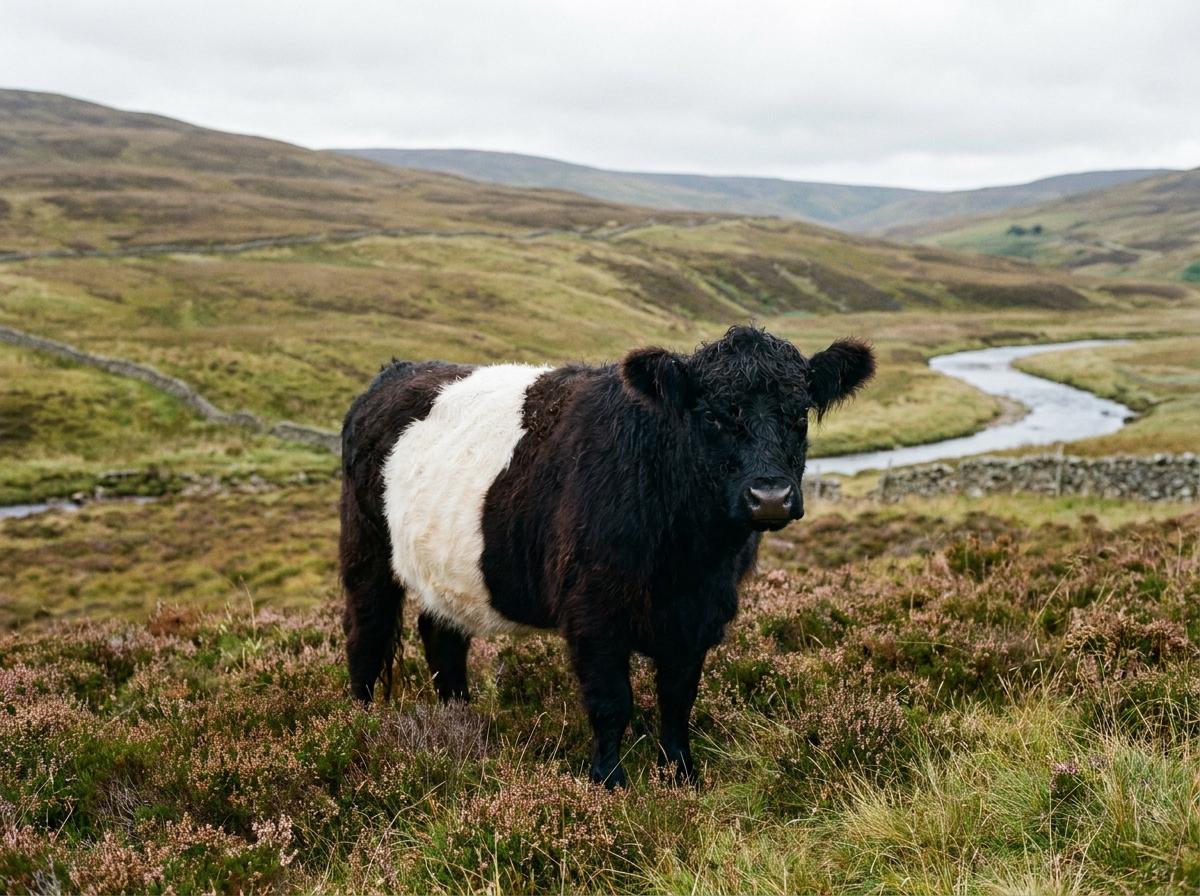
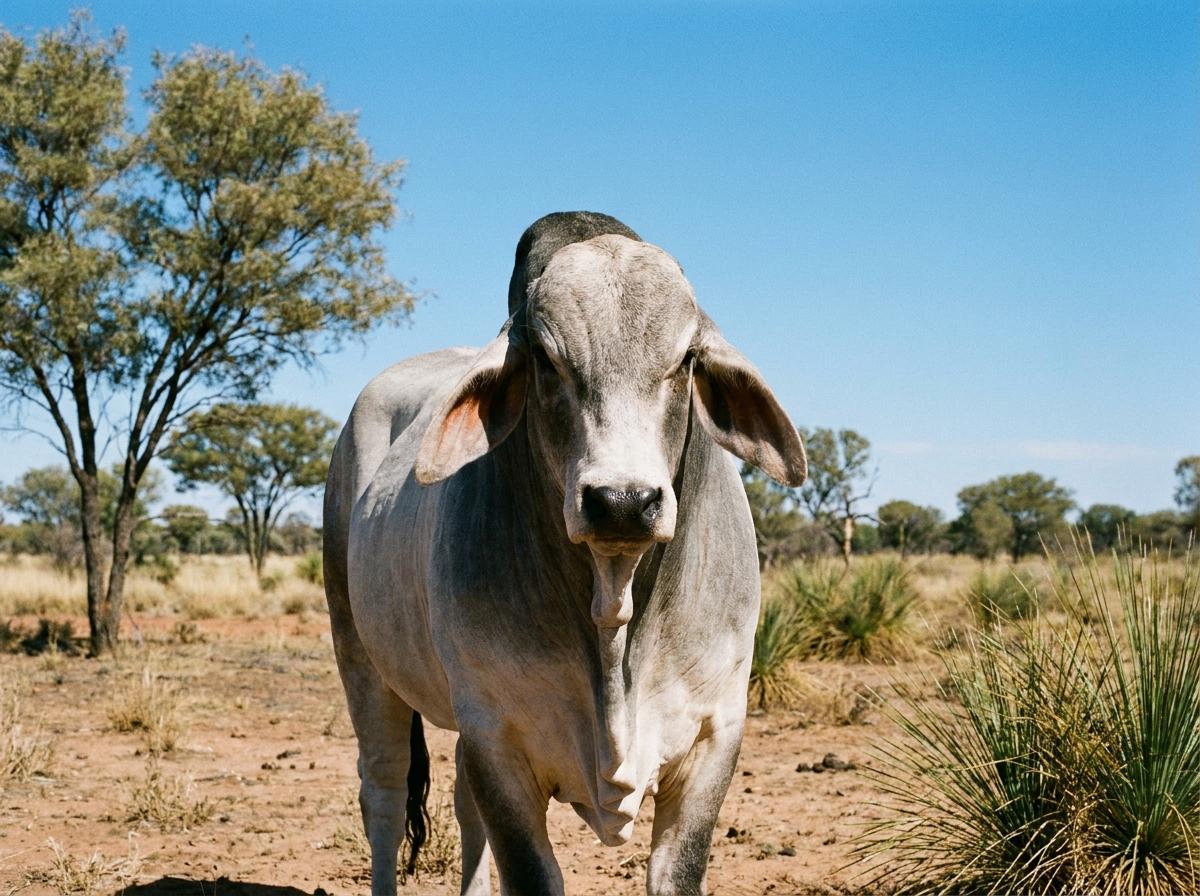
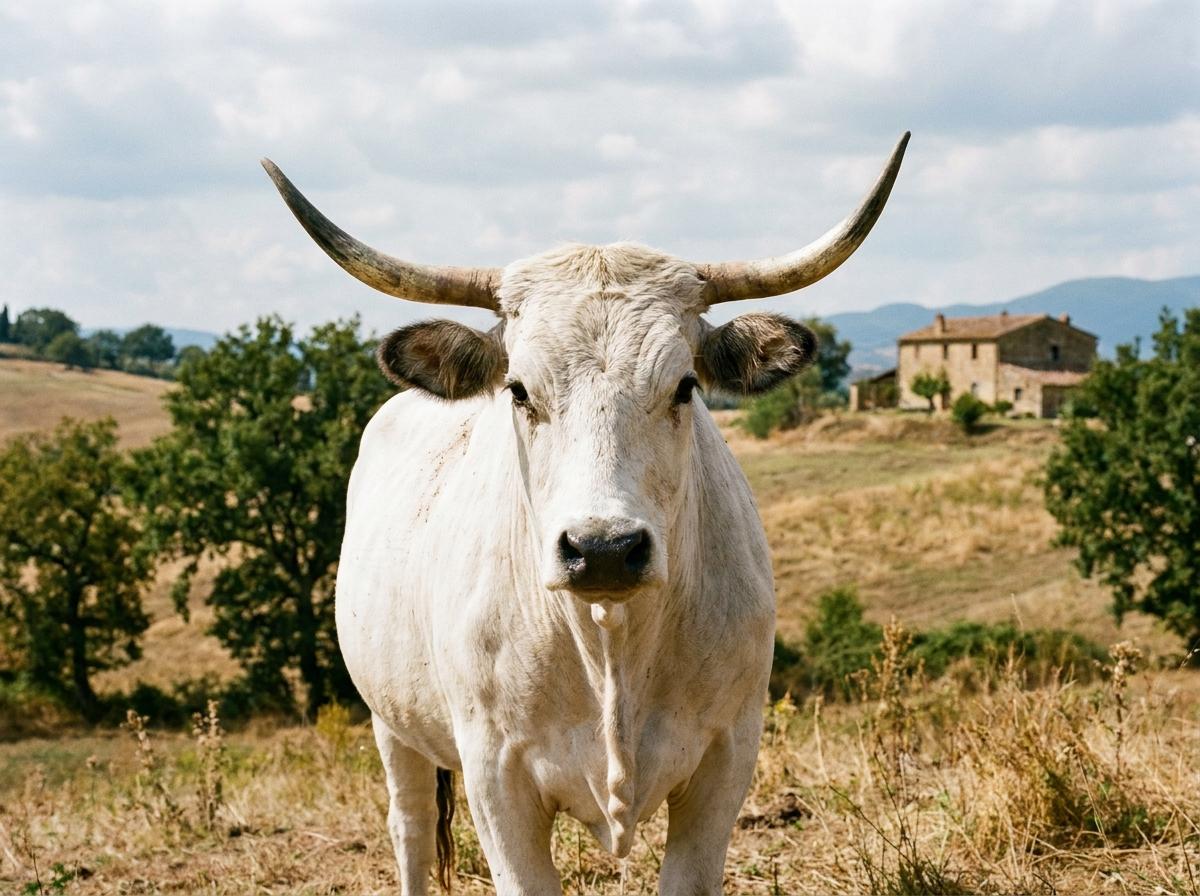
Colors: Belted, Black, Black and White, Blaze Faced, Blue Roan, Brindle, Brockle Faced, Brown, Brown and White, Dun, Gray, Grey, Highbelt, Highpark, Lineback, Mottled, Pied, Red, Red and White, Red Roan, Riggit, Roan, Silver, Solid Black, Solid Red, Solid White, Speckled, Spotted, White, White Faced, Yellow